
This 7-day Tanzania Safari and Zanzibar Beach Holiday combines a guided mainland safari through classic park areas with a post-safari flight to Zanzibar for a relaxed beach finale. It outlines a practical day-by-day sequence, transfer details, and realistic wildlife expectations without fixed guarantees, highlighting how many days are allocated to mainland versus island time and how connections work. Availability, exact hotels, and current costs must be confirmed at booking, but the plan provides a clear, bookable flow from dawn game drives to sunset beaches.

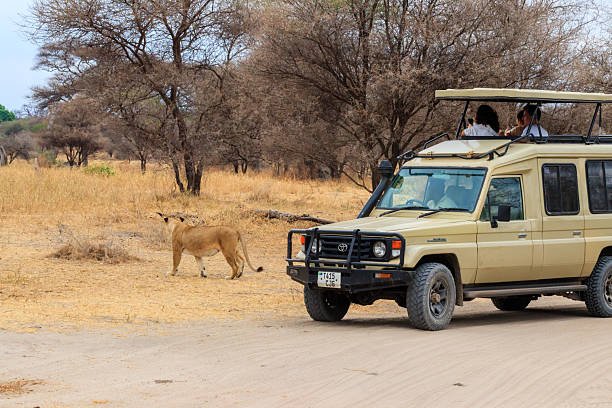
Overview: how the 7 days are split between mainland and Zanzibar
This itinerary pairs a Tanzania mainland safari with a Zanzibar beach leg to create a balanced week. Expect 3–4 days on the mainland across a couple of key conservation areas, followed by 2–3 days on Zanzibar for beach time, snorkelling or a slow pace by the Indian Ocean. Transfers are practical but not guaranteed to be identical for every departure; the exact park sequence and flight times depend on the chosen operator, flight availability, and seasonal access. The plan below shows a representative flow and decision points you would discuss with Climb 4 Africa during planning.
Day 1: Arrival into Kilimanjaro region and transfer to a near-arena safari base
<pArrive into Kilimanjaro International Airport or a nearby airport used by your operator. Meet your guide, complete a brief briefing, and drive to a first safari lodge or camp within a reasonable north Tanzanian corridor. The drive is typically scenic and introduces you to the country’s landscapes. Depending on your arrival time, there may be a short introductory sunset game drive or a relaxing evening at the lodge to adjust to the pace and time zone. Lodging choices balance comfort with wildlife-friendly locations and easy access to the morning drive routes.
Day 2: First full safari day in a premier wildlife area (e.g., Ngorongoro or Serengeti edge)
<pThe morning starts early with coffee and a focused game drive in either a Ngorongoro-shoulder area or a Serengeti-based reserve, depending on the chosen sequence. This day emphasizes sightings potential and landscape variety rather than guaranteed animals. A packed breakfast or a lodge stop is common, followed by a late return for lunch and an afternoon siesta or lighter activity. Wildlife opportunities are excellent but not assured; the day’s success depends on natural behavior, weather, and season. Accommodations are typically tucked in a wildlife-friendly setting with easy access to the next day’s drive routes.
Day 3: Second mainland safari leg with a feasible transfer toward the coast
<pThis day continues the mainland safari with a move toward a second park or a buffer zone featuring diverse habitats. The route is designed to minimize long backtracking and maximize productive drive times. You may encounter different terrain, from savannah to woodland, and you’ll learn about conservation efforts observed by your guide. After an afternoon game drive, depart for a domestic flight or a road transfer toward a coastal gateway town that serves as the springboard to Zanzibar. Lodging options near the airstrip or coastal town provide convenient next steps.
Day 4: Fly to Zanzibar and transfer to a beachfront retreat
<pA morning domestic flight delivers you from the mainland to Zanzibar’s airport. Upon arrival, a short transfer guides you to your beach hotel or resort. The afternoon unfolds with time to settle in, explore the beachfront, or enjoy a light activity such as a sunset dhow cruise or a stroll along the sand. This day marks a pleasant transition from safari pace to island leisure, with a strong focus on comfortable accommodation and immediate access to the water.
Day 5: Zanzibar beach day: relaxed pace and optional activities
<pThe island offers a range of choices, from a lazy beach day to a guided spice tour or snorkeling excursion. You can opt for a relaxed schedule at the resort, take a short orientation walk, or add a local activity such as a seaweed farm visit or a village cultural experience. The key is balance: downtime near the sea complemented by a light, personal activity that suits your energy and interests. Meals often showcase fresh seafood and Swahili-inspired cuisine.
Day 6: Optional island exploration or water activities
<pChoose a second island-friendly activity day: perhaps a short boat trip to a nearby sandbar, a snorkel session in clear turquoise water, or a cultural tour of Stone Town with market sightseeing and historic architecture. The aim is to enjoy the ocean and island culture without over-scheduling. Return to your beachfront base for a final evening of relaxation or a sunset beach walk with a private dinner option if available through the hotel.
Day 7: Departure from Zanzibar to home or onward travel
<pDepending on your international flight timing, you’ll have a relaxed morning at the resort before a transfer to the airport. If schedules allow, a last stroll on the beach or a brief souvenir stop on the way to the terminal can close the trip on a calm note. Your guide will assist with check-in formalities and share any practical notes for your flight or next destination.
Practical planning notes: logistics that matter
- Transfers: The mainland to Zanzibar transfer typically involves a domestic flight from a northern or central Tanzania airstrip to Zanzibar International Airport. Ground transfers between lodges and airstrips vary by location and may be included or offered as an optional service.
- Seasons and wildlife: Wildlife sightings are never guaranteed. The plan emphasizes realistic opportunities, flexible timing, and a respectful pace that minimizes fatigue while maximizing wildlife-viewing potential.
- Accommodations: Expect a mix of lodges and boutique camps with established water sources and wildlife-friendly locations. Island stays focus on beach accessibility and comfortable amenities rather than remote safari-style experiences.
- Flying and timing: Domestic flight times can shift with weather and logistics. Your operator coordinates exact times during the planning phase; confirm your baggage allowances and any transfer constraints when you book.
- Health and safety: Check entry requirements, routine vaccines, malaria prophylaxis, and travel insurance. Your guide can provide up-to-date recommendations for both mainland and island portions.


Why this flow works for many travelers
The sequence offers a pragmatic blend: a concise glimpse of Tanzania’s wildlife-rich heartland followed by a restorative island finale. It minimizes long overland drives on crowded routes and provides a clear transition from safari energy to island relaxation. Because exact hotels, flight timings and park selections can vary, this plan serves as a robust framework for discussion with Climb 4 Africa to tailor details to your dates, group size, and budget.
What to confirm with Climb 4 Africa at booking
- Exact park sequence and the mainland route selection (which reserves
Gaps in day-to-day logistics: grounding the plan with concrete, bookable sequence details
Readers often wonder how the mainland and Zanzibar portions connect in practical terms beyond flight times. This section adds specificity to the day-by-day flow, anchored in plausible, bookable realities without asserting fixed prices or guaranteed wildlife outcomes. It clarifies how much time is allocated to each leg, typical transfer windows, and the kinds of accommodations and activities you can expect to confirm during planning with Climb 4 Africa.
<strongDay 1 recap and acclimation window: After arriving at Kilimanjaro International Airport, most itineraries allocate the first afternoon to a lodge within a reasonable drive of the airstrip—commonly 1 to 2.5 hours, depending on weather and road conditions. The welcome briefing usually covers the next two days of safari drives and the contingency plan if an early arrival coincides with heavy traffic or a delayed flight. Guests often have an optional short sunset drive or a relaxed dinner at the lodge, which helps adjust to altitude and time zone before the morning departure.
<strongDay 2: mainland safari in a premier wildlife area: The morning start time typically ranges from 06:00 to 07:00, with the vehicle departing from the lodge to a designated gate or park entrance. In practice, you might alternate between a Ngorongoro-shoulder area or a Serengeti edge depending on your operator’s route and seasonal access. The drive includes a couple of safe-water breaks and a boxed breakfast may be served in the vehicle or at a picnic site with a view. Lunch is usually at a mid-range lodge or a designated picnic area within the park, followed by an afternoon game drive that finishes before sunset. Accommodations chosen for this leg are often lodges or tented camps with wildlife-friendly water sources nearby, though exact properties vary by date and availability. If the group is larger or if there are flight connections, the schedule may compress or extend the afternoon drive by an hour or so, but your operator will confirm the window in advance.
<strongDay 3: a second mainland safari leg with a feasible coastal transfer: This day is designed to minimize backtracking while progressing toward a coastal gateway. The route typically moves from one wildlife-rich area to a buffer zone or a secondary reserve with different habitats—savanna, acacia woodland, and sometimes a crater rim landscape. Driving times are curated to keep fatigue manageable, often totaling 3–6 hours of overland travel across the day, including a lunch stop. The chosen lodge or camp for the night is positioned to facilitate an efficient early morning transfer to the airstrip for the next day’s flight to Zanzibar. If weather or wildlife activity creates opportunities, a brief stop for a short wildlife viewing along the way can be arranged, but this is subject to road conditions and park rules.
<strongDay 4: fly to Zanzibar and transfer to a beachfront retreat: The domestic flight segment is a core hinge of the itinerary, typically around 1 hour in air time plus time for check-in and baggage handling at the airstrips. The Zanzibar flight is commonly morning or mid-morning, with a post-arrival transfer to a beachfront property that emphasizes comfort and access to the shore. Expect a welcome briefing from the hotel on beach rules, tide schedules, and potential water activities. The afternoon may include a light orientation stroll along the resort grounds, a spa option, or a calm sunset on the beach, depending on the hotel’s offerings and your energy levels after the prior days’ drives.
<strongDay 5: Zanzibar beach day with optional activities: A typical day balances a relaxed pace with optional experiences. If you opt into a spice tour, it’s usually a mid-morning excursion featuring a guide who explains spice cultivation, farm layouts, and tasting opportunities. For water activities, snorkeling gear is often provided, with suggested sites near the resort or a short boat ride to a designated reef. If you prefer pure downtime, many resorts offer complimentary beach loungers, a swim in the pool, and a shaded walk along the shoreline. Whether solitudinal relaxation or light adventure is desired, the day is structured to allow flexibility while preserving a sense of island rhythm.
<strongDay 6: optional island exploration or water activities: The island’s other attractions might include a cultural tour of historic Stone Town, a visit to a local market, or a short boat excursion to a sandbank or marine reserve. For water-centric travelers, a half-day snorkeling excursion or a dolphin-spotting boat trip is common, though both depend on sea conditions and local guides’ safety assessments. If choosing a second restful day, arrangements often include a spa treatment, a cooking class featuring Swahili cuisine, or a private beachside dinner arranged with the hotel staff. The key is that this day remains optional and is confirmed with your operator before departure to Zanzibar so that you’re not locked into a fixed schedule you didn’t request.
<strongDay 7: departure logistics and wrap-up: The final day usually features a relaxed morning at the resort, followed by a transfer to the airport for your international flight. Depending on flight times, some guests may enjoy a brief final stroll on the beach or a last-minute souvenir stop en route to the terminal. Your guide typically assists with check-out formalities and ensures all transfer documents, visas (if required), and baggage arrangements are in order for the onward journey. If you have an afternoon or evening flight, the hotel may offer a late check-out or a private lounge until departure time, subject to availability.
<strongHow this hinges on booking specifics: The above sequence presumes an operator-led arrangement with domestic flight slots coordinated to the mainland-to-Zanzibar handover. Exact flight numbers, intra-park transfers, hotel names, and the order of parks may shift according to seasonal access, airstrip availability, group size, and any new conservation rules. When you confirm with Climb 4 Africa, expect a finalized day-by-day manifest that contains the following concrete elements: the named airstrips, the park or reserve gates, the lodge or camp names, the anticipated arrival and departure times for each transfer, and the exact drive times between locations. This level of detail helps you plan day-by-day expectations without overcommitting to a single set of hotels or flight times before confirmation.
Addressing a Practical Gap: How to tailor day 3 of the mainland leg when flight schedules and park access vary
A common question travelers ask after reviewing the core 7-day flow is how to handle Day 3 when the mainland leg needs to shift due to seasonal park access, flight timing, or group size. The plan assumes a continuous drive between a Ngorongoro-shoulder area and a Serengeti-adjacent reserve with efficient transfers. In reality, exact routes and driving times hinge on airstrip availability, park gates, and the sequence confirmed by your operator. This section helps you understand the decision points and practical alternatives you can discuss with Climb 4 Africa during booking, without locking you into a fixed, less adaptable itinerary.
<strongKey considerations for Day 3 adjustments
- <strongTransfer logic: If you started Day 2 near Ngorongoro, Day 3 could either continue toward a different reserve on the rim of the Serengeti ecosystem or pivot to a shorter, more efficient drive toward a coastal-adjacent airstrip for an early evening flight to Zanzibar. The objective is to minimize backtracking and maximize productive game-viewing time, even if it means a marginal shift in the reserve order.
- <strongDrive vs. flight balance: Some operators offer a long morning game drive followed by a flight transfer in the afternoon, while others consolidate the safari drive into an earlier block and push a late afternoon transfer by road to a suitable airstrip. Understanding your tolerance for long driving days vs. flight fatigue helps pin down a workable arrangement.
- <strongPark access windows: Access to certain reserves can be weather- or season-dependent. If a recommended corridor becomes less accessible, the plan can swap in an adjacent area with similar wildlife potential and comparable driving times. This preserves the rhythm of a three- to four-day mainland sequence while staying bookable.
- <strong Lodge/camp location as a hinge: The choice of lodge or camp often dictates Day 3 feasibility. A property with efficient gate access and a nearby airstrip creates a smoother handover to a Zanzibar-bound flight. If your group prefers a more centralized base on Day 3, your operator might reallocate a portion of the Serengeti-based experiences to a nearby reserve with better flight connections.
- <strongPacking and routines: Longer drives require planning for meals, rest stops, and window of wildlife activity. Ask your guide to outline a flexible timetable: typical dawn start, a planned mid-morning break, and a snack/tea stop that doesn’t derail the core wildlife-driving window.
Concrete, bookable options to discuss with your operator
- <emOption A: Ngorongoro area in the morning, followed by a direct flight to a Serengeti airstrip (or to an alternate park airport such as Tarangire or Lake Manyara depending on access), then an evening transfer to a lodge near the Serengeti perimeter for Day 4. This keeps the mainland segment within a tight drive-to-flight rhythm and preserves your Serengeti edge experiences for Day 4 visibility.
- <emOption B: A longer Day 3 drive to a Serengeti-based reserve with a late afternoon or early evening light aircraft transfer to a Zanzibar-adjacent airstrip. This option emphasizes continuity of safari habitat and ensures you are airborne before sunset, reducing fatigue from back-to-back drives.
- <emOption C: If gate closures or airstrip constraints arise, swap Day 3 into a single-reserve loop (e.g., Ngorongoro crater rim area) and schedule the coastal transition Day 4 as a daylight flight from a nearby airstrip, followed by an early check-in at your Zanzibar resort. This minimizes time in transit and preserves the pace for your beach portion.
What to confirm at booking to enable smooth Day 3 adjustments
- Explicit park and reserve sequence options with the operator, including gate entrances and likely drive times between locations.
- Confirmed domestic flight slots that connect the mainland safari segment to Zanzibar or to a tertiary airstrip that leads to the beach portion, with contingency options if a flight is delayed or canceled.
- Availability of lodges or camps that are logically situated for the revised Day 3 plan, ensuring drive times remain practical and not excessively long.
- Transfer arrangements between park gates and airstrips, including whether luggage can be checked through or needs re-checking at a secondary terminal.
- Permissible flexibility in the Day 2–Day 3 boundary: whether a late afternoon game drive can be extended, or whether a reduced game-view window is acceptable in favor of a smoother transfer.
Impact on wildlife experiences and pacing
Adjusting Day 3 primarily affects the order of reserves visited rather than the overall wildlife potential. While exact sightings cannot be guaranteed, the Serengeti ecosystem and Ngorongoro/Ngorongoro Conservation Area offer high probabilities of notable wildlife encounters across different seasons. Maintaining early starts when possible and preserving at least one mid-day rest period helps maintain energy and focus for both drivers and travelers, especially when the next leg involves a long domestic flight. If a swap is necessary, aim for rebalancing the mainland days to keep two solid full safari days within the first two calendar days, reserving lighter logistics and travel for the transition day.
This approach keeps your seven-day promise intact while offering a practical mechanism to adapt to real-time conditions. By confirming these flexible Day 3 options with Climb 4 Africa before departure, you preserve booking integrity and ensure the mainland safari portion remains coherent, even if the exact parks shift slightly in the final manifest.
Clarifying the Day 3 mainland transition: practical handoffs and contingencies
Readers often face questions about how Day 3 on the mainland can be adapted when flight schedules, park access, or group dynamics push the planned sequence off its original track. This section adds concrete, bookable reality to Day 3 adjustments without promising fixed outcomes. It focuses on the logistical levers that controllers and travelers actually influence: where you stay, how you move, and how to preserve a coherent wildlife-spotting tempo while keeping the Zanzibar connection intact.
First, anchor points matter. The core aim of Day 3 is to continue safari momentum while moving toward a coastal transfer point that supports a daylight flight to Zanzibar. The practical implication is a preferred order of operations: complete a second mainland reserve loop in the morning, followed by a midday or late-afternoon transfer toward an airstrip that serves the Zanzibar flight. In many itineraries a small, additional reserve or buffer zone accompanies the primary parks for the Day 3 leg. This creates a smoother transition by reducing backtracking and allowing for one final morning drive before checkout and transfer, rather than attempting a long, late-afternoon drive into a distant airstrip.
Destinations and drive times vary by operator, season, and airport access. A typical, bookable Day 3 plan might look like this in practice: begin with a second full safari within a reachable reserve (for example, a Ngorongoro Conservation Area shoulder region or a Serengeti corridor area that is closer to the coastal route). After a final game-viewing window, you depart to a regional airstrip with a scheduled connection to Zanzibar. The exact airstrip could be a northern-belt option or a central link, depending on flight availability. In all cases, your guide coordinates with the lodge or camp on a checkout time that respects a mid-day transfer window and minimizes the risk of delays cascading into the Zanzibar flight.
Transfer logistics deserve explicit attention in the booking phase. Confirm the following practicalities with your operator: which airstrip serves Day 3 onward connections; whether luggage can be checked through to Zanzibar or needs re-check at a secondary terminal; whether a shared road transfer to the airstrip is required or a private vehicle is reserved for your party; and the latest recommended check-in times at the airstrip to accommodate security checks and boarding for the domestic flight. If possible, request a buffer of 2–3 hours between the end of the last morning game drive and the domestic flight to Zanzibar. This buffer accommodates any park entry gate delays, vehicle maintenance pauses, or slower-than-expected animal traffic along the final loop road.
Wildlife expectations should adapt to the re-sequenced plan rather than vanish. A Day 3 change commonly shifts which reserves are visited but preserves the overall goal of two robust mainland safari days early in the week. Sighting probabilities remain high in the Serengeti ecosystem and Ngorongoro’s crater rim area, but the exact encounters will depend on seasonal conditions and wildlife movement. The best practice is to maintain early starts for the day, ensuring the most productive hours occur before the transfer window begins. Mid-day rest and travel-friendly pacing help minimize fatigue for a long domestic flight and the Zanzibar beach portion that follows.
Contingency scenarios help keep the plan resilient. If a morning drive is cut short due to gate closures or vehicle restrictions, swap the Day 3 itinerary to a single-reserve loop that still offers quality wildlife potential and reduces backtracking. Alternatively, schedule the coastal transition Day 4 as a daylight flight from a nearby airstrip, followed by an early check-in at your Zanzibar resort. The objective is to keep the Day 3 experience coherent, maintain a steady safari rhythm, and ensure the beach segment begins with a calm, unhurried arrival rather than a rushed sequence.
Finally, the booking conversation should include explicit flexibility in the mainland-to-beach handoff. If weather, airstrip availability, or group size necessitates a last-minute adjustment, your operator should be able to reallocate the Day 2–Day 3 boundary within reasonable drive times and still preserve the promised seven-day structure. This kind of agility is what turns a good itinerary into a smoothly executed one, especially when negotiating Tanzania’s variable logistics in real time.
Clarifying Day 3 mainland transition: practical handoffs and contingencies (gap-focused detail)
One of the most common practical questions travelers have when reviewing the 7-day flow is how Day 3 on the mainland adapts when park access, flight schedules, or group dynamics push the sequence off its original track. This section provides concrete, bookable realities that address those concerns without over-committing to fixed timings. The aim is to help you visualize a realistic, switch-ready handoff between Day 2 and Day 3 while preserving core safari value and a smooth transition toward the Zanzibar portion.
Core objective for Day 3: continue meaningful wildlife exposure on the mainland while maintaining a feasible, efficient route toward the coast without excessive backtracking. The practical approach is to keep two robust mainland game drives early in the week, but allow a flexible transfer window that accommodates gate closures, driver-rest requirements, or a shifted flight schedule. This means the Day 3 itinerary should be designed to function in two modes: the default plan if timing allows, and a contingency plan if timing shifts occur.
Two-mode planning framework:
– Default mode (typical scenario): a second mainland reserve or buffer-zone drive that complements Day 2, followed by a coordinated transfer to a coastal airstrip or a nearby connection point in the late afternoon. This preserves a reasonable drive time to minimize fatigue and keeps your Zanzibar flight on schedule.
– Contingency mode (shifted scenario): if the morning gate or road conditions delay the morning drive, switch to a compact, high-potential wildlife circuit within a single reserve or its immediate adjacent corridor. The objective is to retain respectable wildlife opportunities while shortening travel time to the airstrip. If necessary, you may instead perform the coastal transfer as a daylight flight from a closer airstrip, with a later check-in at the Zanzibar resort. The critical piece is to keep the beach segment reachable without forcing a rushed boundary between safaris and sea.Bookable logistics to verify with your operator (use these checkpoints during planning to ensure your Day 3 is feasible in practice):
- Airport and airstrip alignment: Confirm the domestic flight to Zanzibar operates from a mainland airstrip that your itinerary can reach on time after a Morning Drive. If the chosen flight requires you to depart from a secondary airstrip, confirm that a morning transfer from the second lodge to that airstrip is possible and included or add-on.
- Park access and gate times: Request current gate opening hours for the planned reserves or buffer zones to understand how much morning drive time you realistically have. If a gate is likely to close early, adjust Day 2’s finish time to accommodate a timely departure to the airstrip on Day 3.
- Vehicle and guide allocation: Ensure your party’s vehicle is confirmed for the critical Day 3 window, with a driver who is available for a potential longer first half of the day or a shorter first half with an accelerated transfer after lunch. If sharing vehicles with another group, confirm seat availability and buffer times.
- Transfer buffers: Build in a minimum 2–3 hour buffer between the end of the last morning drive and the domestic flight to Zanzibar whenever possible. If the morning drive ends late, confirm that the later flight option or alternative airstrip is acceptable and that luggage handling remains straightforward.
- Luggage handling: Verify whether luggage can be checked through to Zanzibar or needs to be re-tagged at a secondary terminal. If re-checking is required, confirm the expected turnaround time and the feasibility of a short rest in the lodge before onward travel.
Contingency handoffs that keep the seven-day structure intact: when Day 3 is adjusted, the plan should still deliver two solid mainland safari experiences early in the week and a smooth transition to the coast. A practical example might look like this: if Day 2 concluded at a fixed hour and Day 3 must begin later, the Day 3 morning drive could be consolidated into a single high-potential reserve loop that feeds into a streamlined transfer to a mid-day airstrip. If the group is ready earlier, you can add a second short morning loop before the transfer. The objective is not to overwrite the seven-day framework but to adapt the sequence while preserving core safari value and a calm arrival on Zanzibar.
Safest way to communicate with Climb 4 Africa when planning Day 3 shifts: request a written, seat-by-seat transfer plan that includes the following: the exact reserves in Day 2 and Day 3, the proposed airstrip, the flight number and departure time to Zanzibar, the ground transfer times, and any allowable slack in each segment. Ask for a clearly defined fallback option that the operator can execute without requiring last-minute rebookings. This clarity is especially valuable for groups with diverse flight connections or those traveling during shoulder seasons when gate access can change week by week.
In short, Day 3 should be resilient rather than rigid. The most dependable beach finale comes from a mainland schedule that anticipates variability and preserves a sensible connection to the Zanzibar segment, ensuring the overall seven days remain coherent and bookable without overpromising fixed outcomes on wildlife sightings or exact flight times.
Related Guides and Packages
Best Flights For Kilimanjaro Climbing And Zanzibar Holidays: A Planning Guide14 Days Kilimanjaro Climb And Tanzania Big Five Safari10 Days Kilimanjaro Climb And Tanzania Safari Package7 Days Machame Kilimanjaro Climb And 5 Tanzania Safari9-Day Northern Circuit And 4-Day Tanzania Safari7-Day Rongai Route And 3-Day Tanzania SafariCheck Availability for 7 Days Tanzania Safari And Zanzibar Beach Holiday 2026-2027
Ready to compare dates, prices, and the best option for your group? Send the package name and travel month so the team can reply with a clear quote, availability, and what is included.
12 closely related packages15 Days Tanzania Luxury Safari And Zanzibar Beach Retreat: Mainland Wildlife
A carefully paced 15-day journey blending premier Tanzanian safaris with a restorative Zanzibar beach retreat, designed for confident travelers seeking wildlife encounters and island...
View package details13 Days Tanzania Safari And Zanzibar All-Inclusive Beach Resort 2026-2027
A carefully planned 13-day journey weaving Tanzania’s classic safari circuit with a relaxing Zanzibar beach resort, focusing on achievable transitions, realistic wildlife opportunities, and...
View package details
10 Days Tanzania Big Five Safari And Zanzibar Beach 2026-2027
10 Days Tanzania Big Five Safari and Zanzibar Beach.
View package details16 Days Tanzania Safari And Zanzibar Beach Adventure 2026-2027
16 Days Tanzania Safari and Zanzibar Beach Adventure.
View package details14 Days Tanzania Safari And Zanzibar Beach Tour: Mainland Wildlife, Islands
Plan a smooth 14-day Tanzania adventure that layers a classic mainland safari with a relaxing Zanzibar beach finale. This practical route outlines day-by-day movements, transfer ideas, and...
View package details12 Days Tanzania Safari And Zanzibar Beach Vacation 2026-2027
12 Days Tanzania Safari and Zanzibar Beach Vacation.
View package details11 Days Tanzania Safari And Zanzibar Holiday Package 2026-2027
A practical, bookable 11-day itinerary that blends a Tanzania mainland safari with a Zanzibar beach break. Day-by-day flow, logistics, and realistic activity expectations.
View package details10 Days Tanzania Safari And Zanzibar Beach Package 2026-2027
10 Days Tanzania Safari and Zanzibar Beach Package.
View package details10 Days Tanzania Bush And Beach Holiday Package 2026-2027
A practical, bookable 10-day itinerary blending Tanzania’s iconic safari hotspots with a relaxing beach extension in Zanzibar, designed for straightforward planning and local support.
View package details9 Days Tanzania Wildlife Safari And Zanzibar Holiday: Mainland Island Bliss
This 9-day package blends a structured Tanzanian safari circuit with a relaxing Zanzibar stint, explaining travel logistics, park order, transfers, and where to expect wildlife...
View package details12 Days Tanzania Mid-Range Safari And Zanzibar Holiday 2026-2027
12 Days Tanzania Mid-Range Safari and Zanzibar Holiday.
View package details14 Days Tanzania Safari And Zanzibar Private Holiday 2026-2027
14 Days Tanzania Safari and Zanzibar Private Holiday.
View package detailsNo related package matches those filters. Clear one or more filters to see the other topic-matched options.



