
The 9-Day Northern Circuit and 4-Day Tanzania Safari blends northern wildlife highlights like Ngorongoro Crater and Lake Manyara with a longer Serengeti itinerary, followed by a concentrated Tanzania wildlife focus that can include Tarangire or additional reserves, all coordinated for logical travel flow, practical accommodations, and steady logistics. Expect a route that minimizes backtracking, balances early game drives with cultural stops, and pairs easy domestic flights or overland transfers to keep each segment in-depth without feeling rushed. Availability and exact inclusions depend on the season and operator, so consult Climb 4 Africa for a tailored plan.
Understanding the flow: what this combined safari delivers
The plan is built for travelers who want a robust northern circuit experience paired with a concise Tanzania safari. You start with iconic northern parks, where game viewing focus is high and landscapes are dramatic, then transition to a shorter wildlife-centric segment that zeroes in on prime habitats, all supported by practical logistics, local guides, and comfortable, appropriate lodging. The structure aims to maximize wildlife sightings while keeping travel days reasonable and predictable.
Why this combination works
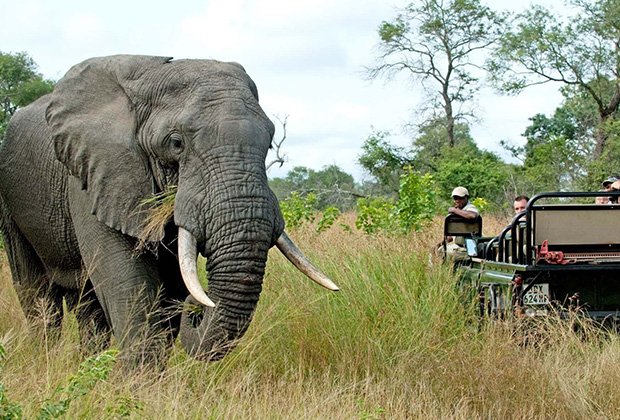
The Northern Circuit showcases the big cats, elephants, wildebeest migrations (seasonally), and the unique Ngorongoro ecosystem. A subsequent 4-day Tanzania Safari can emphasize other gems such as Tarangire’s iconic baobods and elephant herds or a deeper focus on ecosystem diversity. This arrangement minimizes redundant commutes and concentrates on the core Tanzania wildlife experience, with time left for cultural encounters and relaxed travel rhythm.
Typical route logic you’ll see on the ground
A practical outline starts with a landing in Arusha or Kilimanjaro region, then moves through lake-area habitats, Ngorongoro Conservation Area, and the Serengeti. The 4-day tail section might loop into Tarangire or another wildlife-rich reserve, finishing with a return transfer or a short domestic flight back toward a departure hub. The schedule emphasizes early morning drives, short drives between camps, and afternoon siesta or cultural activities to balance energy and maximize wildlife opportunities.
Planning considerations: timing, pacing, and what to expect
Seasonality matters: dry seasons tend to offer clearer wildlife viewing but can be busy, while wet periods bring lush scenery and migratory movements. Pacing should allow for a consistent rhythm: two-to-three nights in key areas, with a balance of day drives and rest periods. Accommodations typically range from comfortable bush lodges to mid-range lodges near wildlife-rich zones. Ground operators adapt to group size, flight options, and personal interests, so a tailored plan usually yields better flow than a rigid fixed itinerary.
Logistics you’ll coordinate with your operator
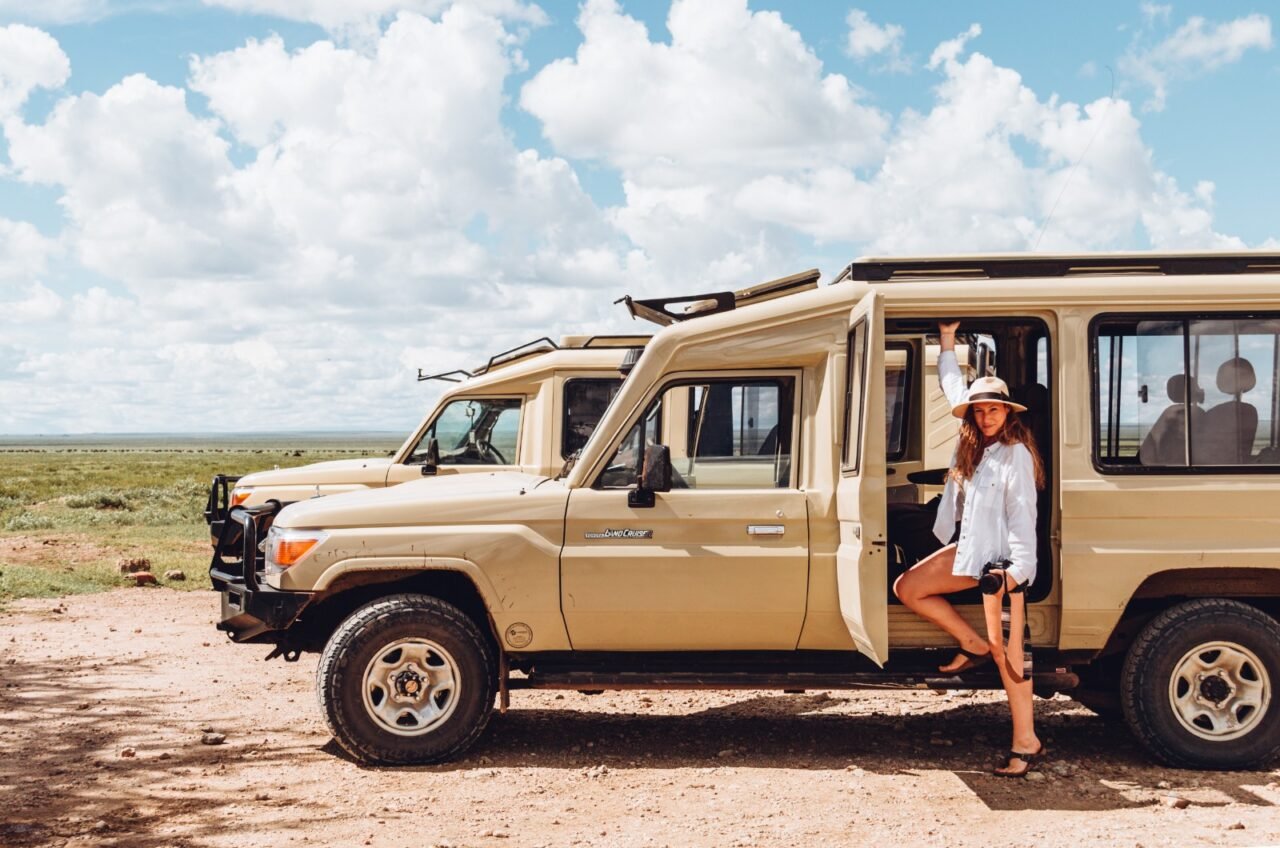
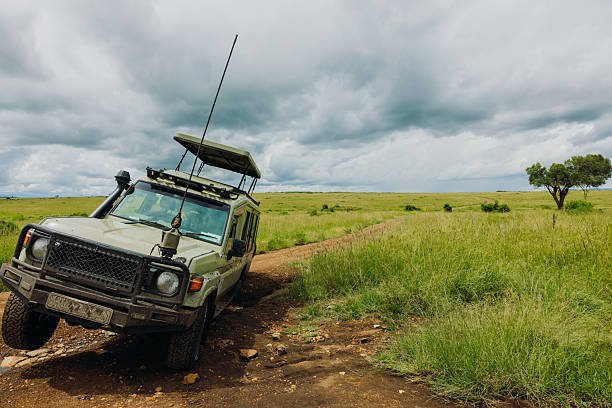
Working with Climb 4 Africa means coordinating park fees, permits, vehicle arrangements, and expert safari guides. Transfers between parks are usually overland in 4×4 vehicles or quick domestic flights when distances are long. Lodging choices prioritize proximity to wildlife and comfort, with breakfast and most meals included in many packages. Your guide will tailor morning versus afternoon drives to animal behavior and seasonal wildlife density, while cultural stops add context to the landscape you’re exploring.
What to pack and how to prepare
Pack for variable climates: layers for cool dawn safaris, light clothing for mid-day heat, and good walking shoes for village visits. A lightweight rain jacket can be essential in shoulder seasons. Sunscreen, a hat, and binoculars enhance the experience, while a small daypack helps you carry water, cameras, and snacks on game drives. Your operator will provide a packing list tailored to the specific camps and routes chosen for your departure.
How to choose the right departure and tailor-made options
Because this is a combined itinerary, the best fit depends on your preferred wildlife emphasis, flight connections, and accommodation style. Ask for a tailored sequence that avoids unnecessary backtracking, confirms the best land or air transfers between the Northern Circuit and the 4-day Tanzania segment, and includes targeted wildlife priorities—whether focusing on big cats, elephants, or birdlife. A good operator will propose alternatives if peak-season logistics require adjustments.
Booking steps and practical next moves
Start with a chat to outline your must-sees, budget frame, and travel dates. A typical process includes confirming the route with your guide, selecting lodges that balance location with comfort, and aligning domestic flights if used. Request a detailed day-by-day outline with reasonable transfer times and buffer periods for weather or wildlife activity. This approach helps you compare options clearly and book with confidence through Climb 4 Africa.
“} ,
“faq_schema”:[
Enhancing the narrative: what else matters for a smooth combined safari
Beyond the core route and logistics, a thoughtfully executed 9-day Northern Circuit paired with a 4-day Tanzania Safari hinges on subtler elements that shape the overall experience. This section offers practical considerations and actionable tips that readers can apply when discussing options with an operator, ensuring the trip feels cohesive, comfortable, and responsive to real-world conditions.
Seasonal accessibility and alternative routing: While the Northern Circuit is famous for dry-season clarity, shoulder seasons and occasional weather variability can influence road conditions and air connections. In practice, skilled operators maintain flexible day-by-day planning, preserving game-viewing potential while allowing contingency buffers for travel between parks. Discuss a plan that keeps core wildlife objectives intact—such as Ngorongoro’s diverse resident species and Serengeti plains—as the primary anchors, with alternative days or swap-able reserves ready if weather or air schedules shift.
Vehicle dynamics and wildlife behavior: The quality of sightings is as dependent on the guide’s instincts as on the vehicle itself. A capable guide reads animal behavior, tracks movement patterns, and times drives to maximize golden hours without pressuring wildlife. In a combined itinerary, ensure your operator assigns a guide with deep knowledge of both Northern Circuit ecosystems and southern Tanzanian habitats, so the same expert can frame the broader landscape narrative while tailoring each drive to local opportunities.
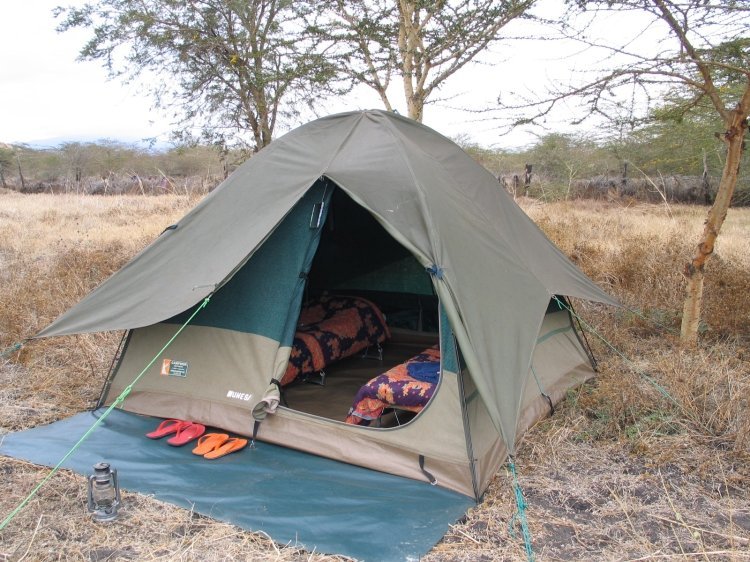
Accommodation strategy that supports flow: Lodging choices should balance proximity to key wildlife zones with comfort and rest needs. In lengthy northern circuits, consecutive nights in key bases reduce daily transfer fatigue and build a sense of place. For the 4-day Tanzania segment, choose camps or lodges that offer immediate access to preferred habitats—Tarangire’s riverine woodlands, for example—without adding lengthy commutes. A consistent bed-to-vehicle cadence minimizes morning delays and preserves early-morning wildlife activity windows.
Cultural interactions that respect pace: Integrating a few culturally focused experiences—a village visit, a Tinga Tinga artist workshop, or a local market stroll—can enrich the safari without derailing momentum. Plan these as light, optional add-ons that can be swapped into the itinerary when animal densities temporarily dip. The most satisfying cultural stops are intimate, well-coordinated, and time-conscious, avoiding long backtracking or weekend crowds at identical sites.
Conservation storytelling as a throughline: A blended itinerary offers a unique opportunity to connect wildlife habitats with their conservation narratives. Encourage guides to weave short, factual moments into drives—explaining crater ecology, predator-prey dynamics, or the role of community-run conservancies—so that wildlife sightings accrue meaning beyond scenery. This approach helps travelers return with a deeper appreciation and a sense of stewardship.
Maximizing wildlife density without rushing the day
Even with a well-designed route, there are days when wildlife interaction may be more abundant in certain hours. The combined itinerary should be flexible enough to allow extended golden-hour drives when opportunity arises, then compact enough to conserve energy later in the day. Request a daily rhythm that typically starts with a dawn drive, a mid-may enjoy a relaxed mid-may break at a lodge, followed by an afternoon session that aligns with animal migrations or feeding cycles. A balanced rhythm supports sustained attention, better photo opportunities, and reduces fatigue for travelers of all ages.
Documenting the journey without overstepping boundaries
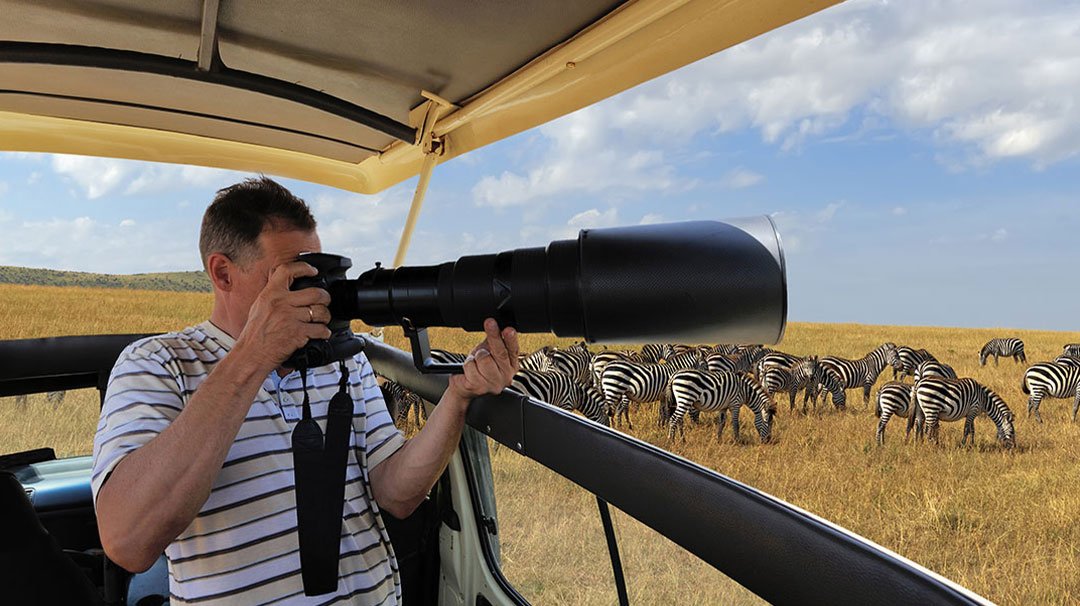
Structured, respectful photography protocols protect both the wildlife and the overall experience. In practice, this means designated viewing times near drinking spots and avoiding aggressive camera setups that could distract or agitate animals. Ask your operator how guides coordinate with photographers in your group—whether there are preferred viewpoints, time allocations for each vehicle, and guidelines about flash use at dusk or dawn. Clear expectations help maintain safety and preserve the natural behavior you’re there to witness.
Safety and health on a combined itinerary
Health considerations should be integrated into planning, especially when moving between regions with different climates and malaria risk profiles. Ensure you’ve completed required vaccinations and carry any personal medications, a basic first-aid kit, and a down-scale travel health checklist. For longer stays, inquire about the availability of medical support at lodges or nearby clinics and whether air evacuation insurance is advisable for remote areas. A well-structured plan includes time to acclimate to altitude and climate changes, along with ample hydration and sun protection routines.
Budget realism without sacrificing experience
While the article’s aim is content quality and practical guidance, a realistic approach to budgeting helps readers set expectations. Discuss a plan that prioritizes the unmissable experiences—the Ngorongoro Crater, Serengeti plains, and Tarangire’s elephant herds—while allowing for mid-range lodging and a sensible mix of domestic flights and overland transfers. A flexible schedule that can adapt to flight windows can prevent costly last-minute changes and keep the overall pace comfortable rather than rushed.
Final checklist for readers engaging with operators
To translate these considerations into a concrete plan with Climb 4 Africa or any operator, use the following checklist when reframing the itinerary in a proposal:
- Confirm the core wildlife priorities for both the Northern Circuit and the 4-day Tanzania segment (predators, elephant densities, bird life, or migratory presentations).
- Request a destination- and season-appropriate accommodation mix, including contingency options if specific camps are unavailable.
- Ask for a flexible driving schedule with buffer time for weather, road conditions, and wildlife activity peaks.
- Ensure transfer logistics between parks and reserves minimize backtracking and avoid fatigue, including the timing of any domestic flights.
- Plan cultural stops as optional add-ons with clear time stamps and return-to-vehicle protocols.
- Inquire about guide specialization and language requirements to match your group’s interests and comfort level.
- Obtain a transparent day-by-day outline that lists drive times, expected wildlife density windows, and alternate plans for poor weather or restricted access.
By focusing on these nuanced, actionable details, travelers can refine their combined safari plan into a coherent experience that authentically balances wildlife immersion with relaxation, cultural insight, and logistical smoothness. The aim is not merely to see more animals but to experience a well-paced, meaningful journey that respects the landscapes and the communities that steward them.
Bridging Seasons, Wildlife Cycles, and Travel Rhythm: Making the Most of Timing Nuances
While the overall structure of a 9-day Northern Circuit with a 4-day Tanzania component aims for a steady, wildlife-forward pace, readers often wonder how seasonal shifts actually shape day-to-day experiences. This section unpacks practical nuances you won’t find in a generic calendar, translating seasonality into concrete choices about where to allocate time, which habitats to emphasize at different moments, and how flexibility in flight and drive plans can find peak wildlife opportunities without sacrificing comfort.
First, consider the interwoven rhythms of game drives and animal movement. In the dry season, animal concentrations tend to gather around reliable water sources and well-known marching routes. This often translates into longer, concentrated blocks of time in core reserves like Ngorongoro Crater and Serengeti central plains, where a well-placed afternoon depends on animal density near watering holes and riverbeds. In contrast, the wet or shoulder seasons bring a different value proposition: migratory pulses can shift into newly verdant landscapes, bringing dramatic lighting, lush backdrops, and fresh interactions with herbivores as they exploit new grazing areas. Lodges and camps that offer varied elevation or habitat diversity—such as wooded kopjes, open savannahs, and acacia-dotted floodplains—reap the benefits of these shifts, letting your guide tailor daily plans to the day’s wildlife mood rather than a strict timetable.
Second, packing and pacing should reflect these subtle shifts. In peak dry periods, early mornings can be crisp, with dew-laden savannahs and a hush before the heat of midday. Your wardrobe should prioritize light, breathable layers, a compact insulating layer for chilly dawn starts, and a reliable hat for sun protection. In wetter periods, waterproof footwear and a compact rain shell become essentials, not afterthoughts. Your guide team will often adjust vehicle setups to balance comfort and visibility: more frequent use of passenger seats near the front, where views are unobstructed by trailing dust, and occasional changes in routes to capitalize on animal concentrations that move with the rain or wind patterns.
Third, cultural encounters and community visits can be timed to align with seasonal availability and local events. In some villages, harvest cycles or livestock migrations create memorable, low-pressure moments for interaction, while in others, market days or crafts workshops provide authentic stops that break up long drive days. The best operators weave these experiences into the itinerary as optional add-ons rather than noise, ensuring they complement wildlife viewing rather than competing for attention. If you have a specific interest—birding, photography, or a deeper look into Maasai or Hadzabe cultures—flag it early so your operator can align a few strategic pauses without derailing the core wildlife objectives.
Fourth, logistics adapt with seasonality to maintain smooth transitions between parks. Dry-season airstrips in the Serengeti or northern corridor can offer more predictable flight times, reducing the risk of weather-related delays. In contrast, the wet season may necessitate more overland travel or flexible day-by-day decisions about flight windows. A well-structured plan acknowledges this variability with built-in buffers—extra hours allocated for transfers after a late sunrise animal sighting, or a spare half-day in a reserve where a special behavior (such as a cheetah hunt or a major predator-pair interaction) is unfolding. These buffers preserve the pace you want while preserving the spontaneity that makes safari days memorable.
Finally, the concept of responsible flexibility matters as much as schedule efficiency. You’re traveling through ecosystems that respond to rainfall, fire regimes, and migratory cues. A thoughtful plan respects these natural dynamics by avoiding aggressive back-to-back drives in exhausting heat, protecting sensitive wildlife during breeding seasons, and choosing lodges that minimize light pollution and noise near key wildlife corridors. By partnering with operators who emphasize ecological balance and local knowledge, you benefit from day-to-day adjustments that maximize wildlife density without forcing a rigid, grueling rhythm. This approach makes each sunrise and sunset meaningful, framing your 13 days not as a checklist of territories but as a cohesive story of place, pace, and people.
Exploring the Cultural Tolds and Community Footprints Along the Route
Beyond the wildlife tableau, a thoughtful combined safari also reveals the rhythms of local communities whose lives intersect with tourism. The Northern Circuit’s villages and the later Tanzania segment offer deliberate opportunities to engage with culture in a way that respects both people and wildlife. The key is to balance time with encounters that illuminate daily life without turning the journey into a string of staged moments. A well-planned itinerary weaves in village visits, market moments, or traditional crafts as optional experiences rather than mandatory add-ons, ensuring you retain ample energy for wildlife drives.
In practice, this means choosing lodges or camps that are community-minded or locally owned, and coordinating with your operator to schedule visits during times that do not conflict with peak animal activity. For example, a morning community walk or a late-afternoon craft demonstration can align with a light driving day, allowing you to experience the region’s hospitality without compromising the early morning drives that yield animal concentrations when lighting is optimal. Such pauses often yield richer conversations about conservation priorities and how local knowledge informs park management, guiding principles that influence wildlife outcomes over the long term.
When you meet a Maasai or Hadzabe guide in a respectful, consent-based context, you gain insight into ancestral land stewardship, including how rangeland practices intersect with habitat preservation. Your operator can facilitate these interactions through vetted partners who uphold ethical engagement standards, ensure fair compensation, and minimize disruption to wildlife corridors. If a cultural encounter is particularly meaningful to you, flag this early so that the plan can accommodate a carefully timed pause that complements rather than competes with the best light for photography during the earlier drives.
From a logistical angle, culture-focused experiences in this itinerary are designed to be nontethered from the core wildlife objectives. They are optional, short, and integrated into the flow of the day—often as a late-afternoon activity after the Serene Serengeti plains have cooled and while a nearby village hosts a small market. This approach preserves the primary thrill of the wildlife-rich mornings and afternoons while enriching your understanding of the region’s social fabric. The result is a more holistic sense of place, where stories of land use, tradition, and conservation meet the immediacy of the savannah’s wildlife drama.
Finally, be mindful of photography etiquette when documenting people and cultural scenes. Seek consent, avoid intrusive equipment, and respect personal boundaries—especially during family moments or intimate community activities. A small, thoughtful donation to a village school or conservation project, when invited by local leaders, can leave a positive legacy without becoming a focal point of the trip. These gestures, executed with sensitivity, reinforce a travel ethos that honors both wildlife and the communities that safeguard it.
Related Guides and Packages
Check Availability for 9-Day Northern Circuit And 4-Day Tanzania Safari
Ready to compare dates, prices, and the best option for your group? Send the package name and travel month so the team can reply with a clear quote, availability, and what is included.
9 Days Tanzania Wildlife Safari And Zanzibar Holiday: Mainland Island Bliss
This 9-day package blends a structured Tanzanian safari circuit with a relaxing Zanzibar stint, explaining travel logistics, park order, transfers, and where to expect wildlife...
View package details7 Days Tanzania Safari And Zanzibar Beach Holiday 2026-2027
7 Days Tanzania Safari and Zanzibar Beach Holiday.
View package details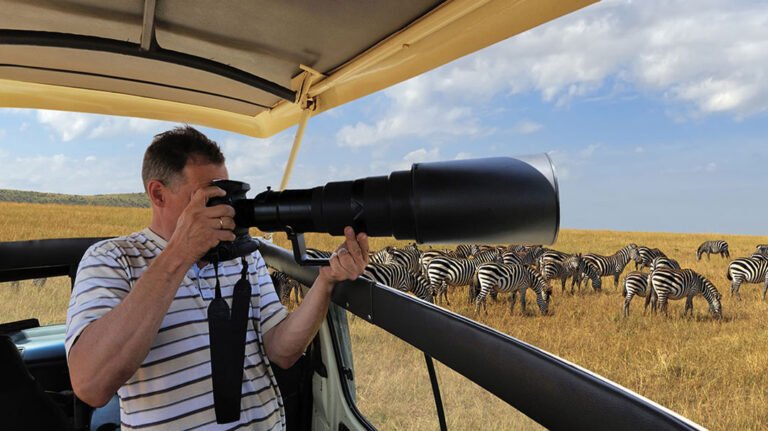
7 Days Machame Kilimanjaro Climb And 5 Tanzania Safari
7 Days Machame Kilimanjaro Climb and 5 Days Tanzania Safari.
View package details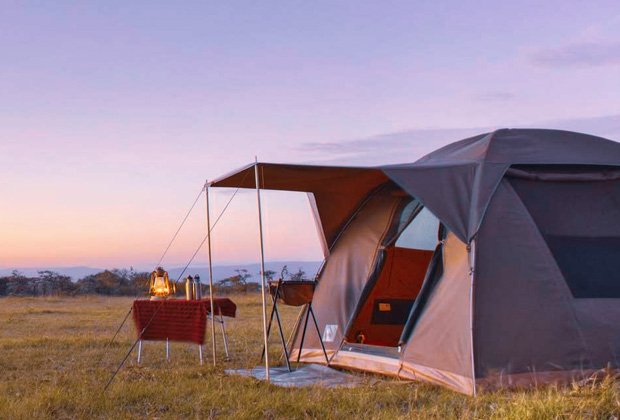
7-Day Rongai Route And 3-Day Tanzania Safari
7-Day Rongai Route and 3-Day Tanzania Safari.
View package details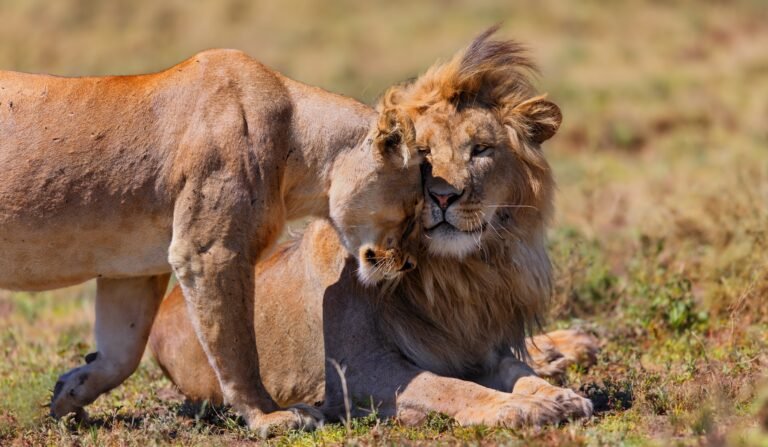
8-Day Lemosho Route And 4-Day Tanzania Safari
8-Day Lemosho Route and 4-Day Tanzania Safari.
View package details
8-Day Lemosho Route And 3-Day Tanzania Safari
8-Day Lemosho Route and 3-Day Tanzania Safari.
View package details8 Days Kilimanjaro Trek And 3 Tanzania Safari
8 Days Kilimanjaro Trek and 3 Days Tanzania Safari.
View package details
7-Day Northern Tanzania Heritage & Discovery Journey
Fungua milango ya urithi wa Tanzania kaskazini kwa safari ya siku 7, ikijikita katika maeneo ya kihistoria, waandishi wa historia, na mafunzo ya kitamaduni pamoja na mipango ya kiutendaji...
View package details
15 Days Northern Circuit Kilimanjaro And Safari 2026-2027
A practical 15-day plan weaving Kilimanjaro’s Northern Circuit climb with a Tanzania safari, detailing route progression, acclimatisation, driving logistics, and accommodation choices...
View package details
14 Days Kilimanjaro Trek And Northern Tanzania Safari 2026-2027
14 Days Kilimanjaro Trek and Northern Tanzania Safari.
View package details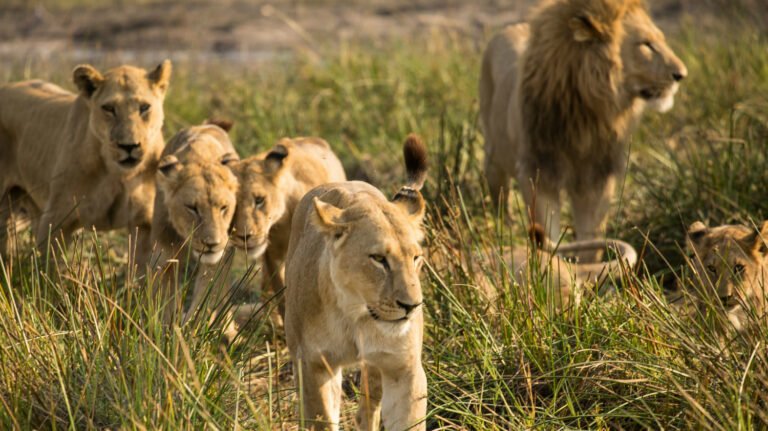
7 Days Kilimanjaro Climb And 4 Wildlife Safari
7 Days Kilimanjaro Climb and 4 Days Wildlife Safari.
View package details
8 Days Kilimanjaro Group Climb And 4 Camping Safari
A practical, bookable 8-day plan combining Kilimanjaro Group Climb with a 4-day camping safari. Day-by-day route, acclimatisation logic, and realistic safari logistics without guaranteeing...
View package detailsNo related package matches those filters. Clear one or more filters to see the other topic-matched options.



