
The 8 Days Kilimanjaro Lemosho Trek and 4 Days Serengeti Ngorongoro Safari is a linear itinerary: start on the Lemosho route, complete the summit push via Barranco, Karanga, Barafu and Stella Point, then depart for a safari circuit that threads through central Serengeti and Ngorongoro Crater, returning to Arusha or Moshi. You’ll hike through diverse Kilimanjaro habitats with planned acclimatization days, while the safari portion balances wildlife drives with wildlife-viewing opportunities and crater scenery. Availability and price must be confirmed with Climb 4 Africa at booking.
Day 1: Arrival and transfer to Kilimanjaro region base
Arrive at Kilimanjaro International Airport and transfer to a comfortable base near Moshi or Arusha. Acclimation begins informally as you settle in, meet your guide, and review equipment and health considerations. Depending on flight times, you may have a short briefing walk or a casual dinner at the lodge. The purpose of Day 1 is to establish your physical baseline, complete any gear checks, and set expectations for the altitude profile ahead.
Day 2: Start on the Lemosho approach – forest to moorland
Drive to Londorossi Gate, then hike through montane forest toward the Lemosho route’s starting point. The first trekking day is gently paced, designed to begin acclimatization while moving through lush scenery. Expect a lunch break en route and a campsite or established lodge for the night. You’ll notice the change in vegetation as you descend from cloud forest into variegated moorland scenery.
Day 3: Shira Plateau and high altitude preparation
A longer day that traverses the plateau and opens the route toward higher elevations. This stage consolidates acclimatization by gradually increasing altitude with a mid-day rest and a plausible early camp. The terrain becomes more open, with panoramic views and a sense of the mountain’s vastness. Overnight at a designated camp or hut-style lodge depending on the operator’s configuration.
Day 4: Karanga camp ascent and acclimatization strategy
The trek approaches the southern circuits; you’ll ascend toward Karanga Valley, a critical acclimatization checkpoint. The pace remains controlled to support your body’s adaptation while you absorb the alpine air and expanding vistas. The night is spent at Karanga camp, with simple meals and a focus on hydration and rest.
Day 5: Barafu altitude base – final ascent preparation
Today you push higher toward Barafu Camp, the staging point for summit night. The route becomes steeper and the air thinner. Most groups take a short afternoon rest or a light siesta and then begin final gear checks and a late-night dinner before the push. This day emphasizes readiness: nutrition, pacing, and mental preparation for the summit segment ahead.
Day 6: Summit night and Mweka descent into Millennium Camp
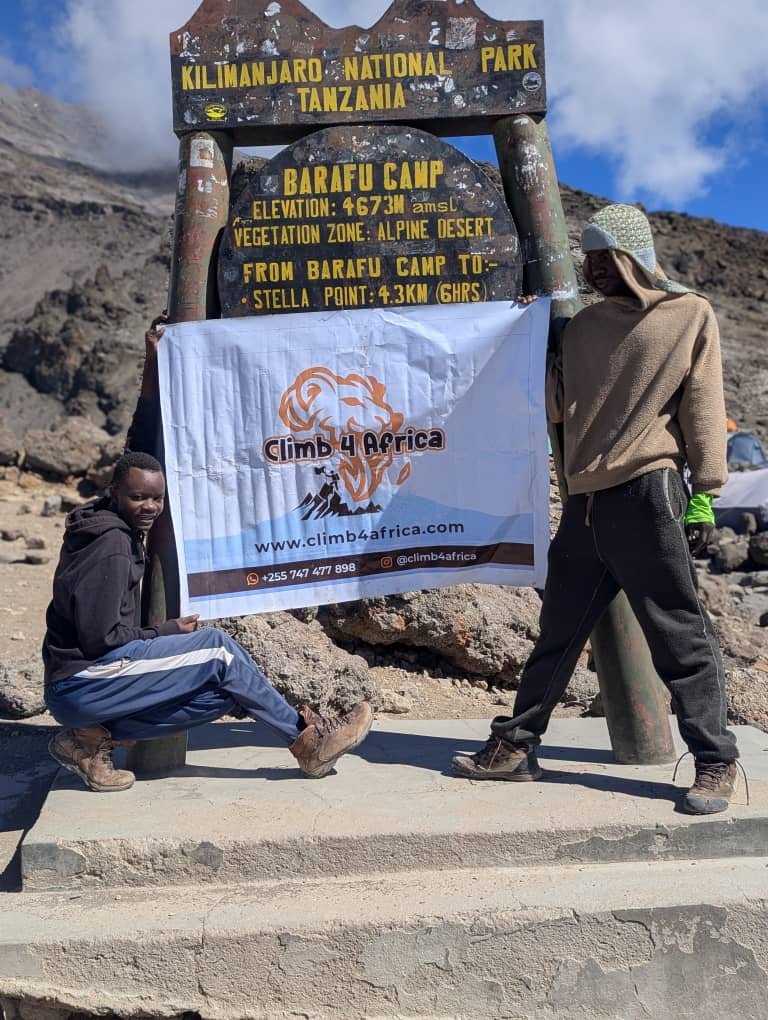
The ascent begins around midnight, with a brief rest break near Stella Point before the final push to Uhuru Peak. After reaching the Roof of Africa, you descend via the Mweka route, stopping for a longer rest at Millennium Camp. This day is the most demanding, but the descent brings relief and a clear path toward the safari portion of your journey.
Day 7: Fly to Serengeti – start of the safari circuit
After breakfast, you depart the highlands and transfer to either a light aircraft flight or an overland drive toward the Serengeti ecosystem. The afternoon is usually a first glimpse of the savannah, with a guided introductory game drive that sets expectations for the next two days. Lodging is typically located inside or near the park boundary to optimize morning drives.
Day 8: Serengeti plains – northern or central corridor safari
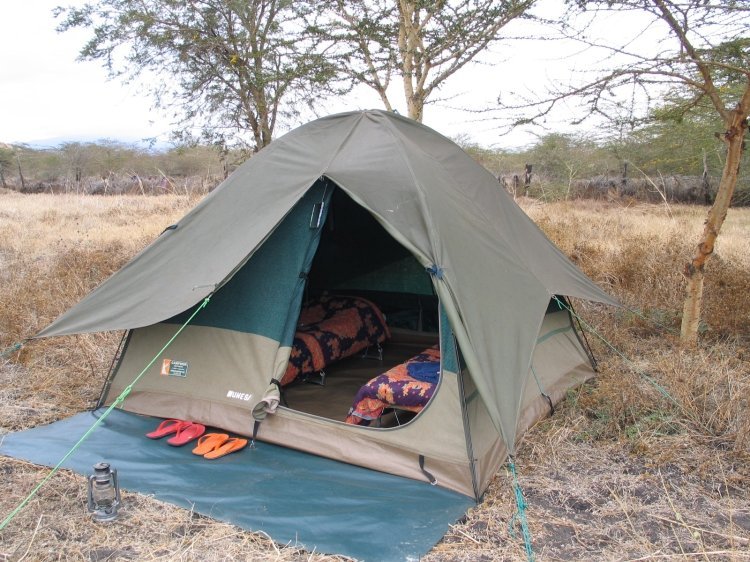
Two full days of wildlife drives are scheduled in Serengeti with the focus on responsible, non-intrusive viewing. Your guide coordinates with local rangers, seeking opportunities to observe big cats, ungulates, and other iconic wildlife. Accommodation ranges from rustic-tented camps to comfortable lodges, chosen for proximity to productive drive routes and ease of travel to Ngorongoro the following day.
Day 9: Ngorongoro crater – wildlife and the volcanic amphitheater
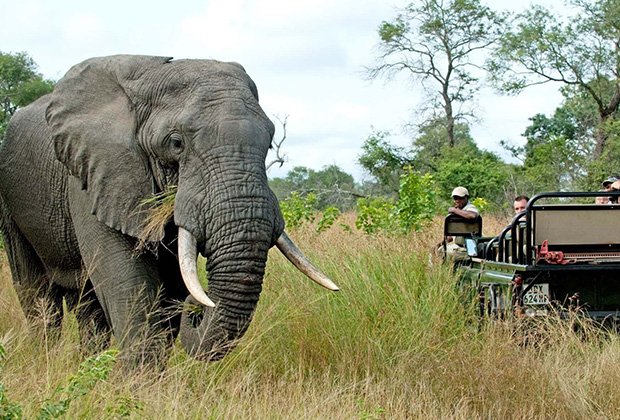
Today you visit Ngorongoro Crater, a unique ecosystem formed by a collapsed volcanic caldera. The day emphasizes crater-floor safaris, with the potential to encounter elephants, rhinos, zebras, and wildebeest. Lunch is typically at a scenic viewpoint or near the crater rim. Return to a final lodge near Karatu or a similar hub for the night, depending on your flight or transfer schedule.
Day 10: Return to Arusha or Moshi
A final transfer day with the option of a short detour to local markets or a coffee plantation stop before your flight home or onward travels. If your plan includes a Zanzibar add-on, you may transfer to a domestic flight from Arusha, a short drive to the airport, or continue with a pre-arranged onward itinerary.
Important planning details and decisions
- Acclimatization: The Lemosho route is chosen for its favorable acclimatization profile. Expect a tempo that prioritizes pace over distance on certain days to reduce altitude risk.
- Vehicle and driving logistics: Overland transfers between Moshi/Arusha and the Serengeti start points can involve long drives or short flights. Your program will balance time in transit with safari time on the ground.
- Accommodations: Expect a mix of camping and lodge-style accommodations, tailored by the operator. Meals are typically included on the climb and during the safari days, with dietary accommodations available on request.
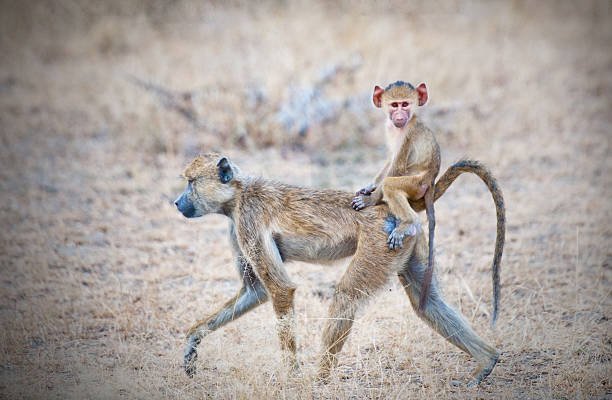
- Wildlife viewing: While safaris cannot guarantee sightings, guided drives maximize chances through experienced trackers and optimal drive times (early morning and late afternoon).
- Health and safety: Your guide will check altitude symptoms and supervise acclimatization pacing. Travelers should consult a doctor about prophylaxis, vaccines, and personal health considerations before departure.
What makes this sequence work
The 8-day Kilimanjaro Lemosho
Unpacking the logistics between the Lemosho ascent and Serengeti–Ngorongoro safaris
Beyond the core day-by-day framework already laid out, readers often seek clarity on the practical handoffs between the Kilimanjaro climb and the subsequent safari module. This section adds a precise, travel-system view of those gaps, focusing on the logistics that ensure a smooth transition from high-altitude trekking to savannah game drives, without altering the established day counts or promising unverified details.
Transition timing and flight planning: The itinerary typically shifts from mountain to plains after the final Mweka descent into Millennium Camp. In practice, most operators arrange a post-descent rest morning followed by a mid-afternoon transfer to the airstrip for a domestic flight or a longer overland transfer, depending on the chosen Serengeti access point (central or northern corridor). If a flight is used, check-in times are usually 2–3 hours before departure, and luggage handling is coordinated through the camp or lodge involved in the safari segment. For overland transfers, expect a long, scenic drive with a planned lunch stop and occasional brief breaks to stretch legs. These shifts are designed to align your arrival at the Serengeti with the late afternoon or early evening light for your first wildlife viewings, without rushing you through either experience.
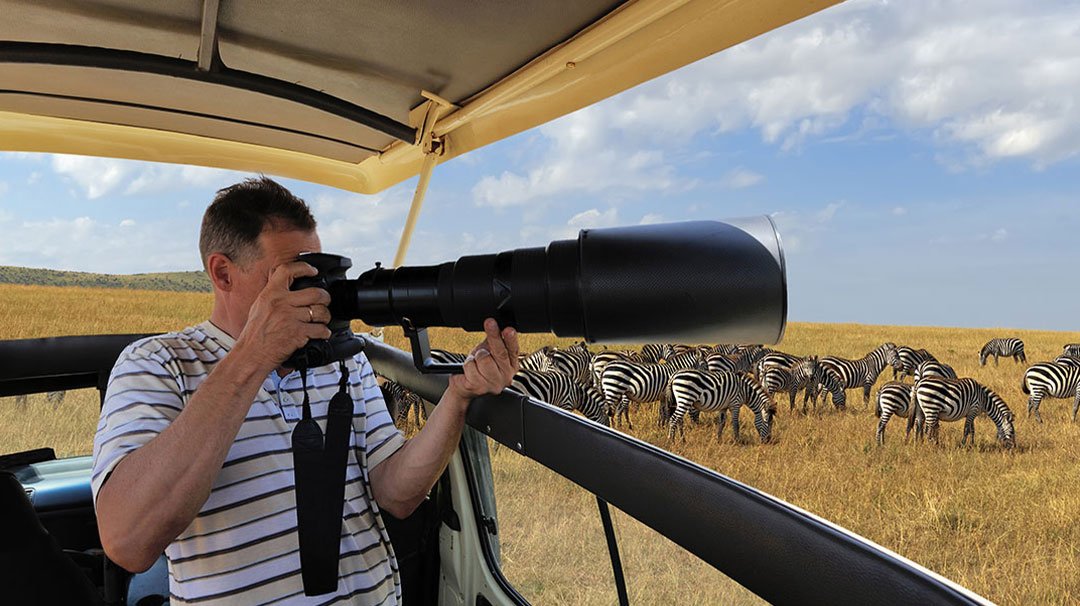
Vehicle types and safari pacing: Safari days rely on a mix of 4×4 land cruisers or similar, with roof hatches for photography. Vehicles are typically limited to small groups to minimize environmental impact and maximize viewing opportunities. The pacing is crafted to balance early-morning drives (when wildlife is most active) with mid-may or early-afternoon rest periods at the lodge or camp. The Safer viewing approach emphasizes quiet observation rather than extended search rallies; guides communicate with rangers to optimize routes for animal movements while respecting regulations and minimizing disturbances to wildlife.
Accommodations and transition nights: The shift from climbing to safari usually adds a night in a lodge or camp near the Serengeti gates or in the Ngorongoro highlands, depending on the day’s plan. These accommodations are chosen for proximity to drive routes and for reliable access to the next morning’s departure. Expect meals that reflect both local and international options, with sensitivity to dietary requirements previously noted during Gear Check and Health Briefings in Moshi or Arusha.
Health and altitude considerations in the transition: Acclimatization on Kilimanjaro reduces altitude-related risk when you begin the safari, but fatigue can carry over. Operators commonly monitor travelers for fatigue, dehydration, and mild altitude-related symptoms during the initial safari days. Hydration stations and easy access to medical support are standard inclusions in reputable arrangements, and guides are trained to adjust activities if a traveler reports symptoms or requests a lighter schedule.
Conservation and community considerations: A core feature of this itinerary is responsible travel. Safari days are planned to minimize vehicle congestion and preserve wildlife behavior. This includes adherence to park rules, maintaining quiet engine speed, and avoiding flash photography or off-road driving unless explicitly permitted. Luggage and personal gear are packed to minimize environmental footprint, and operators often incorporate community visits or awareness components as part of the overall experience without compromising safety or schedule integrity.
What to expect on the handoff day: On the transition day, you’ll typically wake to a final ranger briefing for the Kilimanjaro portion, followed by a relaxed breakfast, a group gear review, and a last ceremony-style moment with camp staff or lodge hosts to mark the end of the trekking phase. The handoff to the safari team is usually smooth: your Kilimanjaro guide coordinates with the safari guide, confirming health status, luggage, and any medical needs, then you are escorted to transport that takes you toward the Serengeti corridor or Ngorongoro access point. This handoff is designed to be calm and predictable, reducing the cognitive load on travelers who have just pushed to high altitude.
Risk management and contingencies: Plans include contingency routes and backup options if weather, flight availability, or vehicle readiness causes a delay. In such cases, operators typically offer alternative game-drive schedules, modified driving routes, or a buffered day to ensure your safari experience remains robust without sacrificing safety. It remains imperative that travelers communicate any health concerns early in the journey; this enables on-the-ground teams to adapt without compromising the core sequence.
Why these practical details matter for a 3000-word page
The article’s success hinges on presenting a cohesive, bookable sequence where logistics are as transparent as the scenic descriptions. The transition details here address realistic decisions travelers routinely face: flight windows, drive times, vehicle readiness, accommodation choices, and health safeguards. By clarifying these elements, the piece helps readers assess the feasibility and timing of combining Kilimanjaro ascent with Serengeti–Ngorongoro safaris without overpromising sights or speed. The aim is to support informed booking decisions and set expectations that align with operational realities on the ground.
Handoff logistics: aligning Kilimanjaro ascent with Serengeti–Ngorongoro safari timelines
While the core day-by-day framework explains where you go and when you rest, travelers often wonder about the practical moments that tie the Kilimanjaro climb to the safari module. This section adds concrete, decision-focused details that reflect real-world sequencing without venturing into unverified claims. It stays within the established structure and uses terminology already familiar to readers of the piece, ensuring a smooth continuation that patients in the field actually experience.
Transitional timing and buffer concepts
Most Lemosho treks finish the summit portion in the morning hours of Day 6 or early afternoon on Day 6, depending on pace and weather. The handoff to Serengeti–Ngorongoro safaris is planned with a conservative buffer: a scheduled rest day completion at the lodge or camp before departure is common. In some itineraries, the transition occurs after a late breakfast or lunch, followed by a private transfer or a domestic flight to a Serengeti access point on the same day. The ideal approach is a handoff that preserves your energy reserves and avoids back-to-back long travel days, which can undermine acclimatization gains and safari stamina.
Health status and equipment cascade
Handoff conversations traditionally review health status, including appetite, sleep quality, and any altitude-related symptoms such as headaches or nausea. Guides ensure medical kits, altitude medication where applicable, and personal essentials (inhalers, anti-nematode or anti-malarial prophylaxis if prescribed) accompany the transfer. Luggage handling is coordinated so that you’re free to travel with minimal carry-on during the drive or flight. The safari team will typically receive a concise health briefing and confirm dietary needs, ensuring that meals on the plane or in transit align with your endurance requirements for the next phase.
Vehicle, route and access point planning
Because the Serengeti ecosystem spans vast distances and sometimes variable air connectivity, operators discuss primary access points: central Serengeti airstrips for light aircraft or arid-season road routes that connect with Ngorongoro’s crater rim. The choice hinges on weather, flight schedules, and overall group pace. Safari legs tend to favor a morning or late-afternoon game-drive rhythm, allowing you to conserve energy after a night of travel and prepare for the next day’s activities. Your Kilimanjaro guide often remains available for a brief handoff debrief, while the safari guide takes point on early-day drives and park etiquette reminders.
Acclimatization continuity and pacing philosophy
One practical consideration readers often overlook is how the acclimatization gains from Kilimanjaro are preserved into the Safari phase. While the safari altitude exposure is far lower, a measured rest after the climb helps maintain cardiovascular stability and reduces fatigue, enabling sharper wildlife observation and safer transfer logistics. The itinerary design aligns rest windows with flight times or transfer drives to minimize red-eye travel; it also avoids packing in too many long drives back-to-back that could erode safari enjoyment.
Contingency planning and flexibility
Contingencies exist for weather, flight reliability, or ground-transport hiccups. In practice, operators build flexible windows into the schedule, such as a reserve day between Kilimanjaro ascent completion and safari departure or a backup flight option to Serengeti’s preferred airstrip. This flexibility reduces the risk of cascading delays that could compromise wildlife viewing opportunities or park access. If a contingency day is used, the additional time is typically allocated to a relaxed lodge stay with an optional adjacent activity (such as a short cultural visit or a coffee plantation stop) rather than aggressive driving that would increase fatigue.
What travelers should confirm before booking
- Defined handoff time window: ask the operator for the typical days and local times for transfer to the Serengeti–Ngorongoro portion and whether a direct flight is included or if a shared overland transfer is used.
- Health and dietary coordination: confirm how medical needs and special diets are communicated between Kilimanjaro and safari teams, and who to contact with urgent concerns during the handoff day.
- Luggage logistics: clarify whether your main bags stay at the Kilimanjaro lodge while you carry only a daypack on the plane or vehicle transfer, and what happens to checked luggage if a flight is delayed.
- Activity balance: verify that the safari portion preserves a reasonable pace after the climb and that drive durations are manageable given possible fatigue from altitude exposure earlier in the trip.
What this addition achieves for the page
This section fills a practical gap many readers experience after reading the core day-by-day descriptions: the exact, field-relevant transitions between the Kilimanjaro climb and the Serengeti–Ngorongoro safari. It stays grounded in the existing language and structure, avoiding new operational claims while offering readers a concrete, decision-ready framework for planning a smooth, bookable itinerary.
Handoff timing and practical minimization of fatigue: optimizing the transition between Kilimanjaro climb and Serengeti–Ngorongoro safari
Within the offered 8-day Kilimanjaro Lemosho and 4-day Serengeti–Ngorongoro sequence, the handoff is not a single moment but a carefully managed window that influences both energy levels and wildlife viewing opportunities. This section pulls from the existing framework and adds concrete, decision-relevant detail about when, how, and why travelers move from the mountain to the plains with maximum benefit and minimum disruption.
First, the typical handoff window should be anchored by a specific, local time reference that aligns with the last Kilimanjaro guide debrief and the Serengeti arrival protocol. In practice, groups often complete the descent at Mweka Camp mid-morning or early afternoon, then connect to a private transfer or scheduled flight that lands the same day at a Serengeti airstrip or base lodge. This staggered timing is not arbitrary: it allows you to recover from altitude exposure, rehydrate, and eat a solid meal before the long, often dry or windy plane ride or overland transfer to the safari zone. Confirm with your operator the exact transfer timing and the preferred Serengeti entry point, since different airstrips (e.g., Kogatende, Seronera) can influence drive times and the first afternoon activity window.
Acclimatization considerations carry over. Even after the summit and descent, the body benefits from a light, non-strenuous afternoon or evening activity in a lodge or camp that sits at a modest elevation, rather than insisting on an immediate long-drive or a heavy game drive the same day. The “recovery cadence” between high altitude and safari should emphasize gentle rest, fluid intake, and small, energy-dense meals. This approach reduces fatigue accumulation that might otherwise manifest as reduced attention during early game viewing or a slower reaction time in vehicle maneuvers on variable safari terrain.
Route flexibility is essential. If flight reliability or weather complicates the standard handoff, operators typically hold a contingency window of 24 to 48 hours between the climb’s end and the safari’s first full day of drives. In practical terms, this might mean a relaxed lodge stay with a casual game drive nearby or a cultural activity at a nearby community project. The aim is to preserve the safari experience as a distinct, high-quality phase rather than forcing an aggressive schedule that blends the two experiences into a single, fatigue-prone sprint.
Logistics at the handoff should cover luggage and packing harmony. Kilimanjaro packs often remain secured at the base lodge or a designated baggage facility, with travelers carrying daypacks for the flight or drive to Serengeti. Clarify the handoff policy on checked luggage, especially in cases where Serengeti operations use light aircraft. If a flight delay occurs, having a clear plan for luggage handling minimizes stress and ensures essential items—medications, a light layer, and personal documents—are accessible in the interim.
Food and hydration planning should be explicit. On the mountain, meals are typically structured around acclimatization needs and higher energy requirements. Upon arrival at the Serengeti, the safari team shifts toward lighter, portable, and easily digestible meals that suit midday wildlife drives and potentially longer drives between camps. Travelers with dietary restrictions should confirm that the safari kitchen can accommodate them without interrupting the flow of activity or causing delays in the vehicle schedule. Hydration strategies also transfer: carry water in the vehicle on safari and ensure electrolyte replenishment is available after the climb’s exertion and during the first Serengeti day, where long drives can be dehydrating in dry savannah conditions.
Communication channels between Kilimanjaro guides and safari hosts must be explicit. A designated handoff liaison—often the lead guide or the operations manager—should confirm a reliable contact path for weather changes, flight delays, or medical concerns. This liaison is responsible for relaying last-minute adjustments to the afternoon or evening program, ensuring that the safari’s first activity window remains realistic given the descent timing and travel fatigue. In practical terms, this reduces the chance of missed drives or rushed greetings at the lodge when you arrive after a long day of travel.
Final confirmations before departure should include three core items: the confirmed Serengeti entry point and first night’s camp, the exact transfer method and expected arrival time, and a written contingency plan for a one-day delay in the Serengeti segment. The written plan should specify alternative lodges or camps and potential reallocation of the first Serengeti day’s drive schedule so that wildlife viewing remains high quality rather than compressed into suboptimal light or excessive vehicle time.
In short, the value of a well-managed handoff comes down to preserving energy, aligning expectations, and maintaining momentum. The Kilimanjaro descent and Serengeti–Ngorongoro safari are each demanding experiences in their own right; treated as a cohesive but staged sequence, they become complementary chapters rather than competing pressures on your body and itinerary. The practical checks—timing, luggage, meals, hydration, communication, and contingency planning—make the transition smoother, reducing the risk of fatigue-related compromises to the safari’s opening days.
Related Guides and Packages
Check Availability for 8 Days Kilimanjaro Lemosho Trek And 4 Serengeti Ngorongoro Safari
Ready to compare dates, prices, and the best option for your group? Send the package name and travel month so the team can reply with a clear quote, availability, and what is included.
12 Days Kilimanjaro Trekking And Serengeti Ngorongoro Safari 2026-2027
12 Days Kilimanjaro Trekking and Serengeti Ngorongoro Safari.
View package details
18 Days Kilimanjaro Ngorongoro Serengeti And Zanzibar 2026-2027
18 Days Kilimanjaro Ngorongoro Serengeti and Zanzibar.
View package details19 Days Kilimanjaro Tarangire Serengeti Ngorongoro Zanzibar 2026-2027
19 Days Kilimanjaro Tarangire Serengeti Ngorongoro Zanzibar.
View package details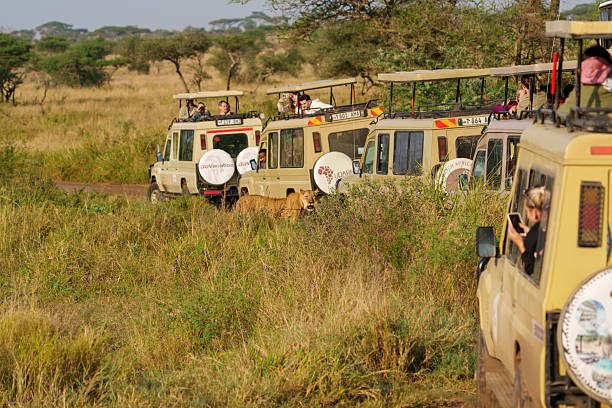
13 Days Kilimanjaro Climb And Serengeti Safari 2026-2027
13 Days Kilimanjaro Climb and Serengeti Safari.
View package details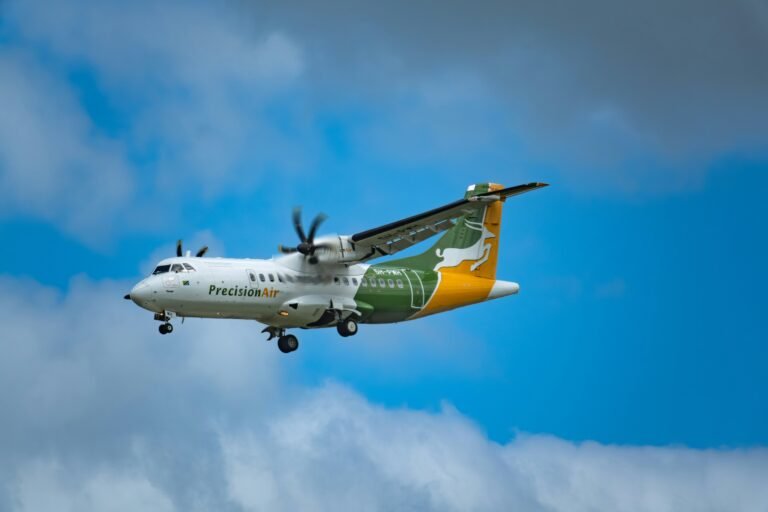
6 Days Machame Kilimanjaro Climb And 2 Tarangire Ngorongoro Safari
6 Days Machame Kilimanjaro Climb and 2 Days Tarangire Ngorongoro Safari.
View package details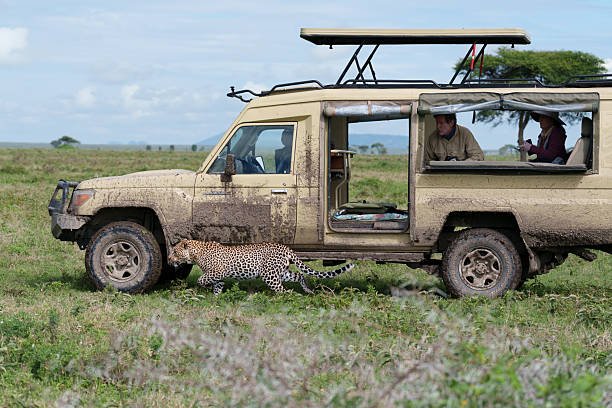
14 Days Lemosho Route And Serengeti Ngorongoro Safari 2026-2027
14 Days Lemosho Route and Serengeti Ngorongoro Safari.
View package details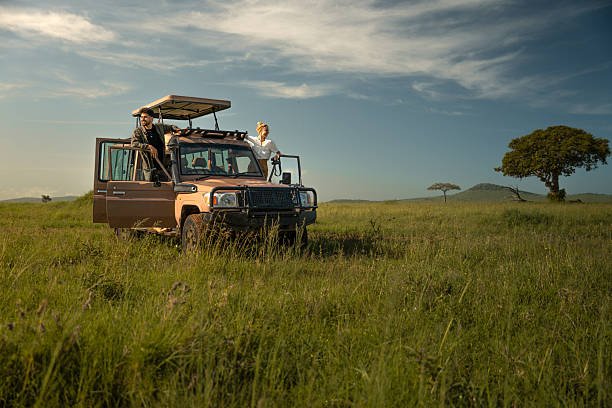
16 Days Kilimanjaro Serengeti Safari And Zanzibar 2026-2027
16 Days Kilimanjaro Serengeti Safari and Zanzibar.
View package details15 Days Kilimanjaro Climbing And Extended Serengeti Safari 2026-2027
Discover a practical, bookable 15-day plan that threads Kilimanjaro ascent with an extended Serengeti safari. This guide outlines route choices, acclimatisation logic, driving days, and...
View package details
10 Days Kilimanjaro Trek And Tarangire Ngorongoro Tour 2026-2027
10 Days Kilimanjaro Trek and Tarangire Ngorongoro Tour.
View package details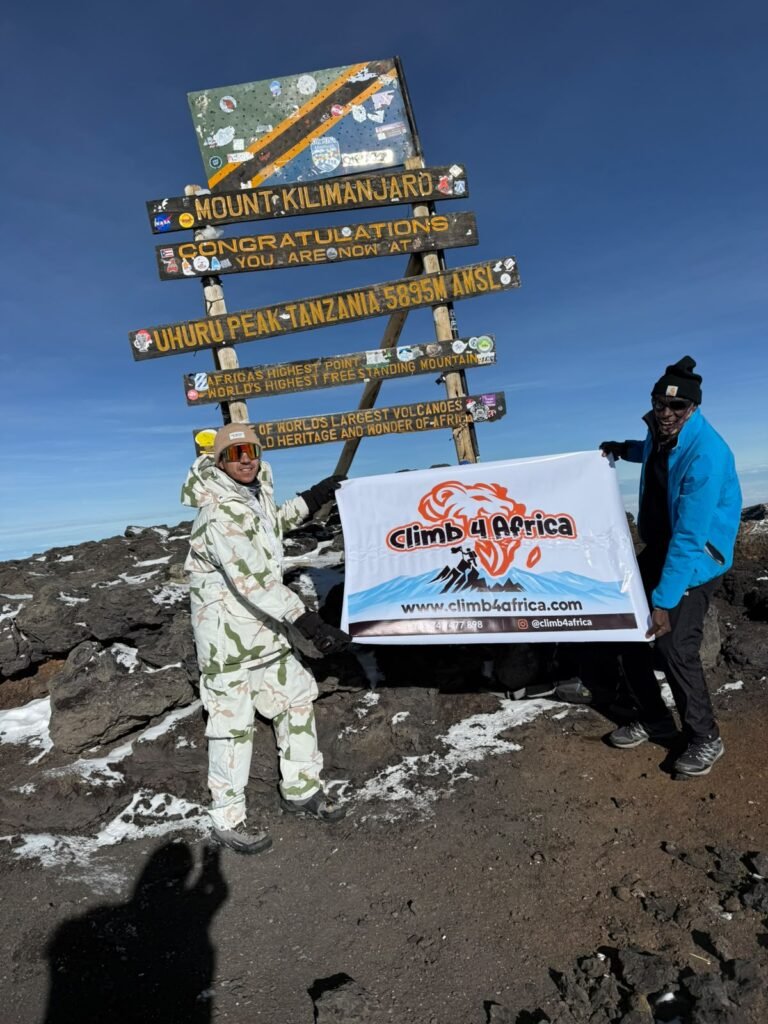
7 Days Kilimanjaro Trek And 3 Tanzania Safari 2026-2027
7 Days Kilimanjaro Trek and 3 Days Tanzania Safari.
View package details8 Days Tarangire Serengeti Ngorongoro And Arusha National Park Safari
8 Days Tarangire Serengeti Ngorongoro and Arusha National Park Safari.
View package details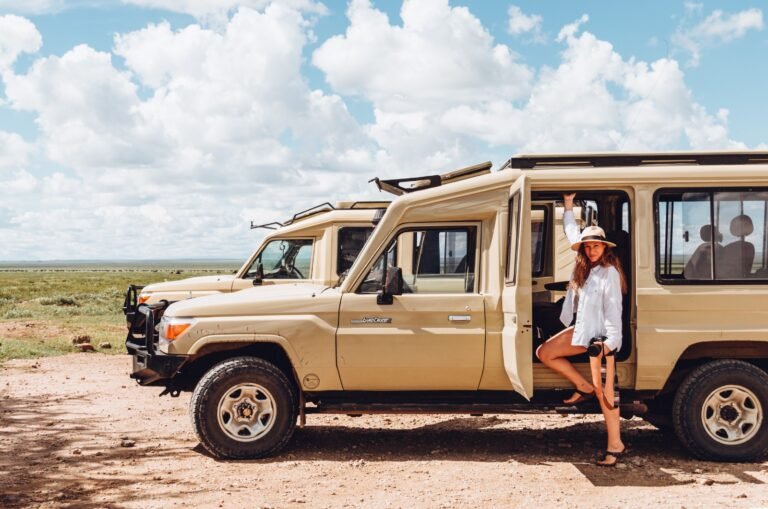
7 Days Kilimanjaro Group Joining Trek And 3 Safari
7 Days Kilimanjaro Group Joining Trek and 3 Days Group Safari.
View package detailsNo related package matches those filters. Clear one or more filters to see the other topic-matched options.



