
The 6 Days Serengeti Ngorongoro Tarangire and Lake Manyara Safari follows a practical route through northern Tanzania: Tarangire on Day 1 to spot elephants and baobabs, Lake Manyara on Day 2 with forest-kingbird and tree-climbing lions optional, Ngorongoro Crater on Day 3 for a crater drive, Serengeti Frontier or Central for Day 4–5 to chase broad wildlife landscapes, and a final morning in Serengeti or Ngorongoro on Day 6 before departure. The plan prioritizes reliable driving times, realistic wildlife opportunities, and comfortable lodges or camps, with bookings managed by Climb 4 Africa. Availability and exact costs must be confirmed at booking, as they vary with season and accommodation choices.
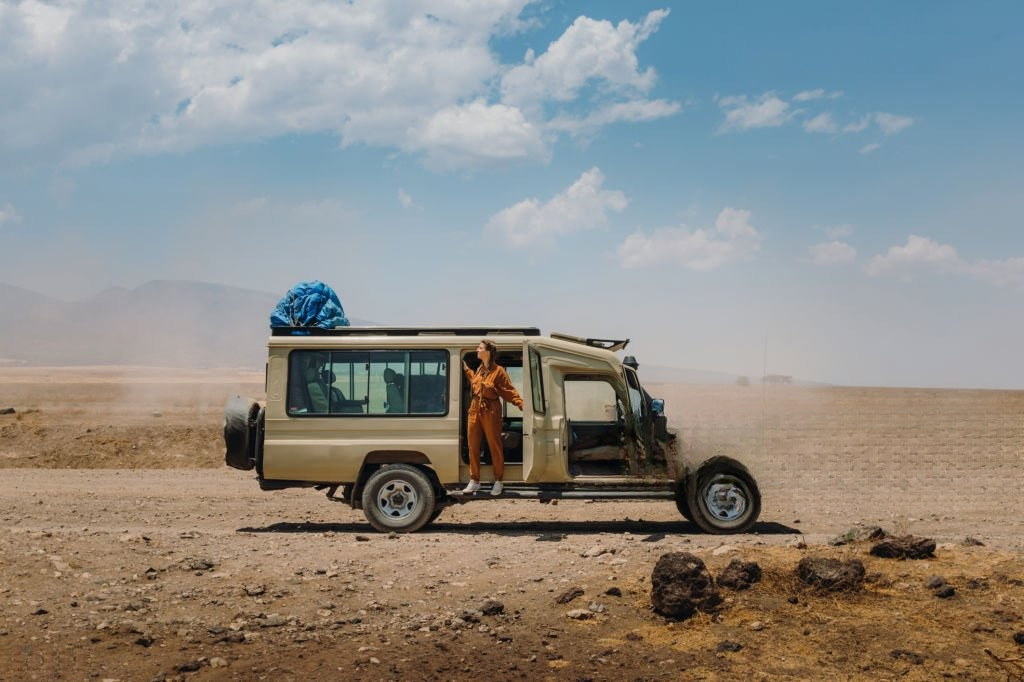
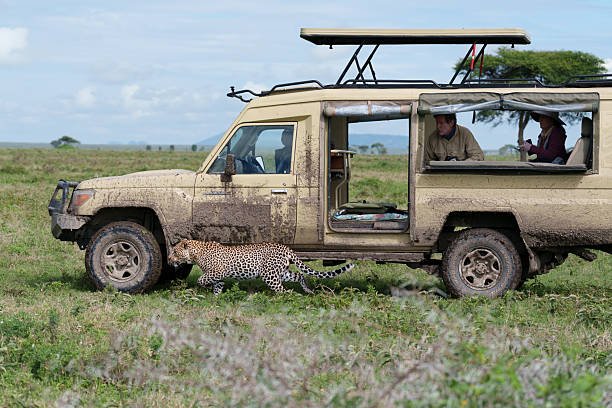
Day 1 — Tarangire National Park: arrival and first-game horizons
Begin the journey with a morning transfer from Kilimanjaro region base to Tarangire National Park. The route typically involves a highway roll through the farmland and dry river systems before entering Tarangire’s termite-mound landscapes and riverine woodland. Expect short, steady game drives focused on elephant herds, as well as gerenuk, oryx, and perhaps the resident tree-climbing birds. Check-in at a comfortable lodge or semi-luxury camp near the park gates, with time to settle in and enjoy a sunset game drive if energy allows. This first day is about easing into the safari rhythm, understanding vehicle comfort, and aligning with the guide’s plan for the next days. Dinner is served at the lodge with optional night-sky watching or briefing about the days ahead.
Day 2 — Lake Manyara National Park: forest edges and ground-horn humor
Drive from Tarangire toward Lake Manyara, a park famed for its forested edges, dramatic cliffs, and the possibility of tree-climbing lions. The day’s route emphasizes flexible stops along the lake’s shoreline to observe waterbirds, hippo pods, and perhaps a passing troop of baboons. A picnic lunch is typical, followed by an afternoon game drive exploring the alkaline woodlands and lakefront migration signs. The lodge or camp is chosen for proximity to the park boundary, balancing comfort with efficient access for an early start the following day.
Day 3 — Ngorongoro Crater: a high-altitude wildlife amphitheatre
Morning departure toward Ngorongoro Conservation Area and the rim of its world-famous crater. Descend into the crater floor for a concentrated wildlife count window—buffalo, zebras, wildebeest, and hopefully rhino and lion. The day’s plan prioritizes a representative crater circuit: a mix of savanna, woodland, and lakeside habitats. Lunch is typically in the crater, followed by a relaxed ascent and a short drive to your chosen lodge nearby. Evening at leisure, with a briefing on the next day’s Serengeti arc.
Day 4 — Serengeti: transition toward the central or northern plains
Today moves east or north toward Serengeti plains, with the route dictated by seasonal wildlife movements and land-use permissions. The drive itself is a key part of the experience: rolling across open savannas, with opportunities to spot cheetah skylines, graceful gazelles, and humbling herds. Lodging is typically in a permanent or semi-permanent camp that blends with the landscape, offering a comfortable base for afternoon and evening game drives. The emphasis is on pacing—shorter drives with time built in for breaks, photography, and wildlife observations as the guide tunes the plan to current conditions.
Day 5 — Serengeti: full-day wildlife immersion
The day is a deeper Serengeti immersion: a long, steady drive through the park’s varied habitats—from kopjes and savanna to river crossings and acacia woodlands. Your guide will read animal signs, anticipate movements, and adjust the route for potential migration corridors or predator action. Lunch is often in a designated picnic area or in the vehicle if necessary. The afternoon drive aims to maximize sightings within a given weather window, while always prioritizing safety and comfort. Return to camp with the golden hour light and time to reflect on the day’s sightings.
Day 6 — Final Serengeti or Ngorongoro morning and departure
The last morning allows a final short game drive in Serengeti or Ngorongoro’s outskirts, depending on flight or transfer times. Typically, a relaxed breakfast, a last look at the savanna, and a farewell briefing before you drive back toward your departure point. If time allows, a short stop at a scenic overlook or a local crafts stop can provide a final Tanzania touch before the journey home. Departure arrangements are confirmed with your guide and Climb 4 Africa’s support team, ensuring smooth transfers to the airport or other onward destinations.
Practical planning and what to expect
Road logistics in northern Tanzania hinge on a mix of tarred highways and sandy tracks, with drives ranging roughly 2–4 hours between major stops and longer stretches on Serengeti routes. The sequence above prioritizes realistic driving times, comfortable accommodations, and meaningful wildlife exposure without promising specific sightings. Accommodation choices vary from mid-range lodges to tented camps that offer strong guides, good meals, and reliable safety standards. Your exact itinerary, flight connections, and lodge availability will be confirmed at booking, and Climb 4 Africa will tailor these details to your travel dates and budget. For a successful trip, pack layered clothing, a sturdy camera with telephoto lens, and a sense of flexible pacing for wildlife viewing. A typical safari includes park entry fees, shared vehicle with a knowledgeable guide, and transfers by road; international flights to Kilimanjaro International Airport are booked separately through your preferred carrier.
Booking notes and how to customize
Because this is a bookable package, exact costs, departure dates, and lodge choices require confirmation. Climb 4 Africa can adapt the sequence for alternate arrivals or exits, combine with a Kilimanjaro ascent, or adjust the pace for families or solo travelers. If your priority is maximizing wildlife opportunities, discuss preferred focus species and time of year with the safari planner. If comfort is the priority, we can upgrade lodges or reduce daily driving by staying closer to the parks’ gateways. The final


Day 4–5: Serengeti transitions and practical wildlife pacing
With the arc of the safari now advancing deeper into Serengeti country, Day 4 shifts from broad gateway drives toward more deliberate habitat targeting. The route is chosen to respect seasonal wildlife movements and park regulations, but also to keep travel time reasonable between lodges or camps that provide reliable sunrises, hearty meals, and comfortable resting spots. Expect a gradual eastward or northern drift across open savanna where the ecosystem reveals its characteristic mosaic: acacia woodlands shadowing vast plains, scattered kopjes rising like stony islands, and intermittent river courses that become lifelines during heat and migration shifts.
Guides lean into a philosophy of minimize-the-stagant, maximize-movement, which means early starts to capitalize on cooler air and animal activity before the heat of the day builds. You may begin with a short introductory circuit around a familiar water source, watching for herds of zebra and wildebeest building travel vectors, while couples of cheetahs or a lone jackal keep pace along the distant skyline. The pace remains flexible, with the possibility of longer sessions if the guide detects a compelling spoor or a rare sighting opportunity—an overturned termite mound revealing nocturnal tracks, or a pride scent-marking along a shallow riverbank.
Day 5 intensifies the immersion across Serengeti’s central or northern plains, where large migratory corridors may thread through acacia woodlands and open grassland alike. The day becomes a study in wildlife tempo: how zebra hooves beat a rhythmic drum across a broad plain, or how elephants thread between stand-still shrubs, their trunks sweeping for moisture and mineral-rich dust baths. Expect elevated chances of seeing predators on patrol or at rest: a pride located among kopjes, lions surveying from a high rock, or a sleek cheetah femlae tracking gazelle across a distant ridge. The signature of Serengeti—vast horizons punctuated by life circles—unfolds as you traverse varied microhabitats that reward patient observation. Your guide will tailor stops to maximize opportunities while respecting park rules about distance from wildlife and vehicle crowding, ensuring that sightings remain a meaningful encounter rather than a scripted checklist.
Accommodations on these days typically balance comfort with the wilderness immersion: lodges or tented camps positioned to minimize long evening drives and to offer reliable lighting and dining options after twilight animal sounds begin to echo across the grasslands. The focus is on reliable rest and a calm, informative briefing each evening that connects the day’s sightings to broader ecological dynamics—predator-prey cycles, seasonal grazing patterns, and the interplay between water sources and animal density. Even when a particular species is momentarily elusive, the experience centers on the science of movement, the skill of spoor interpretation, and a respectful, unobtrusive presence near wildlife corridors.
For practical planning, Day 4–5 emphasize the logistics of crossing park boundaries with authorized guides, the etiquette for approaching photographers in shared vehicles, and the courtesy protocols for approaching families with children or travelers seeking quieter wildlife moments. Pack a lightweight field notebook if you enjoy noting animal behaviors or plant cues that appear alongside animal tracks. The days culminate in reflective evenings at camp, where a fire or lantern-lit dinner offers a moment to compare sightings, share questions with your guide, and anticipate the final, calmer morning on Day 6 before departure.
Gaps in the logistics: practical pacing and realistic wildlife pacing for Day 4–6 in Serengeti Ngorongoro route
While the existing itinerary outlines broad transitions from Ngorongoro toward Serengeti and then into full-day immersion, readers often wonder how the actual driving times, road conditions, and permit constraints influence daily plans. This addition offers concrete clarification on pacing, driving logistics, and how to interpret opportunities for wildlife viewing without promising sightings or committing to an exact schedule.
Serengeti entrances and park boundaries require careful timing because permit windows and gate openings influence when vehicles can access certain sectors. In practice, you will typically depart after breakfast from your camp or lodge, with a route guided by seasonal movement data and wildlife density reports provided by your driver-guide and lodge management. The drive to Serengeti plains often traverses rural corridors where the landscape shifts from acacia woodlands to open grasslands interspersed with kopjes and seasonal rivers. Expect gradual changes in scenery rather than abrupt leaps, and plan for several short توقفs (stops) to stretch legs, photograph distant silhouettes, and read animal signs without leaving the vehicle for long moments.
Day 4 tends to emphasize transitioning into the Serengeti’s broader landscapes, but the actual route may shift to respect both park rules and ongoing conservation or grazing management. Your guide will track whether the central, southern, or northern sectors offer higher probabilities of enduring activity based on recent rainfall, grazing pressure, and the visible presence of herbivores. The pace remains steady rather than rushed; the aim is to enable meaningful observation windows rather than a countdown toward a fixed checklist. If a lion pride or cheetah sighting emerges near a kopje, the vehicle may pause for a longer, quiet watching period, but this remains contingent on wildlife behavior and other visitors’ locations rather than a guaranteed encounter.
Day 5 dives deeper into Serengeti habitats, but “full-day” here is best understood as a long, flexible circuit rather than a literal 12-hour march. In practice, you’ll cover a sizeable portion of a chosen sector—often a circle around prominent landmarks like river crossings, kopjes, or valley corridors—while keeping an eye on migration pathways and predator-prey dances. Your guide uses ecological cues: spoor density, grazing intensity, and water availability to adjust timing for lunch stops, rest breaks, and potential short-sitting periods in shaded spots. The experience emphasizes listening to animal behavior: tracks in the dust can indicate recent movement, while birdsong and insect activity can signal nearby herds or predators moving along the edge of a woodland belt. Expect occasional longer drives if water sources are far apart or if animals are dispersing across a broader front.
For Day 6, the morning departure window is shaped by transfer schedules to exit points or airstrips, meaning your final game drive is intentionally brief and low-volume. The plan prioritizes a peaceful end—one last scene of dawn light over acacia silhouettes or a calm waterhole—before departing to your arranged transfer. Detailed timing remains contingent on flight times, car availability, and local permit constraints, so your guide will offer a concise briefing the night before about any adjustments and the best window for a final, relaxed look at the savanna horizon.
Accommodations across these days are chosen to minimize long, late drives and to provide reliable amenities after sunset animal sounds. If a lodge or camp runs a shared dining schedule, you’ll find the evening briefing reoriented toward the day’s sightings and the plan for the following morning. Even with a well-structured plan, the core value is the guide-led interpretation of cues and the ability to adapt to evolving wildlife opportunities, always within park etiquette and safety guidelines.
Addressing the Practical Gap: Realistic Day-to-Day Transitions and What Shapes Movement on Days 4–6
Beyond the broad arc from Ngorongoro toward Serengeti and then into full Serengeti habitat, readers often wonder how a bookable six-day sequence actually unfolds in practice—particularly how drivers interpret habitat boundaries, seasonal movements, and permit windows while keeping the itinerary on schedule. This section adds a concrete, downstream layer to Day 4–6 by detailing how a typical operator might sequence routes, manage time around park restrictions, and balance the need for wildlife opportunity with comfortable travel pacing. The goal is to illuminate the decisions that underwrite a smooth, bookable journey without promising specific sightings or fixed times.
1) Transition rationale: prioritizing habitat connectivity over fixed checkpoints In Day 4, the actual route is often dictated by current wildlife flux rather than a pre-set map. Guides consult recent migration signals, wind direction, and water availability to decide whether the vehicle enters Serengeti’s central plains, conservancies on the western corridor, or the southern riverine belts. This flexibility reduces wasted drive time and increases chances to encounter predator-prey interactions, even if those interactions occur in slightly different micro-habitats from year to year. A typical decision point is a horizon-line exit from Ngorongoro’s highlands with a staged ascent toward key Serengeti entry zones, balancing elevation change, road conditions, and permit constraints.
2) Road conditions and pacing: what to expect on Sanina-kilometers and dusty tracks Northern Tanzania’s roads blend tar, gravel, and short, rutted sections. Day 4–6 pacing emphasizes steady, moderate speeds to minimize vehicle wear and passenger fatigue while maximizing time spent in productive wildlife zones. A common rhythm is a morning checkpoint at a designated grassy knoll or kopje to scan for movement and then a mid-morning stretch into a broader savanna belt. Lunch stops are planned at shaded, open-air spots with clear sightlines to monitor nearby herds from a comfortable distance. Afternoon drives focus on river crossings, floodplain edges, or acacia woodlands where herbivores gather, and carnivores may be present nearby. In practice, guides avoid long waits in hot sun and instead move between vantage points, returning to promising areas when activity peaks again.
3) Wildlife pacing cues that guides read on route planning A few tangible signals influence Day 4–6 route choices: spoor density on dusty arcs, fresh scratch marks on trees, and the spacing of tracks across a dry riverbed. Guides track elephant and zebra movement corridors, often adjusting to favor routes that intersect these corridors during cooler hours. Predator activity is inferred from the presence of scavengers, alarm calls, and recent prints around waterholes. Rather than promising a specific sighting, the plan highlights the likelihood of dynamic moments—a distant cheetah flush, a dawn herd gathering near a river bend, or a lion couple resting on a kopje—without guaranteeing the event. This approach aligns with realistic wildlife behavior and the need to adapt to evolving conditions.
4) Lodging and daily logistics: maintaining consistency with comfort and safety Accommodations selected for Days 4–6 typically cluster near Serengeti gate communities or along established conservancy routes to minimize lengthy night drives. Evening briefings reinforce the next day’s provisional targets while respecting local regulations on travel after dusk. Vehicle etiquette remains a fixed priority: seat belts, quiet engine idling, and minimal disturbance to wildlife during all stops. When possible, guides coordinate with lodge teams to arrange early breakfasts before first light departures, or late dinners after sunset wildlife summaries, keeping energy levels steady for the long days in the field.
5) Booking implications: why this flexibility matters for a bookable itinerary Since the page emphasizes a bookable package, the exact timing of each day is contingent on seasonal conditions, permit windows, and vehicle availability. Operators typically publish a window of expected hours for each day rather than fixed minutes. This means Day 4–6 can be adjusted within a reasonable range (for example, shifting a morning start by 30–60 minutes or swapping a Serengeti sector) to accommodate wildlife behavior, weather, or flight arrangements. For travelers, this translates to a reliable framework: you know you’ll move through Ngorongoro toward Serengeti and spend substantial time in Serengeti habitats, but the precise arcs may vary to align with ecological opportunities and logistical realities.
6) Safety, etiquette, and responsible tourism in motion A key practical dimension is safety and park etiquette. Where the route passes close to large herbivore herds, guides emphasize maintaining a respectful distance, avoiding crowding, and using zoom rather than proximity to observe behavior. In predator zones, the team adheres to no-stopping rules near dens during sensitive hours and keeps a safe buffer from vulnerable calving grounds. This discipline protects wildlife and enhances the quality of sightings by preventing habituation or disturbance that could alter animal behavior across the trip window.
In sum, Day 4–6 in a bookable Serengeti Ngorongoro route is less about a rigid hour-by-hour script and more about a responsive, habitat-aware plan that prioritizes realistic wildlife opportunities, manageable travel times, and consistent comfort. The resulting days feel purposeful, with each drive segment chosen to maximize ecological engagement within the framework of a credible, bookable itinerary. This approach preserves the integrity of a multi-location safari while acknowledging that wildlife does not operate on a calendar, and neither should a well-constructed travel plan.
Gaps in practical sequencing: refining day-to-day transitions and staying aligned with booking realities
While the six-day framework outlines a credible arc from Tarangire to Lake Manyara, Ngorongoro, and Serengeti, readers often wonder how the bookable model translates into the actual hours and roads on the ground. This section drills into a concrete, bookable-reality refinement focusing on the day-to-day transitions that most influence comfort, wildlife opportunities, and reliability of the itinerary without venturing into speculative sightings or unverified costs.
1) How “start windows” translate into daily pacing Across a bookable six-day route, operators typically set flexible start windows rather than fixed clock times. This matters because a 60-minute shift at dawn can cascade into a very different encounter pattern in a given park. Practically, expect a daylight shift of roughly 30–60 minutes between days, driven by sunrise times, lodge breakfasts, and permit access. For Day 4–6, the transition from Ngorongoro toward Serengeti commonly uses a two-part morning: a brief final briefing at the crater rim or lodge followed by a measured drive toward the Serengeti gateway. The vehicle is often prepared for longer drives if wildlife corridors require it, but the bedrock is predictable road segments with stops planned for rest, fuel, and snack breaks to maintain energy for longer Serengeti stages.
2) The terrain ladder: from crater rims to open plains The sequence deliberately moves through distinct habitat layers. After Ngorongoro, the route climbs back toward highland foothills and witness planes before entering the Serengeti’s expanses. This isn’t merely a change of scenery; it reshapes vehicle handling, fuel planning, and pace. In practice, drivers allocate time buffers for altitude shifts, especially when crossing between Ngorongoro’s cooler air and Serengeti’s hotter, windier savannas. Lodges and camps along the Ngorongoro rim often provide a compact morning briefing that accounts for potential terrain-induced delays, ensuring the Day 4 start remains reliable even if early light reveals more wildlife movement near crater edges.
3) Wildlife movement as a planning variable, not a promise The bookable plan acknowledges that wildlife follows ecological rhythms rather than calendars. Practically, this means routes on Day 4–6 are designed to maximize the probability of encounters within broad corridor opportunities rather than guaranteeing specific species sightings. Guides build in flexibility to accommodate wind direction, light quality, and recent animal behavior. If a migratory crossing appears active along a given transect, the vehicle may lengthen a short stretch to follow signs (tracks, herbivore chatter, dust plumes) and reduce time elsewhere. This approach preserves the integrity of a sustainable, low-impact safari while offering the best chance for meaningful wildlife immersion without asserting guaranteed outcomes.
4) Lodging logic: staying close to core routes and essential services Bookable itineraries rely on a chain of accommodations that balance convenience, service level, and access to daybreak itineraries. In practice, this means camps and lodges near park gates on Day 1–2, a more central Serengeti base on Days 4–5, and a Ngorongoro or back-to-late-route finish on Day 6. The day-by-day lodging plan minimizes long, tiring transfers late in the afternoon and reduces the risk of fatigue affecting safety or wildlife viewing quality. When a gate closes earlier due to seasonal restrictions, the schedule shifts toward earlier drives in previous days, preserving the overall arc without compromising guest comfort or safety norms.
5) Vehicle comfort and group dynamics in a bookable format The experience hinges on reliable, consistently comfortable transport and a responsive guide team. Day-to-day pacing considers passenger needs (rest breaks, hydration, snack options), vehicle layout (reclining seats, window alignment for photography), and the capacity to switch seats to balance sightlines for the group. If a guest requests a slower pace, guides can adjust within the booked buffer hours, provided it remains compatible with park regulations and permit windows. For families or first-time safari guests, the plan typically leans toward shorter, frequent stops with clear safety instructions, while more seasoned travelers may enjoy longer game-drive windows where wildlife behavior offers extended opportunities for observation.
6) Safety and etiquette as constant anchors within a bookable framework Every day remains anchored in safety protocols: seatbelts on during drives, respectful distances to wildlife, and adherence to park rules about night drives or near dense predator zones. Practically, this means the Day 4–6 pacing never compromises distances for a photographic “must-have” shot, and any potential near-dens or calving grounds are treated with heightened caution. Guides communicate any temporary restrictions or temporary closures to maintain a predictable experience for guests while protecting wildlife and habitats.
7) Contingency language that keeps the plan bookable without overpromising Given the realities of remote parks, a bookable itinerary retains explicit language around variability. The copy continually frames the plan as a robust framework with built-in buffers, not a fixed hour-by-hour script. If a flight is delayed or a permit window shifts, the operator can shift Day 3’s crater schedule into Day 4’s Serengeti sequence or swap a morning and afternoon drive within the same day’s block, preserving the overall six-day arc. This transparency helps travelers understand that the itinerary is adaptable, not fragile, and that a successful experience depends on aligned expectations rather than a rigid timetable.
In sum, the practical gaps addressed here focus on how a six-day Serengeti–Ngorongoro–Tarangire–Lake Manyara itinerary translates from the page to the road. The bookable model remains a carefully balanced blend of reliable driving times, habitat-aware route choices, flexible start windows, and lodging consistency, all underpinned by safety and responsible tourism. This approach preserves the core promise of the trip: coherent progression through northern Tanzania’s famed ecosystems while offering realistic opportunities for authentic wildlife encounters within a credible, bookable framework.
Day 4–5: Serengeti transitions with habitat-aware pacing and practical sequencing details
As the landscape opens from Ngorongoro’s high plateau toward the Serengeti, the pace shifts not just with distance but with habitat expectations and permit windows. This section adds clarity to how a bookable six-day itinerary typically unfolds in practice, focusing on transitions, vehicle strategies, and lodging logic that supports a reliable, wildlife-centered experience without promising exact sightings.
Transitioning into Serengeti country: The morning departure from Ngorongoro often begins with a gradual descent through savanna-edge scenery and acacia woodland. The objective is not to rush to a destination but to enter Serengeti jurisdiction with enough buffer to accommodate flexible stops. Guides plan two or three short zoography moments—an open plain overlook, a migratory watercourse, or a kopje where raptors wheel above—each offering a legal and safe pause that aligns with park regulations and the booked window. This approach preserves energy for the afternoon drive, when the Serengeti’s vastness becomes most tangible and the chances for broad wildlife crossings increase in suitable habitats.
Choosing the Serengeti zone and pacing for Day 4: Within Serengeti, the choice between central or northern sectors is guided by seasonal movement patterns, weather-induced road conditions, and permit access. A practical booking framework anticipates this by allocating a flexible drive block—often a morning drive followed by a longer late-afternoon session—so guests can respond to animal signs without feeling rushed. A typical corridor favors areas where zebra and wildebeest concentrations or predator activity have historically shown movement signals, but the emphasis remains on a realistic, predictable day rather than a guaranteed escape of sightings. Lodging choices near the park boundary are often used to minimize early departures and long drives, keeping drive times within the 2–4 hour range while allowing for 2–3 modest game-drive horizons during the afternoon window.
Day 5: full-day Serengeti immersion with habitat variety: The core of Day 5 is a continuous, patient exploration across varied habitats—kopjes, riverine forests, open savannas, and acacia woodlands. The guide’s skill lies in interpreting animal signs rather than forcing a single destination. Vehicle handling is adapted to the terrain: smoother tracks for longer horizons, with occasional detours to cross a dry riverbed or navigate a village corridor where wildlife might linger along the margins. The day emphasizes sustainable pacing—regular breaks for hydration and observation, avoiding fatigue, and maintaining a respectful distance from wildlife to observe natural behavior without intrusion. Drivers remain cognizant of the park’s permit time windows, ensuring the plan remains bookable against official constraints while maximizing opportunities for natural encounters within the allotted hours.
Accommodation logic and nightly transitions: Lodging in Serengeti frequently centers around proximity to the day’s chosen driving block. The practical approach preserves a calm return after sunset, with meals aligned to the camp’s schedule and briefing notes about the following day’s route. In some seasons, teams may village-hop between camps to reduce repetitive commutes, while in others the same base camp serves multiple nights to minimize disruption. Guests benefit from steady routines—breakfast timing, vehicle readiness, and briefing sessions—that support predictable days while allowing space for spontaneous wildlife events that do arise, such as a lion pride lounging on a distant kopje or a herd crossing a seasonal riverbed near camp borders.
Safety and etiquette as a guiding principle during transition days: The bookable model maintains a discipline of safety-first driving, respectful distances, and adherence to speed limits and park rules. When approaching sensitive predator zones or calving grounds, guides may slightly adjust the drive plan to preserve wildlife welfare, even if it means delaying a hoped-for photographic moment. That discipline is not a concession but a foundational promise of responsible tourism that respects habitats while delivering meaningful, authentic experiences within the booked framework.
Contingency aware planning: handling delays and route changes: The six-day structure remains robust because it intentionally includes buffers. If a flight lands late or a gate opening shifts, the plan tolerates a swap between morning and afternoon drives within the same day’s block, or a minor reroute to a nearby area with similar density and opportunities. The objective is to maintain the overall arc—Tarangire, Lake Manyara, Ngorongoro, Serengeti—but without overpromising precise hours. This approach keeps the itinerary bookable, flexible, and realistic, aligning with the realities of remote road conditions and permit timing.
What travelers should expect on Days 4–5: This phase emphasizes scale and timing rather than a fixed checklist. Guests may not see every species every day, but they gain a consistent sense of Serengeti’s breadth—the transitions between open plains and shaded refuges, the movement rhythms of migrating herds, and the occasional predator-hunting sequence. The focus remains on mindful pacing, habitat-conscious routing, and a lodging strategy that supports sustainable exploration rather than a rushed sprint through a checklist of “musts.”
Related Guides and Packages
Check Availability for 6 Days Serengeti Ngorongoro Tarangire And Lake Manyara Safari 2026-2027
Ready to compare dates, prices, and the best option for your group? Send the package name and travel month so the team can reply with a clear quote, availability, and what is included.
5 Days Tarangire Serengeti Ngorongoro And Lake Manyara Safari 2026-2027
5 Days Tarangire Serengeti Ngorongoro and Lake Manyara Safari.
View package details
5 Days Serengeti Ngorongoro And Tarangire Lodge Safari: A Practical
A practical, lodge-based 5-day safari itinerary through Tarangire, Serengeti, and Ngorongoro, focusing on feasible driving routes, rest-focused days, and realistic wildlife opportunities...
View package details
4 Days Tarangire Serengeti And Ngorongoro Safari: A Practical 4-Day
A practical 4-day journey through Tarangire, Serengeti, and Ngorongoro, designed for efficient travel planning, realistic game-viewing chances, and comfortable stays. This plan emphasizes...
View package details6 Days Serengeti Ngorongoro And Tarangire Safari From Zanzibar: A Bookable
Plan a 6-day wildlife circuit that links Zanzibar with Tanzania’s top parks—Tarangire, Serengeti, and Ngorongoro. Discover practical routing, transfers, and realistic safari opportunities...
View package details5 Days Tarangire Serengeti And Ngorongoro Safari From Zanzibar: Mainland
Plan a practical 5-day safari that starts with a flight from Zanzibar to Moshi/Arusha, then tours Tarangire, Serengeti, and Ngorongoro in sequence. This guide outlines day-by-day logistics...
View package details3 Days Tarangire, Ngorongoro, And Lake Manyara Safari: A Practical, Bookable
Plan a practical 3-day, bookable safari through Tarangire, Ngorongoro Crater, and Lake Manyara. This guide outlines a realistic itinerary, driving routes, and accommodation ideas without...
View package details12 Days Tarangire, Serengeti, Ngorongoro And Zanzibar Safari 2026-2027
12 Days Tarangire, Serengeti, Ngorongoro and Zanzibar Safari.
View package details
4 Days Tarangire Serengeti And Ngorongoro From Zanzibar 2026-2027
4 Days Tarangire Serengeti and Ngorongoro from Zanzibar.
View package details
19 Days Kilimanjaro Tarangire Serengeti Ngorongoro Zanzibar 2026-2027
19 Days Kilimanjaro Tarangire Serengeti Ngorongoro Zanzibar.
View package details
4 Days Serengeti and Ngorongoro Camping Safari
A practical 4-day camping itinerary linking Serengeti and Ngorongoro with realistic driving routes, campsites, and safari opportunities.
View package details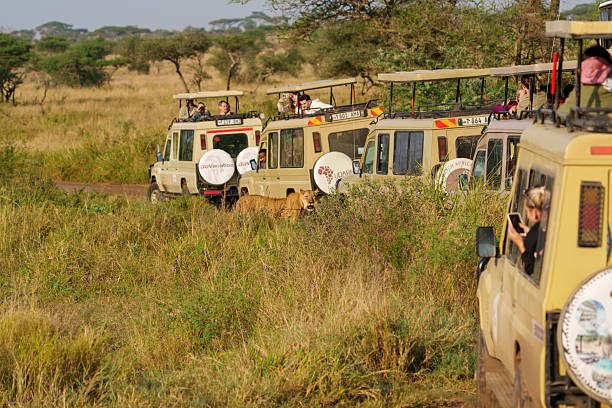
4 Days Serengeti And Ngorongoro Safari From Zanzibar: A Practical
Plan a focused 4-day combo: Zanzibar to mainland Tanzania, then Serengeti and Ngorongoro safari. Learn how days split between island relaxation and classic savannah game drives, with...
View package details
6 Days Machame Kilimanjaro Climb And 2 Tarangire Ngorongoro Safari
6 Days Machame Kilimanjaro Climb and 2 Days Tarangire Ngorongoro Safari.
View package detailsNo related package matches those filters. Clear one or more filters to see the other topic-matched options.



