
A 4-day journey through Tanzania’s wild and cultural heart combines the vast wildlife of Ngorongoro Crater with deep immersion in the traditions of Lake Eyasi’s indigenous communities. You’ll travel from the crater rim down into the crater floor, then drive south to the shores of Lake Eyasi, where you’ll meet Maasai and Datoga people, learn about their lifestyles, and experience daily life in remote villages. Accommodations are basic lodges or tented camps, and the route follows a practical, low-traffic path that prioritizes authenticity over luxury.
Day 1: Arrival in Arusha and Transfer to Ngorongoro Crater Rim
Upon arrival in Arusha, you’ll be met by your local guide and transferred to the northern edge of Ngorongoro Conservation Area. The drive takes approximately 3 to 4 hours, passing through rolling savannas, small farming villages, and the quiet outskirts of the crater’s vast caldera. As you approach the crater rim, the landscape opens into a sweeping view of the world’s largest intact volcanic caldera, stretching nearly 20 kilometers across. Your accommodation for the night is a simple lodge or tented camp located on the rim, offering panoramic views of the crater floor below. Dinner is served under the stars, and the evening is a quiet introduction to the rhythms of safari life—no wildlife sightings guaranteed, but the silence and stillness of the highland air set the tone for the days ahead.
Day 2: Descend into Ngorongoro Crater – Wildlife and Landscape Immersion
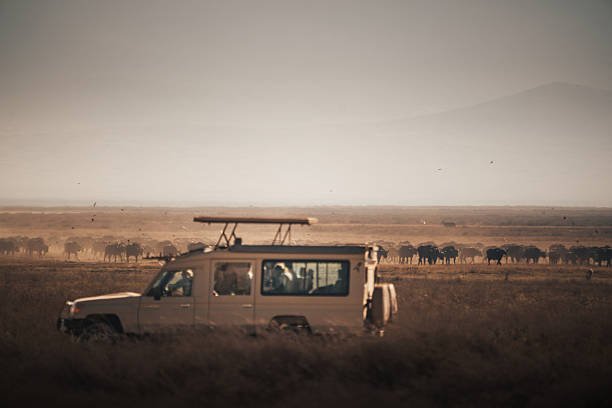
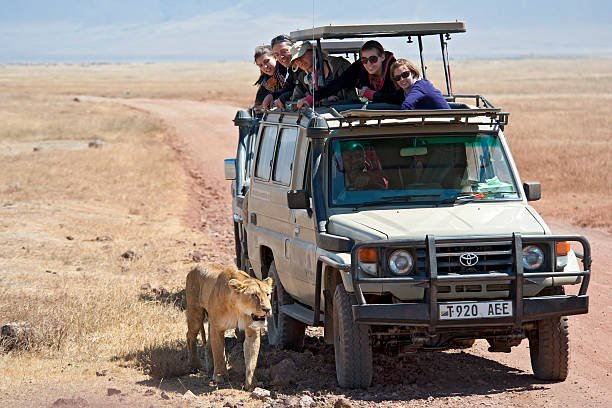
After an early breakfast, you’ll descend into the crater floor via a winding road that cuts through the ancient volcanic walls. The descent reveals a dramatic shift in terrain: the fertile, grassy plains of the crater floor stretch endlessly beneath you, crisscrossed by seasonal rivers and dotted with acacia trees. This is a true ecosystem within a crater, home to lions, elephants, black rhinos, buffalo, zebras, wildebeest, and countless bird species. Your full-day game drive is conducted in a 4×4 safari vehicle with a local guide, who navigates the terrain with knowledge of animal behavior and seasonal patterns. Stops are made at waterholes, the famous hippo pool, and the crater’s central swamps where you might see a herd of flamingos or a family of warthogs. The drive follows a loop that maximizes visibility while minimizing disturbance. By late afternoon, you’ll return to the rim for a well-earned dinner and a chance to reflect on the day’s encounters. The night is quiet, with the distant roar of a lion sometimes echoing through the valley.
Day 3: Drive to Lake Eyasi – Transition to Cultural Encounters
After breakfast, you’ll check out and begin the southward journey toward Lake Eyasi, a remote, alkaline lake surrounded by dry plains and volcanic hills. The drive takes about 5 to 6 hours, passing through the remote regions of the Manyara and Arusha regions, where the landscape becomes more arid and human presence grows more sparse. As you approach the lake, the scenery shifts: the ground turns grayish, salt crusts appear in patches, and the air carries a faint mineral scent. Upon arrival, you’ll be welcomed by your guide and introduced to the local community. Your accommodation is a simple guesthouse or campsite near the lakeshore, built with local materials and designed to support low-impact tourism. The focus shifts from wildlife to people: you’ll meet members of the Datoga and Maasai communities, who live along the lake’s edge and maintain traditional lifestyles centered around pastoralism, beadwork, and seasonal migration. There’s no fixed schedule—your time is spent learning through observation and conversation, whether it’s watching women gather firewood, children playing near the water, or elders sharing stories of ancestral lands.
Day 4: Cultural Immersion at Lake Eyasi – Village Visits and Living Traditions
Today is dedicated to meaningful cultural exchange. After a light breakfast, you’ll visit a Maasai village, where you’ll be invited into a traditional homestead (manyatta). You’ll learn about their cattle-based economy, the significance of cattle in their culture, and the role of age-set systems in community organization. The guide may explain how warriors (morans) are trained, and you might see traditional dances or beadwork demonstrations. In the afternoon, you’ll travel to a Datoga village, known for their unique language, pottery, and intricate body art. The Datoga are less known internationally but deeply connected to the land and their ancestral practices. You’ll have the chance to speak with elders, watch women make clay pots, and perhaps even try grinding grain with a mortar and pestle. There are no staged performances—this is real life, lived daily. The day ends with a shared meal of local food, such as ugali, beans, and fresh vegetables. As you prepare to leave, you’ll reflect on the differences and similarities between modern life and the enduring traditions of these communities. After a farewell visit, you’ll transfer back to Arusha or another destination, completing your 4-day journey.
Why This Itinerary Works: Practical Realities
This 4-day plan is designed for travelers who value authenticity over luxury and who seek a deeper understanding of Tanzania beyond the wildlife. Unlike longer safaris, this itinerary avoids overlapping routes with Tarangire or Serengeti, focusing instead on two distinct yet complementary experiences: the ecological marvel of Ngorongoro and the cultural richness of Lake Eyasi. The driving times are realistic—no rushed transitions—and the accommodations are chosen for their proximity to the action, not for five-star amenities. There are no guarantees of sightings, but the chances of seeing elephants, lions, or flamingos are high. The cultural visits are respectful, community-led, and designed to educate, not entertain. This is not a photo-op package; it’s a slow, thoughtful journey into two of Tanzania’s most powerful landscapes—one shaped by nature, the other by people.
Planning Notes for Your Journey
- Best time to travel: June to October (dry season) for better visibility and road conditions.
- Travelers should bring lightweight, neutral-colored clothing, a hat, and good walking shoes.
- Photography is permitted, but always ask permission before photographing people.
- Bring small gifts (not food) to share with children, as a sign of respect.
- Local guides are trained in cultural sensitivity and act as bridges between visitors and communities.
For travelers interested in extending their journey, Climb 4 Africa
Beyond the Day-by-Day: Practical Details for a Smooth Four-Day Itinerary
One of the most helpful ways to enrich a four-day cultural safari is to anticipate the small but meaningful logistical details that influence daily experience. The following notes extend the existing itinerary by addressing practicalities that frequently shape traveler comfort, timing, and authenticity on the ground—without altering the core sequence or making unsupported promises about wildlife sightings or exact costs.
Transit pacing and road conditions: The drive from Arusha to the Ngorongoro Crater rim is scenic but long, often 3 to 4 hours depending on traffic and stops. Expect variable road conditions as you move from tarmac to more rugged sections near the crater edge. Your guide will typically schedule a mid-morning coffee break at a viewpoint or village shop. When descending into the crater on Day 2, the route follows a winding crater rim track; chances of sudden delays are lower in dry-season months but can increase after rains. On Day 3, the southern leg toward Lake Eyasi involves gradual elevation change and occasional washboard stretches—your comfort comes from steady, moderate speeds and a well-fueled vehicle with a functioning cooling system.
Accommodations and sleeping arrangements: The itinerary prioritizes rim-side lodges or simple tented camps that maximize panoramic views and proximity to activity without promising luxury-level amenities. Rooms are typically double or twin configurations with en-suite facilities. In some properties, hot showers may be timed or shared, and electrical power can be limited to a few hours in the evening. Pack a compact travel towel and a sleeping bag liner if you anticipate cooler evenings at higher elevations. Most properties offer communal dining spaces where meals are served buffet-style with traditional dishes alongside familiar staples.
Meals and dietary considerations: Breakfast is usually a light to full hot option before departure for morning game drives or village visits. Lunch en route might be a packed meal or a short stop at a guesthouse with a simple menu. Dinners emphasize local ingredients, with dishes such as ugali, vegetables, beans, and occasional meat or fish. If you have dietary restrictions (vegetarian, vegan, gluten-free, halal), notify your operator in advance so the kitchen can prepare suitable options. Snacks like fruit, nuts, and crackers are commonly available in vehicle coolers for longer drives.
Guides, local interactions, and cultural respect: Your driver-guide acts as both navigator and cultural intermediary. They’ll facilitate respectful introductions, translate during village visits, and provide context about Maasai and Datoga lifestyles without sensationalizing daily life. When visiting homesteads, follow your guide’s lead on photography etiquette—always ask people before photographing children or interiors. Wear modest clothing and remove hats when inside homes or during traditional demonstrations. A small, thoughtful gift such as school stationery or school supplies is often appreciated, but avoid food gifts or items that could be perceived as gifts with strings attached.
Photography and memory keeping: The landscapes offer dramatic frames: crater walls, acacias, and the reflective surface of Lake Eyasi at certain angles. A lightweight zoom lens (around 200–300mm equivalent) helps capture distant wildlife from the vehicle without approaching animals too closely. Be mindful of the time of day to minimize harsh shadows; early morning and late afternoon provide the richest light for both wildlife and people portraits. When in villages, opt for candid, respectful images rather than staged scenes; many communities value quiet observation as a form of respect.
Safety and health considerations: Carry a basic personal first-aid kit, including any prescription medications, mucosal protection for dust, and a small bottle of hand sanitizer. Stay hydrated, especially on days with long drives and sun exposure. Use sunscreen and a hat to reduce sun risk, and wear sunglasses for glare on the crater’s white caldera floor. In remote areas, your guide will outline steps in case of minor medical needs and the location of the nearest healthcare facility. While big game is a draw, always remain inside your guide’s vehicle where required and adhere to local rules and park regulations.
Timing reality checks: The schedule on each day tends to be fluid because wildlife movement, cultural demonstrations, and travel distances can shift the plan. Your guide will keep you informed about changes, and accommodations are prepared to accommodate a flexible rhythm. The aim is to balance in-depth experiences with a comfortable pace, avoiding rushed transitions while ensuring you maximize opportunities for engagement in each location.
Responsible travel and community benefit: This itinerary emphasizes community-led experiences where possible. Your visit supports local guides, small-scale accommodations, and village initiatives. When participating in cultural activities, engage with curiosity and respect; purchases of beadwork, pottery, or crafts should come from agreed-upon markets or workshops to ensure the proceeds reach the craftsperson. The overall approach seeks to minimize environmental footprint while elevating the voices and practices of the communities you visit.
What to expect at the end of Day 4: After a final morning visit, you’ll check out and begin the journey toward your next destination. Depending on your plans, you might return to Arusha, continue to a southern or coastal stop, or arrange a domestic flight from nearby airstrips. Your guide can assist with coordinating onward connections, transfers, or extensions, ensuring that the momentum of the four days remains grounded in the experiences you anticipated when you booked the trip.

Deepening the Cultural Layer: How to Prepare for Authentic Interactions at Lake Eyasi
Beyond the standard village visits, this four-day itinerary invites you to engage with Lake Eyasi’s living traditions in ways that honor the communities’ time, skills, and knowledge. To make these exchanges meaningful rather than transactional, come prepared with a respectful frame of mind, a willingness to listen, and an appreciation for the cultural context you’re entering.
Before you depart Arusha, work with your guide to review the planned encounters so you understand which communities you may meet on Day 3 and Day 4, and what each visit aims to demonstrate. Your guide can translate context, pronunciation, and cultural etiquette, which helps prevent missteps that could inadvertently offend hosts or disrupt daily routines.
Dress and demeanor matter. Lake Eyasi communities are largely rural and agrarian, with a strong emphasis on modesty and practicality. Neutral colors and lightweight fabrics are preferred for comfort in warm days and cool evenings. When visiting homes or bead workshops, remove hats, avoid loud talking, and keep a respectful distance during conversations. If invited to sit inside a homestead, follow the hosts’ lead about seating arrangements and personal space.
Interactions around everyday tasks—such as beadwork, pottery, or hunting demonstrations—should be undertaken with explicit consent. If a craft activity is offered, participate if you wish, but avoid pressuring hosts to perform beyond what they’re comfortable sharing. Be mindful that some demonstrations may involve sensitive or sacred elements, and your guide will clarify what it’s appropriate to observe and photograph.
Photography etiquette is essential. Always ask for permission before photographing individuals, children, or family activities. If a person declines, respect that choice without dwelling or offering rewards in exchange for consent. Acknowledge that many images can carry cultural or spiritual significance, and your request may require a moment of patience as hosts consider how they wish to be portrayed.
Gifts and purchases should reflect genuine appreciation rather than a transactional expectation. Instead of bringing material items as a blanket rule, consider choosing small, locally appropriate tokens (if invited by hosts) that support sustainable livelihoods—such as beadwork, pottery, or crafts from the local cooperative. If you purchase, seek receipts or price lists that ensure fair compensation; avoid bargaining aggressively or negotiating for steep discounts that could undermine the maker’s livelihood.
Food and hospitality traditions offer entry points for respectful exchange. If you’re invited to share a meal or participate in a coffee ceremony or traditional drink, follow the host’s lead regarding portions and timing. Express gratitude verbally, and avoid criticizing or comparing their cuisine with other cultures. The aim is mutual learning and appreciation rather than culinary comparison.
Language helps, but it is not a barrier in most encounters. Your guide can translate phrases or greetings to convey warmth and curiosity. Even simple words of thanks in the local language—paired with a genuine smile—can go a long way toward building trust and rapport with hosts and neighbors alike.
When independent exploration is part of the schedule, keep safety and courtesy at the forefront. Stay with your guide during visits, avoid wandering into private courtyards or restricted areas, and respect the rhythms of daily life—early morning chores, mid-day rest, and evening family routines all carry meaning for the communities you meet.
Finally, reflect on the impact of your visit after each day. A short moment of contemplation about what you learned, what you offered, and how it might benefit the community reinforces a sustainable, reciprocal relationship. Your guide can help you articulate questions or topics you’d like to explore further if you return for future trips.
Logistics that Smooth Cultural Encounters at Lake Eyasi
To ensure Day 3 and Day 4 unfold with clarity and minimal friction, a few practical checks can make a measurable difference. Confirm the exact route and timing with your guide a day before the Lake Eyasi stops, as road conditions, weather, and community schedules may alter the plan. While the landscape is striking, the emphasis remains on respectful engagement rather than chasing multiple prompts or photo opportunities.
Transportation is typically a straightforward matter in this region, but it helps to confirm the vehicle type and seating arrangement in advance, especially if you’re traveling with a small group or solo; some operators reserve seats to balance the experience and minimize disruption to communities. If you have dietary restrictions or preferences, share them with your guide ahead of time so hosts can accommodate appropriately during meals or tea breaks.
Altitude and climate at Lake Eyasi can swing with the day’s geography and the season. Pack layers for cool mornings and evenings, a lightweight scarf for dust or sand, and a compact water bottle. The Lake Eyasi area also hosts distinctive flora and birdlife; a lightweight field guide or a note-taking app can help you document observations without becoming a burden to hosts or the environment.
Finally, maintain a flexible attitude toward schedules. Cultural activities can shift to accommodate ceremonies, market days, or community visits that are meaningful to locals. Your guide’s experience is invaluable in reading these cues and adapting the day’s timetable so that you still experience the core cultural moments without forcing a rushed experience.
As you prepare for Day 3, keep in mind that the deepest value of this journey often arises from listening more than speaking, observing with intention, and letting the day’s pace unfold in dialogue with the people you meet. The most memorable moments tend to be quiet conversations, shared tasks, and the small details of daily living that reveal a people’s relationship to the land and to each other.
Beyond the Typical Route: Deepening the Lake Eyasi Cultural Experience
To complement the four-day sequence, there is a meaningful opportunity to extend cultural engagement while staying within the practical framework of a short itinerary. The Lake Eyasi basin supports a variety of seasonal activities and community-led programs that can be integrated with minimal disruption to the core days. If you arrive with curiosity and a willingness to adapt, you can gain a richer understanding of how local livelihoods intertwine with the land and with one another.
One tangible extension is to schedule a dawn visit to a nearby datoga settlement to observe traditional ironworking or beadwork at a small workshop. These crafts are not merely decorative; they reflect historical trade networks and the utilitarian needs of a desert-border ecosystem. Watching a smith pound iron, or a woman weaving beaded jewelry with deliberate, practiced motions, reveals the tempo of daily work and the transfer of technique across generations. Such observations are best undertaken at the invitation of the hosts, and with a cautious approach that respects the sanctity of private spaces.
Another avenue for immersion is a guided walk with a local elder along the shores of Lake Eyasi or into the scrubland around the Datoga villages. The purpose is threefold: to observe edible plants and traditional remedies, to hear stories about the land’s seasonal cycles, and to understand the communal decisions that govern resource use. A short, gently paced trek—one to two hours at most—offers glimpses into navigation by stars, water sources, and animal signs, all framed by the elder’s personal memories and perspectives. This is not a performance for a sightseeing punch list; it is a living archive of knowledge that communities choose to share on their own terms.
When cultural activities arise during the day—markets, ceremonies, or tempers of daily life—your role shifts from observer to respectful participant. If you’re invited to witness a ritual or a family gathering, follow your hosts’ lead about seating, participation, and questions. Simple gestures such as offering to help with serving tea, or asking permission before taking a photograph, can foster trust and reciprocity. The key is to read the moment through the guide’s cues and to refrain from imposing your own schedule on a ceremony whose timing matters to the community.
Food culture also lends itself to deeper understanding. You may be offered a taste of millet porridge, goat meat simmered with local spices, or greens cooked with ash oil—a preparation method that uses locally available ingredients and traditional heat sources. Eating together, even with modest portions, can signal mutual hospitality and an interest in shared experiences. If you have dietary considerations, discuss them in advance with your guide so hosts can reasonably accommodate while preserving the integrity of the meal.
For photographers, the balance between capturing moments and respecting privacy is delicate. Seek consent before photographing individuals, particularly during intimate moments or family time. A thoughtful approach—checking in verbally, keeping a respectful distance, and avoiding intrusive angles—often yields the most natural and candid images, while preserving the dignity of the people you meet.
Finally, reflect on the day with your guide and host families in a brief, informal debrief. Acknowledge what you learned, express appreciation for hospitality, and note any questions that remain for future visits. This closing conversation reinforces a ethical travel ethic: your impact as a visitor should be a positive, reciprocal exchange rather than a one-way performance.
In sum, the Lake Eyasi portion of this itinerary offers a rare chance to move beyond surface-level encounters and engage with living traditions in a manner that honors local agency. By approaching each interaction with humility, curiosity, and explicit respect for time, you can cultivate meaningful connections that endure beyond the four days and contribute to the ongoing vitality of the communities you visit.
Enhancing the Cultural Dialogue: Practical Tips for Respectful Interactions at Lake Eyasi
Beyond the scheduled visits and demonstrations, the four-day itinerary gains depth when you enter conversations and activities with an explicit set of cultural etiquette practices. This sector of the article adds concrete, field-tested guidelines that help you move from observation to participation in a manner that honors the communities’ time, knowledge, and autonomy.
First, align expectations with your hosts before arrival. In Lake Eyasi’s villages, daily routines can be tightly intertwined with the seasons, livestock movements, and community meetings. Request a flexible window for activities such as a traditional song, a dance demonstration, or a craft workshop, and be prepared for changes in timing. Communicate your interest in a few core experiences (for example, a beadwork session with a Datoga artisan or a walking tour of a manyatta), and defer to your hosts’ prioritization if their schedule shifts.
Second, cultivate listening as an active practice. When elders or hosts speak about ancestry, land use, or seasonal harvests, resist the urge to interrupt with questions about photography or personal experiences. Allow pauses, and reflect back what you hear before asking deeper questions. Framing questions around learning rather than evaluation often invites more expansive storytelling and a richer understanding of community perspectives.
Third, navigate economic exchanges with transparency and sensitivity. In many communities, craftwork, beadwork, and demonstrations are livelihoods and knowledge repositories. If you purchase a craft, consider asking about the meaning and provenance of the item, and acknowledge the maker directly when possible. Offer fair prices in the local market context, and avoid bargaining to the point of devaluing the craft. If you decline a purchase, do so with gratitude for the opportunity and an explanation that respects the host’s time and effort.
Fourth, be mindful of space and property. Do not enter a homestead or private corral without explicit invitation, and always follow your guide’s cues when it comes to where you sit, how you place belongings, or where you step. If a child approaches you with curiosity, involve the parent or elder in the interaction to ensure cultural norms are observed. Simple acts such as offering an empty seat to an elder, waiting for a signal to begin a ceremony, or standing to signify respect are small but meaningful gestures that communicate humility and receptiveness.
Fifth, participate with intention, not performance. If you are invited to join in a ritual or daily activity, join only to the extent that you’re comfortable and invited. Do not imitate sacred rites or adopt ceremonial dress without explicit approval. Acknowledge your outsider status in a respectful way and focus on savoring the shared human experience—tasting a millet-based dish, listening to a local storyteller, or watching a grandmother weave beads while recounting stories of harvests and migrations.
Sixth, manage photography with care. Before any image is captured of people, places, or ceremonies, seek clear consent. A simple, respectful line such as, “May I take a photo of this moment?” goes a long way. If consent is given, ask about the best angle and distance that preserves dignity. If a host declines, honor the choice without pressing for an alternative shot or a portrait session later in the day.
Seventh, reflect publicly and privately at day’s end. Conclude Day 3 and Day 4 with a debrief that includes questions you still carry, lessons you’re taking home, and expressions of appreciation. Your guide can help translate any nuanced feedback into respectful, feasible follow-ups for future visits, reinforcing the principle that you’re a guest who seeks ongoing, reciprocal learning rather than a one-off encounter.
Eighth, bring and share lightweight, appropriate gifts. Small, culturally respectful gestures—such as school supplies for children, seeds that suit local cultivation, or a multi-year diary for the elder who shares oral histories—can symbolize reciprocal hospitality. Avoid gifts that require ongoing maintenance or that conflict with local customs, and always present gifts with both hands and a brief note of gratitude.
Ninth, safeguard sensitive knowledge. Some cultural knowledge is transmitted within families or through trusted elders as part of ongoing stewardship. Treat such information as guarded, and never relay details to outsiders or new audiences without explicit permission. If you’re curious about a particular story or practice, pose the question as a request for permission to learn rather than a demand for disclosure.
Tenth, document responsibly. If you maintain a travel journal or plan to publish notes, compartmentalize what is factual (names of places, general activities) from what is intimate (family narratives, personal histories). When possible, share a copy of your notes with your hosts and guide after your trip as a courtesy and a way to verify accuracy before broader publication.
By incorporating these nuanced, field-tested practices into the Lake Eyasi segment of your four-day itinerary, you transform a sequence of visits into a series of meaningful, respectful exchanges. The aim is not merely to observe living traditions, but to participate within boundaries that honor the communities’ autonomy, time, and knowledge-keepers. The result is a more authentic cultural safari experience that lingers long after the vehicle has rolled away from the manyattas and birthing fields of the Eyasi basin.
Enhancing the Cultural Layer: Practical Interactions with Lake Eyasi Hosts
While the four-day structure foregrounds a sequence of village visits and living traditions, there is tangible value in understanding how these exchanges unfold on the ground. This section adds concrete, field-tested approaches that travelers can apply in real time to deepen engagement without disrupting daily life or overstepping local boundaries.
Timing and natural pacing: Lake Eyasi communities operate on rhythms tied to pastoral and agricultural activities, as well as family and communal obligations. Plan conversations and demonstrations to align with times when hosts are most available and relaxed, typically mid-morning after chores and before mid-day heat intensifies. If a elder or host appears busy, gracefully offer to return at a later time or switch to a short, complementary activity such as assisting with a small, non-intrusive task rather than insisting on a longer conversation.
Listening as a discipline: The most meaningful exchanges arise from listening more than speaking. Let hosts determine the pace of storytelling or demonstrations. Document questions as they arise but avoid interrupting a live demonstration with a string of inquiries. A short, respectful pause after a narrative invites additional detail and shows appreciation for memory-sharing as a communal responsibility rather than a performance for visitors.
Observation with consent: When you observe daily routines—whether tending livestock, weaving, or preparing food—announce your intent briefly and ask for permission to observe. Mirroring the hosts’ own etiquette, step back when invited, maintain a non-intrusive distance, and avoid photographing intimate moments without explicit consent. If photography is permitted, follow any stipulations about silhouettes, framing, and avoiding crowding around children or elders during sensitive moments such as storytelling or medical care.
Participation boundaries: Small, optional roles—such as helping arrange seating, passing a chair, or assisting with a communal meal setup—can foster reciprocity, but only when invited. If you are offered an activity, accept with gratitude and a clear boundary: you are a guest and will accommodate the host’s lead rather than initiating new or unfamiliar tasks that could overwhelm the setting.
Language and humility: Even basic phrases in the local language (Maasai or Datoga dialect as applicable) can break down barriers. Learn a few greetings, expressions of thanks, and a simple question about timing or ongoing activities. The effort signals respect without turning the exchange into a linguistic performance, and hosts typically respond with warmth when they perceive sincere curiosity.
Material culture and handling: When receiving crafts or demonstrations—beads, weaving, beadwork, or ironworking—treat artifacts with care and appreciation. If you purchase items, do so with clear, transparent pricing and a courteous note about how the proceeds support the community. Avoid bargaining to the point of discomfort; if price is a point of negotiation, keep it respectful and within culturally appropriate norms.
Food and hospitality etiquette: Sharing foods, especially traditional dishes, can be a highlight. Accept offerings with both hands and express gratitude, even if you must decline certain items for dietary reasons. If you observe a host offering a portion that feels excessive for your appetite, gently communicate your appreciation and indicate you will savor the dish or take a smaller portion to avoid waste.
Handling sensitive topics: Some questions about lineage, spiritual beliefs, or personal histories may be sensitive. Preface such inquiries with open-ended invitations like, “If you’re comfortable, could you tell me about…” and be prepared to pivot if a host declines. Respectful questions often yield deeper stories later, but they should never feel pressurized or transactional.
Reciprocity and follow-up: A small gesture of appreciation—such as returning a week after your visit with a note or a returned visitor’s gesture if feasible—can reinforce mutual respect. If opportunities arise to support local initiatives (education, conservation, or craft cooperatives), discuss with your guide concrete, time-bound ways to contribute that align with community needs and preferences.
Ethical storytelling: If you intend to share stories or photography publicly, obtain consent for each element that could identify individuals. When possible, offer hosts a copy of any published material and invite corrections or additions. This practice upholds integrity and ensures that representations remain accurate and respectful.
Safety and personal boundaries: The Eyasi environment includes wildlife-influenced landscapes, remote villages, and variable infrastructure. Follow your guide’s safety briefings, maintain a respectful distance from animals if encountered near villages, and avoid wandering into private homesteads without explicit invitation. If you feel uncertain about any interaction, pause and consult with your guide before proceeding.
These practical micro-ethics and tactful interaction guidelines aim to convert moments of observation into moments of mutual learning. They help ensure that cultural encounters at Lake Eyasi remain living, participative, and dignified for both guests and hosts, extending the value of your four-day itinerary beyond a simple sequence of visits to a shared, ongoing dialogue.
Related Guides and Packages
Check Availability for 4 Days Ngorongoro Crater And Lake Eyasi Cultural Safari 2026-2027
Ready to compare dates, prices, and the best option for your group? Send the package name and travel month so the team can reply with a clear quote, availability, and what is included.
5 Days Tarangire Ngorongoro And Lake Eyasi Safari 2026-2027
5 Days Tarangire Ngorongoro and Lake Eyasi Safari.
View package details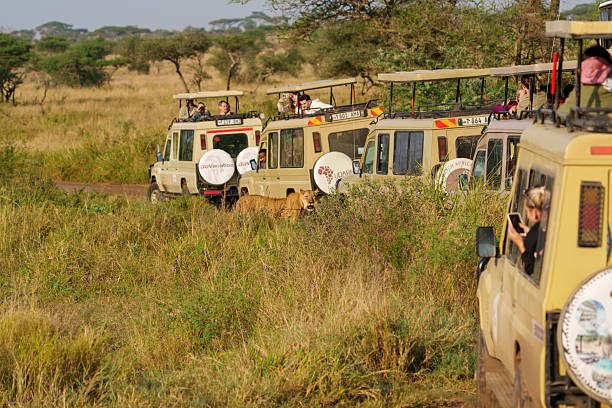
6 Days Serengeti Ngorongoro And Lake Natron Safari: A Practical, Route-Driven
A route-driven 6-day Tanzania safari focusing on the Serengeti, Ngorongoro Crater, and Lake Natron. Practical day-by-day sequence, driving logistics, and realistic safari opportunities.
View package details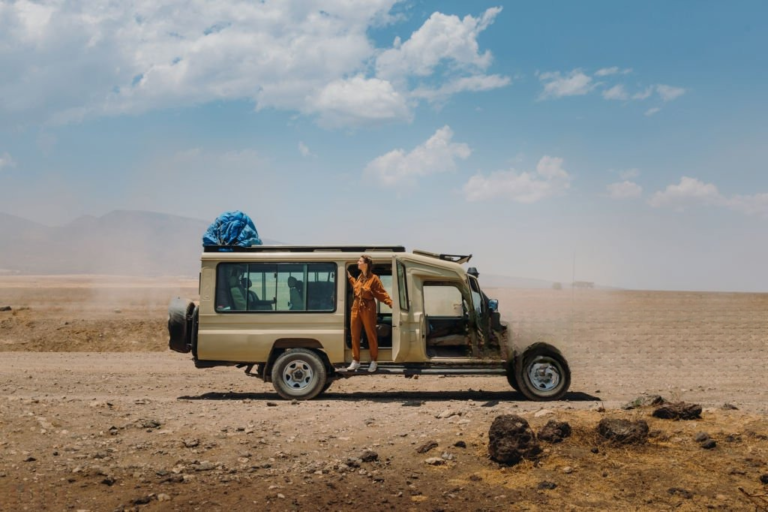
6 Days Serengeti Ngorongoro Tarangire And Lake Manyara Safari 2026-2027
6 Days Serengeti Ngorongoro Tarangire and Lake Manyara Safari.
View package details5 Days Tarangire Serengeti Ngorongoro And Lake Manyara Safari 2026-2027
5 Days Tarangire Serengeti Ngorongoro and Lake Manyara Safari.
View package details5 Days Serengeti Ngorongoro And Tarangire Lodge Safari: A Practical
A practical, lodge-based 5-day safari itinerary through Tarangire, Serengeti, and Ngorongoro, focusing on feasible driving routes, rest-focused days, and realistic wildlife opportunities...
View package details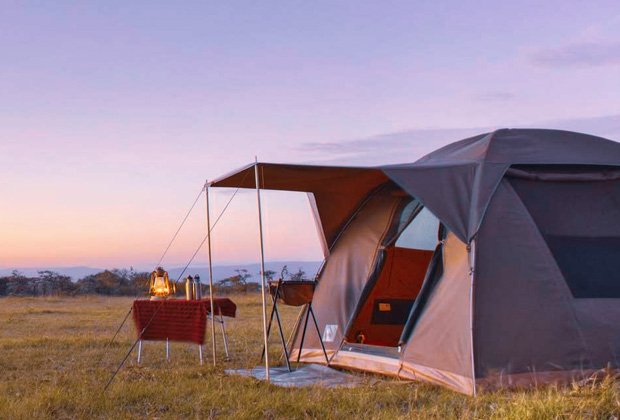
4 Days Serengeti and Ngorongoro Camping Safari
A practical 4-day camping itinerary linking Serengeti and Ngorongoro with realistic driving routes, campsites, and safari opportunities.
View package details4 Days Tarangire Serengeti And Ngorongoro Safari: A Practical 4-Day
A practical 4-day journey through Tarangire, Serengeti, and Ngorongoro, designed for efficient travel planning, realistic game-viewing chances, and comfortable stays. This plan emphasizes...
View package details
6 Days Serengeti Ngorongoro And Tarangire Safari From Zanzibar: A Bookable
Plan a 6-day wildlife circuit that links Zanzibar with Tanzania’s top parks—Tarangire, Serengeti, and Ngorongoro. Discover practical routing, transfers, and realistic safari opportunities...
View package details
5 Days Tarangire Serengeti And Ngorongoro Safari From Zanzibar: Mainland
Plan a practical 5-day safari that starts with a flight from Zanzibar to Moshi/Arusha, then tours Tarangire, Serengeti, and Ngorongoro in sequence. This guide outlines day-by-day logistics...
View package details4 Days Serengeti And Ngorongoro Safari From Zanzibar: A Practical
Plan a focused 4-day combo: Zanzibar to mainland Tanzania, then Serengeti and Ngorongoro safari. Learn how days split between island relaxation and classic savannah game drives, with...
View package details
6 Days Machame Kilimanjaro Climb And 2 Tarangire Ngorongoro Safari
6 Days Machame Kilimanjaro Climb and 2 Days Tarangire Ngorongoro Safari.
View package details3 Days Serengeti And Ngorongoro Crater Safari 2026-2027
3 Days Serengeti and Ngorongoro Crater Safari.
View package detailsNo related package matches those filters. Clear one or more filters to see the other topic-matched options.



