
A 3-day Serengeti and Ngorongoro Crater safari typically begins in Arusha, travels through the Serengeti plains, and ends with an overnight stay in the Ngorongoro Crater. The route includes morning and afternoon game drives in both parks, with transfers between locations. Accommodations are in lodges or mobile camps, and wildlife sightings depend on seasonal movement, not guarantees.
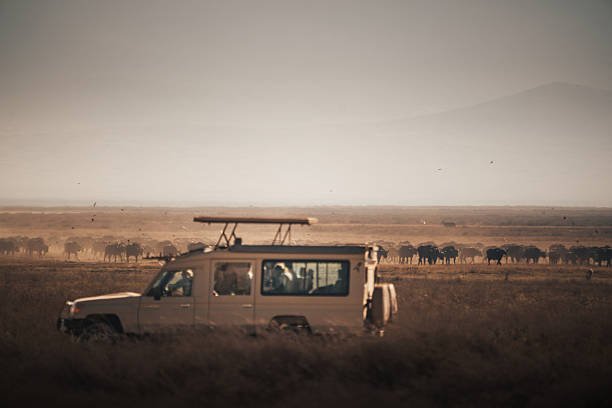

Day 1: Arusha to Serengeti – Arrival and First Game Drive
The journey begins early in the morning from Arusha, with a scenic drive across the Great Rift Valley toward the western edge of the Serengeti National Park. Depending on the route, the drive covers approximately 200–250 kilometers, taking 5 to 6 hours, including short stops for photos, restroom breaks, and light refreshments. The terrain transitions from cultivated farmland and coffee plantations to open savannah and acacia woodlands as you approach the park.
Upon arrival at your designated camp or lodge in the Serengeti, you’ll check in and enjoy a welcome briefing from your guide. After lunch, the first full game drive begins in the afternoon. This is a critical window for wildlife activity, especially in the central or southern Serengeti, where you might encounter large herds of wildebeest, zebra, Thomson’s gazelle, and a variety of predators such as lions, leopards, and cheetahs. The open plains offer excellent visibility, making it ideal for photography and spotting animals from a distance.
Evening game drives are limited in the Serengeti due to park regulations, so the focus remains on the afternoon session. Back at camp, dinner is served under the stars, often with a campfire, and you’ll have the chance to discuss the day’s sightings with fellow travelers and your guide.
Day 2: Serengeti Full-Day Game Drive and Transfer to Ngorongoro
Day two is dedicated to an extensive full-day game drive across the Serengeti ecosystem. You’ll wake early for sunrise game viewing, a prime time for spotting nocturnal animals emerging from cover and predators beginning their hunt. The Serengeti’s vast landscape offers endless opportunities: from elephants browsing in riverine forests to buffalo herds moving across the plains, and the constant movement of migratory ungulates if the season aligns.
Mid-morning, the group returns to camp for a light brunch, followed by a second game drive in the afternoon. Depending on your location, your guide may lead you toward key areas like the Moru Kopjes, known for lion prides and leopards in the acacia trees, or the Grumeti River, where crocodiles and hippos reside and the annual wildebeest migration may pass through during certain months.
After your final afternoon drive, you’ll pack up and begin the transfer to Ngorongoro Crater, a journey of about 100–120 kilometers that takes 3 to 4 hours. The route winds through the Ngorongoro Highlands, with views of the volcanic highlands and the vast crater rim. Upon arrival at the crater rim, you’ll check into a lodge or camp located near the entrance, often with panoramic views of the caldera below. Dinner is served with a view of the crater floor, where a diverse population of animals lives in a self-contained ecosystem.
Day 3: Ngorongoro Crater Floor Game Drive and Return to Arusha
On the final day, you descend into the Ngorongoro Crater for a full-day game drive across its floor. The crater is a UNESCO World Heritage Site and one of the most biologically diverse places on Earth. The drive begins at dawn, as the first light reveals the lush grasslands, swamps, and forests within the caldera. The crater floor is home to over 25,000 animals, including the Big Five: lion, leopard, elephant, buffalo, and rhino.
Your guide will lead you through key zones like the Ngoitokitok Springs, where hippos wallow and waterfowl gather, and the dried-up lake bed, where you might spot flamingos during the wet season. The area is also known for its high concentration of spotted hyenas, warthogs, and a variety of antelope species.
Midday, you’ll return to your camp or lodge on the crater rim for lunch. Afterward, the group prepares for departure. Depending on the schedule, you may have a short walk or nature trail near the camp to stretch your legs before the return drive to Arusha.
The return journey to Arusha takes about 4 to 5 hours, passing through the same scenic highlands. You’ll arrive in Arusha in the late afternoon, allowing time to rest or enjoy a final meal in town. The safari concludes at the end of the day, marking the end of a compact but intense wildlife experience.
Accommodations and Logistics Overview
Throughout the 3-day safari, accommodations are typically in mobile camps or established lodges located within or near the Serengeti and Ngorongoro Crater. These range from tented camps with en-suite bathrooms and private decks to basic lodges with shared facilities. All offer full board meals, with breakfast, lunch, and dinner included. Water, tea, and coffee are provided throughout the day.
Transfers are made in 4×4 safari vehicles, usually with a capacity of 6 to 8 passengers, ensuring comfort and stability on rough terrain. Each vehicle is equipped with a pop-up roof for better wildlife viewing and a first-aid kit. Guides are certified, experienced, and fluent in English, with deep knowledge of local ecosystems and animal behavior.
It’s important to note that while this itinerary follows a common route, exact locations and daily plans may vary slightly based on seasonal conditions, park access, and animal movements. There are no guarantees for wildlife sightings, and the experience is designed to maximize exposure to natural habitats rather than predictable encounters.
Why This Route Works for a 3-Day Safari
Three days is a tight window to experience two of Tanzania’s most iconic parks. This itinerary balances time efficiently: it avoids overpacking the schedule while still allowing meaningful time in both the Serengeti’s open plains and the Ngorongoro Crater’s enclosed ecosystem. The transfer between parks is strategically timed to minimize fatigue and maximize game viewing hours.
By focusing on the Serengeti’s central and southern regions and the Ngorongoro Crater floor, the route covers the highest concentration of wildlife in the shortest time.
Unpacking the Morning Transit: Serengeti to Ngorongoro—Practicalities Beyond the Snapshot
Although the Day 2 transition from Serengeti to Ngorongoro is framed as a single move between parks, the reality of a 3-day itinerary hinges on how you navigate that transfer and what you do in the hours between dawn departure and exact arrival time at your crater-side base. Travelers often wonder about timing, road conditions, and the practicalities that influence daily experiences even when the wildlife lineup remains uncertain.
The first light in the Serengeti is commonly reserved for a brief pre-drive briefing, followed by a gentle outbound push into the early-morning quiet. Your guide will confirm the exact meeting time, and the vehicle will be stocked with bottled water, snacks, and a light thermos for hot beverages. Expect cooler air as you leave the camp area, with temperatures rising as the day progresses. The road surface can vary: portions near the lodge roads might be smooth, while stretches across savanna edges or woodlands may present bumps or gentle corrugations. This variability is normal and crafted into the safari rhythm to maximize wildlife view opportunities within the constraints of a 3-day schedule.
On the Serengeti side, the route to Ngorongoro typically threads along the park boundary before exiting into the Ngorongoro Conservation Area. The drive itself is an integral part of the experience because it provides a different lens on landscape: acacia-dotted plains giving way to highland forests and the long, sweeping views toward the crater rim. Your driver-guide will narrate points of interest, from seasonal migratory corridors to notable kopjes where predators and scavengers have been observed in the past. Even if you aren’t guaranteed a wildlife sighting in the transfer window, each pause offers a chance to spot distant herds or perched raptors that bait the day’s energy.
Once you exit Serengeti’s boundary and begin the ascent toward the Ngorongoro Highlands, you’ll notice a shift in terrain and climate. The air tends to become crisper, and the vegetation thickens around the shoulders of the escarpment. This is where the ecology begins to feel denser, a prelude to the crater environment that awaits. The landscape change isn’t merely scenic; it subtly influences the timing of your lunch stop and the pace of the afternoon game-drive window that follows your Ngorongoro arrival plan. Your guide will coordinate with the lodge or camp about vehicles’ parking spots and the exact crater-access timing, which can flex with permit availability and park regulations.
Consider the logistics of the break points during Day 2. A mid-morning tea or coffee stop, a rest break for stretches, and a light snack can transform the energy level for the next leg of the journey. In some seasons, the caravan may pause at a viewpoint where you can take a short, supervised walk—strictly within permitted areas—to reset legs and sightlines. Your guide will assess safety considerations, such as animal activity nearby and weather-driven road conditions, to determine whether a brief off-vehicle walk is appropriate for your group. These moments, though small, contribute to the overall safari rhythm without extending the day unduly.

Ngorongoro Crater Arrival: Timing, Access, and the Quiet Between Drive Windows
Arriving at the Ngorongoro Conservation Area gates typically occurs mid to late afternoon, depending on the departure time from Serengeti and the need to finalize permits and park entry checks. The crater view is one of those moments where the anticipation built across Day 1 and early Day 2 shifts into a tangible location—almost a landscape that invites immediate photography and careful observation as you descend toward the crater floor. Vehicle access to the crater rim varies by lodge and camp policy; some properties offer direct access through a private gate at the rim, while others coordinate with park authorities for a group-level entry. Either way, your time on the crater edge is usually brief but essential for acclimating to the night-time temperatures and the echo of distant hyena and nightjar calls that begin to permeate the air as day fades.
Evening routines in Ngorongoro-based accommodations emphasize comfort after a day of traveling: a hot shower, a restorative meal, and a briefing for the next day’s crater floor drive. The schedule can include a short dusk walk or a beverage under a veranda where the crater’s silhouettes are a constant backdrop. This balance of rest and readiness helps guests maximize the early morning start that characterizes the crater floor excursion—the quintessential feature of Day 3—without sacrificing safety or comfort during the transit-heavy middle day.
Day 3: Ngorongoro Crater Floor—A Focused, Managed Window
The crater floor drive is the core event of Day 3 and a focal point for many travelers because it consolidates a variety of ecosystems into a single, contained loop. Your morning ascent from the rim lodge to the crater edge is timed to catch first light as it spills across a landscape that holds lions on kopjes, elephants around the marshes, and flamingos in the crater’s shallow lakes when conditions permit. The feeder streams and grasses create a mosaic that supports a diverse range of herbivores and their predators, making early hours ideal for sightings that occur in a predictable cadence in some seasons, but still never guaranteed in others.
Guides typically pre-plan two to three viewpoints along the crater floor loop: waterlogged flats where hippos may be lounging, woodland patches where elephants may feed, and open plains where wildebeest and gazelles graze in mixed groups. The pace is steady, with short stops to observe behavior through binoculars, listen for animal calls, and photograph the ever-changing light. While Ngorongoro’s density of wildlife can be high, you should still temper expectations: weather shifts, animal movements, and seasonal dynamics can alter where and when you see particular species on any given day. The crater’s microhabitats—its swamps, forests, and grasslands—offer a variety of scenes that reward patient, attentive viewing rather than rapid-fire, single-shot expectations.
Lunch within crater facilities is typically arranged to minimize downtime and maximize time on the floor. After completing the circuit and returning to the rim, you’ll prepare for the drive back toward Arusha or a chosen departure point. The return journey mirrors Day 1 in terms of the general travel arc and the importance of conserving energy for any final town-phase activities, whether that’s a late dinner in Arusha or a quiet night at a lodge en route to your onward travels.
Extending Responsibly: Practicalities for a 3-Day Serengeti and Ngorongoro Crater Safari
Beyond the iconic wildlife moments, a well-planned 3-day itinerary hinges on realistic pacing, park regulations, and the momentum of your travel party. This added section offers nuanced, booking-friendly details that readers often confront but are not always spelled out in standard summaries.
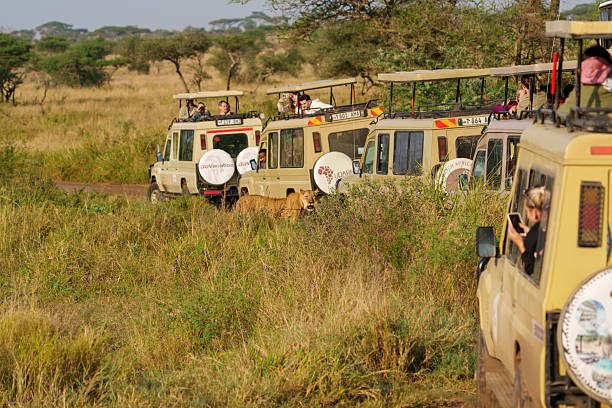
Vehicle logistics and accessibility on Day 2: In the Serengeti, road conditions fluctuate with the season and your entry point. Some routes may be corrugated or sandy, particularly near the southern or western borders. Your guide will need to balance speed with the opportunity to pause for wildlife behavior observations. If a vehicle encounters a bottleneck of vehicles at a prime sighting, the recommended practice is to respect the group’s space while seeking alternative vantage points along the same migratory corridors. This is not about rushing a checklist but about maintaining a steady rhythm that preserves energy for the crater floor on Day 3.
Park entry procedures and timing buffers: Regardless of the sunrise narrative, most parks require time for gate formalities, vehicle checks, and permit validation. Your itinerary should incorporate a flexible 30–60 minute buffer at Serengeti gate entries, especially when traveling near the changeover between park jurisdictions or when crossing from Tanzania’s National Parks into buffer zones. This prevents cascading delays that would compress crater-floor viewing windows later in the day.
Accommodations and facilities alignment: The article notes mobile camps and lodges but rarely anchors the logistics to potential constraints. Some camps operate with limited electricity or water during specific hours, which can influence charging schedules for cameras and phones—and thus the timing of late-afternoon photo sessions, when light fades toward golden-hour opportunities. Plan accordingly by charging devices during breather moments in the midday hours and leveraging keep-stock batteries or power banks where allowed by camp policies.
Photography and wildlife etiquette: While the Serengeti’s vast plains invite long-distance framing, some wildlife behavior unfolds at closer quarters. If a predator encounter arises near a vehicle, adhere to guiding principles: keep your engine running when appropriate to avoid startling animals, avoid sudden maneuvers, and silence is often more impactful than a loud shutter. Your guide will curate vantage points to minimize disruption while maximizing ethical viewing of high-value species such as lions, cheetahs, and leopards that may appear near kopjes or woodland edges.
Seasonal considerations and what they imply for sightings: The 3-day window is relatively compact, so expect that some wildlife movements are seasonal rather than daily. In the dry season, predictable herds may concentrate near watercourses, enhancing opportunities on the rim-to-crater transition routes. In the wet season, dispersal and roaming ranges expand, which can stretch the search radius. Your guide’s discretion in following animal trails, listening for alarm calls, and interpreting weather-driven movement is a core skill that can influence your perceived density of sightings without guaranteeing specific animals in every sighting block.
Safety and health basics for a tight itinerary: A contained schedule amplifies the importance of hydration, shade, and sun protection. Carry a small personal first-aid kit and inform your guide of any pre-existing medical needs. If altitude changes or fatigue become factors, communicate early so the team can adjust the pace, offer rest intervals, or shorten a drive to preserve energy for the crater floor experience. Safari life is a balance of adventure and comfort, especially when the clock is ticking toward a planned rim departure and crater descent.
What to pack for a compact three-day format: In addition to the standard essentials, consider a compact daypack with a rain cover, a lightweight layer for early morning mists, and a quick-access pocket for binoculars and camera cards. A small thermos for water or hot beverages during brief stops can be a simple morale booster during long, straight stretches between viewpoints. Ensure any personal gear complies with camp or lodge policies for safety and environmental stewardship.
Booking tips that align with the actual travel sequence: When selecting a package, look for explicit notes on Day 2 transit timing and Day 3 crater-floor window allocations. If a provider promises guaranteed wildlife sightings or fixed times for the crater descent, treat such assurances with skepticism and seek clarity on the contingency plan if gates or roads cause delays. Confirm that your booking includes transfer windows, park fees, and a clear policy for late returns or missed windows so you can adapt without stress on the final day.
In short, the success of a 3-day Serengeti and Ngorongoro Crater safari rests on aligning expectations with practicalities: pacing, park operations, accommodations, and a guide-led cadence that protects the integrity of the experience while respecting wildlife and local regulations. This added practical layer complements the broader narrative of the itinerary by translating route concepts into actionable on-the-ground choices that travelers can rely on when they confirm and book their trip.
Gaps and Practicalities: Navigating Transit Windows and Park Regulations in a 3-Day Serengeti–Ngorongoro Itinerary
Beyond the high-level sequence, readers often wonder how transfer timing interacts with park gates, road conditions, and the clock on the crater floor. This section adds a focused, non-redundant look at the concrete, day-to-day realities that influence whether you truly maximize a three-day window without overloading the schedule.
1) Gate opening hours and rim-to-crater timing: In practice, gate openings vary by season and location, but the common pattern is dawn opening at the crater gates and permit checks that can take 15–45 minutes, depending on the queue and the day’s ranger staff. Your morning ascent from the rim lodge typically occurs around civil dawn, with your exact departure time negotiated the previous day with your guide and lodge staff. Expect a brief, cue-driven briefing at the vehicle about the day’s sequence, including potential delay buffers if a predator sighting requires a longer pause before descent. The crater-floor drive itself is usually a one-way loop, optimized to minimize backtracking and maximize opportunities for sightings within the contained space of the caldera.
2) Terrain, road quality, and vehicle readiness: Serengeti and Ngorongoro roads present a mix of well-maintained stretches and rougher, corrugated sections. Vehicle preparation is part of the booking, but travelers should confirm a standard readiness check with their operator: sufficient clearance for the vehicle, functioning shock absorbers, and a spare tire kit. On days with rain, some routes can become rutted, which may slow the drive and affect on-time crater descent. A light, compact rain cover for your daypack and a small seating pad can help maintain comfort during longer waits between wildlife blocks or gate processing times.
3) The practical meaning of “managed window” on Day 3: When operators describe a crater-floor window, they’re signaling a planned block of time that preserves an uninterrupted viewing loop while respecting park rules about staying within the high-density wildlife zones. Practically, this means your guide will select a starting point on the crater rim that aligns with expected early light and the day’s route, but it is not a guarantee of seeing specific species at precise moments. If a critical sighting occurs near the rim before descent, your guide may adjust the pace, but the overall window remains a bounded duration to avoid overrunning gate closing times or compromising safety and permit terms.
4) Contingency planning for late returns or missed windows: The itinerary’s strength lies in predictability, yet wildlife and traffic can create last-mile variability. A well-structured plan includes a built-in buffer around the crater descent and a clear agreement about alternative activities if the Day 3 window tightens. Common contingencies are: (a) a shortened crater-drive segment with more time allocated for photography at known wildlife hotspots, (b) an extended drive within Ngorongoro’s other scenic viewpoints on the rim, or (c) a pre-arranged late-checkout at the lodge with a guaranteed transfer back to Arusha only if traffic and gate timing permit. Bookers should verify these contingencies in writing and ensure they’re reflected in the operator’s terms.
5) Wildlife density and observer experience without guarantees: It’s tempting to seek a dramatic density of wildlife, but the reality is that animal presence is movement-driven and seasonal. For a three-day format, your chances of multiple, highly concentrated sightings depend on the time of year (wet vs dry), recent rainfall, and the migratory cycles. The article’s emphasis remains on the sequence, landscape variety, and the skill of your guide in reading animal behavior and weather-driven movement. Use this as context to moderate expectations and to plan for varied photographic opportunities rather than a checklist of specific animals.
6) Packing and pacing to support a tight schedule: A three-day itinerary profits from minimal, purposeful packing. Pack a lightweight microfiber layer for early mornings, a compact water bottle with a built-in filter or purification tablets, and a small power bank for on-the-go charging. The essential goal is to stay flexible in movement between camps and drives while keeping comfortable and hydrated through long, sun-exposed hours. Clothing should be neutral-toned to avoid drawing attention to wildlife and to blend with park etiquette rules.
7) Communication and language with your guide: Day-by-day alignment with your guide is crucial. Agree on the day’s primary objectives early—whether to focus on birding, big cats, or plains-dafari panoramas—and confirm any must-see locations so the guide can incorporate them into the transit and drive plan. Clear, respectful communication reduces last-minute ambiguity and helps ensure your three days deliver meaningful, personally relevant moments within the transportation framework.
This targeted addition keeps the travel sequence intact while clarifying the operational realities that travelers often encounter but rarely see spelled out. It helps readers approach booking conversations with sharper questions and realistic expectations, ensuring the 3-day Serengeti and Ngorongoro itinerary remains a coherent, doable, and enjoyable experience rather than a best-guess dream.
Supplemental Practicalities: Day-by-Day Realities Beyond the Snapshot
Readers planning a 3-day Serengeti and Ngorongoro Crater itinerary often encounter logistical details that aren’t captured in a high-level overview. This section adds precise, bookable considerations that writers and travelers can verify with operators before purchase, without duplicating the core day-by-day narrative already present in the article.
Acknowledging gate and park timing variability: While Day 1 and Day 2 describe typical transitions between Arusha, Serengeti, and Ngorongoro, actual timing is contingent on gate opening hours, road conditions, and local traffic. It is common for Serengeti gates to open around sunrise and close in late afternoon, with short midday closures for administrative checks or lunch pauses. In Ngorongoro, the access gate schedule can hinge on permit processing queues and seasonal maintenance work on access roads. When coordinating transfer times with a tour operator, request a written provisional timetable that includes buffer periods for possible delays. This reduces stress and protects the integrity of the planned crater floor drive on Day 3.
Vehicle configuration and comfort expectations: Safari vehicles in these regions are typically open-sided 4x4s with canvas or partial covers. For photographers and animal-watchers who prefer unobstructed views, confirm roof-raising capabilities and the number of seats with your operator well before departure. In some camps, guides can arrange a small per-vehicle window for nature photography stops, but this must be scheduled in advance and may be subject to park regulations and wildlife safety considerations.
Permits, park fees, and seasonal variations: Entrance fees and vehicle permits are set by Tanzania National Parks (TANAPA) and may fluctuate by season or currency adjustments. Operators usually include these costs in the package, but you should obtain a written breakdown in advance. If your trip occurs during shoulder seasons when rainfall patterns shift wildlife movement, your operator may adjust the sequence slightly (for example, savoring a longer afternoon in the Serengeti or a later departure into Ngorongoro) to optimize sightings without altering the essential framework of the itinerary.
Accommodations alignment and timing with drives: The narrative mentions lodges and mobile camps but does not tie specifics to a fixed schedule. When booking, verify the exact location within Serengeti or near Ngorongoro’s rim, since proximity affects drive efficiency and the potential for repeated sightings later in the day. Ask for early meal windows that align with your departure times, and confirm whether evening drives are possible or restricted by park rules at your chosen property.
Health, safety, and acclimatization considerations: The three-day format involves long days in small, high-energy vehicles and potentially dusty conditions. Pack sunscreen, a wide-brim hat, and a lightweight scarf or bandana to mitigate dust during morning and afternoon drives. Hydration is critical; keep a personal water bottle accessible, even if guide car drinks are offered. If anyone in your party has mobility challenges, request a vehicle with easier ingress and egress and consider a shorter, more comfortable transit plan within the allowed itinerary structure.
Birding and seasonality nuances: For travelers whose interest includes avifauna, the Serengeti–Ngorongoro corridor can host an unexpectedly rich checklist during certain months. Discuss with your guide the possibility of targeted stops at water sources, kopjes, and river lines that attract both resident species and transitory migrants. Such additions should be framed as optional and contingent on gate timing and wildlife activity, not as guaranteed sightings.
Photography etiquette and wildlife behavior: In small, close-quarters encounters, maintaining a respectful distance, avoiding sudden movements, and using silent modes on cameras can enhance both safety and the chance of natural behavior unfolding. Your guide can coach you through optimal positioning for low-angle sun in the crater rim and Serengeti plains, which often yield dramatic silhouettes without interfering with the animals’ routines.
Contingency planning for weather and road conditions: Malaria-adjacent climates and seasonal rains can render roads slick or crested with washouts. Your operator should offer an alternative plan for muddy terrain—potentially rerouting shorter stretches within the same day’s objective or prioritizing sheltered viewpoints along the rim before descending to the crater floor. Keep a flexible mindset: the landscape and wildlife responses shift with weather, and the best moments often come after a brief pause to reassess light and routes.
Documentation and travel readiness: Ensure that every guest’s passport details match booking records, as misalignments can slow gate entry. If a member of your party requires visas or specific vaccinations, complete these well in advance, and carry copies of essential documents in both digital and hard-copy formats sustainable for air travel and border checks.
Experience expectations versus reality: Readers should approach the itinerary as a curated sequence designed to maximize exposure to varied ecosystems and park rhythms within a compact timeframe. It is not a guarantee of wildlife encounters; rather, it is a framework that relies on expert guides to navigate the terrain for meaningful, if variable, sightings. A well-chosen operator will emphasize flexibility, safety, and sustainable practices over rigid timing or over-promise on animal density.
Next steps for readers ready to book: When you have a shortlist of operators, request a copy of their exact day-by-day plan for the 3-day Serengeti–Ngorongoro itinerary, including gate times, the expected order of drives, and any included ballast activities (such as a crater rim viewpoint or a Serengeti sunset stop). Compare at least two operators to confirm which one offers the most transparent pricing, clear cancellation terms, and explicit adherence to park rules. This due diligence minimizes surprises and aligns expectations with what is realistically deliverable within a three-day window.
Related Guides and Packages
Check Availability for 3 Days Serengeti And Ngorongoro Crater Safari 2026-2027
Ready to compare dates, prices, and the best option for your group? Send the package name and travel month so the team can reply with a clear quote, availability, and what is included.
8 Days Tarangire Serengeti Ngorongoro And Arusha National Park Safari
8 Days Tarangire Serengeti Ngorongoro and Arusha National Park Safari.
View package details6 Days Serengeti Ngorongoro And Lake Natron Safari: A Practical, Route-Driven
A route-driven 6-day Tanzania safari focusing on the Serengeti, Ngorongoro Crater, and Lake Natron. Practical day-by-day sequence, driving logistics, and realistic safari opportunities.
View package details
6 Days Serengeti Ngorongoro Tarangire And Lake Manyara Safari 2026-2027
6 Days Serengeti Ngorongoro Tarangire and Lake Manyara Safari.
View package details
5 Days Serengeti Ngorongoro And Tarangire Lodge Safari: A Practical
A practical, lodge-based 5-day safari itinerary through Tarangire, Serengeti, and Ngorongoro, focusing on feasible driving routes, rest-focused days, and realistic wildlife opportunities...
View package details5 Days Tarangire Serengeti Ngorongoro And Lake Manyara Safari 2026-2027
5 Days Tarangire Serengeti Ngorongoro and Lake Manyara Safari.
View package details
4 Days Serengeti and Ngorongoro Camping Safari
A practical 4-day camping itinerary linking Serengeti and Ngorongoro with realistic driving routes, campsites, and safari opportunities.
View package details4 Days Tarangire Serengeti And Ngorongoro Safari: A Practical 4-Day
A practical 4-day journey through Tarangire, Serengeti, and Ngorongoro, designed for efficient travel planning, realistic game-viewing chances, and comfortable stays. This plan emphasizes...
View package details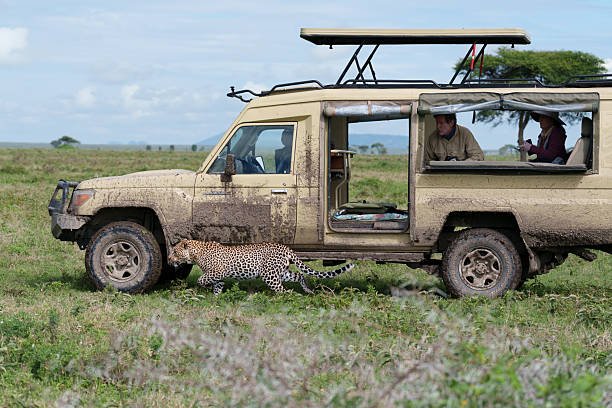
6 Days Serengeti Ngorongoro And Tarangire Safari From Zanzibar: A Bookable
Plan a 6-day wildlife circuit that links Zanzibar with Tanzania’s top parks—Tarangire, Serengeti, and Ngorongoro. Discover practical routing, transfers, and realistic safari opportunities...
View package details5 Days Tarangire Serengeti And Ngorongoro Safari From Zanzibar: Mainland
Plan a practical 5-day safari that starts with a flight from Zanzibar to Moshi/Arusha, then tours Tarangire, Serengeti, and Ngorongoro in sequence. This guide outlines day-by-day logistics...
View package details4 Days Serengeti And Ngorongoro Safari From Zanzibar: A Practical
Plan a focused 4-day combo: Zanzibar to mainland Tanzania, then Serengeti and Ngorongoro safari. Learn how days split between island relaxation and classic savannah game drives, with...
View package details14 Days Lemosho Route And Serengeti Ngorongoro Safari 2026-2027
14 Days Lemosho Route and Serengeti Ngorongoro Safari.
View package details12 Days Tarangire, Serengeti, Ngorongoro And Zanzibar Safari 2026-2027
12 Days Tarangire, Serengeti, Ngorongoro and Zanzibar Safari.
View package detailsNo related package matches those filters. Clear one or more filters to see the other topic-matched options.



