
The 4 Days Tarangire Serengeti and Ngorongoro Safari follows a practical, ground-focused route: Tarangire (2 half-days), Serengeti (full day and a second morning drive), and Ngorongoro Crater (morning descent and depart). The sequence emphasizes efficient driving, time in key parks, and realistic wildlife-viewing chances without promising specific sightings. Accommodations are selected for comfort and location, with punctual pickups and modest travel distances between parks to maximize safari time while maintaining a relaxed pace. Availability and exact pricing must be confirmed with Climb 4 Africa at booking.


Day 1: Tarangire focus – arrival and southern gateway transfer
Begin with a scenic transfer from your Kilimanjaro area base or Moshi/Arusha to Tarangire National Park. Depending on your start point, expect a morning departure to the park boundary, with a light lunch on arrival. The afternoon game drive concentrates on Tarangire’s signature riverine landscapes, baobets, and herds that gather as the dry season settles in. A relaxed evening at a nearby lodge or tented camp gives you time to reflect on the first day, with safe, easy dining and a short sunset option nearby.
Travel note: This first day prioritizes getting you into Tarangire without long road stretches, while still leaving room for a longer Serengeti transfer the following day. Accommodation choices hinge on proximity to the park gates and water sources, balancing comfort with reasonable drive times.
Day 2: Tarangire to Serengeti – crossing into the endless plains
Early wake-up and breakfast then a final Tarangire morning drive, chasing a different angle of wildlife along the river and woodlands. After a midday briefing and picnic lunch, depart for Serengeti National Park with a structured crossing that minimizes backtracking. The late afternoon game drive in Serengeti tends to explore the southern/central corridors, where open grasslands and acacias create dramatic silhouettes at golden hour. Your camp or lodge here places you in reach of routine wildlife activity while offering comfortable accommodations and reliable services.
Travel note: The Serengeti leg involves longer driving segments than Tarangire. The itinerary prioritizes steady pacing and predictable rest stops, with flexibility for wildlife-rich detours if a sighting mood strikes but no guarantees are promised.
Day 3: Serengeti full day – northern or central routes and a second drive
Today centers on a full-day Serengeti experience, starting with an early morning drive that targets predator-prey interactions, migratory patterns, and large herbivore gatherings. A mid-morning break and a longer lunch stop provide downtime at the camp or privacy of a designated picnic area. The afternoon drive revisits different habitats—perhaps the Seronera area for its known wildlife concentration or a migration-adapted corridor if conditions permit. The day ends with dinner at your lodge, with a briefing on the next morning’s Ngorongoro descent.
Travel note: The choice of Serengeti sector is driven by seasonal wildlife movement patterns and road conditions. Your guide will optimize the route for vehicle accessibility and game-viewing potential while keeping drive times reasonable.
Day 4: Ngorongoro Crater – descend, crater floor drive, and onward
After a morning drive near the crater rim, descend into Ngorongoro Crater with a focused circle of the crater floor. The crater hosts a dense concentration of wildlife in a compact area, offering a powerful contrast to the wide-open Serengeti. A single, well-paced circuit of the crater floor usually provides opportunities to spot elephants, lions, rhinos (where present), and abundant herbivores, before another drive back to the gate and onward transfer to your next destination, such as Arusha or Kilimanjaro region accommodations.
Travel note: Ngorongoro is a shorter but highly rewarding portion of the itinerary. Weather and road conditions can affect how far you travel inside the crater; your guide will balance opportunity with vehicle safety and comfort.
Practical planning considerations
- Driving distances: Tarangire to Serengeti typically involves a longer transfer day; Serengeti to Ngorongoro is shorter and more predictable.
- Accommodations: Choose lodges or camps with easy gate access, reliable meals, and transfer support for early starts.
- Guide and vehicle: A standard 4×4 with pop-up roof is best for wildlife viewing; expect game drives to be weather and road dependent.
- Food and safety: Breakfasts and dinners are usually included; most camps provide boxed lunches on long days.
- Flexibility: The sequence can adapt to gate opening hours, seasonal wildlife movement, and local road conditions.
Booking decisions and next steps
For a 4-day Tarangire Serengeti Ngorongoro itinerary, confirm the park sequence, vehicle type, and the accommodation options at the time of booking. Check gate closing times, vehicle allowances for long drives, and the inclusion of park fees in the package. If you have a preferred lodge or camp style, share it early so your operator can align the transfer schedule. Availability and prices are subject to change, so a live quote from Climb 4 Africa will reflect current conditions and practical logistics.
What you gain from this 4-day plan
The route prioritizes efficient travel between three iconic Tanzania parks, thoughtful daily pacing, and realistic expectations about wildlife sightings. You’ll get direct experience of Tarangire’s riverside landscapes, Serengeti’s expansive plains, and Ngorongoro’s crater ecosystem, with practical logistics and comfortable stays designed for a balanced safari rhythm.
Deeper logistics and practical on-the-ground details for Day 2 and Day 3 transitions
To maximize time in the parks while keeping travel fatigue in check, this section adds concrete, experience-based details that rarely appear in generic itineraries but matter in practice. You’ll find clarified transition points, vehicle considerations, and how to read the landscape as you move from Tarangire into Serengeti, and then toward Ngorongoro. These elements help you calibrate expectations about daily pacing, timing, and what to do if gate or road conditions shift.
Transition between Tarangire and Serengeti: planning around gates and light
Tarangire’s southern boundary gates typically open with the dawn, and the drive to Serengeti often begins with a brisk, fuel-efficient morning routine. A typical transfer plan keeps a mid-morning buffer: a short briefing at the Tarangire lodge or picnic area, followed by a steady, scenic drive toward the Ngorongoro Conservation Area edge if routes permit, then a controlled descent into Serengeti via a designated transfer corridor. Expect limited stops until you reach the Serengeti gate; this preserves wildlife viewing time once inside the park and reduces the risk of late-arriving afternoon light reducing viewing opportunities.
In practice, your guide will monitor remote checkpoints for any weather-induced detours. If traffic or weather slows the transfer, they’ll pivot to a more northerly Serengeti entry point or adjust the pace of the afternoon game drive to align with gate closing times. The aim is to minimize backtracking while maintaining a predictable schedule, so you don’t miss your Serengeti entrance window or the opportunity for a first Serengeti sunset sweep along the southern plains or kopjes relevant to that day’s route.
Serengeti: choosing the day’s core drive while avoiding forced repetition
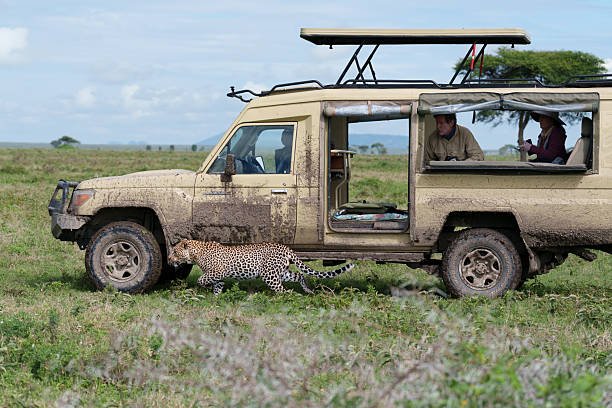
On Day 2 or Day 3, your guide’s choice of routes in Serengeti is often shaped by two realities: seasonally shifting wildlife concentrations and practical road conditions. If the morning drive focuses on the southern or central belt, the afternoon loop may pivot toward a different landmark corridor or a riverine wedge to maximize fresh sightings without retracing the same path. Your vehicle’s pop-up roof and the driver’s local knowledge allow flexible steering toward predator-prey interactions, zebra and wildebeest movements, or the distinctive Serengeti granite outcrops known as kopjes, which frequently anchor hunting behavior and vantage points for big cats.
Equipment and comfort notes: during longer drives, the guide will carry extra bottled water, a per-day boxed lunch, and a small meal break near a shaded area or a designated picnic site. In late afternoon, as light angles shift, your driver may position the vehicle for an optimal silhouette shot of the horizon—an opportunity to appreciate the vastness of the plains while the day winds down.
Ngorongoro Crater approach: timing and terrain choices
Descending into Ngorongoro requires a careful balance between the crater rim’s cooler dawn air and the daylight window available for floor viewing. Access is controlled by a gate system that opens in the early morning, with a typical descent window that stays within the park’s regulations and vehicle quotas. Your guide will coordinate with the ranger team to secure the descent slot and plan a circuit that minimizes backtracking inside the crater. Because the crater floor concentrates wildlife, the drive is usually more predictable in terms of opportunities, but breakfast and lunch logistics must align with gate timings, crater entrance fees, and the possibility of short pauses for rest breaks in shaded areas near the crater edge.
What to expect in terms parking and gate etiquette
In all three parks, parking at viewpoints and at major photo stops is managed to balance wildlife safety with visitor experience. Your guide will explain safety distances, avoid lingering too long in one placement that could disturb animals, and instruct you on how to respond if a predator moves through a favored vantage point. Gate etiquette also matters: respect speed limits near entrance stations, stay with the vehicle unless explicitly directed otherwise by staff, and keep noise to a respectful level to avoid startling wildlife or triggering unnecessary stress in the ecosystem.

What you should confirm at booking for a smooth on-trip experience
Given the day-by-day realities described above, a few practical confirmations can prevent on-the-ground friction. Verify that your operator confirms the exact lodge or camp for Day 1 and the buffer time between Tarangire and Serengeti, including the transfer corridor and expected gate opening times. For Day 3, ensure the Serengeti route is described as a full-day loop with a planned lunch stop and a target late-afternoon arrival at the Ngorongoro gate. Finally, confirm that park fees, vehicle type, and driver-guide qualifications are included in the package and that your plan explicitly notes any contingencies for weather or road closures. These details translate into fewer surprises and more space to enjoy the landscapes and wildlife you came to see, without overpromising specific sightings.
Unpacking Day 2–Day 3 Transitions: Practical Details for a Smooth Move Between Tarangire, Serengeti, and Ngorongoro
Beyond the broad strokes of traveling from Tarangire to Serengeti and then into Ngorongoro, travelers often ask for concrete, practice-based details that affect daily pacing, comfort, and wildlife opportunities. This section adds targeted, verifiable logistics that help you plan with confidence, without overpromising on specific sightings. It focuses on the actual handoffs between parks, the physical route choices, and the on-the-ground realities that influence when you arrive, where you eat, and how much game time you gain on each day.
Day 2 transition: Tarangire to Serengeti—timing, route logic, and buffer moments
- Morning pacing: After the Tarangire morning drive, your group typically has a light refresh and a quick vehicle check before departure. Expect a 15–30 minute window for refreshments and a briefing on the Serengeti crossing, rather than an extended formal briefing. This keeps your energy up for the longer transfer and the first Serengeti sightlines.
- Transfer corridor reality: The Tarangire–Serengeti transfer follows a graded corridor that often includes a mix of good tarmac and well-kept dirt roads. In practice, drivers optimize the path to avoid backtracking and to align gate openings in Serengeti’s southern or central entry zones. The exact corridor can vary by season and road maintenance, so you won’t receive a fixed map far in advance, but your guide will share the likely gate and entry window the day before arrival.
- Lunch logistics: A shaded picnic stop is common en route where traffic and road conditions allow. Expect a simple, pre-prepared meal that travels well, rather than a heavy sit-down restaurant experience. If weather or timing constrains the stop, your guide may adjust with a boxed lunch served at a scenic view point or within the vehicle’s shade.
- Arriving to Serengeti: Serengeti entry often occurs in late afternoon, aiming to maximize the fewest backtracks given daylight. The first Serengeti drive focuses on the southern or central savannah edge depending on gate access. You’ll encounter mixed habitat— acacia woodlands, grassy plains, and occasional kopjes—each offering different wildlife assemblages without guaranteeing particular species.
Day 3 transition: Serengeti full day—route planning, lunch placement, and vehicle management
- Morning loop design: A Serengeti full day typically begins with a pre-dawn wake-up and a brisk start to catch high-energy predator-prey interactions. Your guide will outline whether you’ll follow a northern or central loop based on recent movement patterns, recent sightings, and park regulations that day. The choice is driven by practical access and minimizing long returns to the same area.
- Second drive mindset: The second drive aims to diversify landscapes and wildlife views. If the first drive focused on plains/liminal woodlands, the second might probe kopjes, riverine edges, or rain-fed marshes depending on water sources and herd movements. The emphasis is on breadth of experiences rather than a single flagship sighting.
- Lunch strategy: A mid-day break typically occurs at a designated picnic site or a shaded area with a prepared lunch box. The goal is to sustain energy without losing productive safari time. Your guide will coordinate timings to align with gate access and the late-afternoon ascent toward Ngorongoro, ensuring you’re not rushed at the Ngorongoro boundary if you plan an early descent the next day.
- Transition to Ngorongoro: The Serengeti–Ngorongoro transition is usually a shorter drive, and the route is chosen to meet the Ngorongoro conservation area’s gate opening schedule for the following day. If you’re staying inside a lodge with perimeter gates, your afternoon may be spent closer to the lodge with optional short sunset drives or a cultural visit, rather than a full additional game drive.
Ngorongoro Crater readiness: practicalities for a crater-focused morning
- Descent timing: Descent into Ngorongoro is tightly managed by gate staff and ranger coordination. The descent window is a balance between dawn coolness and the need for daylight on the crater floor. In practice, expect to coordinate with your guide for a 20–40 minute descent buffer to account for doors, paperwork, and safety checks.
- Crater floor pacing: On the floor, wildlife concentrations are predictable in terms of general densities but highly variable in terms of specific encounters. Your guide will plan a circuit that minimizes backtracking, allowing efficient coverage of major landmarks (hippo pools, wildlife congregations near water, and the Lerai Forest edge). This pacing helps conserve energy while maximizing focal viewpoints.
- Logistics at the crater rim: Breakfast typically can be arranged near the rim before descent, or on arrival after a short acclimatization period. Exit timing should align with park regulations and any potential delays at the gates. If you have a later departure from Ngorongoro to your next destination, confirm whether a short post-crater drive is included or if transfers will begin immediately after the crater visit.
Contingency and safety culture on the move
- Weather and road contingencies: Road conditions can shift with seasonal rains. Operators typically maintain an adaptive plan: if a corridor is temporarily blocked or muddy, crews shift to an alternative gate or route with minimal delay. Your driver-guide will communicate changes promptly and keep you informed about expected travel times.
- Wildlife interaction norms: In all parks, the priority remains safety and wilderness etiquette. Drivers avoid sudden maneuvers that could startle wildlife and keep a respectful distance. If a predator approaches the vehicle, the guide will explain the safest response within local regulations and vehicle carrying capacity.
What to confirm at booking to support these transitions
- Exact gate sequences and entry/exit points for Day 2 and Day 3, including the Serengeti gate chosen for Serengeti arrival and the Ngorongoro crater rim gate timing baseline.
- Expected drive times between Tarangire–Serengeti and Serengeti–Ngorongoro, with a documented buffer for contingencies such as traffic or weather.
- Meal formats, including how lunches are prepared and served en route or at designated scenic spots, and whether boxed meals are available for flexibility.
- Vehicle type and seating arrangement, ensuring license and insurance documentation are in place for cross-border transfers and for adherence to park vehicle quotas.
- Allowance for breaks and rest stops that align with driver and guide safety standards, particularly on longer transfer days.
Day 2–Day 3 Transition Nuances: Practical Refinements for a Smooth Tarangire–Serengeti–Ngorongoro Move
With day two signaling the break from Tarangire toward Serengeti, and day three centering the Serengeti full-day horizon before a morning Ngorongoro descent, the practical backbone of the itinerary rests on precise transfer timing, gate logistics, and vehicle coordination. This additional passage furnishes concrete, reader-facing refinements that clarify how the actual move unfolds on the ground, without promising sightings or specifying operator prices. It emphasizes the sequential flow, the buffers built into each transition, and how to liaise with your guide and driver to maintain a relaxed tempo while maximizing park time.
Transition structure and timing discipline: In Tarangire, plan for a fixed departure window that aligns with the planned Serengeti entry gate. Your guide will typically schedule a mid-morning briefing en route to the Serengeti boundary, allowing a comfortable buffer for any early-morning animal activity near Tarangire’s riverine zones. Upon arrival at Serengeti, the afternoon drive should begin after a brief park entry check and vehicle staging. To minimize backtracking in the sprawling Serengeti, the operator often designates a core sector—either southern/eastern lanes for the first Serengeti afternoon, followed by a morning drive on day three that targets predator-prey interactions in a different corridor. The Ngorongoro transition on day four hinges on a pre-dawn or early-morning descent plan, with the crater rim gate chosen to balance gate opening hours, vehicle quota, and the preferred crater-floor circuit for that day.
Gate coordination and document readiness: Have your passport copies, park permits, and any required cross-border vehicle paperwork readily accessible at each transition point. Your guide will typically present gate entry logs or confirmation stamps at Tarangire’s boundary, Serengeti’s gate, and Ngorongoro’s rim gate. If your schedule includes a buffer lunch near the Serengeti gate or en route, confirm the exact coordinates of a permissible picnic spot with the guide, ensuring you don’t breach park rules or pollute sensitive zones. For Serengeti, understand which gate designation applies to your arrival and how that governs the subsequent route within the park. If Ngorongoro is your final leg, verify the crater rim gate timing baseline to align with your onward travel plans post-crater.
Vehicle management and seating dynamics: On longer transfer days, a practical approach is to orient the seating so that the front-seat passenger enjoys clear sightlines for the transfer stretch, while the rest have ample legroom for comfort and gear access. Your operator may offer a rotate-pair system for drivers and a designated guide assistant on the larger vehicles to handle briefing, wildlife observation notes, and meal logistics. If the vehicle experiences a delay or increased traffic, the guide will communicate a revised pacing plan, including optional short breaks at designated viewpoints to rest and stretch without compromising the day’s core objectives.
Meal and rest-stop practices: For efficiency, lunches are often planned as boxed meals or picnic setups at scenic points near park boundaries, rather than full sit-down meals inside the vehicle. Confirm any dietary preferences (vegetarian, vegan, allergies) with your operator ahead of time to ensure suitable substitutions. Breaks at Serengeti’s gates or service areas are commonplace, but your guide will avoid interrupting prime wildlife viewing windows by scheduling stops during natural lull periods in traffic or predator activity around major water sources.
Weather contingency protocol: Seasonal rain can alter road accessibility and gate openings. In Tarangire and Serengeti, the guide will monitor radio updates and park communications to anticipate terrain changes. If a chosen route becomes impractical, the plan shifts to an alternate corridor that preserves as much park-time as possible while maintaining safety standards. Communicate with your guide about any discomfort with late-day drives; shorter drives with calmer pacing are often preferable to chasing marginally better light if it risks fatigue.
Wildlife-safety etiquette during transitions: Wildlife may roam near routes at any time. Your driver-guide maintains a respectful distance and avoids sudden movements that could provoke a chase or stun animals that are near the road. In Ngorongoro, the crater rim and floor present a higher density of wildlife in a concentrated area, so the guide will space the vehicle to minimize crowding around hippo pools or predator-assemblies while allowing optimal viewing for passengers.
Contingent timing notes for a 4-day frame: The calendar pressure of a four-day plan means you should anticipate some variability in drive durations. Serengeti’s internal gate timing, gate closures, and wildlife dynamics vary day-to-day. It is prudent to preserve a structural buffer—ideally 1–2 hours—between the Tarangire departure and Serengeti entry, and a similar cushion before Ngorongoro descent. This flexibility helps absorb delays without eroding the overall safari experience.
What to verify at booking to support these refinements: Confirm the exact Serengeti entry gate and Ngorongoro rim gate for your specific dates, as gate assignments can influence driving routes and end-of-day pacing. Ask about the day’s planned lunch format and where en-route rest stops will occur. Request the driver-guide’s plan for the Serengeti afternoon sector and the day three morning loop, so you understand the wildlife-viewing architecture behind the transitions rather than just the moving parts. Ensure the vehicle type permits the number of travelers and gear you bring, and verify that park fees and transfer permissions are included or clearly itemized in the contract.
Addressing the Practical Gap: What Happens If a Day 2–Day 3 Transition Takes Longer Than Planned
Readers often surface a practical question tucked between the daily highlights of Tarangire, Serengeti, and Ngorongoro: what happens when the Day 2 transfer to Serengeti encounters delays or the Day 3 Serengeti full-day drive starts later than planned? This section provides concrete, booking-friendly guidance to manage such contingencies without compromising wildlife time, comfort, or safety.
First, acknowledge that long-distance transfers in this region are inherently variable. Road conditions, satellite communications, and park gate operations can push a 5–6 hour typical drive into a window of 6–8 hours, or occasionally longer during seasonal rains or checkpoints. The practical approach is built into the itinerary: maintain a buffer of 1–2 hours between tarangire departure and Serengeti entry, and another cushion before Ngorongoro descent. If delays occur, the aim is to preserve core safari windows while adjusting logistics rather than collapsing days entirely.
What the operator should confirm in advance is a flexible transfer plan. Specifically, your guide should have a clearly defined secondary corridor for Day 2 that can be activated if the primary crossing bogs down. This might involve routing through a different set of park gates or a planned, scheduled rest stop that doesn’t derail the afternoon Serengeti sector but still minimizes backtracking. For Day 3, a contingency plan could include extending the central Serengeti loop into a preferred ecosystem landmark (such as a known kopje or a seasonal river bend) to maximize wildlife opportunities within the time available, rather than forcing a rigid, mileage-first schedule.
On-the-day management to protect time in the park: if you encounter a late start, the natural counterbalance is a longer, potentially more productive afternoon drive rather than two shorter sessions that fragment focus and fatigue. Your guide should coordinate with the lodge or camp to ensure late arrivals don’t compromise dinner timing or safety checks, and to secure preferred viewing opportunities in the remaining daylight, such as targeting predator activity around water sources or dusk migrations where applicable. Keep communications open with your driver-guide about comfort levels—if the group is fatigued, a shorter, high-quality drive with sharper subject focus (predators at a known waterhole, for example) can yield better viewing than an extended slog.
Ensuring smoother transitions begins with pre-trip planning. Confirm in writing the following details at booking and again with the guide before Day 2 departure:
- Estimated transfer duration with a documented alternate corridor and gate plan.
- Alternate lunch stop location and format if time tightens, including safe, shaded rest options.
- Day 3 Serengeti loop options tied to current wildlife dynamics (e.g., focus areas near river systems or north/south sector preferences) and the rationale for the chosen route on that particular day.
- Emergency contact protocol between vehicle, lodge, and operator support for rapid adjustments.
Practical comfort adjustments you can request if delays are anticipated include: a slightly later wake-up window to reduce fatigue from early starts, an enhanced tea/coffee service at a diesel-stop or fan-cooled vehicle interior for extended drives, and optional short, scenic breaks at safe viewpoints to stretch legs and rehydrate without interrupting the wildlife focus too aggressively.
In the unlikely event of a significant disruption—such as a gate closure due to weather or a temporary road closure—the essential response is transparency. The operator should provide a revised plan that preserves total park time and ensures you don’t arrive at a gate after hours. If the plan slips past safe driving windows or gate operating hours, the guide should propose an overnight stay within a reasonable radius and adjust the following day’s schedule to recover the lost park time while avoiding rushed, unsafe travel conditions. These adjustments should be reflected in the day-by-day notes provided by your operator before departure and reiterated by your guide on the morning of Day 2 and Day 3.
Clarifying Practicalities for the Day 2–Day 3 Transfer Window
In this section, we drill into concrete, bookable realities that directly affect the Day 2 Tarangire–Serengeti transfer and the Day 3 Serengeti full-day experience. The goal is to illuminate the exact moving parts that travelers commonly encounter, without overpromising wildlife outcomes or tying these details to unverified prices or operator specifics.
1) Transfer sequencing and gate logistics
Tarangire gate closures typically align with park rules and regional daylight hours. The afternoon Serengeti crossing is structured to minimize backtracking and to ensure a smooth entry sequence via the Ngorongoro Conservation Area corridor where applicable. When booking, request the precise gate pairings for Day 2 and the expected crossing times, so your guide can align a single, continuous drive rather than multiple short hops. This helps reduce fatigue and avoids buffer-time bottlenecks at busy gates.
2) Lunch and comfort stops that really matter
A structured picnic lunch is common, but the practical detail travelers should confirm is the format: shaded parking, reliable water availability, and a secure place to stretch. If the schedule tightens, confirm an alternate shaded rest option with a simple, pre-packed meal or a cold box to minimize time away from the vehicle. Clarify whether the lunch is a formal stop at a designated picnic site or a flexible onsite arrangement near water sources or viewpoints that doesn’t slow the drive down.
3) Vehicle and guide coordination for peak wildlife opportunities
The Day 3 Serengeti full-day drive hinges on phase-appropriate routing—north, central, or a river-system loop—depending on where predator-prey activity or migration cues are reported locally. When booking, ask whether the operator reserves a preferred driving route before Day 3 and how the guide communicates last-minute route tweaks. A good practice is to have a brief contingency plan that preserves core Serengeti time while accommodating changes in wildlife dynamics.
4) Overnight pacing and safety margins
If Day 2 finishes late, the schedule should include a clear safety margin for the subsequent Day 3 start without rushing dawn departures. Some camps offer “late start” options with a shorter Day 3 morning drive. Confirm whether your lodge or camp can accommodate a flexible wake-up time and whether this affects dinner sequencing or morning vehicle readiness. This avoids a rushed morning that can compromise safety checks and wildlife viewing quality.
5) Park fees, gate timing, and transfer inclusions
Park-entry fees and Ngorongoro conservation area fees are sometimes bundled by operators, sometimes quoted separately. For a clean, bookable plan, obtain a written note specifying which fees are included in the package and the exact gate opening and closing times for your intended days. If Serengeti gate times threaten late arrivals to your lodges, you’ll want a documented plan that explains alternating routes or a short, safe overnight option nearby.
6) Contingency lodging options nearby
In the rare event you need an overnight stop due to delays, confirm in advance which lodges or tented camps are considered acceptable alternatives within a reasonable driving radius. A pre-approved backup option reduces last-minute booking friction and preserves overall park time across the four days.
7) Communications and emergency protocols
Ensure that your operator provides clear emergency contact channels—both for the guide and for on-site lodge staff—and that the vehicle is equipped with reliable satellite communication in case of rural dead zones. Before Day 2, establish a primary and a secondary contact path so quick adjustments can be communicated without delay.
8) Pace matching and traveler comfort
With two long days of driving interspersed with game viewing, traveler fatigue is a real consideration. If any member of the group signals fatigue, discuss a short, high-value stop (for example, a preferred waterhole sighting at dusk) that minimizes time away from wildlife opportunities while refreshing the group. Your guide should be prepared to trade one longer drive for a shorter, higher-quality session with targeted observations.
9) Documentation and confirmation checklists
Before Day 2, verify in writing: (a) the exact lodge/camp for both Day 1 and Day 2, (b) the buffer time between Tarangire and Serengeti, including the transfer route and gate plan, (c) the Day 3 Serengeti loop being prepared in alignment with current wildlife dynamics, and (d) the planned Ngorongoro descent timing to avoid congestion on the crater rim. A short email recap with these bullets, plus the guide’s name and contact, helps prevent miscommunication on the ground.
By aligning these practical details with your booking and with pre-day briefings, you can improve the reliability of the Day 2–Day 3 transition without compromising safety or comfort. The objective remains to maximize meaningful, vehicle-based wildlife observation time while keeping the journey between parks as efficient and enjoyable as feasible.
Related Guides and Packages
Check Availability for 4 Days Tarangire Serengeti And Ngorongoro Safari: A Practical 4-Day
Ready to compare dates, prices, and the best option for your group? Send the package name and travel month so the team can reply with a clear quote, availability, and what is included.
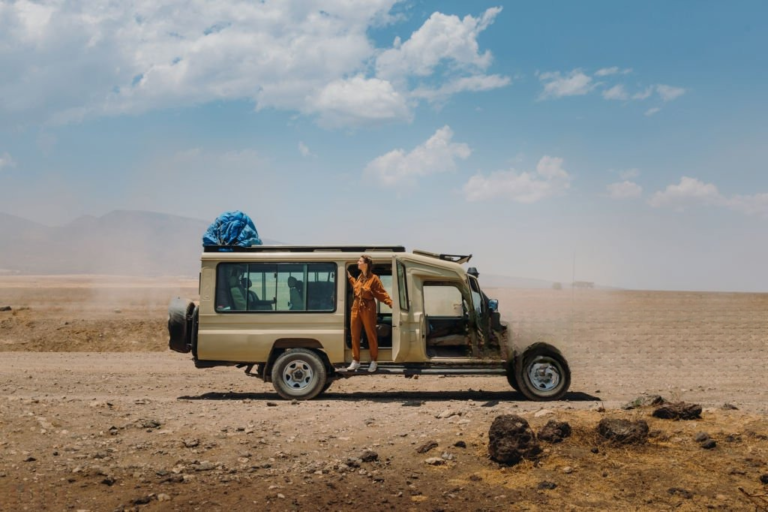
6 Days Serengeti Ngorongoro Tarangire And Lake Manyara Safari 2026-2027
6 Days Serengeti Ngorongoro Tarangire and Lake Manyara Safari.
View package details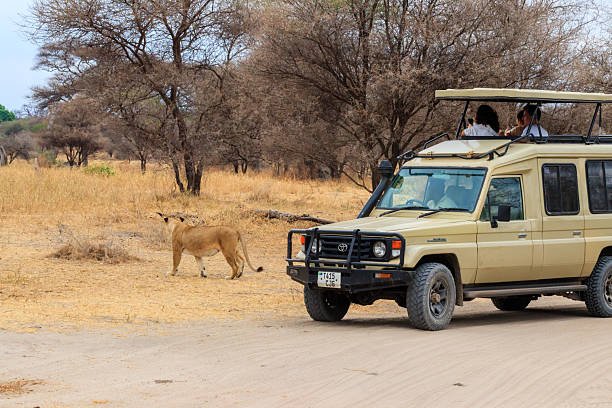
5 Days Serengeti Ngorongoro And Tarangire Lodge Safari: A Practical
A practical, lodge-based 5-day safari itinerary through Tarangire, Serengeti, and Ngorongoro, focusing on feasible driving routes, rest-focused days, and realistic wildlife opportunities...
View package details5 Days Tarangire Serengeti Ngorongoro And Lake Manyara Safari 2026-2027
5 Days Tarangire Serengeti Ngorongoro and Lake Manyara Safari.
View package details6 Days Serengeti Ngorongoro And Tarangire Safari From Zanzibar: A Bookable
Plan a 6-day wildlife circuit that links Zanzibar with Tanzania’s top parks—Tarangire, Serengeti, and Ngorongoro. Discover practical routing, transfers, and realistic safari opportunities...
View package details
5 Days Tarangire Serengeti And Ngorongoro Safari From Zanzibar: Mainland
Plan a practical 5-day safari that starts with a flight from Zanzibar to Moshi/Arusha, then tours Tarangire, Serengeti, and Ngorongoro in sequence. This guide outlines day-by-day logistics...
View package details8 Days Tarangire Serengeti Ngorongoro And Arusha National Park Safari
8 Days Tarangire Serengeti Ngorongoro and Arusha National Park Safari.
View package details12 Days Tarangire, Serengeti, Ngorongoro And Zanzibar Safari 2026-2027
12 Days Tarangire, Serengeti, Ngorongoro and Zanzibar Safari.
View package details
4 Days Tarangire Serengeti And Ngorongoro From Zanzibar 2026-2027
4 Days Tarangire Serengeti and Ngorongoro from Zanzibar.
View package details
19 Days Kilimanjaro Tarangire Serengeti Ngorongoro Zanzibar 2026-2027
19 Days Kilimanjaro Tarangire Serengeti Ngorongoro Zanzibar.
View package details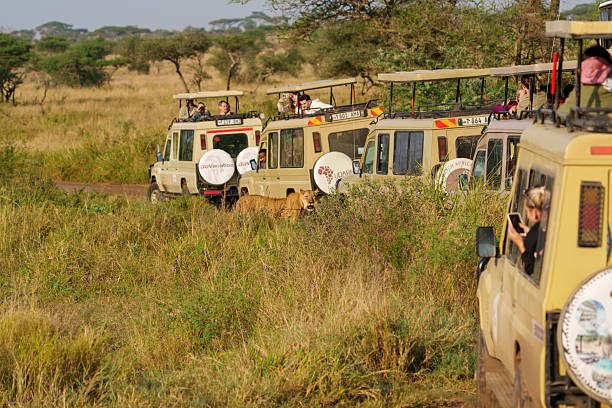
6 Days Serengeti Ngorongoro And Lake Natron Safari: A Practical, Route-Driven
A route-driven 6-day Tanzania safari focusing on the Serengeti, Ngorongoro Crater, and Lake Natron. Practical day-by-day sequence, driving logistics, and realistic safari opportunities.
View package details5 Days Tarangire Ngorongoro And Lake Eyasi Safari 2026-2027
5 Days Tarangire Ngorongoro and Lake Eyasi Safari.
View package details
4 Days Serengeti and Ngorongoro Camping Safari
A practical 4-day camping itinerary linking Serengeti and Ngorongoro with realistic driving routes, campsites, and safari opportunities.
View package detailsNo related package matches those filters. Clear one or more filters to see the other topic-matched options.



