
start a 4-day camping safari that threads Serengeti landscapes with the Ngorongoro Crater, following a practical route: Tarangire/Ngorongoro gate to central Serengeti, then southeastward to Seronera or near Big Marsh areas, finishing with a Ngorongoro Crater descent before returning to base. You’ll travel in a fixed schedule with camp nights, guiding in parks when allowed, and flexible wildlife opportunities; exact sightings depend on wildlife activity and time of year. Prices and departures require operator confirmation.
Day 1 — From Tarangire/Tarangire area to Central Serengeti: setup and first game drives
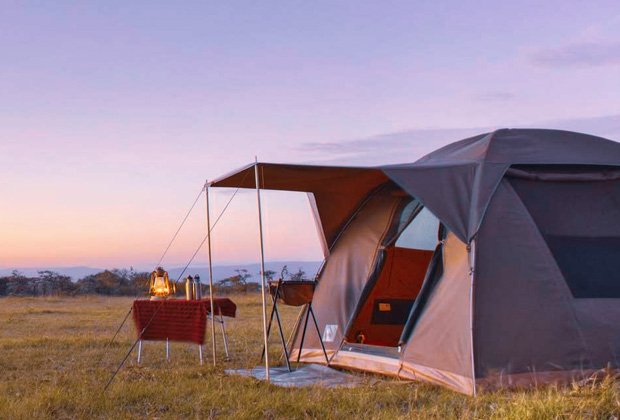
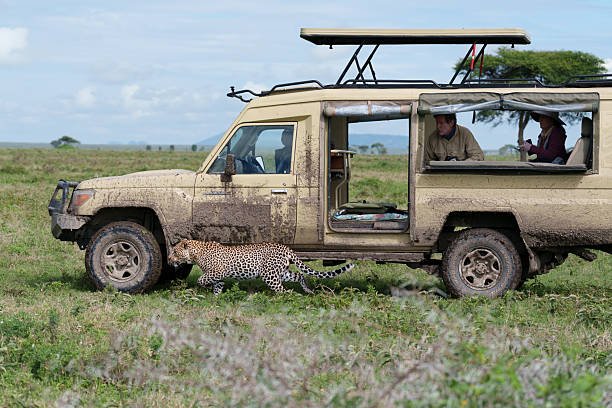
Begin with an early start from a pre-designated pick-up point (typically near Arusha or a Kilimanjaro corridor base). The drive north or northwest into the Serengeti ecosystem depends on weather and road conditions. Expect a long, scenic journey with a first picnic stop and a chance to spot Maasai settlements along the route. Arrive at a designated camping area in or near the central Serengeti and set up camp. After time for tea/coffee at the site, a short late-afternoon game drive introduces you to the rolling plains, sweeping kopjes, and potential lion and wildebeest activity. The day ends with a campfire briefing and a simple dinner under stars.
Day 2 — Full day in Central Serengeti: roaming the plains and short drives
With a full day of wildlife opportunities, your guides will tailor morning and afternoon drives around the central Serengeti zones (Seronera area or nearby water sources). The safari layout emphasizes diversified habitats: grassy plains, woodland edges, and riverine stretches where cat and plains game are often seen. A packed lunch or a camp-side meal is typical. You’ll have a mid-day rest break at camp when temperatures peak, then an optional sunset drive to catch different light, birds, and maybe a wildebeest or cheetah sighting. Note that sightings are never guaranteed; the plan prioritizes steady, quality game-viewing windows.
Day 3 — Serengeti to Ngorongoro Highlands: move with purpose, plan for the crater
Depart from Serengeti toward Ngorongoro Highland rim, following designated park borders and shared roads. The transfer includes a cross-park corridor with several scenic stops and a potential lunch stop in a remote picnic area. Arrive at the Ngorongoro conservation area and relocate to a campsite near the crater edge. In the late afternoon, an optional short drive or walk near the campsite offers a peek at lake-side birds and grazing wildlife before dinner. The Ngorongoro region often features cooler nights; pack layers accordingly and prepare for a crater-focused morning.
Day 4 — Ngorongoro Crater descent and return to base
An early descent into the Ngorongoro Crater (where access rules apply) provides one of the most concentrated wildlife experiences in Africa—lions, elephants, rhinos (where present), zebras, and buffalo often appear around the crater floor. A packed breakfast at the crater rim or mid-park stop sets you up for the descent. After a few hours exploring crater viewpoints and short loops, you’ll exit the crater and begin the return drive toward your original starting point or a designated drop-off location. The day ends with vehicle handover and a debrief at the final camp or a designated lodge, depending on the day’s logistics.
Logistics that matter
- Accommodations: camping stays with basic facilities; meals prepared at site; shared facilities; tents, mats, and cooking gear provided by the operator.
- Transport: shared 4×4 safari vehicles with a certified guide; park entry fees and vehicle arrangements typically included in the package overview; fuel, driver/guide allowances, and occasional park fees are standard elements.
- Timing: daily drive times vary; early starts maximize wildlife activity; nights are camped in fixed sites within the park perimeter or adjacent lands where camping is permitted.
- Wildlife outcomes: no guaranteed sightings; the plan emphasizes a balanced route to maximize potential encounters while respecting park rules and safety.
Practical planning notes
This 4-day sequence prioritizes a practical, repeatable route that minimizes long back-and-forth travel while still exposing you to two world-class ecosystems. Realistic driving times are dictated by road conditions and permits; shifts may occur with short notice. If you’re coming from Zanzibar or a separate Tanzania itinerary, coordinate a comfortable transition day to Arusha or Moshi. Campsite choices should align with park proximity to reduce travel time and maximize your safari windows. Always confirm the day-by-day plan and the camp locations with your operator before departure.
What you’ll actually get from this package
- A true multi-day overland route linking Serengeti plains to Ngorongoro experiences.
- On-the-ground guidance from a qualified safari crew versed in park regulations and wildlife behavior.
- Camping nights that offer in-depth wilderness evenings, with safety briefings and camp routines.
- Opportunities to observe predator-prey interactions, herbivores in migration corridors, and birdlife typical of savanna ecosystems.
Next steps: checking availability and tailoring your dates
Because this is a bookable itinerary, availability, exact campsite placements, and daily driving segments depend on the departure window and park access. To proceed, confirm your preferred departure month, group size, and any special needs (dietary preferences, gear, or photography considerations). Your operator can provide a precise daily plan, exact campsite names, and the current park entry fees for your dates. If you’re comparing, you can weigh longer drives against more wildlife time, or opt for a slightly shorter route with a hotspot-focused crater day.
Enhancing the day 3 transition: practicalities of moving Serengeti to Ngorongoro Highlands
Between Day 2’s roaming in the central Serengeti and Day 4’s Ngorongoro Crater descent, Day 3 acts as a logistical hinge. The real value for a bookable 4-day itinerary lies in detailing the practical movements, camp setup along the corridor, and how to maximize time within park rules without promising specific wildlife outcomes.
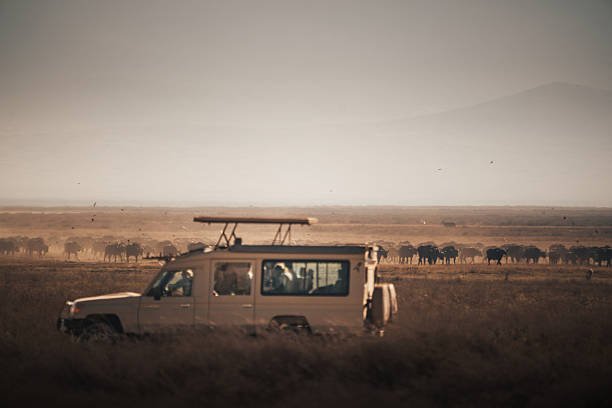
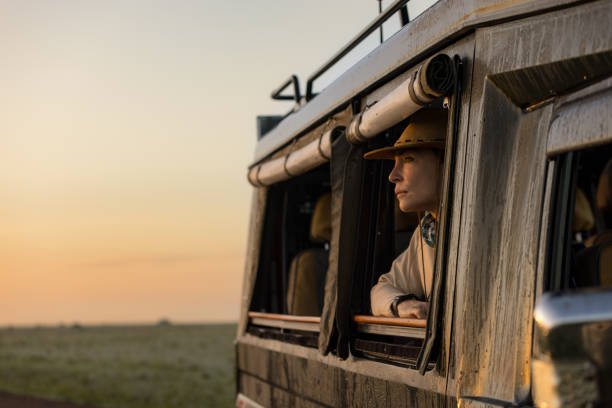
The day-by-day rhythm begins with an early wake-up at the camp, a quick hot drink, and a careful repacking of kit so that vehicles remain unburdened for the crossing into new terrain. The convoy departs before the heat of the day, following the designated park boundaries toward the Ngorongoro Highlands. This is not a straight line; rather, it’s a curated route chosen by the guide to balance drive time with opportunities for brief stops that showcase the changing scenery—from open plains to acacia-dotted ridges and, occasionally, views toward distant volcanic landscapes.
On the move phase, the lead vehicle will typically carry laminated park maps and a GPS device to monitor route compliance and to anticipate any restricted zones. Expect short, purposeful stops at viewpoints or family groups of gazelles near seasonal water sources. These pauses aren’t sightseeing detours; they’re quick, safety-conscious opportunities to observe the landscape, discuss expected crater logistics, and adjust timing if a park official requires a tempo change due to traffic or gate timing.
Accommodations along this leg are decided in parallel with the operator’s logistics. Campsites near the Ngorongoro corridor are typically fixed or semi-fixed, designed to minimize daily travel while keeping you inside or adjacent to permitted camping grounds. The night’s setup will involve tents, sleeping mats, and a safe cooking area, with camp crew handling the preparation of simple, nourishing meals suitable for the altitude and climate of the highlands. The emphasis remains on safety, quiet hours, and a respectful footprint in wildlife-rich zones.
Wildlife potential on Day 3 is inherently shaped by the geography you traverse. The Serengeti-to-Ngorongoro corridor offers transitional habitats, where zebra and wildebeest migrations may cross paths near seasonal grasses or river lines, and where predators could linger along ridgelines with a view of distant crater rims. Your guide will frame observations within park rules and safety considerations, avoiding over-pattering expectations while keeping watch for opportunities that align with the day’s pacing.
Before descent into the Ngorongoro Highlands, your crew typically conducts a short briefing to review crater access rules, vehicle spacing, and the plan for the following morning’s Ngorongoro descent. This includes reminders about the no-litter policy, maintaining quiet interaction with wildlife, and the importance of conserving fuel and water on the highlands so the group can proceed with the crater day as scheduled. The travel rhythm then folds into the crater plan: you’ll have an early, pre-dawn or dawn approach to reach the crater rim by first light, depending on gate opening times and the day’s route.
In practical terms, Day 3 is about reliable pacing, compliant navigation, and clear communication with your guide and driver. It’s not about forcing wildlife sightings, but about ensuring you arrive at the crater in good timing to maximize the experience while maintaining camp routines and rest. When the route is well-executed, the transition feels smooth: theSerengeti’s vast horizons gradually give way to the highland air and the crater’s edge below, with a sense of anticipation for the mornings that follow.
Enhancing Day 3: practical movement details and camp coordination from Serengeti to Ngorongoro Highlands
Between the central Serengeti drives of Day 2 and the Ngorongoro Crater descent on Day 4, Day 3 is the hinge that keeps the itinerary coherent. The practical focus here is not on wildlife fantasies but on reliable pacing, road reality, and camp readiness that align with park rules and conservation ethics. This section expands on the concrete steps your crew takes to move efficiently, secure the next night’s camp, and arrive at the crater rim with time to rest before the early descent—the kind of planning that makes the bookable itinerary feasible rather than aspirational.
Route logic and timing: The Serengeti–Ngorongoro corridor is a long, scenic transfer that benefits from a daylight start. Your vehicle moves along designated park roads or shared corridors that minimize backtracking and respect park boundaries. A typical March–May or June–October pattern can shift by hours due to gate openings, fuel stops, and occasional wildlife-induced delays. The driver will aim for a mid-morning departure from the central Serengeti zone, with a planned mid-day break at a curated picnic area or a shaded viewpoint where possible, depending on the day’s fuel and water reserves. The goal is to arrive at the Ngorongoro Highlands with enough daylight left to settle in, check-in at the campsite, and set up tents before dusk, while still offering a short, restorative late-afternoon game watch if conditions permit near the park edge or highland woodlands.
Camp logistics along the corridor: The Day 3 camp is typically positioned to minimize daily travel and to keep you close to Ngorongoro’s access routes. Tents are pre-erected when possible, with sleeping mats, a safe cooking area, and a light-duty drying space for gear that might have grown damp from Serengeti moisture. Camp crews will conduct a quick safety briefing, verify water containers, and share a simple, high-energy dinner plan that respects local dietary constraints. The team will also conduct a compact briefing on crater-day rules, particularly about noise levels, wildlife proximity, and waste disposal—emphasizing a leave-no-trace ethos in a fragile highland environment.
Crater-prep and timing alignment: The Ngorongoro Crater descent on Day 4 is gate-timed and weather-dependent. To optimize this, Day 3 includes a practical review of gate opening times, ascent routes, and the possibility of a pre-dawn briefing if the team expects a sunrise crater approach. The plan prioritizes arriving at the crater rim before first light as a contingency, but remains flexible to gate operations. Your guide will confirm the preferred departure window the evening before, balancing rest needs with the constraint of limited crater-entry slots and the need to keep a safety buffer for vehicle spacing and roaming wildlife along the highland approaches.
Wildlife expectations vs. pacing: The Serengeti–Ngorongoro transition is less about chasing sightings and more about encountering a diversity of habitats as you move from open plains into highland savannas and acacia woodlands. On Day 3, wildlife opportunities may include zebra and wildebeest migrations at corridor edges, distant predators along ridgelines, and the possibility of small herds of elephants or flamingos near seasonal water bodies in the highlands. Your guide will narrate behavior-friendly viewing tactics, such as positioning for silhouetted light during late afternoon, keeping a respectful distance, and avoiding repeated encirclement of a single animal—especially in craggy highland terrain where mobility can be constrained by rocks and mud after rain.
Safety, fuel, and contingency planning: The transfer relies on sufficient fuel, water, and a clear line of communication within the crew. If a fuel stop is delayed or a vehicle develops a mechanical issue, the guide will coordinate with the operator’s support team to reposition the group to a safe, known campsite or a nearby ranger post. In such cases, the Day 3 plan may involve a longer stationary period at the camp rather than a move mid-evening. Your group should carry basic personal accessories (headlamps, small torches) for camp routines and ensure any personal medications are readily accessible during the transfer window.
What to expect in the camp setting after Day 3: Once settled, the crew typically conducts a brief orientation at the camp location—covering noise considerations, wildlife awareness, and the schedule for the following morning’s crater descent. Expect a simple, hearty highland dinner that leverages locally sourced ingredients, a safe braai or stove-top cooking method, and a night under clear skies. The highland temperature can drop after sunset, so campers should prepare for cooler nights with layered clothing and a light jacket as a precaution against wind and dew.
Practical note on day-by-day expectations: The Day 3 transition is designed to be organic rather than forced. Your guide will keep you informed about any changes to the plan due to gate times, traffic, or animal movements. You’ll travel with a fixed schedule but with built-in flexibility to pause for a particularly compelling animal encounter or to adjust for a longer crater briefing the next morning. In practice, this means you might shave a few minutes off a planned rest period to ensure you reach the camp comfortable and ready for the next day’s big ascent into the crater.
Day 3 — Serengeti to Ngorongoro Highlands: practical movement details and camp coordination
Day 3 tightens the link between the Serengeti and the Ngorongoro Highlands by focusing on dependable transfer logistics, camp readiness, and contingency planning rather than chasing wildlife alone. The practical objective is to arrive at the Ngorongoro Highlands in a stable, predictable state so the crater descent on Day 4 can proceed with minimal morning delays. This section adds concrete details about route choices, timing buffers, and camp coordination that are essential for a smooth handover from central Serengeti terrains to highland savannas.
Route discipline and timing: Your departure from the Serengeti is typically arranged in a morning window that avoids the worst of the day’s heat and traffic at park borders. The chosen route aims to minimize backtracking and uses established corridor connections that safari operators regularly map for this itinerary. Expect a drive of roughly 2.5 to 4 hours, depending on gate openings, road conditions, and any brief wildlife stops along the way. The key is to maintain a predictable pace that keeps your crew coordinated, especially since there is a limited window for the crater briefing and contingency checks before descending on Day 4.
Camp logistics en route: Day 3 includes a planned stop at a pre-approved highland campsite or ranger-friendly waypoint where the crew can perform a light setup check. This is not a long night of camping, but a controlled halt to confirm tents, cooking gear, and safety issues such as fire storage and animal awareness. You may find your camp chairs and basic amenities ready for a brief rest before continuing. The camp crew will reconfirm water supply, fire safety protocols, and designated cooking areas to ensure a smooth transition to Ngorongoro Highlands conditions, where cooler nights and higher winds demand appropriate gear handling.
Gear handling and campsite etiquette: In the highland zones, the ground is often rockier and more uneven than the Serengeti plains. If the vehicle delivers gear to the site, the crew will place tents on stable ground, avoiding slopes that could cause sleeping bag movement during windy nights. Campers should practice minimal disturbance around wildlife by keeping noise low during rest hours, securing food away from tents, and using established fire pits or stoves in defined zones. The practical aim is to preserve the quiet, star-lit ambiance typical of Ngorongoro environments while maintaining safety and comfort for all travelers.
Breathing room for delays and contingencies: Weather changes, gate closures, or minor vehicle hiccups can shift Day 3 timing. The guide team plans a built-in buffer—often a 30–60 minute cushion—for the transition between zones. If you must pause for a more extended reason (for example, a large wildlife sighting blocking the route), the crew will relocate to a nearby ranger post or a pre-arranged interim campsite with basic facilities. In such cases, the Day 3 plan emphasizes stable rest, hydration, and a clear briefing for the crater descent the following morning, rather than forcing a late drive into highland terrain with fatigue setting in.
Safety and communication framework: The transfer hinges on clear communication among vehicle units, camp teams, and the operator’s logistics hub. Each vehicle remains in radio contact, reporting position, fuel level, and any concerns. The guide will carry a satellite communicator or ensure the lead vehicle has reliable network coverage for back-up coordination. In case of mechanical issues or unexpected closures, the group’s regroup point is a known campsite or ranger station with basic safety facilities, where a recalibrated plan for Day 4 is prepared without compromising traveler safety.
Transition to the Ngorongoro Highlands climate and conditions: By late afternoon, the change in altitude brings cooler air and more frequent dew. Pack jackets, long pants, and closed-toe shoes for the evening hours, even if the daytime is warm. The highland environment also features thinner vegetation and rocky outcrops, so guides may pause for short nature photography opportunities that emphasize the difference between Serengeti plains and highland acacia woodlands. The practical takeaway is simple: move with intention, rest with purpose, and arrive ready for the crater descent that forms Day 4’s centerpiece.
What you’ll experience at the end of Day 3: A concise camp orientation, a dinner that leverages local ingredients, and a briefing about crater access rules the next morning. The crew will outline crater floor etiquette, safety margins around sensitive wildlife, and the plan for an early descent time. Expect a crisp, wildlife-aware night with the sounds of the highlands and a sense of anticipation for the day ahead.
Day-by-Day Gap: Practicalities of Public Transport, Local Interactions, and Camp Transitions
Readers stepping into a 4-day Serengeti and Ngorongoro camping itinerary often wonder about the day-to-day rhythm beyond the obvious wildlife lists: how the group moves between camps, what kind of interactions with local communities or park authorities are feasible within the timetable, and how to adjust plans when gates or roads close. This section fills that practical gap by detailing real-world sequencing considerations that influence Day 2 to Day 3 transitions and the camp experience that follows, without inventing sightings or guarantees.
Legitimate sequence constraints you may encounter: The timetable hinges on a few constants: the operator’s permit windows for park entry, the time required for vehicle checks at gate entrances, and the fixed campground allocations within Serengeti and Ngorongoro Highlands. In practice, this means Day 3 is not simply a scenic drive from Serengeti to the highlands; it is a coordinated transfer that respects park boundaries, road closures, and camp readiness. If a gate opens late or a track is temporarily unusable, the crew will re-sequence the day by prioritizing a reliable stretch of road first, then compressing the crater briefing and descent for the following morning. This maintains safety, keeps the core activity intact, and preserves the intended wildlife windows for the second half of Day 2 and the early hours of Day 4.
What to expect on the ground in terms of logistics: You’ll typically travel in a pre-arranged convoy of 4×4 land cruisers or similar vehicles, each with a dedicated guide and a radio operator. The lead vehicle coordinates with camp teams and the logistics hub. At Serengeti camps, you’ll find basic, durable tents with shared facilities and corrugated metal or canvas sanitary blocks. The cooking crew will prepare meals in the outdoor kitchen, with water for hot beverages available in the early morning and after sunset. When planning your Day 3 transition, expect a staged handover: last look at the Serengeti boundary, a short stop for a light snack or tea, then a measured ascent toward the Ngorongoro Highlands. The pace is deliberate, not rushed, with built-in buffers to accommodate delays or wildlife-driven detours.
Camp coordination and safety considerations: The Day 3 arrangement includes a campsite handover protocol—your guide confirms with the Ngorongoro Highland base ahead of arrival, ensuring space and safety briefing materials are ready for immediate camp setup upon arrival. If weather or road conditions require a late arrival, the crew has a backup sun-down location that preserves the edge of-day light for camp setup and a safe evening routine. Nighttime safety remains the priority; tents are staked, lanterns lit, and a night briefing reiterates camp boundaries, wildlife awareness, and emergency procedures.
Interacting with local communities in a respectful, useful way: While this is primarily a wildlife itinerary, there are opportunities for concise, culturally respectful exchanges. Your guide may arrange a brief, pre-approved stop at a Maasai village or a marketplace along the corridor if timings permit and if the operator has the necessary permissions. Such stops are optional and must be kept short to maintain the day’s schedule and the safety of both guests and residents. If a stop is not feasible due to gate times or travel buffers, the crew will prioritize meaningful wildlife experiences and safe, efficient transitions instead.
What to bring to support smooth transitions: Light rain shell or warm layer for evening drives, a compact hat or neck buff, and a small personal kit for day incursions (lip balm, sunscreen, hand sanitizer). A compact camera with a zoom lens, a battery bank, and printed maps of park gates can be helpful for quick reference during Day 3 planning. Your operator will provide a basic packing list tailored to your specific departure window, but a light, weather-appropriate personal kit helps reduce delays caused by equipment or clothing discomfort.
What this added perspective delivers to your planning: This continuation clarifies that the Day 3 transition is not just a scenic drive; it is a carefully managed logistical hinge. It explains how the convoy coordinates with park authorities, how camp readiness is synchronized, and what travelers can reasonably expect in terms of time allocation and safety protocols. By understanding these operational specifics, you can approach Day 3 with a realistic sense of the sequence, potential contingencies, and the overall rhythm of a 4-day wilderness journey that threads Serengeti plains with Ngorongoro Highlands without overpromising wildlife outcomes or fixed sighting counts.
Day 4 logistics deep dive: Ngorongoro Crater descent timing, safety, and post-descent transition
Beyond the standard description of the Ngorongoro Crater descent, this section adds concrete, bookable-logic details that travelers frequently need when coordinating a 4-day Serengeti and Ngorongoro camping itinerary. The aim is not to promise wildlife outcomes but to clarify timing, safety, and camp readiness so the last day proceeds smoothly from crater experience back to base.
Descent timing and gate rules: The descent into the crater is typically allowed in the early morning hours, when the light is favorable and wildlife activity is high near the crater floor. Your guide will verify access times with the park authorities a day prior and confirm any changes due to patrols, road maintenance, or seasonal closures. Expect a short safety briefing at the vehicle before entering the descent track, followed by a measured, quiet approach into the crater floor to minimize disturbance to wildlife and to maximize photographic opportunities. Descent routes are standardized and vehicle convoys adhere to park regulations; long delays are uncommon but possible if wildlife clusters cause temporary vehicle hold-ups.
Vehicle handling and safety protocol: In the crater, a single-file or staggered convoy is commonly used to reduce noise and vibrations that could alarm animals. Your guide will assign seating within the vehicle to balance field of view and comfort for all guests. Keep noise to a minimum, avoid sudden movements, and follow briefings on how to respond to sightings (for example, remaining still when a predator is suspected nearby). The camp safety briefing done the night before covers what to do if you encounter ground-nesting birds or high-traffic wildlife zones. If a member of the group requires closer observation of a particular animal, the guide may position the vehicle at a respectful distance, in accordance with park rules and the animal’s welfare needs.
Crater floor activities and typical patterns: While exact sightings cannot be guaranteed, the crater floor tends to offer opportunities to observe a concentrated mix of zebra and wildebeest herds, elephants near water sources, and opportunistic predators in the game-rich confluence of grasses and shade. Your guide will aim to optimize the sequence of viewpoints, balancing short stretches of driving with potential stops for longer, stabilized viewing when wildlife is relaxed. Time-per-sightings are fluid and are adjusted to the pace of the group, weather, and animal behavior, so you should plan for a sequence of stops rather than a single, fixed set piece. Keep a flexible mindset: the value often lies in the variety of small interactions—flocks of birds over a watering hole, a shy mongoose peeking from a burrow, or a distant herd moving along the crater rim.
Post-descent plan and transition to base: After the crater descent, the return drive to your Ngorongoro Highlands base typically proceeds along a designated route that minimizes re-entry into heavy traffic zones and respects park exit timings. Your campsite or lodge in the highlands will have a prepared space for a quick camp-breakdown if needed and a safe area for luggage handling at the end of the day. The crew ensures that tents, sleeping mats, and cooking gear are stored securely and ready for the next stage of the trip, should your itinerary include additional nights in the region or a transfer to a different lodge base. If weather or road conditions require delaying the return to base, the team may switch to a nearby, sun-drenched viewing spot with a controlled, short activity to preserve the group’s momentum and safety while maintaining a comfortable pace for everyone.
Logistical confirmations and contingency planning: The day’s operations hinge on close coordination with the Ngorongoro Highlands base and the crater authorities. The guide communicates the schedule to travelers in the morning briefing and prompts the group to keep travel documents, permits, and any dietary notes ready for the team. In cases of weather-induced detours or gate closures, a pre-identified backup route or a temporary viewing stop may be used to maintain daylight usage and avoid rushing. The crew prioritizes safety and camp readiness, ensuring you return to a prepared, comfortable camp environment with fresh meals and secure sleeping arrangements after a day of mixed terrain experiences.
Private vs. shared experiences: If your group has private vehicle arrangements, the pace and stop sequencing can be tailored to your preferences—within the park’s rules and safety guidelines. Shared-vehicle groups follow the standard schedule, but the guide will still look for opportunities to optimize viewing within the allotted time and keep the experience intimate and respectful of wildlife welfare and local guidelines. Always communicate any special accessibility needs or preferred pacing to your operator before departure so the plan can reflect your priorities without compromising safety and regulatory requirements.
What this adds to your planning: This deeper look at Day 4 clarifies the practical sequence from crater descent to base return, emphasizing regulatory compliance, safety, and crew coordination. It helps travelers set realistic expectations about how long each segment will take, what is controllable versus what depends on wildlife and environmental variables, and how to align camp readiness with the day’s activities. The focus remains on providing a deterministic, bookable experience where available spaces and timings are respected while wildlife outcomes remain unpredictable and not guaranteed.
Related Guides and Packages
Check Availability for 4 Days Serengeti and Ngorongoro Camping Safari
Ready to compare dates, prices, and the best option for your group? Send the package name and travel month so the team can reply with a clear quote, availability, and what is included.
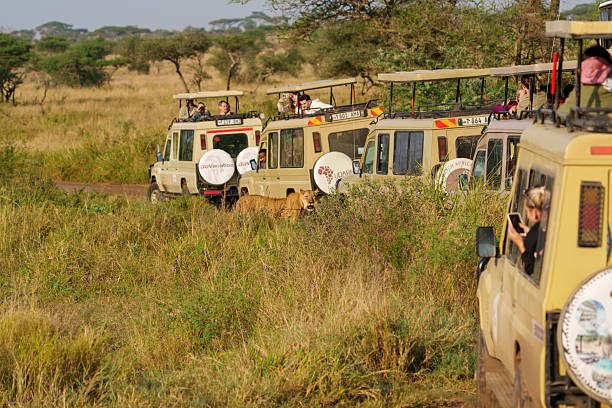
6 Days Serengeti Ngorongoro And Lake Natron Safari: A Practical, Route-Driven
A route-driven 6-day Tanzania safari focusing on the Serengeti, Ngorongoro Crater, and Lake Natron. Practical day-by-day sequence, driving logistics, and realistic safari opportunities.
View package details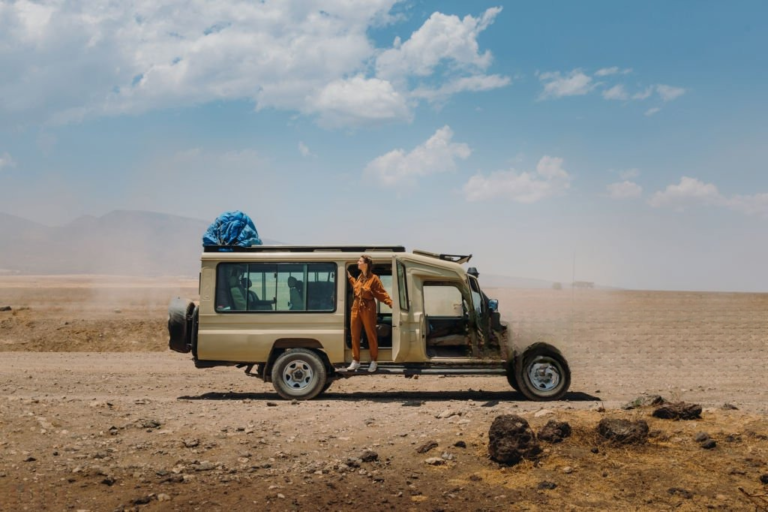
6 Days Serengeti Ngorongoro Tarangire And Lake Manyara Safari 2026-2027
6 Days Serengeti Ngorongoro Tarangire and Lake Manyara Safari.
View package details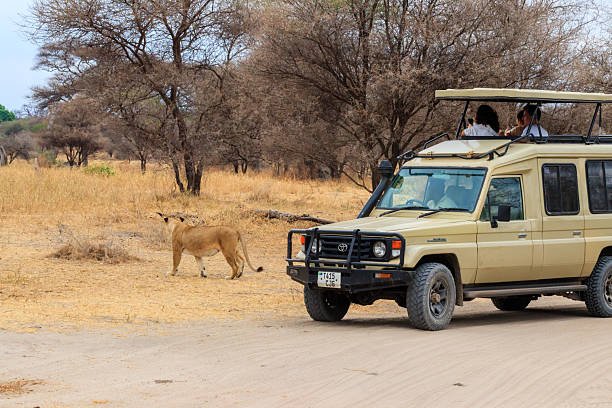
5 Days Serengeti Ngorongoro And Tarangire Lodge Safari: A Practical
A practical, lodge-based 5-day safari itinerary through Tarangire, Serengeti, and Ngorongoro, focusing on feasible driving routes, rest-focused days, and realistic wildlife opportunities...
View package details5 Days Tarangire Serengeti Ngorongoro And Lake Manyara Safari 2026-2027
5 Days Tarangire Serengeti Ngorongoro and Lake Manyara Safari.
View package details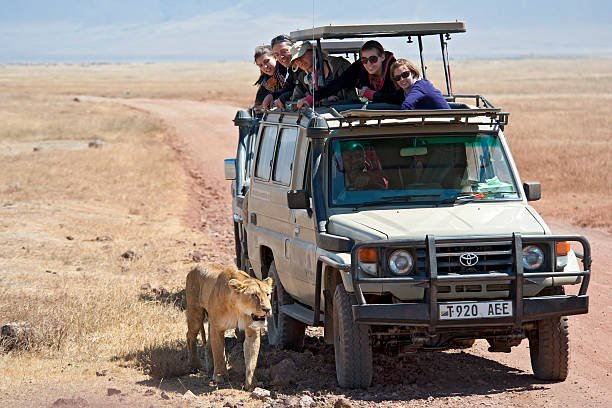
4 Days Tarangire Serengeti And Ngorongoro Safari: A Practical 4-Day
A practical 4-day journey through Tarangire, Serengeti, and Ngorongoro, designed for efficient travel planning, realistic game-viewing chances, and comfortable stays. This plan emphasizes...
View package details6 Days Serengeti Ngorongoro And Tarangire Safari From Zanzibar: A Bookable
Plan a 6-day wildlife circuit that links Zanzibar with Tanzania’s top parks—Tarangire, Serengeti, and Ngorongoro. Discover practical routing, transfers, and realistic safari opportunities...
View package details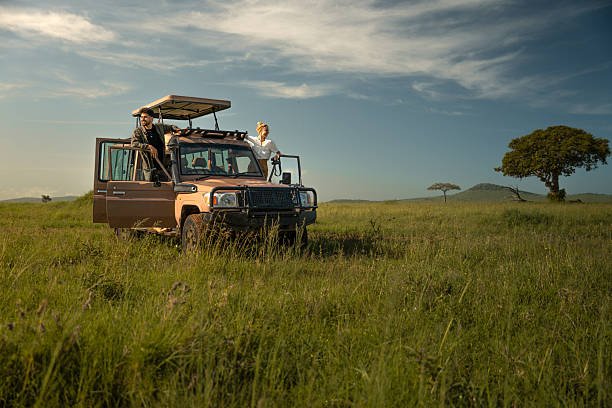
5 Days Tarangire Serengeti And Ngorongoro Safari From Zanzibar: Mainland
Plan a practical 5-day safari that starts with a flight from Zanzibar to Moshi/Arusha, then tours Tarangire, Serengeti, and Ngorongoro in sequence. This guide outlines day-by-day logistics...
View package details4 Days Serengeti And Ngorongoro Safari From Zanzibar: A Practical
Plan a focused 4-day combo: Zanzibar to mainland Tanzania, then Serengeti and Ngorongoro safari. Learn how days split between island relaxation and classic savannah game drives, with...
View package details
Combine The Challenge Of Kilimanjaro With Wild Beauty Of Tanzania’s Serengeti
This integrated 6-day Machame climb and 3-day safari combines the physical challenge of summiting Africa’s highest peak with in-depth wildlife encounters in the Serengeti and Ngorongoro...
View package details8 Days Tarangire Serengeti Ngorongoro And Arusha National Park Safari
8 Days Tarangire Serengeti Ngorongoro and Arusha National Park Safari.
View package details3 Days Serengeti And Ngorongoro Crater Safari 2026-2027
3 Days Serengeti and Ngorongoro Crater Safari.
View package details14 Days Lemosho Route And Serengeti Ngorongoro Safari 2026-2027
14 Days Lemosho Route and Serengeti Ngorongoro Safari.
View package detailsNo related package matches those filters. Clear one or more filters to see the other topic-matched options.



