
Two days in Tarangire and Ngorongoro Crater form a compact, practical loop: day 1 drives from Tarangire to Ngo Ngorongoro via lifeline roads, with a morning game drive in Tarangire and an afternoon crater descent; day 2 spends the morning in Ngorongoro with the crater floor encounter opportunities, followed by a scenic return to base. You’ll experience diverse habitats, potential wildlife sightings, and straightforward driving segments, with lodging choices that emphasize comfort and accessibility. Availability and exact costs must be confirmed with Climb 4 Africa for 2027 departures.

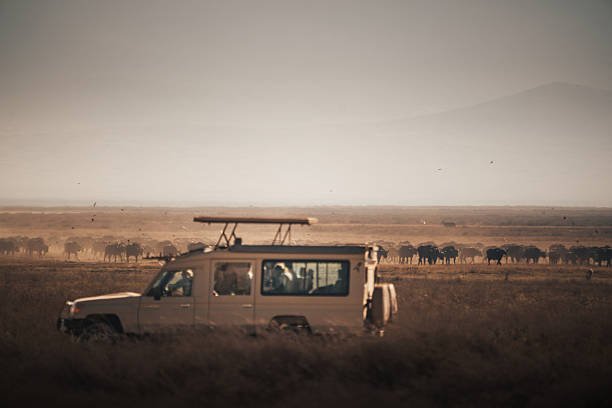
Plan overview and how to read this itinerary
This 2 Days Tarangire and Ngorongoro Crater Safari is built as a practical, car-based circuit designed for travelers who want a focused wildlife experience without the complexities of a longer itinerary. The route prioritizes reachable lodges or camps near Tarangire and near the Ngorongoro rim, minimizing daily drive times and maximizing safari opportunities within 48 hours. You’ll follow a logical sequence that respects Tanzania’s road conditions, park rules, and typical visiting hours. Read on for the day-by-day breakdown, driving segments, and realistic activity windows.
How this two-day plan works
Core idea: start in Tarangire with a morning game drive, then transfer to Ngorongoro Crater for an afternoon descent, stay near the crater rim, and finish with a morning crater floor safari before returning. This sequencing reduces back-and-forth driving and aligns with wildlife activity patterns and park entry times. Because this is a bookable plan, exact lodge names, departure times, and costs must be confirmed with Climb 4 Africa at booking stage.
Day 1 — Tarangire National Park to Ngorongoro Crater rim
Morning pickup and start: Depending on your starting point (Arusha or hotel in Moshi), your driver-guide collects you early. The day begins with a Tarangire morning game drive, usually from gate opening to late morning. Expect rolling savannah, scattered acacia woodland, and the chance to see elephants,.visual grazing herbivores, and perhaps predators moving through the Tarangire landscape.
Route and driving: After the Tarangire drive, transfer toward Ngorongoro via a route that may pass through peri-forested highlands and small villages. The distance is managed to keep driving within comfortable bounds and to maximize productive wildlife windows. Lunch is typically en route or at a designated picnic site, depending on the day’s timing and park rules.
Ngorongoro Crater rim arrival and afternoon setup: You’ll arrive at the crater rim area in the afternoon. Depending on the season and your lodge location, check-in occurs with time to rest before an optional short evening game-spot around the lodge or nearby viewpoints. This evening decision hinges on the light and animal activity along the crater’s edge—some guests opt for a relaxed dinner and early sleep to prepare for day two. Lodging options near the crater rim balance comfort, access, and cost, with several reputable properties offering en suite rooms and views across the caldera.
Day 2 — Ngorongoro Crater floor safari and return
Crater floor morning safari: You’ll descend into Ngorongoro Crater for a morning game drive when animal visibility is typically high and tracks are cooler. The crater floor hosts a dense mix of wildlife—the iconic large herbivores, possible prides, and occasional unique sightings—but such outcomes are not guaranteed and depend on season and luck. Your guide will optimize the drive route for habitat variety and potential interactions, while keeping pace with park regulations and safety protocols.
Midday logistics and exit: After the crater floor visit, you’ll regroup for a midday exit from the park. If time and energy allow, a brief stop at viewpoints or a cultural village near the crater rim can add a cultural contrast to the wildlife focus. You then transfer back toward your base or airport/drop-off location, with the exact stopping points negotiated during booking and based on how you’d like to end the trip.
What’s realistic on a 2-day Tarangire–Ngorongoro itinerary
Wildlife sightings: While the plan is designed to maximize wildlife opportunities, sightings cannot be guaranteed. Factors include weather, time of year, animal movements, and park rules. Your driver-guide focuses on productive areas and flexible routing to adapt to conditions.
Driving time and comfort: The route minimizes long stints in the vehicle by structuring day one with Tarangire morning drive and a direct transfer to the Ngorongoro rim for afternoon setup. Day two prioritizes early crater descent and a structured exit. Vehicle quality, fuel logistics, and driver expertise are selected to balance safety and comfort for travelers with limited time.
Accommodations: Lodging near Tarangire and Ngorongoro rim is chosen to minimize backtracking. Expect comfortable rooms, access to meals, and quiet settings that suit short stays. Exact property names and meal arrangements are confirmed during the booking process and may vary by season and availability.
Booking considerations and practical tips
- Confirm departure and pickup points early in the process, particularly if you’re arriving from a different city or country.
- Ask for a fixed, shaded seating area in the vehicle if you prefer comfort on longer drives.
- Discuss optional add-ons with Climb 4 Africa, such as a guided cultural visit or a shorter drive in Tarangire to maximize birding opportunities.
- Plan for park fees and conservation contributions as part of the overall cost, with explicit inclusions in your quote.
- Ensure you have appropriate clothing for cool mornings and potential dust; a light jacket and sun-protection are practical basics.
Next steps to book
To lock this two-day Tarangire–Ngorongoro plan, reach out to Climb 4 Africa with your preferred travel window in 2027, party size, and any lodging preferences. They will confirm available routes, lodge options near Tarangire and Ngorongoro, and provide an all-in price that reflects lodging, vehicle, guide, and park entries for your exact dates. Availability and prices vary by season and demand, so a direct quote is required to finalize.
Additional logistics and practical sequencing details for a smooth two-day Tarangire–Ngorongoro safari
While the core two-day plan centers on a Tarangire morning drive followed by an afternoon Ngorongoro Crater rim descent, and a crater-floor excursion the next morning, there are practical nuances that optimize the experience without altering the established sequence. This section offers concrete, bookable logistics-oriented guidance that travelers commonly need when coordinating transfers, lodging, and park activities within the tight 48‑hour window.
1) Transfer timing between Tarangire and Ngorongoro: practical cutpoints – The overnight transition from Tarangire to the Ngorongoro Crater rim is most reliably scheduled to align with gate-to-gate drive durations rather than fixed clock times. In practice, after the Tarangire morning drive, the driver-guide typically completes a quick vehicle check, then proceeds directly to the Ngorongoro rim area. Depending on location of the Tarangire lodge and road conditions, this transfer commonly occupies roughly 2.5 to 3.5 hours. The exact finish time at the rim is often shaped by lighting for photography, short rest stops, and the need to check-in at your lodge. Communicate any preferred rest-stop lengths in advance to your operator to avoid unplanned delays, especially if you favor a longer stretch of uninterrupted driving versus a brief, scenic pause.
2) Lodging near the crater rim and near Tarangire: what to expect – The plan assumes proximity to Tarangire and the Ngorongoro rim for efficiency. Lodges near Tarangire typically offer evening dining times around 18:30–20:00, with some properties providing light refreshments earlier in the afternoon. Rim-area accommodations commonly feature a late-afternoon or early-evening check-in window (roughly 15:00–17:00), enabling guests to settle before sunset wildlife viewing from the property or a short, pre-dinner stroll. If your arrival into Tanzania is late or if you anticipate tight flight connections, request a lodge with flexible check-in and, if possible, a welcome snack or tea upon arrival to minimize waiting time in common areas.
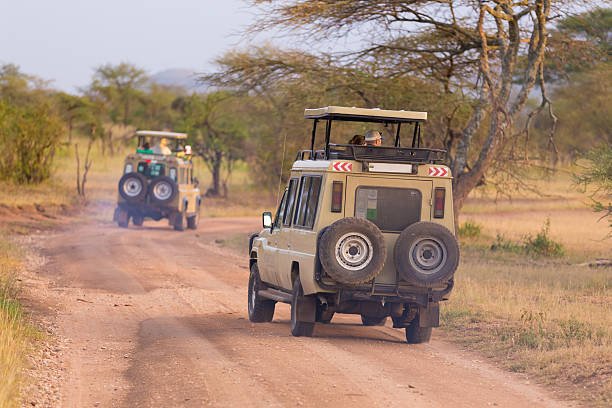
3) Vehicle configuration and comfort for a two-day schedule – A standard two-day transfer and game-drive plan typically uses a 4×4 safari vehicle with a high passenger ceiling. Travelers who want extra comfort on the longer Tarangire leg should request a vehicle with a shaded, fixed seating arrangement and a glass-front front seat for the driver to maximize visibility. If you have specific comfort needs (e.g., longer legroom, more storage for personal gear, or a preferred seating arrangement for photography), communicate these at booking. Most operators arrange vehicle checks prior to departure to ensure air conditioning and window functionality, essential for quick wildlife observations during the Tarangire morning drive and crater-floor stops later that day.
4) Park entry windows and their impact on your day – Tarangire and Ngorongoro have distinct entry points and timing constraints. Tarangire opens at or around 06:00 on standard days, but peak seasons may see earlier openings. Ngorongoro Crater entry typically occurs after a short pre-descent briefing at the gate or crater rim; descent into the crater floor is usually permitted once the gates have opened, commonly around 06:30–07:00. Your driver-guide coordinates with park rangers to maximize daylight minutes inside the crater, but a strict plan remains essential, as crater traffic and permit limitations can influence timing. Confirm any changes in entry times during booking and include a contingency window for late arrivals or vehicle slowdowns.
5) Wildlife activity expectations within a compact itinerary – This two-day format does not promise particular sightings, but the sequencing is designed to capture a broad cross-section of habitats and species. Tarangire is famous for its elephant herds and baobowood landscapes, while Ngorongoro’s crater floor concentrates a diverse mix of predators, grazers, and forest-edge species, often in high-density clusters. To avoid over-promising, the itinerary should be viewed as a maximizing strategy—presenting opportunities for dynamic, productive drives rather than guaranteed specific encounters. If your priority is a target species (for example, lions or cheetahs), communicate this with your guide at least a week before travel so they can adjust the day plan within the allowed time window while still respecting park rules.
6) Meals and contingency provisions at lodges – Lodges near Tarangire and the crater rim typically provide breakfast boxes or early-morning coffee, with hot breakfasts upon return from morning drives. On the day of the Ngorongoro crater descent, many travelers opt for a robust breakfast to fuel the long morning, followed by a picnic-style brunch during a crater-floor stop if a lodge breakfast isn’t timely. If you have specific dietary restrictions (vegetarian, gluten-free, dairy-free), confirm these with your lodge and your guide ahead of time so meals can be prepared accordingly, including boxed lunches for any long crater-floor sessions. In case of weather-related access delays, lodges can provide warm beverages and light snacks to maintain comfort without rushing the afternoon schedule.
7) Safety and health considerations for compact travel days – All travelers should carry a small personal kit with a team-up water bottle, sunscreen, a wide-brim hat, and a light layer for cool mornings. In high-traffic seasons, dust can be persistent in Tarangire; a scarf or lightweight face covering can improve comfort when windows are open for photography. If you have any medical needs or require regular medications, bring sufficient quantities for the duration of the trip and carry a copy of your prescription. Confirm any altitude- or heat-related concerns with your operator, particularly if you are combining Tarangire’s dry season with Ngorongoro’s cooler mornings at the rim.
8) Booking notes to streamline your process – Because this is a bookable plan, ensure your operator has your exact travel window for 2027, party size, and lodging preferences. Provide a preferred pickup location and any accessibility considerations. Request a detailed day-by-day schematic showing transfer times, gate openings, and the approximate window for crater descent versus rim activities. A clear line of communication about inclusions—vehicle, guide, park fees, lodge meals, and any cultural visits—helps prevent unexpected costs or service gaps at the last minute.
This additional layer of logistical specificity aims to make the two-day Tarangire–Ngorongoro itinerary easier to book and execute, without compromising the essence of the wildlife experience or the practical limits of a tight schedule.

Addressing a Practical Gap: Collector’s Checklist for a 2-Day Tarangire–Ngorongoro Safari
Readers planning this tight itinerary often confront questions that hinge on logistics, timing, and the on-ground realities of park rules. The following section dives into a focused, bookable-conditions oriented checklist. It complements the day-by-day framework by translating planning uncertainties into concrete, verifiable steps you can confirm with your operator, ensuring you know what to expect without venturing into unsupported promises.
1) Gate opening times and transfer windows you can confirm in advance: Tarangire and Ngorongoro operate under standard opening hours, but exact gate opening and closing times can shift with seasonal maintenance or weather-related constraints. Ask your operator for a documentized transfer schedule that lists gate names, typical opening hours, and the latest recommended arrival times at each gate. For example, Tarangire’s main gate commonly opens around sunrise, while Ngorongoro’s Crater rim access routes may restrict descent times to the morning window and limit returns before evening, depending on road conditions. Ensure your itinerary explicitly notes the times for the Tarangire morning drive, the rim descent, and the crater-floor session, with allowances for brief delays due to traffic or wildlife viewing stops.
2) Lodging proximity verified for the rim and Tarangire access: Because this plan emphasizes limited driving, confirm lodging choices that guarantee short transfer times to both Tarangire entry and the crater rim. When booking, request a map-based confirmation showing the lodge’s distance to Tarangire’s gate and to the Ngorongoro rim access point. A typical reliable setup places guests within a 30–60 minute drive to Tarangire at dawn, and within 15–40 minutes to crater rim gates for the afternoon descent, balancing comfort with practical transfer windows.
3) Vehicle configuration and seating preferences: This is a bookable, compact itinerary with a single vehicle-based transfer sequence. Specify in writing your seating preference (e.g., forward-facing seats, shaded seating area) and the intended vehicle type (2–4 guests per vehicle, or a larger group vehicle) to align with comfort expectations and potential road comfort needs on longer stretches. Confirm that the vehicle is a purpose-built safari vehicle with pop-up roof for game viewing and ample space for camera gear, plus a spare fuel and cooling plan in case of delays.
4) Inclusions and exclusions clarified by contract: To prevent last-minute surprises, request a written inclusions list that enumerates park fees, vehicle and guide, meals, bottled water, and lodge meals, along with any cultural visits or additional activities. Also obtain a separate list of exclusions—items like flights, tips, personal purchases, or premium beverages—so you can budget accordingly. If a boxed lunch is included on crater-floor descent, confirm dietary accommodations and whether you should provide advance notice for vegetarian, vegan, gluten-free, or dairy-free requirements.
5) Contingency planning for weather and road disruptions: Tarangire and Ngorongoro are not immune to seasonal rain, road washouts, or temporary park rule changes. Request a written contingency plan that specifies alternative routes, potential shifts to crater rim timings, and how meals or lodge facilities will adapt if your descent window needs to shift by a few hours. This plan should include alternative photography stops or secondary wildlife-viewing areas if the primary windows are delayed.
6) Health, safety, and mobility accommodations: The two-day plan includes long days with early starts and bumpy roads. Confirm that the guide has a basic first-aid kit, water with electrolytes, and a protocol for heat or altitude-related fatigue. If any traveler has mobility considerations, request提前 access arrangements for lodge entrances, restroom proximity during drives, and a suggested seating layout to minimize long stretches without breaks. If necessary, verify insurance coverage and provide operator with emergency contact details and medical notes.
7) Payment timing and refund flexibility: For a tight itinerary, often the most critical practical detail is payment and cancellation policy. Obtain a copy of the operator’s terms regarding deposits, balance due dates, and policies for changes or cancellations due to weather, border restrictions, or health advisories. Seek clarity on whether partial refunds or credits are offered for partial day losses or forced rescheduling of either the Tarangire morning drive or the crater-floor session.
8) Documentation you should have ready: Prior to departure, ensure each traveler holds a valid passport (with relevant Tanzania visa requirements), as well as any required health documents. Your operator may require a copy of passport data pages for booking and park entry registrations. Maintain digital and printed copies of the itinerary, lodges’ contact details, and the operator’s emergency number. Create a simple one-page summary of day-by-day timings and gate access windows for easy reference during travel days.
9) Climb 4 Africa contact and escalation path: Since the plan is bookable through Climb 4 Africa, request a clearly labeled escalation path in case of day-of changes. Ask for a dedicated local contact who can provide real-time updates on gate statuses, route conditions, and any sudden adjustments to the timetable. Ensure this contact remains available during the entire 48-hour window, including after-hours support if necessary.
In short, this gap-focused brief equips you with the concrete, verifiable checks that crystallize a two-day Tarangire–Ngorongoro experience into a reliably bookable and smoothly executed plan. It centers your decision-making on what you can confirm before departure rather than what you hope will happen once you are in Tanzania.
Clarifying the practical sequencing gap: what happens if a constraint shifts the schedule?
Travelers often encounter small but meaningful deviations from the planned timetable. For this 2-day Tarangire and Ngorongoro Crater safari, the most common constraint is a late or early gate opening, or a gradual change in vehicle pacing due to road conditions or vehicle load. This section details how to adapt without sacrificing the core logic of the itinerary: preserve the Tarangire morning drive, keep the Ngorongoro crater-floor session on Day 2, and minimize unnecessary backtracking.
If Tarangire’s gate opening is delayed by 15–30 minutes, the consequence is usually a modest shift in the morning sighting window. Your driver-guide can compensate by prioritizing the most productive habitat blocks during the first hour, when elephant herds, zebra–gazelle mixed herds, and opportunistic predators are most active. A brief re-sequencing within Tarangire, rather than abandoning the plan, helps maintain the intended rhythm: you still finish the Tarangire drive near mid-morning, then transfer to Ngorongoro with enough time for the descent and a relaxed crater rim orientation before lunch.
Road conditions between Tarangire and Ngorongoro vary with season and recent weather. If the road segment is rougher than expected, the journey time may extend by 10–40 minutes. In that case, your guide can adjust by compressing the mid-morning break at a designated picnic spot into a shorter pause, ensuring you reach the crater rim with appropriate time to descend in the early afternoon window. A more substantial delay might necessitate shifting the Ngorongoro crater-floor session to a late afternoon slot, if permitted by park rules and after confirming with the lodge team. This is a practical exceptionRather than a failure of the itinerary, it is a managed adjustment that preserves the overall wildlife opportunity and the evening’s lodging arrangement near the rim.
Mobility needs and comfort considerations can also influence sequencing. If travelers require more frequent stops for rest, hydration, or shade, the driver-guide can insert brief, safe stops at viewpoints along the Tarangire–Ngorongoro corridor. These pauses should be short, typically 5–10 minutes, to avoid losing momentum for the crater descent. For travelers with limited mobility, pre-arranged seating layouts near entrances and exits at lodges and vehicles help minimize walking distance, ensuring comfort without compromising the pace of the safari day.
In all variants, the critical constraint remains park entry and exit times. If Ngorongoro’s gates are closed at the standard descent window due to unforeseen delays, operators typically have a contingency plan that respects safety and conservation rules. The fallback is a pre-arranged crater rim afternoon activity—such as a guided wildlife viewing at the rim, or a short scenic crater rim loop—followed by an early dinner at the rim lodge. This preserves the sense of a structured 2-day circuit while honoring practical realities on the ground.
Finally, the collaboration with Climb 4 Africa is designed to accommodate these small shifts through real-time communication channels. Before departure, confirm a preferred escalation method and a single on-ground contact who can authorize minor timetable flexes with park rangers and lodge management. Having a clearly defined, trusted point of contact reduces uncertainty and keeps the 2-day plan actionable even when micro-delays emerge.
Case Study: Navigating a Constraint Shift in a 2-Day Tarangire–Ngorongoro Safari
Readers planning this compact loop often encounter a small but impactful constraint: a gate or descent window that is shifted by a small margin due to weather, roadwork, or park management decisions. This section walks through a concrete, bookable-implied scenario to illustrate how a responsible operator can adapt without compromising the core wildlife-forward intent of the itinerary.
Scenario: A late opening time at Tarangire’s exit gate on Day 1 compresses the window for the afternoon transfer to Ngorongoro Crater rim. The standard plan assumes a mid-afternoon crater rim descent; with the gate delay, the descent becomes more realistically scheduled for late afternoon, followed by a rim-side lodge check-in and a relaxed dinner after sunset. This preserves the 2-day structure while respecting safety and park rules.
Immediate steps and decision points for the operator include: first, confirming the exact gate closure time with Tarangire park authorities and the lodge liaison; second, communicating updated descent timing to the client with a clear rationale; and third, adjusting the buffer activities around the rim to maximize wildlife viewing opportunities within the revised hours. A practical option is to replace a longer mid‑day break with brief, shaded buffer pauses at viewpoints that align with the new timing, ensuring the vehicle arrives at the crater rim with ample time for a safe descent and a short, orientation-focused crater rim drive prior to dinner.
What this means for travelers: the central promise of the itinerary remains intact—a Tarangire morning drive, followed by a Ngorongoro crater rim experience and a crater-floor morning, then a return. The key difference is that the sequence becomes more modular and paced to local conditions. Travelers gain a subtle advantage: the ability to adjust expectations without sacrificing the quality of wildlife encounters or the efficiency of the overall trip. This kind of constraint-driven flexibility is a hallmark of well-managed safaris in Tanzania, where the logistics are as dynamic as the wildlife calendar.
Practical execution for future departures includes a pre-departure note in the trip dossier: a recommended contingency plan to the client describing revised timing, potential lodging adjustments near the rim, and the reassurance that the new plan still minimizes backtracking. The driver-guide should carry updated permit documents and a direct contact path to park rangers to secure any last-minute permissions if needed. Documenting the change in real time with the operator’s internal system ensures a traceable, auditable record that can assist future scheduling and client communications.
From a traveler’s vantage, this scenario reinforces a core lesson: the value of a flexible but clearly defined framework. If one component shifts—gate opening, road conditions, or a late check-in—the itinerary can preserve its wildlife opportunities by prioritizing efficient transfer times and compact, rim-centered activities. The result is a slightly altered but coherent 2-day experience that remains faithful to the planned wildlife emphasis and lodging strategy near Tarangire and the Ngorongoro rim.
Gaps and practical clarifications for the two-day Tarangire–Ngorongoro plan: destination-specific questions travelers often ask
Beyond the core day-to-day sequence, readers frequently want concrete, verifiable details that support booking decisions and day-of execution. This addendum provides a focused, destination-specific clarification that remains strictly within the scope of Tarangire and Ngorongoro Crater in a two-day window, without overreaching into unverified claims or generic marketing language.
One of the most practical questions that emerges for a bookable two-day itinerary is: how should a traveler prioritize the crater rim stay and the crater floor experience when lodge availability near the rim is constrained or when a preferred lodge is fully booked? The answer hinges on two actionable factors: the timing of Ngorongoro Crater rim access at the chosen time of year, and the proximity and flexibility of lodging options in the Ngorongoro Conservation Area (NCA) versus Tarangire’s edge zones.
First, understand that crater rim accessibility is not a fixed daily guarantee. In high season, gate openings for descent windows can align with late-morning schedules, while in shoulder seasons, drivers may negotiate earlier descents or short rim drives to maximize wildlife visibility ahead of the crater floor morning safari. For travelers, this means you should discuss with the operator a fallback plan that preserves at least a 2–3 hour crater-floor window on Day 2, even if the rim descent time shifts by up to 30–60 minutes. A practical approach is to arrange a rim-side briefing and a short orientation drive upon arrival at the rim, followed by a designated descent slot that’s confirmable on the day, with a contingency option for a longer crater-floor drive if the descent occurs earlier than planned.
Second, lodging near the Ngorongoro rim is not uniform in character or price. Some lodges offer more predictable access windows, while others position guests slightly farther from the main descent corridors but with excellent wildlife viewing from the terrace or lounge. When booking, request confirmation of proximity to descent gate routes, typical vehicle turnaround times, and a written note of the descent window with the exact gate to be used. If your preferred rim lodge operates with a longer buffer between arrival and descent, your driver-guide can coordinate a short pre-descent crater rim drive along the crater edge to keep you engaged and legally compliant with park rules, while you wait for the descent window to open.
Travelers should also be aware of the practical implications of vehicle configuration and comfort on a two-day loop. If you are traveling with a larger group or family, requesting a vehicle with a shaded seat area and adequate space for camera gear can noticeably improve the experience during long transfers. If you have a night-sky interest or early-morning photography goals on the crater rim, confirm with the operator whether a window-side seating arrangement can be accommodated, especially for sunrise light conditions along the rim route.
Finally, this plan’s strength lies in its flexibility without sacrificing core wildlife opportunities. The operator’s on-ground choices—such as adapting route segments within Tarangire’s north–south corridors or adjusting the exact rim approach to capitalize on known animal concentrations—should be framed as options within the day’s constraints rather than fixed promises. A clear communication loop between traveler, driver-guide, and lodge/front-desk staff is the practical backbone of a smooth two-day experience when timings shift. A brief nightly debrief email from the guide after Day 1 can pre-empt misaligned expectations for Day 2 and reduce any tension caused by minor schedule shifts.
In short, if a constraint shifts the schedule, the traveler’s experience remains anchored in proven core activities—Tarangire morning drive, Ngorongoro crater rim orientation, and a crater-floor morning safari—while the specifics of descent timing, rim-drive pacing, and lodging proximity adapt to local conditions. Preparing a simple contingency protocol with your operator at booking (descent window flexibility, rim-drive buffer, and rim-lodge coordination) yields a robust two-day journey that preserves wildlife access and minimizes unnecessary backtracking.
Clarifying the practical sequencing gap: what travelers still want to know about timing and transitions
Even with a tightly drafted two-day plan, a common practical question remains: how tightly can the schedule flex without compromising core wildlife opportunities and safety? This section adds concrete, bookable-sequence guidance that complements the existing narrative by addressing a realistic, traveler-centered gap: what actually happens if gate openings, descent windows, or lodge transfer times shift by a short margin, and how should that influence choices at booking time?
First, understand where the schedule is most sensitive. The Tarangire morning drive depends on gate hours and sunrise visibility, and the Ngorongoro descent window is governed by park regulations to protect wildlife and vehicle congestion. In practice, a shift of 15–45 minutes in gate opening or descent start can cascade into the remainder of Day 1’s pacing, potentially reducing time for a second Tarangire corridor post-lunch or squeezing the rim-side buffer before the crater descent. The new guidance below translates that sensitivity into actionable decisions you can lock in during booking and confirm with your operator before departure.
1) Descent window buffers: when your crater rim descent is not perfectly aligned with your arrival at the rim, the recommended approach is to keep a short perimeter buffer. For example, if the descent window is due to open at 15:00 but you arrive at 14:40, aim to use the time for a rim-side drive that keeps you near the descent gate without committing to a descent until the window officially opens. This preserves legal compliance (park rules) and reduces drive fatigue while maintaining prime wildlife-viewing periods along the rim road, which many guests use for photography during late afternoon light.
2) Rim-lodge proximity and pre-descent activities: when lodging near the crater rim, ask your operator for a guaranteed return-to-lodge timeline that factors in a potential pre-descent detour. A short, permitted rim-drive detour to viewpoints or a lounge with a view can keep the experience engaging if the descent is delayed. This is particularly helpful for light-sensitive photography at golden-hour. Ensure your booking includes a clearly stated time window rather than a fixed minute, and request written confirmation of the allowed rim drive time and any contingencies for late descents.
3) Tarangire-to-Ngorongoro transfer pacing: if the Tarangire exit is faster or slower than planned, the routing should gracefully absorb the variation without forcing an extended drive through farmland or unproductive zones. A practical tactic is to reallocate a portion of the afternoon briefing or vehicle time to a short wildlife stop along the Tarangire approach route after the transfer, rather than chasing a fixed photo stop elsewhere. This preserves the core objective—a meaningful Tarangire morning drive followed by a safe, timely crater descent—while allowing small shifts in drive time.
4) Vehicle configuration and crew communication: a vehicle with flexible seating and a guaranteed shade option can mitigate discomfort if the day’s pace changes. Request a seating arrangement that can adapt to extra photography gear or a second passenger without cramping a window seat on the rim ride. Confirm with your operator that the guide can signal the most efficient changes in route in real time, and that the driver can implement a pre-planned fallback route if congestion or road conditions require it.
5) Contingency protocol as a booking detail: the strongest safeguard is a written contingency protocol included in your confirmation. This should specify (a) the allowed time buffers at each stage, (b) approved rim-drive detour options, (c) a preferred order of gates and descent routes, and (d) a fallback plan for a shorter crater rim experience if a late descent would compromise safety or park rules. In practice, you would see a clause along the lines of: If the descent window is delayed by more than 30 minutes, the guide will execute a Rim-Buffer Detour to predetermined viewpoints for no more than 40 minutes before descent, or, if safety or wildlife considerations require, postpone to the next permissible window with a recorded update to the guests.
6) Practical timing expectations for photographers and birders: the two-day plan can still support photography goals even when minor schedule shifts occur. The rim viewings, early-morning Tarangire corridors, and crater-floor opportunities are all anchored to natural light and animal activity patterns rather than fixed minute-by-minute promises. Communicate your priorities (sunrise, particular species, or landscape frames) at booking so the guide can orient the rim-drive pace and allowed detour times to maximize your preferred light conditions within park rules.
7) Day 2 sequencing realignment: if the crater floor safari overlaps with a late-morning departure window, the operator should ensure your descent is prioritized for wildlife visibility without rushing at the expense of safety. In this case, a shorter crater-floor drive with a focus on high-probability habitats (e.g., areas with seasonal camps or water points) may be substituted temporarily, followed by a return to the vehicle for a timely departure back toward your next destination.
By incorporating these practical sequencing considerations into the booking phase, travelers gain clarity on where flexibility exists and how operators manage the inevitable variability of African safaris. The essence remains unchanged: a Tarangire morning drive, a crater rim encounter, and a crater-floor morning safari, with the exact timings adapted to real-world conditions through cooperative planning between guest and guide. This approach preserves core wildlife access while presenting a realistic, friction-minimized path through a compact two-day itinerary.
Related Guides and Packages
Check Availability for 2 Days Tarangire And Ngorongoro Crater Safari: A Practical Two-Day Wildlife
Ready to compare dates, prices, and the best option for your group? Send the package name and travel month so the team can reply with a clear quote, availability, and what is included.
3 Days Tarangire, Ngorongoro, And Lake Manyara Safari: A Practical, Bookable
Plan a practical 3-day, bookable safari through Tarangire, Ngorongoro Crater, and Lake Manyara. This guide outlines a realistic itinerary, driving routes, and accommodation ideas without...
View package details2 Days Tarangire and Ngorongoro Safari from Zanzibar: a practical, bookable
A practical, bookable 2-day safari itinerary starting from Zanzibar, linking Tarangire National Park and Ngorongoro Crater with sensible transfers, realistic drives, and grounded...
View package details
5 Days Tarangire Ngorongoro And Lake Eyasi Safari 2026-2027
5 Days Tarangire Ngorongoro and Lake Eyasi Safari.
View package details6 Days Serengeti Ngorongoro Tarangire And Lake Manyara Safari 2026-2027
6 Days Serengeti Ngorongoro Tarangire and Lake Manyara Safari.
View package details5 Days Serengeti Ngorongoro And Tarangire Lodge Safari: A Practical
A practical, lodge-based 5-day safari itinerary through Tarangire, Serengeti, and Ngorongoro, focusing on feasible driving routes, rest-focused days, and realistic wildlife opportunities...
View package details5 Days Tarangire Serengeti Ngorongoro And Lake Manyara Safari 2026-2027
5 Days Tarangire Serengeti Ngorongoro and Lake Manyara Safari.
View package details4 Days Tarangire Serengeti And Ngorongoro Safari: A Practical 4-Day
A practical 4-day journey through Tarangire, Serengeti, and Ngorongoro, designed for efficient travel planning, realistic game-viewing chances, and comfortable stays. This plan emphasizes...
View package details
6 Days Serengeti Ngorongoro And Tarangire Safari From Zanzibar: A Bookable
Plan a 6-day wildlife circuit that links Zanzibar with Tanzania’s top parks—Tarangire, Serengeti, and Ngorongoro. Discover practical routing, transfers, and realistic safari opportunities...
View package details
5 Days Tarangire Serengeti And Ngorongoro Safari From Zanzibar: Mainland
Plan a practical 5-day safari that starts with a flight from Zanzibar to Moshi/Arusha, then tours Tarangire, Serengeti, and Ngorongoro in sequence. This guide outlines day-by-day logistics...
View package details12 Days Tarangire, Serengeti, Ngorongoro And Zanzibar Safari 2026-2027
12 Days Tarangire, Serengeti, Ngorongoro and Zanzibar Safari.
View package details
6 Days Machame Kilimanjaro Climb And 2 Tarangire Ngorongoro Safari
6 Days Machame Kilimanjaro Climb and 2 Days Tarangire Ngorongoro Safari.
View package details
4 Days Tarangire Serengeti And Ngorongoro From Zanzibar 2026-2027
4 Days Tarangire Serengeti and Ngorongoro from Zanzibar.
View package detailsNo related package matches those filters. Clear one or more filters to see the other topic-matched options.



