
The 6 Days Machame Kilimanjaro Climb and 2 Days Tarangire Ngorongoro Safari follows a sequential plan: ascend via the Machame route with proper acclimatization days, then descend and transfer to Tarangire for a 1-night lodge before a half-day transfer to Ngorongoro for a morning crater safari. You will experience weather-appropriate trekking sections, managed acclimatization windows, and practical driving legs between Moshi, Tarangire, and Ngorongoro; exact hotels and departure times are confirmed on booking. Availability and pricing must be verified at quote time.
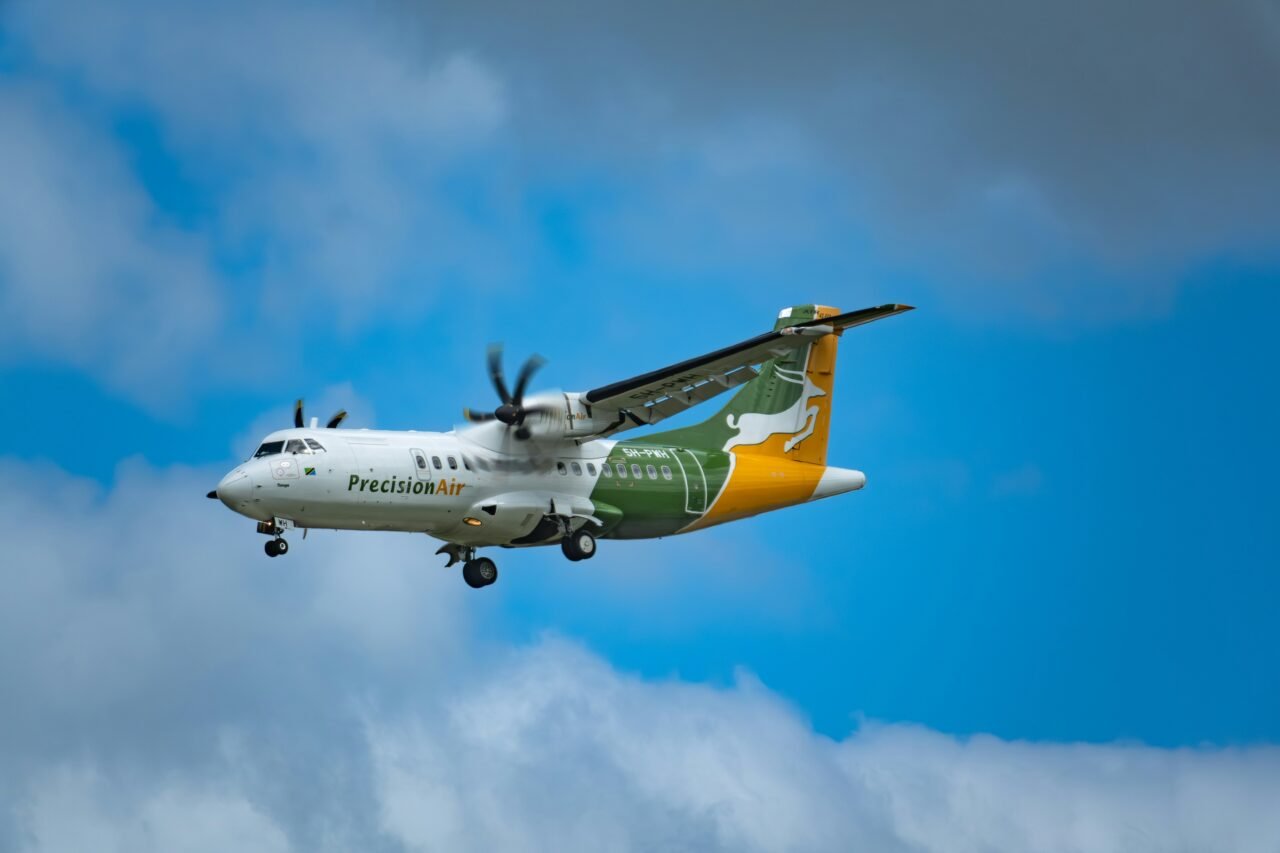
Day 1 — Arrival, briefing and Moshi preparation
Arrive at Kilimanjaro region base near Moshi or Arusha depending on the operator’s plan. A short briefing introduces your climb team, gear checks, and altitude acclimatization philosophy. Expect a light afternoon with optional shop-and-gear adjustments. Overnight in a comfortable hotel or lodge near Moshi; staff help with final kit distribution and a welcome dinner focused on Kilimanjaro conditioning, hydration, and safe trekking practices.
Day 2 — Moshi to Machame Gate, start to Shira Camp
Drive from Moshi to Machame Gate, where forested paths meet the trail. The first day covers a gradual ascent through mossy rainforest, with lunch on the trail and a steady pace to Shira Camp (approximate walking duration variable by group, commonly 4–6 hours). The altitude gain begins here, so proper hydration and pacing are emphasized. Evening meal at camp and an early bedtime to support acclimatization.
Day 3 — Shira Camp to Barranco Camp via Lava Tower (acclimatization day)
This day is a careful balance of exposure and rest. Hike from Shira Camp to Lava Tower for a high point, then descend to Barranco Camp. The return descent provides a gentle acclimatization stimulus without excessive elevation exposure. Lunch is taken en route or at Lava Tower depending on pace. Barranco Camp sits in an open, sheltered valley with distinctive scenery and a chance to spot unique flora along the way. Evening briefing on the next day’s Barranco Wall section.
Day 4 — Barranco Gate to Barafu Camp via the Barranco Wall (the dome of acclimatization continues)
Begin with the famed Barranco Wall scramble, a short, steep section that tests balance and resolve, then descend slightly before a steady climb toward Karanga High Camp. The day ends at Barafu Camp, a high, windy point where trekkers pause for an early dinner and rest. This is a critical acclimatization step; maintain a calm pace, sip fluids, and monitor fatigue carefully in anticipation of the summit push the following day.
Day 5 — Barafu Camp summit attempt, descend to Mweka Camp
Nighttime wake-up triggers the final push to Uhuru Peak. From Barafu, ascend through the scree to Stella Point and onward to the summit. After a brief time at Uhuru Peak, descend to Mweka Camp for rest. Expect a long night with significant altitude strain, but controlled pacing and hydration help manage fatigue. Morning wake-up to pack and prepare for the transfer toward the safari portion of the itinerary.
Day 6 — Transfer to Tarangire National Park: safari start
Descend from Moshi/Arusha region to Tarangire’s landscape, where acacia trees and granite outcrops set the scene for a compact afternoon game drive. The day ends with a lodge or tented camp stay near Tarangire, giving you a chance to rest and refuel after the climb and to slowly switch gears from high-altitude trekking to wildlife observation on the savannah. Arrangements are made to optimize wildlife movement windows, though sightings cannot be guaranteed.
Day 7 — Tarangire to Ngorongoro Conservation Area, afternoon crater visit
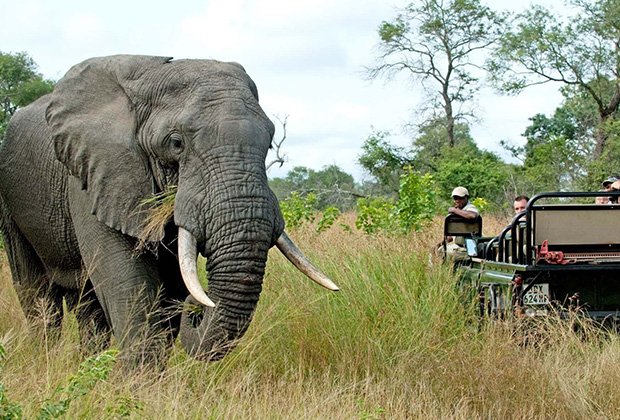
Early morning game drive in Tarangire yields opportunities to observe elephants, baobabs, and herds in seasonal gathering spots. After lunch, transfer to Ngorongoro for an afternoon crater excursion. A crater rim view can set the tone for the next day’s safari; keep expectations realistic as wildlife density varies with season and weather. Overnight near the crater edges in a lodge or camp with easy access for the next morning’s descent.
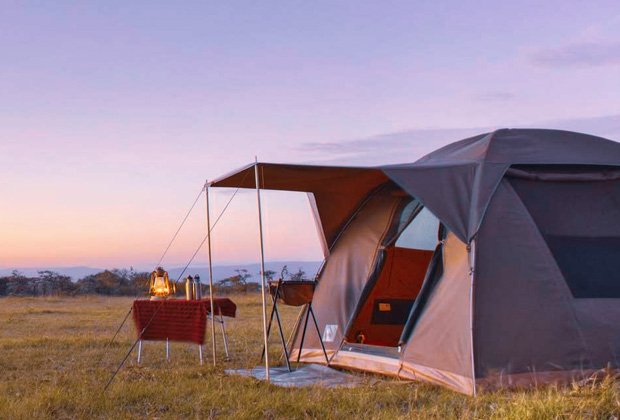
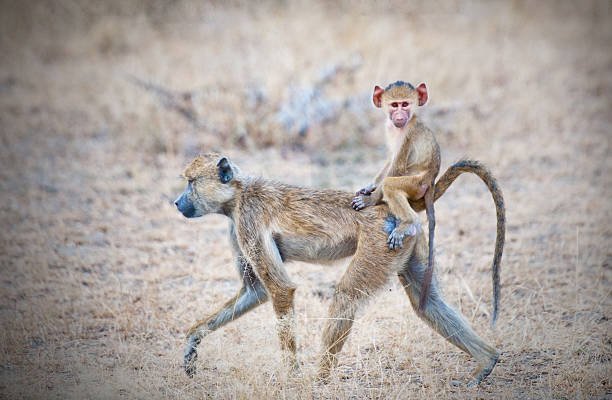
Day 8 — Ngorongoro Crater morning safari, departure
Descend into the Ngorongoro Crater for a classic, condensed wildlife safari: a short drive can reveal Africa’s “Big Five” in a single, dramatic amphitheater. After a picnic lunch on the crater rim, you circle back toward Arusha or Moshi for international departures or onward Africa travel. This final morning wraps up the 2-day safari sequence, with several practical transfer options to air hubs depending on your plan.
Practical planning notes
- Acclimatization logic: the Machame route is favored for its steady altitude gain and scenic variation, but proper pacing remains essential. A slower ascent minimizes the risk of altitude symptoms in this window.
- Logistics and transfers: expect long driving legs between Moshi/Arusha and Tarangire, then Ngorongoro. Vehicle types range from 4x4s to larger safari vehicles; confirm seating and luggage limits when booking.
- Accommodation style: varies from comfortable lodges near Moshi to mid-range safari lodges near Tarangire and Ngorongoro. Meals and hot water are typical inclusions; check if alcohol and extra activities are included.
- Wildlife expectations: sightings depend on time of day, weather, and migration patterns. Your guide will optimize routes and stop points but cannot guarantee specific animals.
- Seasonal notes: rainfall and temperature shift the trekking and safari experience. Pack layers for summit cold, rain protection, and breathable day wear for safaris.
- Booking decisions: confirm permit inclusions, park fees, guide ratios, and contingency plans for weather or route changes. Prices and availability are dynamic; verify at quote time and review cancellation terms carefully.
Why this sequence works for a 6+2 day plan
Starting with Machame capitalizes on established acclimatization pacing, then transitioning to Tarangire and Ngorongoro
Expanding the Practical Details: Logistics, Pace, and Safeguards Between the Summit Day and the Safari
Between the dramatic high point of the Kilimanjaro ascent and the open savannas of Tarangire and Ngorongoro, the plan hinges on logistics that keep the group cohesive, rested, and prepared for the next phase. This section adds concrete, traveler-focused clarity to the transition from Barafu Camp and the summit descent to the Tarangire safari start, with an emphasis on pacing, acclimatization wisdom you can practically apply, and realistic expectations for travel times, transfers, and daily rhythms on the ground.
Transfer pacing and timing to Tarangire: After descending from Uhuru Peak and resting at Mweka Camp, the day typically continues with a morning rest, a final hot breakfast, and a last quick gear check before departure. You should expect a long travel day to Tarangire, commonly 4–7 hours of driving depending on traffic, border conditions (if routes touch changing jurisdictions), and the exact route chosen by your operator. The drive often passes through agricultural plains, small trading towns, and the edge of wildlife corridors, offering a hint of the contrast between the alpine environment just left and the semi-arid savanna that follows. Pack a flexible mindset and a light snack to bridge the wait times common on these long legs. The group’s lead guide usually coordinates a rest stop with beverage service and a comfort break every 2–3 hours to prevent fatigue accumulating across the day.
Arrival, first safari impressions and acclimatization mindset in Tarangire: On arrival at Tarangire, your first game-drive session is designed to ease you into the rhythm of safari life after several days of trekking. Expect short, progressive drives of 2–3 hours in the late afternoon light, which is often when wildlife activity peaks: elephants moving between shade and water, antelope drafting crossings, and birds flocking across winter-plumed skies. Your guide will tailor routes to avoid the most exhausted legs and optimize sightlines, prioritizing safety and comfort after the long ascent. Lodging choices typically feature verandas or elevated platforms that overlook water sources—great for a first-night unwind, but avoid lingering in direct sun; a cold beverage and a light meal help reset the circadian rhythm shifted by both altitude and travel.
Day-night rhythm and sleep strategy for a smooth transition: The post-summit routine requires deliberate sleep planning. Barafu and Mweka camps are at high elevation, while Tarangire sits at lower altitude with warmer nights. To maximize recovery, keep a consistent bedtime within your group’s agreed window, avoid late caffeine or alcohol, and hydrate steadily without overdrinking near bedtime. A short, light evening walk around the lodge perimeter can help adjust to warmer, drier air. The day of the Tarangire safari should begin with a hearty breakfast and a light, protein-forward snack for the road, followed by a mid-morning departure to align with animal-dense windows often observed between 08:00 and 11:00. If the group has a late-night summit return, coordinate with the guide to decompress with a slow-paced, 20–30 minute stretch session before bed to reduce muscle stiffness and improve sleep quality.
Vehicle configurations, safety and luggage handling on transfers: Safari vehicles are commonly 4×4 with open sides and roof hatches for photography. Ensure your bag is secured in the vehicle’s designated area and that you carry essential items in a daily personal kit: a light layer, rain shell, sunhat, sunscreen, water, and a small snack. Your operator should confirm luggage allowances for both the Kilimanjaro porters and the safari vehicle; it’s typical to have a combined limit that respects the space needs of the vehicle and the comfort of all travelers. During transfers, keep medication, passport copies, and a digital copy of your itinerary in your personal bag for easy access in case of delays or a quick check-in at a lodge or camp. Your guide will coordinate any refreshment stops and bathroom breaks to minimize disruption to wildlife-viewing windows and to maintain group cohesion.
Day-by-day flow expectations for the Tarangire and Ngorongoro portion: The sequence commonly provides a light-to-moderate drive-day into Tarangire, followed by a second-day transition toward Ngorongoro with a crater visit in the afternoon. The Tarangire wildlife density varies by season; expect large herds around water sources, but avoid promising guaranteed sightings. In Ngorongoro, the morning crater visit typically occurs after an early breakfast and a short transfer from the lodge. The crater’s amphitheater offers concentrated wildlife opportunities within a compact area, but times and animal presence will always be subject to weather, migration patterns, and unpredictable wildlife movements. Your guide will optimize routes for safety and viewing potential, while providing transparent explanations about what can reasonably be anticipated on a given day.
Contingency planning and contingency funds: In the event of a weather delay, road closures, or wildlife-related access restrictions, your operator should have a documented contingency plan. This often includes alternative driving routes, adjusted safari timings, or supplementary lodge nights to preserve safety and comfort. It’s prudent to carry a small reserve for incidental costs (such as extra activities or vendor tips) that your booked package may not fully cover. However, avoid making unverified assumptions about included services; confirm what is covered at quote time and what requires additional payment. Your guide team will help navigate any changes with minimal impact to safety and enjoyment, ensuring you understand new timings and expectations as soon as decisions are made.
End-to-safari handover and onward travel logistics: After the Ngorongoro morning safari and a midday transfer, you’ll typically connect to Arusha or Moshi for international departures or onward flights. Your operator should provide a clearly defined handover process, including where to meet for transfers, what to do with bags that aren’t needed for the next leg of travel, and the preferred check-in times for any included domestic or international connections. Request a written outline of the handover and confirm contact details for the on-ground team in case of delays or emergencies. This is the moment to confirm airport transfer times, luggage pickup points, and any last-minute changes to your travel documents, ensuring a smooth wrap-up to the adventure without rushed connections.
Gaps in the sequence: clarifying practical transition details between summit day and safari days
While the published outline covers the high-level flow from Machame ascent to Tarangire and Ngorongoro safaris, readers often need concrete, bookable details that affect planning but aren’t yet spelled out. This section provides precise, logistics-focused clarifications that help a traveler verify what to expect on the days immediately following the Kilimanjaro summit attempt and in the transition to Tarangire National Park. It stays strictly anchored to the established route and avoids introducing unverified prices or unavailable services.
1) Timing of the descent and subsequent transfer window
After reaching Mweka Camp on Day 5, the typical plan is a morning or early afternoon descent to Mweka Gate on the following day, depending on group pace and weather. This leads to a late-afternoon or early-evening drive toward Tarangire. If a climber’s group keeps a relatively brisk pace, the transfer to Tarangire can be scheduled for late afternoon, enabling a first short game drive on arrival and a smooth check-in at a lodge or tented camp. If pace slows due to altitude-related fatigue or weather, the transfer may shift to the next morning, which compresses safari time on Day 6 but increases the risk of crowding or fatigue. Clarify with the operator which window applies to your specific departure date and group pace; confirm the exact pick-up time, vehicle type, and drive duration to Tarangire to avoid last-minute rushing on Day 6.
2) Lodging and campsite-to-lodge handoffs
The itinerary typically transitions from high-altitude camps to a lodge or tented camp near Tarangire. It is common for climbers to have a brief lunch en route or shortly after arrival, followed by a rest period before the first safari drive. Some operators arrange a late-afternoon short drive, while others prefer a sunset-drive window once the group has rested. If your group’s arrival at Tarangire is later in the day, ask whether a pre-arranged dinner at the lodge or a field meal at a safari vehicle is available. For safety and comfort, ensure your luggage for the safari is organized separately from summit gear and that the operator provides a secure place for your packs during the day drives.
3) Vehicle configuration and in-safari logistics
Safari drives in Tarangire typically use accessible 4×4 vehicles with roof hatches for wildlife viewing. Depending on group size and vehicle availability, you might be split into two or more vehicles for a given afternoon game drive. Operators often assign a dedicated guide for the Tarangire portion who can coordinate with the Kilimanjaro guide team. Confirm how many hours are allocated for the first Tarangire drive (commonly 2–4 hours) and whether meals arrive at the lodge prepared or if you’ll dine in the vehicle after a short rest. Understanding these arrangements helps you optimize energy for the subsequent Ngorongoro visit the next day.
4) Acclimatization continuity across the sequence
The core acclimatization logic for Machame involves gradual altitude exposure during Days 2–4, with the final summit push on Day 5. After the descent and rest days, the safari phase does not involve altitude changes comparable to Kilimanjaro, but the fatigue carryover from the ascent can affect how you experience game drives. If you have a known sensitivity to travel-related fatigue, discuss with your guide the best pacing for Day 6 grandly to maintain alertness during early morning drives and long travel segments. If a midday rest becomes necessary, plan for it in advance with the lodge so you don’t miss crucial wildlife windows or the Ngorongoro transfer timing the next day.
5) Contingencies that affect the sequence
Weather delays, road closures, or wildlife movement can trigger shifts in drive times and safari windows. A standard contingency is to keep a flexible buffer in the Tarangire portion, such as a backup lodge night or a later morning departure to Ngorongoro, but this must be pre-agreed with the operator. Your booking should specify what happens in cases of extended Kilimanjaro weather delays, and how the safari portion adjusts without compromising safety or the flow of the entire itinerary. Request written confirmation of the contingency plan, including contact points and a revised schedule in the event of a delay.
6) Practical packing reminders for the transition
Pack a compact day-bag for the drive and safari legs containing a light layer for early-morning game drives, sunglasses, hat, sunscreen, water, snacks, and a compact rain jacket. Keep essential documents, medicines, and a change of clothes for the lodge in an easy-to-access carry-on. Ensure a clean, dry location for gear during the Kilimanjaro portion to prevent moisture damage, then re-pack for safari use once you reach Tarangire or Ngorongoro accommodations. If you expect variable temperatures, bring a light fleece or sweater for cool mornings and a sun-warmed jacket for daytime heat in Tarangire’s open savannas.
7) Acknowledging wildlife-viewing realities on a bookable sequence
The Tarangire and Ngorongoro portions provide opportunities for wildlife viewing, but sightings are never guaranteed and depend on seasonal patterns and weather. Your guide should set expectations for typical species that may be observed and explain the day-to-day variability. Rather than promising specific sightings, the guide will outline likely habitats, best times for viewing, and safety precautions to maximize the quality of each drive within the published schedule. If a particular animal behavior or location becomes a focus for your group, coordinate with the guide to optimize the route within the allowed hours and park rules.
8) Safeguards and safety communications
Always ensure you have the operator’s 24/7 emergency contact, including local field office numbers and a method for sharing live locations if a delay occurs. In remote areas, satellite messaging devices can be valuable backups. The transition days rely on road safety and vehicle reliability; verify that your operator conducts routine vehicle checks and maintains spare parts and a first-aid kit appropriate for the terrain and climate. If you wear prescription medications, confirm how you’ll carry and access them during drives and game-viewing sessions.
9) What to confirm in the quote and pre-trip documents
Ask for a detailed day-by-day timetable that includes approximate drive times between Moshi, Tarangire, and Ngorongoro, as well as estimated hours spent on safari each day. Clarify what is included in the lodge or camp packages (meals, transfers, park fees, and any activities) and what might incur additional charges. Ensure the documents specify the sequence of transfers, check-in and check-out times, and luggage handling plans so you can align personal timelines with the operator’s schedule. The goal is to minimize last-minute surprises and maintain a smooth flow from the summit to the savanna.
Related Guides and Packages
Check Availability for 6 Days Machame Kilimanjaro Climb And 2 Tarangire Ngorongoro Safari
Ready to compare dates, prices, and the best option for your group? Send the package name and travel month so the team can reply with a clear quote, availability, and what is included.
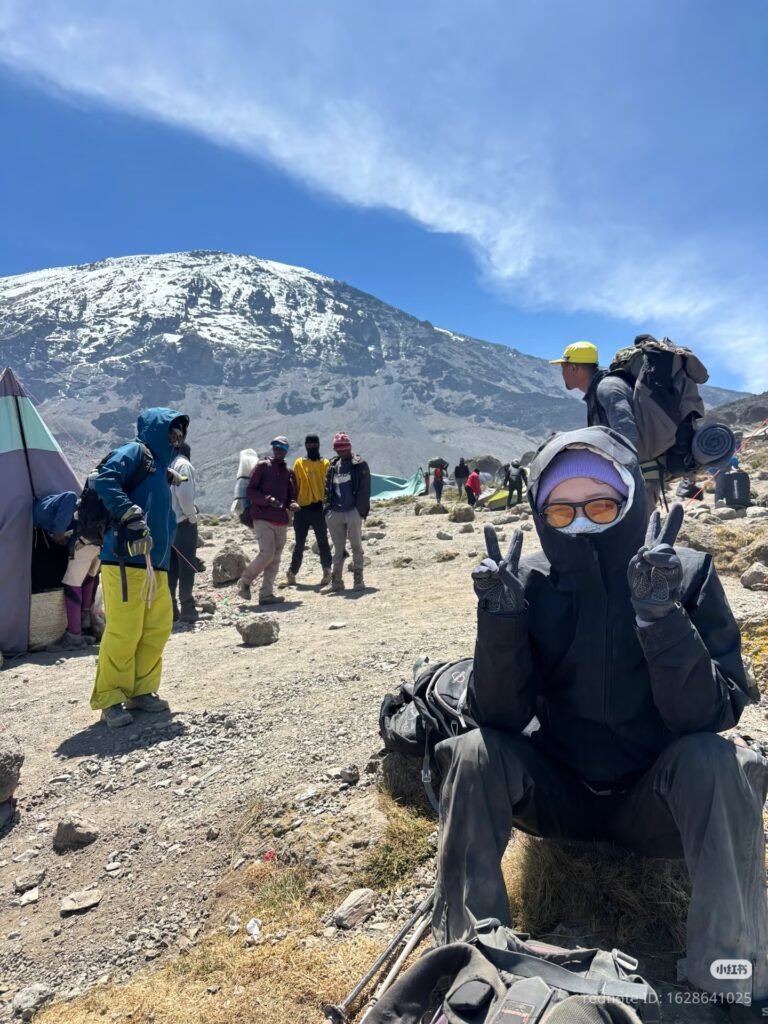
6 Days Marangu Kilimanjaro Climb And 3 Tarangire Safari: A Practical
A focused, bookable 6-day Marangu Kilimanjaro climb followed by a 3-day Tarangire safari. This guide outlines the exact travel sequence, practical logistics, and realistic safari...
View package details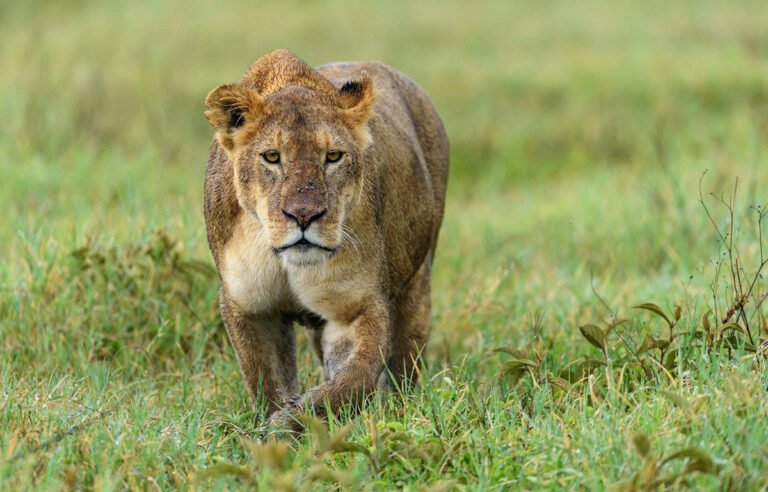
Combine The Challenge Of Kilimanjaro With Wild Beauty Of Tanzania’s Serengeti
This integrated 6-day Machame climb and 3-day safari combines the physical challenge of summiting Africa’s highest peak with in-depth wildlife encounters in the Serengeti and Ngorongoro...
View package details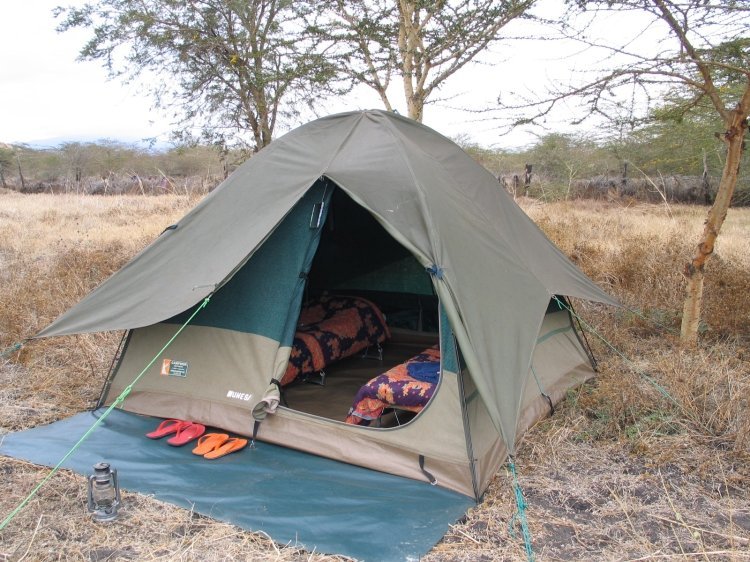
8 Days Kilimanjaro Lemosho Trek And 4 Serengeti Ngorongoro Safari
8 Days Kilimanjaro Lemosho Trek and 4 Days Serengeti Ngorongoro Safari.
View package details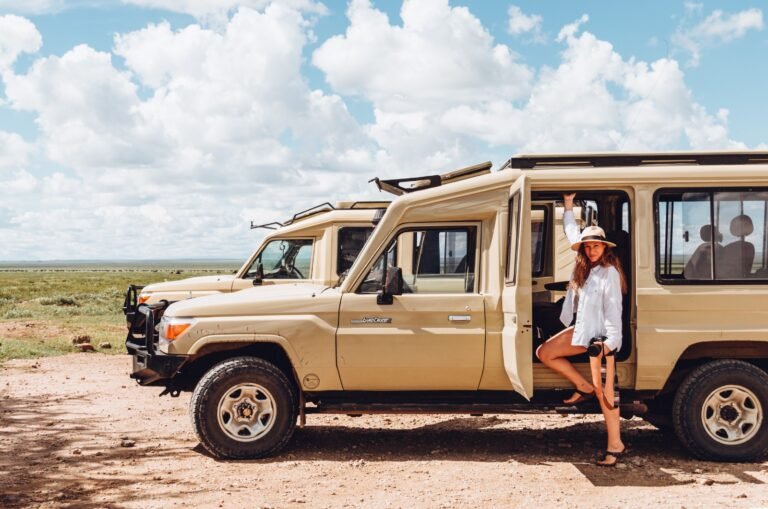
6 Days Kilimanjaro Climb And 3 Big Five Safari 2026
6 Days Kilimanjaro Climb and 3 Days Big Five Safari.
View package details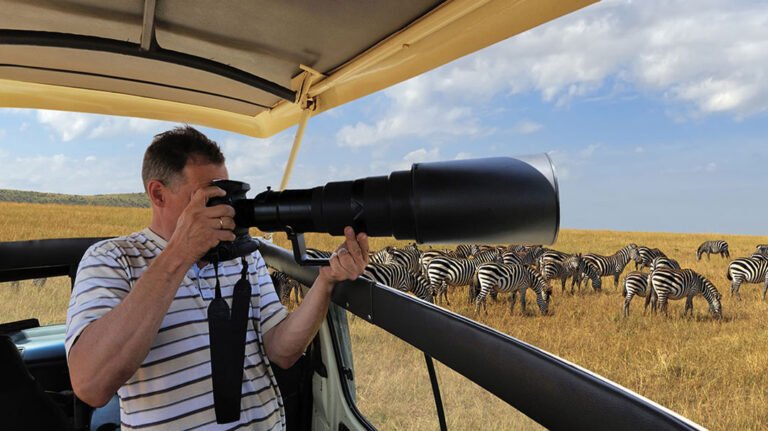
7 Days Machame Kilimanjaro Climb And 5 Tanzania Safari
7 Days Machame Kilimanjaro Climb and 5 Days Tanzania Safari.
View package details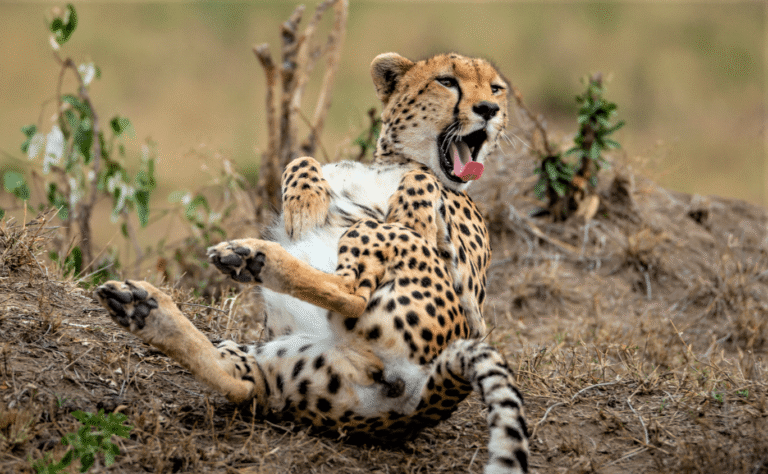
6 Days Kilimanjaro Trek And 2 Tanzania Safari: A Practical, Bookable Route
A practical, bookable 6-day Kilimanjaro trek paired with a 2-day Tanzania safari. Detailed day-by-day route, acclimatization steps, drive routing, and realistic safari opportunities.
View package details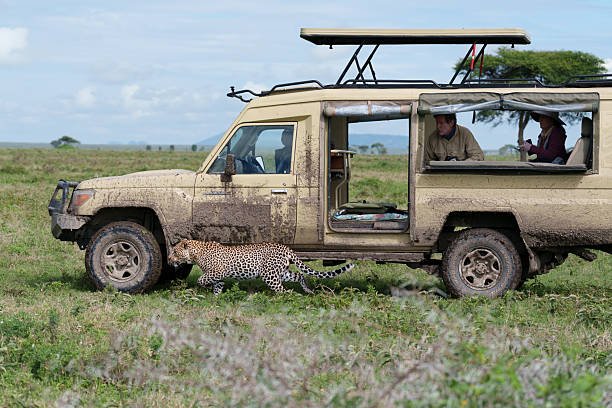
12 Days Tarangire, Serengeti, Ngorongoro And Zanzibar Safari 2026-2027
12 Days Tarangire, Serengeti, Ngorongoro and Zanzibar Safari.
View package details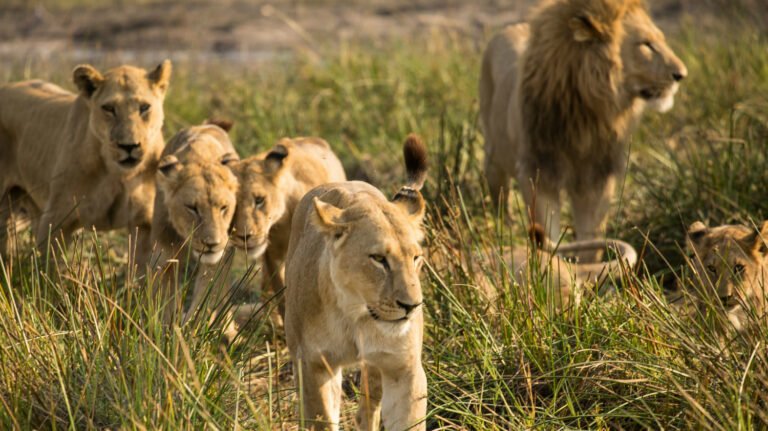
7 Days Kilimanjaro Climb And 4 Wildlife Safari
7 Days Kilimanjaro Climb and 4 Days Wildlife Safari.
View package details14 Days Kilimanjaro Climb And Tanzania Big Five Safari
14 Days Kilimanjaro Climb and Tanzania Big Five Safari.
View package details10 Days Kilimanjaro Climb And Tanzania Safari Package
10 Days Kilimanjaro Climb and Tanzania Safari Package.
View package details8 Days Kilimanjaro Group Climb And 4 Camping Safari
A practical, bookable 8-day plan combining Kilimanjaro Group Climb with a 4-day camping safari. Day-by-day route, acclimatisation logic, and realistic safari logistics without guaranteeing...
View package details8 Days Kilimanjaro Climb And 4 Serengeti Safari
8 Days Kilimanjaro Climb and 4 Days Serengeti Safari.
View package detailsNo related package matches those filters. Clear one or more filters to see the other topic-matched options.



