
A 6-day Kilimanjaro climb via the Lemosho Route combines gradual ascent and high-altitude acclimatisation with scenic mountain trails, followed by a transfer to Serengeti National Park for 3 days of guided game drives focused on Big Five wildlife opportunities. The journey connects Moshi’s base camp to the Serengeti’s open plains, offering a smooth progression from mountain summit to savannah ecosystem.
Day 1: Arrival in Moshi and Base Camp Orientation
Upon arrival in Moshi, you’ll be met by a Climb 4 Africa guide and transferred to your pre-arranged accommodation near the park entrance. The day is dedicated to acclimatisation and preparation: a detailed briefing on the climb’s route, gear check, and a walking orientation through the surrounding forested trails. Meals are served at the base camp lodge, and early evening is reserved for rest and light packing. This low-key start ensures you begin the trek physically and mentally ready, with no unnecessary elevation gain.
Day 2: Lemosho Route Start – Mweka Gate to Shira Camp (3,000m)
After breakfast, you’ll drive approximately 2 hours to the Lemosho Route’s western entrance at Mweka Gate, entering the Kilimanjaro National Park. The trek begins with a gradual ascent through dense montane forest, where you’ll hear chimpanzee calls and spot colobus monkeys. By midday, the trail opens into moorland, revealing panoramic views of the surrounding peaks. The day ends at Shira Camp, situated on a high plateau with sweeping vistas. The altitude gain is moderate, allowing your body to adjust while enjoying the transition from rainforest to alpine terrain.
Day 3: Shira Camp to Shira 2 Camp (3,400m)
Today’s route follows the Shira Plateau, a wide, open expanse of volcanic rock and tussock grass. The terrain is relatively flat, enabling steady progress with minimal elevation gain. You’ll pass near the Shira Crater rim and enjoy uninterrupted views of the Kibo peak to the north. The afternoon is spent exploring the plateau’s unique flora—giant heather, lobelias, and groundsel—before settling into Shira 2 Camp. This day prioritises acclimatisation, with a relaxed pace and opportunities for short walks to absorb the high-altitude environment.
Day 4: Shira 2 to Barranco Camp (3,800m)
The route shifts from the plateau into the dramatic Barranco Valley, marking the start of the more technical phase. You’ll descend into the valley, then climb steeply up the famous Barranco Wall—a 150-meter vertical scramble with handholds and exposed rock. The route is challenging but manageable with proper guidance, and the rewards include stunning views of the Southern Ice Fields and the towering Kibo summit. Barranco Camp sits at the base of the wall, offering sheltered camping with a sense of accomplishment after the day’s effort. This day’s elevation gain is significant, but the descent in the morning eases pressure on the lungs.
Day 5: Barranco to Karanga Camp (3,900m), then to Barafu Camp (4,600m)
After a short descent to Karanga Camp, you’ll continue along the Southern Circuit, a less crowded alternative that enhances acclimatisation. The route follows the edge of the Heim Glacier, with views of the ice caves and glacial moraines. Late afternoon, you’ll make a final push to Barafu Camp, located at the foot of the summit ridge. This is the critical altitude adjustment point—your body begins preparing for the summit night. The camp is remote, cold, and quiet, with minimal facilities. Dinner is served early, and guides conduct a final summit briefing before rest.
Day 6: Summit Night – Barafu to Uhuru Peak and Descent to Mweka Camp
At 11:00 PM, you’ll begin the summit push, climbing through the high-altitude desert and the final ridge to Uhuru Peak (5,895m). The route is steep and exposed, with loose scree and wind chill. The ascent takes 5–7 hours, depending on pace. At the summit, you’ll witness sunrise over Africa—a moment of quiet awe and achievement. After photos and celebration, you’ll descend rapidly to Mweka Camp (3,100m) via the Marangu Route’s lower trail. The descent is long and demanding on the knees, but you’ll be guided through rest stops and hydration points. By evening, you’ll be back in Mweka Camp, where a warm meal and rest await after the physical exertion.
Day 7: Transfer to Serengeti National Park – Game Drive Begins
After breakfast in Mweka, you’ll be transferred to the Serengeti National Park, a journey of approximately 6–7 hours. The route crosses the Rift Valley escarpment and passes through rural villages and acacia woodlands. The transfer includes a midday stop for lunch and a brief rest. Upon arrival at your safari camp, you’ll check in and participate in a welcome briefing. The first game drive begins in the late afternoon, focusing on the central Serengeti plains, where you may see herds of wildebeest, zebra, and impala, and possibly lions or leopards near riverine areas.
Day 8: Full-Day Game Drive in the Serengeti
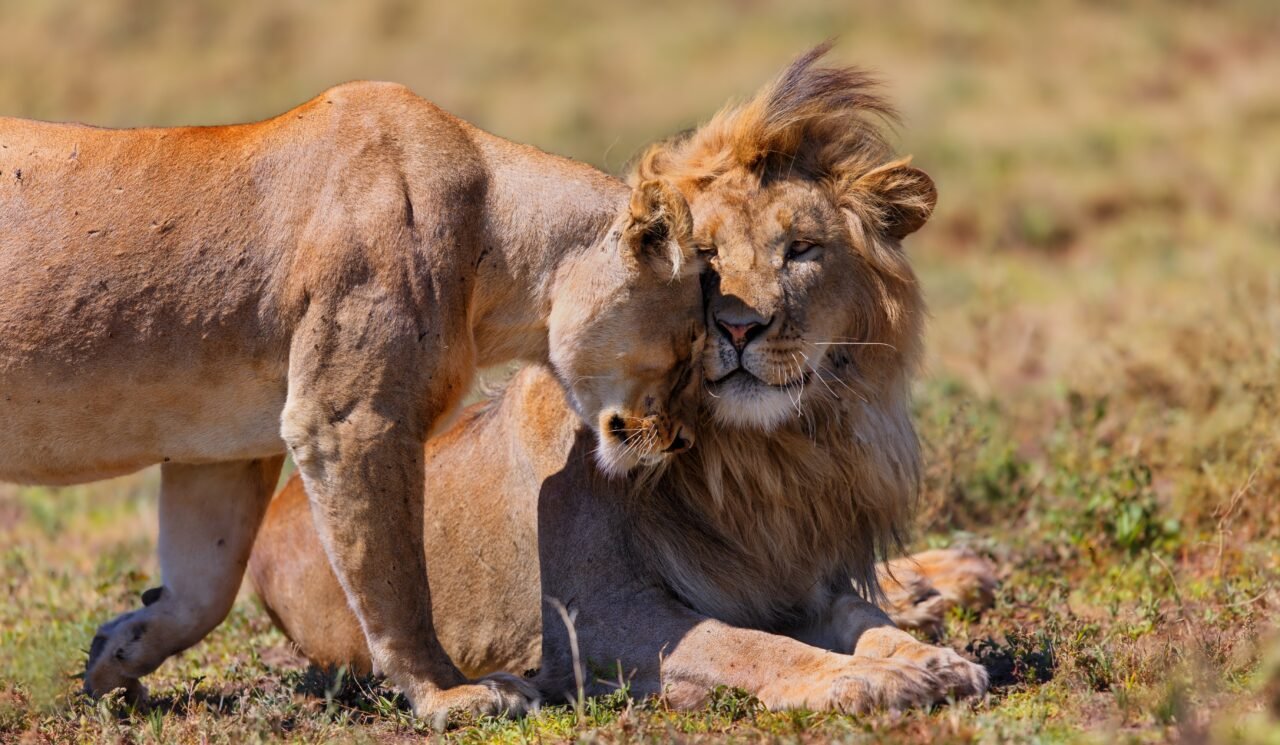
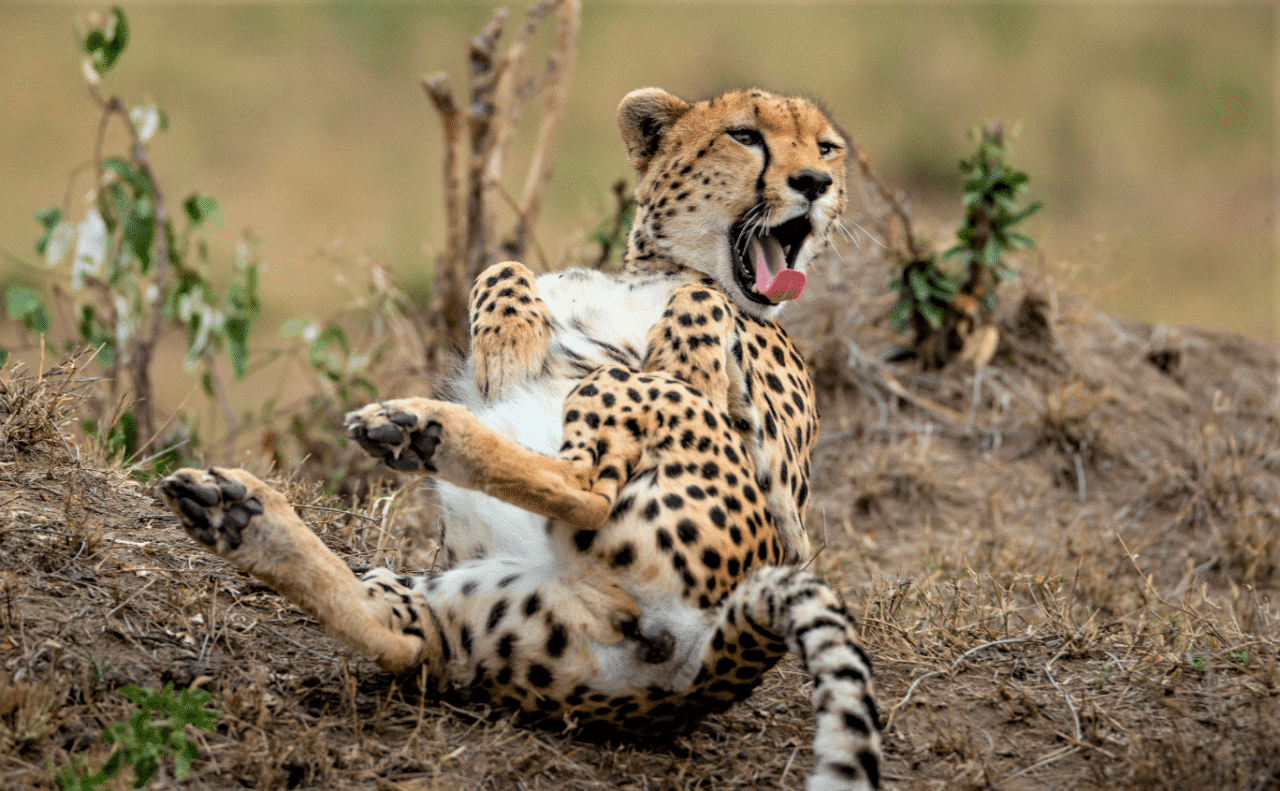
The second day features a full-day safari, departing at sunrise and returning at dusk. The route explores the Seronera Valley and the western corridor, where lion prides, cheetahs, and hyenas are frequently observed. You’ll stop for a bush lunch and have opportunities to track animals on foot with a local guide. The landscape shifts from open grassland to kopjes—rocky outcrops that serve as lion vantage points. This day maximises wildlife exposure while respecting the natural rhythms of animal movement.
Day 9: Morning Game Drive and Transfer to Ngorongoro Crater
The final safari day starts with an early morning game drive in the Serengeti, focusing on the eastern boundary near the Ngorongoro Conservation Area. After lunch, you’ll transfer to the Ngorongoro Crater, descending 600 meters into the caldera—a natural wildlife sanctuary. You’ll arrive at your camp
Options for Connecting Kilimanjaro Summit Logistics to Serengeti Safari Details
With the climber’s clock running on Day 6–7 of the Kilimanjaro ascent, and the Serengeti safari sequence beginning on Day 7, it’s essential to clarify the practical handoff points and the contingencies that keep the itinerary realistic and reliable. This section adds concrete, traveler-facing details that bridge mountain logistics with safari planning, without duplicating previously covered day-by-day routes.
Transfer timing is a common source of question for guests who want to align post-summit rest with the long, warm days on the Serengeti plains. A typical arrangement involves an early morning descent from Barafu Camp to Mweka Camp, followed by a quick rest and a late-morning or early-afternoon transfer to a regional airstrip or drive transfer point. In many itineraries, guests depart Kilimanjaro’s north side region in the late afternoon or the following morning to optimize flight or road schedules to the Serengeti. Climb 4 Africa coordinators work with you to lock in a transfer window that minimizes long waits, keeps acclimatization intact, and avoids fatigue that could dampen the safari experience.
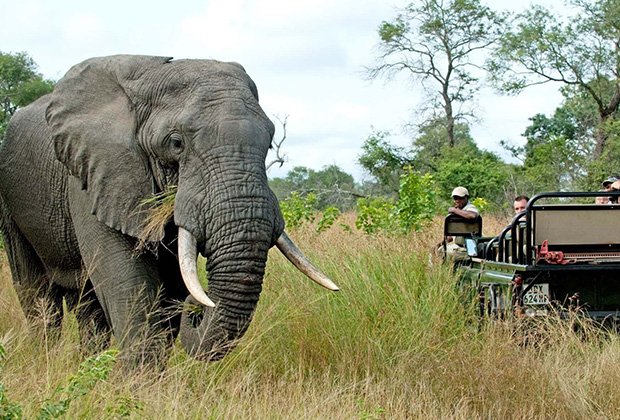
Ground logistics matter on the Serengeti side as well. Safari days are driven by light, weather, and animal movement, rather than fixed clocks. It’s common for guides to adjust start times to coincide with animal activity peaks—dawn patrols and late-afternoon crossings—while ensuring you’re back at camp in time for meals and rest. Vehicles used on the Serengeti have elevated seating for visibility and are prepared for variable road conditions, with a dedicated driver-guide who communicates wildlife opportunities and safety guidelines throughout the day.
Acclimatization and recovery between the two landscapes deserve planning nuance. After the mountain descent, guests often benefit from a light rest period, a nutritious meal, and hydration optimization before the safari begins. Some operators offer a brief acclimatization-friendly activity in Moshi or a nearby airstrip lounge that can help reset the body’s rhythm without extending travel time. Your guide will confirm a realistic buffer, balancing the need to maximize game-viewing time with the body’s recovery needs after the summit push.
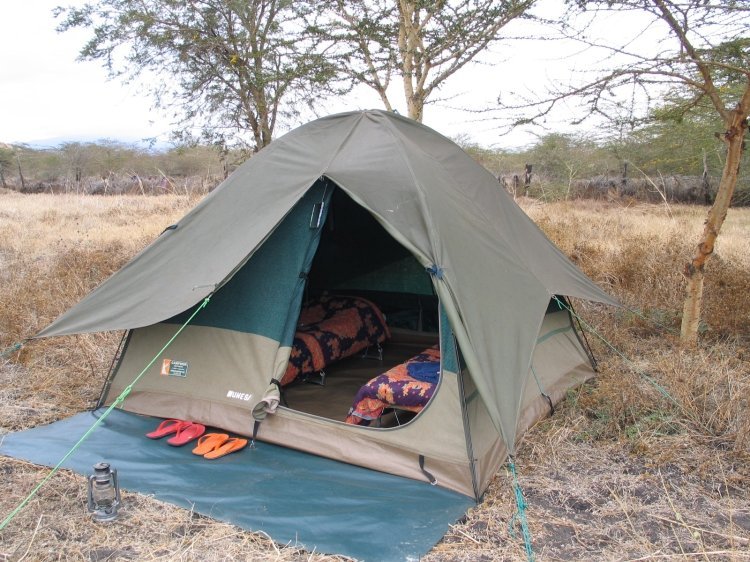
Accommodation transitions reflect the dual-nature journey. In the Kilimanjaro portion, the base camp environment tends toward intimate lodges or camping setups designed for early wake-ups and gear preparation. For the Serengeti segment, camps and lodges vary widely—from permanent canvas-tented camps perched on elevated savanna views to more rustic seasonal camps that move with migration patterns. The shift in lodging style is typically coordinated by your expedition team and aims to minimize packing fatigue while offering reliable access to early-morning game drives and comfortable rest after long days. If you’re curious about the typical bed arrangements, most Serengeti accommodations provide en-suite facilities, with private rooms or twin-share configurations depending on your group size and preference.
Nutrition plays a surprisingly pivotal role in the transition. Mountain meals emphasize high-calorie, easily digestible dishes to support energy expenditure at altitude, while safari dining focuses on fresh, varied menus that sustain stamina for long days in the bush and opportunities to sample regional flavors during bush lunches or camp dinners. Hydration strategies are reinforced at both stages, with guidelines about water intake, electrolyte balance, and the safe use of bottled water supplied by the guides.
Safety and risk management are integrated across both experiences. Kilimanjaro’s ascent includes altitude acclimatisation checks, buddy systems, and contingency plans for weather changes. On safari days, safety briefings cover wildlife distances, vehicle etiquette, and what to do if a vehicle becomes stuck or if a sighting requires closer observation. In each segment, your guide team carries first-aid resources, satellite communication options, and evacuation plans that can be activated if a medical situation arises. This continuity—proper briefing, clear escalation paths, and reliable transport—helps maintain confidence across the two very different environments.
For travelers weighing the value of an extended schedule, there are practical variants worth considering. Some guests opt to shorten the Kilimanjaro descent by adjusting Barafu Camp routines or by choosing an alternate route that preserves acclimatisation benefits. Conversely, a longer Serengeti stay can be arranged for additional game drives or visits to adjacent reserves such as Ngorongoro Conservation Area, depending on flight connections and personal energy levels. When you request these adjustments, your operator will re-sequence days to keep the overall journey coherent, ensuring no single segment compromises the other in terms of timing or safety.
Finally, documentation and permits are managed with care. Kilimanjaro climbers require park entry permits, RIAA (if applicable), and team-rider insurance coordination, while safari passengers need park fees and conservation contributions for Serengeti and Ngorongoro. Your guides handle the administrative tasks on the ground, so you can focus on the experience—whether that’s negotiating a rugged slope, sharing a sunrise over the plains, or simply listening to the distant growl of a lion in the Seronera region. The shared goal across both segments is a smooth narrative of ascent and exploration, with logistical details that respect pace, safety, and the joy of discovery.
Gaps and practical refinements for the summit-to-safari transition
Building on the established day-by-day framework, this new passage zeroes in on a concrete, bookable continuation that clarifies a few logistics and decision points readers commonly raise when stitching Kilimanjaro ascent with a Serengeti safari. It does not reiterate the core day labels or repeat route descriptions already covered, but rather fills a targeted gap: how to optimize the handoff between the high-altitude descent and the Serengeti transfer with realistic options, timing considerations, and what travelers should confirm with operators before booking.
1) Timing the summit descent against onward travel blocks: The sequence typically places Day 7 as the transfer to Serengeti after descending to Mweka Camp on Day 6. In practice, most operators schedule a half-day buffer in Moshi or Arusha to accommodate international flight connections and domestic light aircraft transfers. A practical booking approach is to secure a window of 24–36 hours between finishing Kilimanjaro descent and the Serengeti departure, but not so long that fatigue from the climb curtails safari energy. Confirm with the operator whether a same-day or next-day transfer is available, and whether a post-summit medical check, a hot shower, and a dry kit rivered into a single, single-point handoff are included. If the flight out of Kilimanjaro International Airport (JRO) or a connecting flight to Serengeti airstrips requires an overnight stay in Arusha, verify whether the operator arranges a city hotel or a lodge near a transfer point to minimize backtracking.
2) Handover logistics and formality: The continuity of your experience hinges on clear, documented handover rituals. Ask the operator for a written transfer plan that lists: (a) the exact pick-up time from the Kilimanjaro base camp or Mweka Camp, (b) the vehicle or aircraft details, (c) the Serengeti lodge or campsite check-in time, and (d) emergency contact protocols for both segments. If you require a domestic flight between Kilimanjaro and the Serengeti, check luggage allowances on the charter or scheduled shuttle, and confirm whether high-value items (cameras, laptops) can be stored securely during short legs of the journey. Operators that provide a consolidated pass-through service (guides coordinating both segments) reduce risk of miscommunication and missed connections.
3) Safari sequencing: Serengeti focus and flexibility: The article’s current framing presumes a 3-day Serengeti Big Five safari. For readers who want to tailor the experience, it’s common to extend to 4 days or to adjust the emphasis between Seronera (central Serengeti) and the western corridor (Grumeti) or southern Kusini to diversify wildlife opportunities. If you’re locked into a 3-day window, discuss with your operator the best times for creature concentrations (often early morning and late afternoon) and whether a night game drive, where available, can be added in a way that does not erode daytime safari hours or create fatigue after the mountain phase. Confirm the vehicle type (land cruiser vs. minibus), the maximum passenger count, and the rotation of guides for consistency in safety briefings and wildlife interpretation.
4) Acclimatization-to-safari energy management: The cognitive and physical reset from descent to safari can influence daily stamina. Expect two key shifts: (a) altitude-related fatigue that gradually normalizes after the Barafu Night and descent; (b) the warm, often dusty savannah environment that requires different hydration and skin protection routines. Pack a lightweight kit for the transition: a breathable, long-sleeve layer for early-morning safari drives, a compact refillable water bottle, sunscreen with high SPF, a brimmed hat, and a small snack supply for in-vehicle breaks. Operators frequently provide a bush picnic lunch; if you have dietary restrictions, flag them early to ensure that the safari meals align with your needs while maintaining energy levels.
5) Accommodations and daily rhythm in the Serengeti: Your Serengeti experience hinges on the type of lodge or camp chosen. The three-day block commonly includes one night in a central Serengeti lodge (access to a gym, spa, or pool, depending on the property) and two nights in a mobile-style or semi-permanent camp closer to wildlife-rich areas. When booking, specify the preferred level of comfort, the proximity of the camp to water sources or migration corridors (if applicable to the season), and the availability of private en-suite bathrooms. Many guests value a morning drive back at midday to rest before late-afternoon game drives; verify whether the itinerary supports a legitimate midday break and if the camp can accommodate a siesta option without compromising wildlife viewing windows.
6) Safety, medical, and insurance specifics across both segments: Cross-segment safety planning is essential. Kilimanjaro climbers often have altitude-related health monitoring as a priority; safari days emphasize vehicle safety and wildlife distances. Ensure your policy covers both high-altitude trekking and wildlife-related risks, including evacuation when necessary. Verify the operator’s first-aid kit contents, satellite phone availability, and the proximity to medical facilities during the Serengeti stay. If you have any pre-existing medical conditions, obtain a physician’s clearance for the combined itinerary and provide this documentation to the operator in advance.
7) Documentation and permits cross-check: The Kilimanjaro ascent requires park entry permits and guide insurance coordination, while Serengeti and Ngorongoro visits require park fees and conservation contributions. Request a consolidated, pre-trip checklist that enumerates who holds which permits, their validity periods, and whether your travel documents will be scanned and stored digitally for quick reference. Ambiguity about permit types and trip numbers can cause delays at gates; having a single point of contact within the operator’s logistics team reduces this risk.
8) Practical word on the “no promises” wildlife sighting language: The article rightfully notes that wildlife sightings cannot be guaranteed. For travelers who want an objective sense of value, ask operators to outline what constitutes a successful day in the Serengeti beyond “sightings.” This might include a focus on particular habitats you’ll visit, behaviors to observe (predation events, migration indicators, or predator-prey interactions), or opportunities for longer sightings with minimum drive times to reduce fatigue. While you cannot promise a specific animal every day, you can set expectations around the likelihood of seeing indicative ecosystems and the expertise of your guide in maximizing time spent in productive wildlife areas.
This targeted addition aims to provide a precise, booking-focused answer to the most practical gaps readers face when connecting a six-day Kilimanjaro ascent with a three-day Big Five Serengeti safari. It encourages readers to negotiate and document handoffs, balance pace and rest, and choose a Serengeti itinerary that aligns with their energy after the mountain portion while preserving the core promise of a smooth, safe, and memorable combined journey.
Related Guides and Packages
Check Availability for 6 Days Kilimanjaro Climb And 3 Big Five Safari
Ready to compare dates, prices, and the best option for your group? Send the package name and travel month so the team can reply with a clear quote, availability, and what is included.
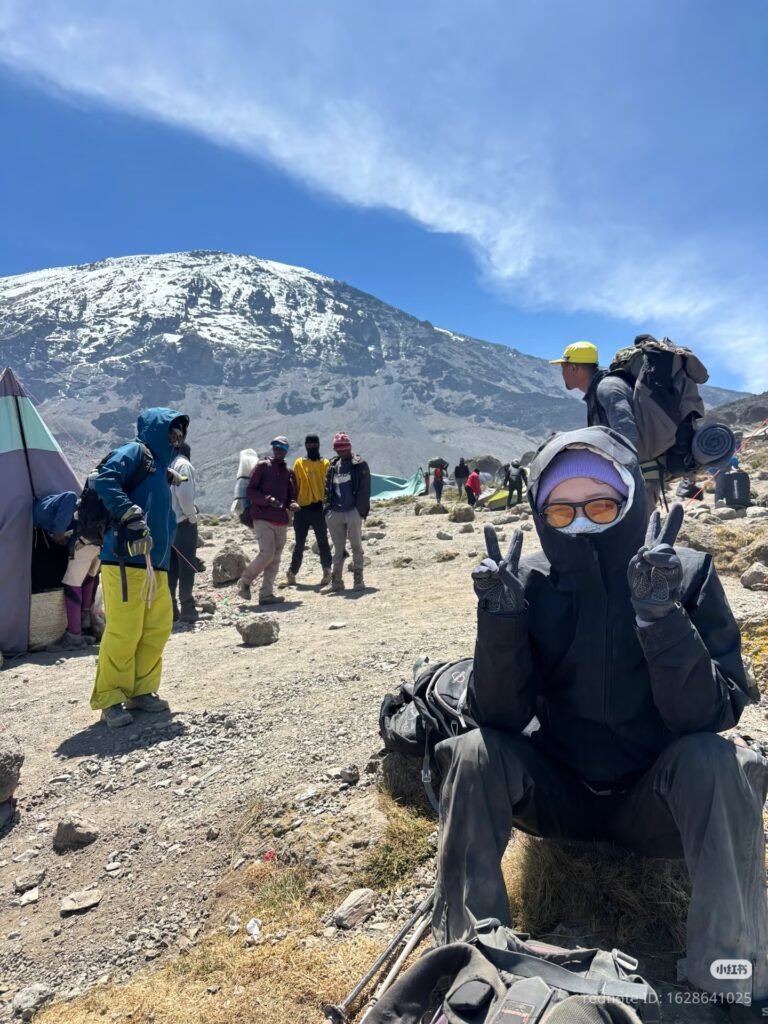
6 Days Marangu Kilimanjaro Climb And 3 Tarangire Safari: A Practical
A focused, bookable 6-day Marangu Kilimanjaro climb followed by a 3-day Tarangire safari. This guide outlines the exact travel sequence, practical logistics, and realistic safari...
View package details
6 Days Machame Kilimanjaro Climb And 2 Tarangire Ngorongoro Safari
6 Days Machame Kilimanjaro Climb and 2 Days Tarangire Ngorongoro Safari.
View package details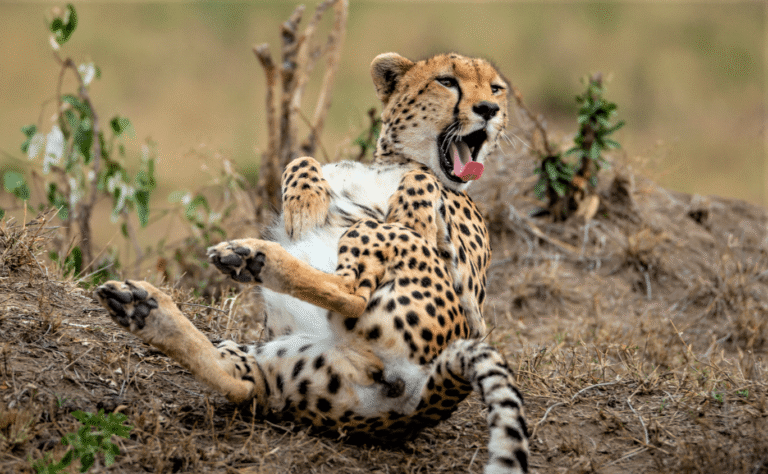
14 Days Kilimanjaro Climb And Tanzania Big Five Safari
14 Days Kilimanjaro Climb and Tanzania Big Five Safari.
View package details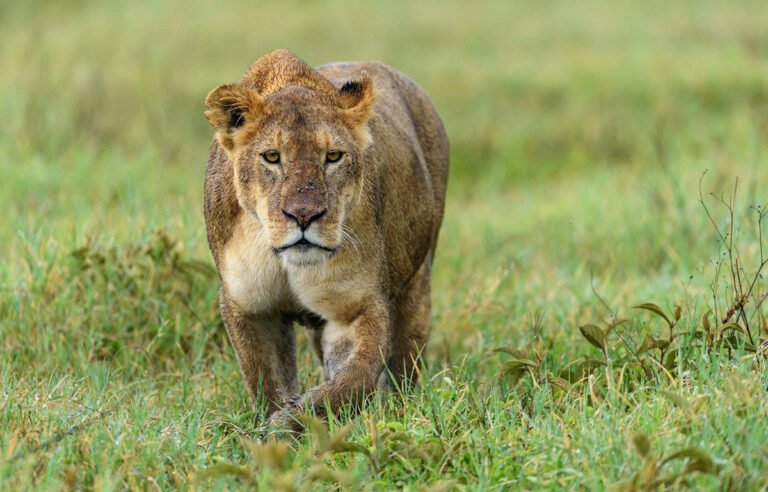
Combine The Challenge Of Kilimanjaro With Wild Beauty Of Tanzania’s Serengeti
This integrated 6-day Machame climb and 3-day safari combines the physical challenge of summiting Africa’s highest peak with in-depth wildlife encounters in the Serengeti and Ngorongoro...
View package details6 Days Kilimanjaro Trek And 2 Tanzania Safari: A Practical, Bookable Route
A practical, bookable 6-day Kilimanjaro trek paired with a 2-day Tanzania safari. Detailed day-by-day route, acclimatization steps, drive routing, and realistic safari opportunities.
View package details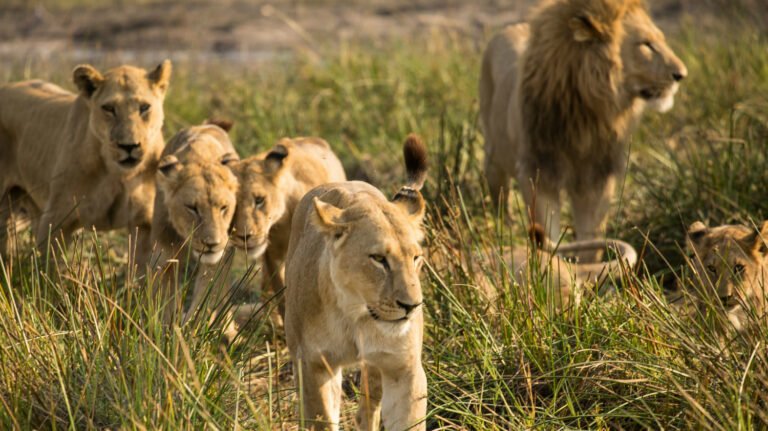
7 Days Kilimanjaro Climb And 4 Wildlife Safari
7 Days Kilimanjaro Climb and 4 Days Wildlife Safari.
View package details10 Days Kilimanjaro Climb And Tanzania Safari Package
10 Days Kilimanjaro Climb and Tanzania Safari Package.
View package details8 Days Kilimanjaro Group Climb And 4 Camping Safari
A practical, bookable 8-day plan combining Kilimanjaro Group Climb with a 4-day camping safari. Day-by-day route, acclimatisation logic, and realistic safari logistics without guaranteeing...
View package details
7 Days Machame Kilimanjaro Climb And 5 Tanzania Safari
7 Days Machame Kilimanjaro Climb and 5 Days Tanzania Safari.
View package details8 Days Kilimanjaro Climb And 4 Serengeti Safari
8 Days Kilimanjaro Climb and 4 Days Serengeti Safari.
View package detailsKilimanjaro Climb And Serengeti Safari: Flight & Transfer Planning
Kilimanjaro Climb and Serengeti Safari: Flight & Transfer Planning.
View package details
7 Days Kilimanjaro Group Joining Trek And 3 Safari
7 Days Kilimanjaro Group Joining Trek and 3 Days Group Safari.
View package detailsNo related package matches those filters. Clear one or more filters to see the other topic-matched options.



