
This plan pairs a 6-day Marangu Kilimanjaro ascent with a 3-day Tarangire safari. You climb via Marangu Hut Route with measured days for altitude acclimatization, followed by a guided Tarangire circuit focused on realistic wildlife viewing opportunities and practical driving routes. Exact departures, hotel names, and prices must be verified at booking, but the sequence below follows a feasible, bookable flow with practical transitions, meals, and rest periods built in.

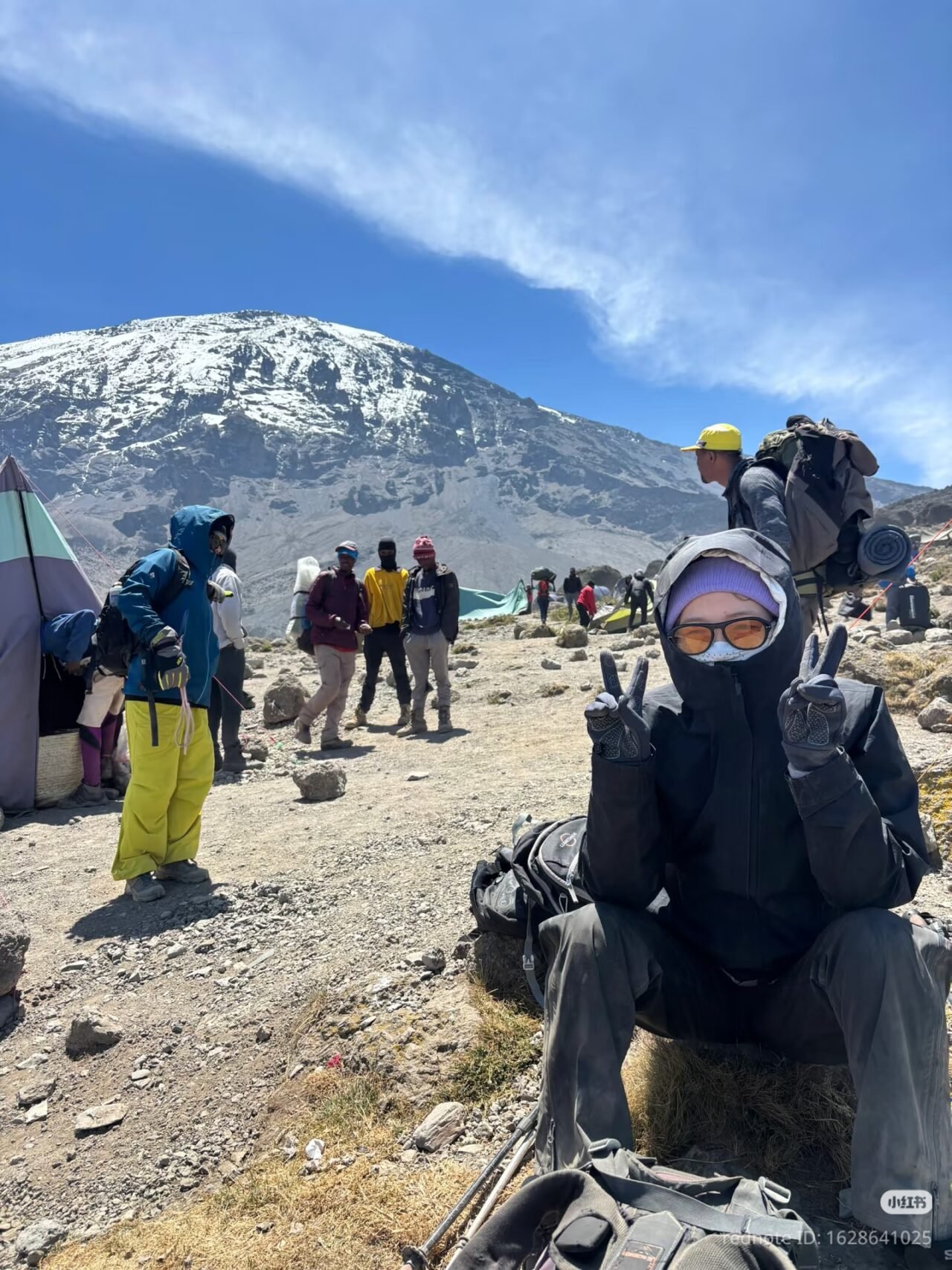
Day 1: Arrival and briefing in Moshi or Arusha. Transfer to the Marangu gate area, equipment check, and essential acclimatization movement. Overnight near Moshi or at a lodge with easy access to the Kilimanjaro gate. This evening includes a briefing on the Marangu route, hut accommodations, and the plan for the first trek day. You will meet your guide team, review safety procedures, and receive a light pre-trek briefing on altitude and pacing.
Day 2: Marangu Gate to Mandara Hut. The ascent begins along the forested lower slopes, moving through mossy grounds and shaded forests. You’ll encounter a gradual elevation gain, with a focus on steady pace and hydration. Dinner is at Mandara Hut, followed by an early night to conserve energy for the upcoming acclimatization day. The route remains within comfortable trekking hours to support acclimatization on the ridge above the forest line.
Day 3: Mandara Hut to Horombo Hut (Acclimatisation day). A short, steady morning segment helps the body adapt to altitude. You’ll move slowly through moorland and heath zones, with a planned acclimatization rest at Horombo Hut. Afternoon strolls or activities at Horombo, depending on weather, to continue gentle altitude exposure. Overnight at Horombo Hut with a focus on rehydration and rest.
Day 4: Horombo Hut to Kibo Hut (Base for summit attempt). The trek climbs toward alpine zone, with a longer day ahead. Pace control and regular hydration help manage fatigue as the scenery shifts to open moorland and alpine zones. Evening briefing for the summit attempt, with a cautionary plan for weather and sleep. Overnight near Kibo Hut or at Kibo Hut depending on the current arrangement.
Day 5: Summit attempt from Kibo Hut back to Horombo or Moshi base. An early start for the summit push, with a planned turnaround if conditions are tough. Descend to Horombo or a nearby base camp for rest and recovery. The day ends with a celebratory debriefing and a transfer to a lodge for a restful night after the climb. This day is the most variable in duration depending on weather and pace, and safety remains the priority.
Day 6: Transfer to Tarangire area. After a morning breakfast at the lodge, you descend from the Kilimanjaro region toward Tarangire National Park. Depending on the route, you may break the journey for a lunch stop and a brief game-viewing drive en route to a Tarangire lodge. Evening at leisure, with a briefing for the Tarangire safari days ahead. Overnight at a comfortable lodge near Tarangire National Park.
Day 7: Tarangire National Park full-day safari. A full-day safari circuit focuses on practical, realistic wildlife viewing opportunities. Your guide uses knowledge of animal behavior and park dynamics to maximize chances within safe, responsible driving, with lunch served at a designated picnic area. Return to your lodge in the late afternoon for dinner and rest.
Day 8: Tarangire to departure or extension. Depending on flight times, you may have a short morning activity or a relaxed breakfast before the transfer to Kilimanjaro International Airport (JRO) or to another destination. If your plans extend, optional add-ons include a Ngorongoro crater visit or Serengeti extension, with a tailored schedule to fit travel needs.
Key planning notes: This sequence prioritizes acclimatisation on the Kilimanjaro climb and practical safari logistics on Tarangire. Exact lodge names, costs, and departure dates are confirmed during booking. The pace and overnight sites may vary by group size, weather, and guide recommendations. This plan does not promise wildlife sightings, but it does maximize the chances through informed route choices and expert guidance.
Further clarification on day-by-day logistics and practical transitions
To complement the six-day Kilimanjaro ascent and three-day Tarangire safari, this section adds precise, bookable logistics and transition details that are often queried by travelers during the planning phase. The aim is not to redefine the core itinerary, but to fill gaps readers frequently encounter when aligning travel dates, transfers, and day structures with real-world operations, while preserving the constraint that exact hotel names, prices, and verified departures are confirmed at booking.
Practical sequencing across the ascent and the safari hinges on controlled acclimatization windows, vehicle logistics for Tarangire, and the handoffs between the mountain guide team and the safari guide. The plan remains deliberately conservative on daily pacing, emphasizing hydration, rest periods, and the legal and safety requirements of both environments. Where the original outline provides ranges or general transitions, this continuation translates those into concrete, reader-facing touchpoints that help a traveler anticipate what to expect without asserting fixed operators or schedules.
Vehicle and crew handoffs: On the Kilimanjaro side, you typically depart from a lodge or hotel near Moshi or the Kilimanjaro Gate area, with a briefing that includes hiking partner assignments, porter support, and your first day’s pace expectations. For Tarangire, the switch to a dedicated safari vehicle occurs at a lodge or designated meeting point after breakfast on the final Kilimanjaro day or early the following morning, depending on group flow and travel times. Safari vehicles will be licensed, with a maximum occupancy that aligns with park regulations and vehicle safety standards. Guides coordinate radio communication for park entrance procedures and daily movement within Tarangire to maximize time with open wildlife corridors while respecting driving restrictions and park rules.
Acclimatization emphasis on Day 2–Day 4 remains a core pillar, but the continuation details the reasons behind specific rest stops. Mandara Hut and Horombo Hut are chosen to balance altitude exposure with shelter availability and food service timing. If weather or group pace shifts, the guide may adjust the sequence by keeping a longer rest at Horombo or by advancing a light acclimatization stroll in the late afternoon to maintain gentle altitude exposure without overexertion. The goal is to keep the body within a safe acclimatization rhythm while still delivering steady progress toward Kibo Hut when conditions permit.
Tarangire logistics: Tarangire National Park thrives on riverine habitats and seasonal wildlife movement that responds to rains and dryer periods. The day-by-day safari plan prioritizes realistic viewing opportunities, not guaranteed sightings. Practical considerations include driver knowledge of animal behavior, preferred sun positions for photography, and routes that minimize vehicle churn while maximizing the chance to observe elephants, antelope, and raptors over the course of a full-day circuit. Picnic lunch arrangements follow park rules, with designated shaded or open areas that reduce the risk of heat exposure, and rest stops coordinated with guide commentary on animal activity patterns observed in the park that week. If the group size warrants, a mid-morning snack break can be scheduled at a scenic overlook to stretch legs and rehydrate, followed by a return to the vehicle for continued game-viewing until late afternoon when the lodge returns provide dinner and rest.
Weather contingencies: The plan does not rely on perfect conditions. If cloud cover reduces visibility during the Kilimanjaro ascent, guides adjust pace to maintain acclimatization targets and to keep spirits high with informative briefings, rather than pushing through fatigue. In Tarangire, rain or poor road conditions can alter the order of visits to certain zones; guides adapt by selecting alternative watercourses or drainages that still offer wildlife viewing without compromising safety or vehicle integrity. Each day includes a contingency margin for delays, ensuring the safari hours do not spill into excessively late evenings, which can be stressful for rest and travel arrangements.
Meals and hydration specifics: Kilimanjaro huts in the Marangu route provide a fixed meal schedule that aligns with trekking altitude and rest cycles. The standard practice is to have a hot meal at the end of each trekking day, followed by a solid rest period and careful hydration monitoring. On the Tarangire side, meals are typically served at the lodge with consideration for the day’s drive times, ensuring sufficient energy for the following game-viewing activities. Snacks, electrolyte drinks, and water are accessible throughout the day during both the ascent and the safari, with the guide keeping a tally to ensure you meet daily hydration targets without overloading the body with liquids during high-altitude ascent or long driving days.
Health and safety reminders tailored to this combined itinerary: Maintain core temperature with appropriate layering for the mountain environment and sun protection for the Tarangire plains. Report any signs of altitude discomfort during Day 2–Day 4 promptly to your guide team; early rest or adjustment to pace can prevent more serious symptoms. In Tarangire, alert your guide to any signs of fatigue, dehydration, or heat exposure. Pack considerations include a compact daypack for the mountain days and a light daypack for safari days, with a few essential items duplicated across both environments (water bottle, sunhat, sunscreen, sunglasses, light rain shell, and a basic first-aid kit).
The continuity between the two experiences is achieved through the careful designation of transition moments, allowing guests to shift from high-altitude trekking to savanna driving with minimal disruption. Acknowledging that exact lodge names, dates, and prices are to be confirmed during booking, the practical flow offered here remains a robust guide to how the six Kilimanjaro days dovetail with the three Tarangire safari days, and how each day’s activities are structured to meet safety, pacing, and enjoyment objectives without overpromising wildlife outcomes.
Transition Logistics: From Marangu Hut to Tarangire National Park – Practical Handover and Transport Flow
After completing the summit attempt from Kibo Hut on Day 6, climbers descend to Horombo Hut for a final overnight stay. The official descent route follows the same path down to Marangu Gate, covering approximately 7–8 hours of walking, depending on individual pace and weather conditions. Guides typically schedule a midday rest at Mandara Hut before continuing the final descent, ensuring climbers remain hydrated and protected from sun exposure. Upon arrival at Marangu Gate (around 2–4 PM), the trekking team completes gear checks, signs out, and returns rented equipment such as sleeping bags and trekking poles. The transfer vehicle—usually a 4×4 safari van or minibus—waits at the gate, having been pre-arranged by the tour operator. This vehicle is used exclusively for the post-climb transfer and is not shared with other groups, ensuring a smooth transition.
From Marangu Gate, the transfer proceeds directly to Arusha or Moshi, depending on the confirmed lodge or hotel booking. The drive takes approximately 1.5 to 2 hours, covering about 60–75 kilometers via the A104 highway. During this time, climbers are encouraged to rest and rehydrate, as physical fatigue from the summit climb can persist into the post-descent hours. Most operators provide light snacks and water during the drive, and some include a brief stop at a roadside rest area if needed. Upon arrival at the designated hotel or lodge in Arusha or Moshi (typically a mid-range or boutique property with safari-style amenities), guests are greeted by a local representative who handles check-in, confirms the next day’s safari departure time, and provides a brief orientation on the Tarangire itinerary.
Overnight stays in Arusha or Moshi are structured to allow for full recovery after the climb. The hotel includes a light dinner or meal pack for climbers who may not be ready for a full sit-down meal. On Day 7, the safari portion begins with a departure between 6:30 AM and 7:30 AM. The transfer vehicle is loaded with luggage and safari gear, and the group departs for Tarangire National Park, located approximately 130 kilometers northeast of Arusha. The drive takes around 2.5 to 3 hours, passing through the Tarangire River valley and rural villages. This route is well-maintained and suitable for standard 4×4 vehicles, with no unpaved or high-risk sections during daylight hours.
Upon arrival at the Tarangire safari lodge (location and name to be confirmed at booking), guests are met by the safari guide, who conducts a brief safety briefing, reviews the daily schedule, and checks personal gear for safari-specific items such as binoculars, camera equipment, and a field notebook. The first full day in Tarangire includes a morning game drive starting at 7:00 AM, with a mid-morning stop for breakfast at a designated picnic site. This ensures the group is on the move during the coolest part of the day, when wildlife is most active. The afternoon drive begins at 2:30 PM and ends by 5:30 PM, allowing ample time for rest, dinner, and preparation for the next day. All lodge accommodations are booked in advance and are designed for safari comfort—offering private bathrooms, shaded verandas, and power outlets for charging devices.
Gap-focused addition: Practical sequencing beyond the core six-day climb
Readers who have already absorbed the standard six-day Marangu Kilimanjaro ascent and the subsequent Tarangire safari often wonder about the finer-grained operational details that truly affect day-to-day experience. This section provides a tightly scoped, bookable-sequence expansion that does not repeat established route descriptions but adds concrete transitions, timingLogic, and on-the-ground contingencies that affect a traveler’s confidence in booking and executing the plan.
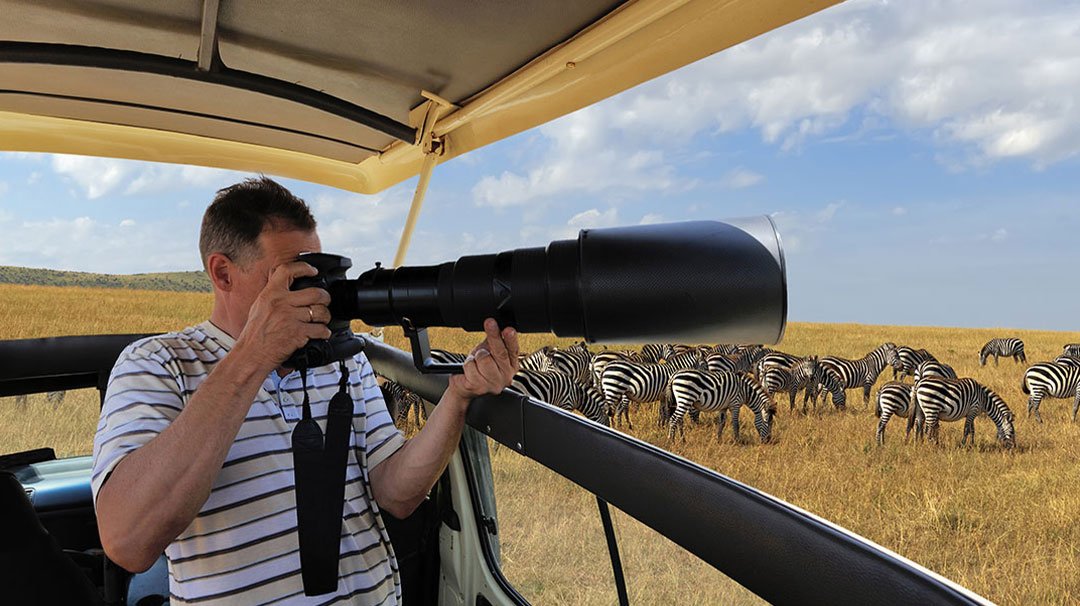
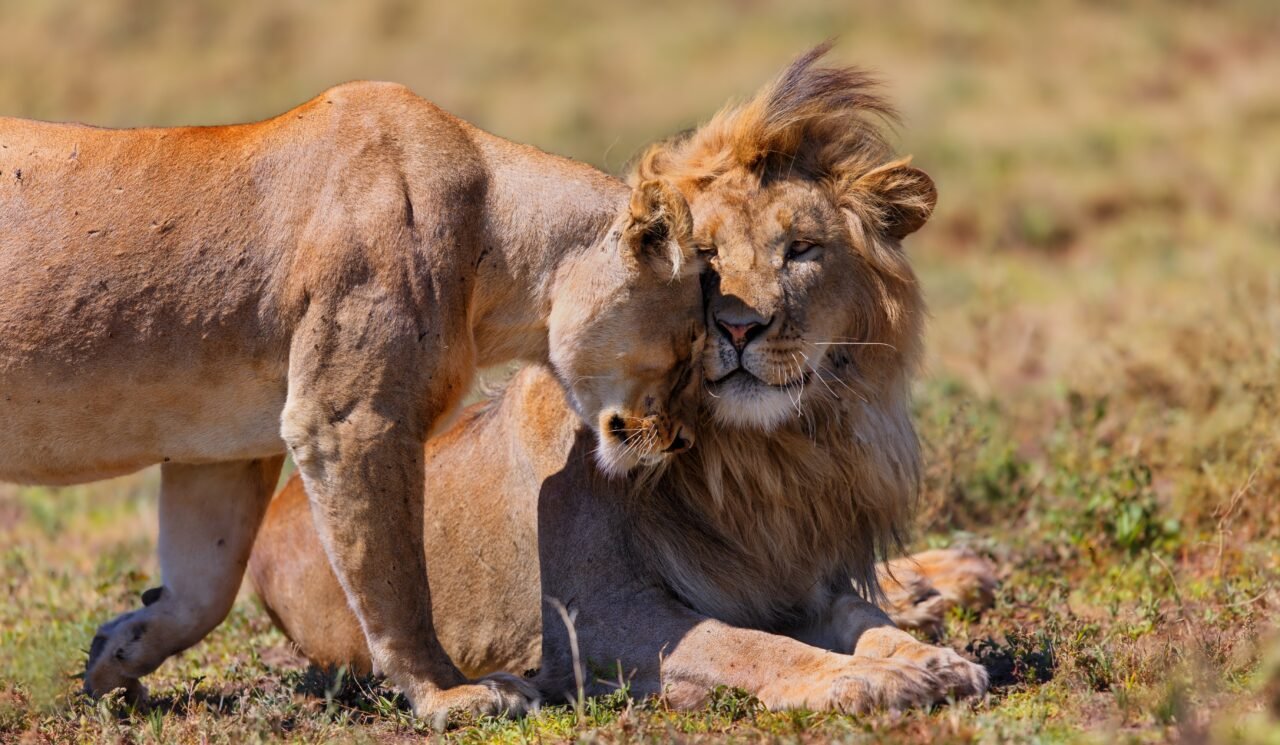
1) Day-to-day pacing logic after the acclimatization day. The plan prescribes a deliberate rhythm: long, steady morning treks with shorter afternoon breaks, ensuring climbers remain within safe altitude exposure bands. In practice, this translates to a typical wake-up window of 6:30–7:00 AM, hot drinks at 6:15 AM, and a departure no later than 8:00 AM on most ascent days. This cadence reduces fatigue accumulation across ridge sections and aligns with commonly observed wildlife and bird activity near the lower moorlands. Hydration targets are explicit: 2.5–3 liters per participant per trekking day, measured by individual water bottles or canteens. Operators often provide a mid-morning snack break around 10:30–11:00 AM and a light lunch at a sheltered site within the alpine zone whenever weather allows, followed by a steady descent into the afternoon as daylight wanes.
2) Transition flow from Marangu Hut zone to Horombo/Hut zones with minimal backtracking. The practical handover between climber groups and porters occurs at designated trail junctions with visible markers or a guide’s flag color. For instance, after Mandara Hut, staff-assisted baggage conveyance continues along the established track to Horombo Hut, where climbers rotate onto the acclimatization loop if weather permits. Real-world practice favors consolidated baggage transfers at rendezvous points rather than strict point-to-point handoffs; this reduces the risk of misplaced gear and streamlines the next day’s climb readiness.
3) Tarangire safari logistics anchored to the lodge and vehicle availability. The safari segment relies on a fixed start window (usually 6:30–7:30 AM) and a predictable daily closure around 5:30 PM. However, the transition from Arusha/Moshi to Tarangire is a critical hinge: a recommended practice is to carry a compact “camp kit” in the safari vehicle—personal essentials (a compact rain shell, a light fleece, a map or field notebook), a small daypack with camera gear, and a water bottle. Lodges typically arrange one or two optional activities in the margins (sunset drives, village visits) that can be slotted between the main rounds, subject to group energy levels and park rules. Confirming these optional activities in advance with the guide reduces last-minute coordination on the ground and protects the core day structure for game drives and meals.
4) Acclimatization strategies that translate into concrete choices. Beyond the official outline, travelers benefit from a transparent acclimatization plan: if headaches or dizziness arise, the recommended responses include pausing for longer rest breaks, increasing hydration, and delaying the next push by a measured 24 hours to re-stabilize. In practice, this means that a guide may authorize a half-day rest at Horombo Hut with optional short forest strolls rather than pushing a failed acclimatization day. Having a documented acclimatization safety margin in the booking notes helps the crew manage expectations and prevents pressure to “push through” in suboptimal conditions.
5) Communications and contingency signaling between ascent and safari legs. On the Kilimanjaro portion, personnel use a simple, multilingual briefing card system and a whistle-based signal for emergency pauses. In the Tarangire phase, guides maintain radio contact with the lodge or camp for real-time updates on road conditions or park access. A practical booking detail is to confirm that the itinerary includes a direct, pre-arranged handover briefing at the Arusha/Moshi hotel before departure to Tarangire, so the safari guide is fully aware of any climber fatigue or altitude-related precautions already in effect. This reduces the chance of mismatch between participant readiness and the planned morning drives.
6) Food provisioning adapted to elevation and travel transitions. Kilimanjaro meals emphasize high-energy, easily digestible options at altitude (stews, porridge, fruit, and carbohydrates with protein). In the Tarangire phase, meal plans shift to lodge buffets and picnic-friendly lunches that accommodate the safari day rhythm. A practical approach is to request a starter snack sack for climbers returning from the summit early the same afternoon, ensuring they have timely nourishment without interrupting the lodge’s dinner rhythms. If a climber requires dietary accommodation (vegetarian, vegan, or specific allergies), coordinate this at least two weeks before departure, reinforced by a written lodging note to the chef during the transition period.
7) Gear management across the two activities. The plan benefits from a clearly defined gear segregation: a summit kit (hats, gloves, headlamps, thermal layers) lives with the climber, while a separate safari kit (binoculars, camera, field notebook, sunscreen) remains in the vehicle or lodge store. A practical check: before leaving Arusha for Tarangire, verify that all electronics are charged, spare batteries are distributed among the group, and a basic first-aid kit is accessible to the escort guide. This reduces delays caused by missing batteries or charging outlets during the safari days.
8) Realistic expectations about wildlife activity windows and driving time. The Tarangire segment’s emphasis is on maximizing productive viewing within daylight hours rather than guaranteeing specific sightings. A transparent note to bookers is that the mornings tend to be cooler and more active for large herds and predators, while late afternoons offer good lighting for photography. The practical implication is to structure drives around these windows and to reserve mid-day rest at the lodge for those unusually long drives or heat-intensive days, ensuring guests remain comfortable and engaged without compromising safety or safety-related rest needs.
9) Documentation and safety handoffs. It is common for operators to maintain a simple, pocket-sized safety card for each participant, listing emergency contacts, altitude tips, and step-by-step responses to common altitude symptoms. Travelers should ensure these pocket guides are provided and reviewed during the pre-climb briefing. For Tarangire, a laminated map of the park and a quick-reference wildlife identification sheet can be useful for non-guide-led elements of the day, particularly for families or newer travelers who benefit from visual cues during drives.
10) Booking hygiene that reduces friction at the point of travel. The most practical bookable detail is a confirmed sequence that ties together the dates of the Kilimanjaro ascent and Tarangire safari with the same operator. Pre-booked transitions help ensure vehicle availability for the handover from the mountain crew to the safari team, coordinated lodging check-ins, and aligned meal plans. Clear notes about baggage allowances, cabin versus tent accommodations, and any special transport needs (such as a shared vehicle for climbers with mobility challenges) should be captured in the booking request and reiterated in the on-site welcome briefing.
Why this matters in practice
For travelers, the most valuable improvements come in the form of concrete, implementable steps that reduce uncertainty. By focusing on pacing, handovers, contingency planning, gear segregation, and explicit transition touchpoints, the plan moves from a high-level outline to a practical, bookable sequence. The updated details complement the established six-day climb by clarifying what happens immediately after summit day, how the group transitions to Tarangire, and how to navigate common hiccups without derailing the overall itinerary.
Related Guides and Packages
Check Availability for 6 Days Marangu Kilimanjaro Climb And 3 Tarangire Safari: A Practical
Ready to compare dates, prices, and the best option for your group? Send the package name and travel month so the team can reply with a clear quote, availability, and what is included.

6 Days Machame Kilimanjaro Climb And 2 Tarangire Ngorongoro Safari
6 Days Machame Kilimanjaro Climb and 2 Days Tarangire Ngorongoro Safari.
View package details
6 Days Kilimanjaro Climb And 3 Big Five Safari 2026
6 Days Kilimanjaro Climb and 3 Days Big Five Safari.
View package details
Combine The Challenge Of Kilimanjaro With Wild Beauty Of Tanzania’s Serengeti
This integrated 6-day Machame climb and 3-day safari combines the physical challenge of summiting Africa’s highest peak with in-depth wildlife encounters in the Serengeti and Ngorongoro...
View package details
6 Days Kilimanjaro Trek And 2 Tanzania Safari: A Practical, Bookable Route
A practical, bookable 6-day Kilimanjaro trek paired with a 2-day Tanzania safari. Detailed day-by-day route, acclimatization steps, drive routing, and realistic safari opportunities.
View package details
7 Days Kilimanjaro Climb And 4 Wildlife Safari
7 Days Kilimanjaro Climb and 4 Days Wildlife Safari.
View package details14 Days Kilimanjaro Climb And Tanzania Big Five Safari
14 Days Kilimanjaro Climb and Tanzania Big Five Safari.
View package details
10 Days Kilimanjaro Climb And Tanzania Safari Package
10 Days Kilimanjaro Climb and Tanzania Safari Package.
View package details8 Days Kilimanjaro Group Climb And 4 Camping Safari
A practical, bookable 8-day plan combining Kilimanjaro Group Climb with a 4-day camping safari. Day-by-day route, acclimatisation logic, and realistic safari logistics without guaranteeing...
View package details
7 Days Machame Kilimanjaro Climb And 5 Tanzania Safari
7 Days Machame Kilimanjaro Climb and 5 Days Tanzania Safari.
View package details
8 Days Kilimanjaro Climb And 4 Serengeti Safari
8 Days Kilimanjaro Climb and 4 Days Serengeti Safari.
View package detailsKilimanjaro Climb And Serengeti Safari: Flight & Transfer Planning
Kilimanjaro Climb and Serengeti Safari: Flight & Transfer Planning.
View package details7 Days Kilimanjaro Group Joining Trek And 3 Safari
7 Days Kilimanjaro Group Joining Trek and 3 Days Group Safari.
View package detailsNo related package matches those filters. Clear one or more filters to see the other topic-matched options.



