
For Kilimanjaro Solo Traveller Group Climb on 18–25 November 2026, you join a vetted group with a fixed sequence: start at Moshi, transfer to the Machame or Lemosho route depending on availability, spend 7–8 days on the mountain with acclimatisation days built in, and return via Kilimanjaro International Airport after the finish. You’ll be guided by a dedicated local crew, use pre- and post-climb briefings, and share gear and support with fellow solo travellers. Availability and exact route depend on the operator’s confirmed group size; confirmed dates and spaces must be checked with Climb 4 Africa.
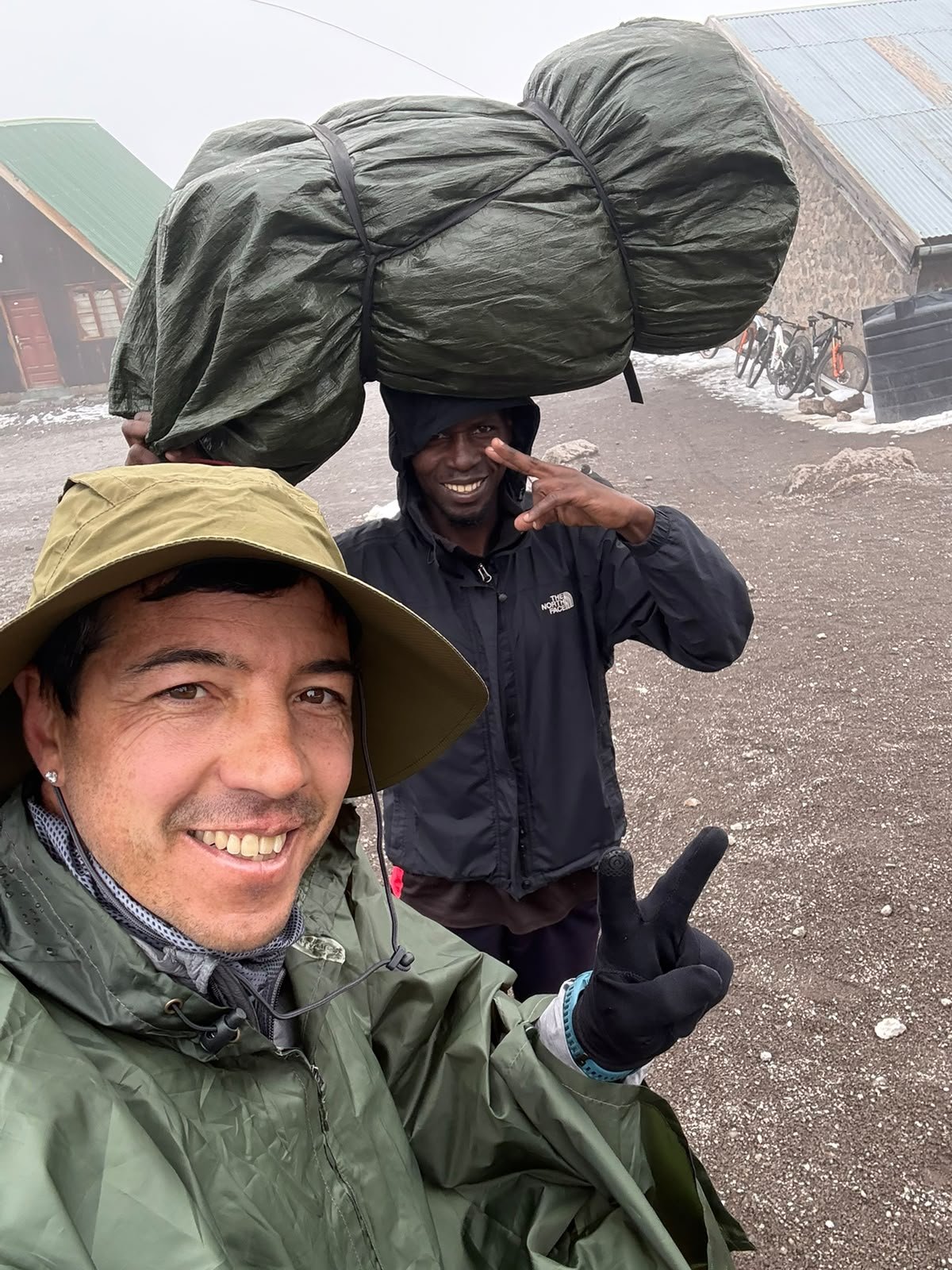
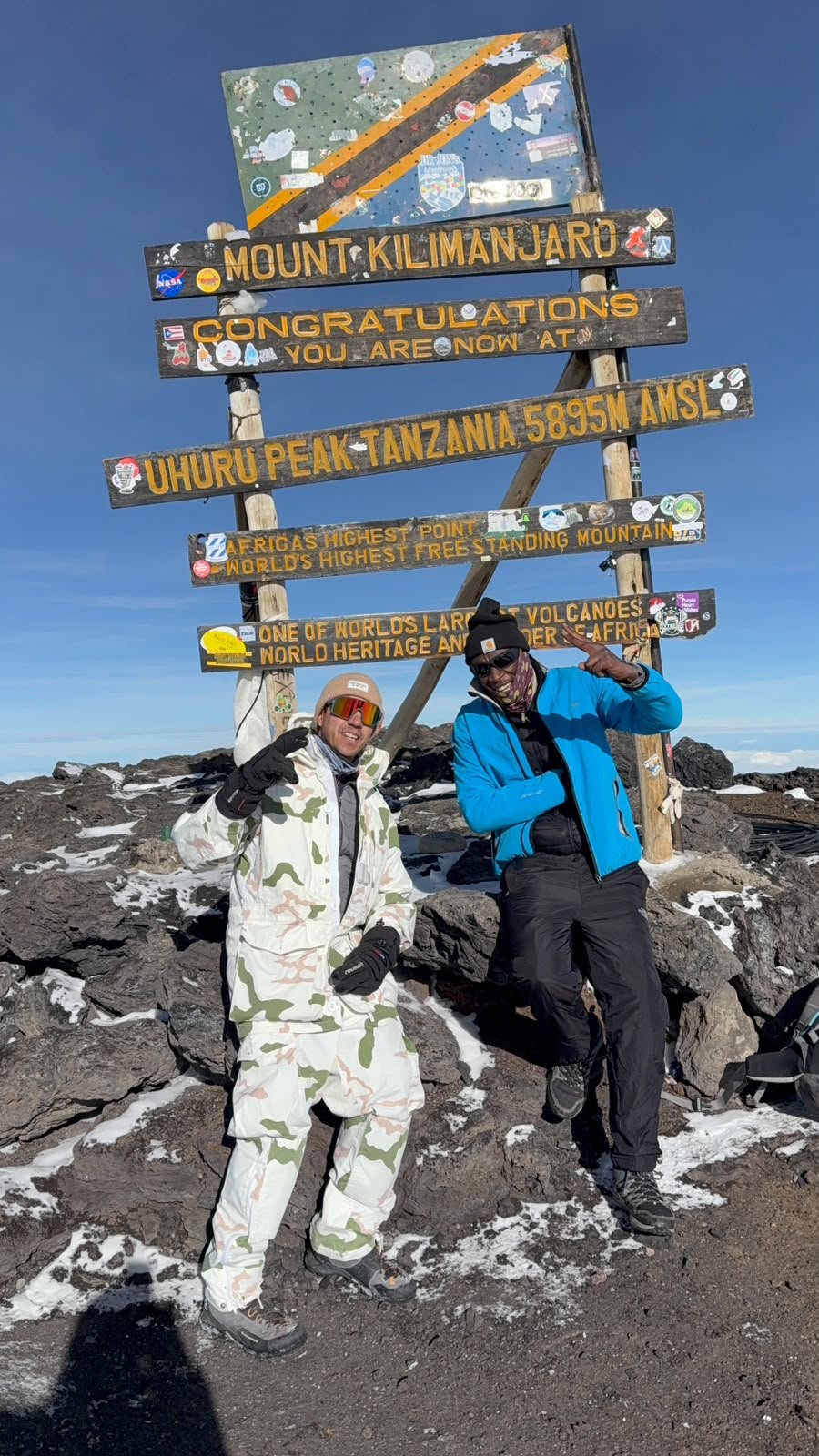
Getting started: how a solo climber joins a verified November 2026 group
Climb 4 Africa runs Kilimanjaro group departures with shared logistics tailored to solo travellers who want the camaraderie of a small group without the burden of private-charter costs. The process begins with a readiness check, a standard health questionnaire, and a discussion about hiking experience and acclimatisation needs. Because this is a bookable plan, the exact dates, routes, and group size are confirmed only after you request a slot. Start by submitting your interest to the operator and requesting the 18–25 November 2026 group details. They’ll match you with a suitable departing batch and outline the current route options (commonly 7–8 days on Lemosho or Machame depending on conditions).
Typical route options for 18–25 November 2026 group climbs
Because Kilimanjaro routes vary by season and group needs, you’ll usually see two principal paths offered to a November group: Lemosho (with a longer acclimatisation profile) and Machame (often a quicker ascent but robust acclimatisation). For solo travellers, the choice isn’t just the scenery: it affects daily mileage, camp locations, and beeline or gradual descent timing. In the planning phase, your guide will present the day-by-day sequence, including the acclimatisation days that are essential for safe ascent. Your final selection will be grounded in the current group composition and weather considerations.
Sample day-by-day outline (indicative, not guaranteed)
- Day 1: Arrival to Moshi, briefing, gear check, transfer to starting gate.
- Day 2–3: Start acclimatisation walk and short summit practice; trekking to first camps.
- Day 4–6: Core ascent days with gradually higher camps, rest periods to support acclimatisation.
- Day 7: Final summit attempt window, early wake-up, summit push, then descend to lower camps.
- Day 8–9: Descent to gate, transfer back to Moshi, debrief and departure coordination.
Note: The exact day-by-day sequence depends on the chosen route (Lemosho vs Machame), group pace, and acclimatisation findings during the trek. Your guide will confirm timings, meal plans, and safety briefings in the pre-climb briefing.
Acclimatisation logic and practical planning for a November departure
Acclimatisation is the keystone of a successful Kilimanjaro climb, especially for solo travellers joining a group. The October–November window tends to offer reliable weather windows but can bring variable cloud cover and cooler temperatures at higher elevations. The group plan includes deliberate extra nights at higher elevations or staged ascent days to improve success odds. Practical steps you’ll see in the plan include a slow ascent on the first two days, hydration and electrolyte strategy, and a contingency plan for adverse weather. You’ll also get guidance on pace management from your guide crew and a pickup schedule aligned with the airport transfer after the trek.
What you actually get on this bookable plan
When you join the Kilimanjaro Solo Traveller Group Climb on 18–25 November 2026, you should expect a fully supported, locally led expedition with: a dedicated lead guide plus assistant guides, porters and a cook team, secure meals and hot beverages at camp, a pre-departure briefing, shared gear allocations if needed, and standard emergency protocols. All group members receive a personalized briefing on equipment, fitness expectations, and what to pack. Importantly, the plan emphasizes safety, gradual acclimatisation, and a sustainable footprint in line with Kilimanjaro conservation best practices.
Logistics: getting there, staying nearby, and transfer timing
Most climbers fly into Kilimanjaro International (JRO) and transfer to Moshi or Arusha for the initial briefing and gear checks. The group will coordinate a shared transfer from the airport to the hotel and from the hotel to the park gate on the first climbing day. Post-climb, you’ll return to Moshi for the final briefing and farewells before airport departure. The operator usually arranges a standard mid-range lodging option in Moshi for the pre- and post-climb nights, with all meals and essential services included during the trek. If you’re coming from outside Tanzania, ensure your visa and arrival formalities align with your flight schedule, and check whether any additional transfer or hotel nights are needed due to your arrival time.
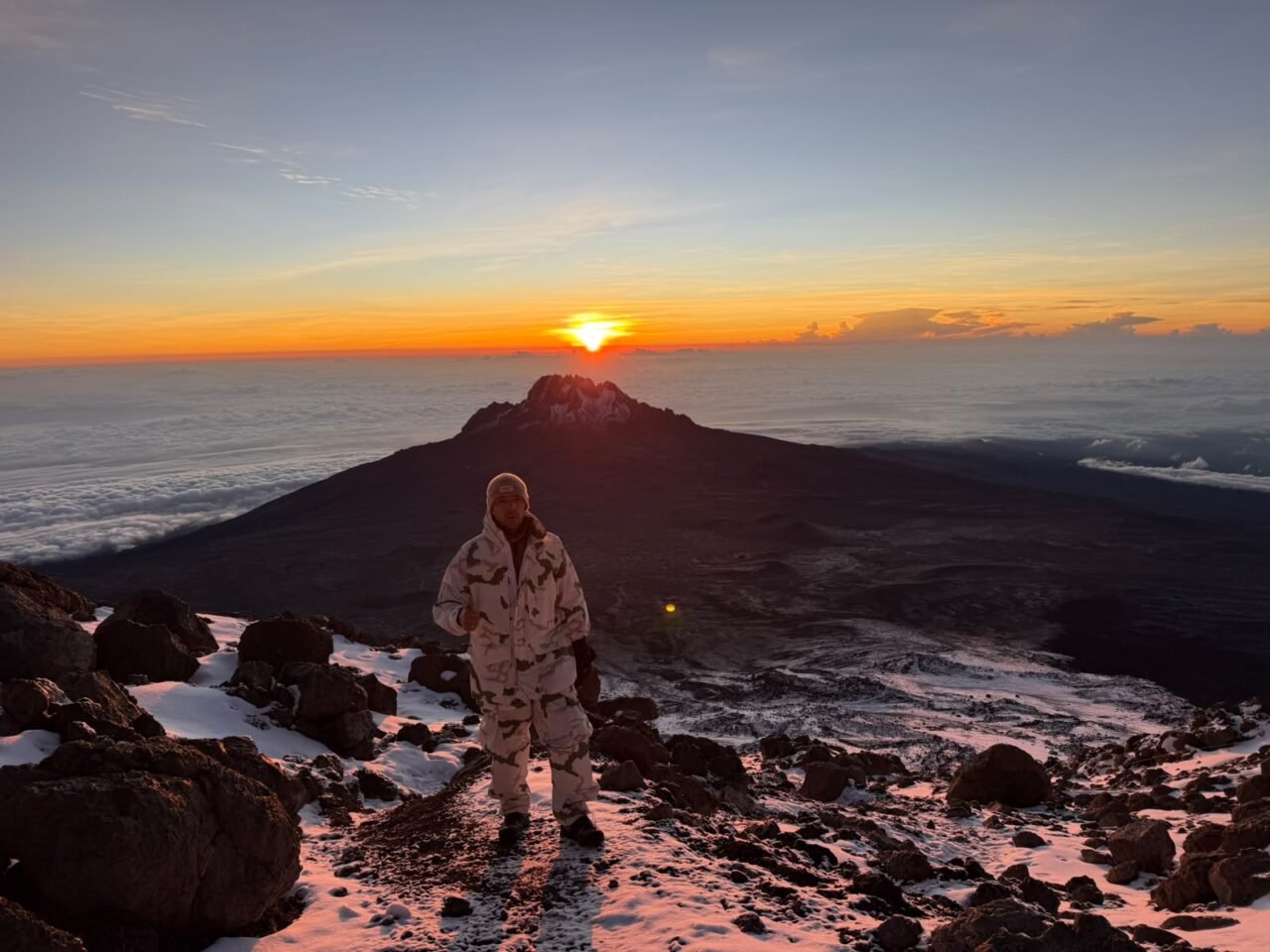
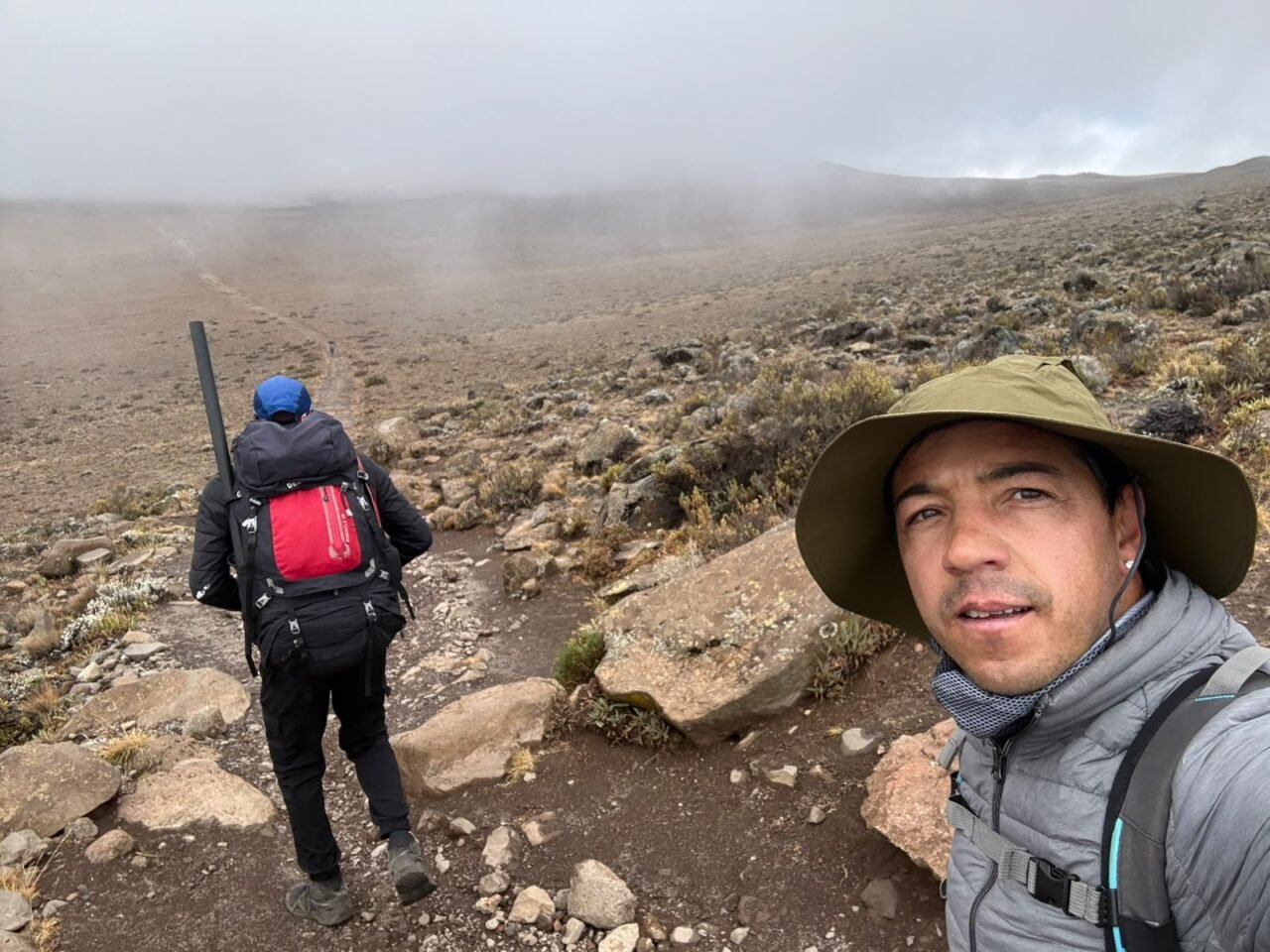
What to confirm before you book
Because this is a real, bookable plan, you should confirm the following with Climb 4 Africa before committing: the exact departure date (18–25 November 2026), the chosen route (Lemosho or Machame) based on current availability, the group size, and what is included in the price (gear rental, meals, park fees, porter tips, contingency fund). Availability and price are not guaranteed in advance here; you’ll receive a verified schedule and a formal quote after submitting your enquiry. Ask for a clear breakdown of inclusions and exclusions, the cancellation policy, and the projected pace of daily hiking to ensure it aligns with your fitness level.
Booking steps and next actions
To move forward, contact Climb 4 Africa with your interest in the 18–25 November 2026 group. Provide a brief hiking history, any medical considerations, and your preferred route (Lemosho or Machame) if you have a strong preference. The operator will respond with the current group status, available slots, and the confirmed itinerary. If you need to compare options, request the 8 days Lemosho option or the 7 days Machame option, both sometimes offered as separate group
Clarifying the bookable sequence and what to expect on the ground
Readers seeking a precise, verifiable sense of the Kilimanjaro Solo Traveller Group Climb escape any ambiguity by focusing on the actual booking sequence, what is confirmed prior to departure, and how the schedule unfolds in real terms. This section adds detail about the actionable, bookable elements that follow the initial interest, without duplicating topics already covered in the earlier sections of the article.
1) Verification of departure details and group composition. Until you receive a formal itinerary from Climb 4 Africa, the exact dates, route choice, and group size remain tentative. The standard process is an inquiry followed by a confirmed schedule once the operator aligns available slots with applicants’ profiles. This means you should expect a verified document that lists: the final departure window (18–25 November 2026, or any permitted variation), the chosen route (Lemosho or Machame) based on current conditions and group dynamics, the total number of climbers in the batch, and the names of the lead guide and supporting crew. If any element is still pending, request a specific timeline for when the group will be closed and the itinerary locked in.
2) Inclusions, exclusions, and equipment allocations. The bookable plan is typically presented with a clear inclusions list, but you should demand a precise breakdown in writing. Common inclusions include park fees, meals during the trek, porter tips, porters’ gear allowances, a contingency fund, group gear allocations, and pre- and post-climb briefings. Exclusions often cover personal insurance, extra hotel nights outside pre- and post-climb lodging, alcohol, and personal equipment rentals not specified in the inclusions. If gear is rented, verify which items are included (boots, gaiters, jackets, sleeping bags) and the procedure for returning or exchanging items at the briefing. A formal quote should accompany this information, with a line-item schedule to prevent unexpected charges on departure day.
3) Route confirmation and the impact on daily pacing. The operator will confirm whether the batch travels via Lemosho or Machame, based on the latest conditions and group needs. This decision affects pacing, acclimatisation days, camp sequence, and transfer timing. A verified itinerary will present the day-by-day plan in a way that matches the declared acclimatisation approach and the final route. If you have a strong preference for one route, you should reiterate this in writing and seek explicit confirmation that the chosen path will be used, or understand the alternative if conditions shift.
4) Deposit, payment schedule, and cancellation terms. You should receive a defined payment timeline: deposit amount, balance due date, and the cancellation policy with any non-refundable components or rebooking options. Because the operator will publish a formal contract, review it for clarity about what happens in cases of medical withdrawal, weather disruption, or flight delays that affect arrival timing. If the contract allows changes up to a certain date, confirm the mechanism for change fees or rebooking with no loss of space for other would-be climbers in the same batch.
5) Safety and emergency procedures in the formal plan. The bookable package must include a section detailing emergency protocols, satellite communication options, evacuation procedures, and contact information for the local team. Confirm how medical considerations are handled in real time: the process for elevation-related concerns, adjustments to pace, and when a patient might be transferred to a lower-altitude camp or back to Moshi for medical attention. A verified plan will align with Kilimanjaro conservation and safety standards, with crewmembers trained in standard mountaineering first aid and risk mitigation.
6) Pre-departure preparation and documentation. Expect a pre-departure briefing that covers equipment checks, packing lists tailored to the chosen route, and a short fitness orientation. The briefing may occur in Moshi or via a virtual session, but it should be documented and scheduled in advance. You should also ensure your travel documents—passport validity, visa requirements, and any required permits—are current and compatible with the group’s schedule. The operator often provides a consolidated checklist to complete before departure day, reducing the chance of last-minute surprises.
7) Ground logistics and sequencing on departure day. On arrival day, you will typically participate in a joint transfer from the airport to the pre-climb hotel for gear check and a briefing. The next morning, depending on the route, you’ll head to the park gate, after which the official trekking sequence begins. The exact transfer times are formalized in the confirmed itinerary and are designed to align with weather windows and group readiness. Post-climb, return logistics will be laid out, including a final briefing, farewell dinner if arranged, and airport transfer details for your departure day. Note: because this is a bookable plan with fixed sequencing, any changes to the route or schedule should be communicated in writing with a clear rationale and updated timeline from the operator.
Practical tips to avoid common booking pitfalls
- Request the verified itinerary early and have it in writing before any payment beyond a refundable deposit is made. This protects against late-route changes or unknown group dynamics.
- Ask for a single-point contact for the group once the trip is confirmed. A dedicated guide liaison helps you navigate day-by-day adjustments if weather or health factors require deviation from the standard plan.
- Clarify the handling of extra costs if you join a cluster of solo travellers and the group size shifts. A transparent cap on potential additional charges helps you compare options across operators.
- Ensure your insurance explicitly covers high-altitude trekking and rescue scenarios, and confirm how medical expenses are reimbursed under the plan if an on-mountain incident occurs.
By centering the discussion on verifiable, bookable details, this addition anchors the article in practical decision-making for solo travellers who need concrete information about how a Kilimanjaro climb is scheduled, priced, and executed within a real, fixed group departure.
Incorporating solo traveler insights: confirming the on-ground sequencing and support dynamics
This section adds a focused, practical layer to the bookable plan by documenting how the fixed sequencing translates into daily realities on the mountain for a Kilimanjaro Solo Traveller Group Climb departing 18–25 November 2026. While earlier parts outline the overarching route options and general acclimatisation logic, here we connect the dots between confirmed itineraries, on-ground logistics, and the day-by-day rhythm you should expect once your group is in motion.
The core premise of a bookable plan with fixed sequencing is predictability: you arrive with a pre-agreed flow anchored by a single lead guide team, a consistent porter allocation, cooking and camp logistics, and structured transfer timings. The operator’s confirmed itinerary should spell out which route the group will follow (Lemosho or Machame) and the sequence of camps, including planned acclimatisation days. In practice, the daily schedule will adapt to real-world conditions—weather windows, health considerations among group members, and any necessary safety pauses—but the operator’s plan provides defined decision points to minimise disruption and keep everyone aligned.
Ground truthing a fixed sequence begins with the airport transfer and hotel briefing in Moshi. From there, you typically travel as a cohesive group to the park gate, where the trekking sequence officially starts. Because this plan uses a shared logistics model, you will share gear and support with fellow solo travelers, but you’ll still have a dedicated lead guide responsible for pacing, safety briefings, and route decisions. The lead guide and the assistant guides work in concert with porters to ensure that food, fuel, tents, and emergency equipment are available at each camp ahead of your arrival. This coordination is crucial for acclimatisation days, where rests and shorter hikes are built into the schedule to avoid fatigue accumulation.
One practical outcome of fixed sequencing is the clarity around what happens if a day must be shortened or extended. For instance, if a higher-than-usual fatigue level is detected early in the group, the guides can opt for a gentler ascent on successive days or insert an extra rest day as a buffer, while still preserving the overall seven-to-eight-day framework. The operation’s documentation should specify the acceptable margins for such adjustments and how these changes are communicated to you—preferably in writing before departure and then reinforced at the pre-climb briefing. If a deviation becomes necessary, you’ll receive a revised day-by-day plan with updated camp locations and transfer times, ensuring you’re never blindsided by a sudden shift in the sequence.
Gear handling is another area where the fixed schedule matters. Porter teams carry most of the shared equipment, reducing the burden on solo travellers. Your personal gear list will still be checked at the Moshi briefing, but you’ll notice a streamlined hand-off process at each camp: tents pre-pitched, meals staged, and hot beverages available upon arrival. The cooking team’s rhythm—breakfasts, hot lunches in between ascents, and hot dinners at every camp—contributes to reliable acclimatisation by maintaining energy levels and hydration cues. If a participant experiences altitude-related discomfort, the guides have predefined protocols, including optional rest, a shorter afternoon hike, or a guided descent to a lower altitude for a day, all within the framework of the confirmed itinerary.
Communications on the ground are designed to be concise and reliable. You’ll likely carry a dedicated group contact point (a liaison guide) who can relay day-to-day decisions to you and manage any minor adjustments required by the weather or group dynamics. It’s advisable to request this single-point-contact detail in writing during the pre-departure briefing so you know exactly whom to reach for day-specific questions. This reduces ambiguity and helps you plan personal acclimatisation routines, rest periods, and any medical considerations in coordination with the guides.
Understanding how social dynamics fit into the bookable sequence is also useful. Solo travelers join a small, cohesive team with shared logistics, but the social rhythm is strongly influenced by the group’s pace. If you prefer a slightly faster or slower tempo, communicate this preference early to the operator and the lead guide. They will attempt to harmonise the day-to-day pacing within the constraints of the fixed route and the need to maintain safe acclimatisation profiles. In practice, most groups settle into a comfortable cadence within the first acclimatisation days, where a balance between steady ascent and rest periods becomes the norm.
Finally, the post-climb sequence should be clearly documented and included in the confirmed itinerary. After descending from the final camp to the park gate, you’ll have a structured transfer back to Moshi or Arusha for a debrief and a farewell coordination session. The airport transfer for your departure day is scheduled to align with typical flight times, but it’s prudent to verify exact pickup windows during the pre-departure briefing. By maintaining a documented, fixed sequencing framework with built-in flexibility, solo travelers can approach Kilimanjaro with confidence that the day-to-day experience will unfold within an established, predictable pattern while still respecting individual comfort and safety needs.
Related Guides and Packages
Check Availability for Kilimanjaro Solo Traveller Group Climb – 18–25 November
Ready to compare dates, prices, and the best option for your group? Send the package name and travel month so the team can reply with a clear quote, availability, and what is included.
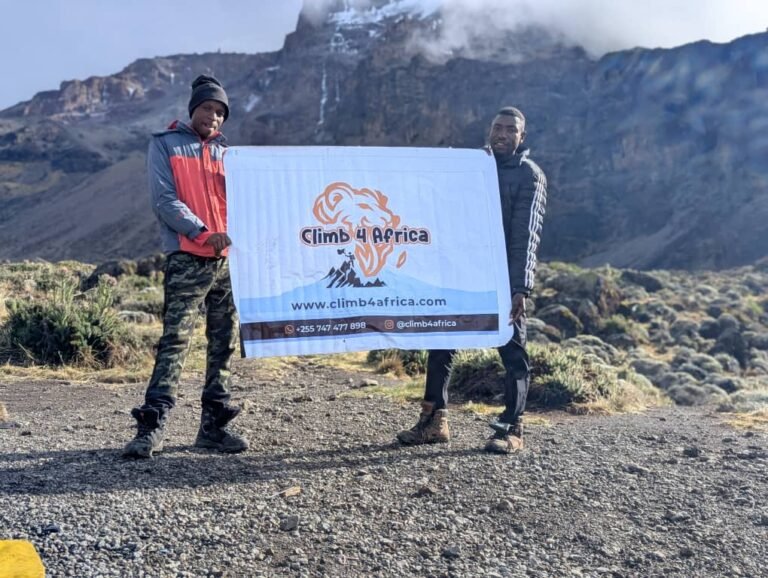
Climb Kilimanjaro In 20 November 2026 : Join A Shared Group
Plan a Kilimanjaro ascent on 20 November 2026 with Climb 4 Africa. Learn how shared-group departures work, how to request a verified schedule, and what to consider for a safe, rewarding...
View package details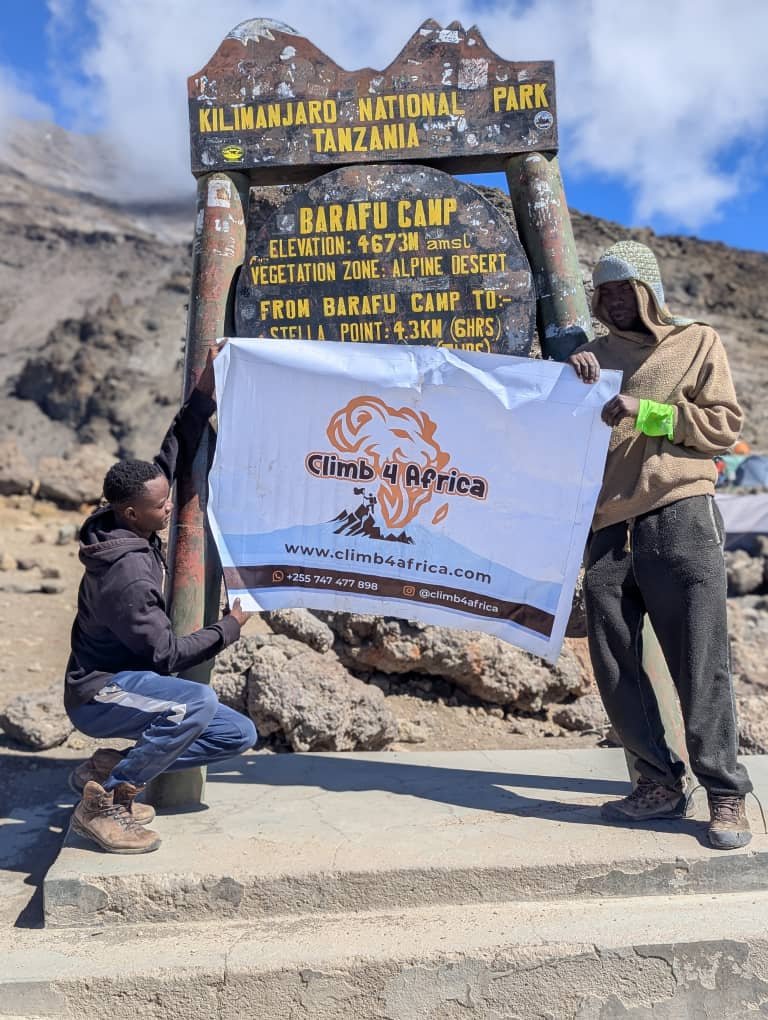
Climb Kilimanjaro In 13-November-2026, Join Small Group
Climb Kilimanjaro in 13-November-2026, Join Small Group.
View package details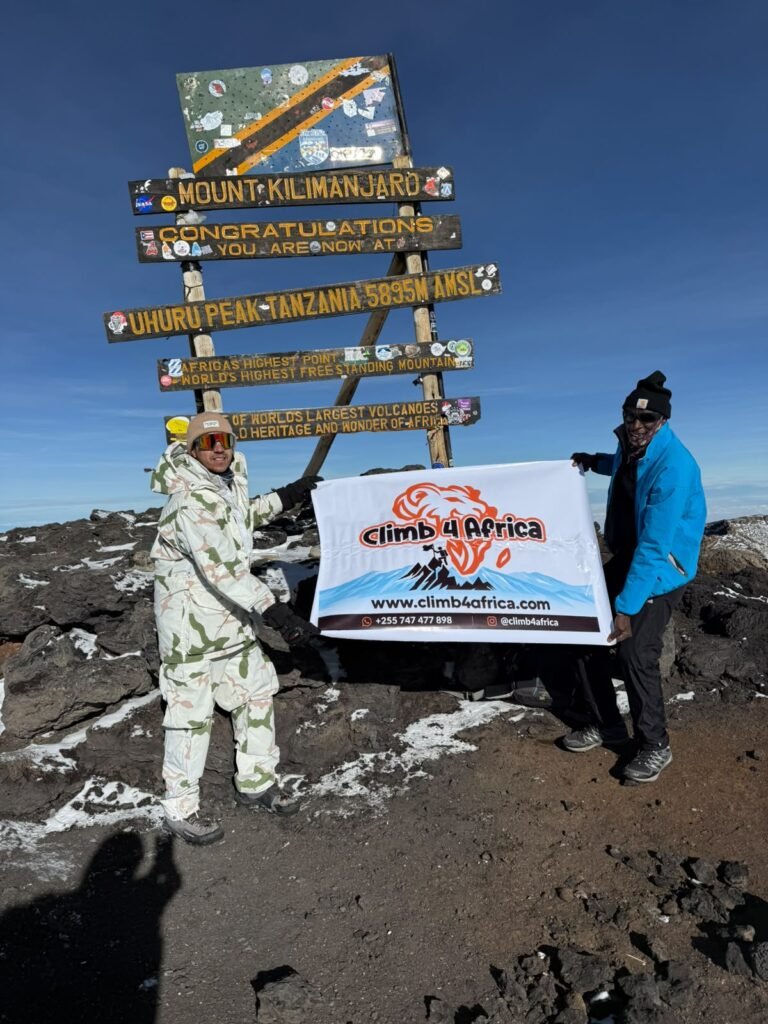
7 Days Rongai Route Kilimanjaro Group Joining – 26 November – 2 December
Experience Kilimanjaro via the Rongai Route with a confirmed group departure for 26 November–2 December 2026. Read a practical, day-by-day plan focusing on route pacing, acclimatization...
View package details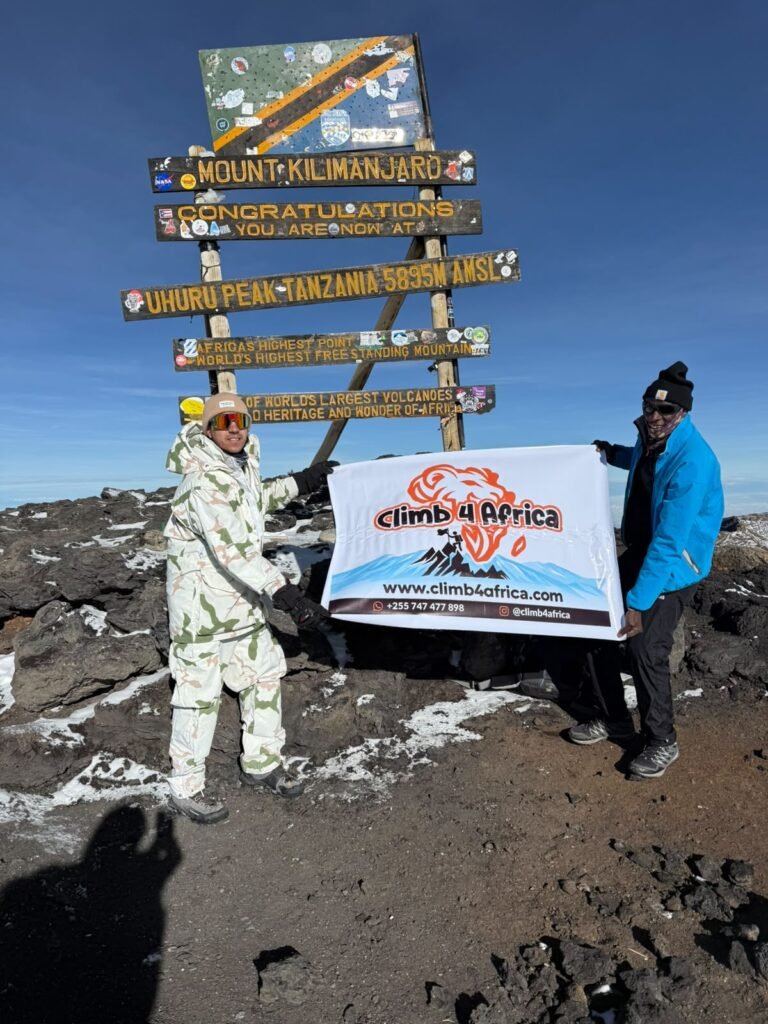
7 Days Machame Kilimanjaro Group Joining – 14–20 November
Join a confirmed 7-day Machame Route Kilimanjaro climb with a small group, departing 14–20 November 2026. Plan, acclimatise and summit with practical logistics and local support.
View package details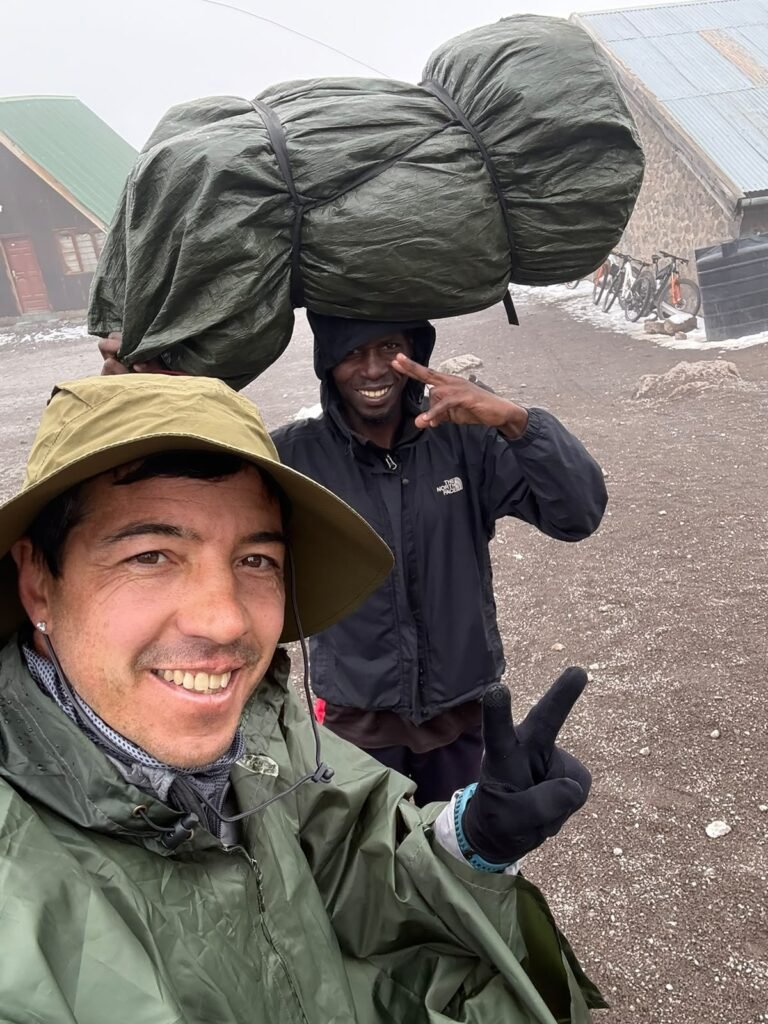
8 Days Lemosho Route Kilimanjaro Group Joining – 7–14 November 2026
Plan an 8-day Lemosho climb on Kilimanjaro with a verified group joining window of 7–14 November 2026. This first installment breaks down the day-by-day itinerary, acclimatisation logic...
View package details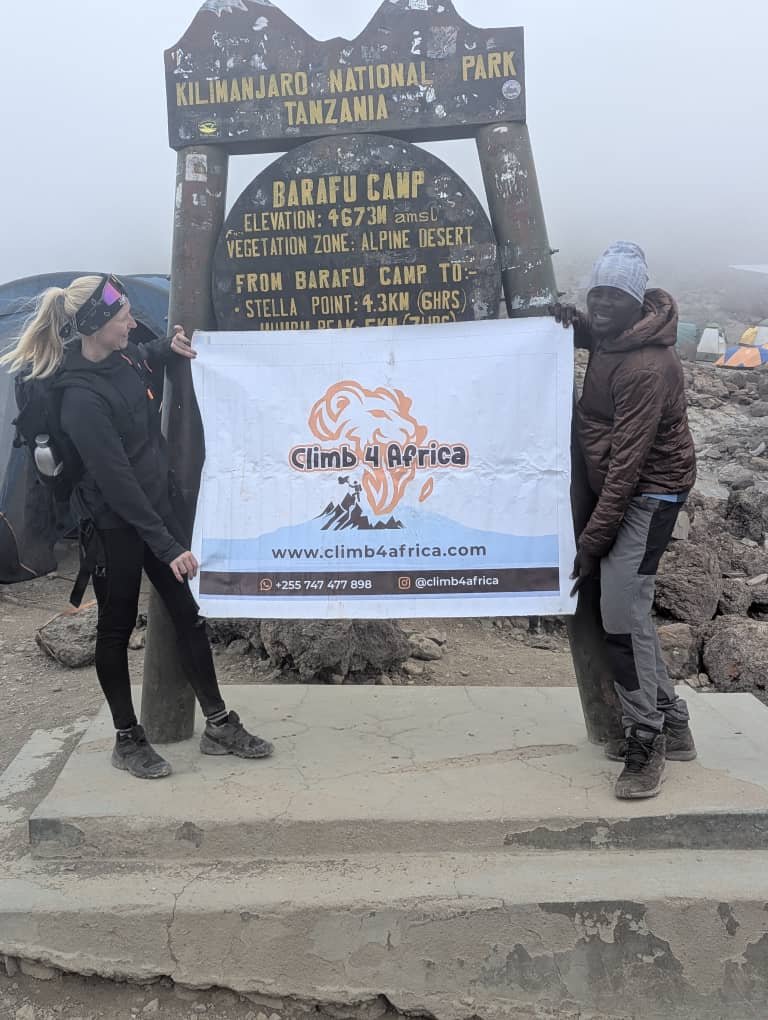
6 Days Marangu Route Kilimanjaro Group Joining – 20–25 November
Bookable 6 days on the Marangu route with a verified group departure 20–25 November 2026. Day-by-day itinerary, acclimatization plan, hut-style accommodations, and how to request a...
View package details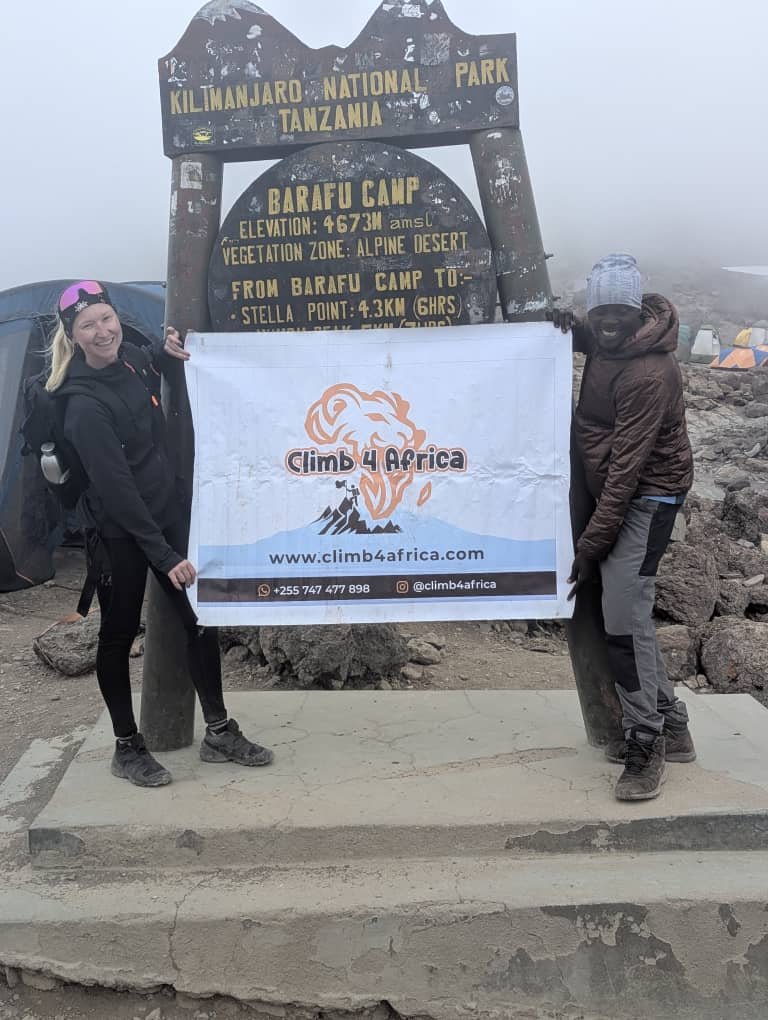
Kilimanjaro Group Trekking From Moshi, 19–25 November 2026
Kilimanjaro Group Trekking From Moshi – 19–25 November 2026.
View package details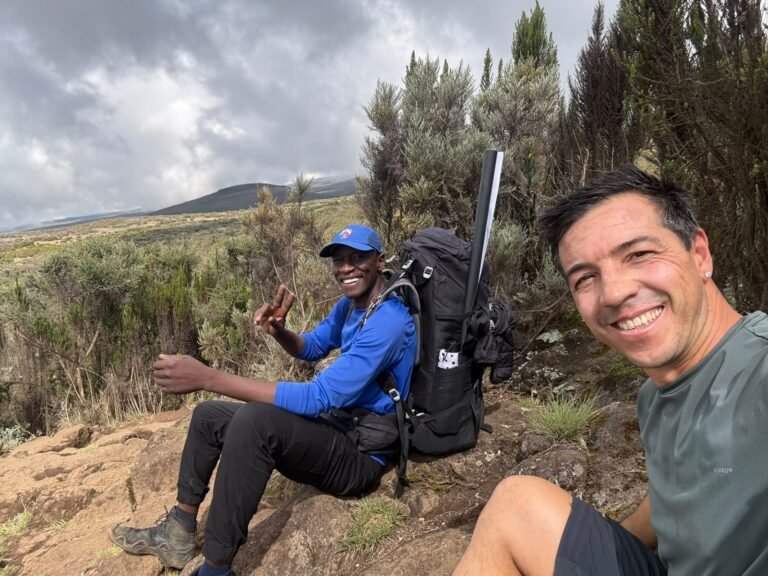
8 Days Lemosho Kilimanjaro Group Joining: 18–25 November 2026
Plan an 8-day Lemosho Kilimanjaro climb with a shared group from 18–25 November 2026. Learn the route, day-by-day logistics, and what a booked package typically includes.
View package details
November Kilimanjaro Lemosho Vs Machame Group Climbing Dates
November 2026 Kilimanjaro Lemosho vs Machame Group Climbing Dates.
View package details
Kilimanjaro Climbing Packages From Moshi – 25–30 November
Practical, no-nonsense guidance for Kilimanjaro climbs from Moshi on 25–30 November 2026. Learn route options, logistics, and how to book with Climb 4 Africa.
View package details6 Days Marangu Kilimanjaro Hut Climb Cost, 20–25 November 2026
6 Days Marangu Kilimanjaro Hut Climb Cost – 20–25 November 2026.
View package details
Mount Kilimanjaro Full Moon Climb 24 November – Routes And Departures
Mount Kilimanjaro Full Moon Climb 24 November 2026 – Routes and Departures.
View package detailsNo related package matches those filters. Clear one or more filters to see the other topic-matched options.



