
The Kilimanjaro Full Moon Climb on 24 November 2026 follows a standard Northern Circuit or Machame-into-Barafu route plan, designed for acclimatisation and a summit bid under moonlit conditions. This bookable sequence centers on a pre-trek briefing, secure airport transfers, selected route variant, group departure with shared guide support, and a carefully paced ascent to Barafu Camp followed by the summit bid in the early pre-dawn hours, then descent via Mweka. Availability and exact departure times must be confirmed with Climb 4 Africa; this article outlines the practical route choices and the typical day-by-day flow you can expect when joining a verified departure.
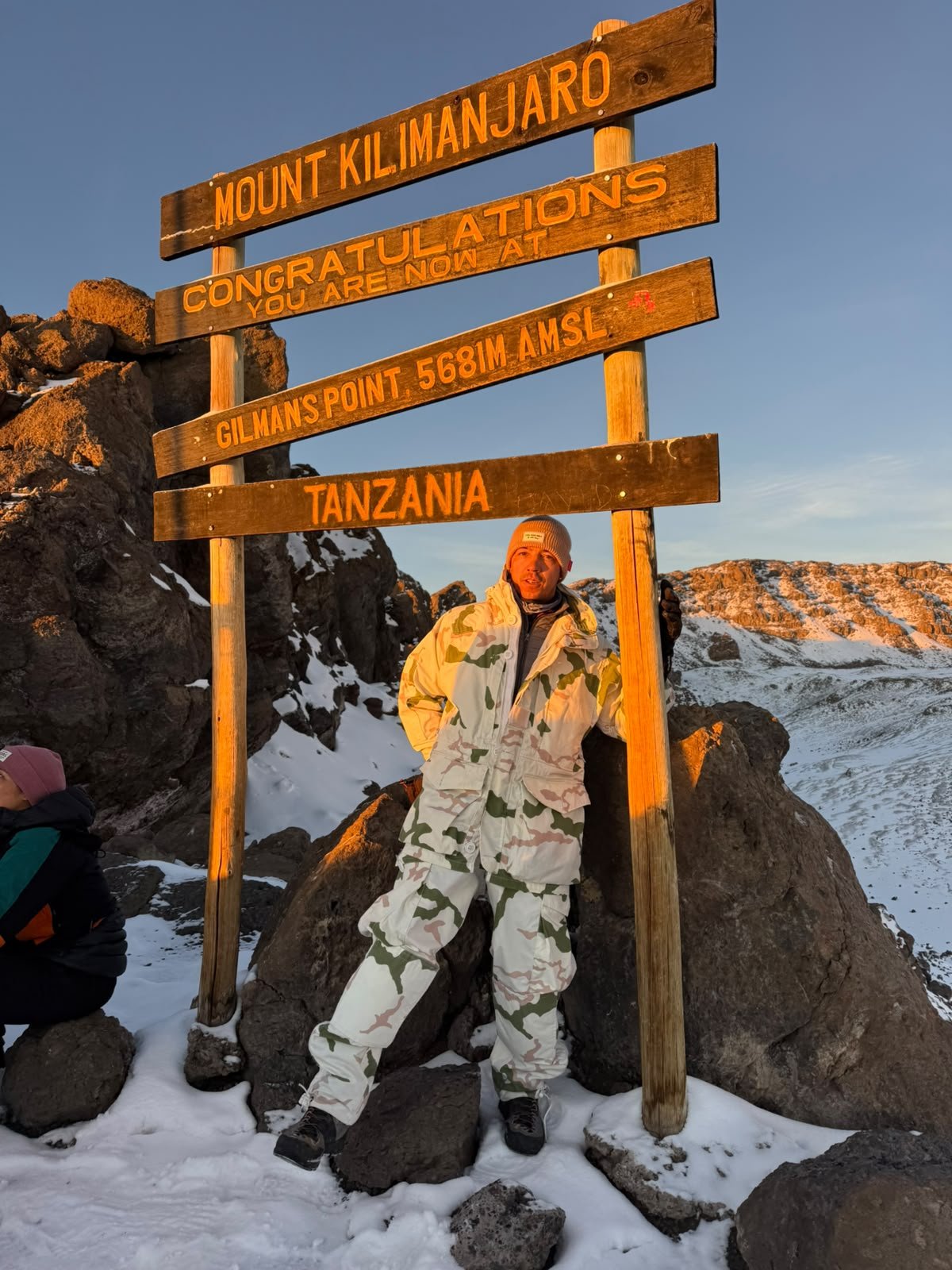
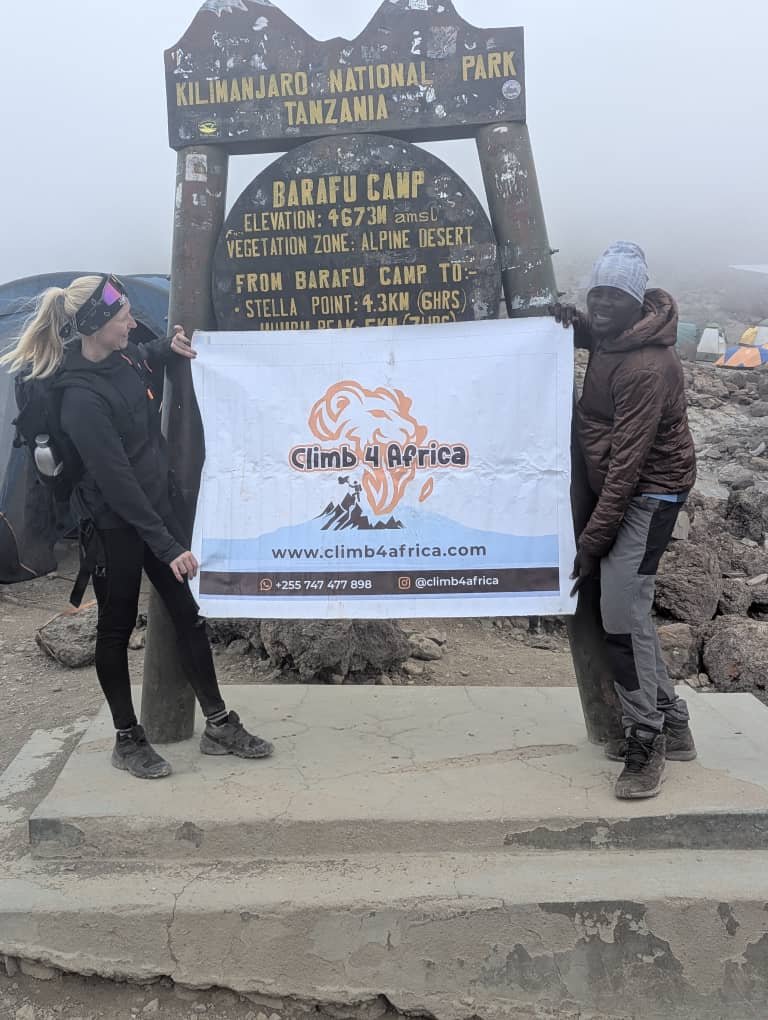
What to expect on a 24 November Kilimanjaro Full Moon climb
Choosing a full-moon climb means planning around the lunar cycle and temperature swings. In late November the southern constellation skies clear often, but you’ll still feel alpine cold at altitude. The core objective is a steady ascent with proper acclimatisation buffers, a night-time summit push, and a safe descent. You’ll join a fixed departure with a small- to mid-sized group, supported by an experienced guide team and porters, with oxygen and basic first-aid equipment as standard.
Route options for a Moonlight summit
Two commonly chosen routes for lunar-assisted summit attempts are:
- Machame Route (whiskey route) with late-arrival summit push: A scenic longer approach that builds acclimatisation and allows a summit attempt around 00:30–02:00 hours after midnight, aligning with a bright full-moon window when visible. It blends good scenery with solid acclimatisation pacing.
- Northern Circuit (newer route) with a luna-friendly schedule: A longer clockwise circuit that spreads hiking days and offers a more gradual ascent. The moonlight window tends to be clearer earlier in the night, with a cooler, less crowded summit experience.
Note: Actual route choice depends on current permits, group fitness, and weather; your operator will confirm the best fit for a 24 November departure.
Sample day-by-day flow for a typical 7-day bookable plan
The following sequence illustrates how a verified departure might structure the climb. Exact timings, camps, and rest days are confirmed after you book.
- Day 1: Arrive Kilimanjaro area, transfer to hotel or lodge, pre-climb briefing, medical check, gear check, and welcome dinner. This day primes you for altitude and introduces the team.
- Day 2: Drive to Kilimanjaro Park gate and begin your chosen route (Machame or Northern Circuit). Trek to Shira Camp or similar for acclimatisation night, with light meals and overnight tents.
- Day 3–4: Sequential scenic days with altitude acclimatisation stops (oban camps). Focus on steady elevation gain, hydration, and food intake. Evening briefings on route logistics and weather checks.
- Day 5: Summit approach day. Depending on route, move toward Barafu or corresponding high camp; rest, early dinner, and gear preparation for the summit bid under the moon.
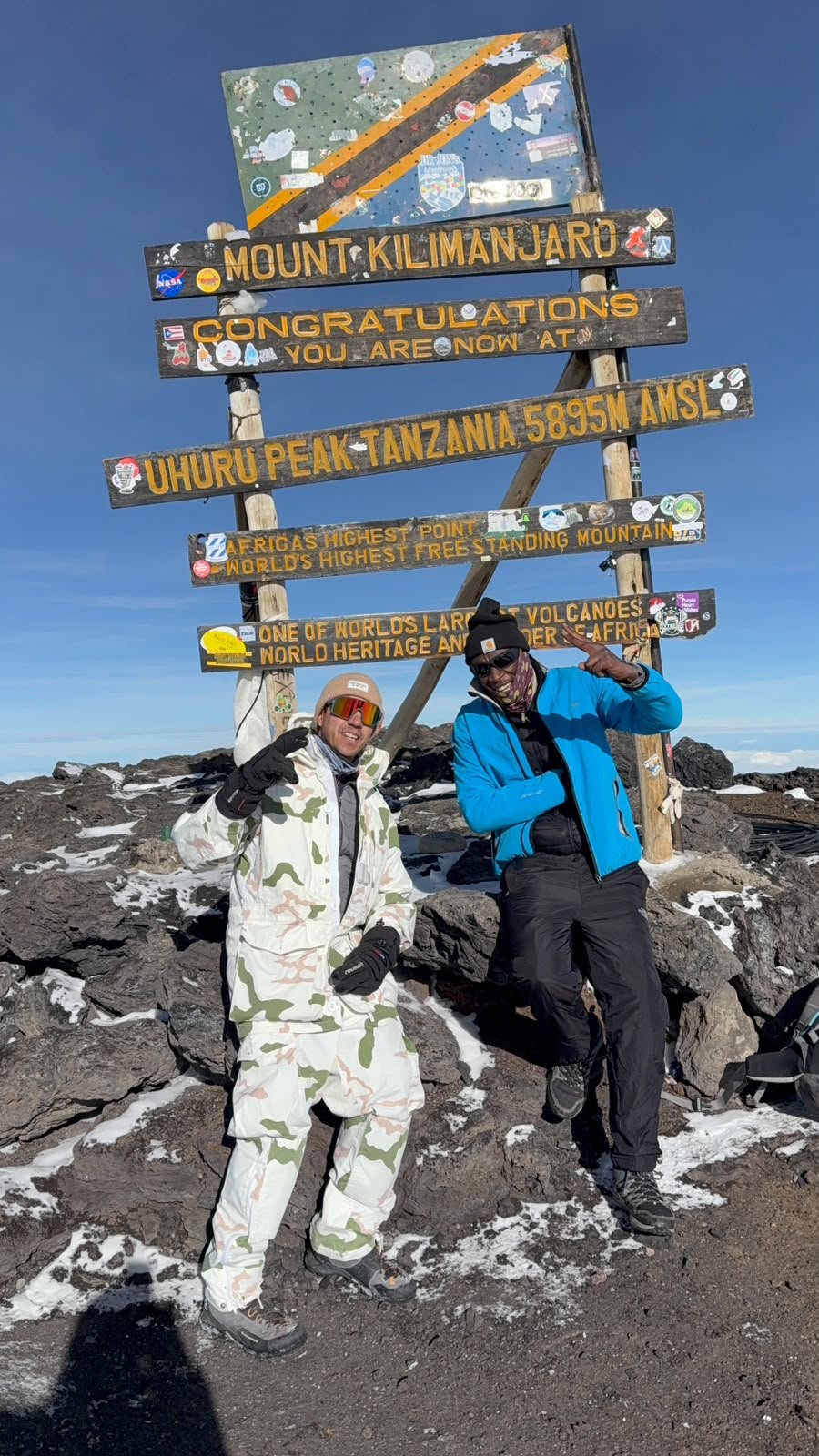
- Day 6: Night summit push under moonlight. Reach the crater rim and Uhuru Peak, celebrate briefly, then descend to Mweka Camp or Horombo depending on route and pace.
- Day 7: Full descent to the gate, transfer to a celebratory lunch, and transfer to Kilimanjaro International or return to hotel; post-climb briefing and gear offload. Optional day of rest or safari extension.
Again, the exact day-by-day sequence is tailored to the specific departure and group dynamics; confirm with Climb 4 Africa for your exact itinerary.
Departures and how to join a verified November 2026 group
For a 24 November 2026 Moon Climb, you’ll want a confirmed group departure with a fixed itinerary, including airport transfers and pre-climb briefings. The operator typically offers different group sizes and camp arrangements. To ensure you’re aligned with the exact date, route, and available spaces, contact Climb 4 Africa directly through their updates page or the Kilimanjaro group joining sections listed in the related links. A typical process involves:
- Submitting a booking request with passport details and preferred rooming/trekking setup.
- Receiving a confirmed departure date, route choice, and a detailed day-by-day flow for the moon-touched climb.
- Reviewing inclusions (permits, guides, porters, meals, transfers) and any optional add-ons (safari extensions, Zanzibar stays).
Because availability and prices are subject to group size and permit allocations, verified schedules should be checked in real time via Climb 4 Africa’s updates pages: Kilimanjaro Climbing Dates 5–30 November 2026 – All Routes and Durations and Kilimanjaro Group Joining Tours November 2026 – Dates, Routes and Prices. If you don’t see a ready-made schedule for 24 November, you can request a confirmed itinerary and a named operations contact to hold a seat while you finalize your flight plans.
Practical planning notes for a Moon Climb
Moonlight summit adds fluorescence to the night, but forces a tight schedule around weather and rest cycles. Here are planning considerations to help you decide and book with confidence:
- Acclimatisation matters: Prioritize longer routes with built-in acclimatisation days. A typical Moon Climb uses a gradual ascent to Barafu or equivalent high camp, reducing the risk of altitude sickness.
- Logistics: Confirm transfers from Kilimanjaro International Airport, pre-trip briefing time, and what gear is provided vs what you bring. A complete kit list reduces last-minute stress.
- <strong
Additional considerations for a Moon Climb: logistics, costs, and safety nuances
Beyond the day-by-day flow and confirmed group departures, this Moon Climb requires careful attention to the practicalities that can influence your experience and budget. The following details address commonly overlooked questions that readers frequently have when finalizing a booking with an operator like Climb 4 Africa, and they help distinguish an exemplary itinerary from a rushed, less reliable option.
Equipment alignment with lunar conditions
The full-moon window affects not only the timing of your summit push but also your nightly rhythm and visibility during the trek. A reliable headlamp with a bright beam and long battery life remains essential, but Moon Climb-specific comfort hinges on choosing layers that respond quickly to temperature shifts once you’re above Barafu Camp. Technical considerations include moisture-wicking base layers, a down or synthetic mid-layer with a compact hood, and a windproof outer shell. Footwear should be sturdy trekking boots with ankle support and well-seated insoles; the cold and variable terrain can magnify pressure points, so pack replacement socks and a small remedy kit for blisters. Operators typically provide some gear (sleeping bag, pad, oxygen), but confirm exact inclusions in your contract to avoid duplication or gaps at high altitude.
Acclimatization pacing and how it influences group dynamics
Acclimatisation is the cornerstone of a successful moonlit ascent. In practice, a Moon Climb schedule that emphasizes longer exposure at intermediate camps reduces the odds of acute mountain sickness. When you’re sharing a guide with a group, your ascent pace will be tuned collectively; however, climbers with a clear personal limit should communicate early. Responsible operators monitor symptoms at each rest stop and adjust the daily itinerary if needed. Expect a predictable pattern: a gradual ascent to mid-altitude camps, a rest day or two interspersed with acclimatisation hikes, then the high camp push just after dusk or in the small hours before midnight to leverage the moonlight window. If your group is larger, you may encounter slight pacing adjustments, but the core acclimatisation framework remains intact for safety.
Budgeting: what’s typically included and what isn’t
A verifiably booked Moon Climb usually lists inclusions such as permit fees, guides, porters, meals on the trail, and airport transfers, with optional extensions (safari, Zanzibar) priced separately. Expect personal expenses (extra nights in Moshi/Arusha, tips for staff, snacks outside meals, bottled water, and souvenirs) to be your responsibility. Some groups offer pre- and post-trek hotel nights with breakfast; verify whether those charges are included in the base package. Insurance is mandatory in many cases; ensure your policy explicitly covers high-altitude trekking, evacuation, and flight disruptions caused by weather or illness. Since availability fluctuates, avoid assuming a fixed price for the entire package; request a formal inclusions list and a binding contract that outlines the exact duties of each party, including contingency plans for weather-driven schedule shifts.
Health prerequisites and altitude readiness
Climbers should have a baseline fitness level and a medical clearance for high-altitude trekking. If you have a pre-existing condition (respiratory, cardiovascular, or orthopedic), disclose it during the booking process and provide any relevant medical documentation. A practical approach to pre-climb conditioning includes gradual elevation training (where feasible), core strengthening, and hiking at least a few days at moderate altitude prior to departure. Your operator may request a medical form or a telehealth check with a mountaineering physician. Hydration plans are critical: carry a reliable hydration reservoir and maintain consistent water intake to support acclimatisation and general stamina.
Communication, guide arrangement, and group safety norms
Moon Climb itineraries rely on a lead guide and a team of well-trained assistants. Confirm the number of guides assigned to your group, their language capabilities, and the protocol for guiding at night. Safety briefings typically cover altitude symptoms, environmental ethics, and emergency procedures. Expect a low-light, high-alert environment after sunset; group members should remain within a designated formation and follow the guide’s instructions for pace, rest, and weather checks. If you prefer a more intimate experience, discuss with the operator the possibility of a smaller group or private guide option, noting that this may influence cost and scheduling.
Environmental stewardship and campsite etiquette
Responsible Moon Climbs minimize waste and protect fragile high-altitude ecosystems. Participants are encouraged to carry out all personal waste, use established toilets when available, and avoid leaving any non-biodegradable items along the trail. Camp sites are often shared among multiple operators; practice courteous camp etiquette by keeping noise to a minimum at night and respecting the scheduled rest times that help fellow climbers recover from the exertion of the day. When taking photographs, be mindful of other climbers and the natural surroundings; a full-moon sky can prompt crowded overlooks, so seek quieter vantage points when possible.
Contingencies for weather and itinerary flexibility
Despite the planning around a lunar window, Kilimanjaro’s weather remains a variable factor. A reputable operator maintains a flexible approach, with built-in buffers for rest days or alternative routes if visibility or wind conditions impede the summit attempt. If the weather forces a shift in the plan, your guide will explain the rationale and provide a revised day-by-day flow. It’s wise to review the operator’s policy on itinerary changes in writing before booking, including how refunds or credits are handled if a major disruption occurs. The key is clear communication: ask for a contact within the operations team who can provide real-time updates during your departure window.
Next steps for readers ready to secure a verified November 2026 Moon Climb
With the 24 November date in mind, the most reliable path is to engage directly with the operator’s official updates page and Kilimanjaro group joining sections to verify availability, route choices, and exact departures. Prepare your passport details, inquire about rooming arrangements, and request a formal, itemized itinerary that includes day-by-day expectations, camp names, and transfer logistics. If the schedule you need (24 November) isn’t immediately visible, ask for a dedicated itinerary hold while you finalize flights; this is a common practice in high-demand windows and helps prevent last-minute seat loss. By focusing on the actual bookable sequence, you ensure your Moon Climb aligns with the lunar window while maintaining a realistic expectation of the logistical rhythm and safety standards enforced by the operator.
Understanding the daily rhythm of a 24 November Moon Climb: a practical, verifiable snapshot
What makes a Moon Climb distinctive is not just the fixed lunar window, but how each day is choreographed to balance acclimatisation, rest, and the unpredictable mountain weather. Given the stated objective of a steady ascent with a pre-dawn summit push, climbers benefit from a clear sense of how the day unfolds in a confirmed, bookable plan. This section provides a concrete, non-aggregated look at the practical sequence you should expect once you are in a verified November 2026 departure, without inventing dates or prices, and focused on the actual progression from arrival to summit and descent as it is commonly structured by reputable operators.
Day zero and arrival logistics: In a typical verified Moon Climb, you arrive in Kilimanjaro region cities (Moshi or Arusha) a day before the trek begins. The pre-trek briefing is scheduled for the evening at your hotel or a designated briefing center. This session covers group safety norms, gear checks, medical readiness, and a review of the day-by-day plan with emphasis on acclimatisation rationale. You are usually asked to present pertinent medical information and emergency contacts. This evening alignment anchors the lunar schedule to ground conditions and ensures every participant understands the timing of the summit push within the nocturnal window.
Day 1—gateway to the trail and first steps on acclimatisation(altitudes and pace vary by route): The morning transit to the gate marks the formal start. Depending on the chosen route (Machame into Barafu or Northern Circuit variants), you’ll begin with a measured ascent to your first sleeping camp, with a focus on maintaining a gentle gradient to begin physiological adaptation. Guides will emphasize hydration targets, carbonated or caffeinated intake timing, and the rationale for light meals before sleep. Evening is reserved for a light briefing, gear check, and an early bedtime to synchronize with the lunar rhythm. Even with a fixed date, the actual camp assignments may adjust by a segment due to group pace and terrain conditions; you should expect a consistent pattern of gradual ascent and early rest rather than long, aggressive days.
Day 2—progressive ascent with structured acclimatisation buffers: Your second day reinforces acclimatisation through a deliberate, slower climb with a deliberate pause at intermediate camps. On a Moon Climb, guides often time the day so you reach a mid-camp with enough daylight to appreciate the lunar-illuminated landscape if you’re finishing the day under a partly visible moon. Nighttime preparation for the summit push begins with a safety briefing that clarifies symptoms to watch for (headache, dizziness, fatigue) and the plan to depart after midnight, aligning with peak moon visibility and cooler temps. You maintain steady hydration and nutrition, and the group likely experiences an earlier lights-out to ensure maximum rest prior to the long final leg.
Day 3—maximum acclimatisation and rest emphasis: A critical day, often corresponding with the most cautious pacing of the trekking schedule. You spend extended time at the previous night’s camp or an adjacent intermediate camp, with optional acclimatisation hikes if the group needs additional physiological adaptation. The emphasis is on reducing the risk of acute mountain sickness while preserving the lunar schedule’s integrity. In regions where cloud cover is persistent, guides may adjust wake times slightly to align with moonlight availability for the following night, but any adjustment remains within the safe bounds of the planned altitude exposure.
Day 4—final ascent prep and last night at high camp: The climb typically reaches a designated high camp (Barafu or an equivalent high-staging point) where the team rests, eats a high-energy meal, and conducts a final briefing. The night preceding the summit bid emphasizes rest, steady breathing techniques, and a clear plan for the start time. Your pack remains light, with essential layers, water, and a compact camera or phone for the early pre-dawn spectacle. The focus here is on maintaining body warmth, managing fatigue, and ensuring all climbers are ready to meet the moonlit window with proper acclimatisation in mind.
Night of the summit bid—timing, teamwork, and lunar alignment: The core of a Moon Climb is the late-night push to the crater rim under the full-moon sky. The guide-led group departs Barafu or the equivalent at a carefully calculated hour (often 00:30–02:00 depending on the lunar phase, weather, and group condition). You ascend with a staggered pace to reduce crowding at key points, and the moon’s brightness can be a doubling factor for visibility; nonetheless, you carry a reliable headlamp for safety and to preserve night vision on steeper or icy sections. The final approach to Uhuru Peak occurs in the pre-dawn darkness, with the summit moment aligned to the optimal mix of cool temperatures and clear skies—conditions that experienced operators monitor through real-time communication with local meteorological resources and the lead guide’s field observations. Reaching the summit is followed by a rapid but controlled descent to a designated lower camp or Barafu to rest and rehydrate.
Day after the summit—descent via Mweka and program completion: After a successful dawn ascent, the team descends along a well-worn route back to a lower camp that afternoon or the following day, depending on the schedule and group energy. Descent days are typically longer in hours than ascent days but involve less altitude gain and more stable terrain. A final farewell briefing, equipment return process, and transfer arrangements to Moshi or Arusha are coordinated, with some operators offering a short celebratory debrief or optional post-climb safari add-on. Throughout the descent, the guides monitor for late-emerging altitude-related symptoms or fatigue and adjust the pace to keep everyone in the safe zone.
In all, a verified 24 November Moon Climb follows a rhythm designed to balance high-altitude physiology with the distinctive astronomical window. The described pacing is consistent with robust, safety-forward itineraries that avoid over-extension, preserve sleep quality, and minimize the risk of dehydration or cold exposure during the night-time push. When you request a formal itinerary from your operator, you should receive a day-by-day breakdown that mirrors this architecture, with precise camp names, attachment times, and transfer details, all aligned to the lunar timetable and the specific route variant you select. This section aims to illuminate the practical cadence you should expect without misrepresenting any booked days or costs, ensuring you can compare genuine, bookable plans with clarity.
Related Guides and Packages
Climb Kilimanjaro In 20 November 2026 : Join A Shared GroupClimb Kilimanjaro In 13-November-2026, Join Small GroupKilimanjaro Climbing Package With Airport Transfers: Prices & LogisticsFlying To Kilimanjaro From Europe: Expert Guide To Routes, Prices &Kilimanjaro Climb And Serengeti Safari: Flight & Transfer PlanningBest Flights For Kilimanjaro Climbing And Zanzibar Holidays: A Planning GuideCheck Availability for Mount Kilimanjaro Full Moon Climb 24 November – Routes And Departures
Ready to compare dates, prices, and the best option for your group? Send the package name and travel month so the team can reply with a clear quote, availability, and what is included.
12 closely related packages
Kilimanjaro Full Moon Trekking Packages, 17–25 November 2026
Plan a Kilimanjaro Full Moon Trek during 17–25 November 2026 with Climb 4 Africa. Practical route options, packing guidance, and how to secure a spot.
View package details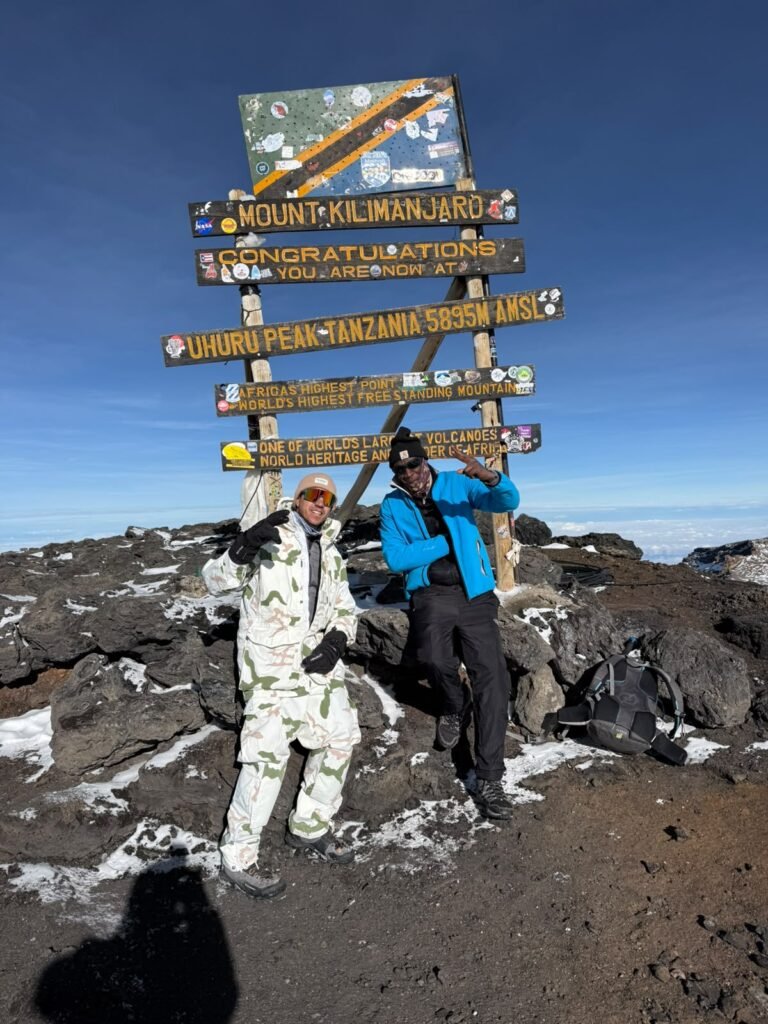
Kilimanjaro Climbing Packages From Moshi – 25–30 November
Practical, no-nonsense guidance for Kilimanjaro climbs from Moshi on 25–30 November 2026. Learn route options, logistics, and how to book with Climb 4 Africa.
View package details
6 Days Marangu Kilimanjaro Hut Climb Cost, 20–25 November 2026
6 Days Marangu Kilimanjaro Hut Climb Cost – 20–25 November 2026.
View package details
Kilimanjaro Solo Traveller Group Climb – 18–25 November 2026
Kilimanjaro Solo Traveller Group Climb – 18–25 November 2026.
View package details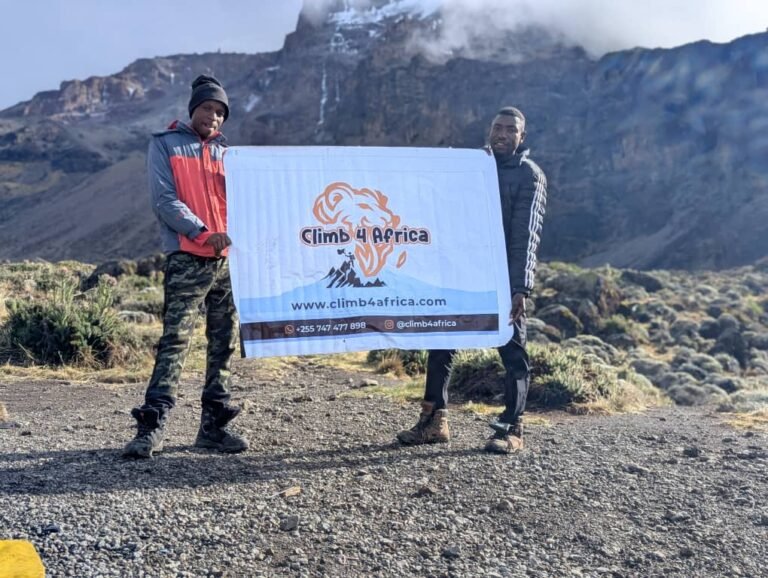
Climb Kilimanjaro In 20 November 2026 : Join A Shared Group
Plan a Kilimanjaro ascent on 20 November 2026 with Climb 4 Africa. Learn how shared-group departures work, how to request a verified schedule, and what to consider for a safe, rewarding...
View package details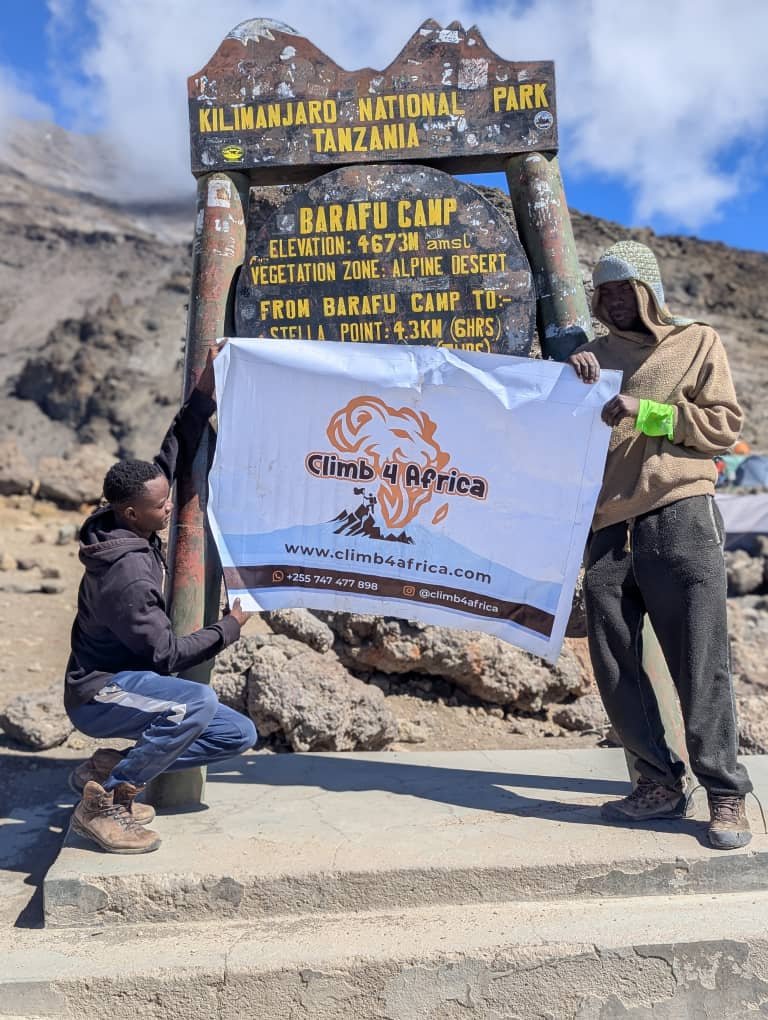
Climb Kilimanjaro In 13-November-2026, Join Small Group
Climb Kilimanjaro in 13-November-2026, Join Small Group.
View package details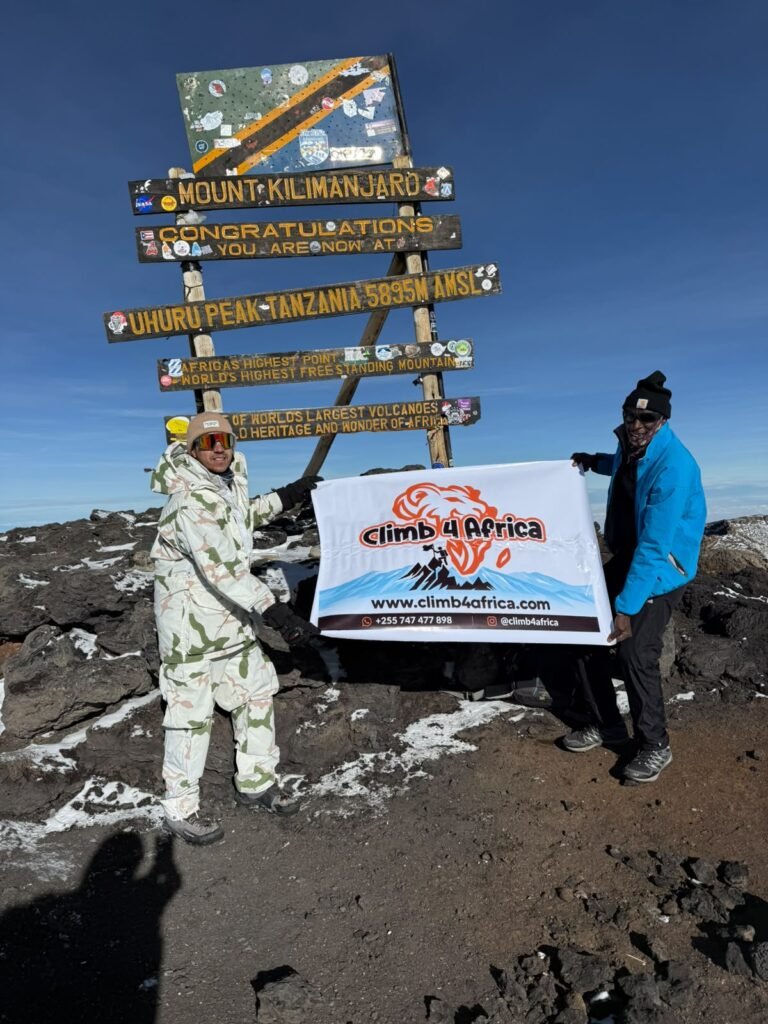
7 Days Rongai Route Kilimanjaro Group Joining – 26 November – 2 December
Experience Kilimanjaro via the Rongai Route with a confirmed group departure for 26 November–2 December 2026. Read a practical, day-by-day plan focusing on route pacing, acclimatization...
View package details7 Days Machame Kilimanjaro Group Joining – 14–20 November
Join a confirmed 7-day Machame Route Kilimanjaro climb with a small group, departing 14–20 November 2026. Plan, acclimatise and summit with practical logistics and local support.
View package details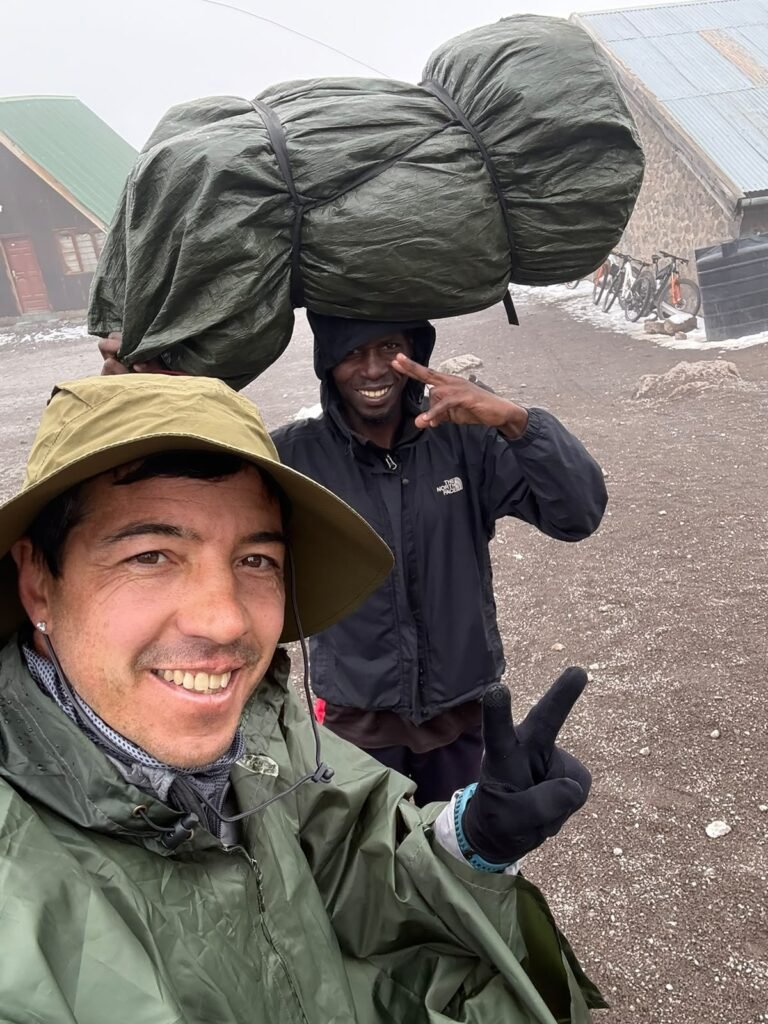
8 Days Lemosho Route Kilimanjaro Group Joining – 7–14 November 2026
Plan an 8-day Lemosho climb on Kilimanjaro with a verified group joining window of 7–14 November 2026. This first installment breaks down the day-by-day itinerary, acclimatisation logic...
View package details6 Days Marangu Route Kilimanjaro Group Joining – 20–25 November
Bookable 6 days on the Marangu route with a verified group departure 20–25 November 2026. Day-by-day itinerary, acclimatization plan, hut-style accommodations, and how to request a...
View package detailsLate November Kilimanjaro Hiking Tours – 28 To 5 December 2026
Explore a practical late‑November Kilimanjaro itinerary from 28 November to 5 December 2026 with Climb 4 Africa. Understand routes, pacing, and what to expect on the mountain with local...
View package detailsThanks giving Week Kilimanjaro Trekking, 22–28 November 2026
Plan a Kilimanjaro summit during Thanksgiving week 22–28 November 2026 with practical planning, route considerations, and local support from Climb 4 Africa to maximize safety and enjoyment.
View package detailsNo related package matches those filters. Clear one or more filters to see the other topic-matched options.



