
The 8 Days Lemosho Route Kilimanjaro Group Joining for 7–14 November 2026 follows a classic Lemosho ascent with an initial Moshi transfer, forest and heath moor stages, and a steady acclimatisation rhythm culminating at the summit. You will join a confirmed group with on-the-ground support from Climb 4 Africa, including guides, porters, and medical/altitude readiness procedures. Availability and exact departure details must be verified with the operator; prices are not published here and require a confirmed quote. The daily sequence below outlines the intended route, stage logistics, and typical lodge/hut transitions for this package.
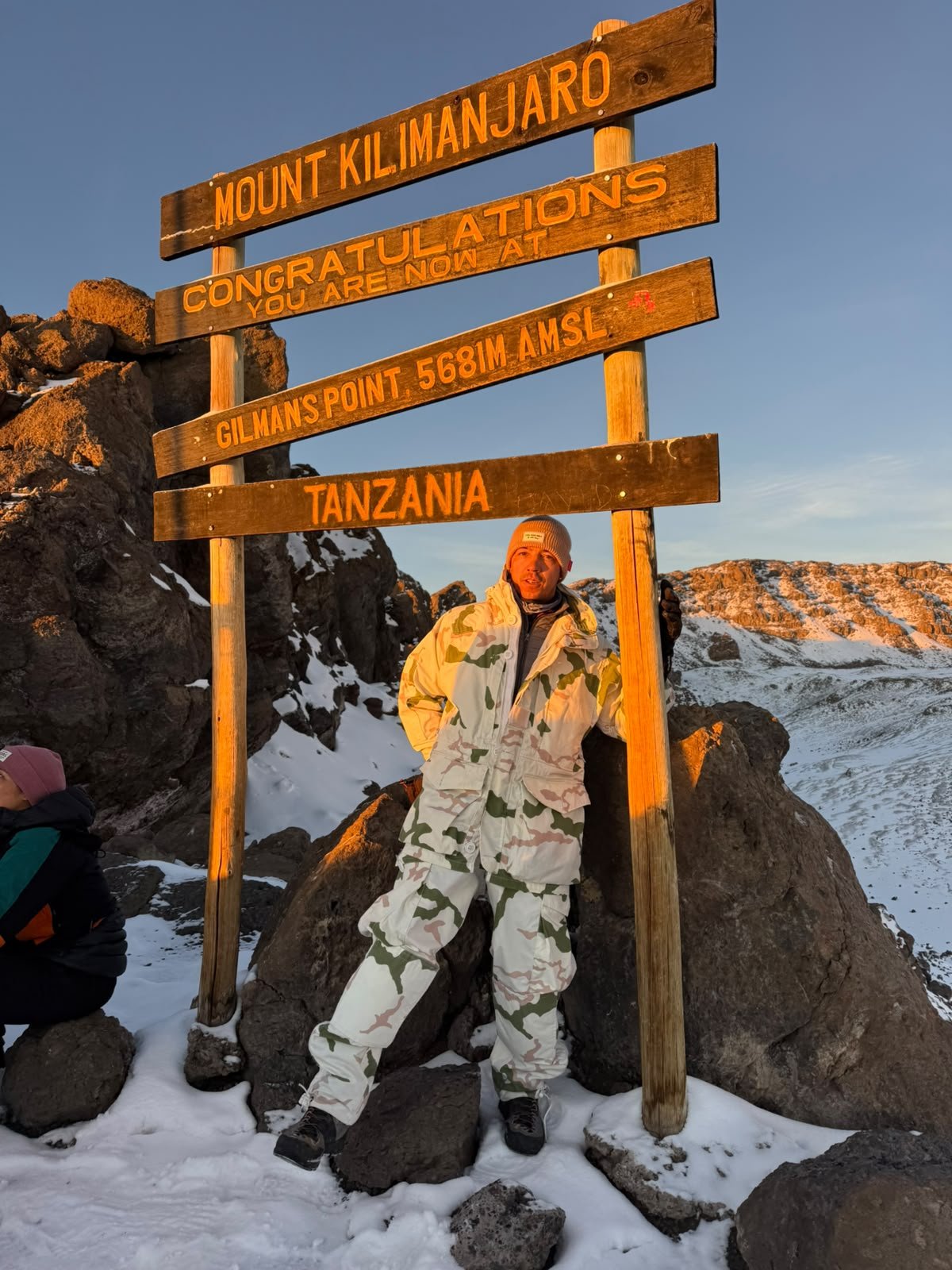
Day 1 — Moshi to Londorossi Gate and up to Mosenjo Camp (or similar) start
Purpose: Safe departure and acclimatisation groundwork. Transfer from Moshi to Londorossi Gate, trek into the forested foothills, and establish first night at a basic camp or shelter. Terrains vary from dusty roadside approaches to grassy tracks with occasional root sections. Altitude gain modest, designed to ease the body into highland conditions. Overnights typically in shared tents or simple mountain huts depending on group configuration.
Day 2 — Forest to Shira Plateau acclimatisation leg
Purpose: Build gradual ascent with an acclimatisation push. The route leaves the forest behind and enters heath and moorland, approaching the Shira Plateau. Expect cooler air, expansive views, and more exposed walking. Afternoon rest ensures the body stores energy for the higher sections. Overnight at a high camp or designated shelter near Shira Camp.
Day 3 — Shira Camp to Barranco Camp via Lava Tower detour (optional) and Karanga Valley
Purpose: Elevation gain with a controlled push and an optional acclimatisation detour to Lava Tower to aid physiological adjustment. The group follows the ridges toward the Karanga Valley, a common transition point before the Western Breach corridor variants appear in longer itineraries. Overnight at Barranco or Karanga area depending on pace and weather.
Day 4 — Barranco Wall to Barafu alternative staging area
Purpose: Steep ascent through the Barranco Wall, a signature challenge that also helps acclimatisation by adding a physical stimulus while staying under critical altitudes. The afternoon is spent at a lower altitude plateau or a sheltered camp area with views toward the upcoming summit corridor. Overnight near Barafu Camp or a similar staging zone depending on group scheduling.
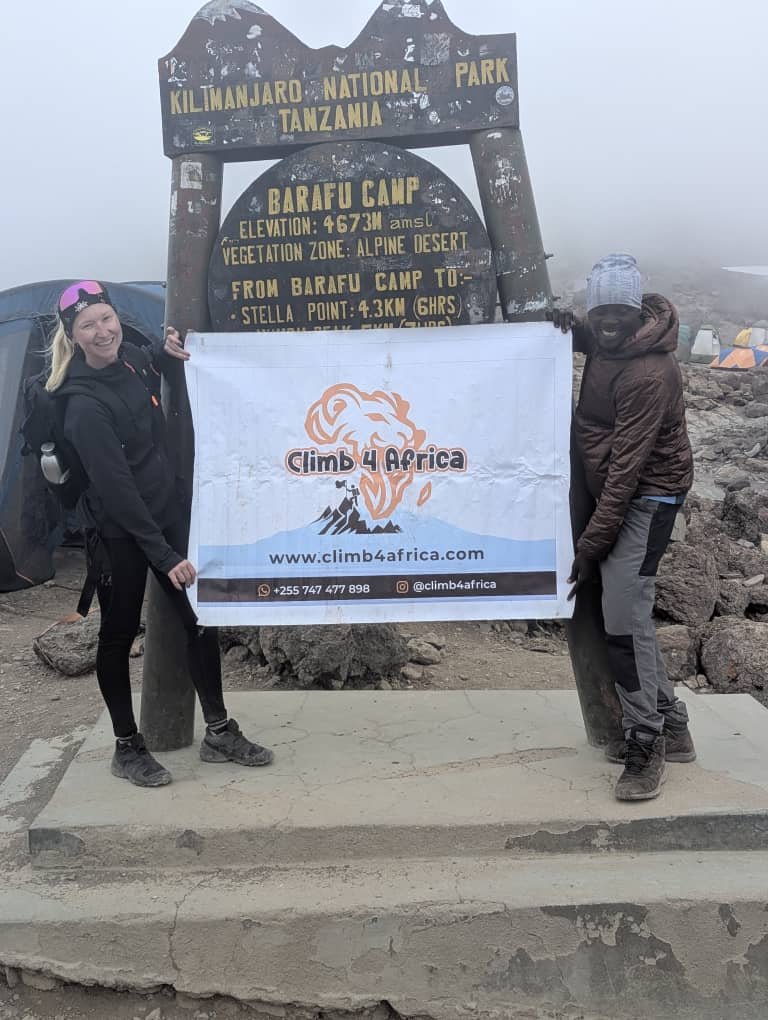
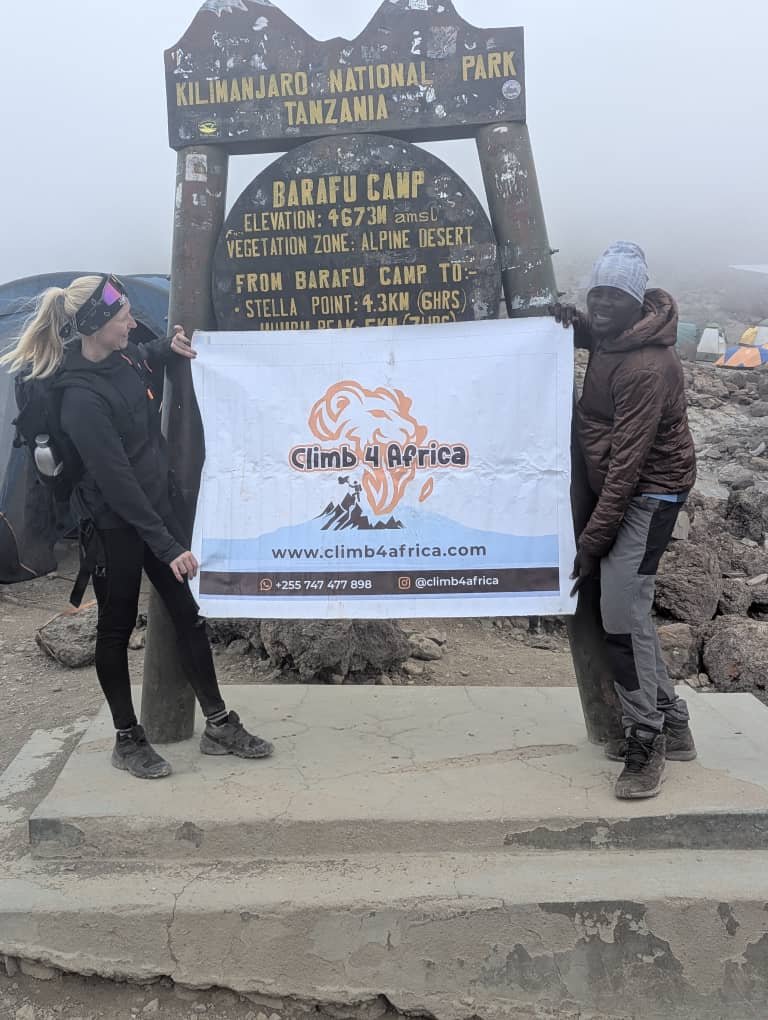
Day 5 — Karanga to Barafu Camp (summit corridor focus) and final night before summit
Purpose: Final push into the high-alpine zone with a rest at Barafu or adjacent high camp. Massage options, tea service, and light meals help priming for summit night. This day is designed to minimise losses of energy while preserving appetite for a proper summit night. Overnight near Barafu or an equivalent high camp with ready-to-ignite packs for the final ascent.
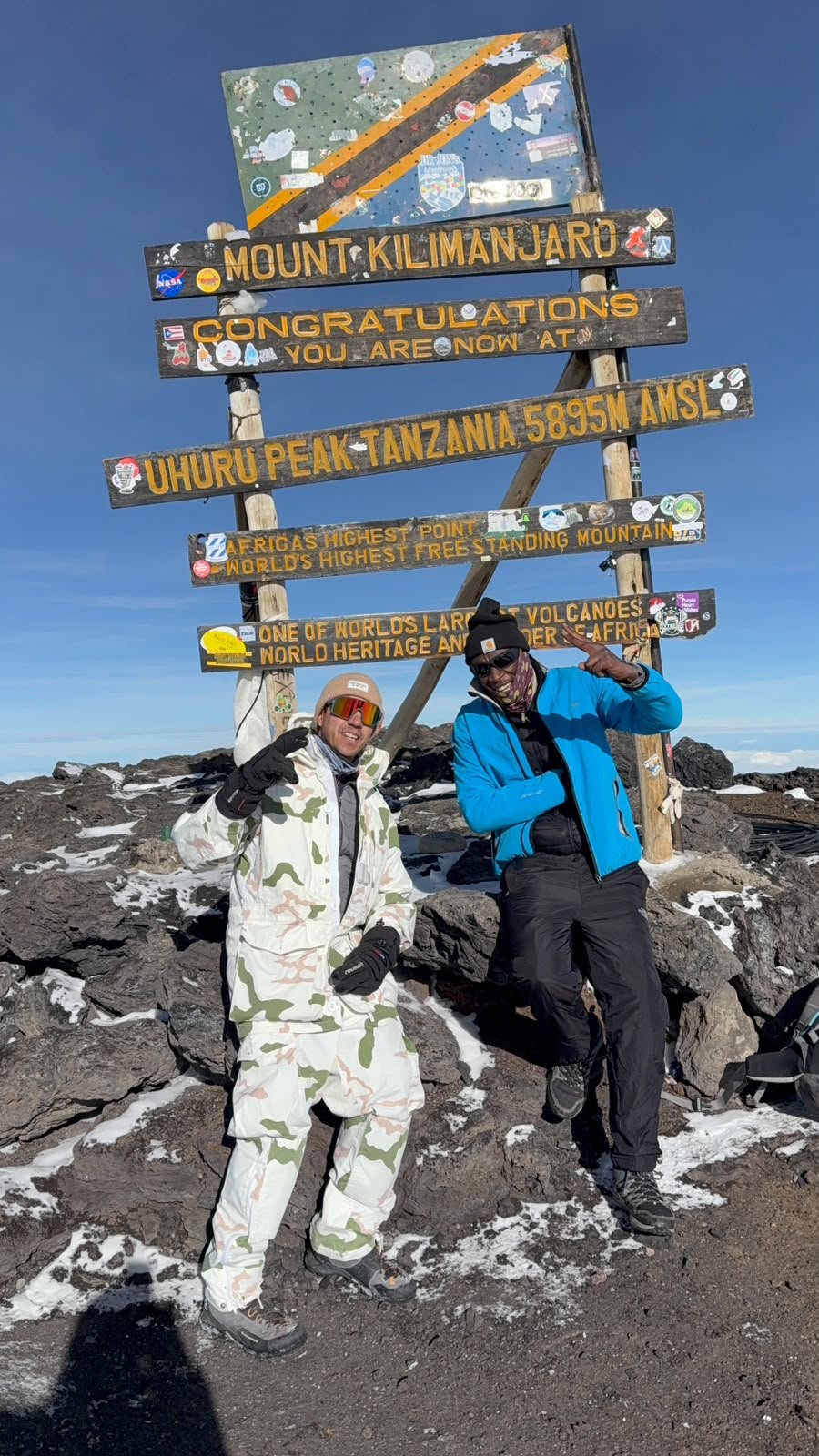
Day 6 — Summit attempt: Barafu to Uhuru Peak; Mweka Camp descent
Purpose: The climactic attempt. Start around midnight with a steady climb to Gillman’s Point and, if conditions permit, onto Uhuru Peak. Descend to Mweka Camp for a safe night and decompression. The pace is conservative with regular halts for hydration and acclimatisation pace checks. Overnight near Mweka or in a nearby camp area depending on the group’s progress and weather windows.
Day 7 — Mweka Camp to Mweka Gate; Moshi transfer
Purpose: Gentle final descent back to the park gate, collect certificates, and transfer back to Moshi. The day includes a celebratory debrief and a celebratory meal or ceremony with the group. Overnight options in Moshi or nearby lodges, depending on the itinerary and group energy levels.
Day 8 — Optional post-climb extensions: Safari or beach relaxation in Zanzibar
Purpose: For travelers staying longer, optional add-ons like a wildlife safari or Zanzibar beach break can be arranged after the climb, with transfer logistics coordinated by Climb 4 Africa.
Important notes on dates and availability: The exact departure numbers, group size, and confirmed lodge or hut names are provided only after verification with the operator. If you’re planning for 7–14 November 2026, contact Climb 4 Africa to request current availability, group size, and a formal quote. This first installment provides a clear day-by-day itinerary framework and explains the ascent logic, but it does not imply guaranteed dates or prices without operator confirmation.
Additional practical details for planning the 8 Days Lemosho Route Kilimanjaro Group Joining — 7–14 November 2026
The core itinerary in the article already outlines the day-by-day framework, but readers planning a specific 8-day Lemosho group ascent often need concrete, logistical considerations that impact booking decisions and on-the-ground experiences. This continuation adds actionable context to help readers assess the practicalities of a confirmed group departure with Climb 4 Africa, without altering the established route logic or inventing unavailable details.
1) Transit and arrival coordination beyond the Moshi transfer
In practice, the Moshi transfer is arranged as a capped service bundled with the climb package. For travelers arriving on different international flights, the typical flow is to meet the group at a designated hotel or meeting point in Moshi or nearby Arusha or Kilimanjaro area hotels on the eve of Day 1. Exact pick-up times and meeting points depend on the operator’s confirmed schedule, flight arrival times, and local traffic conditions. If you arrive earlier or later than the core group arrival window, you should coordinate a separate transfer with the operator or arrange a pre-night hotel stay in Moshi and notify the coordinator of your arrival details to avoid missed transfers. The aim is to synchronize your arrival with the group’s Day 1 transfer window so you do not experience unnecessary waiting or separate transport costs.
2) Acclimatisation pacing and rest days inside the 8-day framework
Although the itinerary follows a steady altitude gain, the Lemosho route is designed to support acclimatisation. Expect days with longer scenic sections at moderate elevations, followed by rest periods at mid-altitude camps. The non-technical nature of the route does not exclude the necessity of rest and hydration checks. The group’s pace is adjusted by the lead guide to accommodate varying fitness levels, and porters carry heavy loads to ensure the climbers conserve energy for higher stages. If a member shows signs of fatigue or mild altitude discomfort, the guides may insert a brief additional rest period or a short alternative route segment to maintain safety while preserving the overall schedule.
3) Accommodation types on the mountain and in base camps
The itinerary indicates a progression through forest camps, high-altitude shelters, and designated staging zones near Karanga and Barafu. The actual lodging can vary by day depending on group size, weather windows, and on-the-ground logistics. Typical arrangements include shared tents in dedicated camp areas or basic mountain huts with communal facilities. In some days, shelters may be simple stone structures or corrugated metal huts with basic sleeping mats. Your packing plan should anticipate shared sleeping arrangements and plan for a compact sleeping environment, including a light sleeping bag liner if needed for extra warmth. The operator will confirm exact lodging configurations as part of the final quote once a group is formed.
4) Food provisions and dietary accommodations
Meals during the climb are prepared by a trained mountain crew, with provisions for breakfast, lunch, and dinner, and snacks to sustain energy at altitude. On higher days, hot meals and beverages are typically available at camps or during midday rests. If you have special dietary requirements (vegetarian, vegan, gluten-free, allergies), communicate these clearly to the operator in advance. The guiding team usually makes reasonable efforts to accommodate common dietary needs within the constraints of altitude cooking, but advanced notice improves the likelihood of a smooth experience. For post-climb recovery in Moshi, typical options include a celebratory dinner with the group before transfer to your next destination or hotel stay, arranged by the operator or your independent plans.
5) Medical readiness and safety procedures observed by Climb 4 Africa
The established practice includes basic first aid kits on the mountain and a medical oxygen supply at the base camps, with trained guides and porters who carry essential safety equipment. The group’s medical readiness policy generally emphasizes pre-climb health screening, hydration assessment, and acclimatisation checks at key points in the itinerary. If a participant experiences altitude-related symptoms, the guides follow a protocol that prioritises safety, including potential descent to a lower camp and medical evaluation. If you have any ongoing medical conditions or require prescribed medications, you should disclose these during the booking process and carry a sufficient supply of any essential medicines, along with copies of prescriptions in case of emergencies.
6) Weather and climate considerations specific to November on Lemosho
November sits at the transition between the long dry season and the short rains. While the Lemosho route generally enjoys favorable trekking conditions with clearer skies and less cloud cover than the wet season, weather can still be variable. Expect cool evenings and mornings, with progressively milder days on the lower slopes before the higher altitude sections. Pack appropriate layers, including a windproof jacket, thermal layers, and a compact rain shell. The guides monitor local conditions and may adjust day-to-day pacing if wind, fog, or precipitation affects visibility or safety, though any changes are constrained by the overall 8-day structure and group logistics.
7) What to expect in terms of group dynamics and support on the mountain
Group joining routes on Kilimanjaro with Climb 4 Africa emphasize on-the-ground support: guides lead, porters carry gear, and a kitchen crew prepares meals at camps. Expect a sense of camaraderie among group members, with a culture of mutual encouragement at altitudes where breathing efficiency slows. The on-site team typically assigns tents and organizes shared spaces to maximize efficiency while maintaining safety. If you prefer quieter nights or private space, discuss this with the operator early in the planning process to see what options may be possible within the group framework.
8) How to request a verified schedule and what to expect in the quote
Because the article context notes that prices, departure numbers, and exact lodge names are only confirmed after operator verification, readers aiming to join the 7–14 November 2026 group should contact Climb 4 Africa with specific dates and group size. A formal quote will include exact departure dates, confirmed lodging or hut names for each night, the day-by-day sequence with any minor day variations, inclusions such as meals and permits, porter ladders or porter load allowances, and the terms of the cancellation policy. To streamline the process, prepare (a) your passport details as required for Kilimanjaro permits, (b) your preferred contact information, (c) any dietary or medical notes, and (d) your approximate flight arrival details so the operator can align the Moshi transfer window with your arrival. This helps ensure a smooth transition from arrival to group departure and minimizes the risk of missing a transfer window.
9) End-to-end experience overview for the 8-day arc
In practice, the journey is a balance of gradual altitude gain, measured exertion, and rest periods designed to maximise safety while maintaining progress toward the summit. The forest phases give way to heath and moorlands, the lava detour is treated as an optional acclimatisation strategy, and the Barranco Wall section remains a signature test of both physical stamina and mental resolve. The final push from Barafu to Uhuru Peak is timed to exploit night hours when temperatures are relatively stable and humidity is lower. The descent via Mweka Camp closes the loop with a return to lower elevations, culminating in a gate ceremony and the return transfer to Moshi. Any deviations from the described sequence are determined collaboratively by the lead guide in response to group pace, weather, and safety considerations.
New practical consideration: how to align the 8 days with flight schedules and Moshi transfer timing
One of the most consequential aspects readers often overlook is how arrival times in Kilimanjaro Area airports intersect with the Moshi transfer window that supports the Lemosho route group joining. Although the official itinerary describes a Moshi to Londorossi Gate transfer on Day 1, the practical reality is that flight times into Kilimanjaro International Airport (JRO) or nearby hubs can vary by day of week, airline, and seasonal scheduling. A verified schedule through the operator will specify the exact pick-up window, but readers planning independently should prepare a flexible plan that accounts for possible delays, customs processing, and luggage handling for porters’ load handoff at the Moshi base area. If your arrival arrives outside the standard transfer window, many operators offer a supplementary, pre-night stay in Moshi or a private transfer to align with the group’s known departure window. This adaptability helps avoid last‑minute changes that could otherwise cascade into missing the first day’s start point at Londorossi Gate.
To minimize risk and maintain momentum, consider these concrete steps when arranging travel and arrival logistics:
- Confirm the operator’s exact Moshi pickup point and the standard window (for example, a 07:00–08:30 pickup is common). Request an updated, written transfer timetable at least 6–8 weeks before departure.
- Provide your flight details early, including inbound and any onward connections, so the logistics team can track delays and communicate promptly if adjustments are needed.
- Discuss possibilities for a pre‑arrival night in Moshi or nearby lodges if your flight lands late in the day or if there is a tight connection to the group’s departure from Moshi to Londorossi Gate on Day 1.
- Ask about luggage arrangements for the Moshi transfer. Group logistics typically reserve space for personal duffels, but smaller carry-ons should be clearly labeled to avoid misplacement during the handoff to porters at the trailhead.
- Clarify what happens if a guest arrives after the scheduled pickup. In most cases, operators will provide a separate private transfer or rejoin the group at a later point, which may incur additional costs or require a revised day-by-day plan.
In practice, the first-day logistics hinge on a coordinated handoff: private or group transport from the airport to Moshi, a welcome briefing, a short ceremony recognizing group members, and then the onward transfer to Londorossi Gate. Communicating clearly about timing helps preserve acclimatization rhythms and reduces stress before the forest path begins. If you are arranging the trip through a third-party booking channel, request a direct contact within the Climb 4 Africa operational team who handles the November 7–14, 2026 group and can confirm transfer specifics as your flight itinerary becomes fixed.
Back‑office planning notes: how the group joins affect day-to-day pacing and safety checks
The 8-day Lemosho plan is built around a consistent acclimatisation strategy, with measured elevation gains and built‑in rest at key days. When a specific group joins, the pacing may be tuned to the group’s collective pace, but the fundamental altitude thresholds and rest cadence remain consistent with standard practice for Lemosho routes. The on-the-ground team—guides, porters, and a dedicated medical/altitude readiness officer—carrys out daily safety briefings, hydration monitoring, and symptom screening protocols at each camp. This routine is designed to catch early signs of altitude sickness and respond with the appropriate descent or rest day as indicated by the group’s health status.
For travelers with medical considerations or heightened risk awareness, it is prudent to share medical history details during the booking process. This includes any previous altitude experiences, chronic conditions, or medications that may interact with high‑altitude physiology. The group structure often allows for tailored support, such as a slightly slower pace near the Lava Tower detour or Karanga Valley sections, without compromising the overall summit objective. If you have a known sensitivity to altitude, speak with the operator about the possibility of an enhanced acclimatisation day or a minor itinerary adjustment that remains within the safety framework of the 8-day arc.
What to expect in the booking verification process: concrete documents to prepare
Because the article states that prices, departure numbers, and exact lodge names are confirmed only after operator verification, prospective travelers should gather the standard documentation and information that commonly appears in official quotes. This preparation streamlines the process and helps reduce back‑and‑forth when a verified schedule becomes available. Typical components of a confirmed quote include:
- Exact departure dates and group size for the 7–14 November 2026 window, as verified by the operator.
- Names and locations of lodges, huts, or camps for each night, with bed configurations (tents or shared huts) and any private‑room options, if offered.
- Meals inclusions per day, including any special dietary accommodations and the policy for alcohol or soft drinks at meals.
- Permits, park fees, rescue contingency, and medical/altitude readiness protocols that apply to the group.
- Porter allowances, which detail how many kilograms of personal gear a porter is allocated and any extra load options if the group requires them.
- Cancellation terms, emergency contact procedures, and rebooking options in the event of illness, political disruption, or severe weather.
To facilitate an efficient quote, prepare: (a) passport details as required for Kilimanjaro permits, (b) current contact information, (c) any dietary or medical notes, and (d) rough flight arrival details with preferred connection options. Having these ready reduces the back-and-forth time and helps ensure the schedule aligns with your arrival window and the group’s transfer plan.
Safety reminders specific to the 8-day Lemosho with group joining
Group trips add a valuable layer of shared support but require individual vigilance. The on-ground team emphasizes monitoring for altitude symptoms, staying hydrated, and pacing awareness during acclimatisation days. If any member experiences persistent headache, dizziness, or nausea beyond typical high‑altitude discomfort, the lead guide will implement the standard safety protocol, which may involve rest, extra fluids, or a controlled descent to lower camps. It is critical that all travelers respect the signal-to-noise ratio of the group: decisions are made to preserve the collective ability to summit, not to push one member beyond safe limits. Clear communication about symptoms and a willingness to adjust pace are essential to a successful and enjoyable experience for everyone involved.
Related Guides and Packages
Check Availability for 8 Days Lemosho Route Kilimanjaro Group Joining – 7–14 November 2026
Ready to compare dates, prices, and the best option for your group? Send the package name and travel month so the team can reply with a clear quote, availability, and what is included.
8 Days Lemosho Route Kilimanjaro Group Joining – 27 November – 4 December
8 Days Lemosho Route Kilimanjaro Group Joining – 27 November – 4 December 2026.
View package details
8 Days Lemosho Route Kilimanjaro Group Joining – 18–25 November 2026
8 Days Lemosho Route Kilimanjaro Group Joining – 18–25 November 2026.
View package details
7 Days Rongai Route Kilimanjaro Group Joining – 26 November – 2 December
Experience Kilimanjaro via the Rongai Route with a confirmed group departure for 26 November–2 December 2026. Read a practical, day-by-day plan focusing on route pacing, acclimatization...
View package details
7 Days Machame Route Kilimanjaro Group Joining – 27 November – 3 December
7 Days Machame Route Kilimanjaro Group Joining – 27 November – 3 December 2026.
View package details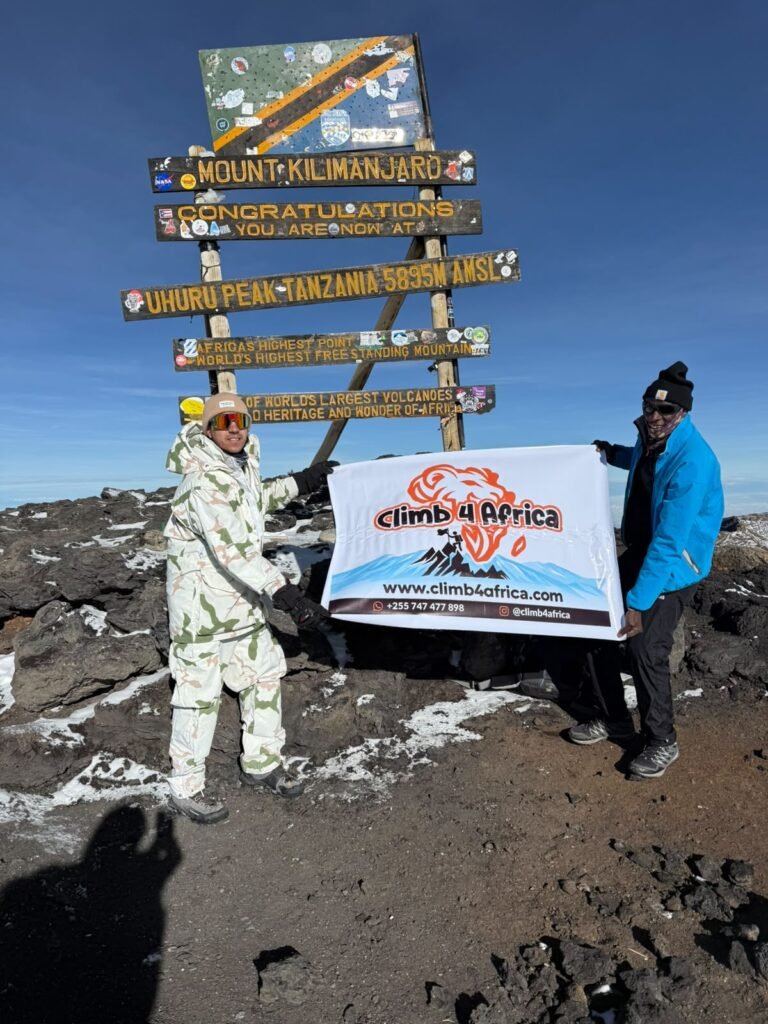
7 Days Machame Kilimanjaro Group Joining – 14–20 November
Join a confirmed 7-day Machame Route Kilimanjaro climb with a small group, departing 14–20 November 2026. Plan, acclimatise and summit with practical logistics and local support.
View package details8 Days Lemosho Kilimanjaro Group Joining: 18–25 November 2026
Plan an 8-day Lemosho Kilimanjaro climb with a shared group from 18–25 November 2026. Learn the route, day-by-day logistics, and what a booked package typically includes.
View package details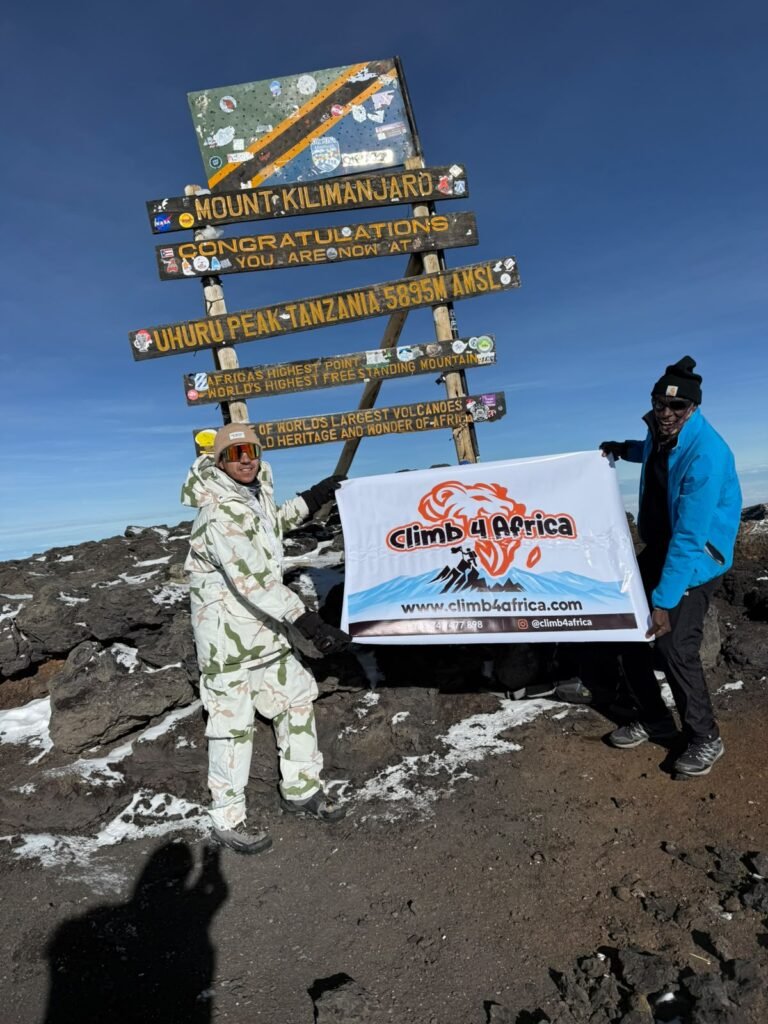
9 Days Northern Circuit Kilimanjaro Group Joining – 17–25 November
9 Days Northern Circuit Kilimanjaro Group Joining – 17–25 November 2026.
View package details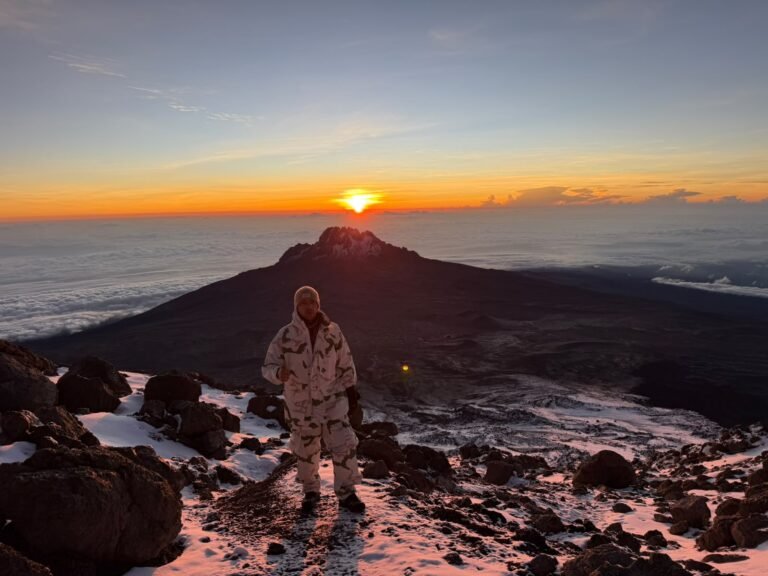
7 Days Machame Kilimanjaro Group Joining Price – 19–25 November 2026
7 Days Machame Kilimanjaro Group Joining Price – 19–25 November 2026.
View package details6 Days Marangu Route Kilimanjaro Group Joining – 20–25 November
Bookable 6 days on the Marangu route with a verified group departure 20–25 November 2026. Day-by-day itinerary, acclimatization plan, hut-style accommodations, and how to request a...
View package detailsKilimanjaro Group Joining Tours November, Dates, Routes And Prices 2026
Kilimanjaro Group Joining Tours November 2026 – Dates, Routes and Prices.
View package detailsNovember Kilimanjaro Lemosho Vs Machame Group Climbing Dates
November 2026 Kilimanjaro Lemosho vs Machame Group Climbing Dates.
View package details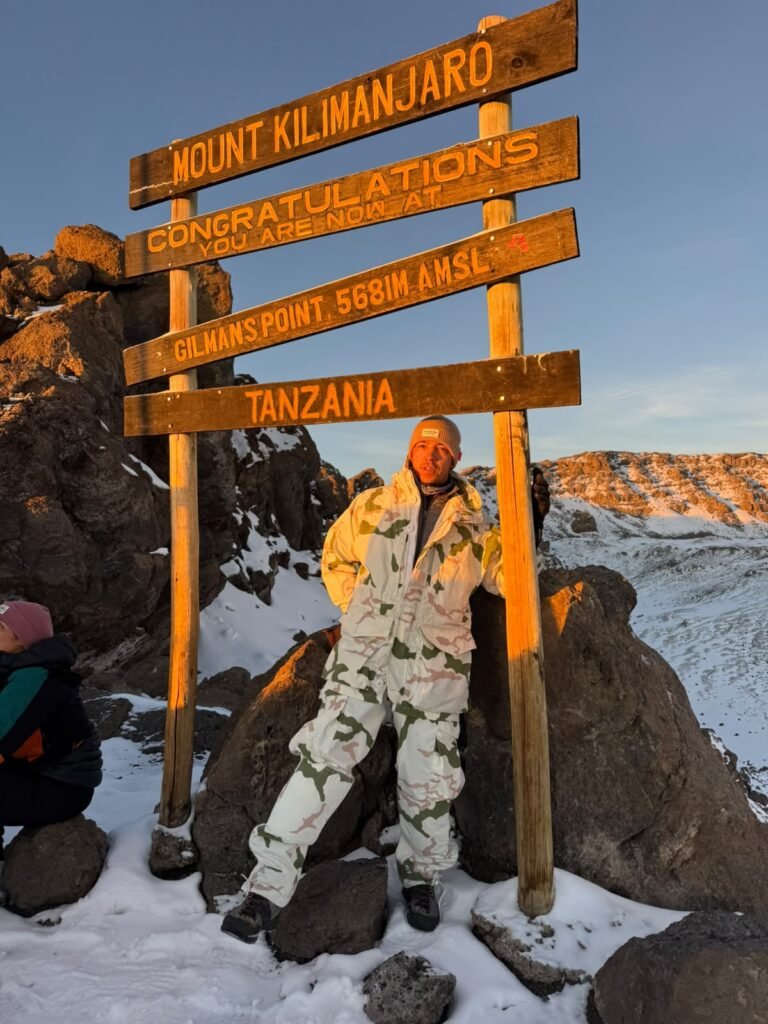
Kilimanjaro Group Joining Tours Starting 27 November 2026
Kilimanjaro Group Joining Tours Starting 27 November 2026.
View package detailsNo related package matches those filters. Clear one or more filters to see the other topic-matched options.



