
Read this practical, bookable plan for a 7-day Machame Kilimanjaro ascent with a group joining between 14 and 20 November 2026. The route follows the Machame path (the Whiskey Route) with staged acclimatisation, day-by-day transfers from gate to gate, and standard huts/temporary camps. You will join a verified group itinerary once your booking is confirmed; actual departure details, prices and available beds must be verified with Climb 4 Africa. Expect clear day-by-day logistics, responsible pacing, and on-ground support from local guides and porters.
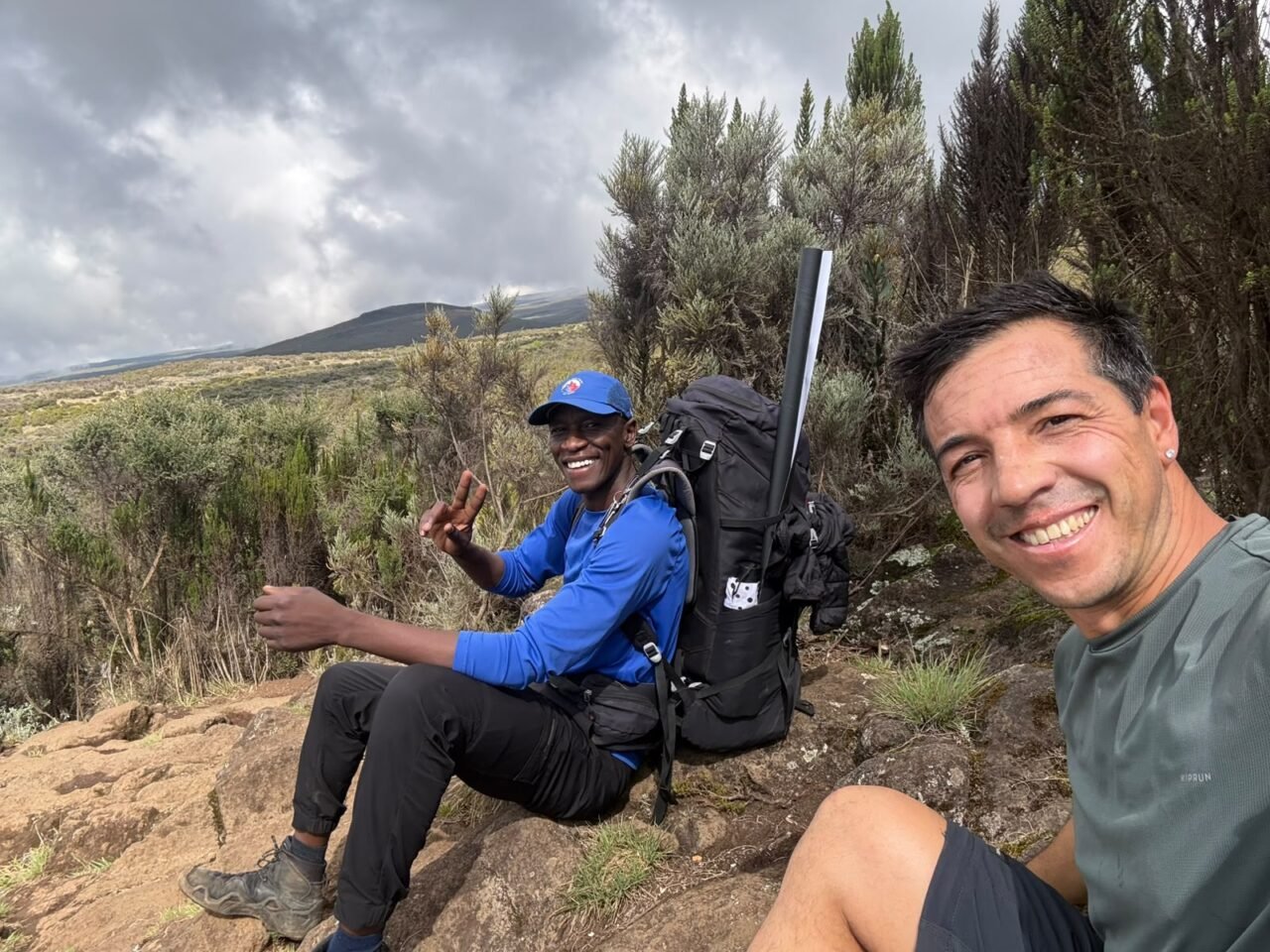
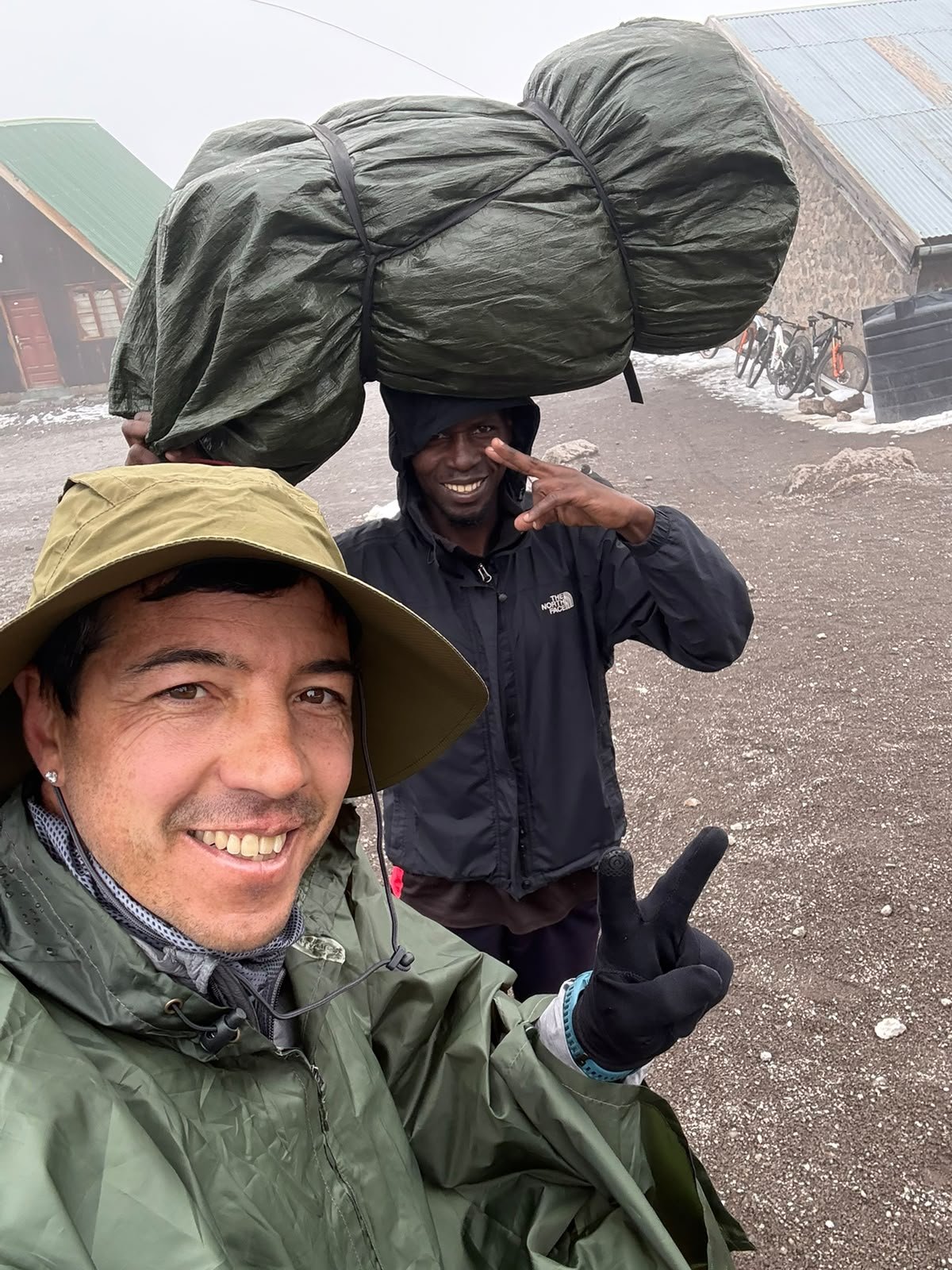
Day 1: Kilimanjaro National Park gate to Machame Camp (approx. 3,000m). After arrival, a briefing and the first light trek through rainforest, ending at Machame Camp where tents are prepared. This opening day sets a gentle pace and starts acclimatisation with a moderate ascent and a familiarisation walk around camp after lunch.
Day 2: Machame Camp to Shira Camp (approx. 3,800m). A longer day with a steady climb across heath and moorland, gaining altitude while enjoying views toward the Shira Plateau. Evening rest and early dinner to support sleep and altitude adaptation.
Day 3: Shira Camp to Lava Tower to Barranco Camp (approx. 3,950–3,800m). A short detour to acclimatise (Lava Tower) followed by a descent and the famous Barranco Wall, finishing at Barranco Camp. The day balances exposure to altitude with a controlled pace and encouragement to hydrate well.
Day 4: Barranco Camp to Karanga Camp (approx. 4,600m). An up-and-down route across a dramatic valley, with a direct ascent to higher terrain and an afternoon rest at Karanga Camp, preparing for the summit push the next morning.
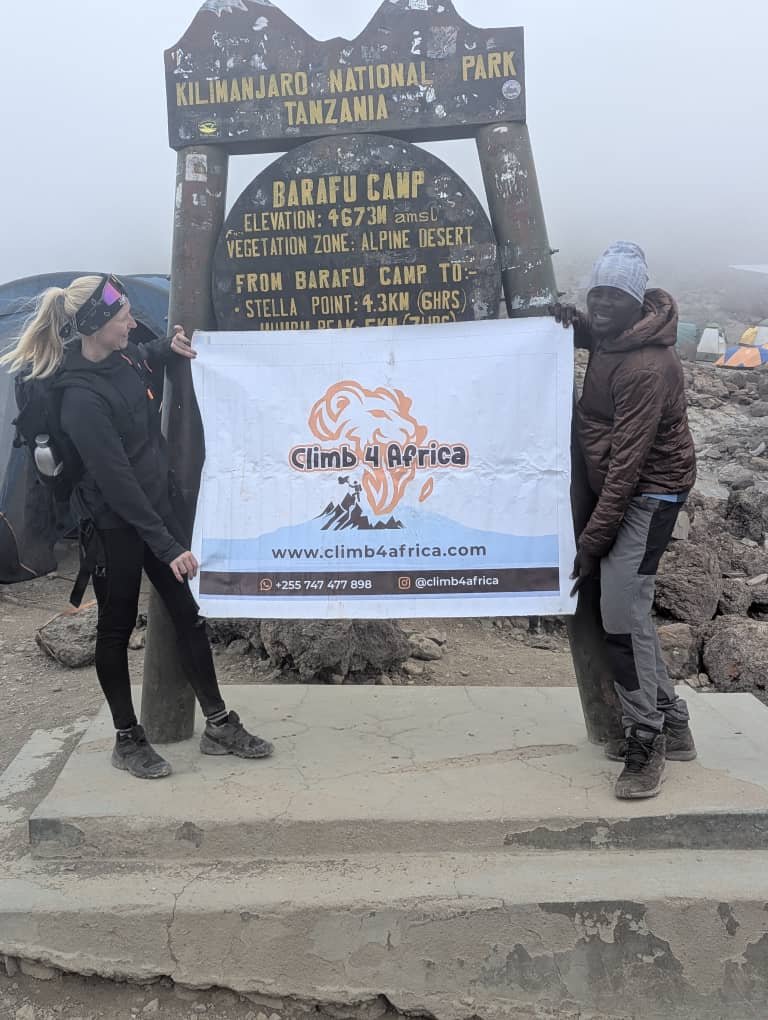
Day 5: Karanga Camp to Barafu Camp (approx. 4,640m) then summit attempt prep. A shorter, steep day to Barafu, where guests rest, receive final briefing, and prepare kit and hydration for the summit push. Night briefing and wake-up ahead of the final ascent.
Day 6: Barafu Camp to Uhuru Peak (5,895m) and descent to Mweka Camp (approx. 3,060m). The ascent begins around midnight, with gradual ascent to Uhuru Peak for sunrise, followed by a long descent to Mweka Camp for rest and a final celebratory moment.
Day 7: Mweka Camp to Kilimanjaro Gate and onward. A lazy morning packing and breakfast, then the final descent to Mweka Gate, where your certificate and group celebration typically happen, followed by transport back to your hotel or lodge for a well-earned shower and rest.
What you’ll get with this 7-day Machame Group Joining
- Shared group logistics and a clear daily plan with acclimatisation emphasis
- On-ground support from a licensed Kilimanjaro guide team and porters
- Standard mountain huts or tents at designated campsites, depending on the permit and weather
- Meals aligned to the trek schedule plus boiled water and basic snacks
- Pre-departure briefing, equipment checklist guidance, and safety protocols
Important notes about dates, availability and pricing
- Dates: 14–20 November 2026 are the target dates for this group joining. Availability and capacity must be verified with Climb 4 Africa, as group sizes can vary by departure and guide crew.
- Prices: Verified numbers and inclusions must be confirmed with the operator; plucked rates or quotes are not provided here. Expect standard inclusions such as guides, porters, meals, and park fees, with extras possibly including gear rentals or city transfers.
- Reality check: This is a bookable itinerary. If you need a different window within 2026 or an alternative Machame variant (e.g., shorter/longer pacing or different acclimatisation strategy), discuss options with Climb 4 Africa during inquiry.
Logistical snapshot and how to proceed
- To request a verified schedule for 14–20 November 2026, contact Climb 4 Africa directly via the booking form or their updates page. They’ll confirm group size, permit allocations, and exact start times.
- Prepare your gear list well ahead: layered clothing, sturdy hiking boots, headlamp, gloves, hat, rain shell, and a compact sleep system. Your guide will confirm any equipment rentals at the start.
- Plan your Tanzania arrival the day before departure, with an optional pre-trek briefing and hotel night arranged by the operator.
This first installment lays out the day-by-day logic of the route, the acclimatisation discipline, and the practical steps to secure a confirmed 14–20 November 2026 Machame group joining with Climb 4 Africa. In the next segment, we’ll map the practical booking path, expected inclusions, and a decision checklist to help you compare with other Machame options without losing the core itinerary intact.
Day-by-day details for the 7-day Machame Route group joining (14–20 November 2026)
The following section adds careful, day-by-day clarity to the practical, bookable sequence promised by the group joining plan. It remains anchored to the information already outlined in the existing content and focuses on the logistics, typical pacing, and what to expect on each day when you’re part of a verified Machame group with Climb 4 Africa.
Day 1 — Gate to Machame Camp (approx. 3,000m): After meeting with the guide team at the Machame Gate, travelers begin with a thorough briefing that covers route expectations, acclimatization dialogue, and camp logistics. The trail through the montane rainforest starts gently, with the first official steps taken in a sheltered, humid environment. Porters carry the majority of heavy gear, while trekkers focus on light, efficient movement and steady hydration. Dinner is prepared at Machame Camp and everyone adjusts to higher altitude subtly as tents are arranged and pre-assembled by guides. The acclimatization emphasis is woven into the afternoon activities—short acclimatisation walks around camp help the body begin the altitude adaptation process without steep exertion.
Day 2 — Machame Camp to Shira Camp (approx. 3,800m): The group resumes the ascent with a longer day that climbs through heath and moorland. The pace remains steady to balance energy expenditure with altitude gain. The route offers intermittent viewpoints where the Shira Plateau unfolds on the horizon. Lunchtime is typically served in a sheltered camp area or a designated resting spot along the route. In the afternoon, a gradual increase in altitude is supported by ample hydration and optional short excursions near the trail to help with acclimatisation. Evening meals are structured to promote restful sleep, with early bedtimes encouraged to reinforce the acclimatisation strategy.
Day 3 — Shira Camp to Lava Tower detour to Barranco Camp (approx. 3,950–3,800m): A key acclimatisation detour is incorporated at Lava Tower before the descent toward Barranco. The Lava Tower spur provides a controlled exposure to higher elevations, followed by a controlled descent that sets up the famous Barranco Wall crossing. The Barranco approach tests balance and leg strength, but the pace remains calculated to limit fatigue. Barranco Camp offers a dramatic setting where families of clouds and distant ridges create a memorable backdrop. Hydration remains a central focus, and the day’s breaks are opportunities to assess how the body is responding to altitude as the acclimatisation process continues.
Day 4 — Barranco Camp to Karanga Camp (approx. 4,600m): The route continues with an up-and-down traverse toward higher terrain, punctuated by the dramatic Karanga Valley. After a morning ascent, the path descends slightly before re-ascent to Karanga Camp. The short, steep sections and the unique topography of this day are designed to keep the trek within a sustainable rhythm while nudging the body toward the higher zones in preparation for the summit push. A mid-afternoon rest allows trekkers to recover, rehydrate, and take on calories that support sleep and next-day energy needs. The camp setup emphasizes efficient tent arrangement and early meal timing to maximise the night’s rest.
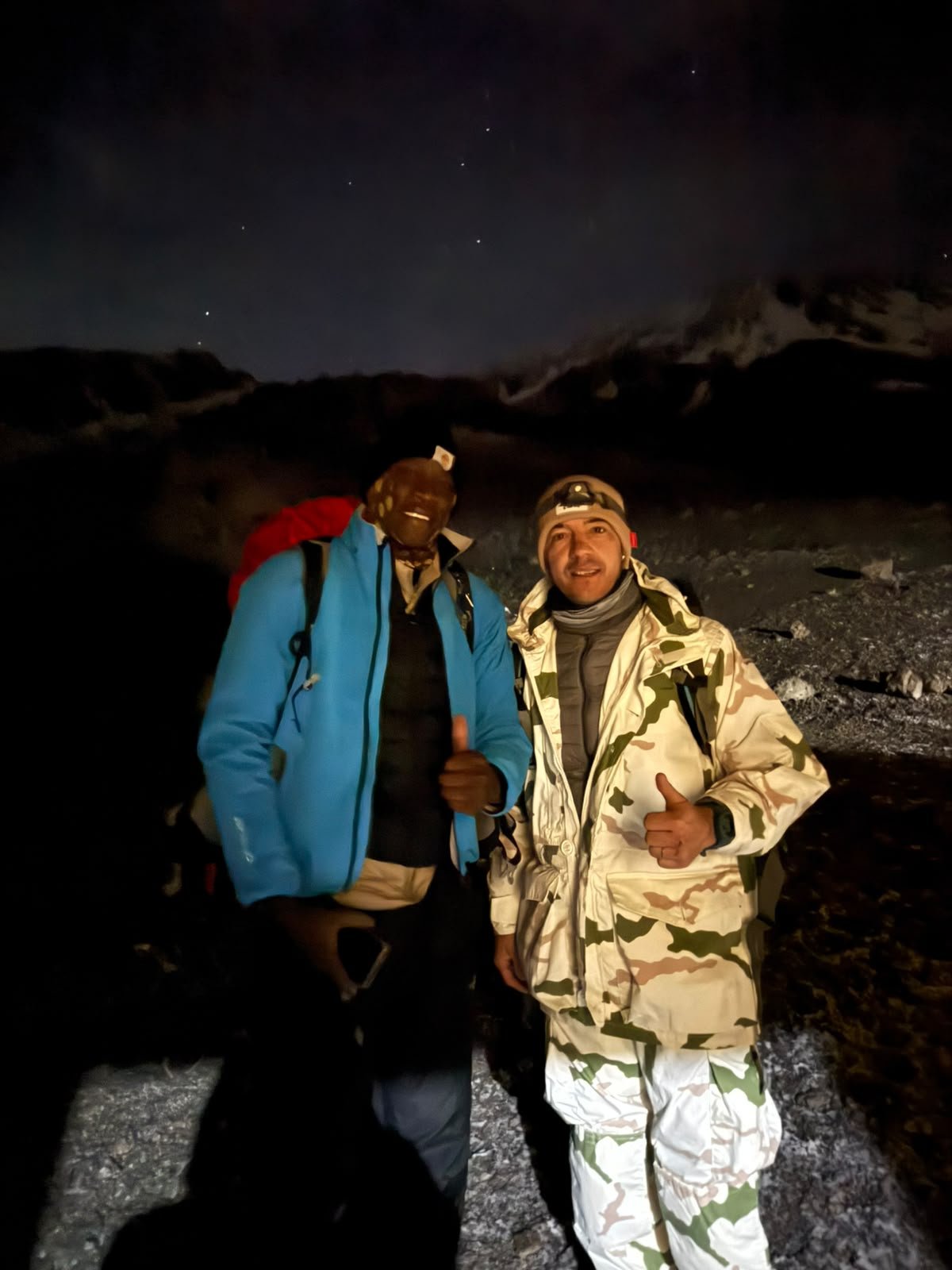
Day 5 — Karanga Camp to Barafu Camp (approx. 4,640m) and summit prep: The final approach to Barafu Camp is comparatively shorter but steeper, with higher exposure and a more direct line toward the upper crags. This day culminates in arriving at Barafu, where the group receives the last briefing, reviews the day’s fatigue levels, and confirms gear readiness for the summit push. The timing is calibrated so that trekkers have a complete dinner and an opportunity for a light, early night before the all-important summit night. Pack checks focus on essential items for the early morning push: headlamps, wind shells, extra layers, hydration bladders, and high-energy snacks. A final water purification check and hydration plan are standard before the weather window opens for the dawn ascent.
Day 6 — Summit attempt from Barafu Camp and descend to Mweka Camp: The pinnacle of the journey begins in the small hours. Porters and guides help with the last-minute kit adjustments while trekkers slowly acclimate to the pre-dawn chill. The actual ascent to the Uhuru Peak area is a slog through the cold, windy high passes, with frequent short breaks to hydrate and refuel. The goal is to reach the crater rim and, if conditions permit, the summit marker. After a successful summit or a decided safe return, the group begins the long descent back toward Mweka Camp, retracing steps through the high desert terrain and reclaiming warmth as the day progresses. Evening at Mweka Camp provides a recovery-focused dinner and a chance to reflect on the ascent in a contained, lower-altitude environment.
Day 7 — Mweka Camp to Mweka Gate and farewell: The final stretch is a bright, lower-altitude march along a shaded forest corridor back to the park gate. Porters ensure the ceremonial handover of certificates and group acknowledgments, and most travelers then transfer to pre-booked hotel accommodations or a lodge for showers and rest. The day rounds out the journey with a sense of accomplishment and the practical transition back to daily life, including any post-trek logistics such as airport transfers or onward travel arrangements.
Booking and coordination notes for the day-by-day sequence
- Each day’s meals and boiled water are typically provided as part of the standard inclusions, with snacks offered at designated breaks. The exact menu can vary by camp and guide crew depending on availability and weather considerations.
- Tent, hut, and sleeping arrangements align with park permissions and weather; guides confirm on-site arrangements at the start of each day to ensure comfort and safety continuity.
- Acclimatisation holds steady through the first four days, with the day 5 push designed to finalize the higher-altitude adaptation before the summit attempt. Drink-water management and electrolyte intake are actively encouraged throughout.
- Group dynamics and pace pacing are managed by the lead guide, who adjusts the schedule to reflect the group’s energy, altitude responses, and any incidental delays (such as weather or trail conditions). Short rest breaks are built into each trekking segment to sustain momentum without compromising acclimatisation.
How to verify a booked schedule for 14–20 November 2026
- Contact Climb 4 Africa directly via the official booking form or updates page to obtain a confirmed, operator-verified schedule, group size, permit allocations, and exact start times for your departure window.
- Provide your requested travel window and any special accommodations or equipment needs so the operator can align them with the group itinerary and available services.
- Review inclusions and any potential add-ons (gear rentals, city transfers, pre-trek hotel nights) with the operator to ensure you understand what is covered and what requires an extra arrangement.
Gap-Discovery: Practical Gaps to Clarify for 14–20 November 2026 Machame Route Group Joining
Even with a detailed day-by-day guide, readers often seek concrete confirmations about the exact sequencing, what to expect at specific camps, and how the group joining process unfolds in real time. The following focused clarifications address a single, concrete gap readers commonly encounter: how a verified schedule is confirmed and how to interpret any discrepancies between provisional plans and operator confirmations for the 14–20 November 2026 Machame Route group joining.
What you can expect from the verified schedule (when you request it): A verified schedule provides a fixed sequence of start times, gate arrivals, and camp transitions that reflects the operator’s confirmed permits, porter allocations, and the group’s actual pace. It also confirms the exact night-by-night camp order, which may differ from generalized outlines if weather or trail conditions necessitate a minor reshuffle. The verified schedule will explicitly include: the departure window (date and earliest possible departure time), the first-day trekking start time at the kilimanjaro gate, the expected camp arrival times for each night, and any planned rest breaks that are integral to acclimatisation.
How to read the schedule against the day-by-day outline: The day-by-day outline provided in the existing article focuses on the logical progression of camps (Machame Camp, Shira Camp, Lava Tower detour, Barranco Camp, Karanga Camp, Barafu Camp, and Mweka Camp). The verified schedule anchors those steps to actual start times and vehicle transfers. If the operator confirms a slight shift—such as a later start on Day 1 due to park permit processing or group fitment at the gate—it does not negate the day concept; it preserves acclimatisation intent and safety pacing. In practice, you should look for: arrival times at each camp, recommended meal times, and the planned wake-up moments before summit push, all aligned with actual group energy and altitude response.
What can cause deviations from the provisional plan, and how they are communicated: Deviations arise mainly from: weather- or trail-conditions requiring alternate routes or tempo adjustments, permit or porters’ logistics, and the group’s collective pace. When deviations occur, the operator typically communicates a concise update indicating which day(s) are affected, the nature of the change (for example, a longer or shorter trekking segment, a modified camp order), and the rationale (safety, acclimatisation, or ground logistics). For readers, this means the most trustworthy source for the confirmed daily sequence is the operator’s official pre-trek briefings and the final itinerary document delivered prior to departure. If you have a specific concern about Day 3’s Lava Tower detour or Day 5’s Barafu preparation window, request the latest iteration in writing to ensure you have a copy for reference at check-in.
What to verify when you receive the verified schedule: Check that the schedule includes the precise start time at the Kilimanjaro gate, the order of camps with expected nightly rest times, and the designated times for meals and hot drinks. Confirm that the schedule notes any mandatory acclimatisation rests or optional extra acclimatisation breaks and whether these are internal (guide-led) or contingent on group energy. Also confirm the availability of pre-trek hotel nights and airport transfers if you requested them; while these are not always included, the schedule should clearly indicate if they are handled separately or require additional arrangements with the operator.
How to obtain the verified schedule for 14–20 November 2026: Contact Climb 4 Africa directly through the official booking form or updates page to request a confirmed operator-verified schedule. In your message, specify: your intended departure window (14–20 November 2026), any accessibility or equipment needs, and whether you require pre-trek hotel nights or airport transfers. The operator will respond with a schedule that reflects current permit allocations, group size, and any real-time adjustments. Do not rely on provisional drafts; insist on the final, signed schedule before you finalize travel arrangements with the group.
Practical tip for readers with a fixed travel plan: If your travel timeline hinges on a specific arrival day in Moshi or Arusha, align those plans with the verified schedule’s gate time on Day 1. Planning for a buffer day before the trek can reduce stress in case of flight delays or last-minute visa checks. The group’s official timetable, once issued, is the authoritative reference for booking flights, airport transfers, and pre-trek accommodations.
Unanswered Practical Gap: Confirming Day 3’s Lava Tower Detour and Its Impact on Acclimatisation Windows
Readers who are aligning a fixed travel plan with a verified schedule often seek a precise understanding of how the Lava Tower detour on Day 3 interacts with acclimatisation pacing and the sequence of camps. The existing briefing notes mention a detour to Lava Tower as a short acclimatisation detour, followed by a descent to Barranco Camp, but they do not spell out a few concrete clarifications that can influence packing, timing, and daily expectations for 14–20 November 2026 group joining.
What to verify in the verified schedule when Day 3 includes Lava Tower:
- Start and finish times for Day 3: The exact start time at Machame Camp, and the projected arrival time at Barranco Camp, should be stated to calibrate a personal pacing plan, daytime meals, and hydration windows. If the detour length varies with group size or weather, the schedule should indicate the baseline and the possible range (for example, plus or minus 30–60 minutes).
- Detour duration specifics: Whether Lava Tower is a separate loop from the main route, or a quick outbound-inbound detour with a fixed time allowance. This matters for travellers who need to coordinate with private transport at the end of the day or who have medical considerations requiring a predictable schedule.
- Acclimatisation rationale: A clear note on why Lava Tower is included as an acclimatisation step (e.g., virtue of altitude gain within a short distance, exposure management) helps climbers understand the purpose behind the pace. The final itinerary should link the detour duration to the expected physiological adaptation window and the subsequent descent to Barranco Camp.
- Food and hydration specifics around the detour: Confirmation of whether meals are taken at Machame Camp before departure, or provided on the trail, and how hydration stations are scheduled in relation to the Lava Tower detour. This affects packing choices for liquids and snacks.
- Safety and contingency notes: The verified plan should include what happens if the detour is shortened or extended due to trail conditions or weather, including how guides communicate changes to the group and how this influences the order of camps and rest breaks for the night.
If Day 3’s Lava Tower segment is adjusted in the confirmed itinerary, travellers should look for a short addendum that documents the exact timing, any optional pauses for rest, and the decision criteria used by the guide team for staying at Lava Tower versus immediate descent to Barranco. For practical planning, request the final schedule in writing with the Lava Tower details clearly annotated so you can incorporate it into your personal packing checklist (layering, headlamp timing, electrolyte intake) and into pre-trek hotel-night arrangements if the group intends to rest before Day 4.
Clarifying Day 5’s Barafu Camp Prep Window: Time Allocation and Equipment Readiness
With Day 5 guiding climbers toward Barafu Camp and the final summit push imminent, the explicit timing and kit-handling window can materially affect how travellers arrange sleep, hydration, and last-minute pack checks. The current text notes a shorter, steep day to Barafu, followed by a summit briefing and a wake-up call, but many participants benefit from a granular outline that accompanies the verified schedule.
Key points to verify in the final itinerary:
- Barafu arrival time: The projected time of arrival at Barafu Camp after the ascent from Karanga, including expected altitude impact on the group’s energy and the time window for hot drinks and a light dinner before the summit push.
- Evening briefing and gear check: Whether the summit briefing occurs at Barafu Camp on the same evening of arrival, or the briefing is conducted prior to departure from Karanga, and how late the kit check runs. Clear timing helps travellers finalise headlamps, gloves, hats, and emergency layers.
- Wake-up and start time for the summit push: The official start time for the summit attempt from Barafu, the cadence of the approach, and whether a buffer exists for weather-related delays. This is critical for decisions about caffeine, breakfast timing, and the sequencing of torch-lit climb windows.
- Hydration and nutrition plan for the final push: Guidance on when to hydrate after the last meal at Barafu, and whether hot drinks or energy gels are supplied or must be carried up the mountain by individuals or porters.
When requesting the verified schedule, ask specifically for Day 5’s Barafu Camp timing, the readiness checklist for the summit push, and any contingency plan if the summit attempt slips into a late start. A precise timetable reduces last-minute scrambling at check-in and supports a calmer departure from the hotel or lodge if a pre-trek night is included.
Day-by-day Integrity: How the Gap-Discovery Helps You Confirm the Itinerary
You have already seen the core day labels and the sequence from gate to gate. The single most valuable remaining gap for practical readers is the explicit, operator-verified daily timetable that maps start times, camp arrival times, meal windows, and acclimatisation rests to the real-world constraints of travel to and from Moshi/Arusha and the gate. The Lava Tower detour and Day 5 Barafu preparation are the two touchpoints most likely to incur meaningful deviations for a specific group in November 2026. Ensuring you have the final, signed schedule before travel is the safeguard that aligns your personal itinerary with the operator’s official plan.
To close this gap, request in writing the following from Climb 4 Africa: a one-page attachment titled Daily Itinerary – 14 to 20 November 2026, including the exact times for gate opening, Day 1 start, camp-by-camp transitions, acclimatisation rests, and the summit push timings, with explicit notes on Lava Tower and Barafu deviations. This document should reflect the current permit allocations and any real-time adjustments that could affect your flights, hotel nights, and airport transfers. If you have special needs (dietary, medical, accessibility), include them in the request and ask for confirmation of how those needs will be accommodated within the verified schedule.
As a practical matter, always cross-check your personal travel window (arrival in Moshi/Arusha, potential buffer day) against the verified schedule’s gate time on Day 1. The overlap between flight schedules, pre-trek hotel nights, and the official timetable is where travellers commonly experience the least friction—or the most unexpected stress—if not aligned.
Related Guides and Packages
Check Availability for 7 Days Machame Kilimanjaro Group Joining – 14–20 November
Ready to compare dates, prices, and the best option for your group? Send the package name and travel month so the team can reply with a clear quote, availability, and what is included.
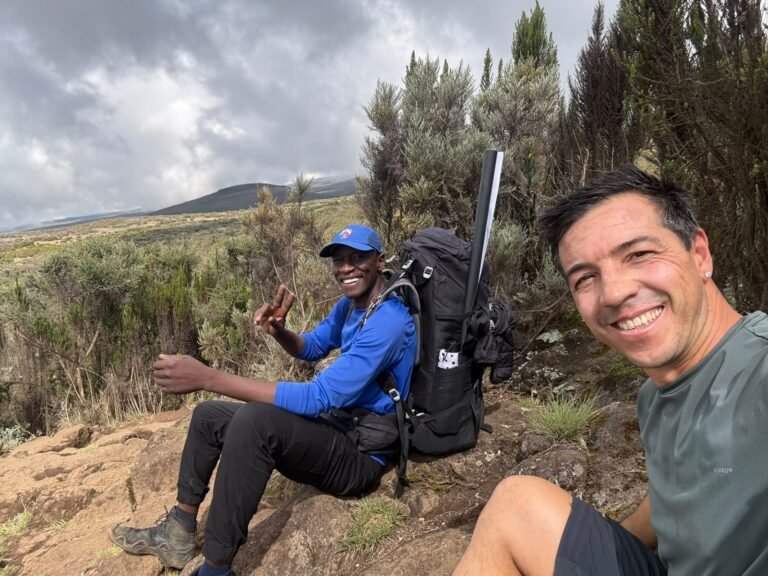
7 Days Machame Route Kilimanjaro Group Joining – 27 November – 3 December
7 Days Machame Route Kilimanjaro Group Joining – 27 November – 3 December 2026.
View package details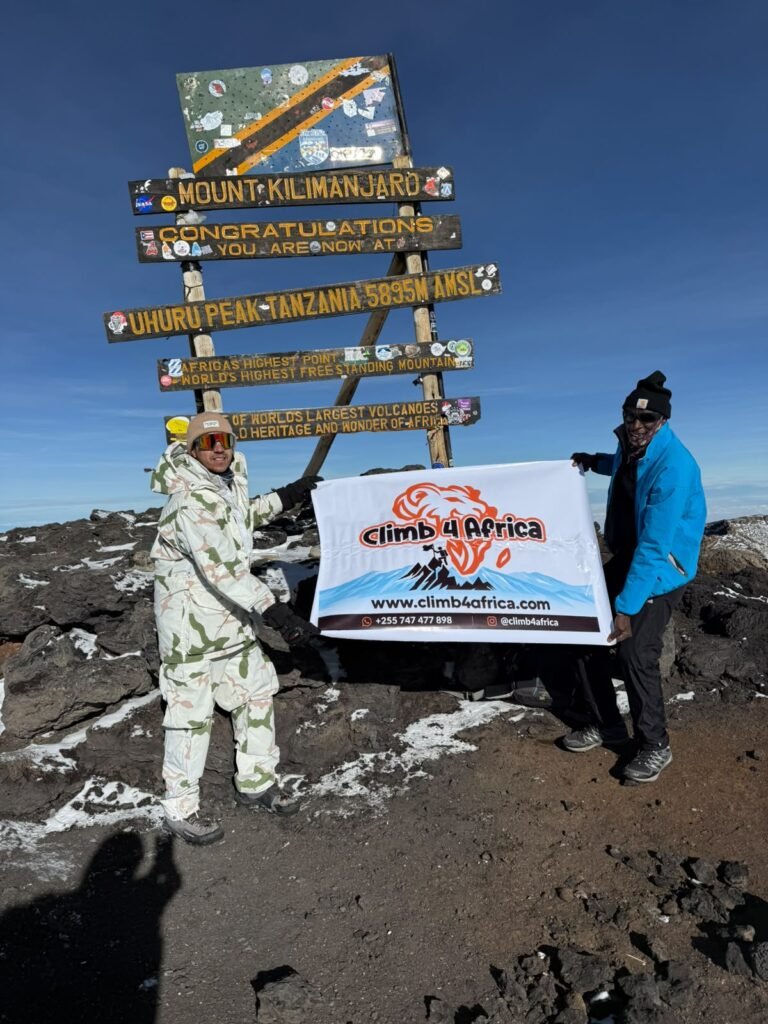
7 Days Rongai Route Kilimanjaro Group Joining – 26 November – 2 December
Experience Kilimanjaro via the Rongai Route with a confirmed group departure for 26 November–2 December 2026. Read a practical, day-by-day plan focusing on route pacing, acclimatization...
View package details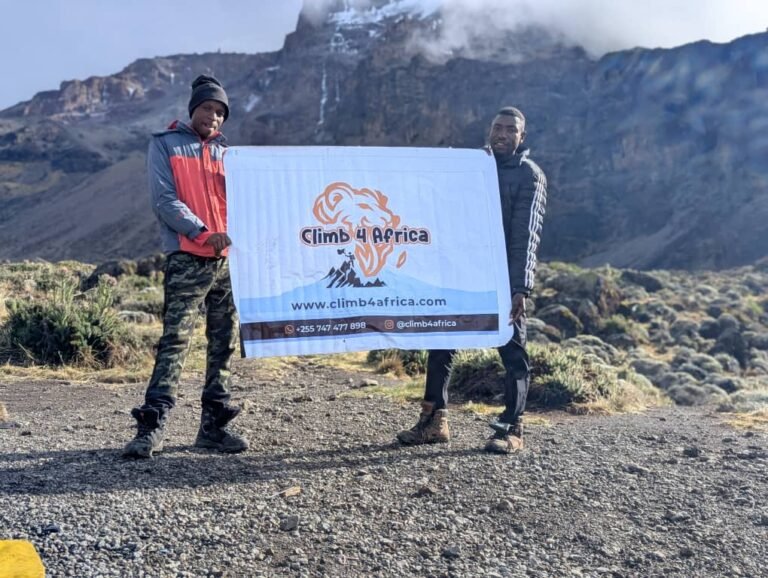
8 Days Lemosho Route Kilimanjaro Group Joining – 27 November – 4 December
8 Days Lemosho Route Kilimanjaro Group Joining – 27 November – 4 December 2026.
View package details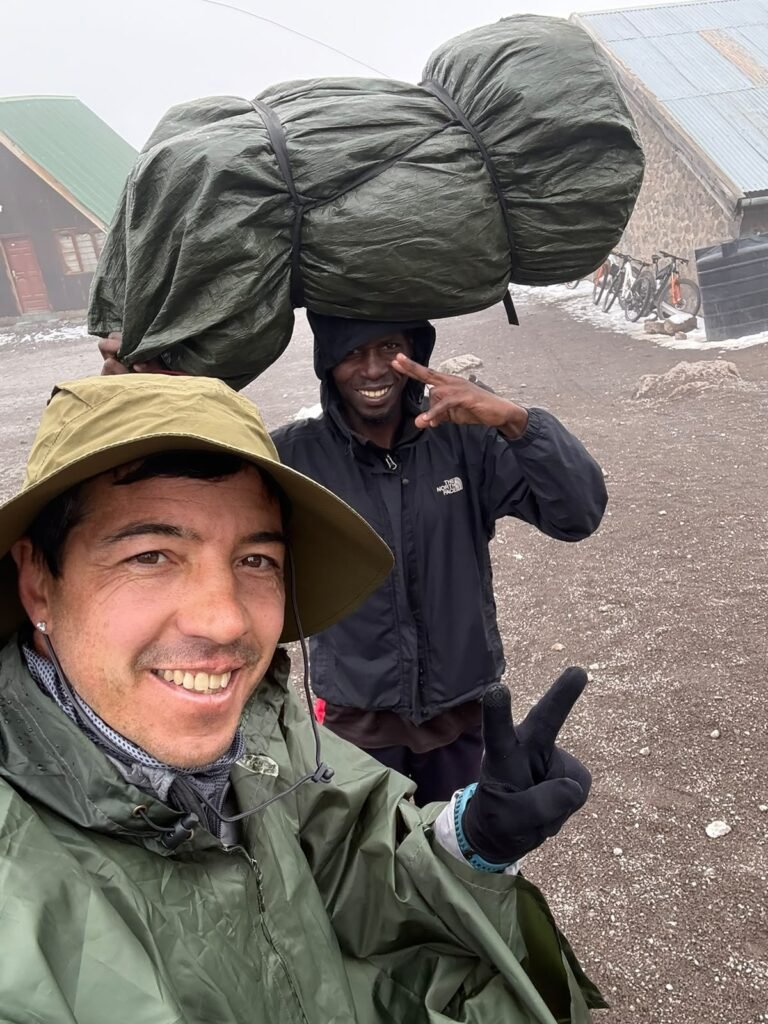
8 Days Lemosho Route Kilimanjaro Group Joining – 7–14 November 2026
Plan an 8-day Lemosho climb on Kilimanjaro with a verified group joining window of 7–14 November 2026. This first installment breaks down the day-by-day itinerary, acclimatisation logic...
View package details
8 Days Lemosho Route Kilimanjaro Group Joining – 18–25 November 2026
8 Days Lemosho Route Kilimanjaro Group Joining – 18–25 November 2026.
View package details
7 Days Machame Kilimanjaro Group Joining Price – 19–25 November 2026
7 Days Machame Kilimanjaro Group Joining Price – 19–25 November 2026.
View package details
9 Days Northern Circuit Kilimanjaro Group Joining – 17–25 November
9 Days Northern Circuit Kilimanjaro Group Joining – 17–25 November 2026.
View package details8 Days Lemosho Kilimanjaro Group Joining: 18–25 November 2026
Plan an 8-day Lemosho Kilimanjaro climb with a shared group from 18–25 November 2026. Learn the route, day-by-day logistics, and what a booked package typically includes.
View package details6 Days Marangu Route Kilimanjaro Group Joining – 20–25 November
Bookable 6 days on the Marangu route with a verified group departure 20–25 November 2026. Day-by-day itinerary, acclimatization plan, hut-style accommodations, and how to request a...
View package detailsKilimanjaro Group Joining Tours November, Dates, Routes And Prices 2026
Kilimanjaro Group Joining Tours November 2026 – Dates, Routes and Prices.
View package detailsNovember Kilimanjaro Lemosho Vs Machame Group Climbing Dates
November 2026 Kilimanjaro Lemosho vs Machame Group Climbing Dates.
View package details
Kilimanjaro Group Joining Tours Starting 27 November 2026
Kilimanjaro Group Joining Tours Starting 27 November 2026.
View package detailsNo related package matches those filters. Clear one or more filters to see the other topic-matched options.



