
The 8 Days Lemosho Kilimanjaro group joining itinerary for 18–25 November 2026 follows the classic Lemosho route: start near Londorossi Gate, ascend through forest to Shira Camp, then traverse the moorland and high alpine to Barafu and Uhuru Peak, with acclimatisation days built in. Aimed at a shared group, the plan emphasises gradual altitude gain, official porters and guides, and a mid-climb rest day. Pricing and exact departure details require operator confirmation; availability will depend on group size and permit windows.n
Overview and practical decisions
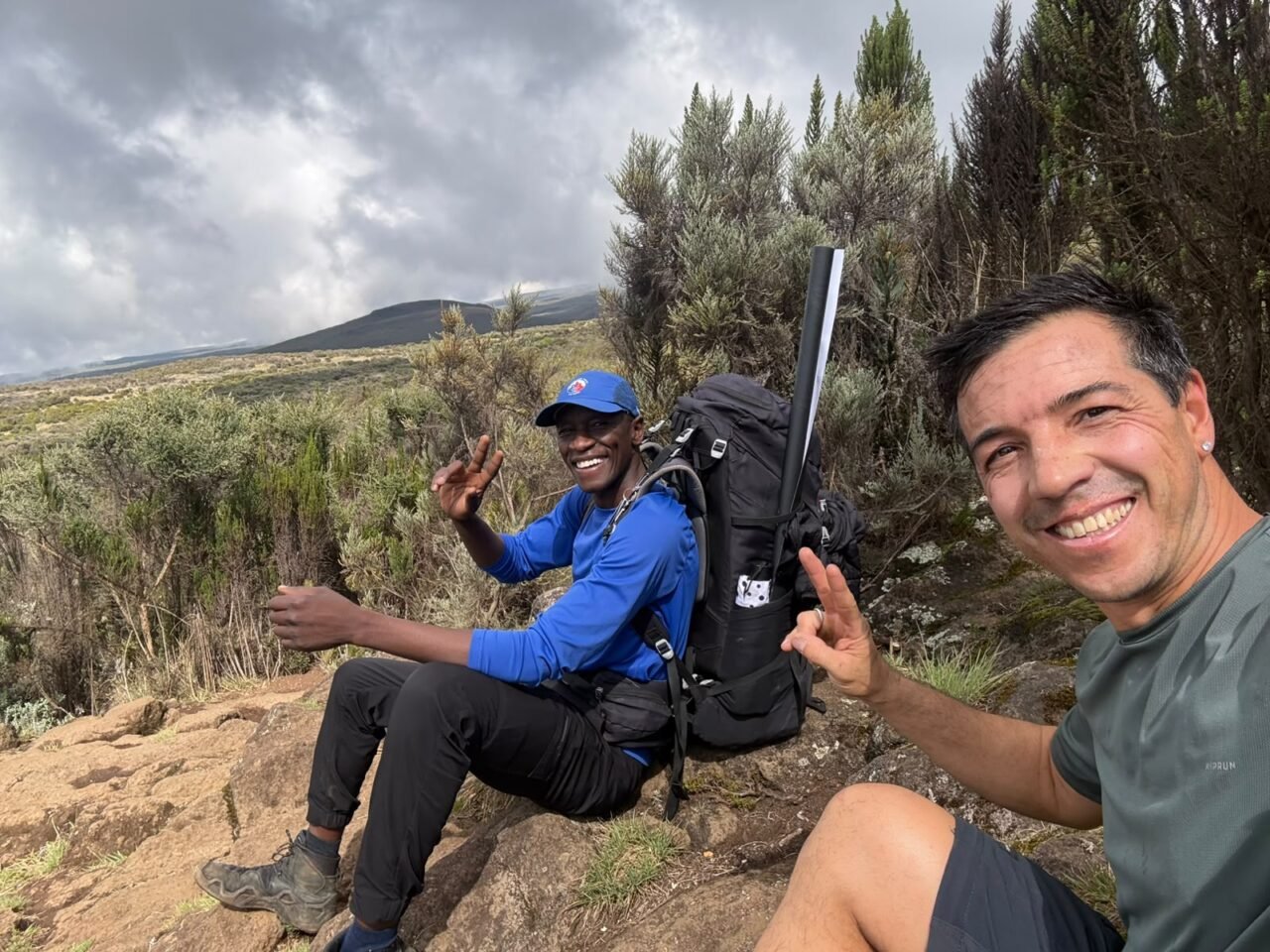
Climb 4 Africa offers Kilimanjaro climbs with practical local support, and for 2026 we list confirmed group-joining options as soon as departures are set by the operator. With a group joining format, you’ll share guides and porters, which can help control costs while maintaining a solid acclimatisation rhythm. The 8-day plan below is built around the Lemosho route’s typical sequence, balancing scenic trekking with deliberate rest days to improve summit success.
How the 8-day Lemosho group plan is structured
Day-by-day planning is the core of this booking. The objective is to minimize risk from altitude while keeping the route enjoyable and logistically smooth for a shared group. The day sequence below reflects a standard, non-fictional layout that operators often confirm when group sizes are finalized.
Day 1 – Londorossi Gate to Lemosho Forest Camps
The group gathers at Kilimanjaro region offices, transfers to Londorossi Gate, then treks into the eucalyptus forest to the first camping area. Short acclimatisation exercises are possible in the late afternoon, with dinner at camp and a briefing on the next day’s ascent. Expect cooler temperatures and shaded trails as you acclimatise to altitude.
Day 2 – Lemosho Camp to Shira Camp
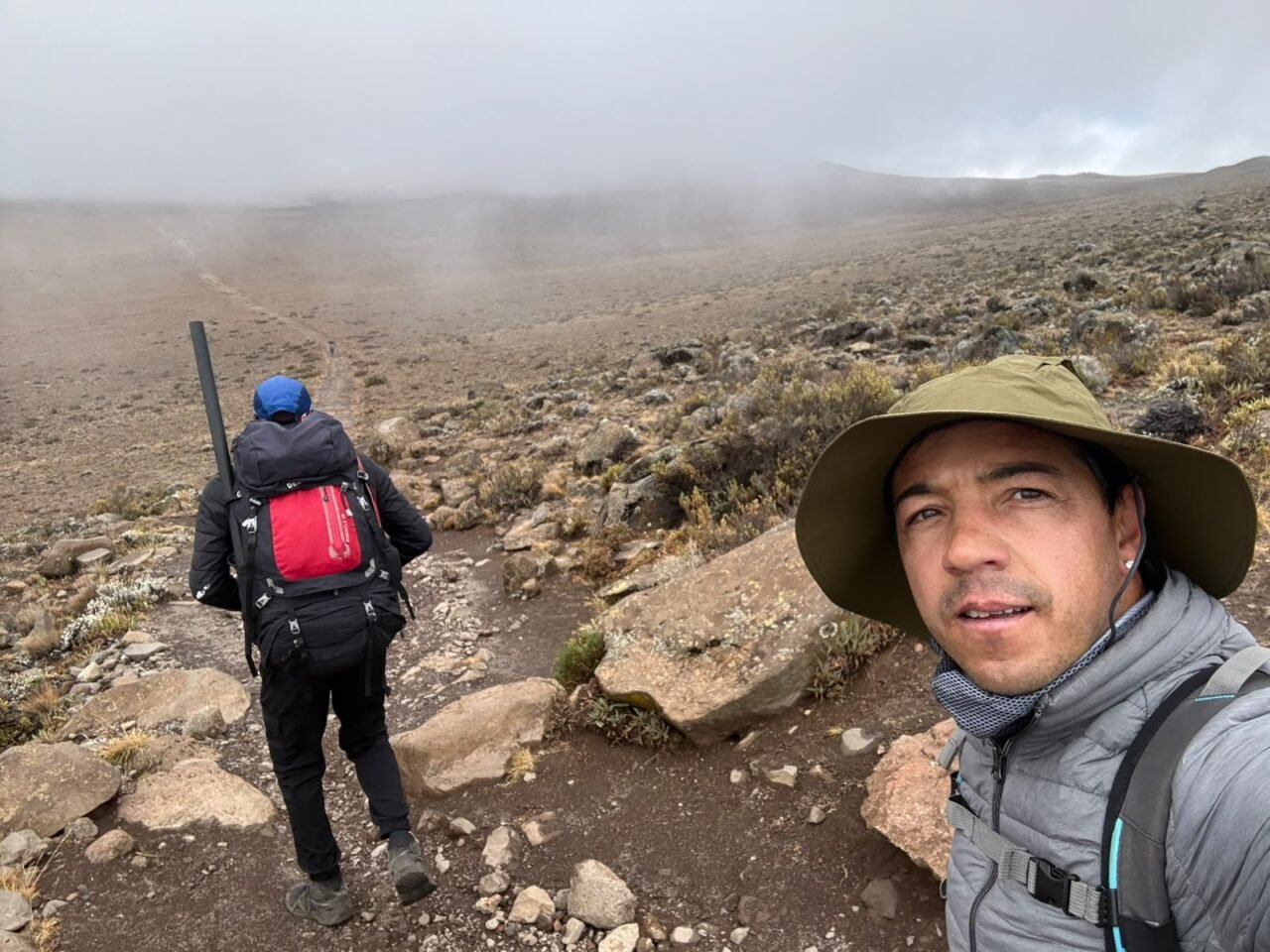
Continue through rolling moorland, cross streams, and reach Shira Camp. The route narrows and opens as you climb above the cloud line. The group may encounter lava towers and dramatic volcanic scenery. The day includes steady elevation gain with a relaxed pace to support acclimatisation.
Day 3 – Shira Camp to Pearl Gate and Moorland
The terrain shifts to rough moorland with wide views. This day is often the first major acclimatisation opportunity as the route climbs gradually toward higher elevations. A mid-day lunch break is typically taken at a scenic point, followed by continued trekking to the next camp location.
Day 4 – Lava Tower acclimatisation day
Traditionally scheduled as a rest-while-acclimatising day, the group may summit Lava Tower briefly for an hour or two and return to a lower altitude camp to aid acclimatisation. This step reduces the risk of altitude symptoms on the later, steeper sections.
Day 5 – Karanga Camp
The trek from the high moor to Karanga Camp occurs with a more direct ascent toward the high camps. Views become more dramatic as you approach the Southern Circuit’s high points. The group meals are designed to reinforce energy levels for the final push.
Day 6 – Barafu Camp (base of the summit approach)
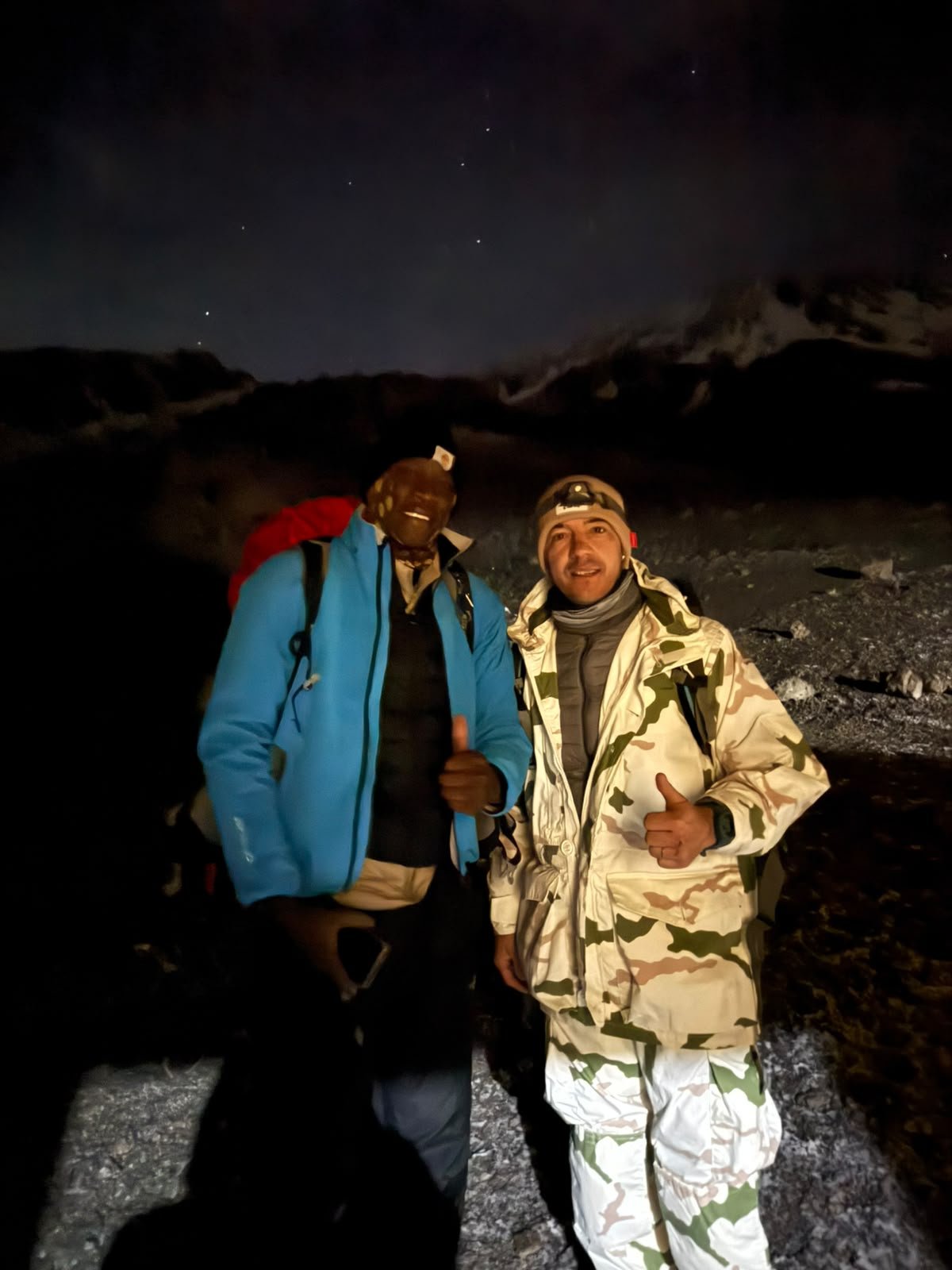
From Karanga you move to Barafu Camp, the staging point for the summit attempt. After an early dinner, most climbers rest, drinking fluids and preparing headlamps for the midnight push. Guides review safety protocols and the plan for weather contingencies.
Day 7 – Summit push to Uhuru Peak and Horombo Camp
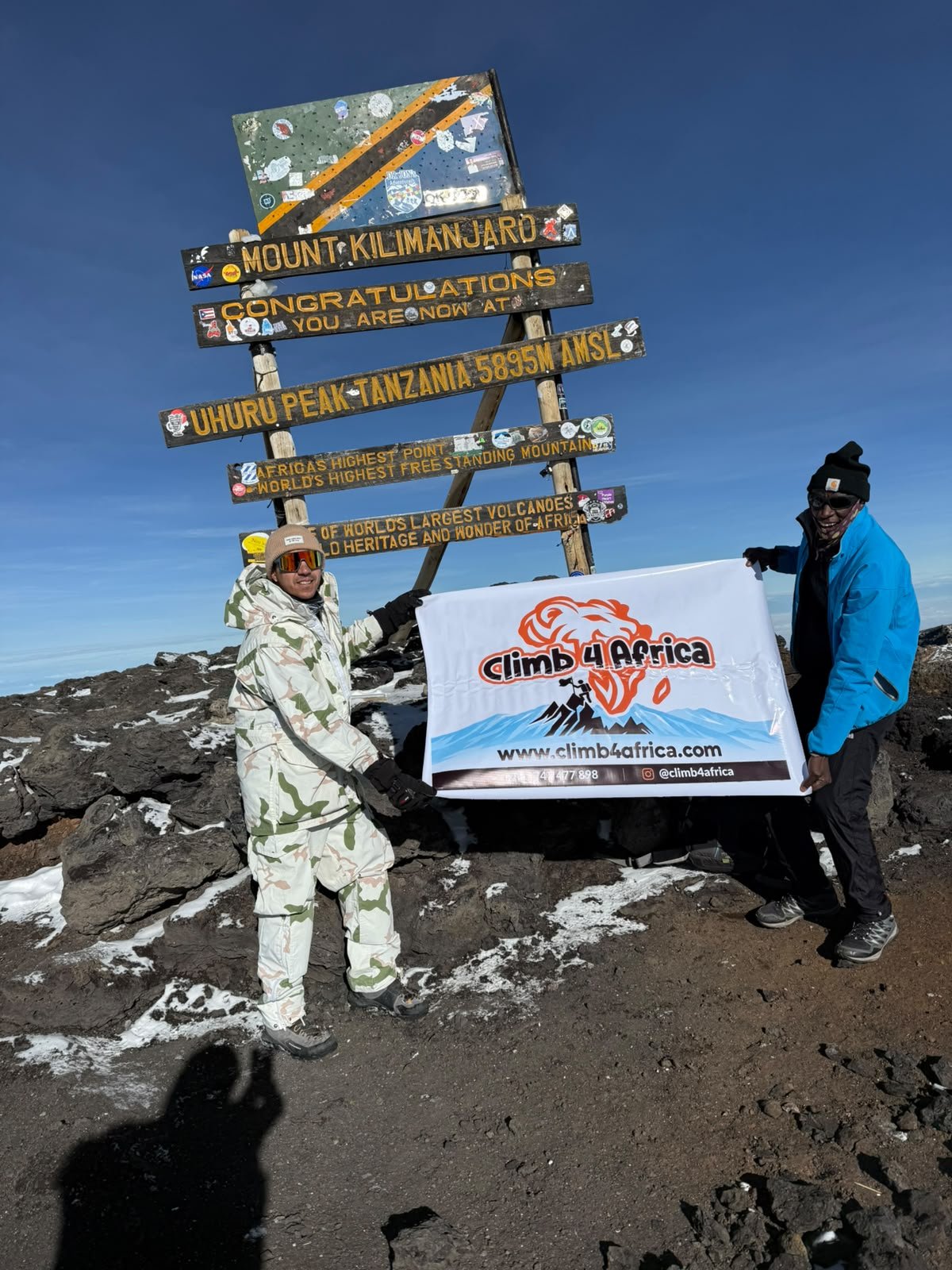
The final ascent begins around midnight, with an hour-or-two of steeper sections before a long, starlit plod to Stella Point and Uhuru Peak. Descend to nearby Barafu for a short rest, then continue to Horombo Camp for a consolidating night. The day is long and demanding but designed to maximize your summit chances with shared group support.
Day 8 – Horombo Camp to Moshi town/Arusha transfer
After breakfast, descend through the forest to Marangu Gate, completing the circuit. The group is collected for transfer back to Moshi or Arusha, where hot showers and celebration are common. It’s the day to reflect on the route, the altitude experience, and the camaraderie of the shared journey.
Dates and departures: how group joining works for 18–25 November 2026
Group joining departures hinge on confirmed dates from the operator. If a fixed schedule is published, the calendar appears on operator pages, with seats allocated by group size. If not yet posted, you’ll be guided to request a verified schedule from Climb 4 Africa. In either case, your booking will include the essential elements: licensed guides, porters, park fees, oxygen, emergency communications, and standard meals at each camp (breakfast, lunch, dinner). Promptly confirming your interest helps ensure a seat in the requested window.
What the price typically includes (and where quotes come from)
Because this is a bookable plan built around a group, the price depends on several factors: group size, the specific route variant chosen within the Lemosho options, and the season’s permit and park fee structure. A verified quote should itemise: group impact on porter allocation, guides per group, equipment usage (tents, sleeping mats, dining gear), meals, fuel, oxygen, emergency coverage, and transfers to/from Moshi or Arusha. If you’re comparing options, ask for a full inclusions list and a clear note on what’s excluded (tips, visa costs, personal gear, and any pre/post extension costs).
Next steps to secure a verified 18–25 November 2026 departure
To move forward, contact Climb 4 Africa with your preferred departure window and whether you want the small or larger group format. Request a formal schedule if none is published, and ask for the exact inclusions and the payment schedule. If you need flexibility, ask about alternative dates within the 5–30 November window and the impact on price and group size. A straightforward quote will help you compare confidently with other operators while keeping the focus on safety, acclimatisation, and route quality.
Gaps in day-by-day logistics: what to expect on the ground and how to verify details
Readers often look for actionable clarity on the practicalities that shape each trekking day, especially when bookings are made with a group format. While the core sequence follows the classic Lemosho route, real-world execution depends on daily group pace, portering allocations, and camp availability. This section adds concrete, non-speculative insight into what climbers should anticipate on each day, and how to confirm arrangements with the operator before committing.
Day 1 adjustments and camp logistics: As you arrive in the Kilimanjaro region and transfer to Londorossi Gate, the group size directly affects how quickly transfers and gear checks proceed. Larger groups may require staggered starts at the gate to keep signing in and briefing efficient. Campsites in the Lemosho Forest are typically positioned to nestle into the alpine edge of the forest; if weather or forest access constraints arise, guides may modify nearby pitch spots within the permitted camping area rather than moving the entire group. Before departure, request a copy of the planned campsite coordinates and access approvals for the first night, so you know where to expect your tents and meal arrangements at the end of the day.
Day 2 logistics and acclimatisation rhythm: Trekking from Lemosho Camp to Shira Camp combines gradual elevation gain with potential pauses at scenic viewpoints or for short acclimatisation exercises. In a shared group, pace is governed by the slowest climbers to protect the overall altitude experience. Ask your guide about planned buffer times for rests and lunch, and whether a brief side excursion to a known landmark (such as a higher point along the moor) is feasible within the group’s safety envelope. Clarify whether porters reduce loads at specific sections to sustain even progress across the line of trekkers, and verify the location and timing of the camp’s water and meals service the night before you reach it.
Day 3 and moorland transitions: The Shira Camp to Pearl Gate and Moorland stage often includes optional acclimatisation pauses and extended photo opportunities at higher viewpoints. In practice, some groups implement a short, controlled ascent followed by an enforced rest period to stabilise symptoms while allowing trekkers to enjoy the panoramas. It’s important to confirm with the operator how the schedule handles mid-day lunches, sheltering from wind or rain, and any contingency drops in elevation if fatigue or altitude symptoms appear in a subset of climbers.
Day 4 Lava Tower planning and safety margins: Lava Tower is a well-known acclimatisation pivot, but its execution can vary with weather and group energy levels. Some days, a full ascent to the tower is feasible for a portion of the group, while others may substitute a lower-altitude loop or a longer rest period at the base camp. If you specifically want the Lava Tower portion, ask for a written note on the maximum elevation to be reached by the entire group and how long the ascent is expected to take, including time for a return to the camp. This helps in planning meals and sleep windows, which are critical for altitude adaptation.
Day 5 Karanga Camp and high-altitude pacing: The Karanga route is a high, direct ascent into the high moorland. Ensure you understand whether the group splits for any short acclimatisation walk or remains together with a single guide pair. In some operations, a lighter portion of the group may be invited to a short acclimatisation stroll near Karanga Camp, while the rest rest and hydrate. If your booking notes two guides per group, verify which segments each guide will cover and how the group reconvenes for meals, gear checks, and safety briefings after a rest period.
Day 6 Barafu Camp: timing and safety checks: Barafu Camp is the gateway to the summit approach and typically hosts a midnight departure. A practical question for buyers is how the group handles headlamp distribution, hot drinks, and a final gear check in low-light conditions. Confirm the planned dinner timing versus the anticipated wake-up time and whether any contingency options exist if weather forces a delay. Clarify how the group will manage the exchange of warm layers and insulating gear during the ascent, and what happens if someone needs additional rest before the push.
Day 7 Summit push: rhythm, safety, and rest breaks: The actual midnight start is a high-stakes moment for the group. Details to verify include the cadence of breaks along the ascent, who leads the summit team, and how rest stops are allocated for climbers needing extra time. In practice, many groups structure two main segments: a steep ascent to Stella Point with brief breaks every 20–30 minutes, followed by a longer, steady push to Uhuru Peak. Ensure you know where the group will meet for a brief regroup at Stella Point or a designated checkpoint, and where to find the warm shelter and water if weather requires a mid-route pause. Also confirm the protocol for weather contingencies—if a storm or high winds interrupt the ascent, what is the planned return path and safety detour for the group?
Day 8 Horombo Camp to descent and transfer: The descent route back through the forest to Marangu Gate is typically a full-day affair that ends with a transfer to Moshi or Arusha. Practical considerations include ensuring you have adequate hydration, snacks, and sun protection for the forest descent, as well as confirming the transfer logistics after a long day on the mountain. If the group includes non-trekking companions, check whether separate transfer arrangements or shared pickups are required and how the day’s timing aligns with post-climb celebrations or hot showers.
To maximize reliability, readers should request a formal, day-by-day timetable from the operator once a verified schedule is published or upon request. This timetable should specify approximate start times, rest durations, meal windows, and the location of each campsite. Having these specifics in writing helps you coordinate with travel companions, pre-book optional extensions, and plan post-climb activities with confidence.
Gaps in day-by-day logistics: practical clarifications for verification and booking confidence
Beyond the core day-by-day sequence already outlined in the article, readers frequently confront practical questions that influence booking decisions, risk assessment, and overall trip satisfaction. This section digs into specific, verifiable details that readers can demand from operators when seeking a verified 18–25 November 2026 departure on the 8-day Lemosho route, and it highlights concrete steps to confirm logistics before committing.
1) Confirming the transport logistics from Moshi/Arusha to Londorossi Gate and back
A reliable group itinerary will spell out the exact transfer times, the vehicle type, and the anticipated duration of each transfer segment. Operators typically use a private vehicle service for the group, with a pickup window designated on the pre-climb day. When requesting verified details, ask for: (a) the exact pickup location in Moshi or Arusha, (b) the estimated drive time to Londorossi Gate (accounting for road conditions and potential delays), and (c) the return transfer timing from Horombo Camp descent back to Moshi/Arusha, including where you should meet your driver after descending. If you have early flight connections, request a documented contingency plan for a slightly earlier pickup or a guaranteed minimum layover time at the base hotel or airport.
2) Day-by-day campsite locations and negotiation of contingencies
Real-world trekking itineraries may adjust campsites due to weather, group pace, or permits. Ask the operator to confirm the standard campsite sequence with full names (e.g., Lemosho Forest Camps, Shira Camp, Moorland Camp, Lava Tower vicinity, Karanga Camp, Barafu Camp, Horombo Camp). For each day, request a written note on: (a) the expected altitude at the night stop, (b) the typical elevation gain for that day, (c) the approximate trek duration in hours, and (d) the contingency plan if a campsite is unavailable or if a weather closure requires a detour. This helps you compare against other operators’ variants and verify consistency with the Lemosho route’s goal of gradual acclimatisation.
3) Altitude acclimatisation strategy and rest-day rationale
The 8-day plan emphasizes gradual ascent with deliberate rests to maximise summit success. Request detailed justification for each acclimatisation day: why Lava Tower is scheduled when it is, what altitude gain is targeted, and how the group will monitor symptoms (with a clear threshold for removing anyone from the push sequence if needed). Operators should provide a brief acclimatisation protocol, including hydration targets, optional light activities at each camp, and the availability of medical staff or a trained guide to assess symptoms and advise on postponement of ascent if necessary.
4) Guide and porter allocation: group size, ratios, and experience levels
Since a group-joining itinerary relies on shared guides, it’s essential to know staffing. Ask for: (a) the planned guide-to-client ratio for the summit push and for each acclimatisation day, (b) the total number of licensed guides assigned to your specific departure, (c) the experience level and language capabilities of the lead guide, and (d) the provision of porters for carrying shared gear and camp equipment. A transparent breakdown helps you assess safety standards and the quality of the overall trekking experience.
5) Safety protocols and weather contingency protocols
Weather and mountain conditions can change abruptly. Require in writing the operator’s weather monitoring process, the decision-making hierarchy (who authorizes a change to the itinerary), and the planned actions if lightning, high winds, or heavy rain necessitate a delayed start or altered route. Confirm where the group would shelter in case of sudden foul weather and how long a halt would typically last while awaiting conditions to improve. Also verify the availability of emergency communication devices, evacuation routes, and the proximity of guides to the group in all segments of the trek.
6) Meals, hydration, and dietary accommodations
Detailed meal plans at each camp are often a point of distinction among operators. Request a sample menu for each day, including breakfast, lunch, dinner, and snack options, plus the standard hydration plan (liters per person per day) and the availability of hot beverages during cold mornings. If you have dietary restrictions (vegetarian, halal, gluten-free, etc.), ensure the operator confirms accommodation options and cross-check the kitchen’s ability to prevent cross-contamination.
7) Equipment list, rental options, and gear check procedures
A verified schedule should accompany a formal packing list that aligns with the day-by-day plan. Ask for: (a) a recommended packing checklist tailored to the 8-day Lemosho route, (b) availability and pricing of equipment rentals (thermals, down jackets, gaiters, trekking poles, microspikes, headlamps), and (c) whether a pre-trip gear check is offered and documented, including bag limits and weight allowances for porters. Also confirm if your rental gear is cleaned and inspected between trips.
8) Permits, park fees, and what exactly is included in the quoted price
Because the price of a Kilimanjaro climb often includes or excludes certain park fees, it’s critical to have an itemized quotation. Ask for a formal quotation that itemises: (a) park entry and rescue fees, (b) crater or route-specific levies, (c) camping fees and hut costs, (d) guide and porter wages, (e) meals and drinking water, and (f) government or tourism taxes. If the operator says certain fees are “subject to change,” request a written note on how increases would be handled and when the next price revision would occur. For a genuine verified schedule, these elements should be clearly documented.
9) Booking protections and refund policies tied to verified departures
Booking confidence improves when you understand cancellation terms, weather-related refunds, and rescheduling allowances. Ask for: (a) the operator’s refund policy for partial or full trip cancellations within and beyond a standard grace period, (b) what happens in the event of a delay caused by airline disruptions or border closures, and (c) whether there is a transfer guarantee to another 18–25 November 2026 departure if a verified schedule is published late. Ensure these terms are stated in writing and tied to the specific tour package you’re considering.
10) How to request a verified schedule
If a fixed schedule is not yet published, use your due diligence to request a formal, verified itinerary from the operator. A reliable process includes a written reply that: (a) confirms the exact departure date window (18–25 November 2026) and the number of available seats, (b) provides the day-by-day timetable with approximate start times and rest periods, and (c) lists inclusions, exclusions, and payment milestones. Prefer a PDF or formal email thread rather than a verbal confirmation, so you have tangible documentation to review with fellow travelers.
By seeking these concrete, verifiable details, readers can compare several verified schedules, understand what is and isn’t included in the price, and build confidence in the booking process for the 18–25 November 2026 departure on the 8-day Lemosho route. The emphasis remains on factual logistics, safety frameworks, and a transparent cost structure, rather than speculative capacity or unconfirmed timelines.
Related Guides and Packages
Check Availability for 8 Days Lemosho Kilimanjaro Group Joining: 18–25 November
Ready to compare dates, prices, and the best option for your group? Send the package name and travel month so the team can reply with a clear quote, availability, and what is included.
8 Days Lemosho Route Kilimanjaro Group Joining – 27 November – 4 December
8 Days Lemosho Route Kilimanjaro Group Joining – 27 November – 4 December 2026.
View package details
8 Days Lemosho Route Kilimanjaro Group Joining – 7–14 November 2026
Plan an 8-day Lemosho climb on Kilimanjaro with a verified group joining window of 7–14 November 2026. This first installment breaks down the day-by-day itinerary, acclimatisation logic...
View package details
8 Days Lemosho Route Kilimanjaro Group Joining – 18–25 November 2026
8 Days Lemosho Route Kilimanjaro Group Joining – 18–25 November 2026.
View package details
7 Days Rongai Route Kilimanjaro Group Joining – 26 November – 2 December
Experience Kilimanjaro via the Rongai Route with a confirmed group departure for 26 November–2 December 2026. Read a practical, day-by-day plan focusing on route pacing, acclimatization...
View package details
7 Days Machame Route Kilimanjaro Group Joining – 27 November – 3 December
7 Days Machame Route Kilimanjaro Group Joining – 27 November – 3 December 2026.
View package details
7 Days Machame Kilimanjaro Group Joining – 14–20 November
Join a confirmed 7-day Machame Route Kilimanjaro climb with a small group, departing 14–20 November 2026. Plan, acclimatise and summit with practical logistics and local support.
View package details
9 Days Northern Circuit Kilimanjaro Group Joining – 17–25 November
9 Days Northern Circuit Kilimanjaro Group Joining – 17–25 November 2026.
View package details
7 Days Machame Kilimanjaro Group Joining Price – 19–25 November 2026
7 Days Machame Kilimanjaro Group Joining Price – 19–25 November 2026.
View package detailsNovember Kilimanjaro Lemosho Vs Machame Group Climbing Dates
November 2026 Kilimanjaro Lemosho vs Machame Group Climbing Dates.
View package details
6 Days Marangu Route Kilimanjaro Group Joining – 20–25 November
Bookable 6 days on the Marangu route with a verified group departure 20–25 November 2026. Day-by-day itinerary, acclimatization plan, hut-style accommodations, and how to request a...
View package details
Kilimanjaro Group Joining Tours Starting 27 November 2026
Kilimanjaro Group Joining Tours Starting 27 November 2026.
View package detailsKilimanjaro Group Joining Tours November, Dates, Routes And Prices 2026
Kilimanjaro Group Joining Tours November 2026 – Dates, Routes and Prices.
View package detailsNo related package matches those filters. Clear one or more filters to see the other topic-matched options.



