
This bookable 9-day Northern Circuit Kilimanjaro itinerary runs from 17 to 25 November 2026 with a guided group climb operated by Climb 4 Africa. You’ll trek a defined Northern Circuit route, supported by acclimatisation days and established campsites, with transfers from Moshi to the trailhead and back. Availability and exact group size must be confirmed with the operator; prices are not listed here and require direct verification. The plan focuses on the real route sequence, day-by-day logistics, and options for accommodation and meals along the way.
How this 9-day Northern Circuit plan is structured
The Northern Circuit is a longer, gentler ascent compared with some shorter routes. This bookable itinerary concentrates on the actual day-by-day progression, with logical acclimatisation pauses, a steady elevation gain, and reliable support from porters, guides, and cooks provided by Climb 4 Africa. The group joining format means you’ll share a scheduled departure window and a fixed set of practical logistics that begin in Moshi and finish at the same national park gate where the climb started.
Day-by-day itinerary: 17–25 November 2026
Note: Exact timing, camp names, and drive/transfer durations vary by weather, group pace, and permit allocations. This outline follows the typical Northern Circuit sequence used by Climb 4 Africa and is provided to help you plan, with final details confirmed after booking.
Day 1 — Moshi to Londorossi Gate and Liserut Camp
Depart Moshi early to join the northern approach road. Drive to Londorossi Gate for park formalities, then continue to Liserut Camp (or an equivalent first camp along the forested zone). Short acclimatisation walk once on the trail helps legs adjust to the altitude. Overnight in tents with dinner under the stars.
Day 2 — Liserut Camp to Mti Mkubwa Camp
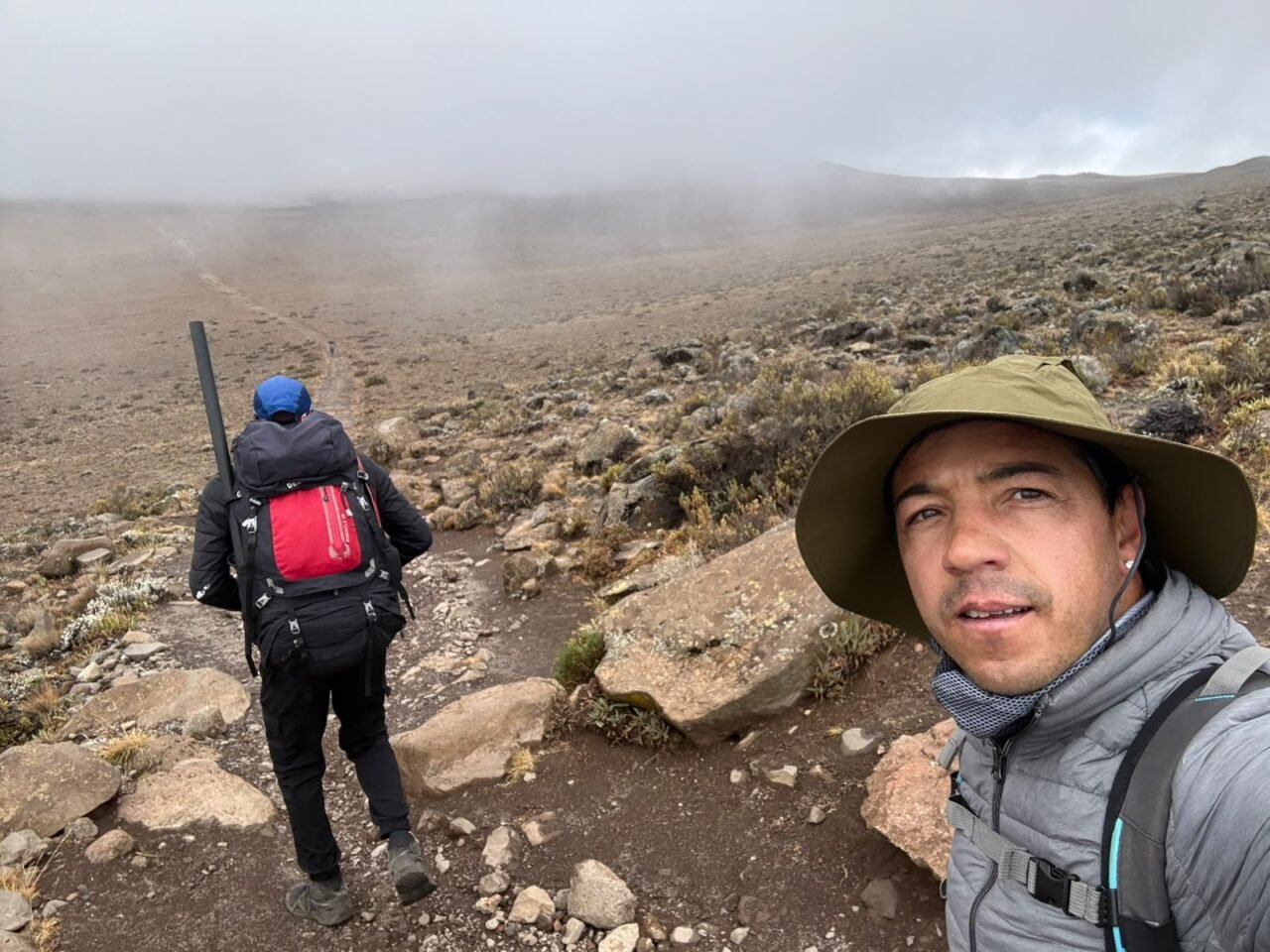
Rise with the forest canopy and begin trekking through heath and moorland zones. The route descends briefly from the high forest before climbing again, crossing streams and small ridgelines. Lunch on the trail, then camp at Mti Mkubwa. Altitude gain remains moderate to protect acclimatisation.
Day 3 — Mti Mkubwa Camp to Shira Camp
Continue through moorland and alpine scenery as you approach higher elevations. The pace is steady to support acclimatisation as you gain altitude. Evening at Shira Camp with light dinner and an early turn-in to rest muscles and lungs.
Day 4 — Shira Camp to Shira Plateau to Moir Hills Camp
A day that balances acclimatisation with advancing terrain. Pass iconic Shira Cathedral rocks and open moorland ahead. The group moves toward Moir Hills Camp, with opportunities for short scenic detours if allowed by the guide team.
Day 5 — Moir Hills Camp to Buffalo Camp
Gradual climb into higher zones. This day emphasizes steady ascent and micro-breaks to maintain oxygen uptake. Buffalo Camp sits at a favorable elevation to continue acclimatisation while preparing for the longer pushes ahead.
Day 6 — Buffalo Camp to School Hut (on the Northern Circuit)
Today you’ll traverse a broader plateau before a gentle descent toward a mid-altitude hut area. The pace is adjusted for comfort and protection against altitude stress, with a focus on consistent energy and hydration.
Day 7 — School Hut to Karanga Camp (via the Crater Rim route option)
Transition toward Higher zones with the option to touch near the Karanga valley. This day consolidates acclimatisation while consolidating the gradual elevation gain. Evening at Karanga Camp or a nearby site, ready for the high-altitude push the next day.
Day 8 — Karanga Camp to Barafu Camp (via the Mweka descent path possibility)
High-alpine terrain today, with a short day to Barafu Camp allowing a focused rest and hydration window. This is the staging point for the summit attempt. Dinner is early, and sleep is essential to maximise oxygen uptake and energy stores for the big push.
Day 9 — Barafu Camp to Uhuru Peak and Moshi
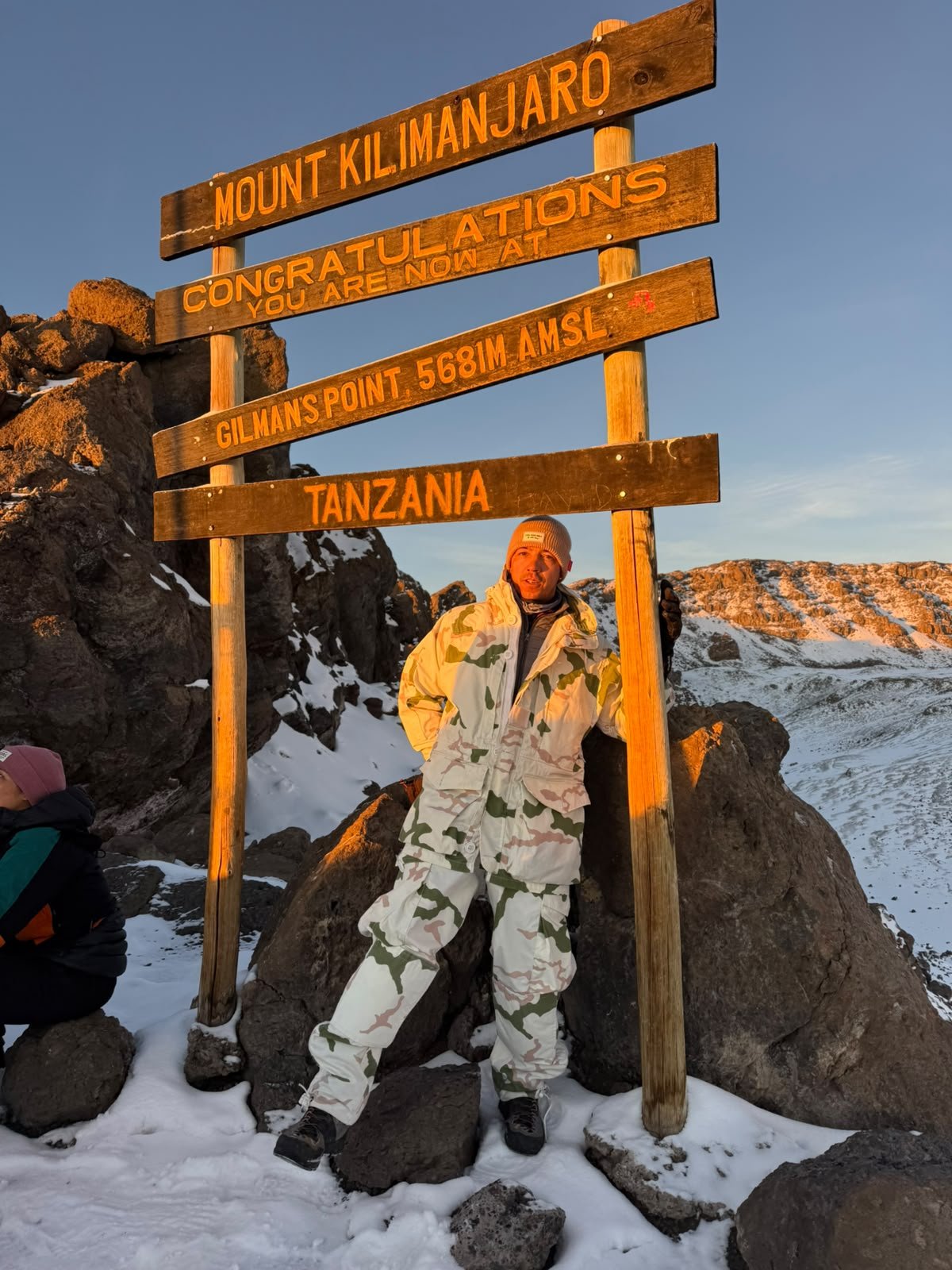
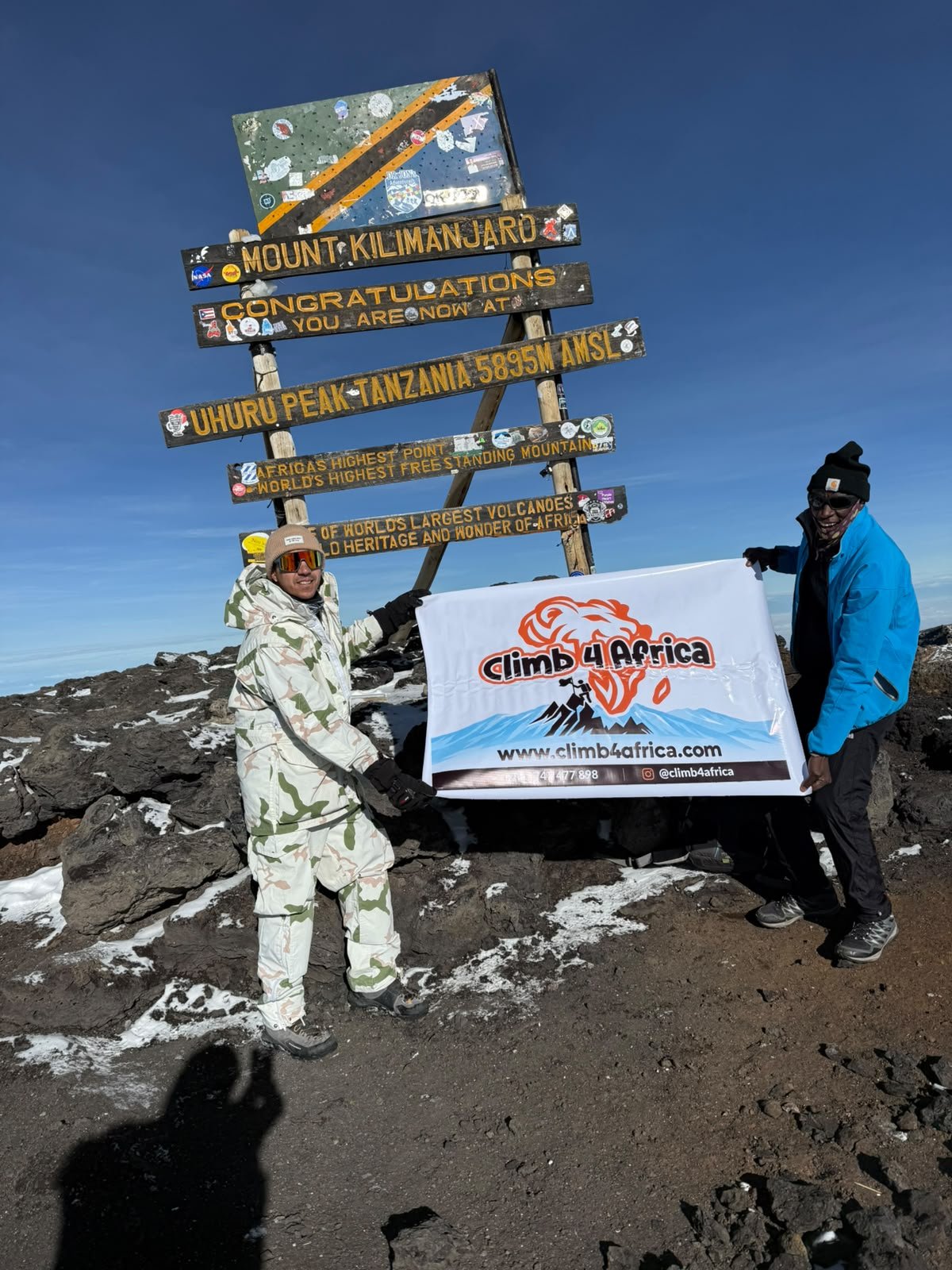
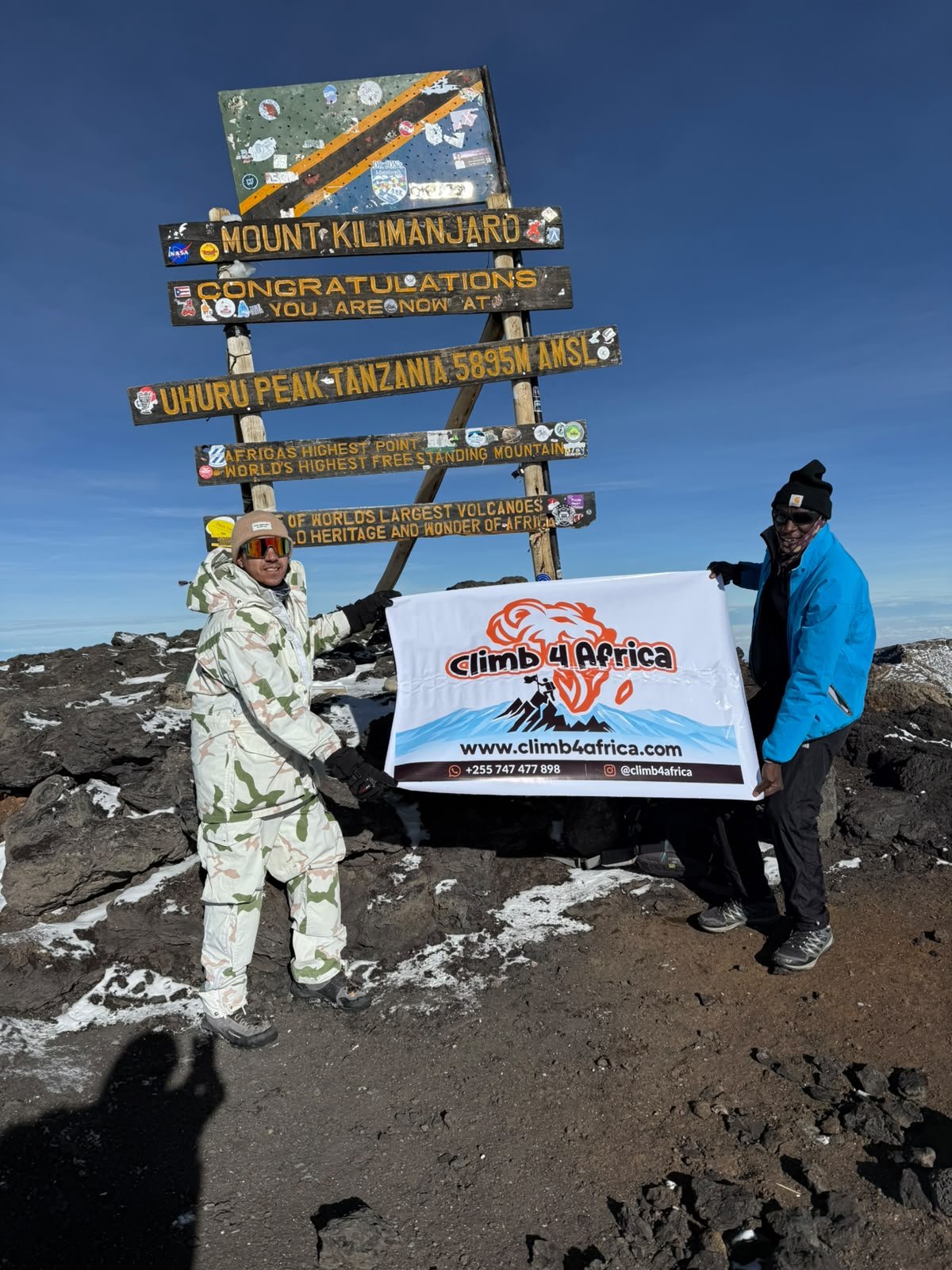
The final push often starts around midnight to reach Uhuru Peak at sunrise, followed by a descent via the Mweka route back to a lower gate or Moshi for a celebratory finish. This day completes the circuit with a sense of achievement and a comfortable transfer back to your hotel in Moshi or airport transfer if needed.
Practical planning notes
Group joining means you’ll share a fixed departure window from Moshi and travel with a predetermined number of teammates. Climb 4 Africa coordinates permits, porters, guides, and cooks to deliver a practical, steady ascent with proper acclimatisation. Precise hotel names, camp transfers, and meal plans are confirmed after booking and depend on weather, group pace, and permit allocations.
Why choose this route and how to book
The Northern Circuit’s advantage lies in its gradual ascent and shorter final summit day, giving your body more time to adapt. It also offers a broader, less crowded corridor along the route compared with the older Machame or Marangu trails. To book, you’ll need to contact Climb 4 Africa for verified dates, current availability, and a confirmed group size. They will provide a detailed day-by-day schedule, porter support, gear lists, and inclusions/exclusions based on the November 2026 departure.
What’s included and what to prepare
Inclusions typically cover guides, porters, meals on the mountain, park fees, and camping equipment. Exclusions usually include international airfare, visa costs, and personal gear purchases. A practical packing list includes layered clothing for high-altitude weather, insulated jacket, warm hat, gloves, headlamp, sturdy boots, rain gear, sleep system, snacks, and a water bottle or hydration system. Always confirm the exact inclusions with Climb 4 Africa when you request verified schedule and pricing for 17–25 November 2026.
Next steps to secure your spot
Requests for a confirmed schedule and availability are best handled through Climb 4 Africa’s official channels. If you’re seeing this page, reach out for
Booking specifics and practical choices for Day 3–Day 5 transitions
This section adds concrete, reader-facing details that were not fully expanded in the existing day-by-day notes, without repeating prior content. It focuses on what a group should expect when moving from Mti Mkubwa Camp into Shira Camp and onward toward the plateau and Moir Hills, clarifying terrain cues, acclimatisation spacing, and practical camp logistics that a participant can verify with Climb 4 Africa before departure.
Terrain cues and pacing: From Mti Mkubwa Camp to Shira Camp the route enters higher moorland and alpine zones. While the formal elevation gain is moderate on paper, the actual day includes patches of uneven ground where the path climbs over small ridges and traverses short scree sections. Group pacing should allow for two to three extended breaks for hydration and snack intake, ensuring the lungs and legs continue to acclimatise gradually. Expect occasional mist or light wind at higher open sections; a light layer and windproof shell are useful for quick comfort stops without slowing the overall progress.
Camp logistics and water management: Shira Camp and the subsequent plateau corridor typically rely on clean, portable water sources carried by field staff or collected from small streams along the route. Each participant should plan to use a hydration system and carry a reusable bottle with at least 1.5 litres capacity for day-use. The group’s cooking crew often provides hot drinks and cooked meals at the end of the trekking day; staying well-hydrated between meals helps reduce fatigue and supports acclimatisation dynamics. If a member experiences a temporary dip in energy, lightweight, high-carbohydrate snacks stored in a daypack can provide a quick energy top-up without disrupting the overall rhythm.
High-altitude considerations and acclimatisation rhythm: The corridor from Shira Camp toward Shira Plateau and Moir Hills Camp is designed to reinforce acclimatisation through deliberate elevation gains. The guide team typically monitors signs of altitude discomfort (headache, dizziness, shortness of breath at rest) and will adjust hiking pace or introduce a short acclimatisation detour if conditions indicate heightened risk. Travelers should communicate any persistent symptoms to the guide team immediately to evaluate the need for extra rest or a modified route within the permitted itinerary window. The plan prioritises steady oxygen uptake and consistent hydration rather than rushing sections of the climb.
Accommodations and meal sequencing: Camps along this segment are configured for group tents with shared dining areas and camp kitchens. Evening meals are planned to be high in carbohydrates and moderate in protein to sustain overnight energy stores, with breakfast offering a balance of complex carbs, fruit, and hot beverages. If a participant has dietary restrictions (vegetarian, vegan, gluten-free), the group’s support staff typically provides suitable alternatives; it is advisable to reiterate these needs in writing to Climb 4 Africa during the booking conversation so kitchen staff can plan in advance.
Navigational notes and contingencies: The Northern Circuit route shares common waypoints across multiple groups. While the official day-by-day guide provides the general path, the lead guide may take slightly adjusted lines to avoid boggy ground or to maintain a steady cadence for the group. The most important navigational principle for Days 3–5 is to maintain a steady, sustainable pace that preserves freshness for higher-altitude days to come. In adverse weather days, the team may choose to shorten a day or modify the route to the nearest approved camp while preserving acclimatisation integrity.
What to verify before the departure with Climb 4 Africa
- Confirmed group size and departure window from Moshi for the 17–25 November 2026 itinerary, including exact pickup times and transfer details to Londorossi Gate.
- Exact camping assignments (Liserut Camp, Mti Mkubwa Camp, Shira Camp, and subsequent sites) as well as the back-up options in case of weather-related changes.
- Inclusions and exclusions, particularly meal plans for Days 3–5, along with gear provisions (tents, sleeping mats, cooking equipment) and any rental options for specialized items (e.g., gaiters, trekking poles).
- Water policy and any required purification practices (melting snow fields vs. stream sources) so you can plan hydration and back-up supplies accordingly.
- Dietary accommodations and communication of restrictions to the kitchen crew in advance to ensure safe, appropriate meals at each campground.
- Medical and emergency procedures specific to this departure, including the nearest exit points and evacuation routes in case of altitude-related illness or other medical concerns.
By confirming these details in advance with Climb 4 Africa, you align practical expectations with the day-by-day realities described in the itinerary and maintain the acclimatisation rhythm that underpins the Northern Circuit’s design.
Day 3–Day 5 Transition Strategy: Why the Shira Approach Enhances Acclimatisation
The movement from Mti Mkubwa Camp to Shira Camp and onward to Moir Hills Camp is not merely a sequence of camp changes—it is a deliberate physiological strategy designed to extend the body’s adaptation window before entering the high-alpine zone. Unlike routes that ascend rapidly into the upper zones, the Northern Circuit’s approach via the Shira Plateau introduces a unique elevation profile: after leaving Mti Mkubwa Camp, trekkers climb steadily through moorland and open grasslands, reaching Shira Camp at approximately 3,500 meters (11,480 ft) by late afternoon. This elevation gain is gradual, allowing for consistent oxygen uptake and reduced strain on the cardiovascular system.
On Day 4, the transition from Shira Camp to Moir Hills Camp (around 3,700 meters / 12,140 ft) is particularly significant. The group traverses the Shira Plateau—a broad, windswept expanse flanked by volcanic formations such as Shira Cathedral—where the air is thinner but the terrain is stable and predictable. This day is structured as a recovery and consolidation phase: the guide team often incorporates short, guided rest breaks at key landmarks to encourage deep breathing, hydration, and light stretching. The plateau’s flatness reduces physical load, allowing climbers to focus on respiratory rhythm and mental readiness for the steepening terrain ahead.
Day 5’s ascent from Moir Hills Camp to Buffalo Camp (approximately 3,800 meters / 12,465 ft) continues this pattern. The route follows a gentle but persistent climb through alpine desert, where vegetation becomes sparse and wind exposure increases. The guide team monitors group energy levels closely, adjusting pace and rest intervals to prevent fatigue accumulation. This day’s elevation gain is modest—less than 300 meters—but its value lies in reinforcing the body’s ability to sustain effort at higher altitudes without triggering acute mountain sickness (AMS) symptoms.
Crucially, this entire 3-day arc (Days 3–5) is engineered to avoid the rapid ascent typical of the Machame or Rongai routes. By placing two acclimatisation days at or above 3,500 meters, the Northern Circuit allows for a longer period of hypoxic exposure, which stimulates erythropoietin (EPO) production and improves red blood cell efficiency. This biological adaptation is critical for the summit push on Day 9. The route’s width—often up to 200 meters between trail edges—also reduces congestion and physical crowding, minimizing stress during rest periods and allowing for better air circulation around each climber.
For group climbers, this phase is also a social and logistical calibration period. Porters and guides assess individual stamina and hydration habits, ensuring that each member is prepared for the next stage. Camp setups at Shira and Moir Hills are typically more spacious than those on shorter routes, allowing for better tent spacing and reduced noise, which supports sleep quality. The team also begins pre-summit gear checks, verifying that each climber has proper insulation layers, headwear, and a functioning headlamp—items essential for the final night at Barafu Camp.
Addressing a key practical question for day-to-day logistics
In a bookable, group-joining Kilimanjaro itinerary like the 9-day Northern Circuit offered for 17–25 November 2026, climbers often want to understand how the core daily transitions unfold in concrete terms. The days on the trail are not just about elevation gain, but about a carefully paced sequence of camp locations, trail sections, and acclimatisation pauses that the operator coordinates with porters, guides, and cooks. This addition focuses on the tangible logistics you’re likely to encounter between Days 3 and 5, the core acclimatisation arc of the plan, without repeating previously stated route names or generic advice.
What to expect logistically on Day 3 through Day 5 transitions
Day 3, from Mti Mkubwa Camp to Shira Camp, typically begins with a lighter morning routine to maximise rest and oxygen uptake. After a quick breakfast, the group packs up and moves along a trail that gradually lifts into moorland scenery. The pace remains steady to maintain a breathing rhythm suitable for acclimatisation; guides are attentive to signs of AMS and will adjust breaks accordingly. Lunch is usually a planned stop on the trail, not a full campsite; returning to camp at Shira often occurs with a late-afternoon arrival that allows for a gentle stretch and a focused breathing drill before dinner. The camp at Shira is set with the expectation of early rest, because the following day involves crossing onto a higher plateau with thinner air.
Day 4’s transition from Shira Camp to the Shira Plateau and Moir Hills Camp is where climbers start to experience more expansive alpine terrain. The path crosses open moorland and scenic ridges; the guide team monitors group pacing to keep hearts and lungs within efficient zones. Shira Cathedral rock formations are common vistas, but the emphasis remains on controlled breathing, hydration, and light movement to prevent stiffness. The Moir Hills Camp at the end of Day 4 sits at a comfortable altitude for another acclimatisation window, giving the body time to adapt before the longer push toward Buffalo Camp. Expect an early evening routine with warming tea and a brief group debrief about how the body feels at this new elevation.
Day 5, Moir Hills Camp to Buffalo Camp, continues the gradual elevation gain toward the northern highlands. The ascent is steady but not aggressive, with micro-breaks and a focus on energy management. The group often encounters cooler, drier air and sparse vegetation as altitude rises, which influences clothing choices and pacing. Camp facilities at Buffalo Camp are designed to maximise rest and dryness, with tents spaced to reduce crowding and permit quiet environments for sleep. This day serves as a critical link: it reinforces acclimatisation without forcing the body into abrupt hypoxic stress, ensuring the group is better prepared for the higher terrain that follows on Day 6.
Ensuring safety through structured acclimatisation pauses
The day-by-day design incorporates deliberate pauses above 3,500 meters as a standard rhythm for acclimatisation. The goal is to raise the blood’s oxygen-carrying capacity while avoiding excessive fatigue or AMS symptoms. On this 9-day itinerary, the Days 3–5 sequence provides a sustained high-altitude exposure window that optimises physiological adaptation. The porters and guides calibrate breaks to each climber’s condition, with optional light activities during longer rest periods for those who want to maintain movement without stressing the heart rate. If anyone shows persistent symptoms such as severe headache, dizziness, or nausea, the team can shorten a walking segment, increase rest, or implement a conservative tempo change to protect health and maintain group safety.
What to prepare in your kit for these transition days
Given the logistically modest but physiologically meaningful adjustments between Days 3 and 5, climbers should ensure: a) reliable base layers and a mid-weight fleece for cooler evenings, b) windproof outer layers suitable for exposed moorland winds, c) compact meals and hydration options to sustain steady energy during longer treks, and d) a light, quick-drying towel for post-activity care at camp. Your personal kit should also include a headlamp with fresh batteries, a compact first-aid kit oriented toward altitude-related concerns, and a hydration bladder or bottles that you can refill at stream crossings or camp stations. The guide team typically provides meals, water filtration or purification, and hot drinks at each camp, but personal nourishment across the day is essential for maintaining stable energy levels during acclimatisation windows.
Coordination with the operator and group dynamics
With a bookable group itinerary, the operator coordinates a fixed departure window from Moshi and ensures a consistent support team—guides, porters, and cooks—across all days. The transition days rely on a predictable cadence: start times that respect conservation of energy, planned lunch stops, and orderly camp set-ups that support restful nights. If your group includes climbers with varying endurance, the guide team may implement shorter trail segments for some members while others continue a slightly longer loop before rejoining at a designated checkpoint. This flexibility is part of the service delivery to maintain safety and group cohesion while upholding the integrity of the acclimatisation plan.
Booking verification notes you’ll want to confirm with the operator
Because this is a bookable itinerary with fixed group logistics, it’s essential to verify: the exact camp allocations for Days 3–5 (Mti Mkubwa to Shira Camp, then Shira Camp to Shira Plateau and Moir Hills Camp, followed by Moir Hills to Buffalo Camp), the vehicle plan for any road transfers that may adjust day-start times, and the precise on-trail meals and hot beverages offered at camp. Ensure the schedule you receive reflects the same sequence described here, including acclimatisation considerations and the intended rest windows that support safe ascent against the mountain’s high-altitude environment. If any element differs—whether camp names, order, or timing—request an updated itinerary in writing prior to departure to avoid on-site misalignment and to keep the group on the same pace and expectations.
Related Guides and Packages
Check Availability for 9 Days Northern Circuit Kilimanjaro Group Joining – 17–25 November
Ready to compare dates, prices, and the best option for your group? Send the package name and travel month so the team can reply with a clear quote, availability, and what is included.
7 Days Rongai Route Kilimanjaro Group Joining – 26 November – 2 December
Experience Kilimanjaro via the Rongai Route with a confirmed group departure for 26 November–2 December 2026. Read a practical, day-by-day plan focusing on route pacing, acclimatization...
View package details
7 Days Machame Route Kilimanjaro Group Joining – 27 November – 3 December
7 Days Machame Route Kilimanjaro Group Joining – 27 November – 3 December 2026.
View package details
8 Days Lemosho Route Kilimanjaro Group Joining – 27 November – 4 December
8 Days Lemosho Route Kilimanjaro Group Joining – 27 November – 4 December 2026.
View package details
7 Days Machame Kilimanjaro Group Joining – 14–20 November
Join a confirmed 7-day Machame Route Kilimanjaro climb with a small group, departing 14–20 November 2026. Plan, acclimatise and summit with practical logistics and local support.
View package details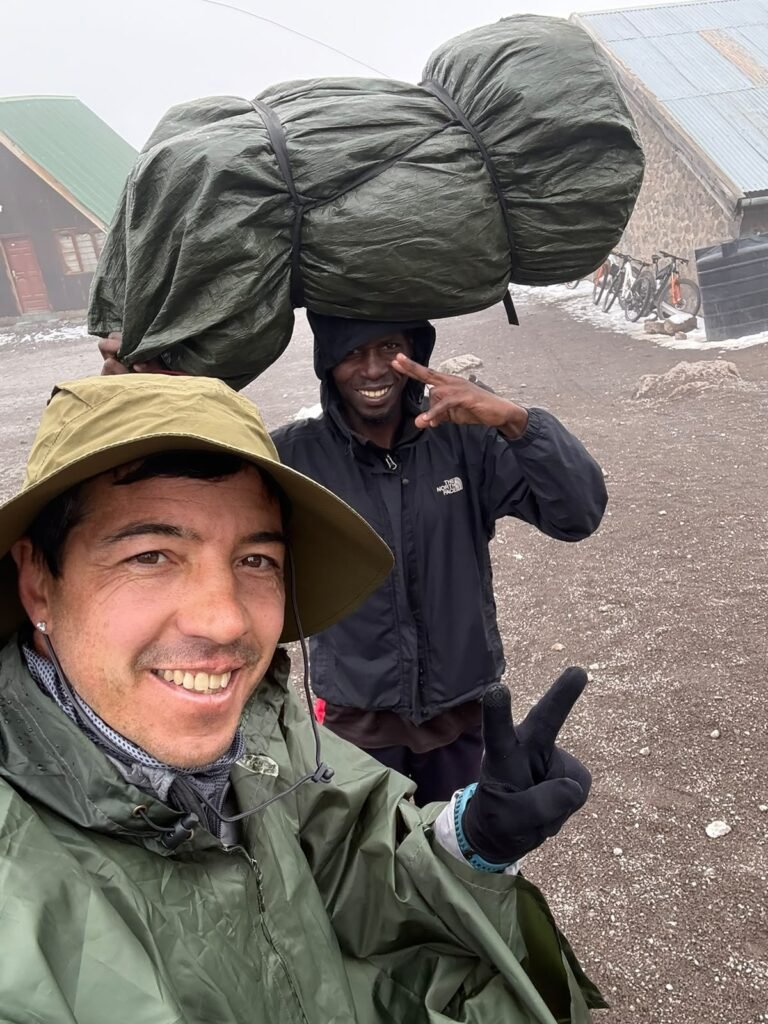
8 Days Lemosho Route Kilimanjaro Group Joining – 7–14 November 2026
Plan an 8-day Lemosho climb on Kilimanjaro with a verified group joining window of 7–14 November 2026. This first installment breaks down the day-by-day itinerary, acclimatisation logic...
View package details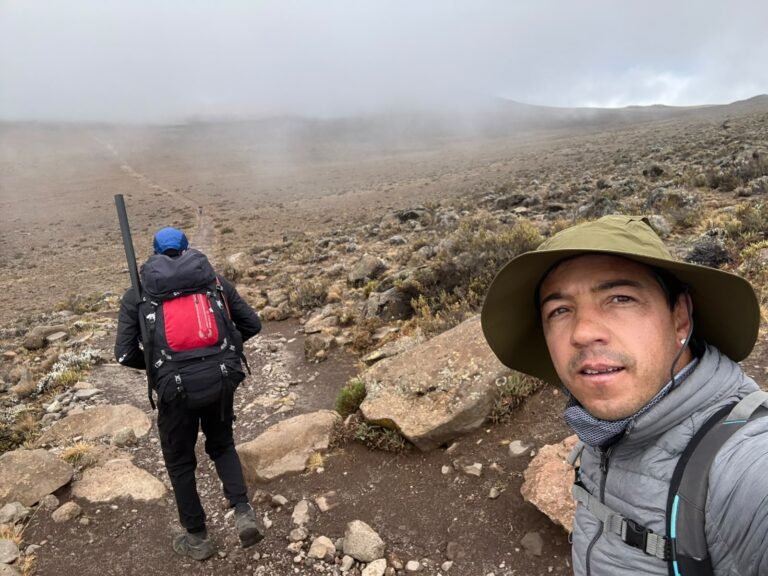
8 Days Lemosho Route Kilimanjaro Group Joining – 18–25 November 2026
8 Days Lemosho Route Kilimanjaro Group Joining – 18–25 November 2026.
View package details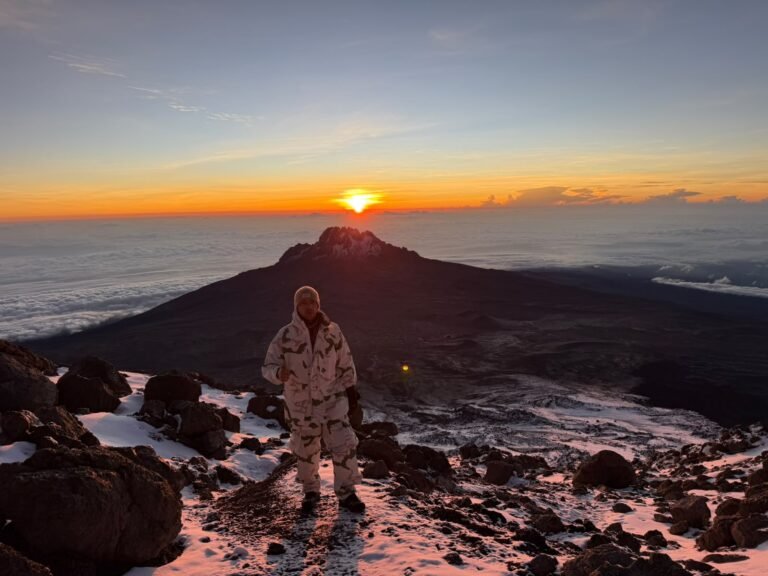
7 Days Machame Kilimanjaro Group Joining Price – 19–25 November 2026
7 Days Machame Kilimanjaro Group Joining Price – 19–25 November 2026.
View package details8 Days Lemosho Kilimanjaro Group Joining: 18–25 November 2026
Plan an 8-day Lemosho Kilimanjaro climb with a shared group from 18–25 November 2026. Learn the route, day-by-day logistics, and what a booked package typically includes.
View package details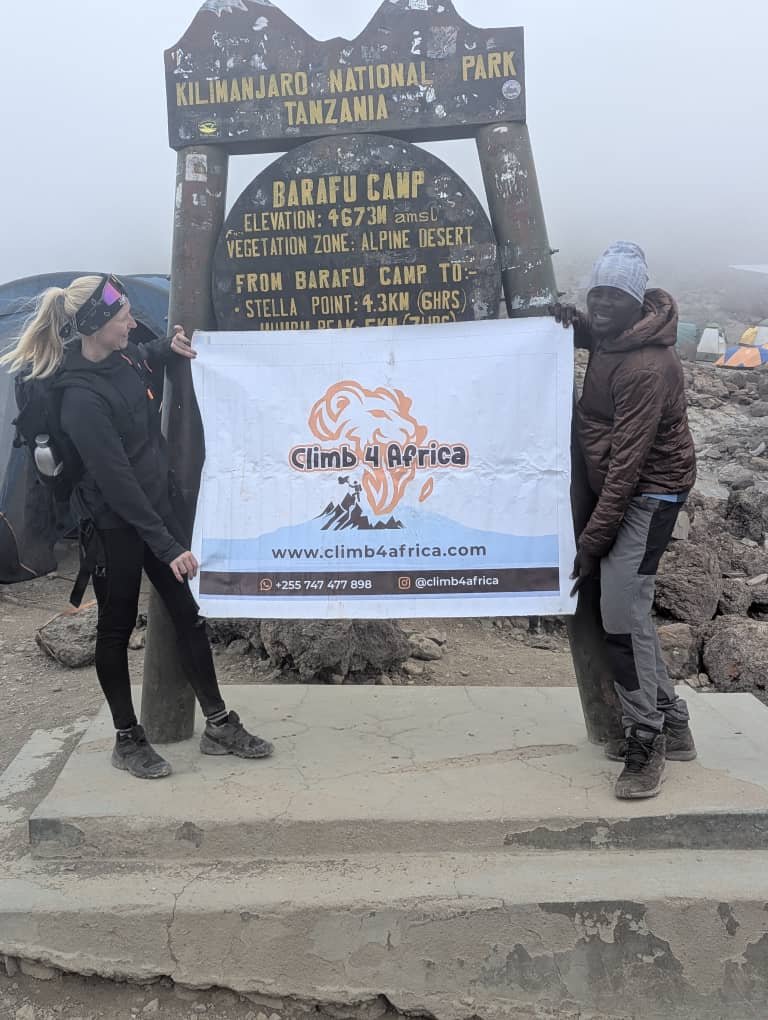
6 Days Marangu Route Kilimanjaro Group Joining – 20–25 November
Bookable 6 days on the Marangu route with a verified group departure 20–25 November 2026. Day-by-day itinerary, acclimatization plan, hut-style accommodations, and how to request a...
View package details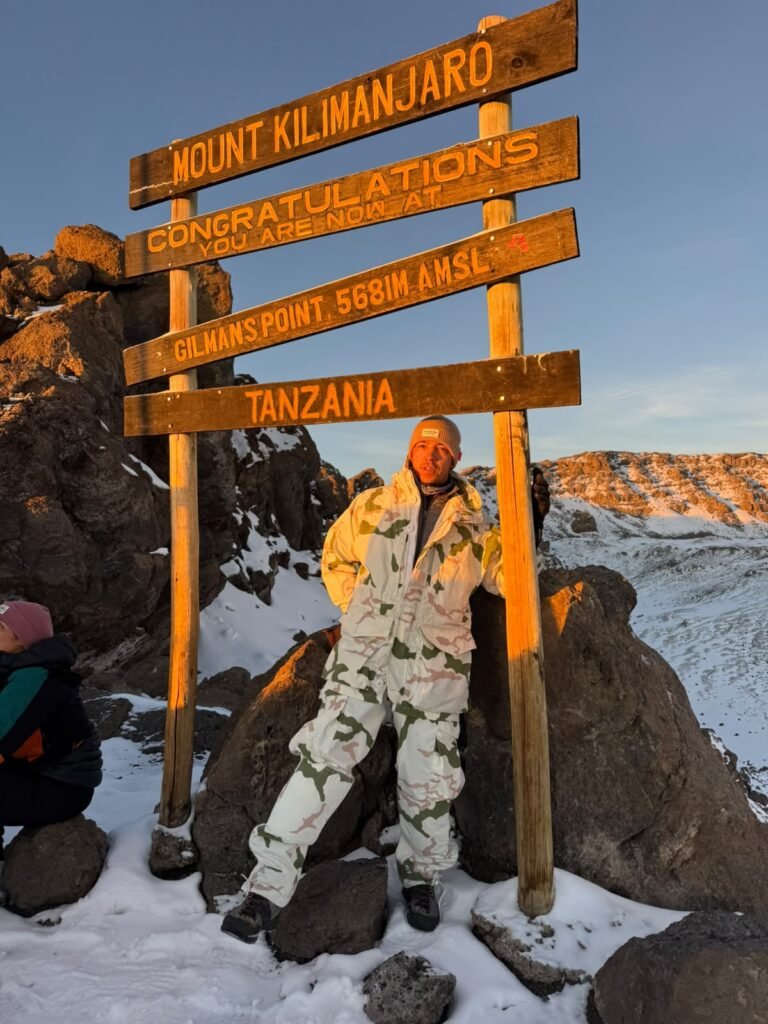
Kilimanjaro Group Joining Tours Starting 27 November 2026
Kilimanjaro Group Joining Tours Starting 27 November 2026.
View package detailsKilimanjaro Group Joining Tours November, Dates, Routes And Prices 2026
Kilimanjaro Group Joining Tours November 2026 – Dates, Routes and Prices.
View package details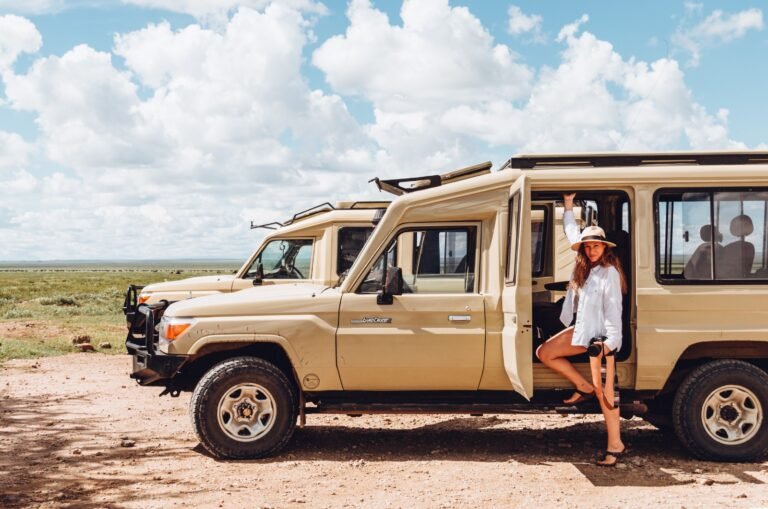
7 Days Kilimanjaro Group Joining Trek And 3 Safari
7 Days Kilimanjaro Group Joining Trek and 3 Days Group Safari.
View package detailsNo related package matches those filters. Clear one or more filters to see the other topic-matched options.



