
We offer an 8-day Lemosho Route Kilimanjaro ascent with a group joining on 27 November to 4 December 2026. The plan follows the classic Lemosho approach: start from Londorossi Gate, trek through forest into Shira Plateau, ascend gradually with a two-night acclimatisation emphasis, summit via Barafu Camp and Uhuru Peak, and finish back at Mweka Gate. Availability and exact departure numbers must be verified with Climb 4 Africa; prices and seats are not guaranteed here and should be confirmed directly with the operator.
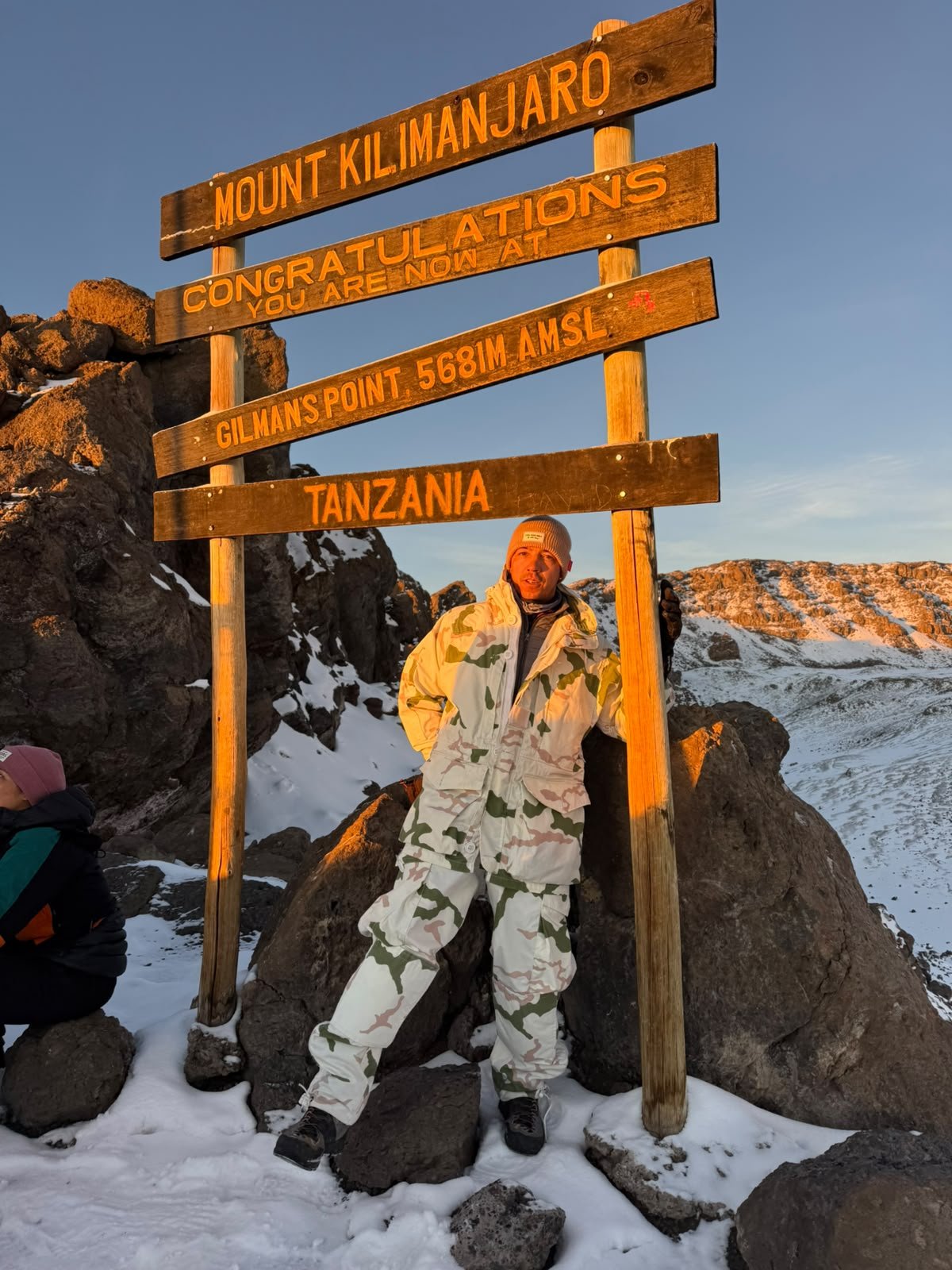
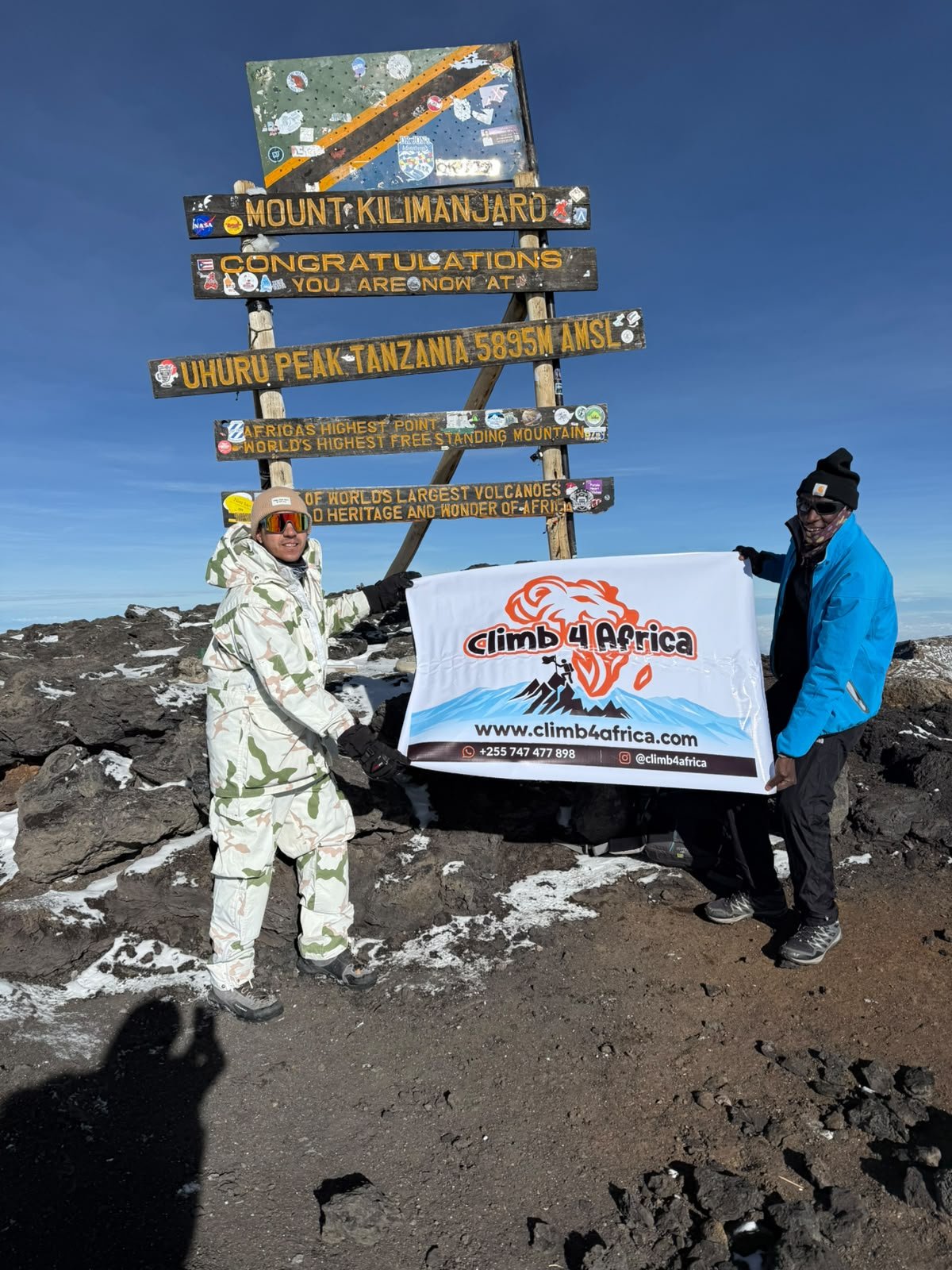
Planning this specific 8-day Lemosho departure means focusing on how a group can fit into the ascent, what the day-by-day rhythm looks like, and how to secure a verified schedule for 27 November–4 December 2026. Below you’ll find a practical, field-tested sequence that centers the actual travel flow rather than glossy hype. We’ll cover the real route progression, acclimatisation logic, logistics between camps, and the decisions you’ll face when booking a verified departure.
What you get with an 8-day Lemosho group departure
– A guided, supported ascent with a vetted partner in Tanzania, keeping the pace appropriate for most first-time high-altitude trekkers.
– A detailed day-by-day rhythm that emphasizes gradual ascent, rest opportunities, and shelter from weather swings, rather than chasing a time-based sprint to the summit.
– Accommodation in mountain camps and hotel/guesthouse options on arrival and return days, with meals and portered logistics arranged by the operator.
– Group coordination, briefing materials, and practical local support from experienced Tanzanian guides, cooks and support staff.
Day-by-day itinerary (Lemosho Route, typical sequence)
Note: the exact daily timings and camp names may shift slightly with a verified departure. This structure reflects the standard Lemosho flow designed for acclimatisation and steady elevation gain while keeping the group moving together.
Day 1 — Arrive and transfer to Londorossi Gate
Arrival in Tanzania and transfer to the Londorossi Gate area. After a welcome briefing, you’ll complete the administrative check-in and begin the first trek through montane forest. Expect a lighter first day as you acclimate to the altitude, with a modest camp setup and a warm, communal dinner to meet the group.
Day 2 — Londorossi to Big Tree Camp
Trekking deeper into the rainforest, the trail rises gradually through misty terrain. The pace is set to acclimatise, with frequent rests and time to absorb the changing landscape. Camp at Big Tree Camp offers shelter and simple facilities, with a focus on maintaining energy for the following day’s ascent.
Day 3 — Big Tree Camp to Shira Camp 1
The route leaves the forest and climbs toward moorland. The air thins and views begin to open. Your guide cues a steady pace, mindful of altitude, and the group transitions to moorland terrain with a brighter sky and expansive views. Overnight near Shira Camp 1 with basic facilities and hot meals.
Day 4 — Shira Camp 1 to Shira Camp 2 via the Lava Tower variation
Today includes a gentle acclimatisation loop and potential use of the Lava Tower route to help the body adapt to higher elevations. The group moves sensibly, pausing at viewpoints, then continues to Shira Camp 2. Evening briefing on the next day’s climb helps manage expectations and rest needs.
Day 5 — Shira Camp 2 to Barranco Camp
Descent and re-climb through distinctive alpine scenery, integrating a short acclimatisation break. The Barranco Wall can be tackled at a chosen pace, with the group remaining cohesive and supported as you approach the iconic valley and the camp with its sagging, sheltered tents and generous meals.
Day 6 — Barranco Camp to Kosovo Camp (or Karanga Camp) via the Karanga Valley
Continuing the ascent in a controlled manner, today reinforces acclimatisation while advancing toward higher camps. The route threads through valleys, with a mid-day break and a progressive approach to higher terrain, enabling you to conserve energy for the summit push.
Day 7 — Karanga Camp to Barafu Camp (Base of Summit) and overnight
The final push to Barafu is prepared with a lighter day, keeping the group together and ensuring proper hydration and fuel. A late tent setup at Barafu Camp and a careful rest prepare you for the summit attempt overnight.
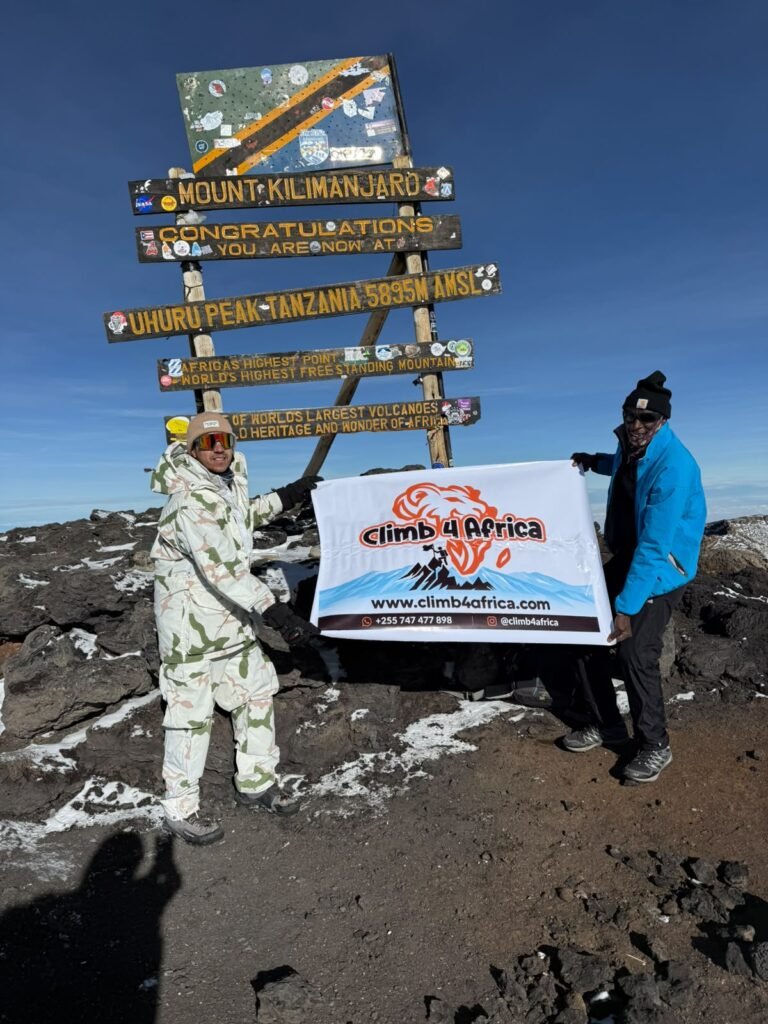
Day 8 — Summit attempt (Uhuru Peak) and descend to Mweka Camp
The ascent starts in the small hours. After reaching Uhuru Peak, you descend to Mweka Camp for the night, where a hot meal and hot drinks await. The energy of the group is channelled into a careful return to lower elevations, finishing with a farewell at the Mweka Gate the following day.
Acclimatisation and pacing logic
The Lemosho route is a long approach designed to slow elevation gain and build altitude tolerance. Key decisions on this 8-day schedule emphasize:
- Starting at Londorossi Gate to stay above the lower forest for a longer, calmer climb.
- Two nights above 3,000m before the summit push to align with typical acclimatisation curves.
- Steady daily progress with built-in buffer days for weather or health factors, reducing the need to rush through sections.
Transport, accommodation, and meals
The package typically includes airport transfers, park fees, guide services, cooks and porters, plus camping gear and meals on the mountain. On arrival and post-climb, the plan may incorporate hotel or lodge stays depending on the operator’s chosen network. Exact hotel names and camp locations can vary by departure and are confirmed upon booking with Climb 4 Africa.
Dates, availability, and how to confirm your 27 November–4 December 2026 departure
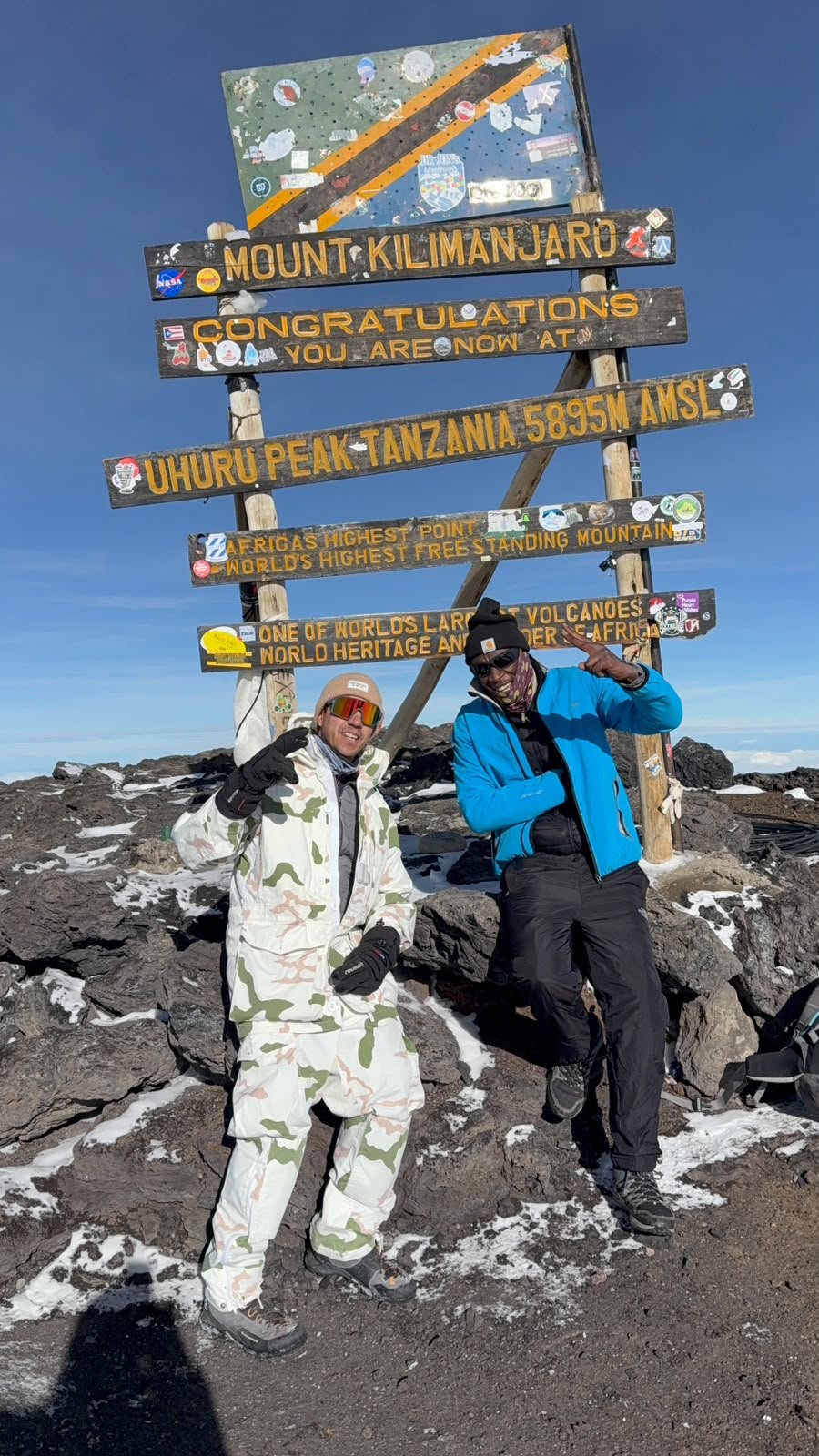
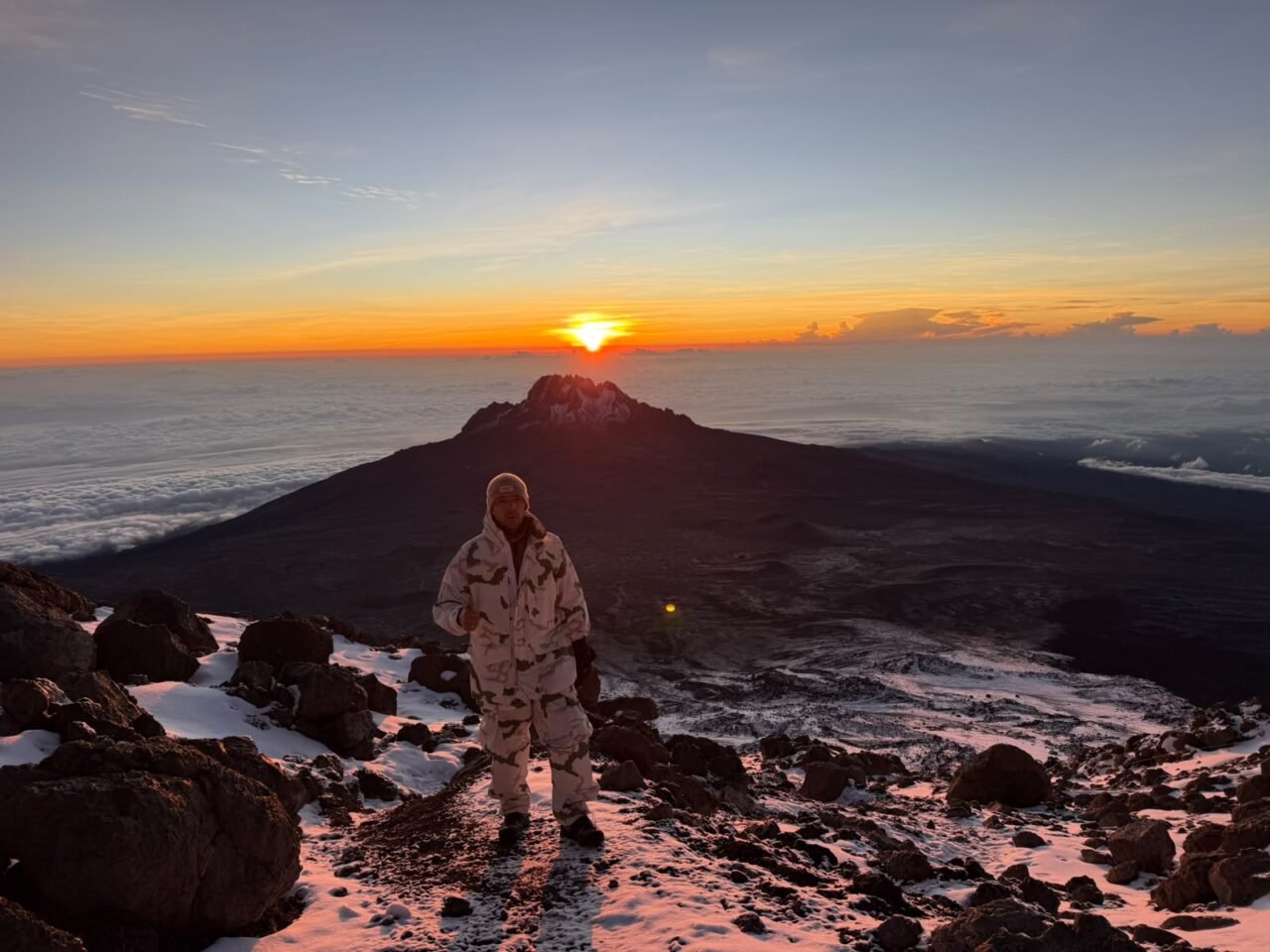
Group joining departures for November 2026 on the 27 November start are handled as verified itineraries by Climb 4 Africa. Availability and price require confirmation from the operator. If you’re ready to proceed, request a live schedule, and the team will
Additional practical considerations for the 8-day Lemosho group departure
Beyond the day-by-day structure and acclimatisation framework, practical sequencing details influence how smoothly your Kilimanjaro ascent unfolds. The following notes are based on standard operating patterns for verified Lemosho departures and are intended to complement the existing itinerary without repeating the points already covered in the article.
Pre-departure briefing and gear checks: In most confirmed group departures, a pre-briefing is held in Nairobi or Arusha or at a central meeting point in Tanzania before the trek proper. This session typically reviews the final packing list, weight allowances for porters, and contingency plans for weather or illness. You will be asked to bring any required medical certificates or waivers, and your guide will confirm personal emergency contacts and local SIM requirements for communication during the trek.
Porter and crew dynamics: The Lemosho route relies on a robust crew team, including a lead guide, assistant guides, cooks, and porters. The pacing is designed to ensure group cohesion; porters carry shared camp provisions and your personal duffel is typically transferred ahead to the next camp by the support team. You’ll often notice that the porters’ efficiency and the guides’ communication play a pivotal role in maintaining safety and comfort on higher, windier sections of the route.
Altitude awareness during the acclimatisation days: The two nights above 3,000 meters are intentionally spaced to reduce the risk of acute mountain sickness. Guides may adjust the pace on the trail to accommodate the group’s dynamic energy, with occasional short rests or an optional side excursion near Shira Camp 1 or Shira Camp 2 if weather allows. If you experience symptoms such as severe headache, persistent dizziness, or vomiting, you are encouraged to communicate with your guide promptly so the group can adapt the plan, including the possibility of a longer rest or a conservative descent if medical concerns arise.
Food and hydration strategy on the mountain: On the Lemosho route, meals are prepared fresh at each camp by the cook crew. While the menu tends to feature familiar staples, the menu is adapted to high-altitude cooking realities and may include soups, porridge, vegetables, starches, and energy-dense proteins. Hydration is emphasized, with regularly offered hot drinks and electrolyte options. If you have dietary restrictions, communicate them in advance; operators typically attempt to accommodate vegetarian, vegan, gluten-free, or other needs, though choices can be limited in remote camps.
Waste management and environmental care: Responsible trekking practices are standard in leading operators. Expect a strict “pack in, pack out” policy for non-biodegradable waste and a cautious approach to human waste. Guides will brief the group on proper disposal protocols, including use of designated containers or pit latrines at camps. Leave-no-trace principles help preserve the route’s ecology for future trekkers and wildlife in the Kilimanjaro region.
Emergency contingencies and medical readiness: While the standard package includes basic first aid and a satellite phone or radio for emergencies, you should confirm with your operator what equipment is carried by the team and what individual health provisions you should bring. If you have existing medical conditions, carry a concise medical summary and any required medications. Guides are trained to respond to common high-altitude issues and have established procedures for evacuation or rapid descent if necessary.
Photographic opportunities and landscape pacing: The Lemosho route offers distinct photographic moments, from misty rainforest transitions to open moorland and the stark summit approach. Guides often position the group to capture sunrise views near Lava Tower variants or the Barafu forward march at appropriate times, balancing safety with the desire to document the journey. Allow for quiet moments to absorb the scenery, particularly on acclimatisation days when the air is thinnest and the light is favorable for photography.
Communication and language considerations: While English is commonly used in guiding operations, some crew members may have varying levels of English proficiency. A calm, respectful communication style helps the group stay cohesive, especially during slower segments or when offering encouragement on tougher stretches. Simple, clear instructions from the lead guide tend to minimize confusion and keep your ascent on track.
End-to-end scheduling and verification process: The article notes that availability and exact departure details must be confirmed with the operator (Climb 4 Africa). If you’re evaluating this 27 November–4 December 2026 departure, request a live schedule and current group size. Be prepared for potential adjustments due to operational logistics, weather, or park regulations, and ensure you obtain written confirmation of the final itinerary, campsite sequence, and services included before committing.
Packing and personal gear reminders: For this route, a compact, weather-resistant daypack with essential layers, rain gear, a warm hat, gloves, sun protection, and a headlamp is useful. Layering is key: base layers for moisture management, insulating mid-layers for warmth, and a windproof outer layer. If you’re unsure about gear choices, your operator’s gear list and the pre-departure briefing are the best resources, as they reflect the specific tents, sleeping mats, and cooking equipment the crew will use at each camp.
Helpful mindset for a group trekking experience: A successful 8-day ascent blends individual preparation with group dynamics. Staying flexible, listening to your body, and supporting fellow trekkers contributes to a safer, more enjoyable experience. The slower, more deliberate pace of the Lemosho route is designed to maximize acclimatisation and enjoyment of the scenery—values that become more meaningful when the group remains cohesive and communicative through higher elevation days.
Practical considerations for a smooth 8-day Lemosho group ascent: pacing, acclimatisation, and contingencies
Building on the day-by-day rhythm and the acclimatisation framework outlined in the core itinerary, this section delves into actionable nuances that influence real-world execution of a 27 November–4 December 2026 departure. The goal is to help your group anticipate common frictions, align on expectations with your guide team, and understand how pacing decisions translate into safety and summit potential without overloading the schedule with speculative details.
Pacing choices within each day: While each day has a target distance and camp destination, the actual pace should respond to how the group feels, the weather window, and the altitude encountered at each transition. The lead guide typically retains a flexible window for start times, breaks, and viewpoint stops. Expect deliberate, shorter walking blocks interspersed with 5–15 minute rest periods, especially after regaining altitude or negotiating exposed sections. If a certain stretch feels strenuous for multiple participants, the group may compress the more ambitious viewpoints into a single rest stop and maintain a steady cadence toward the next camp. This is not a race; it is a controlled ascent designed to preserve energy for higher elevations later in the trip.
Acclimatisation framework in practice: The Lemosho route relies on a two-night stay above 3,000 meters to foster altitude tolerance. In practice, you’ll find the guides actively monitoring subjective well-being, pulse rate recovery after rests, and signs of mild headache or fatigue. If any participant displays early signs of altitude symptoms, the team will adjust pacing, offer hydration strategies, and emphasize rest rather than pushing through discomfort. The Lava Tower variation remains a common tool for controlled hypoxic exposure, but it is employed judiciously and with clear safety thresholds. The emphasis remains on gradual progression: higher elevations are introduced only after proven tolerance on preceding days.
Camp logistics and shelter considerations: Mountain camps along the Lemosho route are designed to minimize exposure to wind and cold while offering basic protection from rain or mist. The schedule typically includes a warm meal, a short rest period, and a guided briefing before the next segment. Sleeping gear, tents, and cooking equipment are arranged by the operator and crew; trekkers should expect simple, functional facilities rather than luxury accommodations. Proper layering, a compact sleeping system, and a dry bag strategy for personal items help maintain comfort in variable conditions. Communal dining tents foster group cohesion, while individual tents provide personal space for rest and recovery.
Joint safety and health practices: Hydration remains a cornerstone of safe ascent. The guides emphasize regular water intake, electrolyte balance, and avoiding dehydration, especially during the more exposed sections. If someone experiences dizziness, persistent fatigue beyond expected acclimatisation norms, or vomiting, the crew will reassess the pace and may arrange for additional rest or adjustments to the plan. Sunscreen, sunglasses, and lip protection remain essential due to intense UV exposure at altitude combined with arid air. The group should avoid alcohol on summit weeks, as this can exacerbate dehydration and impair judgment during crucial acclimatisation windows.
Weather and visibility contingencies: Tanzanian highland weather can swing quickly. While the plan provides a stable rhythm, guides maintain contingency times for weather-related delays or optional rests. If cloud cover obscures views at a critical moment, the team may shift to a longer rest break at a camp or adjust the order of viewpoints to protect energy levels for later days. Summit day remains the most weather-sensitive portion; decisions about a morning start time and the potential need to postpone the climb reflect safety considerations as much as scenic opportunity.
Communication and group cohesion: Clear, calm communication between guests and guides sustains morale and safety. If a participant has limited English proficiency, the guide team may use concise, visual cues or demonstrations to convey instructions. Regular head-counts, buddy systems for hydration and gear handling, and predefined signals for pausing or regrouping help maintain cohesion during slower segments or when terrain becomes more technical. A quiet, respectful demeanor supports a focused climbing environment and minimizes misunderstandings in challenging sections.
What to expect on day-to-day transitions: Transitions between camps are opportunities to reset physically and mentally. You’ll transition through distinct ecological zones—montane forest, moorland, and alpine desert—each with its own pace, air density, and temperature profile. Expect several shorter segments rather than a single long push, with acclimatisation briefings timed to align with light conditions and the group’s energy reserves. The group’s progression through Shira Camp 1, Shira Camp 2, Barranco Camp, Karanga/Kosovo Camp, Barafu Camp, and finally Mweka Camp is designed to maintain momentum while safeguarding downward recovery periods after ascents, ensuring you depart each night with sufficient rest for the next day’s challenges.
Documentation and confirmation nuances for your booking window: Because the operator’s verified schedule is subject to change, your best pre-departure practice is a written confirmation that outlines the exact campsite sequence, a projected daily rhythm, what’s included in meals and gear, and any permitted variations. Request a formal itinerary addendum that reflects the 27 November–4 December 2026 departure once you’ve completed the booking. If weather or park regulations mandate a minor deviation, you’ll have a documented fallback plan showing how the group will adjust without compromising the acclimatisation framework or safety margins.
Photography tips aligned with the itinerary rhythm: To capture the most meaningful moments without derailing the ascent, coordinate with the guide on preferred viewpoints and timing. Low-angle silhouettes at sunrise near Lava Tower variants can be rewarding, but the most dependable shots come from brief, well-timed pauses that don’t derail the group’s pace. Carry a lightweight lens cloth and a compact, weather-sealed camera or smartphone with a protective case. Use a small, quick-access pocket for a spare battery or power bank, because high-altitude cold can drain juice quickly. If you’re aiming for a specific shot, signal the guide ahead of time so you can pause at a safe, sheltered moment without creating a bottleneck for others behind you.
Related Guides and Packages
Check Availability for 8 Days Lemosho Route Kilimanjaro Group Joining – 27 November – 4 December
Ready to compare dates, prices, and the best option for your group? Send the package name and travel month so the team can reply with a clear quote, availability, and what is included.
7 Days Rongai Route Kilimanjaro Group Joining – 26 November – 2 December
Experience Kilimanjaro via the Rongai Route with a confirmed group departure for 26 November–2 December 2026. Read a practical, day-by-day plan focusing on route pacing, acclimatization...
View package details
7 Days Machame Route Kilimanjaro Group Joining – 27 November – 3 December
7 Days Machame Route Kilimanjaro Group Joining – 27 November – 3 December 2026.
View package details
8 Days Lemosho Route Kilimanjaro Group Joining – 7–14 November 2026
Plan an 8-day Lemosho climb on Kilimanjaro with a verified group joining window of 7–14 November 2026. This first installment breaks down the day-by-day itinerary, acclimatisation logic...
View package details
8 Days Lemosho Route Kilimanjaro Group Joining – 18–25 November 2026
8 Days Lemosho Route Kilimanjaro Group Joining – 18–25 November 2026.
View package details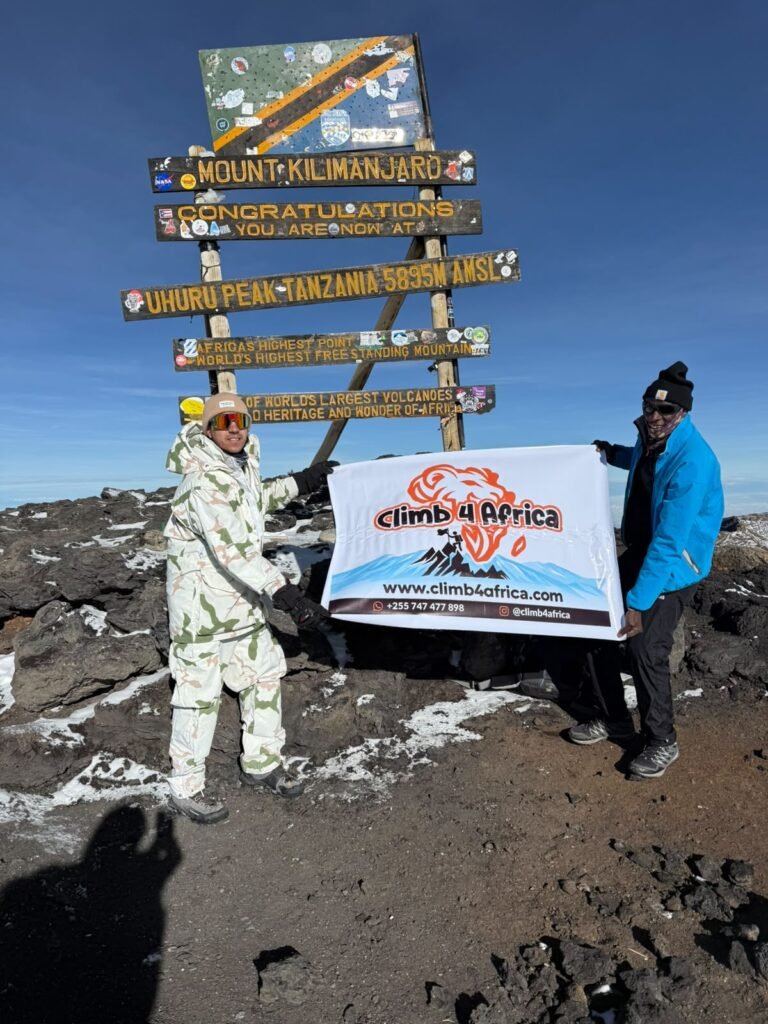
7 Days Machame Kilimanjaro Group Joining – 14–20 November
Join a confirmed 7-day Machame Route Kilimanjaro climb with a small group, departing 14–20 November 2026. Plan, acclimatise and summit with practical logistics and local support.
View package details8 Days Lemosho Kilimanjaro Group Joining: 18–25 November 2026
Plan an 8-day Lemosho Kilimanjaro climb with a shared group from 18–25 November 2026. Learn the route, day-by-day logistics, and what a booked package typically includes.
View package details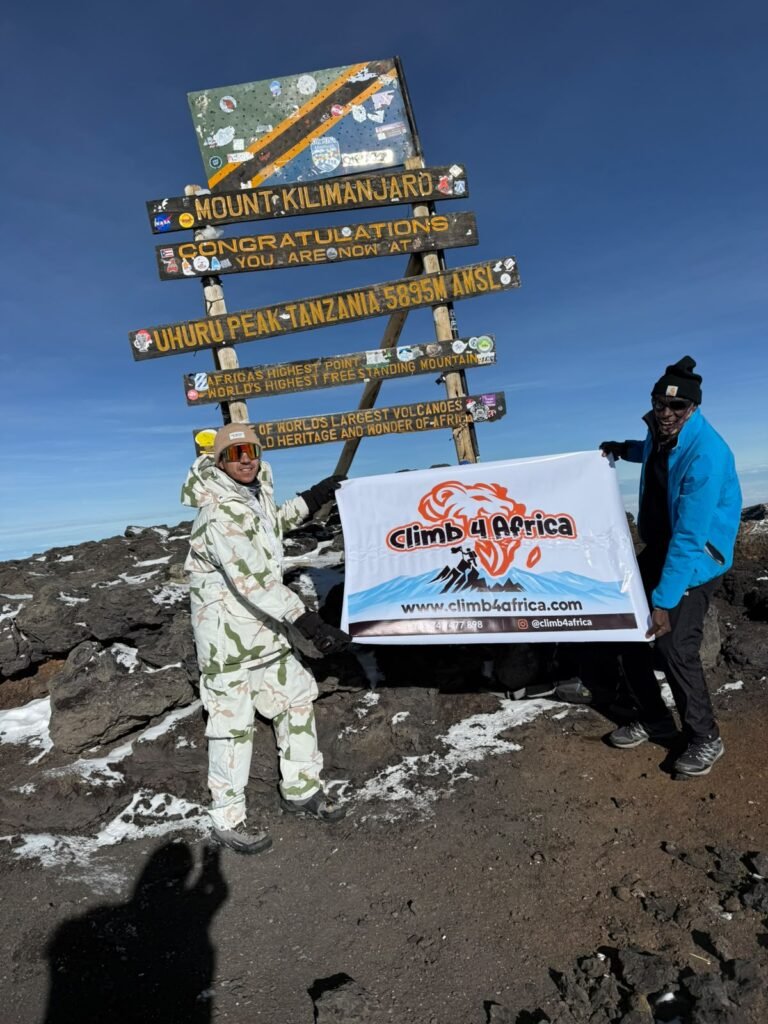
9 Days Northern Circuit Kilimanjaro Group Joining – 17–25 November
9 Days Northern Circuit Kilimanjaro Group Joining – 17–25 November 2026.
View package details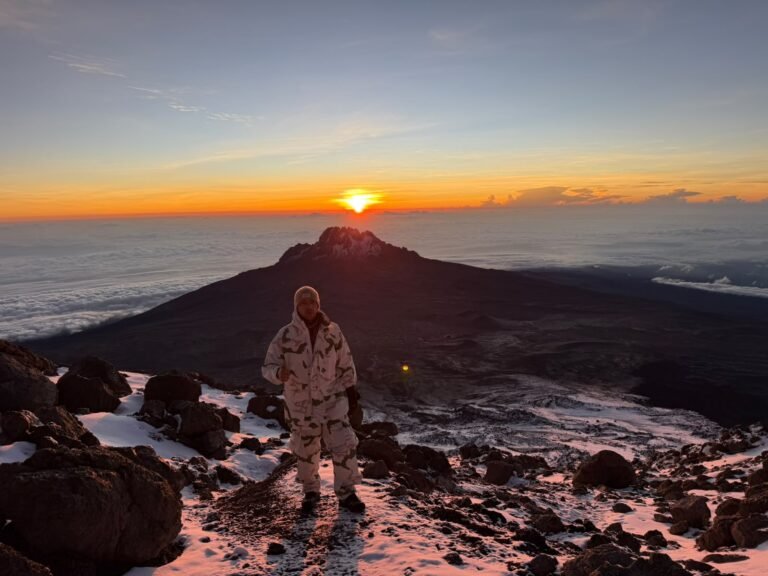
7 Days Machame Kilimanjaro Group Joining Price – 19–25 November 2026
7 Days Machame Kilimanjaro Group Joining Price – 19–25 November 2026.
View package details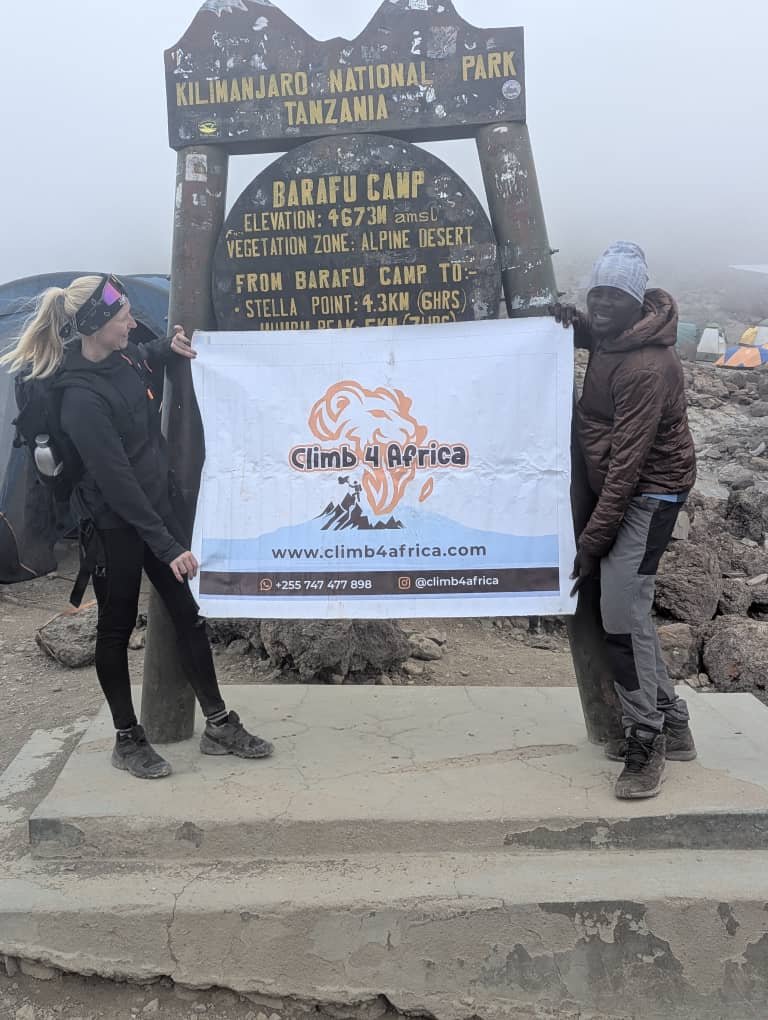
6 Days Marangu Route Kilimanjaro Group Joining – 20–25 November
Bookable 6 days on the Marangu route with a verified group departure 20–25 November 2026. Day-by-day itinerary, acclimatization plan, hut-style accommodations, and how to request a...
View package detailsKilimanjaro Group Joining Tours November, Dates, Routes And Prices 2026
Kilimanjaro Group Joining Tours November 2026 – Dates, Routes and Prices.
View package detailsNovember Kilimanjaro Lemosho Vs Machame Group Climbing Dates
November 2026 Kilimanjaro Lemosho vs Machame Group Climbing Dates.
View package details
Kilimanjaro Group Joining Tours Starting 27 November 2026
Kilimanjaro Group Joining Tours Starting 27 November 2026.
View package detailsNo related package matches those filters. Clear one or more filters to see the other topic-matched options.



