
For 7 Days Machame Kilimanjaro with a group joining from 19–25 November 2026, expect a standard Machame route in seven trekking days, with a day-by-day sequence that includes acclimatization shuffles, overnight stays in partner lodges or tented camps, and a shared guide-to-climber ratio. Prices and exact departures require a verified quote from Climb 4 Africa; group dates and capacity are provided on request and confirmed in an official itinerary email after inquiry. This article explains the itinerary, how to request a schedule, and what a quote should include.
What you get with a verified 7-day Machame group joining
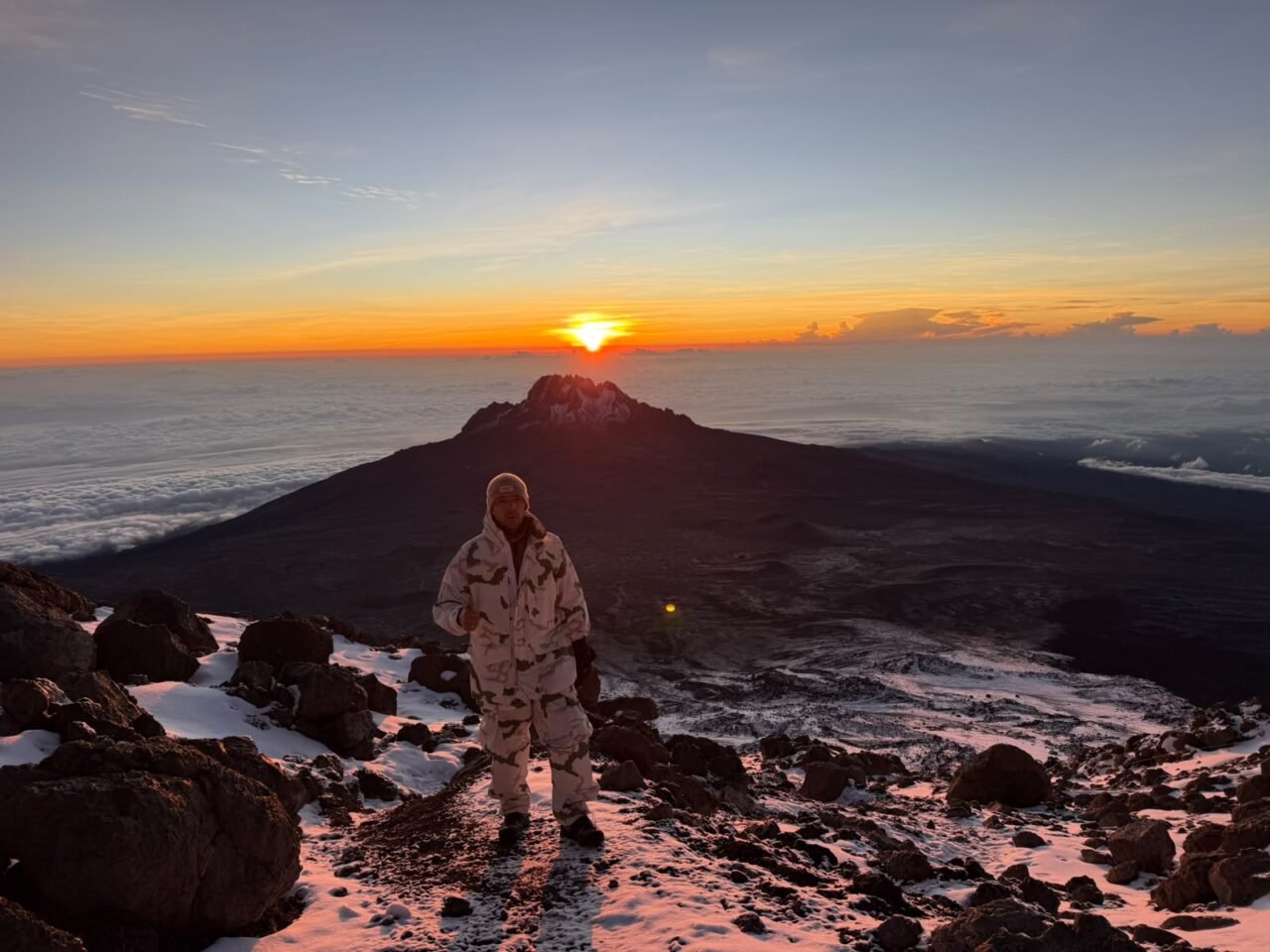
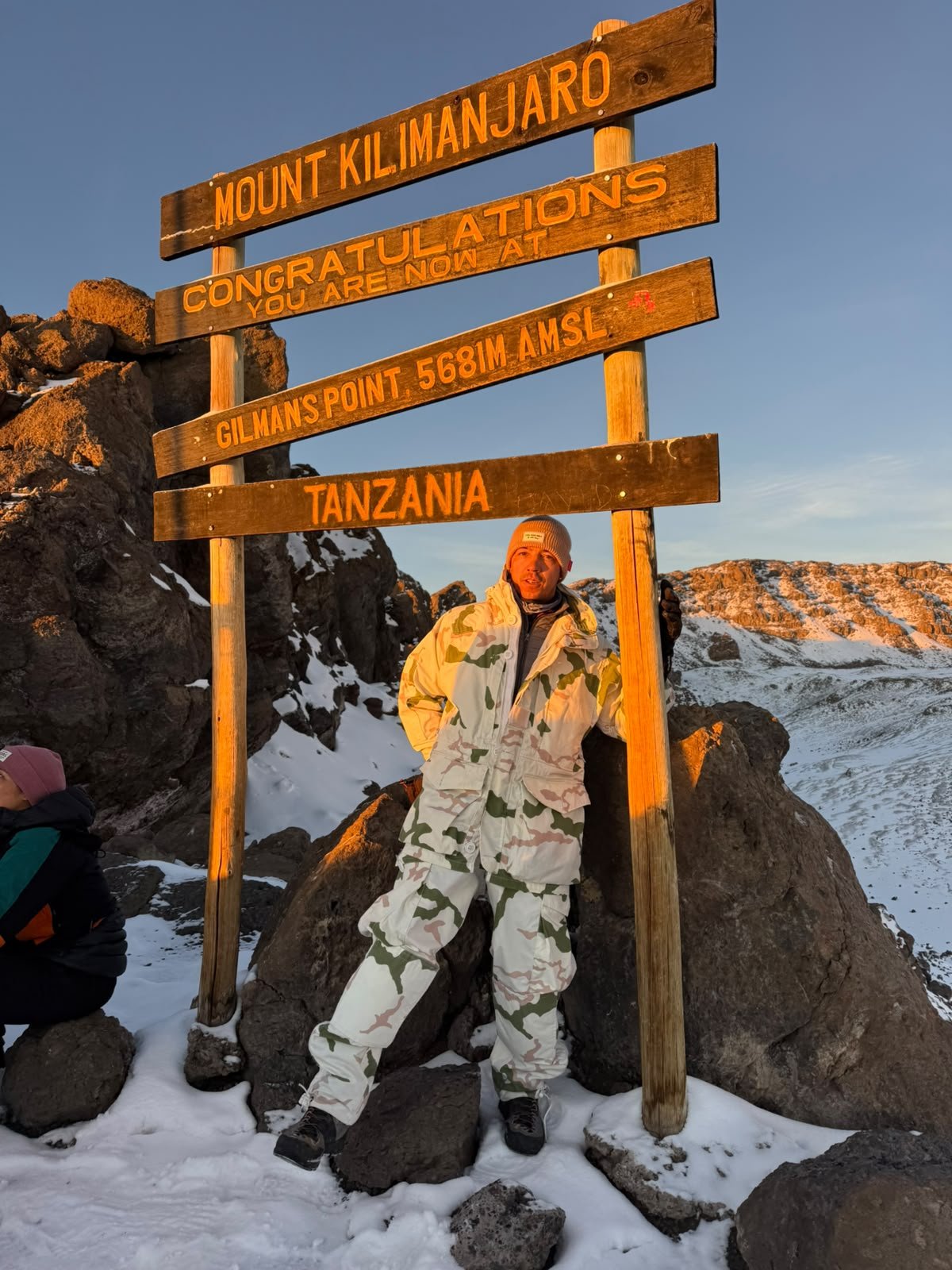
When you book a group joining for the Machame route, the core value is shared logistics: a single group with a fixed departure window, coordinated guides and porters, and a standard nightly lodging pattern. The plan emphasizes gradual acclimatization, with a keystone day for elevation gain and a descent strategy that supports safer summit chances. A verified schedule will confirm departure and return times, the exact camp or lodge stops, and what is included in the price (permits, park fees, meals, oxygen, and contingency gear). Pricing and availability are subject to group size, season, and supplier rates, so a formal quote is essential before any commitment.
Day-by-day itinerary: 7 days on the Machame route
Note: The sequence below reflects typical Machame progress for a 7-day window with a shared group. Exact campsite names and lodge details are confirmed in the final itinerary sent with your quote.
- Day 1 – Moshi to Machame Gate to Shira Camp
Begin at the Machame Gate, where your group checks in with Kilimanjaro National Park staff and receives your trekking permits. A forested ascent leads to Shira Camp, with a controlled pace designed for initial acclimatization. Evening at camp with a briefing on the next day’s climb. - Day 2 – Shira Camp to Shira Huts to Barranco Camp
Trail climbs through moorland and opens up to scenic views. Shorter daytime elevation gain to help acclimatization, followed by camp at Barranco area. Optional short walk to increase acclimatization stimulus before dinner. - Day 3 – Barranco Camp to Barafu Camp (via Lava Tower optional detour)
Traverse the famous Barranco Wall while maintaining a steady pace. The day includes a potential Lava Tower detour to improve acclimatization, then descent into a sheltered valley for the night, typically at Karanga or Barafu vicinity depending on group logistics. - Day 4 – Barafu Camp (Base) to Stella Point (Summit attempt window)
Late-night push from Barafu to the crater rim, reaching Stella Point or Uhuru Peak depending on conditions and group readiness. Return to enough lower altitude for the descent, with a focus on safety and pace. - Day 5 – Descent to Mweka Camp
Descent via Mweka route through forests back toward Moshi or nearby hotel arrangement. Rest, meals, and briefing on summit success or next steps for any planned rest days. - Day 6 – Mweka Camp to Moshi/Tarakea area
Final breakfast and transfer to your chosen post-climb accommodation. Debrief on the climb, certificates, and optional cultural or safari add-ons. - Day 7 – Departure or extend your stay
If time allows, a short cultural excursion or transfer to the airport. This day can be extended if you’re adding safaris, Zanzibar, or extra days in Moshi.
Acclimatization and pacing: how the 7-day plan reduces risk
The Machame route is designed to build altitude tolerance gradually. The 7-day window allocates an extra night on the lower elevations, which helps climbers adapt before the steepest ascents. The sequence minimizes long, straight ascents and avoids repeated high-camp sleeping pressure. If the group shows signs of altitude stress, the guide team uses a flexible pacing plan, including extra acclimatization time or a modified itinerary within the same window.
Dates, group sizes, and how to verify departures
The exact departures for 19–25 November 2026 depend on group size and supplier allocations. Because you asked for a real, bookable plan, you’ll need a verified schedule from Climb 4 Africa. To obtain it, contact their Kilimanjaro group-joining page with your preferred dates and passport details for the November window. They will provide the confirmed departure date, group size, camp sequence, and the inclusions of the quoted price. If a fixed schedule isn’t posted publicly, you can request a personalized itinerary and price for the 19–25 November window and request a calendar of available slots within that week.
What a verified price quote should include
Any formal quote for a 7-day Machame group joining should specify: the total price per person, inclusions (permits, park fees, guide, cook, porters, meals, oxygen, emergency procedures), exclusions (flight, visas, travel insurance, tips, optional activities), your group size, the exact route sequence, the accommodation type after the climb, and the cancellation policy. Prices vary with season, availability, and provider terms, so a quote will always reflect current supplier rates and the specific group arrangement for the 19–25 November 2026 window.
Booking guidance: how to move from inquiry to confirmed plan
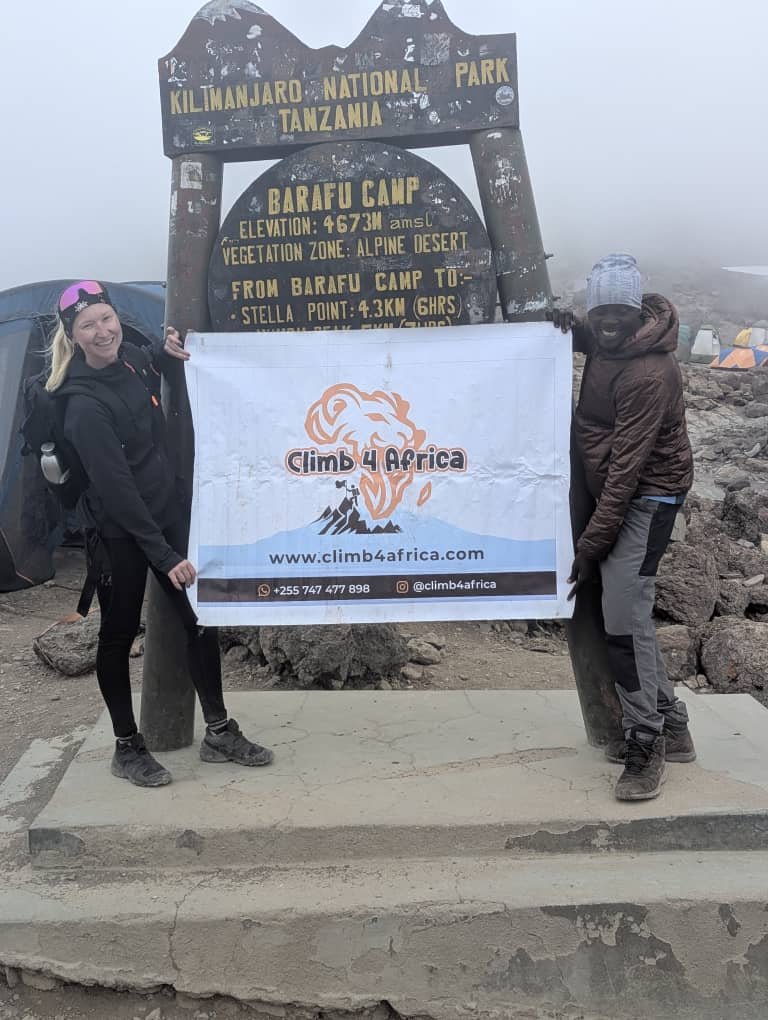
Start with a direct inquiry to Climb 4 Africa’s Kilimanjaro group-joining contact for the November 2026 window. Ask for the official itinerary, the current group size, the exact camp sequence, and a broken-down price that shows what’s included. If you have flexibility, compare a 7-day Machame option with an 8-day version to see how the extra acclimatization day might change the price and comfort level. Always request a formal, written quote and a confirmed departure date before committing.
Next steps
To proceed, request the official, verified schedule and quote for 19–25 November 2026 through Climb 4 Africa’s group
Additional considerations for a verifiable 7-day Machame group joining in November 2026
Beyond the core day-by-day sequence, there are practical details that readers often need to confirm before committing to a 7-day Machame group join. This section provides concrete, bookable considerations that help you evaluate a schedule when a official itinerary and quote are provided by the operator.
1) Confirm the exact day-by-day sequence with the final itinerary
The final itinerary should specify the start and end points for each day, the trail segments covered, and the night-time accommodation type (tent or lodge). In practice, Machame groups commonly follow a pattern similar to: Moshi Gate to Shira Camp, Shira Camp to Barranco Camp or Kosovo Camp depending on replenishment and terrain, Barranco to Barafu Camp on the approach to the summit, then Mweka Camp for the final descent. However, the precise sequence can vary by group due to campsite availability and park regulations. When you receive the official quote, request the exact site names, elevation points, and any optional acclimatization shuffles included in that window. Averaging the days’ elevations helps you plan rest expectations and gear needs.
2) Understand how acclimatization is implemented in the schedule
A key value of the 7-day plan is deliberate acclimatization pacing. The final itinerary should reflect this with the following signals: a slower ascent on Days 2–3, an optional extra acclimatization night if conditions warrant, and a summiting push that respects the group’s overall pace. If the operator offers a fixed schedule with limited flexibility, ask about permitted pacing adjustments within the same 7-day window and under what circumstances a delay or reroute would be authorized by the lead guide. A clear plan helps you compare against other operators offering similar 7-day windows with different rest days.
3) Clarify inclusions and exclusions in the quote against the proposed route
A verified price quote should itemize what is included for each day of the trek, including park fees, mandatory guides and porters, meals, and any oxygen or emergency equipment. It should also explain the type of accommodation used after the climb (for example, return to a lodge in Moshi or a hotel stay in Moshi before/after the trek). In cases where certain meals or services differ by campsite, the final itinerary should reflect those differences. If you notice a discrepancy between the itinerary and the quote (for example, a listed night at a lodge instead of a campsite), request alignment before accepting the quote to avoid mid-journey surprises.
4) Verify group size ranges and how that affects pace and support
Group size affects guide-to-client ratio, meal provisioning, and the ability to maintain a steady pace. A typical Machame group might range from 6 to 12 climbers per guide, but sizes can vary by season and supplier. The final plan should state the expected group size for November 19–25, 2026 and how the count influences portering arrangements and dining logistics. If you prefer a smaller group, ask whether there is a private option or a guaranteed minimum/maximum size for the 7-day window and how that impacts pricing or inclusions.
5) Prepare for the practicalities of the October–November season in Kilimanjaro
November sits at the tail end of the dry season shoulder period and can present mid-range crowding as well as moderate weather variability. The itinerary and quote should address how this season affects campsite availability and contingency plans. Inquire whether the operator has access to alternative campsites in case of weather-related displacement and how this could affect the day-by-day sequence. A robust plan will outline what changes are permissible without altering the overall 7-day structure and the safety margins embedded in the schedule.
6) Confirm the post-trek lodging and transfer arrangements
Reading the final itinerary should cover the end-to-end experience, including the return transfer from Kilimanjaro National Park to Moshi, the post-trek hotel accommodations, and any included airport transfer if relevant. If the quoted price includes a post-trek night at a specific hotel, verify its location relative to the town center and the airport shuttle timing. If the quote centers on a Moshi stay, you may want to align that with your international flight timing and personal rest needs.
7) Clarify the cancellation terms and rebooking flexibility
Booking a 7-day Machame group join involves weather considerations, medical readiness, and possible changes to group composition. The verified schedule should lay out the cancellation policy, refund windows, and any rebooking fees. In addition, confirm what happens if the operator needs to adjust dates due to unforeseen circumstances (for example, park closures or an insufficient group size). A transparent policy helps you plan for risks and avoid penalties when adjustments are necessary.
8) Gather the operational contacts and escalation channels
For a smooth experience, request the contact details of the on-ground leader, the office coordinator, and the emergency contact chain. The final itinerary should outline how your group will receive updates on day-to-day changes and who to contact in case of a delay, illness, or any other issues. Having direct lines of communication helps you stay informed without relying on third-party messaging delays.
9) Prepare a comparison framework if you are evaluating multiple 7-day Machame options
If you are comparing several operators for the same 19–25 November 2026 window, create a side-by-side framework focusing on: exact day-by-day route and campsite names, acclimatization logic, inclusions/exclusions, accommodation type and post-trek lodging, group size, cancellation terms, and verified departure date. A structured comparison makes it easier to identify where one option offers a safer pace or more predictable logistics, without relying on marketing language. When you receive the official quote, populate your comparison with the operator’s verified details and note any deviations in the final plan.
Closing thought: making the most of a verified schedule
In booking a 7-day Machame group joining, the most valuable document is the official, written itinerary paired with a formal quote. This pairing confirms exactly what you will experience, when, where you will sleep, and what you will pay. Use the points above to scrutinize the final plan you receive from Climb 4 Africa or any other Kilimanjaro operator offering the November 2026 window. When in doubt, ask for a revised draft that directly addresses any gap you identify—particularly around acclimatization pacing and campsite sequence—before you commit.
Clarifying the verification gap: what a reader still needs to know about 19–25 November 2026
In the current article framework, the most meaningful unanswered question for a reader pursuing a 7-day Machame group joining in late November 2026 is:
- What exact day-by-day sequence should a verified itinerary for 19–25 November 2026 look like, including the anticipated campsite or lodge stops, pacing logic, and acclimatization milestones, once a formal quote is received from a verified operator?
Why this question matters: without a concrete, day-by-day plan tied to a confirmed schedule, a traveler cannot accurately assess risk, pacing, or sleeping arrangements. The seven-day Machame route is typically structured to optimize acclimatization, but the specifics—camp names, lodge transitions, and the order of ascent stages—vary by operator and season. A verified itinerary should lock these details in and give you a reliable map from arrival in Moshi to the summit window and descent, rather than a generic framework.
What a fully verified day-by-day sequence should reveal
- Day 1 – Moshi to Machame Gate, formal park check-in, transfer to first camp or lodge, and an acclimatization briefing. The exact camp name (e.g., Shira Camp or a mid-elevation stopping point) should be specified, with the expected elevation gain and walking time.
- Day 2 – First major acclimatization push with a controlled ascent to Shira or comparable highland camp, including allotted rest periods and a plan for a mid-afternoon adjustment stop if fatigue appears.
- Day 3 – Transition toward higher elevations, typically advancing to Barranco or another intermediate campsite, with explicit notes on terrain type (moorland, scree) and a brief acclimatization hike prior to the main ascent that afternoon or evening.
- Day 4 – The summit-prep day: a shorter day to maximize rest and altitude tolerance, arriving at a pre-summit base such as Karanga or Barafu’s lower area, with a defined dinner window and early rest period.
- Day 5 – Summit window day: a predawn start to the final ascent to Uhuru Peak, including the planned turnaround time if severe tiredness occurs, and a secure descent back to a designated lower camp for recovery.
- Day 6 – Descent to Mweka Camp or a similar lower-elevation lodge, with a detailed pacing plan to minimize fatigue and a note on post-trek rest requirements.
- Day 7 – Final transfer back to Moshi or to Kilimanjaro international transfer point, with a clear checklist for gear return, tips collection (if applicable), and a debrief on the overall acclimatization strategy used during the week.
In addition to the day-by-day camps, a verified itinerary should explicitly state:
- Acclimatization rationale for each day, including expected elevation gain and maximum altitudes reached.
- Accommodation type at each stop (tented camps vs. lodge-based facilities) and any variations caused by seasonal conditions or group size.
- Meal planning structure, including typical meals, snack allowances, and water provisions, so travelers can anticipate daily routines.
- Porter and guide ratio for each segment, clarifying safety expectations and service levels during the busiest legs.
- Contingency provisions for weather delays or medical pauses, including evacuation procedures and the alignment with park permit requirements.
For readers, the key outcome is a transferable, verifiable schedule that one can compare against other operators without ambiguity. If the operator cannot provide the exact day-by-day camps, pacing chart, and overnight arrangements in writing, this signals a red flag about reliability or a potential mismatch with the promised seven-day window.
Practical steps to obtain a truly verified itinerary
- Request the official itinerary in writing directly from Climb 4 Africa or the designated group-joining contact, and ask for the week-long day-by-day plan with camp names and night-logs attached.
- Ask for a calendar snapshot that shows the sequence of elevations for each day, including the highest point reached that day and the cumulative elevation gain for the entire trek.
- Request the final price with a breakdown that aligns to each day’s meals, lodging, park fees, permits, and contingency gear, ensuring there are no ambiguous line items.
- Seek confirmation on the exact departure and return times at Moshi or Kilimanjaro International Airport, plus the transfer arrangements to and from the gate and hotels.
- Clarify the group size cap for the November window and confirm that your name will be on the official roster with a fixed departure date and guaranteed guide ratio.
These steps help convert a generic plan into a verifiable itinerary, which is essential for budget accuracy, safety planning, and risk management. The reader should be able to print or save the schedule and compare it side-by-side with other operators’ verified schedules to make an apples-to-apples decision.
What to do if a verified schedule cannot be provided immediately
If an operator cannot share a complete day-by-day plan or the exact campsite sequence within a reasonable timeframe, consider two options:
- Request a provisional schedule that includes the day-by-day progression with approximate campsite groupings and expected rest stops, along with a commitment to deliver the finalized details within a specified deadline.
- Ask for alternative operators who can provide a confirmed schedule for 19–25 November 2026, then compare the verified itineraries to identify the best-matched pacing and lodging pattern for acclimatization and safety.
Ultimately, the reader should walk away with a clear expectation: a verified seven-day sequence that is concrete, testable against the actual trek day conditions, and aligned with the stated group joining window.
Related Guides and Packages
Check Availability for 7 Days Machame Kilimanjaro Group Joining Price – 19–25 November
Ready to compare dates, prices, and the best option for your group? Send the package name and travel month so the team can reply with a clear quote, availability, and what is included.
7 Days Machame Route Kilimanjaro Group Joining – 27 November – 3 December
7 Days Machame Route Kilimanjaro Group Joining – 27 November – 3 December 2026.
View package details
7 Days Machame Kilimanjaro Group Joining – 14–20 November
Join a confirmed 7-day Machame Route Kilimanjaro climb with a small group, departing 14–20 November 2026. Plan, acclimatise and summit with practical logistics and local support.
View package details
7 Days Rongai Route Kilimanjaro Group Joining – 26 November – 2 December
Experience Kilimanjaro via the Rongai Route with a confirmed group departure for 26 November–2 December 2026. Read a practical, day-by-day plan focusing on route pacing, acclimatization...
View package details
8 Days Lemosho Route Kilimanjaro Group Joining – 27 November – 4 December
8 Days Lemosho Route Kilimanjaro Group Joining – 27 November – 4 December 2026.
View package details
8 Days Lemosho Route Kilimanjaro Group Joining – 7–14 November 2026
Plan an 8-day Lemosho climb on Kilimanjaro with a verified group joining window of 7–14 November 2026. This first installment breaks down the day-by-day itinerary, acclimatisation logic...
View package details
9 Days Northern Circuit Kilimanjaro Group Joining – 17–25 November
9 Days Northern Circuit Kilimanjaro Group Joining – 17–25 November 2026.
View package details
8 Days Lemosho Route Kilimanjaro Group Joining – 18–25 November 2026
8 Days Lemosho Route Kilimanjaro Group Joining – 18–25 November 2026.
View package details8 Days Lemosho Kilimanjaro Group Joining: 18–25 November 2026
Plan an 8-day Lemosho Kilimanjaro climb with a shared group from 18–25 November 2026. Learn the route, day-by-day logistics, and what a booked package typically includes.
View package detailsKilimanjaro Group Joining Tours November, Dates, Routes And Prices 2026
Kilimanjaro Group Joining Tours November 2026 – Dates, Routes and Prices.
View package details
November Kilimanjaro Lemosho Vs Machame Group Climbing Dates
November 2026 Kilimanjaro Lemosho vs Machame Group Climbing Dates.
View package details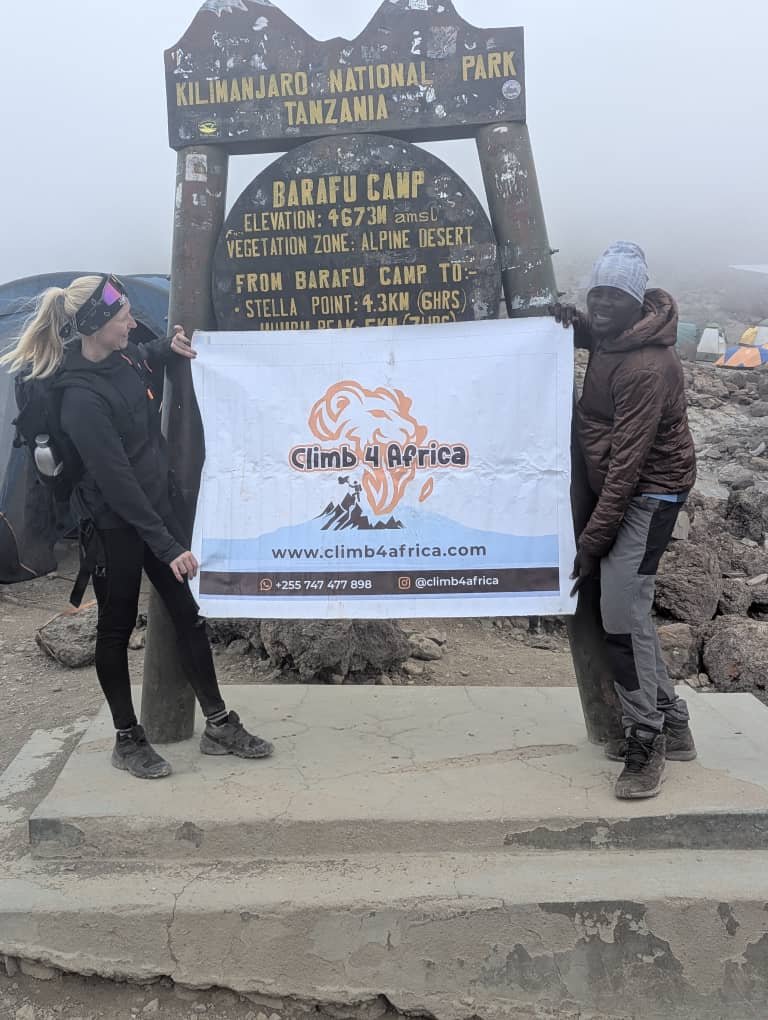
6 Days Marangu Route Kilimanjaro Group Joining – 20–25 November
Bookable 6 days on the Marangu route with a verified group departure 20–25 November 2026. Day-by-day itinerary, acclimatization plan, hut-style accommodations, and how to request a...
View package details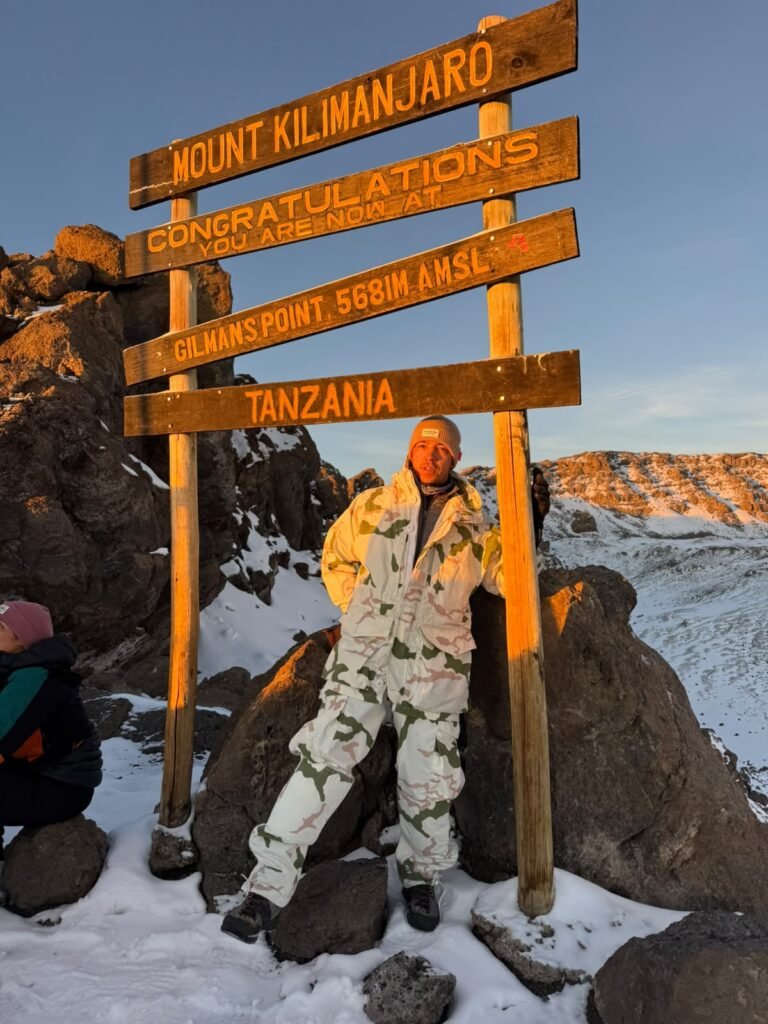
Kilimanjaro Group Joining Tours Starting 27 November 2026
Kilimanjaro Group Joining Tours Starting 27 November 2026.
View package detailsNo related package matches those filters. Clear one or more filters to see the other topic-matched options.



