
Join a bookable 7-day Machame Route Kilimanjaro ascent with a guided group departing 27 November and returning 3 December 2026. The plan centers on the Machame route’s ridge-to-ridge progress, acclimatization pauses, and a balance of trekking days with comfortable camp stays. Availability and exact departure details require confirmation with Climb 4 Africa as published schedules vary; this article presents the intended itinerary structure and planning considerations for a verified group joining.
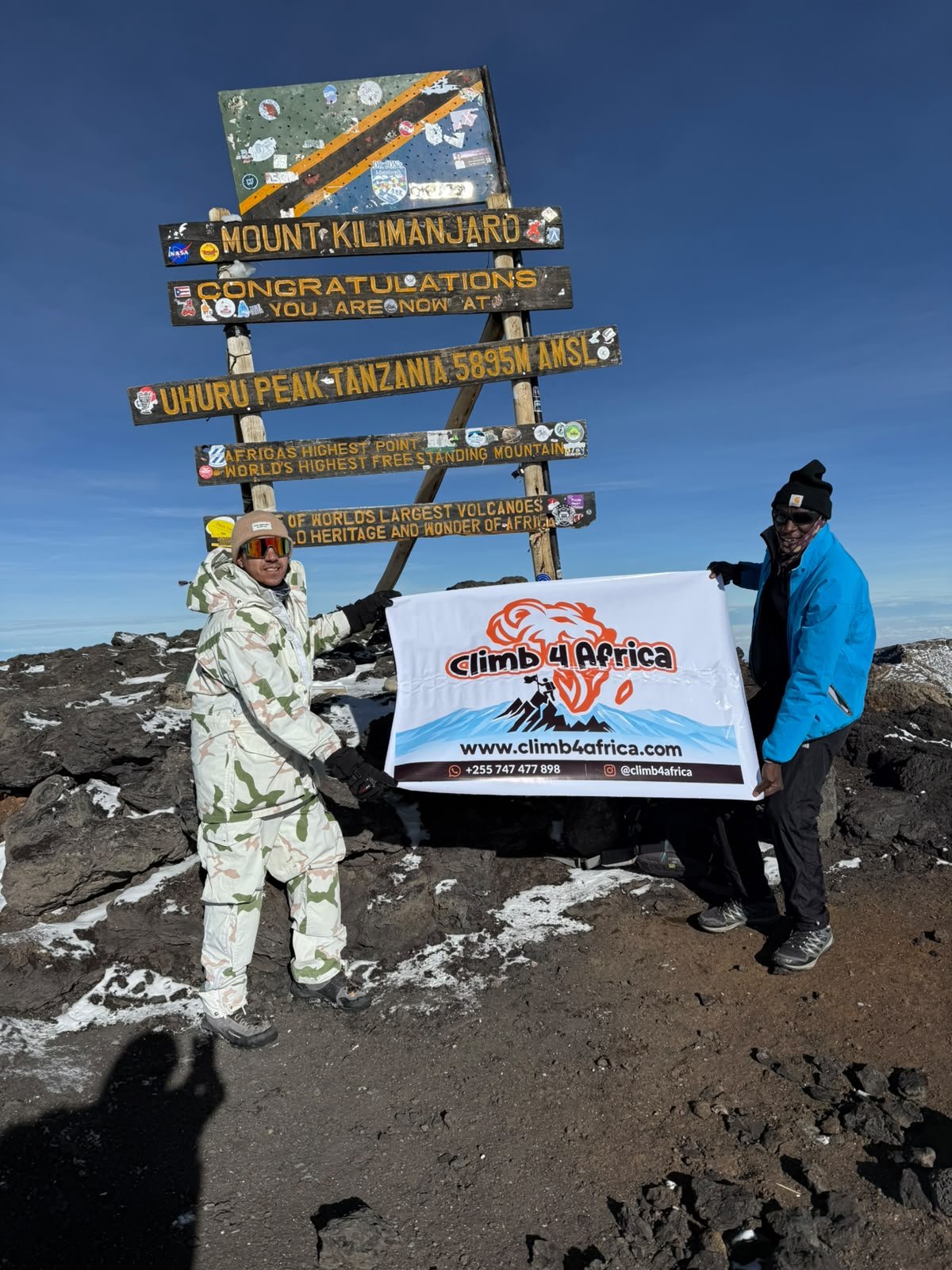
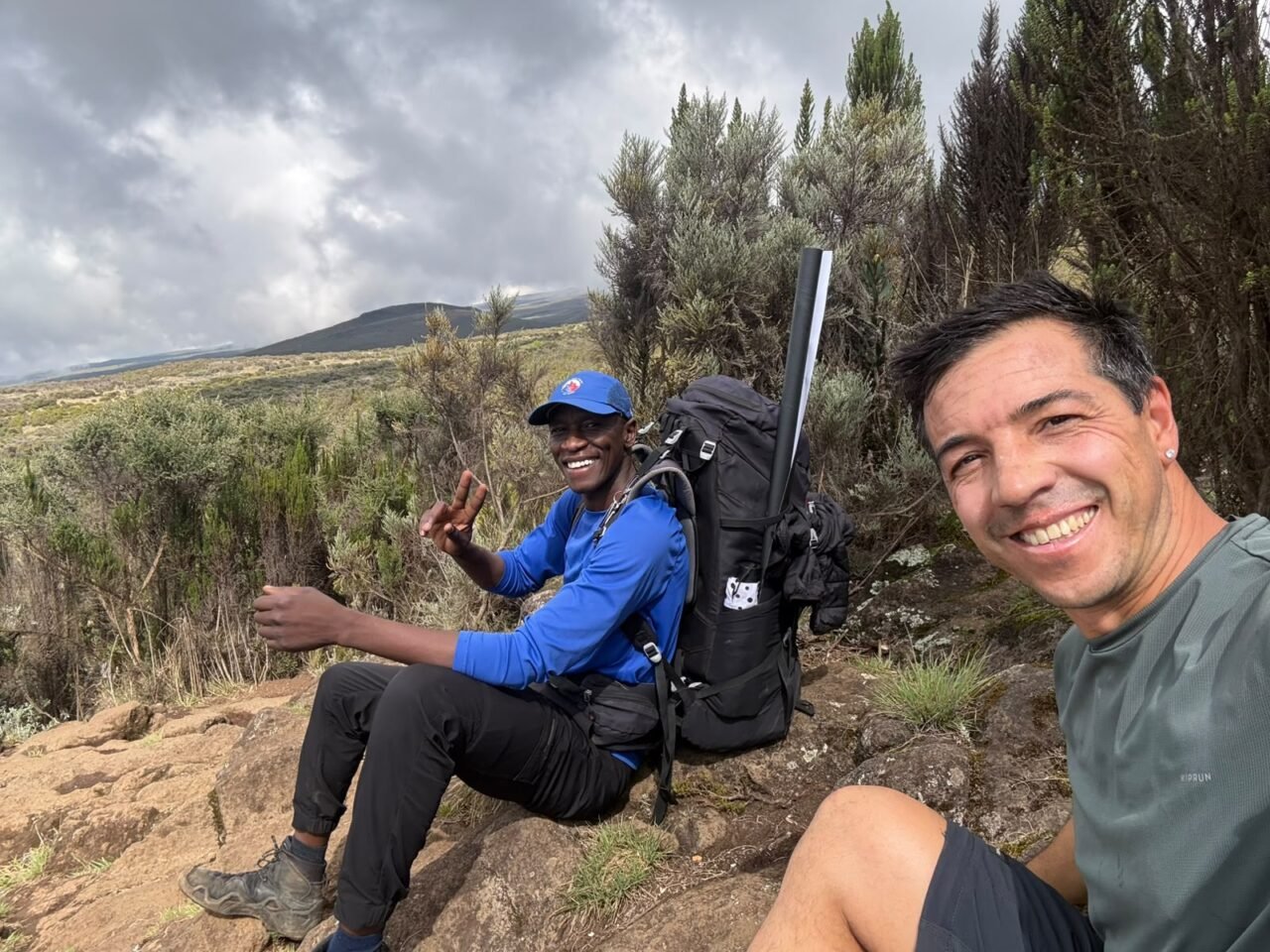
Day-by-day outline: 7 Days Machame Route with group joining
The Machame route climbs Kilimanjaro in a sequence that optimizes acclimatization and terrain variety. This section lays out the day-by-day progression for the 7-day program aligned to a group departure window of 27 November – 3 December 2026. Times are approximate and subject to local conditions and group pace. All accommodations refer to standard trekking camp or hut setups used by Climb 4 Africa during the Machame ascent.
Day 1 — Moshi to Machame Gate, onward to Machame Camp
Pickup from your pre-trip briefing location in Moshi or Arusha is followed by a transfer to the Kilimanjaro National Park gate. The trek begins on the forested lower slopes, with a gradual ascent and a warm-up to your first camp. Expect a steady pace to allow the legs to adapt; the group size will influence tempo. Overnight at Machame Camp with basic facilities and communal dining areas.
Day 2 — Machame Camp to Shira Camp (acclimatization emphasis)
Climb higher into moorland terrain, passing through the dense jungle into cool moorland. The route includes a deliberate acclimatization pace, giving the lungs and legs time to adjust to altitude. Lunch is typically en route, with arrival at Shira Camp by late afternoon. Dinner and rest in tents or huts. Expect cooler evenings as you ascend away from the rainforest belt.
Day 3 — Shira Camp to Lava Tower to Barranco Camp
This day includes a gentle detour to the Lava Tower for a brief acclimatization summit before descending to Barranco Camp. The Barranco Wall offers a controlled challenge and a chance to test balance on rock steps before continuing. Evening at Barranco Camp with shared meals and a chance to stretch out the legs after a long day.
Day 4 — Barranco Camp to Karanga Camp
Descend briefly toward Karanga Valley, then ascend again onto higher moorland terrain. The focus remains on acclimatization with a relatively moderate daily elevation gain. Karanga Camp is a smaller, closer-to-kilimanjaro-altitude stop that supports further acclimatization ahead of the summit push. Dinner in camp and early rest to prepare for the final ascent cadence.
Day 5 — Karanga Camp to Barafu Camp (near-umbra zone)
A short, steady day toward Barafu Camp, the base for the summit attempt. This segment includes careful pacing and hydration management. After lunch at Barafu, the crew prepares tents and a light meal before the final push. Optional short rest, but most climbers prioritize sleep to conserve energy for the midnight wake-up.
Day 6 — Barafu Camp to Uhuru Peak, descent to Mweka Camp
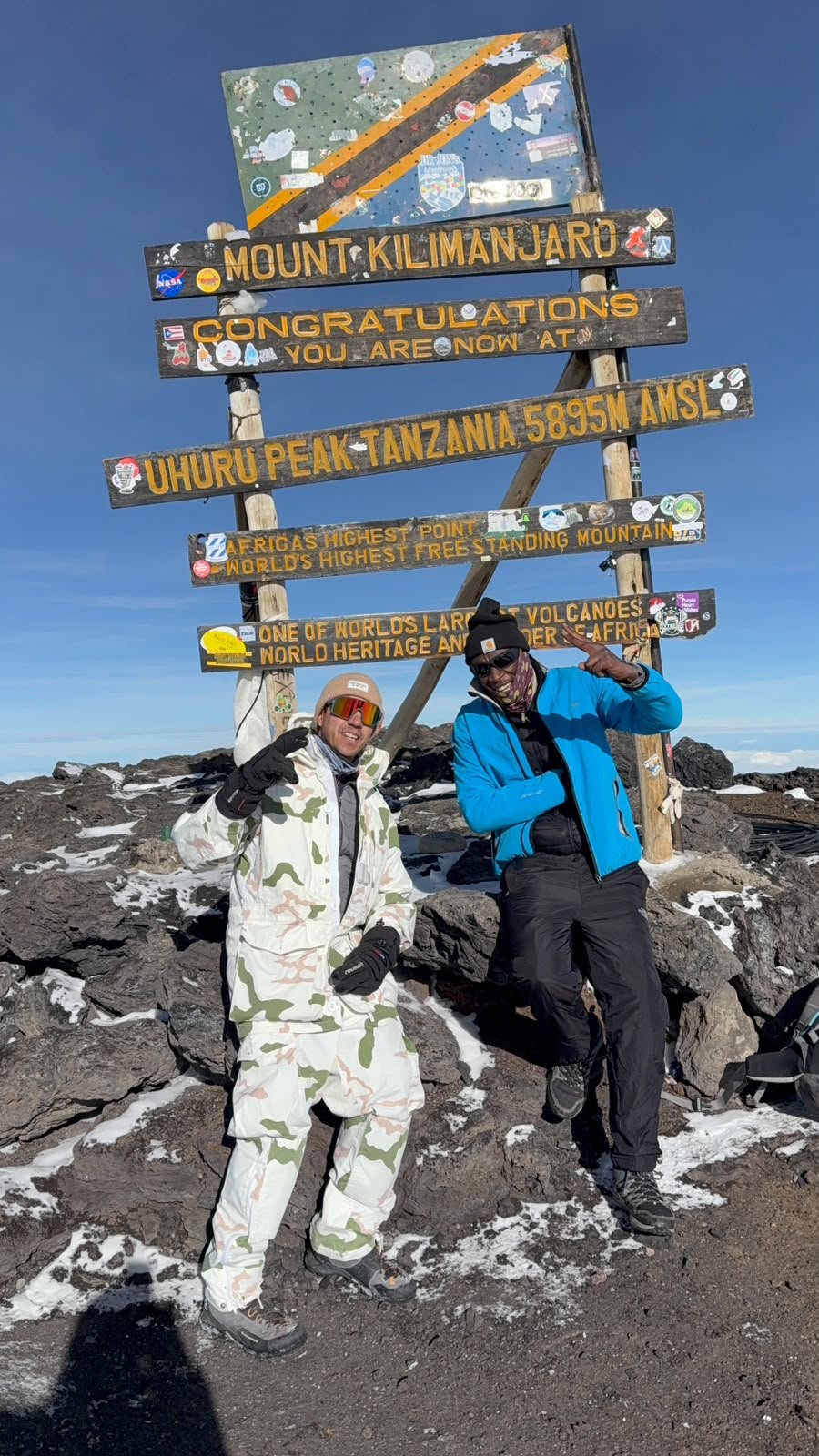
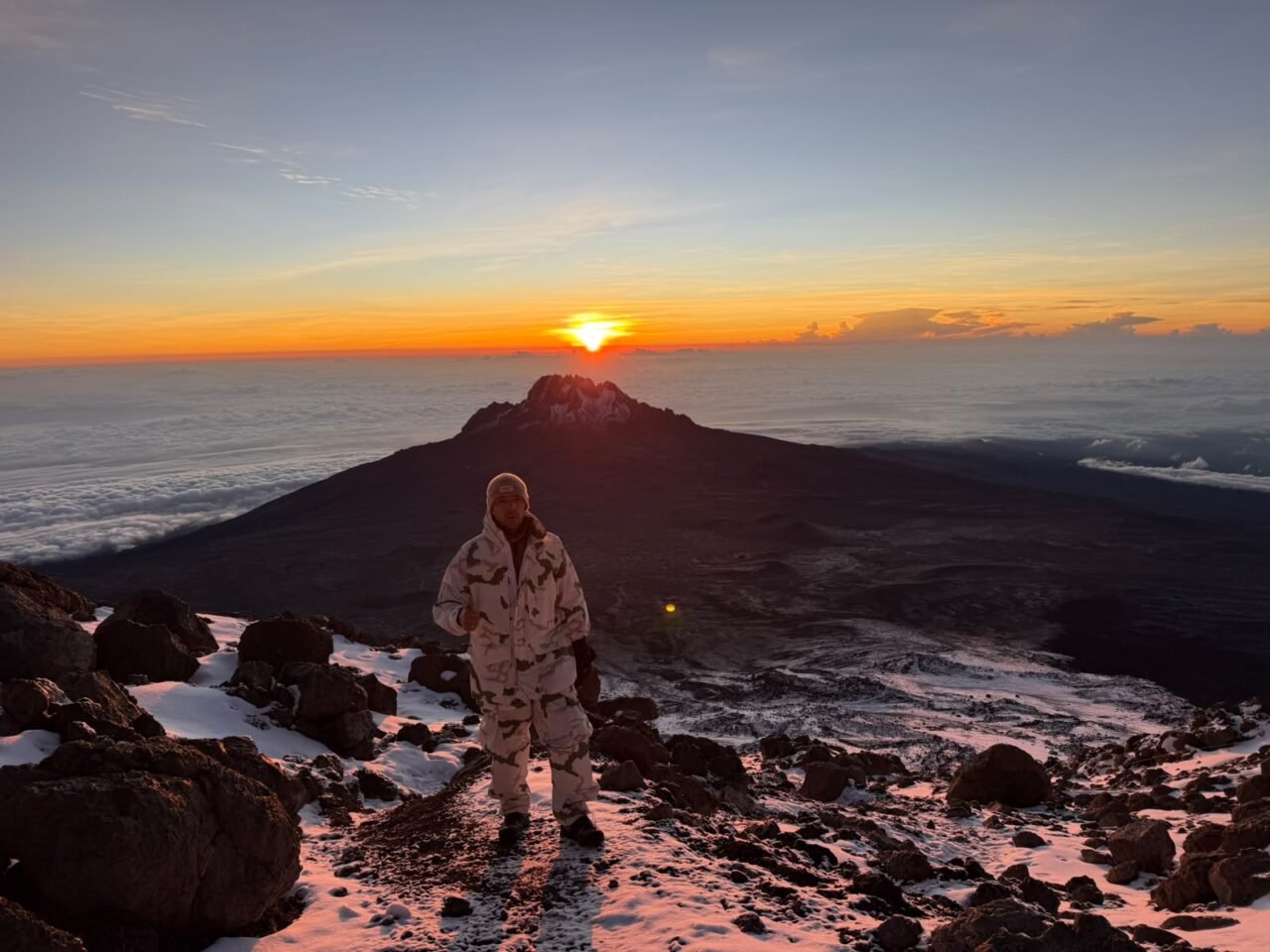
The summit attempt begins around midnight with a steep climb in the dark to Stella Point, then the final crest to Uhuru Peak at sunrise. Descend via Mweka Gorge to Mweka Camp for a second night. This is the longest day in terms of altitude change; the group supports each other with steady pacing and hydration reminders.
Day 7 — Mweka Camp to Moshi, finish and return
Final descent to Mweka Gate, where climbers are welcomed back with celebratory moments and a certificate handover. A transfer returns you to Moshi for showers, rest, and a post-climb briefing with the team. Departure times vary; many travelers arrange a late afternoon or evening transfer to the airport or hotel in Moshi.
Route logistics and group joining specifics
The 7-day Machame plan used by Climb 4 Africa emphasizes altitude acclimatization, controlled daily gains, and a progressive route through different ecological zones. For a group joining departing 27 November 2026 and concluding 3 December 2026, the itinerary is designed to balance enjoyable trekking with adequate rest periods. The exact group size, guides, and porter allocation are confirmed at booking; the schedule can vary slightly to accommodate weather or group pace. Expect bundled services including park entry fees, rescue insurance, meals, and camping equipment as part of the package, with the option for additional gear or extra hotel nights in Moshi before or after the climb.
Important planning notes:
- Altitude acclimatization: days 2–4 are structured to reduce the risk of altitude sickness.
- Porter-supported trekking: daily loads are minimized for climber comfort; consider personal daypack weight goals.
- Camping vs huts: Machame typically uses camping on the mountain; hotel nights are not part of the core ascent unless requested as an add-on.
- Physical preparation: a 6–8 week prep plan with cardio, strength, and hiking at elevation is recommended.
- What’s included: logistical support, park fees, guides, porters, meals on trek, and camp services are normally included; confirm with Climb 4 Africa for the exact package components tied to this group.
Booking and verification: how to confirm a real schedule
Departures and group sizes for Kilimanjaro climbs often shift with seasons and operator logistics. To verify a 27 November–3 December 2026 Machame group joining with Climb 4 Africa, request a confirmed itinerary and quota details directly through the operator. They’ll provide current availability, a fixed price, inclusions, and the exact hotel or lodge arrangements around Moshi. If you’re comparing options, note the differences in daily camps, elevation pacing, and support staff per group as these impact both experience and
Understanding the Role of Acclimatization in the Machame Route’s Success Rate
The Machame Route’s reputation as one of Kilimanjaro’s most scenic and challenging ascents is closely tied to its deliberate acclimatization strategy—particularly evident in the progression from Day 2 through Day 5. Unlike shorter routes that compress altitude gain into fewer days, the 7-day Machame plan spreads critical elevation changes across multiple rest and transition points, allowing the body to gradually adapt to lower oxygen levels. This physiological buffer is not incidental; it directly correlates with higher summit success rates, especially for non-elite trekkers.
On Day 2, the ascent from Machame Camp to Shira Camp reaches approximately 3,500 meters (11,483 ft), a significant jump from the forested base. The route’s design includes a steady, guided pace—typically 2–3 km/hour—with frequent rest breaks every 30–45 minutes to encourage deep breathing and reduce strain. Guides monitor for early signs of acute mountain sickness (AMS), such as headaches, nausea, or dizziness, and may recommend supplemental oxygen or descent if symptoms persist. This day’s primary goal is not speed, but metabolic adaptation: the body begins to increase red blood cell production and improve oxygen utilization in the higher-altitude environment.
Day 3 introduces a key acclimatization technique: the Lava Tower detour. While the summit of the Lava Tower (around 3,960 meters / 12,992 ft) is not the final peak, its brief summit visit serves as a controlled exposure to near-peak conditions. Climbers spend 20–30 minutes at the top, often with a guided breathing exercise and hydration protocol before descending to Barranco Camp. This “mini-summit” trains the respiratory system without exhausting the body, reinforcing adaptation before the final push. The descent to Barranco Camp (3,800 meters / 12,467 ft) also provides a low-intensity recovery phase, allowing the body to re-oxygenate while maintaining momentum.
Day 4’s movement from Barranco Camp to Karanga Camp is intentionally gradual—about 300 meters of ascent over 3–4 hours. The route crosses a high moorland plain, where the air is thinner and wind chill is more pronounced. Guides emphasize the importance of staying hydrated (minimum 3–4 liters per day), eating high-carbohydrate meals, and avoiding alcohol or caffeine. This day is critical for maintaining energy reserves and preventing fatigue, which can impair judgment and increase AMS risk. Karanga Camp, situated at 3,900 meters (12,795 ft), is the first camp to be consistently above the treeline, offering a stark contrast to the lush forest of Day 1.
Day 5’s final ascent to Barafu Camp (4,600 meters / 15,092 ft) is the most physiologically demanding segment. However, the route is paced with strict adherence to the “climb high, sleep low” principle: climbers ascend to 4,600 meters during the day but descend to sleep at Karanga Camp (3,900 m) the previous night. This strategy maximizes acclimatization by exposing the body to high altitude while allowing recovery at a lower elevation. The actual climb to Barafu takes 4–5 hours, with multiple short breaks and a midday lunch at a designated rest point. Guides use pulse oximeters to check oxygen saturation levels, and climbers are encouraged to use supplemental oxygen if needed. Arriving at Barafu by late afternoon, climbers focus on rest, light meals, and preparing gear for the summit night.
By the time the group reaches Barafu, they have completed six days of strategic elevation gain, each designed to condition the body for the extreme conditions of the summit attempt. The 7-day Machame schedule is not merely a timeline—it is a physiological roadmap. The route’s success rate of approximately 85–90% for guided groups is largely attributed to this structured acclimatization, which reduces the risk of altitude-related illness and enhances mental and physical resilience on summit night.
Why the Machame Route’s acclimatization strategy matters for a group join: practical insights for 27 November – 3 December 2026
Beyond the day-by-day milestones, travelers planning to join a 7-day Machame ascent like the 27 November–3 December 2026 window often overlook how the group dynamic, pace management, and terrain transitions intersect with acclimatization. This section adds concrete, bookable-context detail that helps a reader assess what makes this window workable for a guided group and what to verify with the operator when you confirm a schedule.
First, consider the pace partner concept. In a typical group joining arrangement, the guide lead will set a maximum average moving pace to preserve acclimatization: often a steady, conversational tempo that produces a sustainable daily altitude gain of roughly 350–450 meters (about 1,150–1,500 feet) above the starting camping altitude. For Day 2 up to Shira Camp and Day 3 toward Lava Tower, the group tempo is deliberately slower than a solo attempt, allowing climbers to breathe through the higher steps and take regular rest breaks. If you’re coordinating with a group, you should expect that the lead guide will position tell-tale checkpoints: short rest intervals every 60–90 minutes of hiking, with a longer lunch break at midday when feasible. When you book, confirm the expected daily mileage and altitude gains for each day, tailored to the particular group’s average fitness and the pace you’ve discussed during the pre-trip briefing.
Second, the logistical implications of the acclimatization plan. The Machame route uses a clockwise progression—the forest to moorland to high alpine zones—so that climbers progressively adapt to thinner air while sleep locations progressively rise. In a booked group, the operator often structures the sequence so that social elements (group meals, shared tents, and daylight rest periods) reinforce the acclimatization process. Expect closely monitored hydration strategies and a staggered sleep schedule designed to minimize exposure to fatigue, especially for those with limited prior high-altitude experience. If you have health considerations, discuss with the operator beforehand whether you should carry a personal pulse oximeter or whether the guide will supply one and how readings will influence the decision to push forward or pause at a camp for an extra rest day if warranted.
Third, day-to-day rests and contingencies. While the published itinerary outlines the standard camps, actual group progress can hinge on weather and individual adaptation. For Day 4 from Barranco Camp to Karanga Camp, many groups experience a more pronounced feeling of cold at higher elevations. The operator often adjusts the day’s break times and ensures that hot drinks are available during the ascent and descent to maintain core warmth and energy. When confirming a schedule, ask about the contingency options for a longer acclimatization block if a subset of the group shows AMS symptoms or if a sudden weather change reduces daylight hours. A responsive operator will have a plan that preserves safety without sacrificing the overall schedule.
Fourth, equipment and pack strategy tailored to a group. In a 7-day ascent, the equipment list is divided among participants, with the support crew handling communal items (tents, cooking gear, utensils) and climbers bringing personal layers, sleeping bags rated for at least -5°C to -10°C, and a compact rain shell. For the November–December window, evenings can be chilly, and fog or mist is possible on higher ridges. Confirm with the operator whether group tents are double-occupancy, the policy on sharing and rotation, and the method for distributing winter-appropriate gear so nobody carries excessive weight. If you have a preferred sleeping bag or liner, verify whether it can fit within the group’s standard tent dimensions and whether a spare blanket is provided for the climate of Karanga and Barafu camps.
Finally, safety and medical readiness. The 7-day Machame route, when executed with a reputable operator, has strong safety protocols around altitude-related illness. The guide team typically carries an emergency oxygen system, a basic first-aid kit tailored for high-altitude trekking, and a satellite communications device for emergency use. As a booked participant, ensure you have completed a medical form noting any chronic conditions, medications, and recent altitude exposure, and that this information is accessible to the lead guide. If you need to bring personal medication (for example, antiemetics or a mild analgesic), confirm storage policy and whether the group can accommodate a dedicated small secure pouch for your items near your sleeping area.
In sum, a successful 7-day Machame group ascent hinges on a clear, verifiable acclimatization plan, with explicit daily pace expectations, contingency options, equipment readiness, and safety procedures. For a 27 November–3 December 2026 departure, use these checks when you request a confirmed schedule from Climb 4 Africa: ask for the exact daily altitude gains per day, the maximum group size for that window, the specific camp allocations if changes occur, and the operator’s policy on optional extra acclimatization rests or alternative routes in the event of adverse conditions. These details empower you to align your expectations with the practical realities of a guided group climb and to verify that the published framework translates into a safe, well-supported ascent for your November trek.
Addressing a Practical Gap: What to Expect from Group Acclimatization Pauses During the 27 November – 3 December 2026 Machame Trek
One question climbers frequently raise after reading the standard day-by-day outline is how the acclimatization pauses are actually implemented on the ground when you are part of a confirmed group departure. The 7-day Machame route prioritizes altitude acclimatization through a deliberate sequence of shorter daily gains and deliberate time at key camps. For a group joining window like 27 November – 3 December 2026, the real-world execution hinges on two practical elements: the pace set by the group and the flexibility built into the schedule by the operator.
In this section, we drill into the concrete steps that translate the acclimatization philosophy into daily, observable activities. The goal is to help you understand not just the abstract idea of “acclimatization,” but the exact moments in the itinerary where your body has an opportunity to adapt, and how the guide team coordinates these moments with camp logistics, food, and rest periods.
How acclimatization pauses manifest on Days 2–5 in a group context
Day 2 is the first significant acclimatization pivot. As the group leaves Machame Camp for Shira Camp, the ascent is paced to maintain a comfortable breathing rhythm while gradually stepping into higher altitude. In a group setting, the pace is often set by the slowest reliable member while the guides actively monitor signs of fatigue, headache, or dizziness among participants. The result is a practical default: a steady, unhurried climb with a built-in rest at clear landmarks—loose boulders, a grove of distinctive trees, or a scenic overlook—before continuing toward Shira Camp. This is not a mere rest break; it is a structured rest that includes light stretching, hydration assessment, and a brief briefing about the next day’s elevation profile.
Day 3’s Lava Tower detour functions as a brief, planned acclimatization summit before returning to Barranco Camp. In group terms, the Lava Tower stop is often scheduled as a deliberate extra elevation and then a controlled descent. The group moves individually but with a common pace line—communicating through hand signals or brief head counts—so that the overall morale stays high while the safety team keeps a watchful eye on any signs of altitude-related distress. The Barranco Wall portion on this day adds a physical challenge but remains within the tolerable limits established earlier. Guides ensure that slower climbers are supported with hands-on assistance and a choice to pause at the base of most steeps if needed.
Day 4’s Barranco Camp to Karanga Camp continues the acclimatization rhythm by alternating ascent and descent segments with a clear upper-massage: elevation gains are kept moderate to ensure the lungs and legs can adapt. In practice, this means a front-runners’ line, a middle group, and a rear-guard supported by the guide’s radio chatter and buddy-system checks. If the weather turns foggy or visibility drops, the group can compress or extend breaks without compromising safety—areas where the operator’s contingency planning becomes evident. The Karanga Camp stop itself is chosen for its proximity to the main path and its lower exposure compared with higher ridges, which matters when late-season weather can swing quickly on Kilimanjaro’s southeastern flank.
Day 5’s short, steady push to Barafu Camp is where the acclimatization cadence tightens into a near-summit preparation mode. The crew emphasizes hydration and nutrition strategies, and the group may have an optional, shorter acclimatization rest if the individuals show readiness. For the 27 November – 3 December 2026 window, the timing of this rest is particularly sensitive to cold night conditions and the potential for wind exposure around the Barafu area. The Guides’ responsibility here includes ensuring every climber’s pack contains a compact extra layer, a reliable insulating layer for nights, and a headlamp that remains functional after repeated cold-weather use. This operational detail translates into fewer last-minute gear surprises and a more uniform readiness for the midnight push on Day 6.
Confirmation practices that reflect a live acclimatization plan
Because this is a bookable itinerary with a specific departure window, the actual daily sequence is subject to group pace and environmental conditions. A key practical step for you as a participant is to request from the operator (Climb 4 Africa in this context) a day-by-day acclimatization brief that includes: the expected altitude gain per day (in meters and feet), the planned elevation targets for each camp, and any adjustable pauses in response to group health indicators. If the operator cannot provide these exact numbers, it is reasonable to seek a revised schedule with explicit cues for when the group will pause for acclimatization versus when they will proceed to the next segment. Having this documented in writing helps a participant understand the rhythm beyond generic statements about “acclimatization.”
Another practical aspect is the provision of medical readiness and emergency contingency measures tied to acclimatization. Expect pre-boarding medical checks, a climber medical form, and a clear policy on how altitude-related symptoms are managed in the field, including the location and use of the emergency oxygen system and the satellite communications device. Clarify with your operator whether any changes to the itinerary would automatically trigger an extension of the acclimatization window or a modification of the daily pace, and how the group will be notified if such changes occur mid-tour.
Related Guides and Packages
Check Availability for 7 Days Machame Route Kilimanjaro Group Joining – 27 November – 3 December
Ready to compare dates, prices, and the best option for your group? Send the package name and travel month so the team can reply with a clear quote, availability, and what is included.
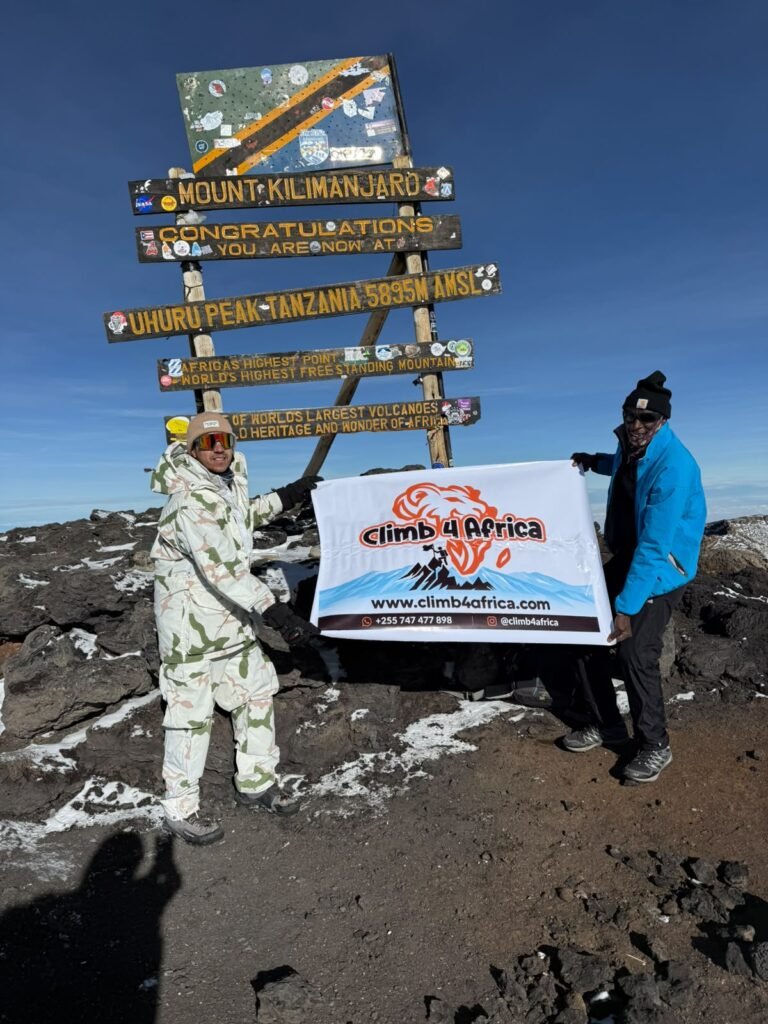
7 Days Rongai Route Kilimanjaro Group Joining – 26 November – 2 December
Experience Kilimanjaro via the Rongai Route with a confirmed group departure for 26 November–2 December 2026. Read a practical, day-by-day plan focusing on route pacing, acclimatization...
View package details
8 Days Lemosho Route Kilimanjaro Group Joining – 27 November – 4 December
8 Days Lemosho Route Kilimanjaro Group Joining – 27 November – 4 December 2026.
View package details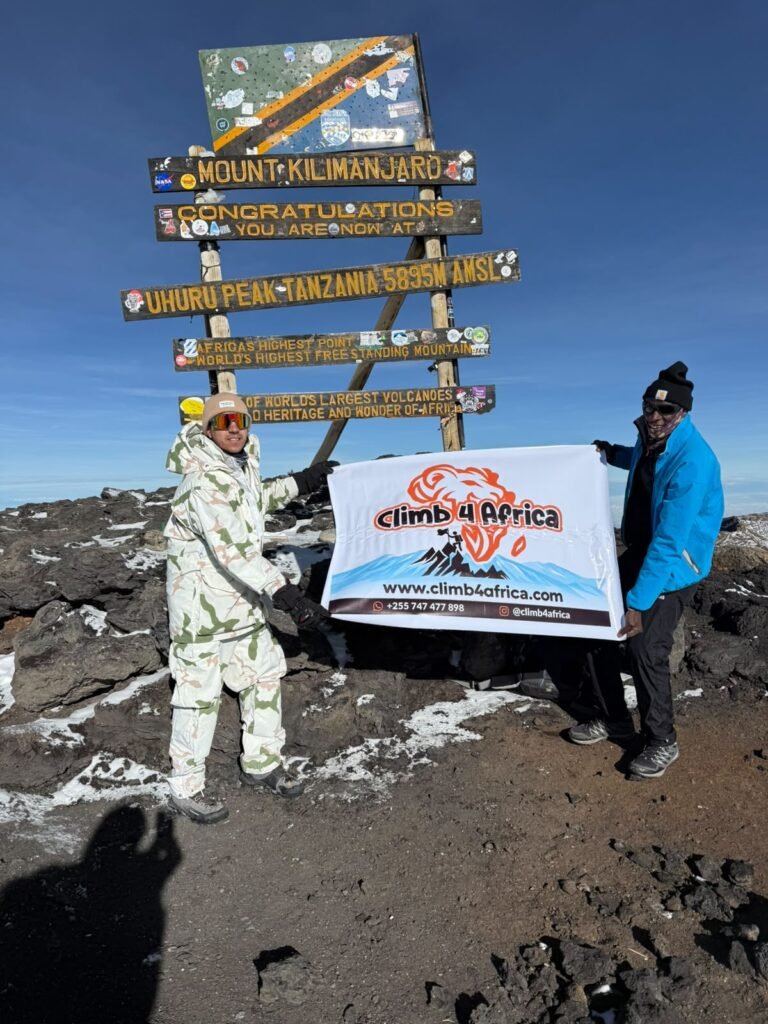
7 Days Machame Kilimanjaro Group Joining – 14–20 November
Join a confirmed 7-day Machame Route Kilimanjaro climb with a small group, departing 14–20 November 2026. Plan, acclimatise and summit with practical logistics and local support.
View package details
8 Days Lemosho Route Kilimanjaro Group Joining – 7–14 November 2026
Plan an 8-day Lemosho climb on Kilimanjaro with a verified group joining window of 7–14 November 2026. This first installment breaks down the day-by-day itinerary, acclimatisation logic...
View package details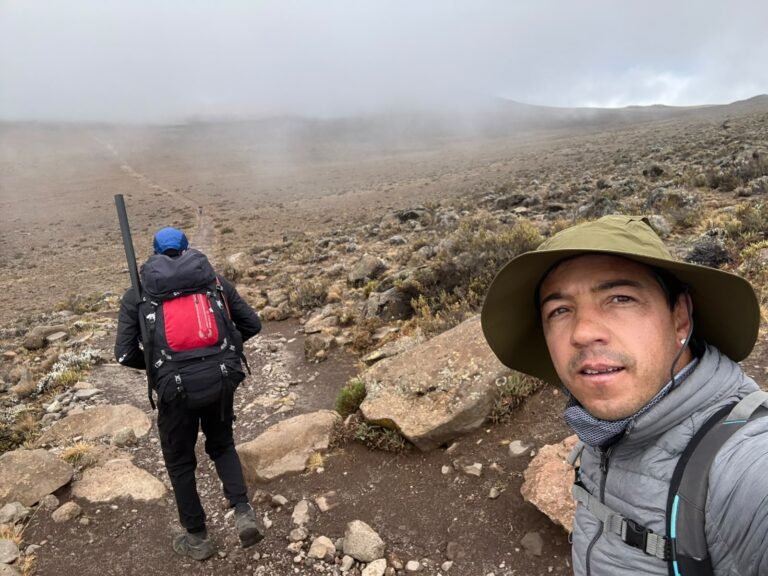
8 Days Lemosho Route Kilimanjaro Group Joining – 18–25 November 2026
8 Days Lemosho Route Kilimanjaro Group Joining – 18–25 November 2026.
View package details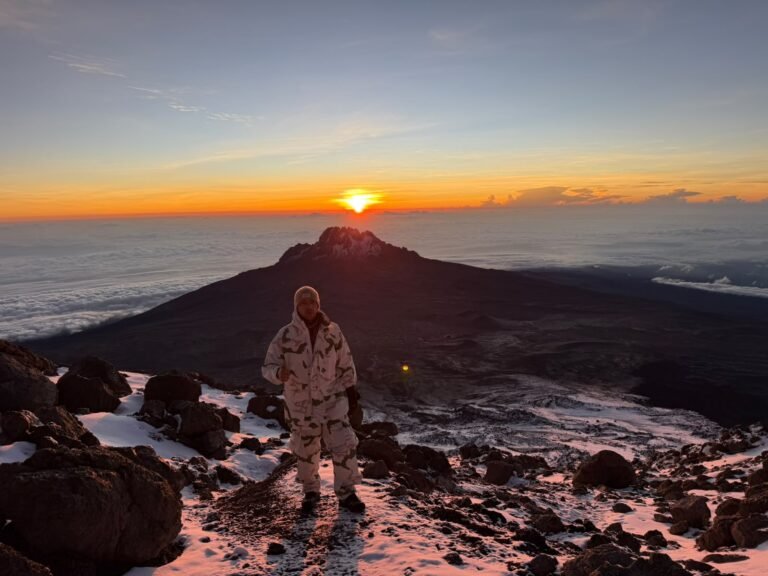
7 Days Machame Kilimanjaro Group Joining Price – 19–25 November 2026
7 Days Machame Kilimanjaro Group Joining Price – 19–25 November 2026.
View package details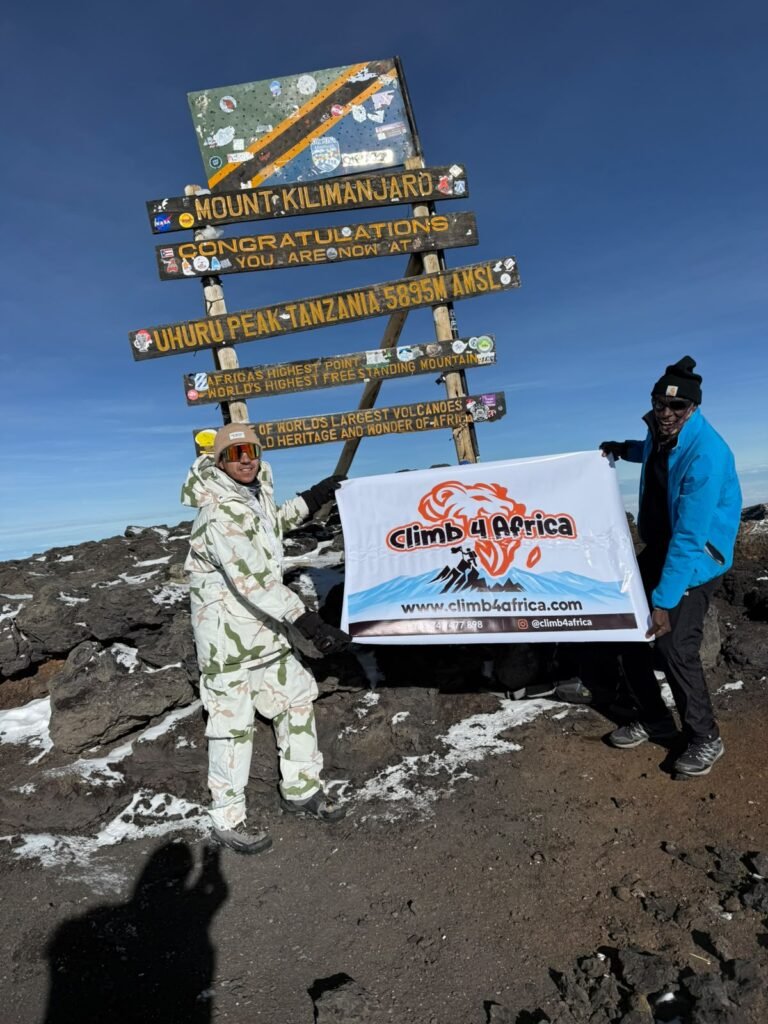
9 Days Northern Circuit Kilimanjaro Group Joining – 17–25 November
9 Days Northern Circuit Kilimanjaro Group Joining – 17–25 November 2026.
View package details
8 Days Lemosho Kilimanjaro Group Joining: 18–25 November 2026
Plan an 8-day Lemosho Kilimanjaro climb with a shared group from 18–25 November 2026. Learn the route, day-by-day logistics, and what a booked package typically includes.
View package details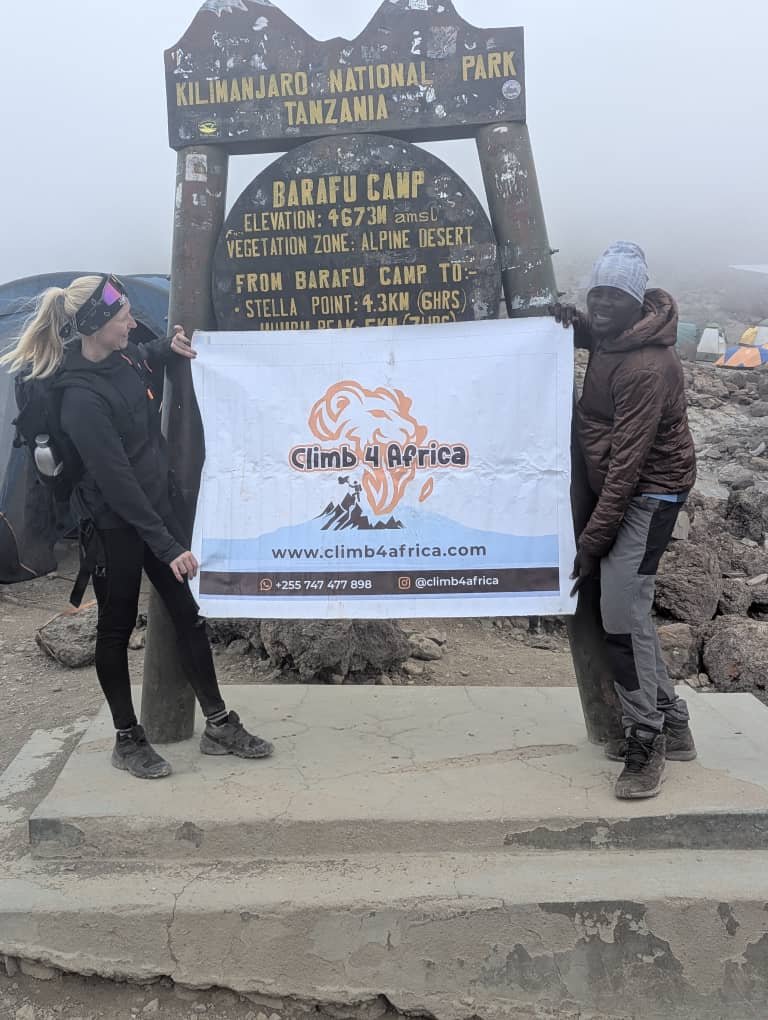
6 Days Marangu Route Kilimanjaro Group Joining – 20–25 November
Bookable 6 days on the Marangu route with a verified group departure 20–25 November 2026. Day-by-day itinerary, acclimatization plan, hut-style accommodations, and how to request a...
View package detailsKilimanjaro Group Joining Tours November, Dates, Routes And Prices 2026
Kilimanjaro Group Joining Tours November 2026 – Dates, Routes and Prices.
View package detailsNovember Kilimanjaro Lemosho Vs Machame Group Climbing Dates
November 2026 Kilimanjaro Lemosho vs Machame Group Climbing Dates.
View package details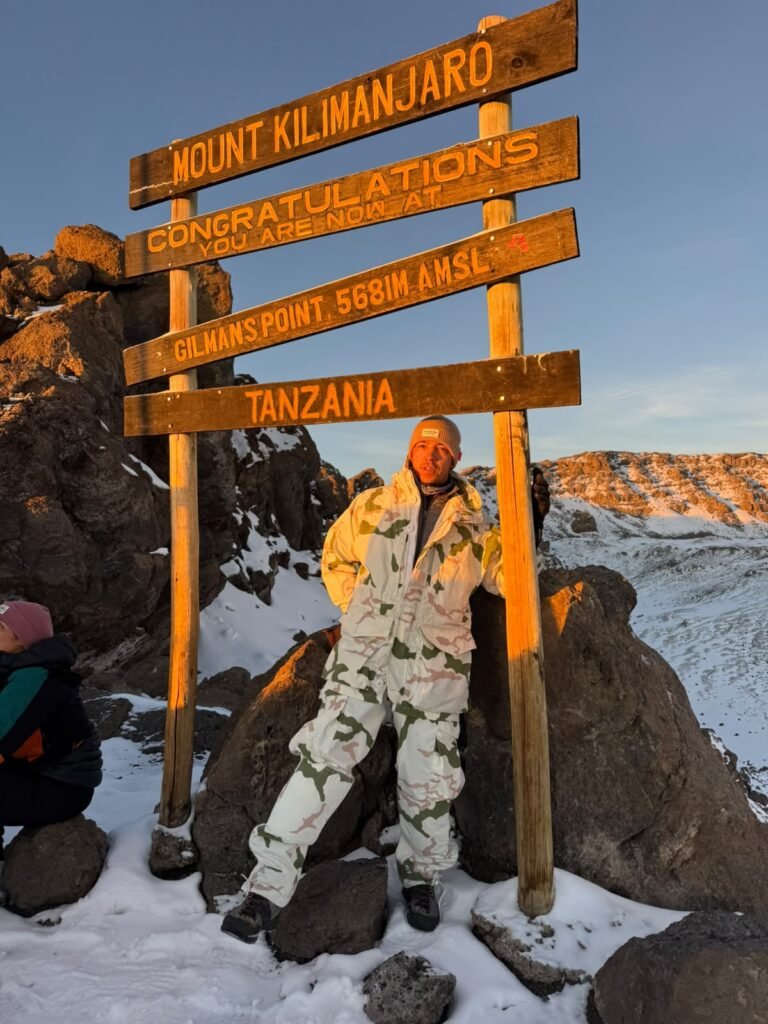
Kilimanjaro Group Joining Tours Starting 27 November 2026
Kilimanjaro Group Joining Tours Starting 27 November 2026.
View package detailsNo related package matches those filters. Clear one or more filters to see the other topic-matched options.



