
This 6-day Marangu Route group climb runs 20–25 November 2026 with hut lodging and guided ascent from Moshi. You’ll traverse Mandara and Horombo Huts, pace acclimatization, and summit Uhuru Peak via the Marangu high route. Actual group availability and price require verification; arrange through Climb 4 Africa to receive a confirmed schedule and inclusive package details for your dates.
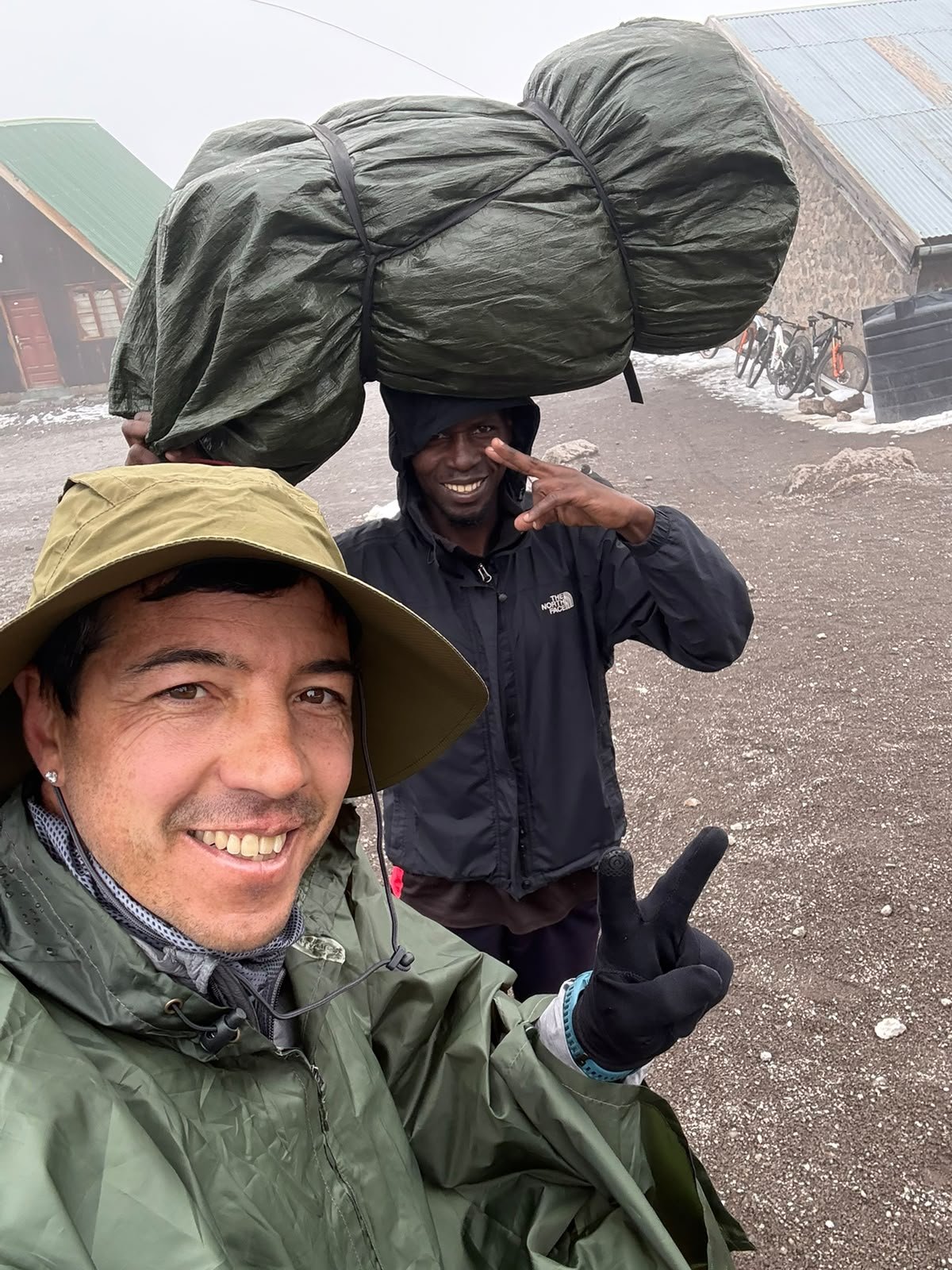
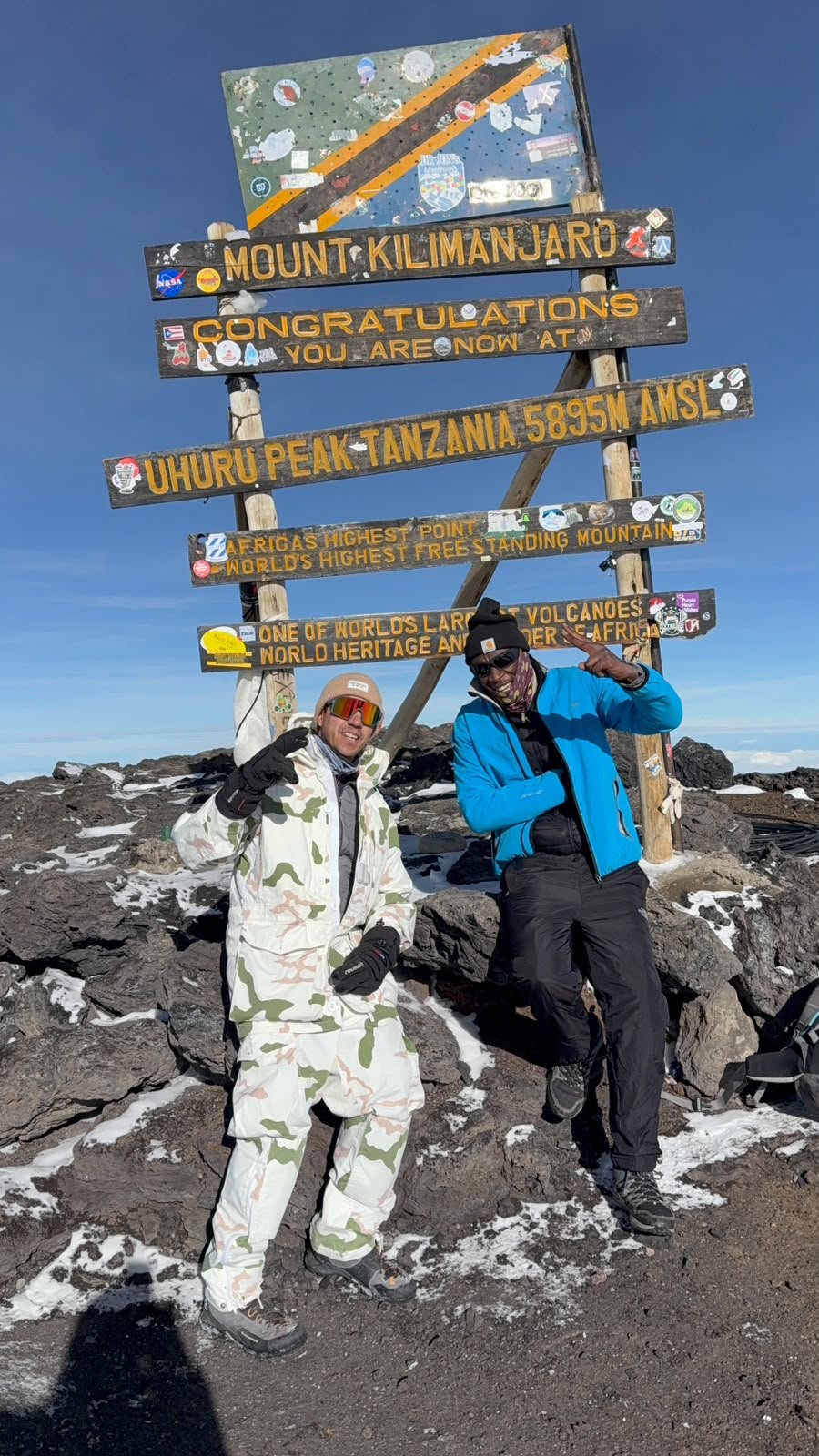
Day-by-day plan: 6 Days on the Marangu Route (group joining)
The Marangu route is the original Kilimanjaro ascent, known for its hut accommodations and relatively gradual altitude gain. This 6-day iteration prioritizes acclimatization and steady progress to maximize summit success while keeping pacing comfortable for the group. The itinerary below reflects common structure for a 20–25 November 2026 departure window, but exact timings and hut assignments are confirmed only after you join a verified group with Climb 4 Africa.
Day 1 — Moshi to Marangu Gate, Mandara Hut area
Transfer from Moshi to Marangu Gate, then start trekking through pine and heath toward Mandara Hut (level terrain with a gentle ascent). Expect approximately 4–5 hours of hiking, followed by an evening briefing and rest in hut accommodations. This first night focuses on acclimatization and gentle altitude exposure; meals are typically included in your lodge or camp dining plan depending on the group package.
Day 2 — Mandara Hut to Horombo Hut
Continue higher into the moorland zone, crossing into the Horombo corridor. The day emphasizes steady climbing with frequent water and rest breaks. The landscape shifts to moorland, and you’ll check in at Horombo Hut for the night. A practical focus is maintaining hydration, managing pace, and listening to your body for acclimatization signals.
Day 3 — Horombo Hut (acclimatization day)
This is the built-in acclimatization day: a shorter acclimatization loop (often a side excursion to higher altitude and back) while the group keeps a comfortable base at Horombo. Meals and briefings occur at the hut, with time allocated for preparing gear, packing techniques, and a discussion of route options with your guide.
Day 4 — Horombo Hut to Kibo Camp
The trail climbs toward the high alpine zone, transitioning to a more rugged terrain. Expect a steady ascent with breaks, as you approach Kibo Camp. The evening is spent resting and preparing for the summit push, including a light, early dinner and gear checks for the next morning.
Day 5 — Kibo Camp to Uhuru Peak, then Horombo or Marangu Hut
The summit push usually starts in the pre-dawn hours. After reaching Uhuru Peak, you descend to Horombo or Horombo Huts depending on the group plan, with celebratory moments and a final night of rest. This day is the keystone of the experience, balancing altitude management with a successful summit narrative.
Day 6 — Horombo Hut to Moshi
Final descent back to Marangu Gate and transfer to Moshi. A debrief, certificate handover (if applicable), and time to recover. Departure logistics and post-climb arrangements are discussed with your guide during the journey, with options for a celebratory dinner or a relaxed return to your hotel in Moshi.
Group joining specifics: how to verify a 20–25 November 2026 departure
To ensure you’re on a confirmed departure, request a verified schedule directly through Climb 4 Africa. Group sizes, hut allocations, and exact start times are finalized after you join a scheduled group. The operator typically provides a clear itinerary with Hut names, porters, and included meals once your booking is confirmed. Prices, inclusions, and availability are not posted as fixed figures here; you’ll receive precise figures after your inquiry and group assignment.
Why this 6-day Marangu option?
The 6-day Marangu plan emphasizes acclimatization while maintaining a hut-based lodging experience. It suits travelers who prefer a known route with established hut accommodations, a straightforward logistics chain from Moshi, and a pace designed for steady summit chances. As with all Kilimanjaro itineraries, success depends on weather, acclimatization, and individual fitness; your guide will tailor daily pacing and break times to the group’s needs.
What’s included and what to expect from the booking process
Included elements typically cover guides, porters, hut accommodations, meals on the trail and at huts, park entry fees, and rescue arrangements. Exclusions usually include international travel, hotel nights before/after the climb, tips, and certain personal gear purchases. When you request a verified schedule, Climb 4 Africa will confirm the exact inclusions for your chosen date and group size, along with the meeting point in Moshi and transfer arrangements.
Practical planning steps to join
- Contact Climb 4 Africa with your preferred dates (20–25 November 2026) and group size to receive a confirmed schedule.
- Prepare essential gear for hut conditions: warm clothing, headlamp, durable boots, and layers suitable for high altitude and variable temperatures.
- Coordinate with your medical provider about altitude readiness and any personal considerations for the trek.
- Plan your Moshi arrival a day or two before the start; arrange airport transfers if needed through the operator’s concierge services.
Timing and booking notes
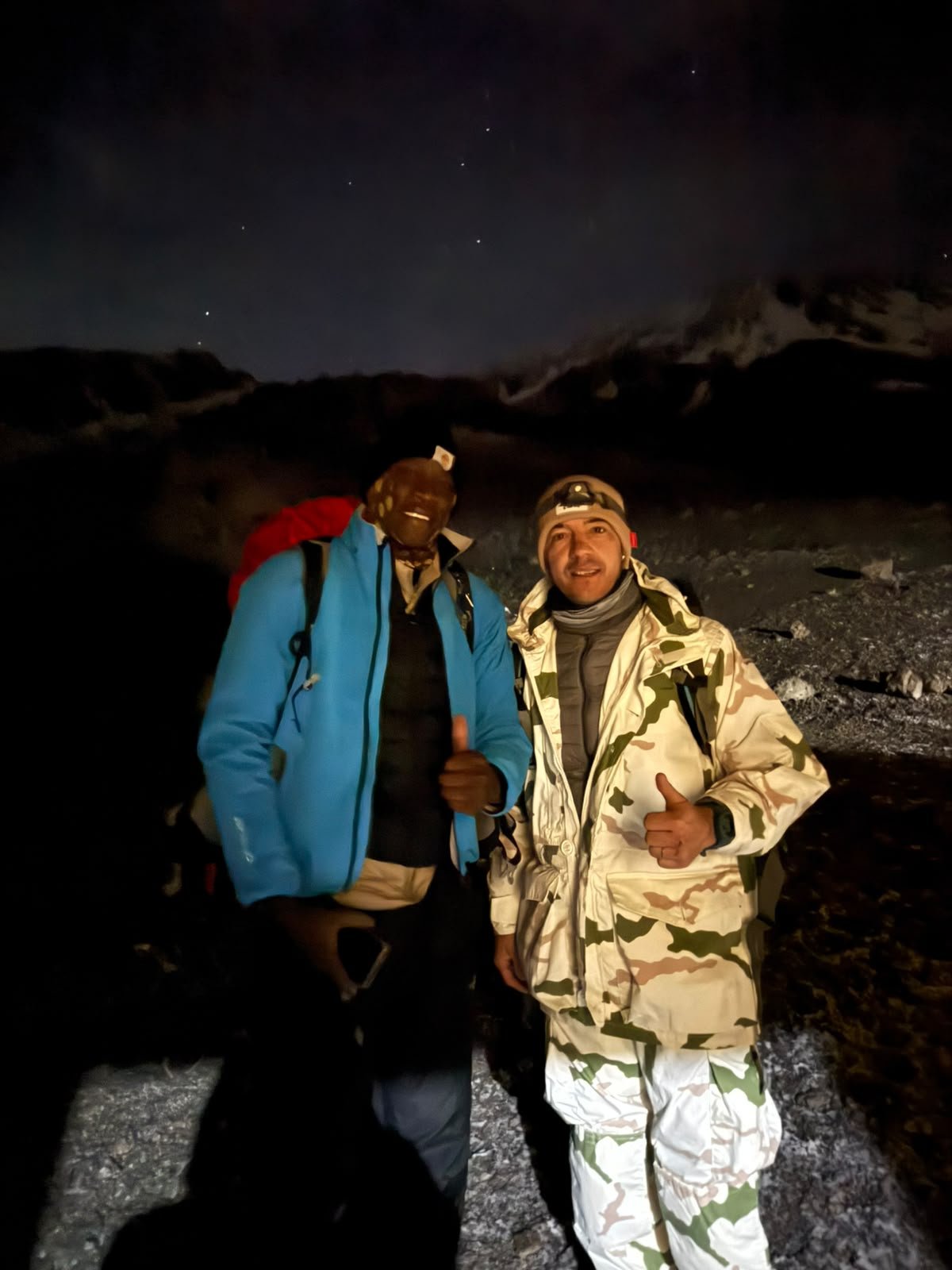
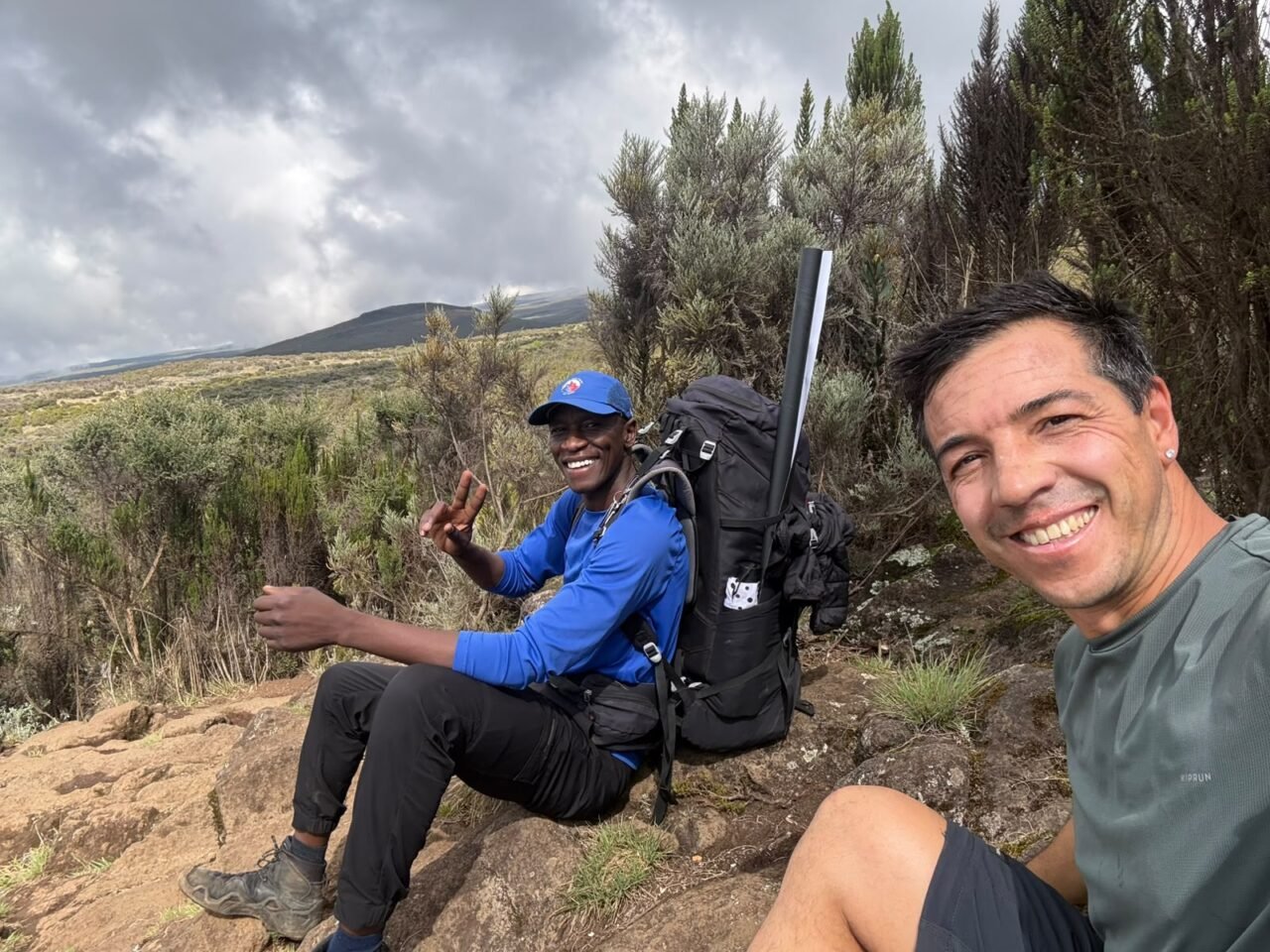
Because this is a bookable group climb, the exact departure date, hut assignments, and inclusions come from the verified schedule you receive after inquiry. If you’re comparing options, you can review related November 2026 group departures and routes on Climb 4 Africa’s updates page to understand differences in acclimatization patterns, hut-based logistics, and climb start points.
Next steps: submit a booking request for 20–25 November 2026 via Climb 4 Africa to lock in a confirmed group, Then, receive the detailed day-by-day plan, exact hut allocations, and pricing tailored to your party size. This approach ensures you have a transparent, verified itinerary before committing.
Additional practical details for booking and the 6-day Marangu option
Beyond the high-level itinerary, readers often want concrete steps to move from interest to an actual confirmed group departure. The following information stays within the scope of a bookable plan, expanding on verification processes, what to expect from the schedule you receive after inquiry, and how to prepare without inventing prices or fixed dates.
How to request and compare verified schedules
- Initiate contact with Climb 4 Africa with your preferred dates (20–25 November 2026) and your expected party size. The operator will provide a verified schedule that reflects group availability, hut allocations, meeting points in Moshi, transfer arrangements, and exact inclusions for your selected group.
- Ask for the specific day-by-day plan once the group is assigned. While the general structure (Days 1–6) remains consistent, exact hut names, route transitions (Mandara to Horombo, Horombo acclimatization options), and break times can vary by group and weather-related contingencies.
- Request a copy of the transfer logistics to Moshi, including pickup points, vehicle type, and estimated transit times from the airport or your hotel to the trailhead. Many groups use a Moshi meeting point with a short briefing before departure to the Marangu Gate area.
- Verify what meals are included on each day, where meals are consumed (on the trail huts vs lodge dining rooms), and what snacks or bottled water arrangements are provided in-between meals. Also confirm what snacks you should bring for acclimatization days to maintain energy levels between meals.
Gear and packing guidance tailored to hut-based Marangu trekking
- Layering remains essential: base layers for warmth, a fleece or soft-shell mid-layer, and a windproof outer layer. Hut accommodations are heated only modestly; nights near Horombo and Kibo Camp can be colder than expected.
- Sturdy, broken-in trekking boots with good ankle support are critical; expect damp or dewy ground in the moorland and the possibility of rocky patches near Kibo Camp. Bring replacement laces and a small repair kit.
- Headlamp with extra batteries is mandatory for pre-dawn summit pushes and early departures. A lightweight hat, gloves, and thermal socks help with the chilly hours before dawn.
- Personal items that improve acclimatization comfort: electrolyte drinks, a hydration bladder or bottle with a wide mouth for easy refills, and hydration tablets if you prefer concentrated fluids.
Expectations around daily pacing and acclimatization within the bookable framework
- The Marangu route in a 6-day group setting emphasizes gradual ascent with built-in acclimatization (Horombo Hut) on Day 3. The verified schedule will specify daily hiking times, mid-may stops for rest and hydration, and planned lunch breaks at designated points along Mandara and Horombo corridors.
- Group pace can fluctuate by the energy and fitness level of participants. Guides typically adjust tempo, lengthen or shorten breaks, and may insert extra acclimatization loops within the Day 2–Day 4 window if the group shows signs of altitude stress.
- Summit-day start times are aligned with pre-dawn conditions to maximize daylight on the descent. The exact departure time from Kibo Camp will be defined in the verified schedule you receive after inquiry.
Food, altitude and safety considerations in the booking details
- On the Marangu route, meals are typically provided at huts or lodge dining areas and may include hearty, hot dishes to sustain energy. Confirm whether meals at the gate or on arrival are included, and whether any special dietary accommodations can be made ahead of your group’s start date.
- Altitude safety remains a core part of the experience. The verified schedule will outline briefings on acclimatization, signs of altitude discomfort to watch for, and the protocol for rest days or pace adjustments led by your guide.
- Rescue arrangements are normally included, but confirm the coverage area and any limitations. In case of severe weather or medical need, the operator coordinates with local authorities and mountain rescue services as part of the package.
Cancellation and postponement realities for a bookable group climb
- Because this is a bookable group plan with a verified schedule, exact dates, hut allocations and inclusions are provided after inquiry and group assignment. If your plans change, ask about the operator’s cancellation policy for the specific group you’ve joined, including any deposit terms and deadlines for mid-season changes.
- In case of unavoidable disruptions (e.g., government travel advisories or severe weather), the operator typically offers alternatives within similar windows or risk-managed options. The verified schedule will outline the available remedies for your party.
What to do next if you’re ready to proceed
- Submit a booking request for 20–25 November 2026 via Climb 4 Africa, including your party size and any special considerations (dietary needs, medical concerns, or accessibility requirements). This initiates the verified schedule process and sets the group’s allocation in motion.
- Review the day-by-day plan that accompanies the verified schedule. If there are any concerns about Day 3 acclimatization or Day 5 summit logistics, raise them before final confirmation to ensure alignment with your expectations and safety needs.
- Coordinate pre-climb arrangements in Moshi, including airport transfers and any pre-climb hotel nights, with the group’s assigned meeting point and transport plan provided in your package.
What a verified schedule actually looks like for 20–25 November 2026 departures
Readers often wonder how the booking details translate into a concrete, day-by-day experience once a group is verified. Because this is a bookable, group-joining climb, the exact sequence from Day 1 to Day 6, hut allocations, and even specific transfer times are not fixed until you receive the verified schedule from Climb 4 Africa after inquiry. What follows describes how the information converges from inquiry to a confirmed itinerary, without inventing unavailable details.
1) Inquiry to allocation: After you submit a booking request for 20–25 November 2026, the operator reviews group size, dietary needs, medical considerations, and accessibility requirements. The verified schedule then assigns a start date (within the requested window), a hut sequence (Mandara Hut and Horombo Hut in this option), and a precise day plan aligned with acclimatization goals. This allocation also determines the exact departure times from Moshi and the transfer logistics from hotel or airport to the Marangu Gate.
2) Day-by-day sequencing in the verified plan: The core structure remains the same—Day 1 Moshi to Marangu Gate to Mandara Hut, Day 2 Mandara Hut to Horombo Hut, Day 3 acclimatization at Horombo, Day 4 Horombo Hut to Kibo Camp, Day 5 summit push to Uhuru Peak with descent to Horombo or Marangu Hut, Day 6 Horombo Hut to Moshi. However, the verified schedule may adjust minor elements to suit group pace, weather windows, and hut allocations. Expect explicit timings for breakfast, trekking starts, water and rest breaks, meals at huts, and the timing of the pre-dawn summit push on Day 5 where appropriate. Each day’s entry will also specify the exact trail sections used, particularly as you enter the Horombo moorland and the final approach to Kibo Camp.
3) Hut allocations and corridor transitions: In a six-day Marangu plan with hut lodgings, the typical corridor progression is from Mandara Hut (Day 1) into the Horombo Hut endurance zone (Day 2–3). The acclimatization day (Day 3) will be structured as a shorter loop, with a return to Horombo for meals and rest. The verified schedule will confirm which huts the group sleeps in each night and any alternates if group size or hut capacity requires it. Gather that this is not a fixed promise before verification; the schedule is the final contract you’ll review and confirm through Climb 4 Africa.
4) Summit logistics and safety checks: The verified plan provides a pre-dawn start time for the summit push (Day 5) and notes where the group will rest after Uhuru Peak, most often returning to Horombo or, less commonly, Marangu Hut depending on the confirmed route and group decisions. Safety briefings, acclimatization guidance, and gear checks are integrated into the days leading up to the ascent, with the exact timing of these briefings included in the verified schedule. If any member requires pace adjustments or extra rest, the guide team coordinates within the day’s plan while maintaining the overall cadence of the group.
5) Practical verification steps you can take: When you receive the verified schedule, review each day’s plan for start times, meal arrangements, and duration estimates. Confirm whether meals at huts or lodge dining areas are included for Day 1 on arrival, Day 2 and Day 3 on the trail, and whether any special dietary accommodations have been recorded. If you have pre-existing medical concerns or mobility considerations, verify how the group’s pacing and rest opportunities align with your needs. It’s normal for the exact hut names or bed allocations to appear in the verified document; these details replace any approximations given during inquiry.
6) What to expect in the booking documents: The finalized package should list inclusions (guides, porters, hut accommodations, meals on the trail and at huts, park entry fees, rescue arrangements) and exclusions (international travel, pre- and post-climb hotel nights, tips, personal gear purchases). It should also provide contact points for last-minute changes, cancellation terms within the group’s policy, and emergency procedures. By design, a verified schedule eliminates speculation about start times or hut placements—these are settled only after you join a confirmed group with Climb 4 Africa.
7) Post-confirmation planning: Once you have the verified schedule, you can proceed with practical arrangements such as airport transfers to Moshi, pre-climb hotel nights if offered, and a clear plan for meeting points with the group. The verified document usually includes a checklist that mirrors the day-by-day plan, enabling you to pack appropriately for hut temperatures, high-altitude evenings, and the cooler mornings on the final ascent.
In short, the most valuable part of a new, bookable plan for 20–25 November 2026 is the verified schedule itself. It converts a general six-day Marangu route outline into a concrete, group-tailored itinerary with confirmed hut allocations, precise daily timings, and safety protocols. If you’re ready to proceed, your next step is to submit a booking request and let Climb 4 Africa generate the verified itinerary that will anchor your exact six days on Kilimanjaro.
Seeking a Verified Schedule: What to ask and how to confirm
The core value of the 6-day Marangu group climb hinges on receiving a verified schedule that translates the inquiry into a concrete day-by-day, hut-by-hut plan. Readers who are considering 20–25 November 2026 departures should know exactly what constitutes a complete, usable verified itinerary and how to navigate the verification process with Climb 4 Africa to avoid ambiguity later in the trip preparation.
What you should request in your initial inquiry is a structured, day-specific document that outlines at a minimum: start times for each ascent, expected hiking durations per leg, hut names or bed allocations, meal arrangements for every day, and the sequence of lodge versus trail meals. The verified schedule should also explicitly state the acclimatization plan’s timings, including any optional acclimatization loops from Horombo Hut and the intended pace and rest pauses for each day. If the document lumps activities into generic blocks (for example, Day 2: transfer to Horombo with acclimatization), seek precise timings and locations so you can align packing and travel timelines accordingly.
Practical steps to obtain and interpret the verified schedule:
- Submit a formal booking request through Climb 4 Africa with your preferred date window (20–25 November 2026) and your group size. Ask for a confirmed itinerary that is dated and timestamped to reflect the group’s composition at the time of confirmation.
- Request hut allocations by bed or room type when possible, and confirm whether meals on each day are included in the package as described (on-trail meals, hut dining, and any pre/post climb meals at lodges).
- Clarify transport logistics from Moshi to Marangu Gate on Day 1, and return from Horombo or Marangu Hut on Day 6. Include the transfer vehicle type, pickup points, and estimated arrival times in Moshi.
- Ask for emergency procedures, group contact points, and the guide-to-client ratio for the days with higher altitude exposure. Ensure the document references safety briefings, emergency evacuation routes, and the schedule’s flexibility in case of pace adjustments for individuals.
- Obtain a copy of the cancellation policy tied specifically to the verified schedule and any upgrade options (e.g., lodging additions, extra acclimatization options, or alternative summit routes within Marangu).
Once you have the verified schedule, cross-check it against the six-day framework laid out in the article’s Day 1–Day 6 structure. The timings and hut assignments are the concrete pieces that distinguish a bookable itinerary from a generic outline. If the verified schedule lists a different hut order (for example, an alternative Horombo Hut block or a shift in Kibo Camp timing), align your personal packing list and daily pacing to that sequence. Remember that hut-based lodging affects not only sleeping arrangements but also meal timing, water re-supply points, and gear checks before the dawn summit push.
Additionally, verify any dietary accommodations recorded in the schedule. Confirm whether breakfast and dinner are served at the hut or lodge and whether Day 1 arrivals include a hut-based dinner. If you require special diets (vegetarian, gluten-free, or medical considerations), ensure the document notes how these will be accommodated on each day or whether you should carry certain provisions to supplement the included meals.
In short, a fully usable verified schedule turns the plan from a theoretical walkthrough into a precise, day-by-day roadmap. It should be possible to annotate the schedule with your personal preferences (pace alerts, rest breaks, and acclimatization pauses) without conflicting with the group’s overall cadence. This exactitude is what minimizes surprises and maximizes your chance of reaching Uhuru Peak with the group on the assigned 20–25 November 2026 departure window.
Related Guides and Packages
Check Availability for 6 Days Marangu Route Kilimanjaro Group Joining – 20–25 November
Ready to compare dates, prices, and the best option for your group? Send the package name and travel month so the team can reply with a clear quote, availability, and what is included.
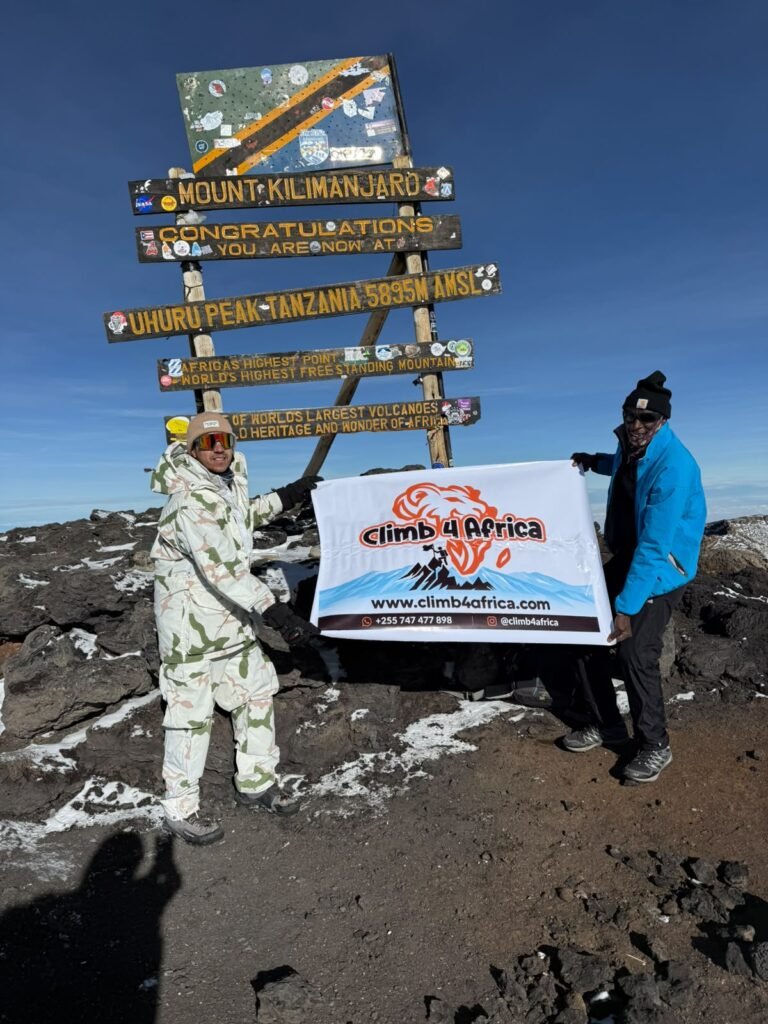
7 Days Rongai Route Kilimanjaro Group Joining – 26 November – 2 December
Experience Kilimanjaro via the Rongai Route with a confirmed group departure for 26 November–2 December 2026. Read a practical, day-by-day plan focusing on route pacing, acclimatization...
View package details
7 Days Machame Route Kilimanjaro Group Joining – 27 November – 3 December
7 Days Machame Route Kilimanjaro Group Joining – 27 November – 3 December 2026.
View package details
8 Days Lemosho Route Kilimanjaro Group Joining – 27 November – 4 December
8 Days Lemosho Route Kilimanjaro Group Joining – 27 November – 4 December 2026.
View package details
7 Days Machame Kilimanjaro Group Joining – 14–20 November
Join a confirmed 7-day Machame Route Kilimanjaro climb with a small group, departing 14–20 November 2026. Plan, acclimatise and summit with practical logistics and local support.
View package details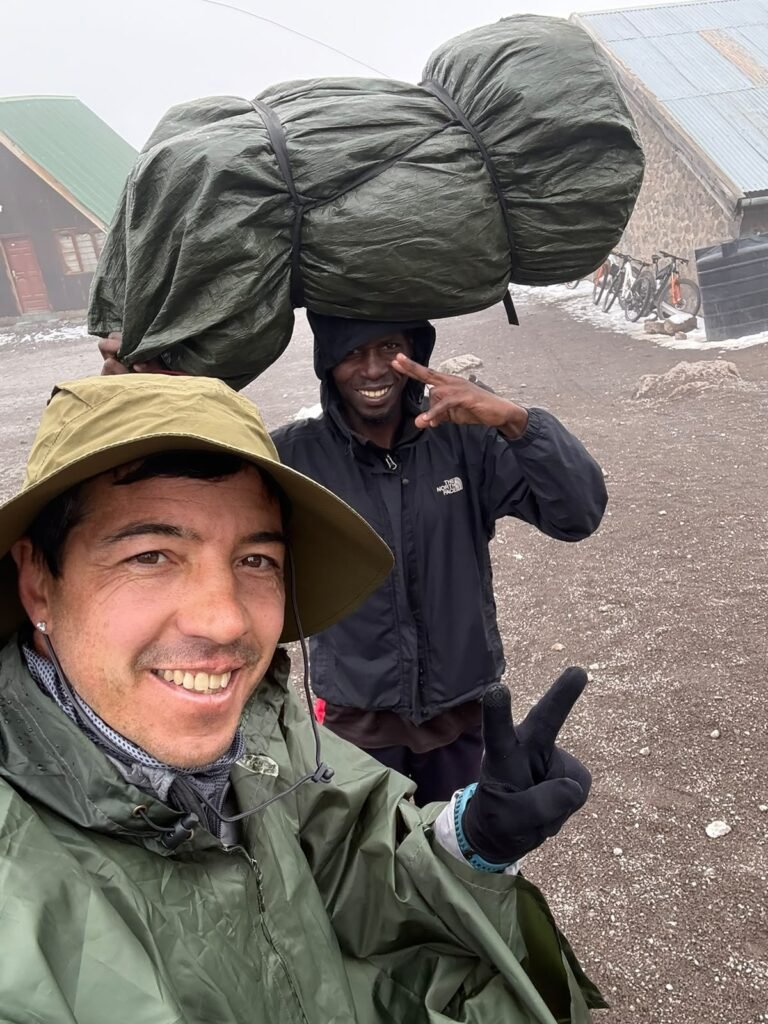
8 Days Lemosho Route Kilimanjaro Group Joining – 7–14 November 2026
Plan an 8-day Lemosho climb on Kilimanjaro with a verified group joining window of 7–14 November 2026. This first installment breaks down the day-by-day itinerary, acclimatisation logic...
View package details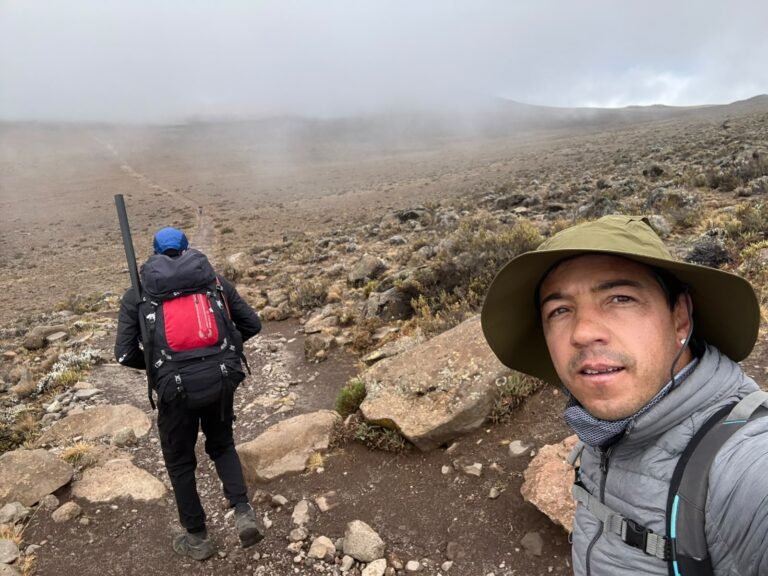
8 Days Lemosho Route Kilimanjaro Group Joining – 18–25 November 2026
8 Days Lemosho Route Kilimanjaro Group Joining – 18–25 November 2026.
View package detailsKilimanjaro Group Joining Tours November, Dates, Routes And Prices 2026
Kilimanjaro Group Joining Tours November 2026 – Dates, Routes and Prices.
View package details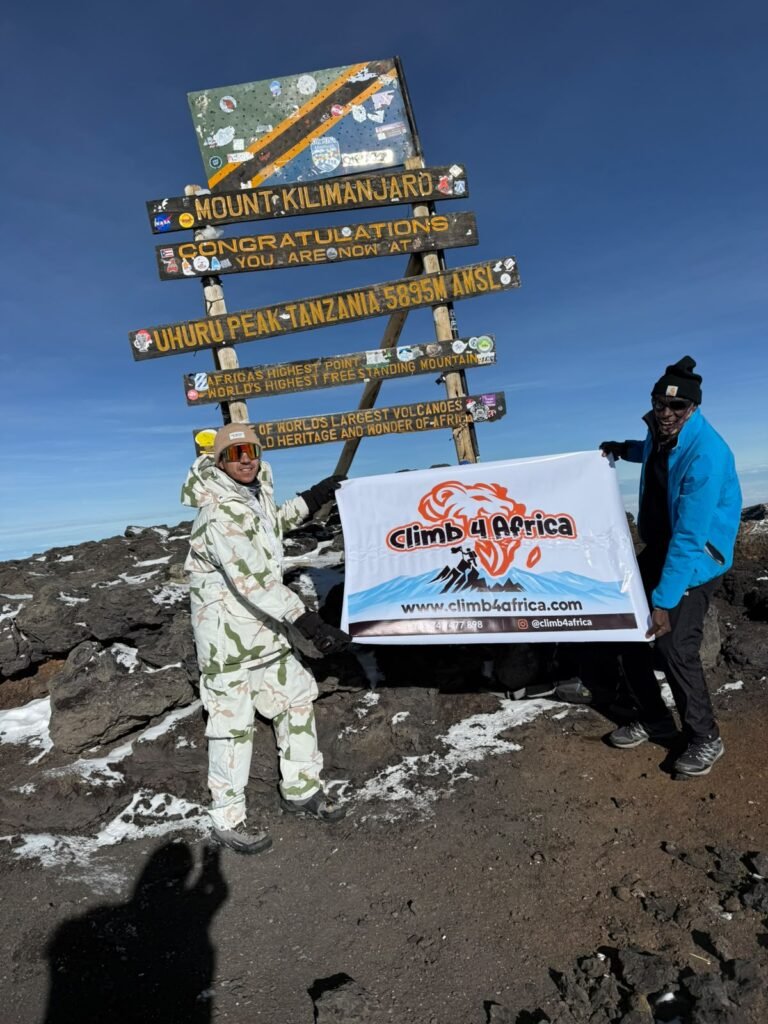
9 Days Northern Circuit Kilimanjaro Group Joining – 17–25 November
9 Days Northern Circuit Kilimanjaro Group Joining – 17–25 November 2026.
View package details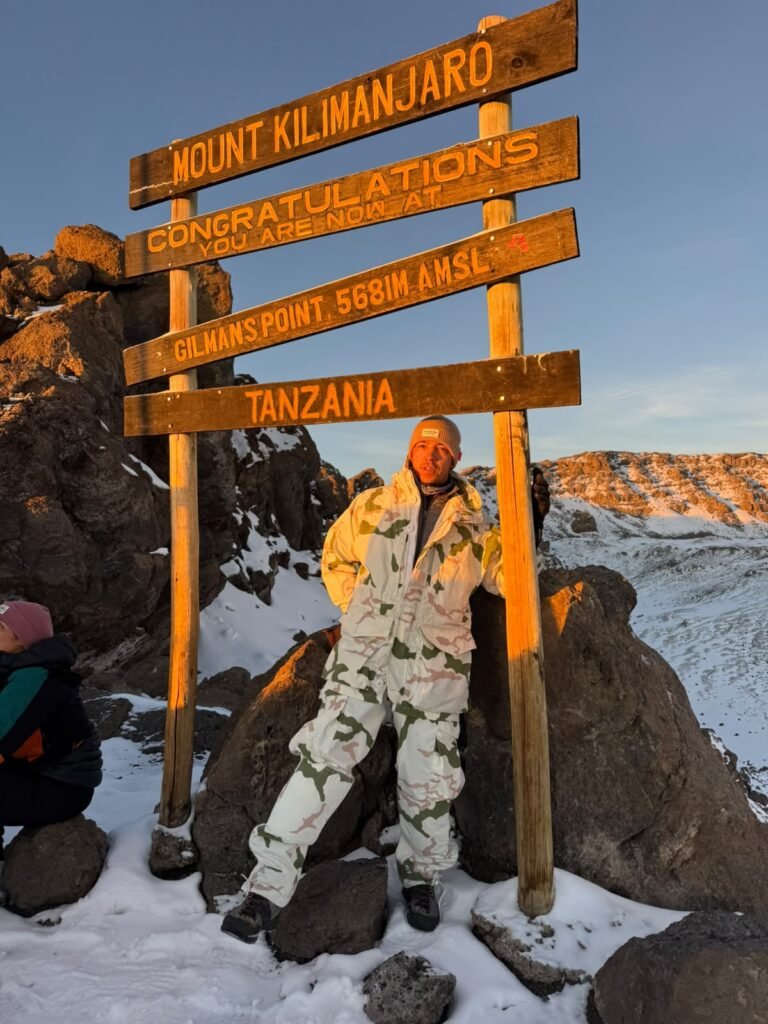
Kilimanjaro Group Joining Tours Starting 27 November 2026
Kilimanjaro Group Joining Tours Starting 27 November 2026.
View package details
7 Days Machame Kilimanjaro Group Joining Price – 19–25 November 2026
7 Days Machame Kilimanjaro Group Joining Price – 19–25 November 2026.
View package details8 Days Lemosho Kilimanjaro Group Joining: 18–25 November 2026
Plan an 8-day Lemosho Kilimanjaro climb with a shared group from 18–25 November 2026. Learn the route, day-by-day logistics, and what a booked package typically includes.
View package detailsNovember Kilimanjaro Lemosho Vs Machame Group Climbing Dates
November 2026 Kilimanjaro Lemosho vs Machame Group Climbing Dates.
View package detailsNo related package matches those filters. Clear one or more filters to see the other topic-matched options.



