
Kilimanjaro climbs running 5–30 November 2026 are offered in several route styles, with durations ranging typically from 5 to 9 days depending on the chosen path and pace. Because exact group dates and availability must be verified, contact Climb 4 Africa to obtain a confirmed schedule for your preferred start date, group size, and route. This article explains how to request verified departures and what to expect from each route in November.
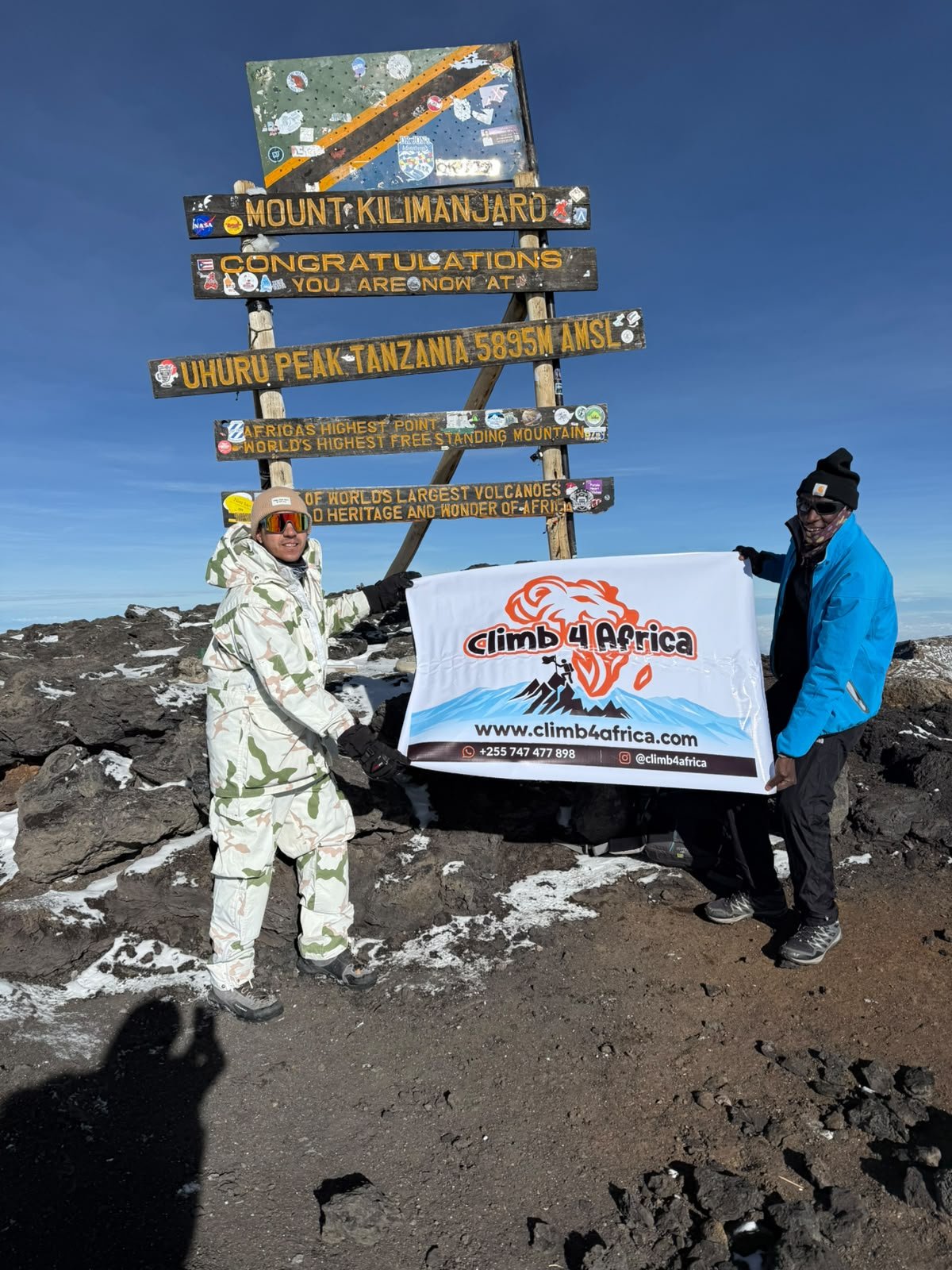
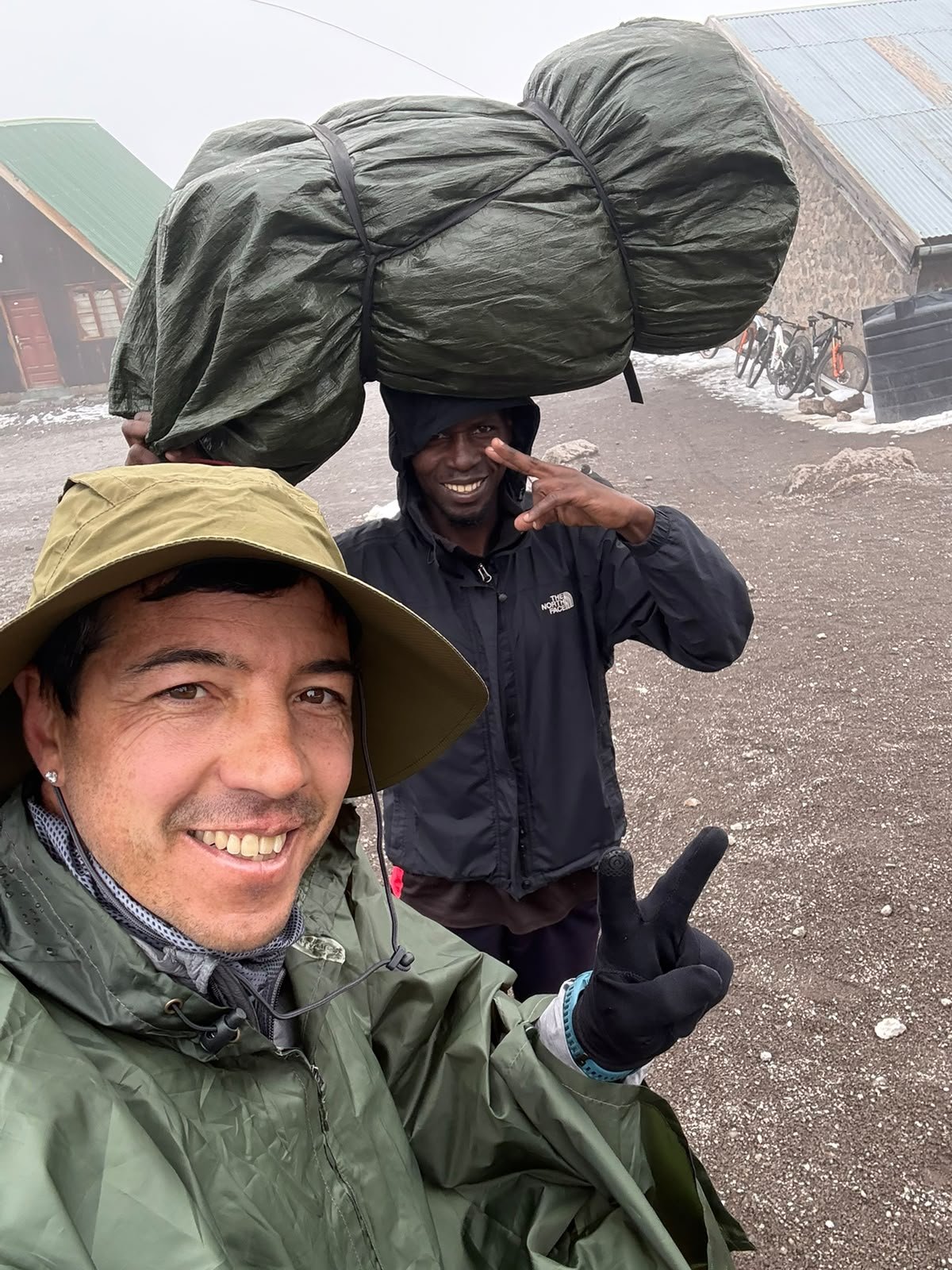
November is a popular shoulder season on Kilimanjaro, with improving weather on the southern routes and manageable crowds when compared to peak seasons. The dates you specified (5–30 November) indicate a window that can accommodate different group starts or private climbs, depending on current permits, guides, and gear logistics. In this first part, we’ll map the decision points you’ll face, share the practical differences across routes, and outline how to lock in a real, confirmed plan with Climb 4 Africa.
1) What you’re seeking: a practical decision frame
The key question is whether you want a shared-group ascent with set start days and multiple climbers, or a private-pace climb tailored to your group. Shared-group departures help keep costs predictable and can align with larger permits and guided teams; private climbs offer flexibility on start dates and pacing but require a customized quote and a clear plan for permits and support staff. Either option requires a verified schedule from the operator—no placeholders, no generic calendars.
2) Route breadth: all routes and what that means for duration
Kilimanjaro features several classic routes commonly used for November climbs. Each route has its typical duration and scenery emphasis: some favor longer, gradual ascents with longer rest days; others are shorter, steeper approaches. The calendar you’ve in mind (5–30 November) intersects with both shorter and longer itineraries, so you’ll need to pick a base length that suits your fitness, acclimatization plan, and preferred scenery. The operator can confirm exact day-by-day itineraries once you share your group size and selecting a route.
3) What a verified schedule looks like
A real, confirmed itinerary will include: start date, route name, day-by-day plan (brief), total number of trekking days, rest/ acclimatization days, transfer details, porters and guides assigned, and what’s included (permits, food, tents, group gear). It will also specify any pre-tour requirements (medical form, passport copy, visa steps) and the timing of arrivals in Moshi or Arusha. Expect to receive a precise departure note from Climb 4 Africa once your group size and route choice are set.
4) How to proceed with Climb 4 Africa
Begin by outlining your preferred start date within 5–30 November, desired route(s) if you have a preference, and your group size. You’ll then be guided through available verified departures or, if you prefer, a private-climb proposal. The operator will confirm exact days, durations, and inclusions before you commit. This first article section isn’t a live booking; it’s a guide to help you distinguish between provisional ideas and a confirmed plan.
Understanding the routes in brief
To help you discuss options with Climb 4 Africa, here’s a compact orientation of common Kilimanjaro routes and typical duration ranges. Note that exact days can shift with acclimatization needs and group choices. Your definitive schedule will come from the operator after you pick a route and a start date.
- Marangu (Coca-Cola) Route — usually 5–6 days, good for first-timers, gradual ascent, hut accommodation.
- Machame (Whiskey) Route — commonly 6–7 days, popular, scenic, steeper, good acclimatization options.
- Lemosho Route — typically 7–8 days, broad scenic approach, strong acclimatization profile.
- Rongai Route — about 6–7 days, northern approach, drier climate, less crowded.
- N designated or longer variants (like Northern Circuit) — often 9 days, extra acclimatization and higher success rates.
The exact durations in November depend on the chosen route, the pace of your group, and the acclimatization plan. When you request a verified schedule, you’ll receive a precise day-by-day outline for the route you select, including rest days and contingency buffers.
What to expect in November: weather, logistics, and pacing
November sits in a transitional period for Kilimanjaro weather. It’s generally drier on the southern routes, with cooler nights and milder days compared to the wet season. However, mountain weather can be unpredictable, so your acclimatization pattern and rest days matter a lot. For a 5–30 November window, expect to balance shorter itineraries with longer ones, depending on your group’s fitness and acclimation readiness. Logistics—permits, porters, guides, and gear—will be finalized in the verified schedule.
Next steps to lock in a verified Kilimanjaro climb
To receive a confirmed schedule for 5–30 November 2026, contact Climb 4 Africa with:
- Your preferred start date and route(s)
- Group size and any private-climb needs
- Special requirements (dietary, medical, accessibility)
Expect a tailored proposal that includes the exact number of trekking days, days for acclimatization, and the total duration. Once you approve, the operator will proceed with permits, guide assignments, and the booking steps. This ensures there are no gaps between your expectations and the final plan.
Booking considerations: prices, inclusions, and flexibility
Prices and inclusions vary by route, group size, and whether you choose a shared or private departure. The Kilimanjaro climb you’re researching will rely on verified dates rather than generic calendars. A clear breakdown will cover permits, guides, porters, meals, tents or hut stays, rescue insurance, and airport transfers where applicable. If you’re weighing options, compare:
- Total duration and acclimatization time
- Inclusion of park fees and rescue services
- Porter support and personal gear carried
- Fixed departure vs. private departure flexibility
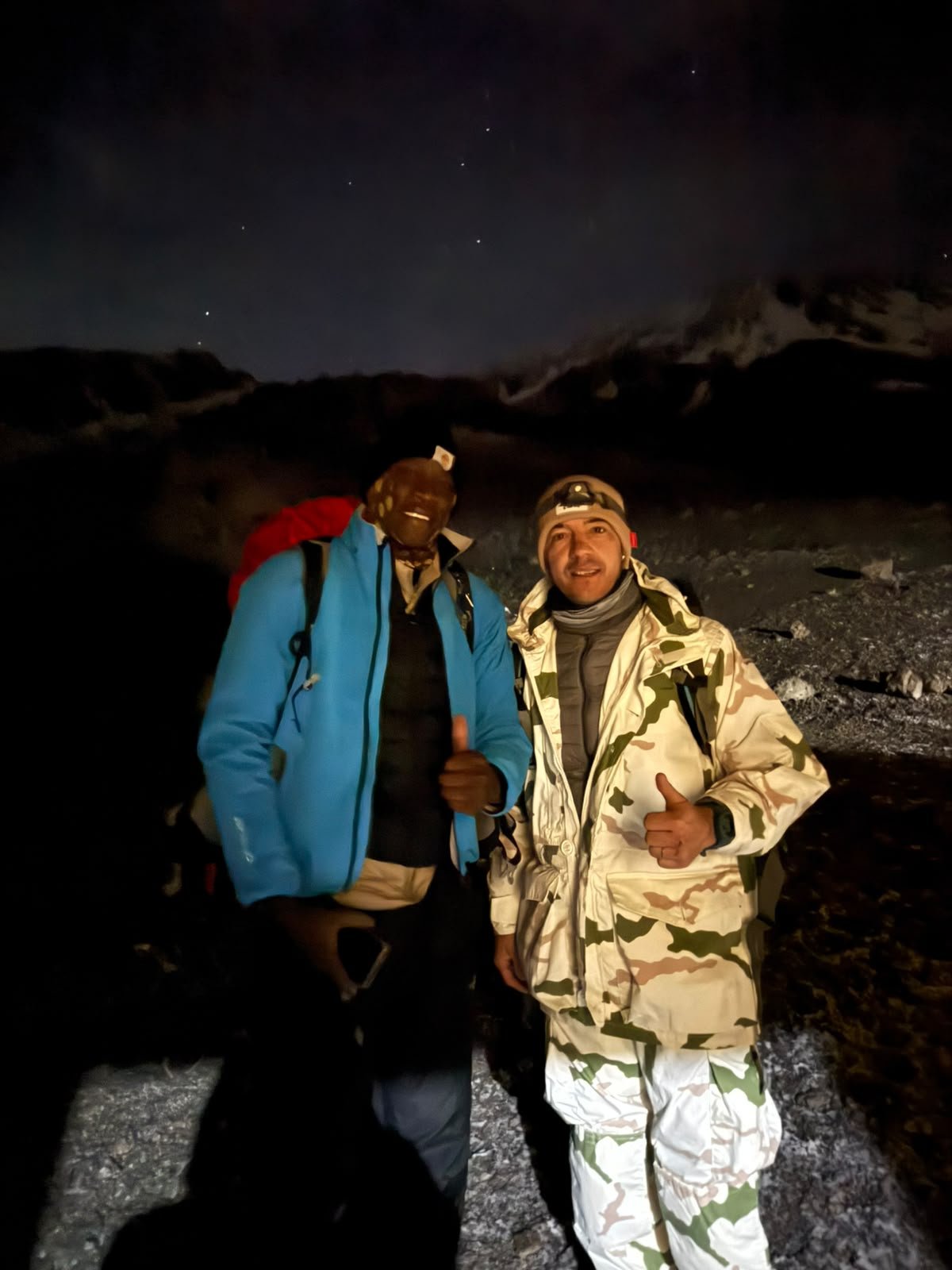
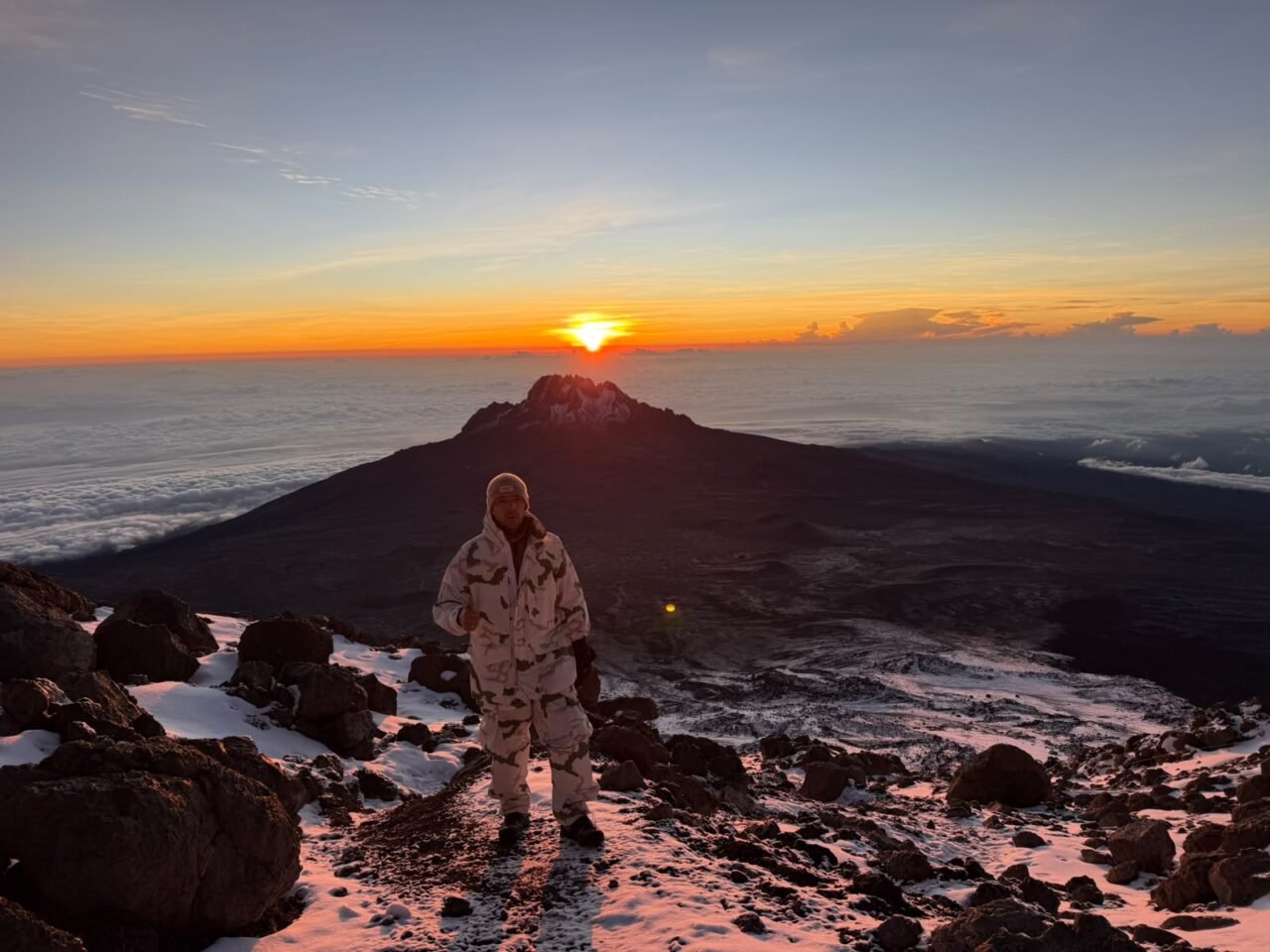
Gap-focused addition: practical considerations for verified November departures
Readers who are aiming to lock in a 5–30 November 2026 Kilimanjaro climb often face a crucial practical question: how does the verified schedule get translated into real-world readiness, especially when dates and group composition can shift until the final permit confirmations come through? This section stays strictly within the information you can verify with Climb 4 Africa and avoids speculation on unavailable departures.
First, recognize that a verified schedule is not a static calendar. It is a live plan that reflects the actual permit allocations, guide rostering, and porter teams assigned to your specific group size and route choice. When you request a schedule, you’re asking the operator to confirm the exact trekk days, acclimatization rests, and contingency buffers tied to the route and start date you’ve selected. In practice, this means you will receive day-by-day details tailored to your group, including the number of trekking days, the spacing of acclimatization breaks, and the layout of meals, camping or hut stays, and transport between camps. The moment you approve this plan, it triggers the official permit submission and supplier coordination, locking in your dates with a legally binding context that is not reducible to a generic template.
Second, consider the impact of group size on the verified schedule. Larger groups can influence the pacing and the distribution of guides and porters, which in turn affects the day-to-day progression, rest days, and transfer logistics. A verified plan will explicitly spell out how many climbers are in your troop, how many guides accompany the group, and how many porters are assigned to carry shared equipment and personal gear. If your group shifts in size between inquiry and confirmation, you should expect a revised day-by-day outline. The operator will provide a revised verification packet that maps the updated logistics, ensuring there are no surprises on start day or at camp transitions.
Third, accommodations and meals are part of the verified package, not an afterthought. Depending on the route chosen, the plan will specify whether you’ll be staying in fixed camps with tents or in hut-based facilities along the route. Each option carries different implications for weight, packing lists, and pacing. A confirmed itinerary will enumerate meal schedules, water purification arrangements, and any special dietary accommodations requested by your group. If dietary needs or medical considerations are complex, include them in your initial inquiry so the verified plan can show feasible adaptations without delaying permit processing.
Fourth, acclimatization strategy remains central to a successful ascent. A verified schedule conveys a structured acclimatization sequence that aligns with the route’s profile and your group’s fitness. For routes with longer itineraries, expect deliberate rest days positioned to optimize physiological adaptation. Shorter routes will still embed rest periods, but the acclimatization pacing may be tighter due to the plan’s overall duration. You’ll receive a day-by-day acclimatization map that you can compare against your personal readiness, and you’ll have the option to request minor adjustments before the permit paperwork begins.
Fifth, the verification process includes contingency planning. November weather can be variable, so the schedule will reserve buffer days or flexible transfer windows to accommodate mild delays from weather, illness, or gear issues. These contingencies are built into the verified plan and communicated upfront, so you won’t confront last-minute upheavals after you’ve committed. If you foresee potential constraints (e.g., a need for extra rest after a long travel day), share them during the request stage so the final plan can incorporate them without sacrificing safety or permit timelines.
Finally, how to use the verified schedule to book with confidence. Once you approve a day-by-day outline, you’ll move into the official booking steps with clear milestones: the permits are secured for your designated route and dates, your guides and porters are allocated, and the transport arrangements between airports and the gate of Marangu or other trekking entry points are confirmed. The system ensures that there is no gap between your expectations and the final plan, reducing the likelihood of schedule drift later in the process. When you receive the verified schedule, you should review the following specifics: trekking days and rest days, camp or hut locations, meals and water provisions, gear requirements, porter load limits, emergency procedures, and the contact points for the operator during the trek. If anything seems inconsistent with your needs, raise it immediately so adjustments can be incorporated before permits are issued.
In short, a verified Kilimanjaro schedule for November is a precise, group-specific blueprint rather than a generic template. It translates your start date, chosen route, and group size into a concrete sequence of days, with built-in acclimatization, logistics, and contingencies. The emphasis remains on safety, acclimatization, and clear communication, ensuring everyone in the group knows what to expect from day one through the final camp. If you are prepared with your preferred start date, route, and group size, you can expect a verified plan that makes the entire 5–30 November window navigable, predictable, and aligned with your personal and collective trekking objectives.
Bridging the verification gap: how changes in group composition and permit windows are managed
Even with a verified plan in hand, practical realities on Kilimanjaro can shift between confirmation and departure. This often centers on two variables: group composition and the allocation of permits tied to specific routes and start dates. For November departures, Climb 4 Africa frames a robust process to keep the verified schedule meaningful despite these dynamics.
Group composition can change for legitimate reasons—travel delays, visa issues, or medical considerations within the group. The operator’s approach is to lock in a baseline itinerary that accommodates reasonable flexibility without breaking the safety margins or risking permit eligibility. In practice, this means that once a verified plan is issued, your day-by-day sequence includes defined buffers around high-impact segments (for example, acclimatization days and the day of summit attempt) so that minor shifts in group size do not cascade into schedule drift.
Permit allocation is the other pivotal factor. Kilimanjaro permits are route- and date-specific, and capacity controls mean that even small changes can require recalibration. A verified schedule emphasizes early confirmation of the preferred route and start date, followed by a transparent outline of any potential contingency paths. If a requested date becomes unavailable, the operator will present a tightly scoped alternative within the same route family and comparable acclimatization structure, ensuring that the overall experience remains consistent with the originally intended pacing and altitude exposure.
Climb 4 Africa also builds in explicit transfer windows between airports, gate entry points (such as Marangu) and the trailhead for each verified plan. These transfers are designed to absorb normal variances such as late flights, customs delays, or weather-related ground transport hiccups, while preserving the integrity of the day-by-day framework and the critical acclimatization sequence. You’ll see these contingencies reflected in the verified schedule as non-binding but recommended options, with clear timelines for decision-making well before permits are issued.
Another practical consideration is equipment readiness. A verified plan often assumes standard gear lists and hydration standards, but November’s transitional weather can prompt modest adjustments in layering or boot choices. The process therefore invites climbers to flag any gear constraints during the request phase. The operator then integrates recommended substitutions or temporary accommodations (such as rental gear or additional water provision points) into the contingency portion of the plan so that your actual departure aligns with the documented safety margins.
In short, the verified November plan is a dynamic contract: it codifies a fixed route, date window, and pacing while explicitly acknowledging that real-world variables can require on-the-ground adjustments. The emphasis remains on safety, acclimatization integrity, and clear, proactive communication. If you anticipate any constraint—be it a need for extra acclimatization days after travel or a requirement for dietary accommodations—raising it during the verification request ensures the final plan can accommodate it without jeopardizing permit timetables or the overall climb cadence.
Finally, when you receive the verified plan, use a focused checklist to confirm alignment: the exact trekking days and rest days, the sequence of camps or huts, how meals and purified water are provisioned, the gear list implications (including any permitted porter-weight adjustments), the emergency procedures, and all contact channels for the operator during the trek. If there’s any misalignment with your expectations or practical needs, address it before permits are issued so the verified schedule truly translates into a reliable, on-the-ground itinerary for your 5–30 November 2026 Kilimanjaro climb.
Operational realities behind verified November departures: timelines, permits, and group transitions
Beyond the approved route and start date, the practical mechanics of delivering a 5–30 November 2026 Kilimanjaro climb hinge on how permits are issued, how group sizes are managed, and how transfers between airports, trailheads, and camps are choreographed. A verified plan anchors the core skeleton of your expedition, but several active levers can influence the day-to-day progression from confirmation to summit day. Understanding these levers helps climbers anticipate where adjustments can occur without compromising acclimatization safety or permit compliance.
Permits for Kilimanjaro are issued per route and per permit window, often with caps that reflect current operator loads and government scheduling. When your request yields a confirmed plan, the operator binds a specific route and a narrow permit window to your group. This allocation is strategic: it ensures that the total permit count aligns with the number of trekkers, guides, and porters, while preserving enough flexibility to accommodate minor shifts in start times or internal pacing. Because permits are a finite resource, any changes to group size or start date after the initial confirmation may necessitate a revalidation step. This is intentional: it preserves the integrity of the scheduled route, ensures equitable distribution of guides and porters, and avoids overburdening terrain or compromising safety margins for acclimatization.
Group composition is another dynamic factor. A verified plan can transition as participants join or withdraw within agreed windows prior to departure. Operators typically require a finalized group roster a set number of days before the climb to secure staffing and logistics across camps. If a member leaves, the operator may be able to fill the space with another climber from a standby pool or adjust the crew ratio while maintaining the same pacing and acclimatization sequence. In practical terms, this means the exact number of trekkers on a given start date may fluctuate slightly during the verification process, but the core day-by-day rhythm remains intact because the acclimatization days and elevation gains were designed to handle typical group size variations without compromising safety.
Transfer windows—between airports, gate entries, and trailheads—are an explicit design feature in verified plans. November’s shoulder-season conditions require buffer periods to absorb delays: late flights, customs bottlenecks, or weather-induced ground transport hiccups. The verified schedule encodes these buffers as non-binding options with recommended decision points. Climbers are advised to maintain flexibility within these windows and to confirm any anticipated delays with the operator as early as possible. The aim is to absorb variability without derailing the essential acclimatization sequence that underpins summit success. In practice, this means you may adjust transfer times, but you would still follow the same sequence of acclimatization days and rest periods once on the mountain.
Equipment readiness continues to be a live variable even after verification. November’s transitional climate can prompt adjustments in layering, footwear, and water provisioning. Operators routinely incorporate substitution recommendations into the contingency section of the plan, such as additional warm layers, rental gear for specialized items, or adjusted hydration strategies to cope with cooler nights and fluctuating daytime temperatures. Expect a documented equipment plan that aligns with the verified route and pacing, along with a clear protocol for on-mountain gear exchanges should conditions demand it. This ensures no last-minute surprises at the gate of the trailhead and keeps your risk profile aligned with the safety margins established in the plan.
Communication channels form the connective tissue of a verified schedule. In the final plan, you’ll have a direct, pre-approved contact line for on-ground leadership, emergency coordination, and daily check-ins. The operator will typically provide a structured escalation ladder: guide lead, operations desk, and in-resort liaison. This clarity reduces ambiguity if a day’s pacing needs adjustment, if a rest day is added or shifted, or if a mid-climb contingency becomes necessary due to weather or health considerations. Having these channels established before departure is a practical safeguard to maintain adherence to the verified cadence and to ensure quick, coordinated responses should real-time decisions be required on the mountain.
From a reader’s perspective, the key takeaway is to view the verified plan not as a rigid calendar but as a robust framework with built-in adaptability. You gain certainty about the chosen route, overall duration, and the major pacing milestones while retaining the ability to accommodate typical variances in group composition, transport timing, and gear readiness. If you anticipate any constraints—dietary needs, medical considerations, or equipment limitations—flagging them early in the verification dialogue ensures the final plan can integrate them without compromising permit windows or the essential acclimatization sequence. In Kilimanjaro’s context, this approach translates to safer ascent, more predictable governance of guides and porters, and a smoother on-ground experience during the 5–30 November window.
Related Guides and Packages
Check Availability for Kilimanjaro Climbing Dates 5–30 November – All Routes And Durations
Ready to compare dates, prices, and the best option for your group? Send the package name and travel month so the team can reply with a clear quote, availability, and what is included.
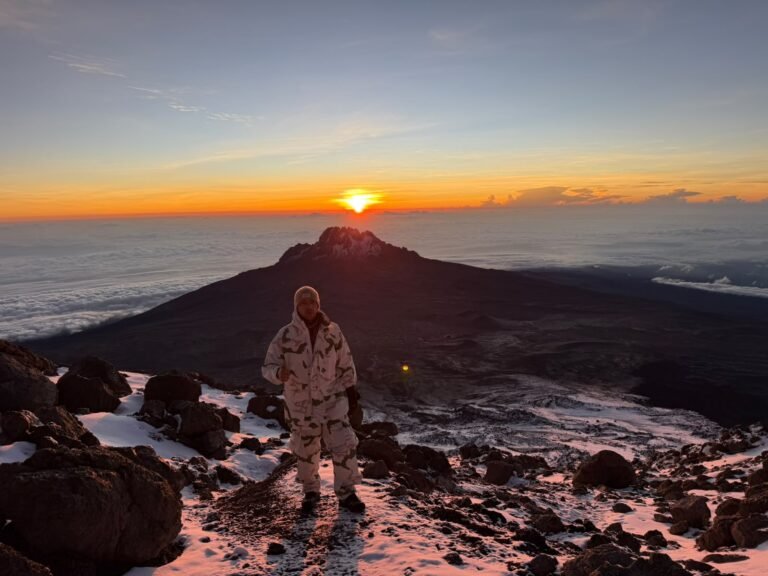
November Kilimanjaro Lemosho Vs Machame Group Climbing Dates
November 2026 Kilimanjaro Lemosho vs Machame Group Climbing Dates.
View package details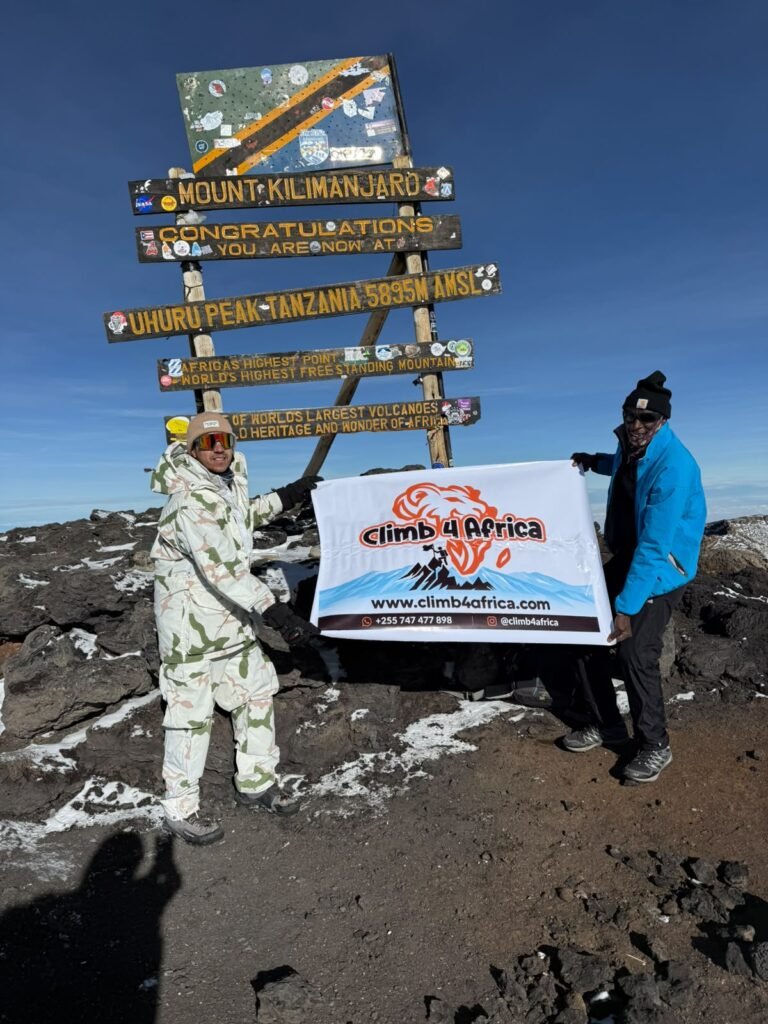
Kilimanjaro Group Joining Tours November, Dates, Routes And Prices 2026
Kilimanjaro Group Joining Tours November 2026 – Dates, Routes and Prices.
View package details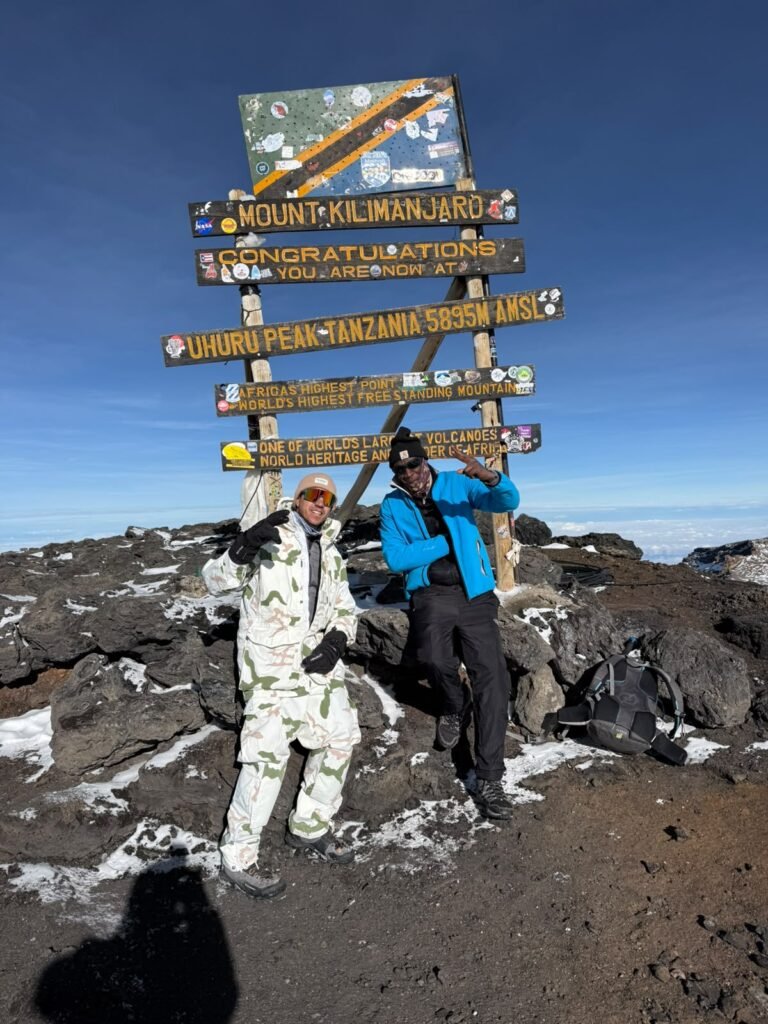
Kilimanjaro Climbing Packages From Moshi – 25–30 November
Practical, no-nonsense guidance for Kilimanjaro climbs from Moshi on 25–30 November 2026. Learn route options, logistics, and how to book with Climb 4 Africa.
View package details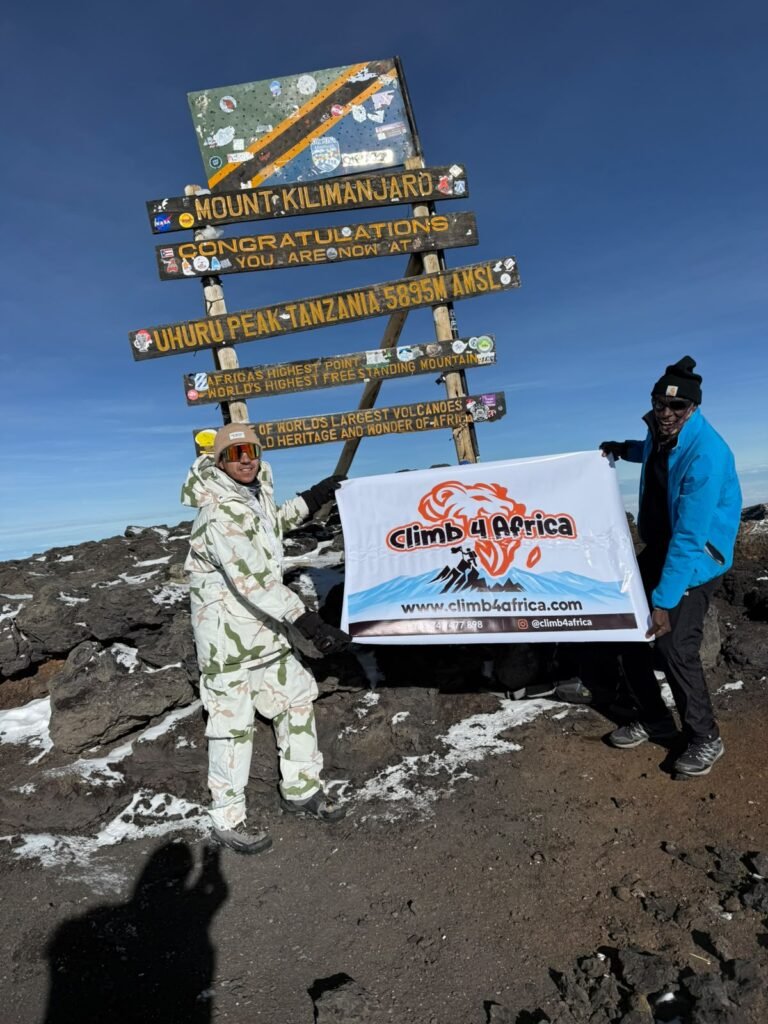
Mount Kilimanjaro Full Moon Climb 24 November – Routes And Departures
Mount Kilimanjaro Full Moon Climb 24 November 2026 – Routes and Departures.
View package details7 Days Rongai Route Kilimanjaro Group Joining – 26 November – 2 December
Experience Kilimanjaro via the Rongai Route with a confirmed group departure for 26 November–2 December 2026. Read a practical, day-by-day plan focusing on route pacing, acclimatization...
View package details
7 Days Machame Route Kilimanjaro Group Joining – 27 November – 3 December
7 Days Machame Route Kilimanjaro Group Joining – 27 November – 3 December 2026.
View package details
8 Days Lemosho Route Kilimanjaro Group Joining – 27 November – 4 December
8 Days Lemosho Route Kilimanjaro Group Joining – 27 November – 4 December 2026.
View package details
7 Days Machame Kilimanjaro Group Joining – 14–20 November
Join a confirmed 7-day Machame Route Kilimanjaro climb with a small group, departing 14–20 November 2026. Plan, acclimatise and summit with practical logistics and local support.
View package details
8 Days Lemosho Route Kilimanjaro Group Joining – 7–14 November 2026
Plan an 8-day Lemosho climb on Kilimanjaro with a verified group joining window of 7–14 November 2026. This first installment breaks down the day-by-day itinerary, acclimatisation logic...
View package details9 Days Northern Circuit Kilimanjaro Group Joining – 17–25 November
9 Days Northern Circuit Kilimanjaro Group Joining – 17–25 November 2026.
View package details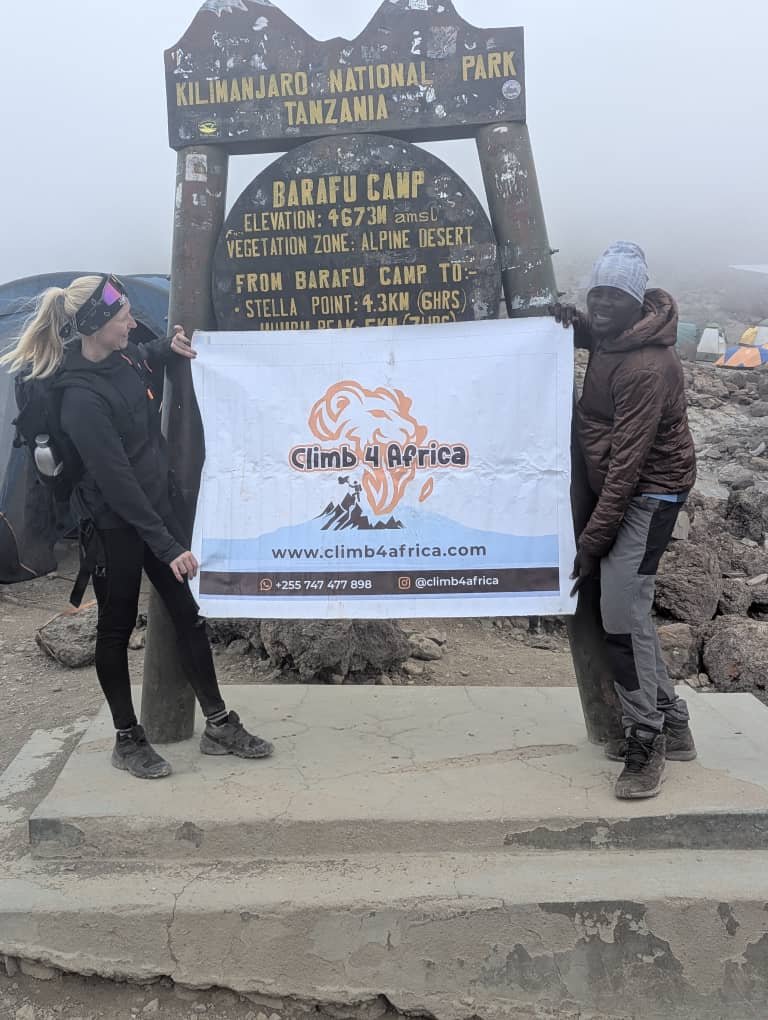
6 Days Marangu Route Kilimanjaro Group Joining – 20–25 November
Bookable 6 days on the Marangu route with a verified group departure 20–25 November 2026. Day-by-day itinerary, acclimatization plan, hut-style accommodations, and how to request a...
View package details
8 Days Lemosho Route Kilimanjaro Group Joining – 18–25 November 2026
8 Days Lemosho Route Kilimanjaro Group Joining – 18–25 November 2026.
View package detailsNo related package matches those filters. Clear one or more filters to see the other topic-matched options.



