
Kilimanjaro Climbing Packages From Moshi for 25–30 November 2026 offer a guided group experience via standard routes with local support, logistics and porter guidance. Availability and exact pricing must be confirmed with the operator; expect Machame or Rongai-style group departures, with vetted itineraries that balance altitude gain, rest days, and acclimatization. You will need trekking permits, a vetted guide team, and equipment rental options through Climb 4 Africa. For a precise package, confirm your preferred route, group size, and inclusions with the operator before booking.
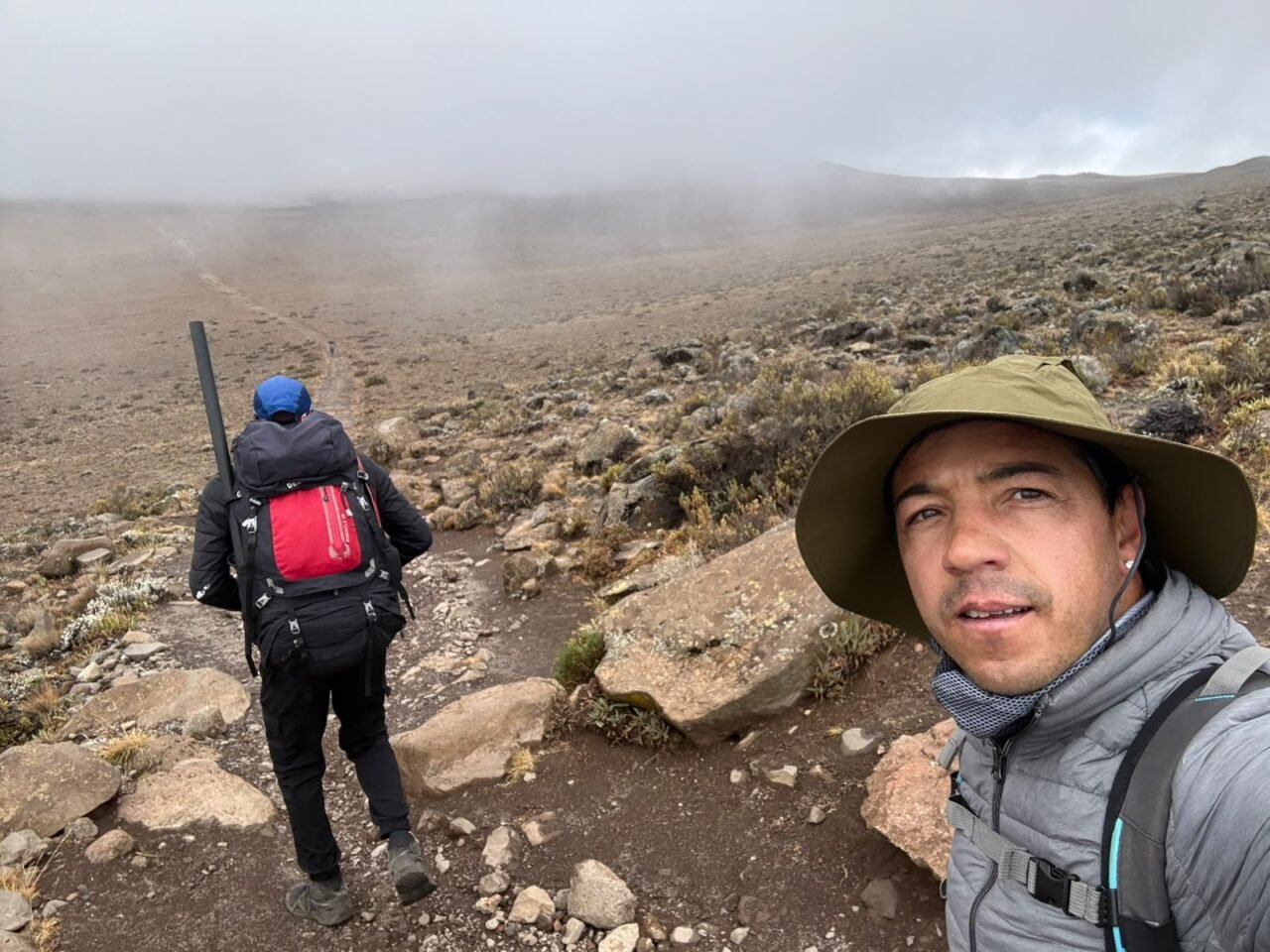
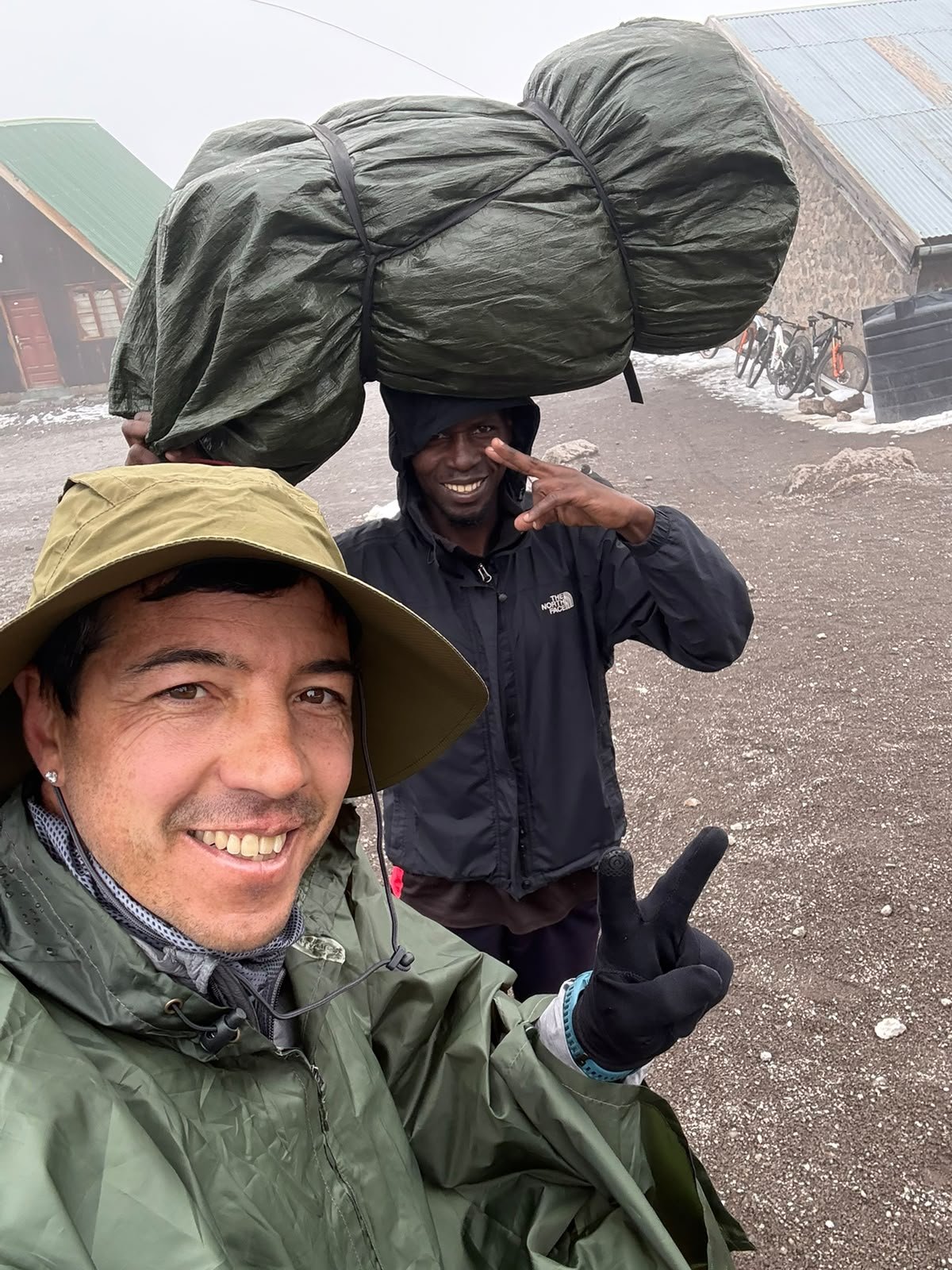
Where Moshi fits as a base for Kilimanjaro climbs is a practical advantage. It keeps travel time from Kilimanjaro International Airport minimal and centers you near the three most common approaches: Machame, Marangu, and Rongai. When you’re choosing a package for 25–30 November, you’re looking at a compact window that can still accommodate acclimatization days if you choose the longer routes, though many group departures in this period tilt toward 5–6 days on the mountain with a 2–3 day pre- or post-climb buffer in Moshi.
How to read Kilimanjaro packages from Moshi in late November
Late November sits at the edge of the short dry season in Moshi, with variable weather on the mountain. The practical takeaway is to expect cooler evenings and possibly wetter conditions on higher sections. Packages typically include ground transport, park fees, English-speaking guides, porters, meals, and basic rescue arrangements. They may exclude personal gear, tipping, and certain extras, so it’s important to confirm inclusions in writing before you commit.
Route options that commonly appear in Moshi departures
- Machame Route: Widely popular for its scenic traverse and acclimatization potential. Often organized as a 6–7 day itinerary, with a day to acclimate at Karanga or Barranco, then summit via Barafu and Uhuru Peak.
- Lemosho or Northern Circuit variants: Longer options for better acclimatization, sometimes bundled as 8–9 days. These can be appealing if you want a gentler ascent profile.
- Rongai Route: A slightly quieter approach from the north, with a similar summit day pattern. Good for those who prefer a less crowded trail in November.
What to expect on the ground with Climb 4 Africa
Expect a locally grounded crew: an experienced guide team, porters to carry gear, and a cook providing meals aligned with standard high-altitude trekking norms. In Moshi-based packages, you’ll typically travel from a base in Moshi to the gate, then progress through the mountain’s camps, with a pre-briefing session and an acclimatization day built into many itineraries. Always check if gear rental, altitude-focused briefings, and emergency arrangements are included, and whether you need to bring your own sleeping bag or rain gear.
How to compare options without overpaying
Look for clarity on inclusions: park fees, rescue, guide-to-guest ratios, and the level of support during fatigue moments on the ascent. Packages can differ in provisioning: some include all meals on the mountain, others only main meals, and a few may require you to cover certain personal gear costs. Compare group sizes; smaller groups often mean more personalized attention but can raise price. Check cancellation and rescheduling policies for November weather variability, and verify what happens if you don’t reach the summit on a given departure.
Planning touchpoints and booking decisions
Start with the exact dates and the preferred route, then align with your fitness level and acclimatization tolerance. If you want the best balance of scenery and acclimatization, Machame-based packages from Moshi are a common choice, while Rongai may offer a quieter experience. For a smoother ascent with a stronger focus on safety, ensure the package explicitly includes experienced English-speaking guides, porter support, first-aid readiness, and a clear rescue protocol. Confirm visa and required permits, visa on arrival rules, and any Tanzania-specific entry requirements before purchasing a package.
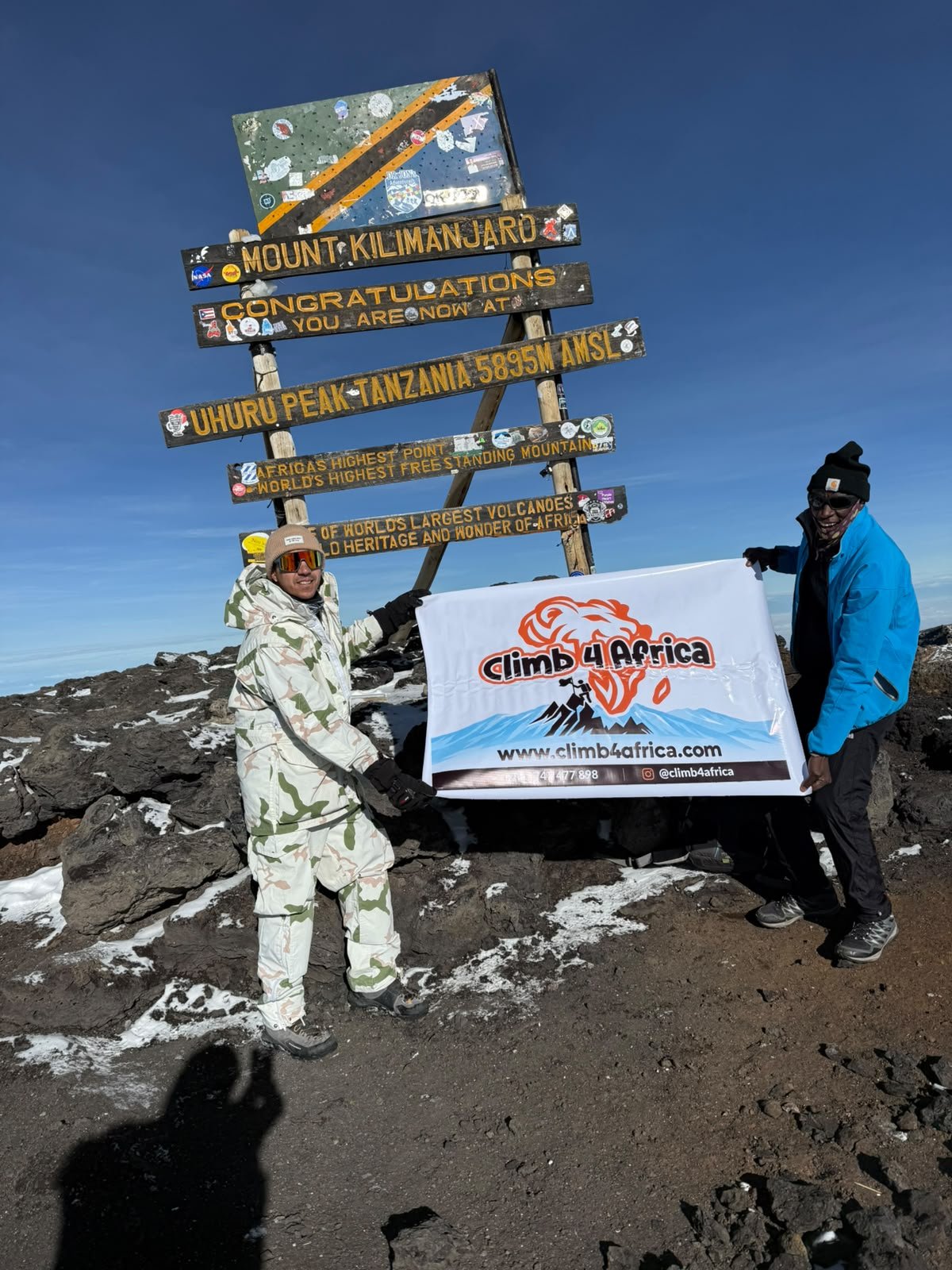
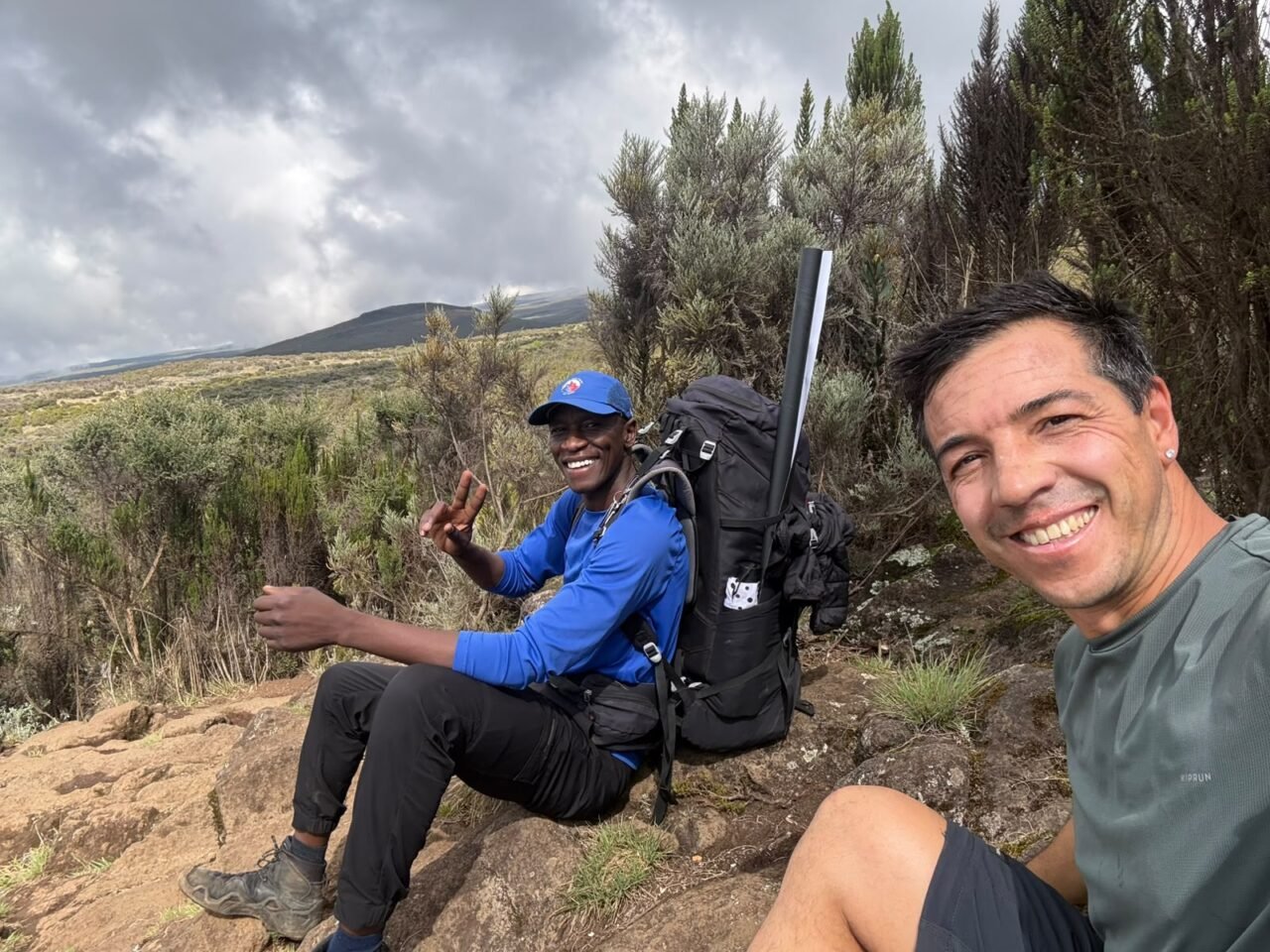
Logistics checklists to keep you moving smoothly
- Passport validity and visa requirements for Tanzania.
- Healthy preparation: concerted cardio conditioning, altitude acclimatization awareness, and hydration planning.
- Gear checklist: sturdy hiking boots, weather-appropriate layers, headlamp, gloves, and a sleeping bag suitable for sub-zero nights, if not provided by the operator.
- Insurance: check high-altitude medical and evacuation coverage.
Next steps
To lock in a Kilimanjaro climb from Moshi for 25–30 November 2026, reach out with your preferred route, group size, and any equipment needs. Request a written inclusions list and a transparent cost breakdown. Climb 4 Africa can tailor the final details to fit your timing and comfort preferences, while keeping the core mountain experience intact.
Clarifying the role of permits, guides, and on-mountain safety in Moshi packages
One practical question readers often have, especially when weighing options from Moshi, is how the permitting and safety framework actually translates into the on-mountain experience. Kilimanjaro requires certain authorizations, and reputable operators will bundle or clearly itemize these into the package. However, the texture of what that coverage looks like can vary, and understanding it helps you adjudicate value beyond surface inclusions.
First, trekking permits differ by route and park authority, but they generally cover access to the national park and overnight campsite usage. In most Moshi departures, park fees are included as part of the package, which prevents surprise charges at the gate. What matters more than the headline inclusion is whether the permit costs reflect both the core park entry and the restricted areas specific to acclimatization days and extended itineraries. If a package advertises a fixed permit cost but omits acclimatization-friendly permissions or separate resupply allowances, you may see mismatches once you are on the mountain. Ask for a written breakdown that shows: park entry, rescue and evacuation coverage, and any special permits required for additional acclimatization days.
Guides and porters are the second pillar of safety and pacing on Kilimanjaro. A legitimate Moshi-based package should specify the guide-to-guest ratio, typically one guide for a small group and additional porters based on the terrain and the weight you carry. This is not merely about comfort; it correlates with how your time on the trail is managed during fatigue moments, how cooperative the pace is, and how effectively altitude concerns are addressed. If a listing omits the exact ratio, or relies on “local crew” without naming a lead guide, request a firm statement before committing. You should see a plan that includes at least a senior guide with altitude experience, a cook for mountain meals, and porters for load distribution. For safety, confirm that a first-aid kit, oxygen cylinders, and a communication plan (including satellite messaging or radio contact with base) are in place and tested before departure.
On-mountain safety is also linked to emergency procedures. Reputable operators provide a documented rescue protocol, including how to activate park rangers or medevac services if someone requires urgent evacuation. In late November, when weather windows can contract and temperatures drop deep at higher camps, having a clear, written safety protocol is particularly valuable. Expect to receive a pre-climb briefing that outlines signs of altitude sickness, the decision framework for descent or summit attempts, and the thresholds for seeking medical support. If a package seems light on these points, press for specifics or compare with other operators that publish their safety SOPs openly.
Gear management is another practical angle tied to permits and safety. While some packages rent essential gear (like sleeping bags, insulated jackets, or crampons), others require you to supply your own. The safety logic here is that gear tailored to your measurements reduces the risk of misuse and imbalance on steep sections or in windy conditions. A robust Moshi package will spell out which items are covered by the operator and which you should bring or rent independently. If you opt for gear rental, confirm the condition, sizes available, and a return policy at the end of the trip, so you’re not surprised by contingencies on departure day.
Finally, think about flexibility and contingency planning as part of the safety net. In a period like 25–30 November, weather variability can influence whether a climb proceeds on schedule, requires an extra acclimatization day, or triggers an alternate route. A well-structured package should include reasonable options for rescheduling without punitive fees and clear terms about how group changes are handled. Asking for a written policy on cancellations, weather-driven postponements, and rebooking can save stress later and helps you assess true risk management rather than merely price.
In short, when you compare Kilimanjaro packages from Moshi for late November, map out the exact coverage under permits, guides, safety gear, and emergency procedures. Demand precise, written disclosures rather than generic assurances. That level of clarity not only protects your investment but also aligns expectations with the mountain’s realities, turning a big adventure into a well-supported, safer ascent.
Common questions readers still have about Moshi Kilimanjaro packages for 25–30 November 2026
With the window of 25–30 November approaching, a practical gap emerges around the real-world logistics that influence your decision beyond route choice and inclusions. This section dives into concrete, non-marketing considerations that motivated climbers have repeatedly asked when finalizing plans with Moshi-based operators.
1) How flexible are transfer and pre-climb buffer days in late November? In Moshi, group departures tied to Kilimanjaro climbs often cluster around a fixed gate opening time and a standard pickup from local hotels. Operators typically offer a 1–2 day pre-climb buffer to accommodate arrival flights and acclimatization expectations. Because November sits near the shoulder of the dry season, weather windows can be variable; some operators will allow you to shift the start date by a day if a weather window looks more favorable, while others impose stricter cancellation or rescheduling terms. If you anticipate international travel complications or late-night arrivals, ask for a written policy detailing permissible date changes, any fees, and how such changes affect your overall itinerary and pre-departure briefing schedule.
2) What if I need a solo arrangement but don’t want to join a fixed group? A growing minority of Moshi departures offer semi-private or small-group options (typically 2–4 climbers per guide). In late November, this can translate to better acclimatization pacing and a more personalized experience without the full private-guide premium. However, solo travelers should expect a higher per-person cost or requirement to join a small existing group. Request explicit group size caps, guide-to-guest ratios, and whether you can lock in a seat before the group forms. Written confirmations help prevent last-minute discrepancies at the gate or in Moshi town.
3) How robust is the emergency communications framework, and what does it look like on the day of ascent? Reputable Moshi operators publish a clear chain of emergency steps, including contact points at the park gate, the on-mountain radio protocol, and the availability of local rangers or a medevac plan. In practice, you should receive a pre-climb briefing that covers symptoms of altitude illness, recognition of warning signs, and the decision framework for turning back. Ask for: a named on-site safety officer, a printed contact list with regional numbers (including hospital facilities near Moshi and at the gate), and a simple card with your team’s emergency signals. If a package scrimps on these details, that is a red flag for relying on ad hoc arrangements on the mountain.
4) How do equipment rentals affect safety and comfort, and what should I verify up front? Gear rental policies vary, and November’s mixed conditions (cool nights, potential rain or drizzle on higher slopes) amplify the impact of equipment choices. A robust Moshi package should specify which items are included (for example, sleeping bags, insulated jackets, microspikes/crampons) and which are extra. Before booking, confirm: (a) the exact sizes and condition of rental gear, (b) delivery logistics (whether you pick up at the Moshi base or at the hotel), (c) return timing and policy if gear fails or wears out mid-climb, and (d) any additional charges for late returns or replacements. If you rely on supplied blankets or tents, verify that the sleeping pads and tents meet standard high-altitude warmth and wind-resistance expectations.
5) What role do park fees and rescue services actually play in your daily cost? Park fees and rescue arrangements are common inclusions, but the precision of these numbers matters. In late November, when weather windows can shorten, the ability to access quick rescue or evacuation may hinge on the local operator’s relationships with park authorities and medical providers. Seek a breakdown that lists the park entry fees, concession fees, rescue insurance, and administration charges separately. If a price lumps these together, request a detailed invoice to confirm that you are not being charged twice for the same item or left under protected in case a rescue is needed.
6) How does alternative acclimatization planning fit into a compact late-November itinerary? Even within 5–6 day climbs, operators may incorporate optional extra acclimatization days or slower ascent profiles when the group’s fitness levels indicate the need. If your group desires a more gradual ascent or an extra day at a lower camp for rest and medical checks, ask for explicit options and the price impact. Conversely, if you’re chasing a tighter schedule, confirm the minimum feasible acclimatization and what buffers exist for weather delays. Written options for extensions or reductions help you align expectations with the actual day-to-day flow in Moshi’s schedule.
7) What should I know about language, local culture, and tipping norms? English-speaking guides and porters are standard, but tipping norms and cultural expectations vary. Ask your operator for a tipping guideline that aligns with local practices and the specific roles of guides, cooks, and porters on your climb. Some groups pool tips, others distribute individually; in either case, request a documented policy that explains how tips are collected, allocated, and distributed. Knowing the culture of service and the expected contribution to the team can influence your overall comfort and satisfaction with the trip.
8) How transparent are the cancellation terms when weather closes a route or timing shifts during late November? Because late November can bring weather variability, cancellation and rebooking policies deserve close scrutiny. Some operators offer flexible rescheduling within the same month or season window with modest fees; others impose higher penalties or require new booking with altered terms. A practical approach is to obtain a written policy detailing weather-based postponement triggers, the maximum number of allowable reschedules, and any cancellation window penalties. This documentation helps you protect your investment if the mountain throws a curveball during your planned window.
9) What unseen costs should I budget for before departure? Besides gear, meals, and porters, expect possible incidental costs such as extra bottled water at the base camp or on the trail, optional upgrades for deluxe camping tents, or the need to rent a down jacket if your personal gear is insufficient. Clarify whether such extras are included or billed on-site to avoid surprise charges at the start of the climb. A well-documented inclusions list will identify these potential add-ons and their prices so you can budget accordingly well before departure.
These nuanced, practical considerations help you assess the real-world readiness of a Kilimanjaro package from Moshi for the 25–30 November window. When you’re comparing options, push operators to provide written specifics on emergency procedures, acclimatization flexibility, gear coverage, and transparent cost breakdowns. The decision should rest not only on route appeal but on the confidence you gain from the operator’s willingness to disclose the operational details that safeguard your climb’s safety, comfort, and overall value.
How to prepare for the physical and mental demands of a 5–6 day climb in late November
While the Machame and Rongai routes are commonly offered for 25–30 November 2026, the physical and mental challenges of a 5- to 6-day ascent should not be underestimated, even with the benefit of a structured package. Late November brings cooler temperatures at altitude—especially during summit night (typically 2–4 a.m.)—and the risk of sudden weather shifts increases as the short dry season transitions into the wetter months. This means your body must adapt quickly to high-altitude exertion, variable oxygen levels, and prolonged periods of low energy, particularly during the final 8–12 hours of summit push.
Operators like Climb 4 Africa emphasize that success isn’t solely about fitness, but about pacing, mental resilience, and listening to your body. On a 6-day Machame climb, for example, you’ll likely begin at 1,800 meters in Moshi, ascend to 3,800 meters by Day 3, and spend a full acclimatization day at Karanga or Barranco before the summit attempt. This schedule is designed to reduce altitude sickness risk, but it still demands consistent energy output and sleep quality at high elevations. Many climbers underestimate how much mental fatigue accumulates—especially during summit night, when you’re moving slowly in near-darkness with minimal oxygen and cold exposure.
To prepare, focus on three pillars: cardiovascular endurance, strength training, and sleep hygiene. A minimum of 8–12 weeks of consistent cardio (running, stair climbing, or hiking with a loaded backpack) is recommended. Incorporate hill repeats and 10–15 kg pack hikes on weekends to simulate trail conditions. Additionally, practice sleeping at reduced oxygen levels—some climbers use altitude simulation masks or sleep at high elevations if available—but even simply elevating your sleeping area during training can help build familiarity.
Mental readiness is equally critical. The summit night is often the most grueling stretch, lasting 7–10 hours with little to no rest. You’ll move in silence or near-silence, relying on your guide’s cues and your own determination. Many climbers report that the hardest part isn’t the physical strain, but the mental fog, isolation, and sensory deprivation. Preparing mentally means visualizing the route, rehearsing your summit strategy (e.g., “I will take 10-minute breaks every hour”), and accepting that progress may be slow or non-linear. Some climbers benefit from mindfulness or breathwork techniques practiced during training to stay present during tough moments.
Importantly, your package’s guide team is trained to monitor these signs. They’ll check in regularly during the climb, watch for symptoms of acute mountain sickness (AMS), and adjust pace or recommend descent if needed. But your role is to communicate early and clearly. Don’t wait until you’re dizzy or nauseous—report fatigue, headaches, or confusion immediately. A good operator will have protocols in place for early intervention, including supplemental oxygen or emergency descent, but your awareness is the first line of defense.
Related Guides and Packages
Check Availability for Kilimanjaro Climbing Packages From Moshi – 25–30 November
Ready to compare dates, prices, and the best option for your group? Send the package name and travel month so the team can reply with a clear quote, availability, and what is included.
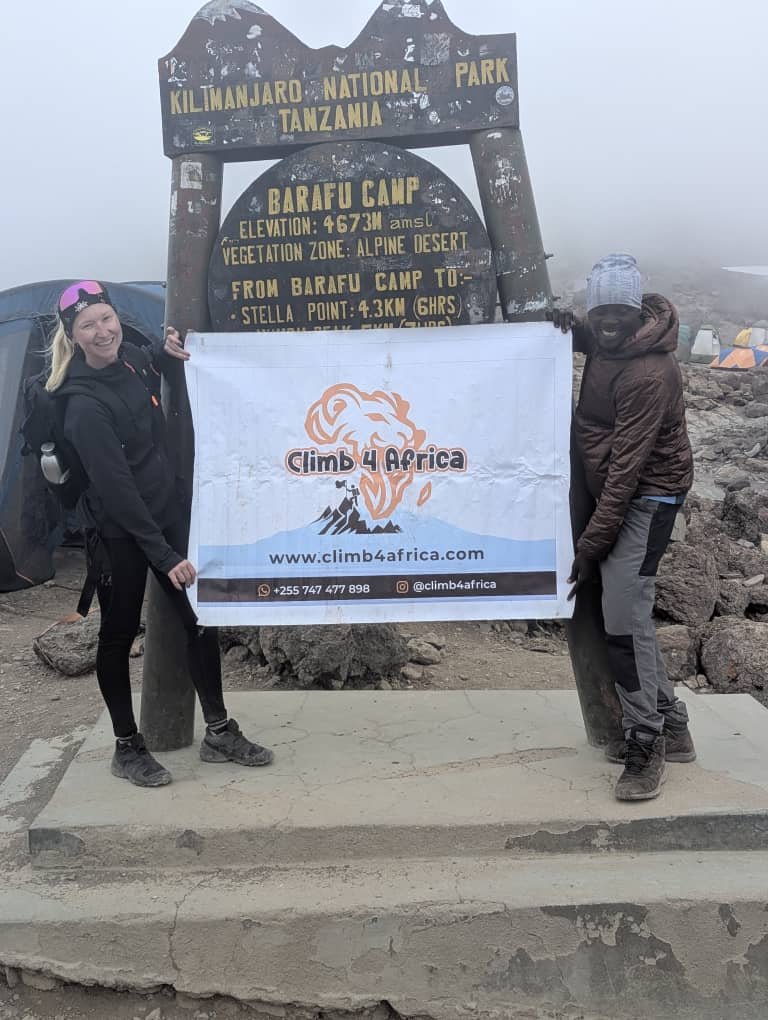
Kilimanjaro Group Trekking From Moshi, 19–25 November 2026
Kilimanjaro Group Trekking From Moshi – 19–25 November 2026.
View package details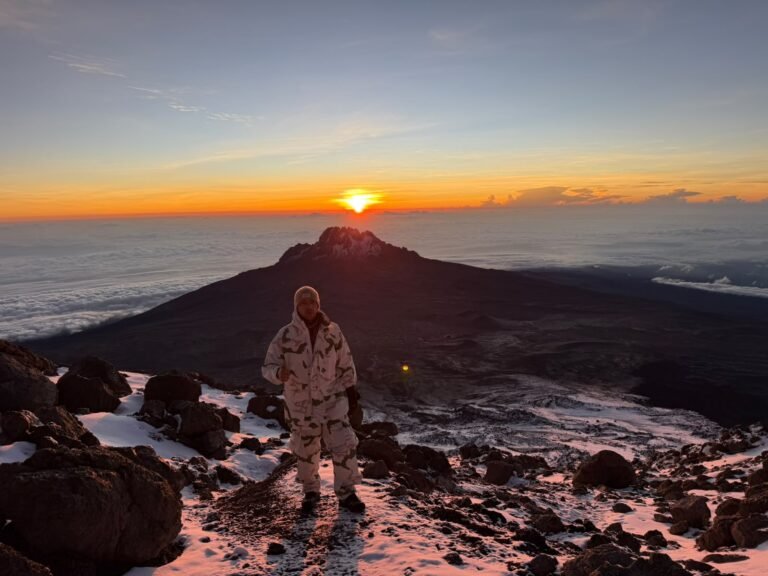
November Kilimanjaro Lemosho Vs Machame Group Climbing Dates
November 2026 Kilimanjaro Lemosho vs Machame Group Climbing Dates.
View package details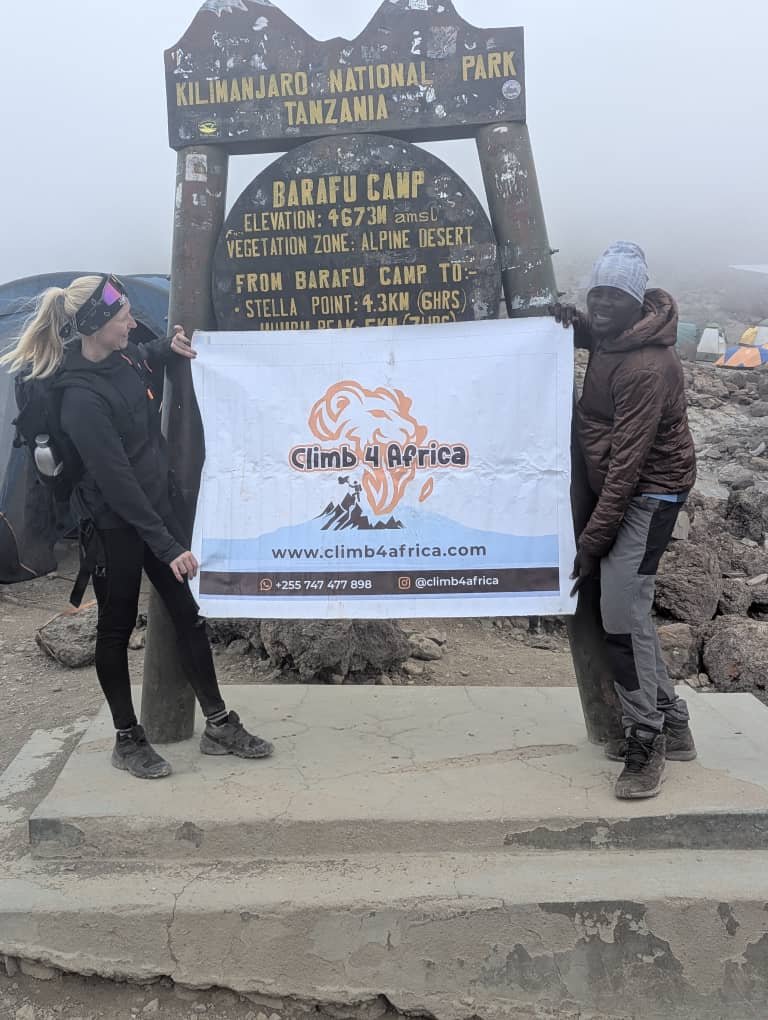
Kilimanjaro Climbing Dates 5–30 November 2026– All Routes
Kilimanjaro Climbing Dates 5–30 November 2026 – All Routes and Durations.
View package details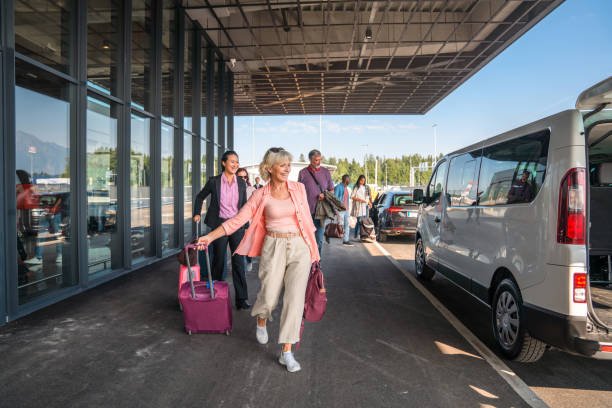
Kilimanjaro Airport To Moshi Transfer Price : A Practical Guide
A practical guide to arranging your transfer from Kilimanjaro International Airport (JRO) to Moshi, covering price factors, vehicle options, and arrival logistics for 2027.
View package details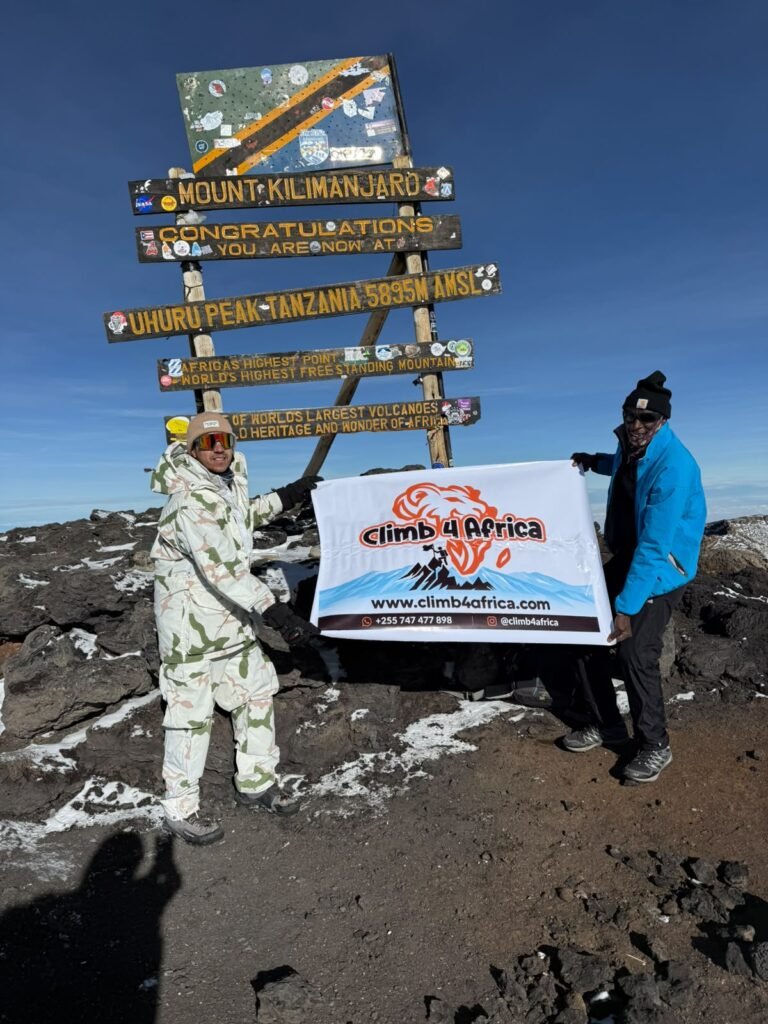
7 Days Rongai Route Kilimanjaro Group Joining – 26 November – 2 December
Experience Kilimanjaro via the Rongai Route with a confirmed group departure for 26 November–2 December 2026. Read a practical, day-by-day plan focusing on route pacing, acclimatization...
View package details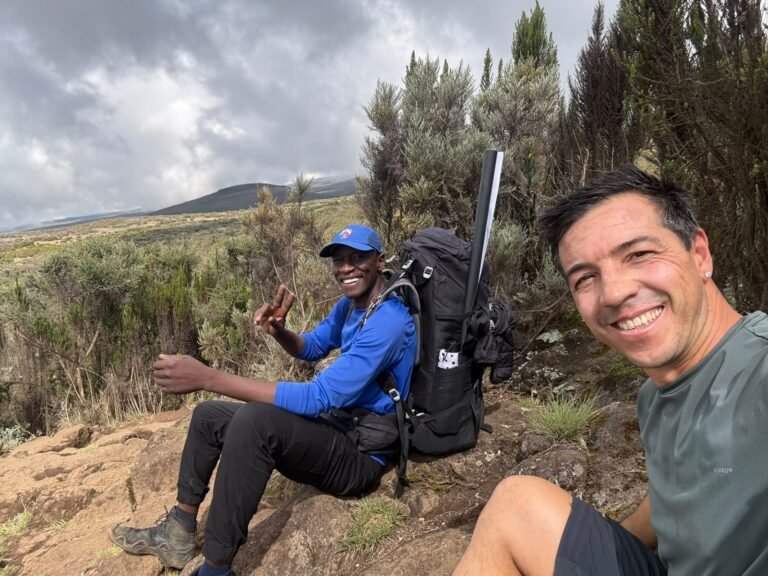
7 Days Machame Route Kilimanjaro Group Joining – 27 November – 3 December
7 Days Machame Route Kilimanjaro Group Joining – 27 November – 3 December 2026.
View package details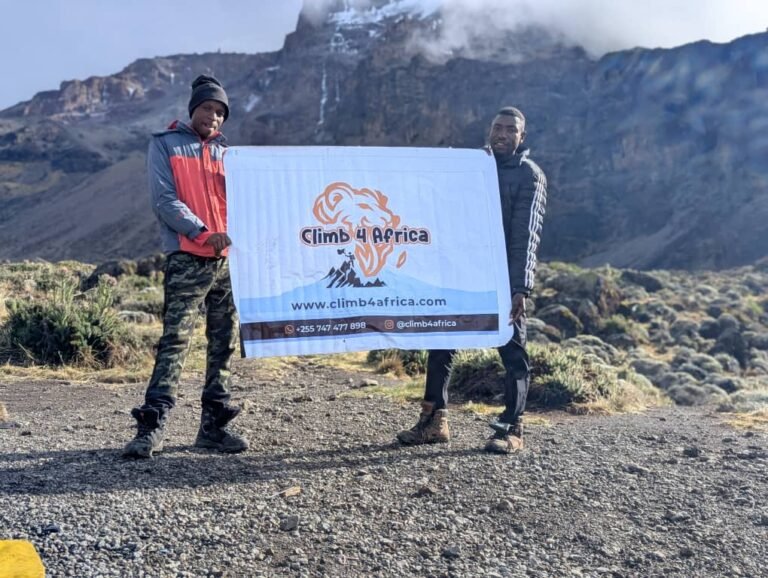
8 Days Lemosho Route Kilimanjaro Group Joining – 27 November – 4 December
8 Days Lemosho Route Kilimanjaro Group Joining – 27 November – 4 December 2026.
View package details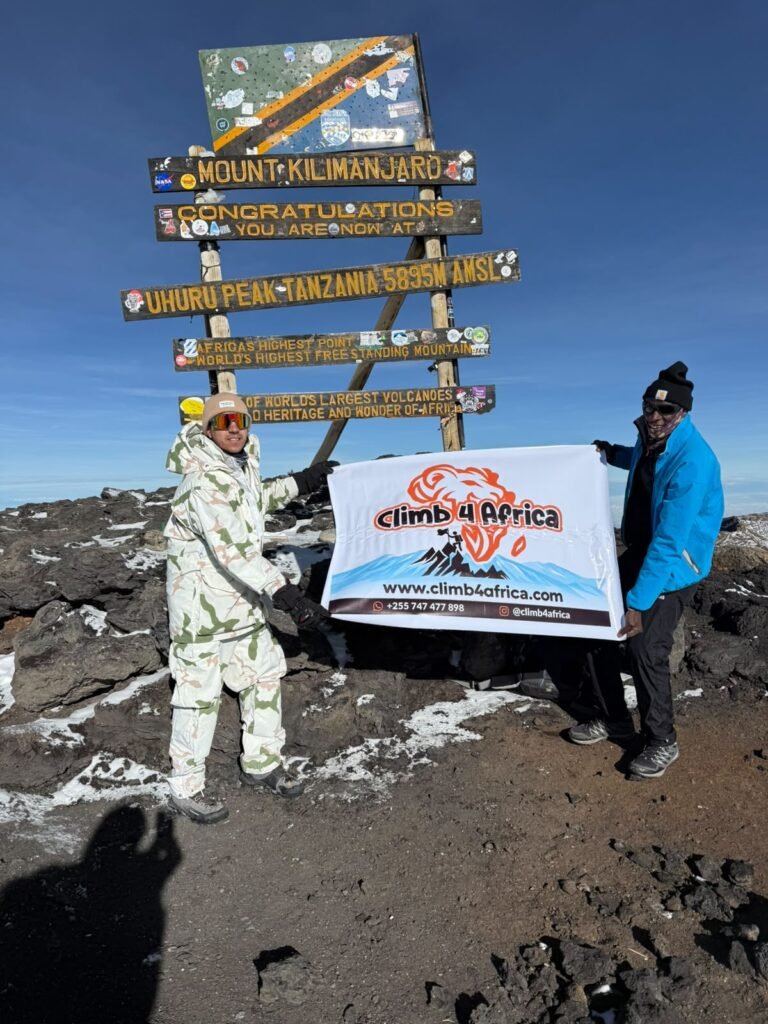
7 Days Machame Kilimanjaro Group Joining – 14–20 November
Join a confirmed 7-day Machame Route Kilimanjaro climb with a small group, departing 14–20 November 2026. Plan, acclimatise and summit with practical logistics and local support.
View package details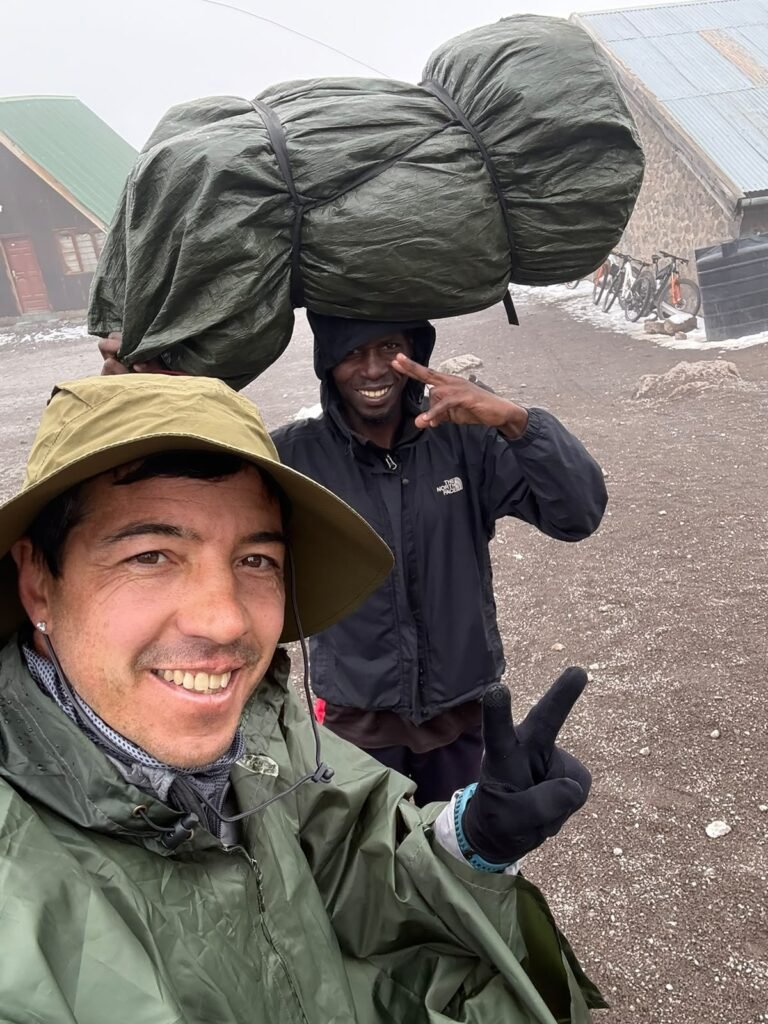
8 Days Lemosho Route Kilimanjaro Group Joining – 7–14 November 2026
Plan an 8-day Lemosho climb on Kilimanjaro with a verified group joining window of 7–14 November 2026. This first installment breaks down the day-by-day itinerary, acclimatisation logic...
View package details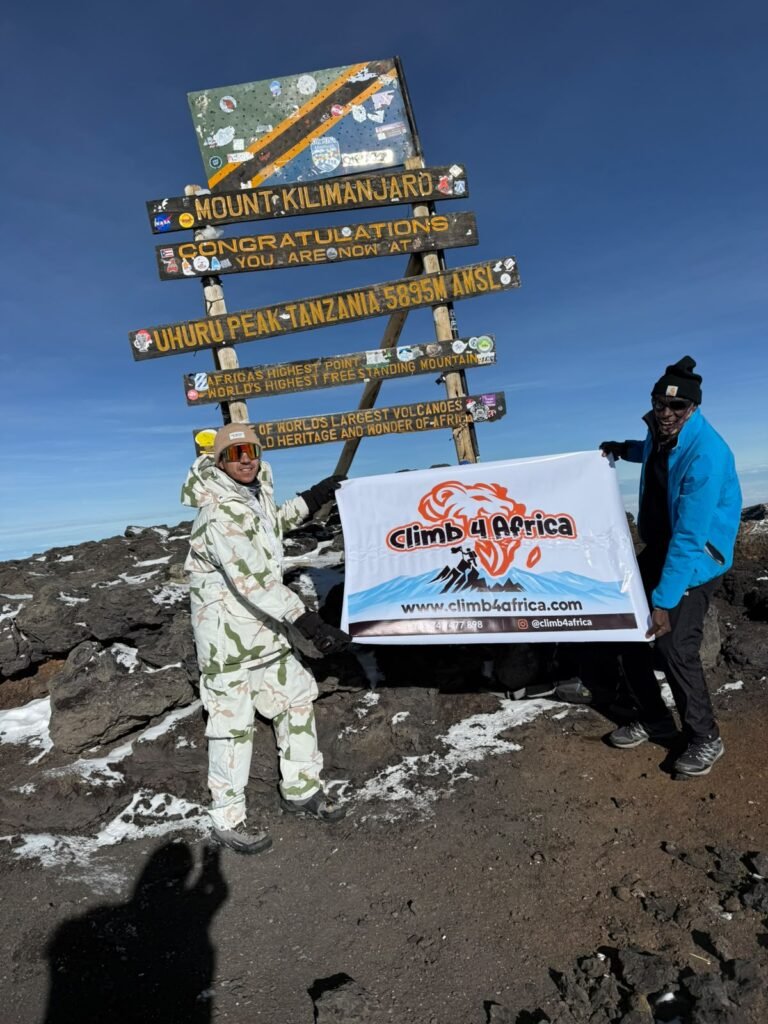
9 Days Northern Circuit Kilimanjaro Group Joining – 17–25 November
9 Days Northern Circuit Kilimanjaro Group Joining – 17–25 November 2026.
View package details6 Days Marangu Route Kilimanjaro Group Joining – 20–25 November
Bookable 6 days on the Marangu route with a verified group departure 20–25 November 2026. Day-by-day itinerary, acclimatization plan, hut-style accommodations, and how to request a...
View package details
8 Days Lemosho Route Kilimanjaro Group Joining – 18–25 November 2026
8 Days Lemosho Route Kilimanjaro Group Joining – 18–25 November 2026.
View package detailsNo related package matches those filters. Clear one or more filters to see the other topic-matched options.



