
Kilimanjaro group trekking from Moshi on 19–25 November 2026 follows a standard high‑altitude trekking format: a gradual ascent via a chosen route (commonly Machame or Lemosho), acclimatization days, overnight stays in camping or huts, and a summit push on one of the higher nights with a safe descent back to Moshi or your drop‑off point. You will receive a guided climb with a local trek crew, porter support, meals, and park fees, with group sizes curated to balance fellow climbers and personal support. Availability and exact route depend on the confirmed operator schedule; verify with Climb 4 Africa for a real, bookable departure of this specific week.
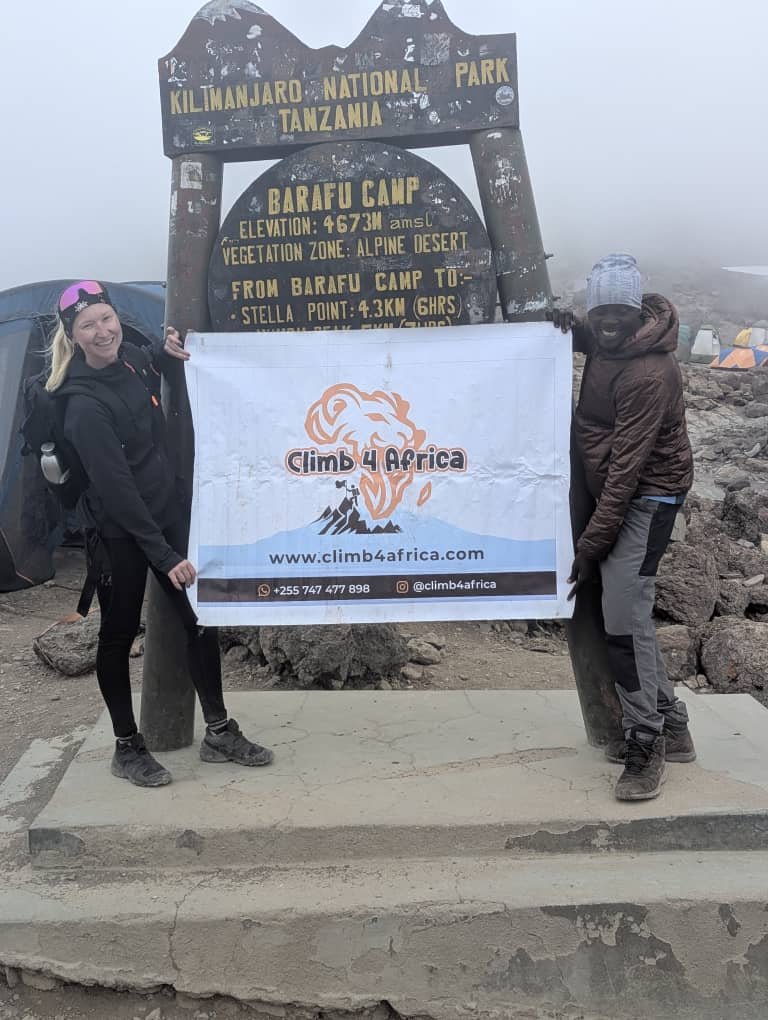
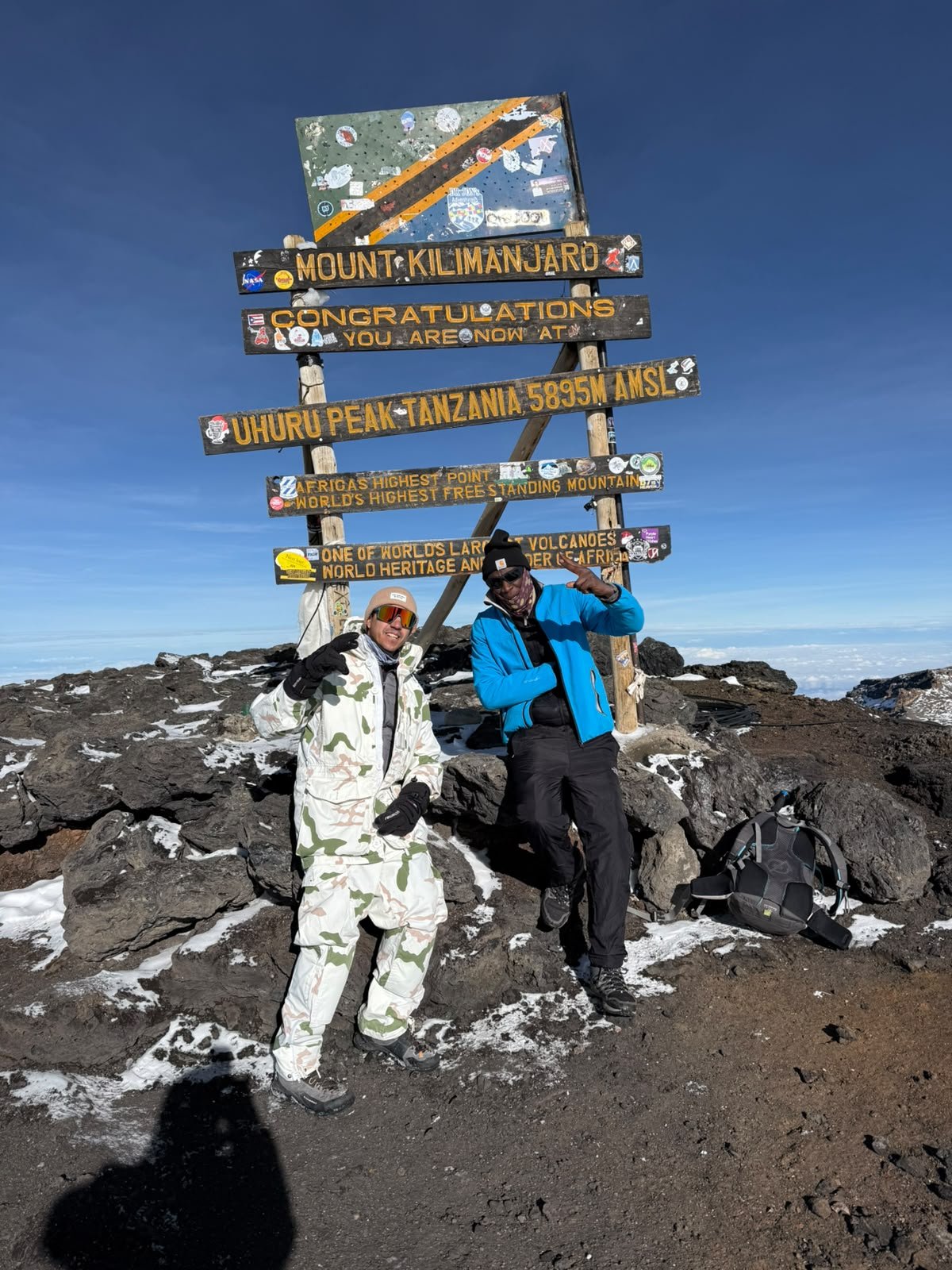
Planning a Kilimanjaro group ascent from Moshi requires balancing timing, route choice, and what you want to gain from the experience. This article outlines how to approach a 19–25 November 2026 departure, what a typical week looks like, and the practical steps to secure a verified group slot with Climb 4 Africa without overpromising on dates or prices.
Why climb Kilimanjaro from Moshi in late November?
November sits just after the short dry season peak and before the long rains. It often offers clear trekking days with good visibility, modest crowds compared with peak holiday windows, and a practical setup for group logistics from Moshi, the gateway town to Kilimanjaro. For a group ascent, Moshi provides easy pre‑hike briefings, gear checks, and the chance to acclimatize with optional tours around Moshi or nearby Arusha before/after the climb.
Route options you’ll likely encounter on a 19–25 November group departure
Group departures usually feature the common Kilimanjaro routes chosen for balance of acclimatization, success rates, and logistical simplicity. The two most typical profiles are:
- Machame (the Whiskey Route): a scenic, slightly demanding circuit with strong acclimatization potential when paced well. It blends forest approaches, moorland, and alpine scenery, often finishing with a longer summit push over two nights.
- Lemosho: a longer, more gradual approach that offers ample acclimatization time and varied terrain, typically with a higher chance of a comfortable summit push for first‑time climbers who want to reduce exhaustion risk.
Exact route assignment for your specific 19–25 November departure depends on the verified schedule and group composition. A local Tanzania operator will confirm a single route or a hybrid plan that suits the group’s fitness levels and acclimatization needs.
What’s included in a typical Kilimanjaro group climb with Climb 4 Africa?
While exact inclusions differ by itinerary, you can expect a standard package to cover:
- Experienced local guides and support crew with route knowledge and safety protocols
- Porter support for personal gear
- All meals during the trek (breakfast, lunch, dinner, plus snacks)
- First aid, emergency communication, and oxygen on hand where appropriate
- Park entrance fees, rescue fees, and permits
- Pre‑departure briefing and gear checks in Moshi
What’s typically not included: international flights, airport transfers outside Moshi, personal gear rental not listed, and optional pre/post‑trek activities. Always check the exact inclusions on your confirmed booking to avoid surprises.
What you should know before you commit
Group trekking on Kilimanjaro blends camaraderie with a shared schedule. Key decisions include route choice, group size, and how you pace acclimatization. If you are new to high‑altitude trekking, a longer route with an extra acclimatization day can improve comfort and finish rate. If you’re confident climber, a shorter but steeper profile may suit you. The critical reality: altitude is unpredictable, and schedules hinge on weather, health, and group dynamics. Secure a verified schedule with Climb 4 Africa to ensure you’re booking a real 19–25 November departure with a clear plan.
Sample planning timeline for a Moshi start
Assuming a standard Moshi base and a typical 5–6 day trek, a practical week looks like this (subject to route and verified schedule):
- Day 1: Fly into Kilimanjaro region, transfer to Moshi, briefing, gear check, cultural or acclimatization walk
- Day 2–4: Trek according to route, acclimatization days included if possible
- Day 5: Summit attempt (targeting a pre‑dawn start) followed by the descent to the park gate
- Day 6: Transfer back to Moshi, hot shower, celebration, and optional short local activities
How to verify and book a 19–25 November 2026 group departure
To avoid gaps, contact Climb 4 Africa directly for a confirmed schedule. Ask for the Kilimanjaro group joining option that aligns with 19–25 November, 2026, specifying your preferred route (Machame or Lemosho), fitness level, and any gear needs. Request a written itinerary, inclusions, and a breakdown of any optional extras. If a live slot isn’t visible yet, request a verified schedule and be prepared with flexible travel dates around those exact days to maximize your chances of securing a group space.
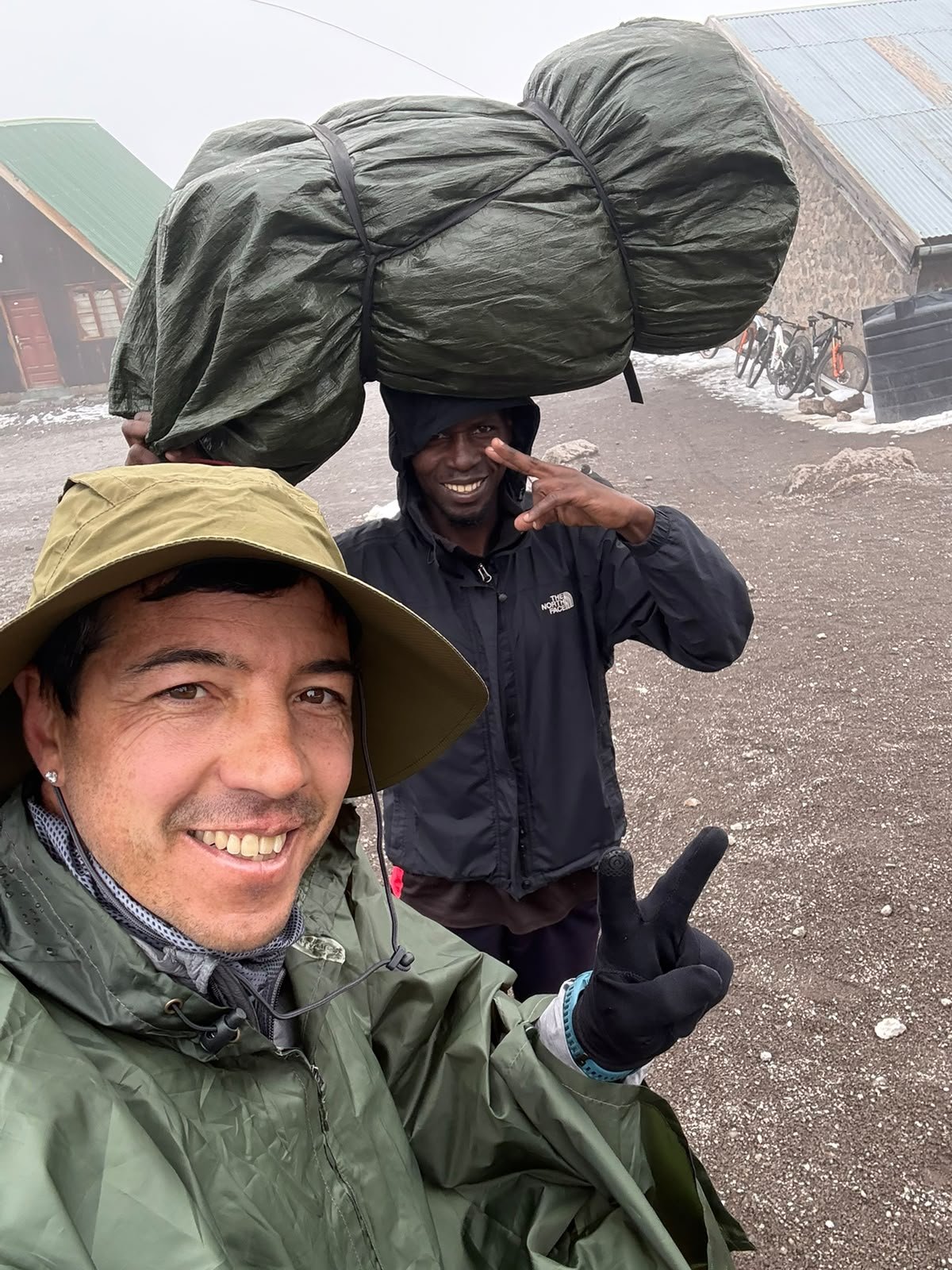
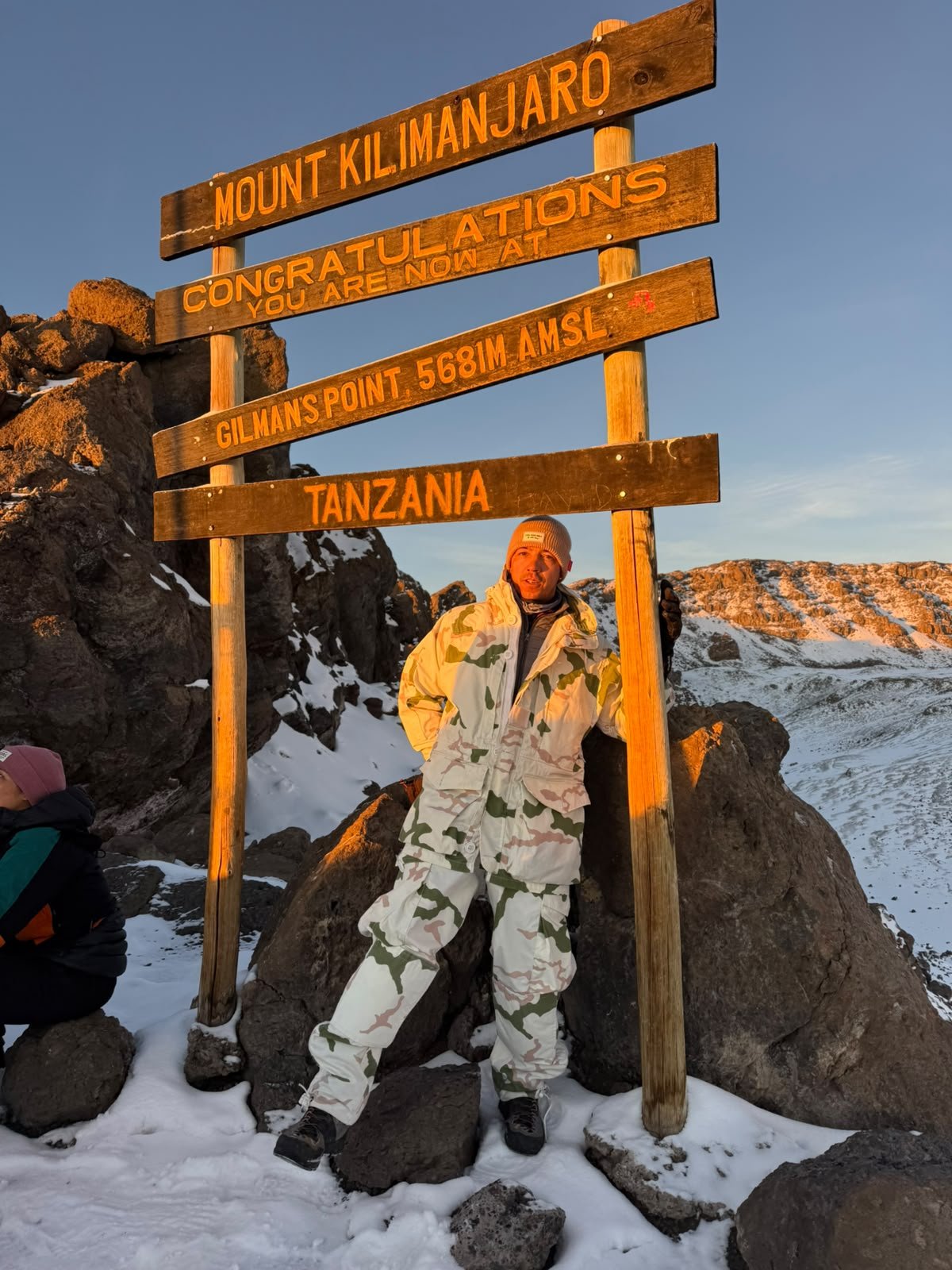
Practical packing and preparation tips
Pack for variable conditions: base layers for cool to cold nights, a reliable waterproof shell, sturdy trek boots, headlamp with extra batteries, and a compact sleeping bag rated for cold nights if you’re camping. Altitude can affect appetite and sleep; carry light snacks, electrolyte drinks, and a small personal first aid kit. Check gear lists provided by Climb 4 Africa well before departure to avoid last‑minute purchases.
What to do after the trek
Many climbers use Moshi as a base to unwind—coffee tastings, a stroll in the market, a day trip to Materuni waterfalls, or a short safari extension. If you have a tight schedule, plan a relaxed rest day in Moshi or a quick transfer to Arusha for further exploration. Confirm any post‑trek arrangements with your
Making the most of a Moshi start: practical considerations for the 19–25 November window
Beyond route choice and acclimatization pacing, the 19–25 November departures invite careful attention to how the group operates in Moshi itself. This is the moment to align expectations about pre‑trek orientation, equipment checks, and the social dynamics that shape a successful shared ascent. A practical approach is to treat the Moshi briefing as your first conditioning session: use it to verify your personal pace, understand how the crew manages task distribution, and confirm any last‑minute gear adjustments before leaving town.
Several preparatory details can materially influence comfort on the mountain. First, ensure your sleeping setup matches the chosen accommodation type that will host the pre‑trek briefing or overnight stay. If the itinerary includes a night in a basic lodge before transfer to the trailhead, verify bedding warmth, room temperature expectations, and proximity to the dining area where group meals are coordinated. If the plan shifts toward a hotel near Moshi town or the gate area, map out walking times, safe routes, and the availability of a quick pre‑hike coffee or energy snack run in the morning. These logistics may seem minor, but they directly impact how rested you are when the alarms sound for the summit push.
Communication with your fellow climbers is another practical lever. Group dynamics can be smoother when climbers share a familiar baseline—how you prefer to pace, when you like to snack, and whether you favor short, frequent breaks or longer, steadier stretches. If your operator provides a WhatsApp or email thread for the Moshi cohort, use it to exchange notes on any medical considerations, dietary restrictions, or equipment quirks (for example, boot fit or sleeping bag comfort). Early, light coordination reduces the risk of last‑minute confusion amid the bustle of gear check and park procedures at the start of the trek.
From a safety and acclimatization perspective, you’ll want to confirm how the group handles surge days and optional acclimatization as the schedule unfolds. Operators sometimes maintain a flexible buffer so that anyone struggling with altitude can opt for a gentler extension of rest days or a slower ascent profile without disrupting the core group. If you anticipate needing more acclimatization time, flag this in the booking notes and request a route option known for stronger acclimatization potential, such as a longer Lemosho iteration that weaves gradual elevation gain with extended day lengths to support bodily adjustments.
Finally, the November window is a moment when local services around Moshi are well prepared for trekkers but can still reflect seasonal variability. Have a small contingency fund or credit arrangement ready for small, one‑off purchases—extra snacks, spares for small gear failures, or a taxi ride if weather or late arrivals affect your transfer plan. A modest financial cushion helps mitigate stress if any small disruption arises, keeping your focus on the mountain rather than logistics.
In short, the Moshi pre‑trek phase in the 19–25 November period is a microcosm of the entire expedition: attention to pace, clear communication, and proactive planning translate into steadier progress on the trail, more reliable acclimatization, and a greater chance of finishing with peak performance. If you approach this week with concrete reminders—gear readiness, route intent, and a readiness to adapt within the group schedule—you’ll set a foundation for a smoother, more rewarding Kilimanjaro climb.
Finding the right balance: acclimatization pacing and group dynamics in the 19–25 November Moshi window
Beyond the obvious considerations of route choice and pre‑trek orientation, a less visible but equally critical factor in a successful Kilimanjaro ascent is how a group negotiates acclimatization as a collective. For a 19–25 November departure, the timing sits in a sweet spot where the dry season is waning but not yet interrupted by heavy rains. That window can support solid visibility and stable trail conditions, yet individual physiology varies widely. The challenge for a group climbing from Moshi is to harmonize personal acclimatization timelines with shared daily pacing without mutating the plan into a rigid, one-size-fits-all schedule.
To optimize this balance, consider three interconnected levers of group dynamics: pacing autonomy, buffer days, and the visibility of acclimatization data. First, pacing autonomy means acknowledging that each climber will have a threshold for altitude gain that differs from the group average. Operators who allow a formalized “slow track” option on必the ascent—whether by adopting a longer route variant, extending rest days, or adjusting summit push timing—tend to preserve morale and reduce disposable fatigue. If a climber feels the early days are too rapid, a clearly communicated plan for an extra acclimatization day or a shorter daily distance can avert a late‑stage slowdown that unsettles the entire group.
Second, buffer days are the quiet backbone of successful climbs. In Moshi, these days can serve dual purposes: additional rest and a practical test of bodily responses to altitude through controlled, shorter day hikes or acclimatization walks near elevation thresholds. A week‑long schedule that includes one or two optional buffers can practically reduce the risk of a forced rest day at higher elevations, which often carries logistical ripples—hotels, meals, and permit timing—throughout the itinerary. If your operator frames these as optional, clearly marking who is opting in or out helps maintain group cohesion while honoring individual limits.
Third, the transparency of acclimatization data—pulse, resting heart rate, sleep quality, and appetite—both in the lead‑up and during the trek, is surprisingly undervalued in many group formats. A simple shared log (physical or digital) where climbers note how they feel each morning can illuminate subtle patterns that a single climber might miss. For example, if several participants report improved sleep after a particular altitude threshold or a dip in appetite that stabilizes after a rest day, adjusting the day’s pacing for the entire group becomes a rational, evidence‑based decision rather than a discretionary hunch. This practice also reinforces the social contract of the climb: the group acts with empathy and shared responsibility for each other’s well‑being.
In practical terms, a Moshi‑based briefing before departure should explicitly address acclimatization expectations as a collaborative agreement. Coaches or guides can present a couple of clearly labeled pacing options for each day—for instance, a standard pace and a gentler tempo—with estimated altitude gains and the rest hours linked to those gains. Emphasize that modifying pace is not a weakness but a prudent choice for safeguarding the summit‑day potential. Then, during the trek, encourage open dialogue about fatigue, hunger cues, and sleep. A short, daily debrief—without turning into an evaluative session—helps the group adjust the next day’s plan without friction or guilt.
Finally, small, practical details matter. Ensure the group has a reliable means of rapid communication—whether a satellite messenger or a centralized WhatsApp thread—so that last‑minute adjustments can be communicated calmly and efficiently. Pack light, energy‑dense snacks that support quick energy replenishment after a big day, and designate a couple of “wellness scouts” whose job is to monitor signs of altitude stress in the first hours after waking and before beginning ascent. When the group structure respects both personal limits and shared responsibilities, the Moshi start becomes not only a logistical entry point but a collaborative culture that sustains climbers through the most demanding segments of the ascent.
In sum, the 19–25 November window offers a meaningful opportunity to design acclimatization pacing as a deliberate, group‑quality decision. By balancing individual autonomy with thoughtful buffers and transparent altitude data, climbers from Moshi can preserve the social energy of the expedition, reduce preventable distress, and maximize the chances of a successful summit without compromising the personal experience of each participant.
Managing group pace and individual limits: a practical approach for the Moshi start
One of the most tangible gaps readers sometimes encounter in a Moshi-based Kilimanjaro climb is a clear framework for translating a group-identified pacing model into daily, on-trail behavior that respects both individual health markers and collective momentum. For a 19–25 November departure, the emphasis should be on explicit, documented pacing anchors that a guide can reference each morning and that climbers can monitor for themselves. This section offers a concrete, field-ready approach that operators and climbers can adopt without altering the core route or the overall acclimatization arc.
Begin with a single, shared daily altitude target that accommodates the slowest acclimatizing group member without forcing others into unnecessary delays. For example, on a Machame-start itinerary, a common safe daily ascent might aim for roughly 350–450 meters of elevation gain before a mid‑day break, followed by a modest second push to the next campsite if the group is feeling strong. If fatigue, headaches, or sleep disruption become noticeable across several climbers, the guide can invoke a voluntary “pause‑and‑reassess” window, replacing the next push with a complete rest period or a shorter ascent accompanied by extra hydration and snacks. The key is to formalize this as a routine, not as a deviation from the plan.
To translate theory into practice, implement three parallel daily tracks that are easy to communicate and equally easy to monitor: a standard pace, a gentle pace, and a slower pace. Each track should come with clearly labeled altitude ranges, estimated time on trail, and a set of decision points (for example, “if three climbers report persistent dizziness by 10:00, switch to the gentle pace and target the next camp by mid‑afternoon”). When the group relocates from one camp to the next, the guide should summarize the day’s data aloud—sleep quality the prior night, appetite, and any headaches—to reinforce that pacing decisions are evidence-based rather than opinion-based. This transparency helps reduce anxiety and fosters a sense of shared responsibility for the summit attempt.
Equally important is a robust, low-cost signaling system within the group. A compact, solar-powered or hand-crank satellite messenger can provide real-time altitude and health flags, while a central WhatsApp thread or similar service keeps everyone informed of planned adjustments. The social contract here is simple: if a climber feels they cannot maintain the group pace safely, they have a clear, stigma-free pathway to opt for a slower option or to rest without jeopardizing the rest of the team. In practice, this reduces friction and keeps morale high during tougher sections of the route.
Finally, cultivate a culture of proactive symptom reporting that precedes dramatic changes in pace. Encourage climbers to record a few plainspoken indicators each morning—sleep quality, energy level, appetite, and any recurring altitude symptoms—on a shared log that the guide reviews before departure. When the group collectively acts on these signals, you create a dynamic where adjustments are predictable, collaborative, and protective rather than reactive and panic-driven. This approach aligns with the long‑established wisdom of Kilimanjaro trekking: acclimatization is a group process as much as an individual journey.
A practical checklist for daily group pacing in the Moshi window
- Agree on three pace tracks (standard, gentle, slow) before the climb begins and keep them visible on a shared board in the briefing area.
- Establish a daily altitude badge at the day’s start (e.g., target altitude by 10:00, rest at midday, resume after a 1–1.5 hour lunch break) and document any deviations.
- Use a simple symptom log (sleep, appetite, headaches, dizziness) that each climber updates every morning.
- Equip the group with a reliable communication channel (satellite messenger plus a central group chat) for real-time updates or last-minute changes.
- Designate wellness scouts to monitor early signs of altitude stress in the first hours after waking, reporting to the guide for immediate action if necessary.
Adopting this structured yet flexible approach helps preserve the social fabric of the Moshi start while maintaining a high likelihood of successful acclimatization and a safe summit. It also minimizes the risk of last-minute, blanket pace changes that can unsettle the group. By framing pace as a shared, data-informed decision rather than a top-down directive, climbers feel empowered to look after themselves and each other—an essential dynamic for any Kilimanjaro expedition with a mixed fitness profile.
Related Guides and Packages
Check Availability for Kilimanjaro Group Trekking From Moshi – 19–25 November
Ready to compare dates, prices, and the best option for your group? Send the package name and travel month so the team can reply with a clear quote, availability, and what is included.
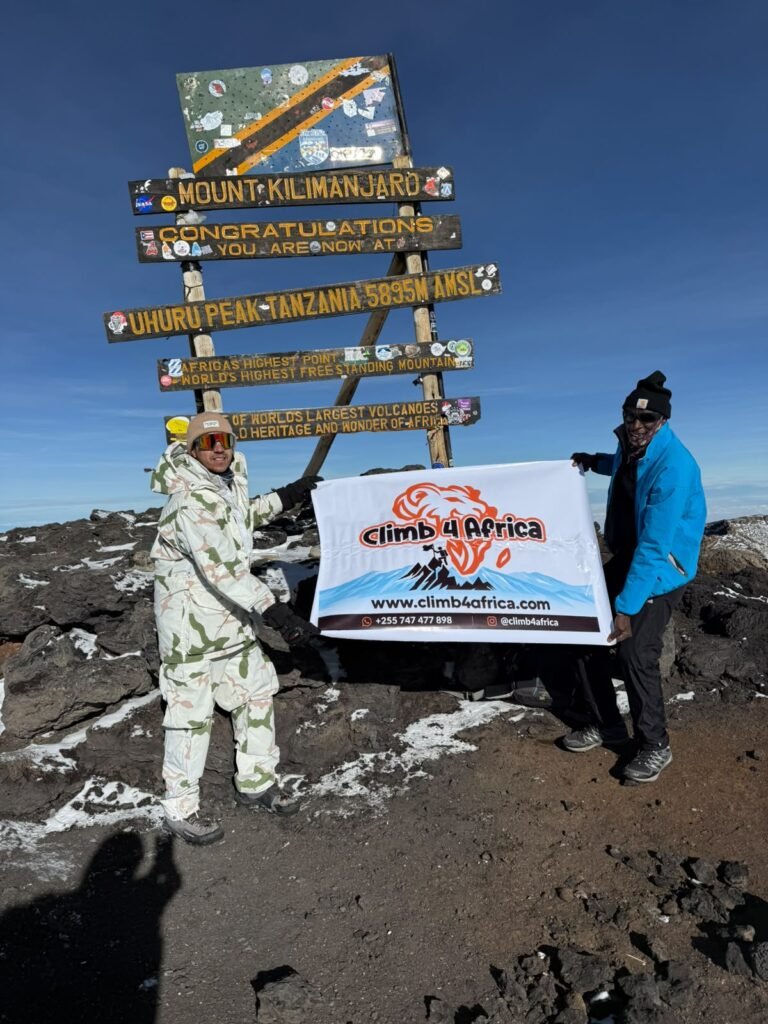
7 Days Rongai Route Kilimanjaro Group Joining – 26 November – 2 December
Experience Kilimanjaro via the Rongai Route with a confirmed group departure for 26 November–2 December 2026. Read a practical, day-by-day plan focusing on route pacing, acclimatization...
View package details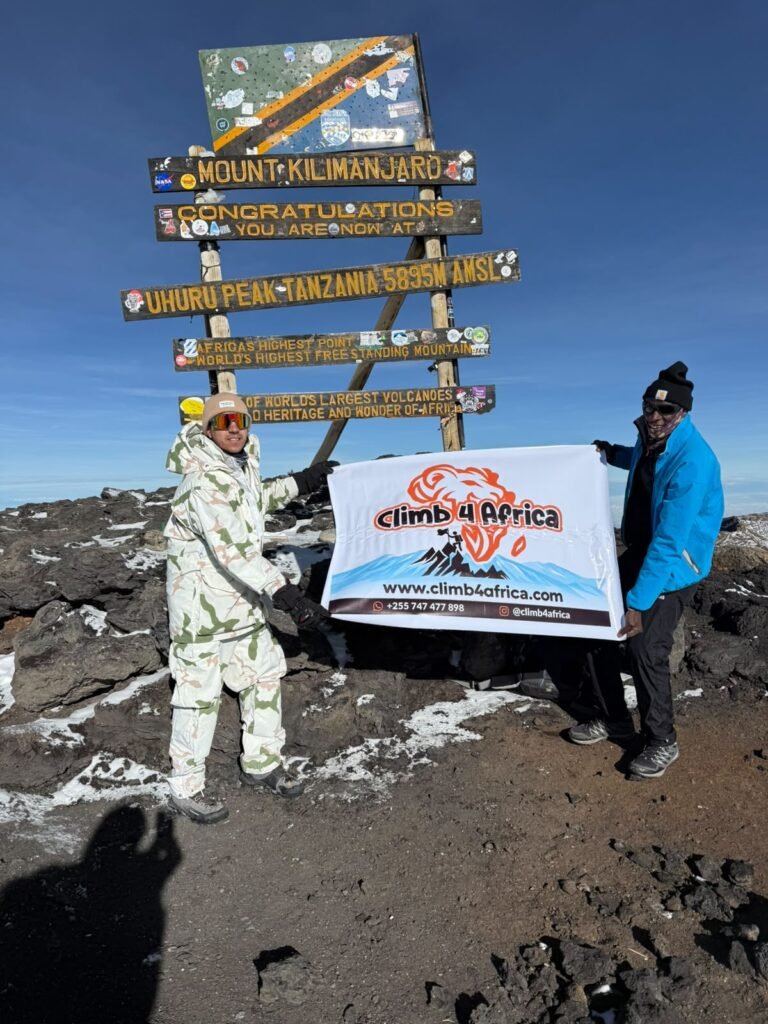
7 Days Machame Kilimanjaro Group Joining – 14–20 November
Join a confirmed 7-day Machame Route Kilimanjaro climb with a small group, departing 14–20 November 2026. Plan, acclimatise and summit with practical logistics and local support.
View package details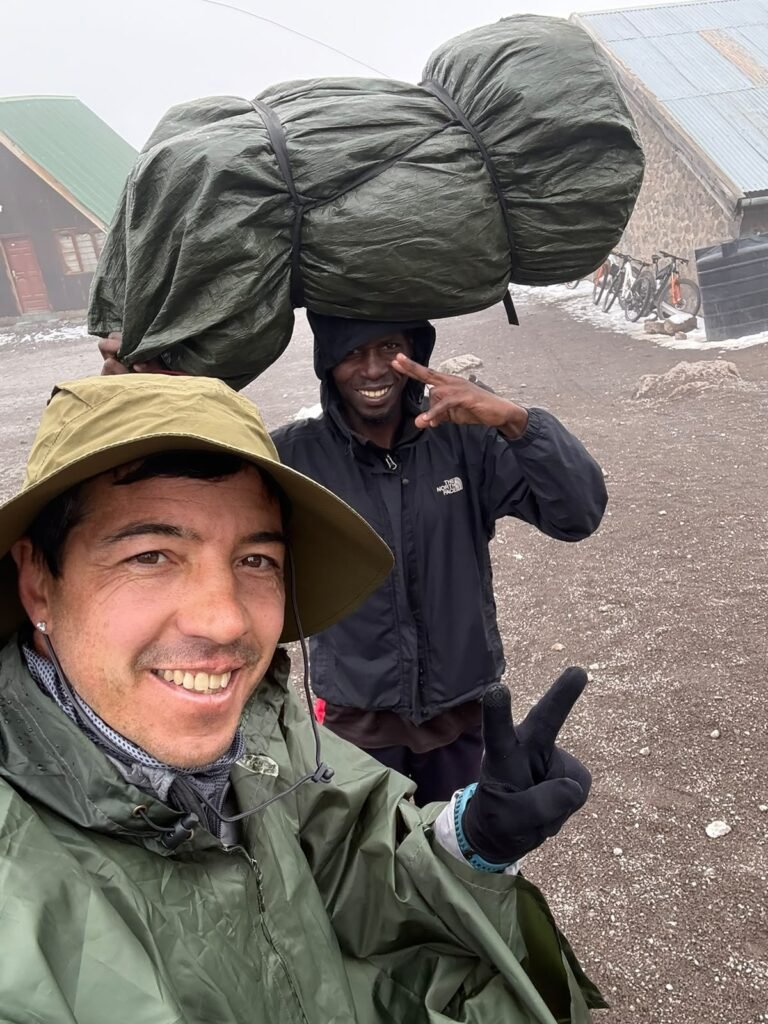
8 Days Lemosho Route Kilimanjaro Group Joining – 7–14 November 2026
Plan an 8-day Lemosho climb on Kilimanjaro with a verified group joining window of 7–14 November 2026. This first installment breaks down the day-by-day itinerary, acclimatisation logic...
View package details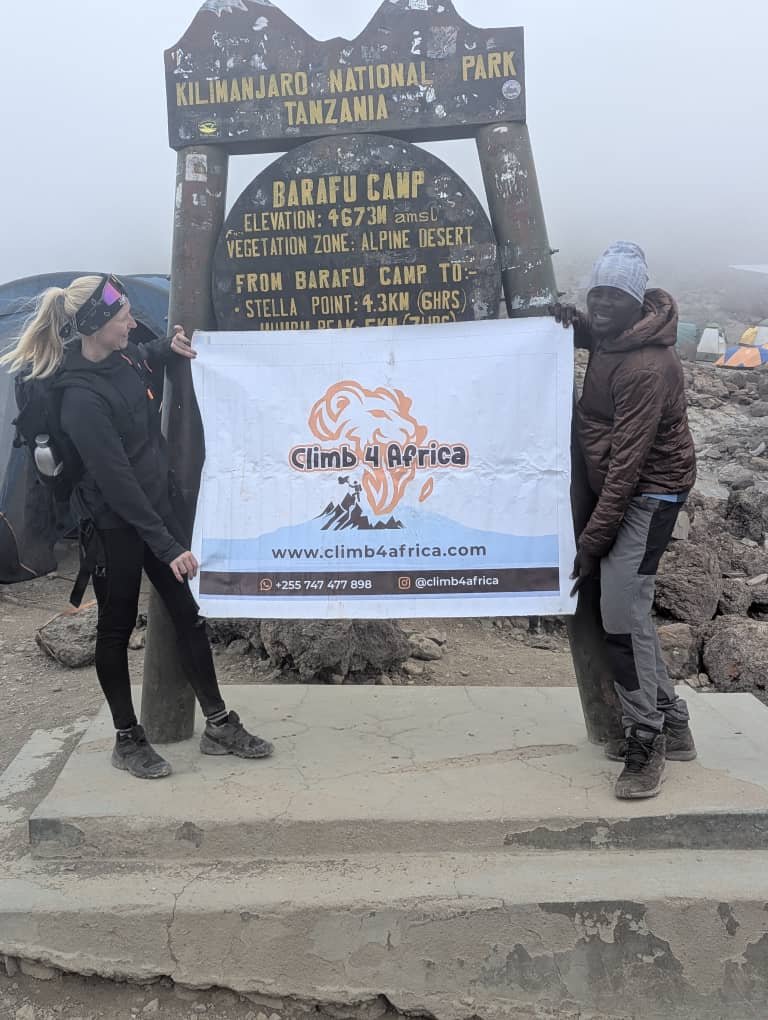
6 Days Marangu Route Kilimanjaro Group Joining – 20–25 November
Bookable 6 days on the Marangu route with a verified group departure 20–25 November 2026. Day-by-day itinerary, acclimatization plan, hut-style accommodations, and how to request a...
View package details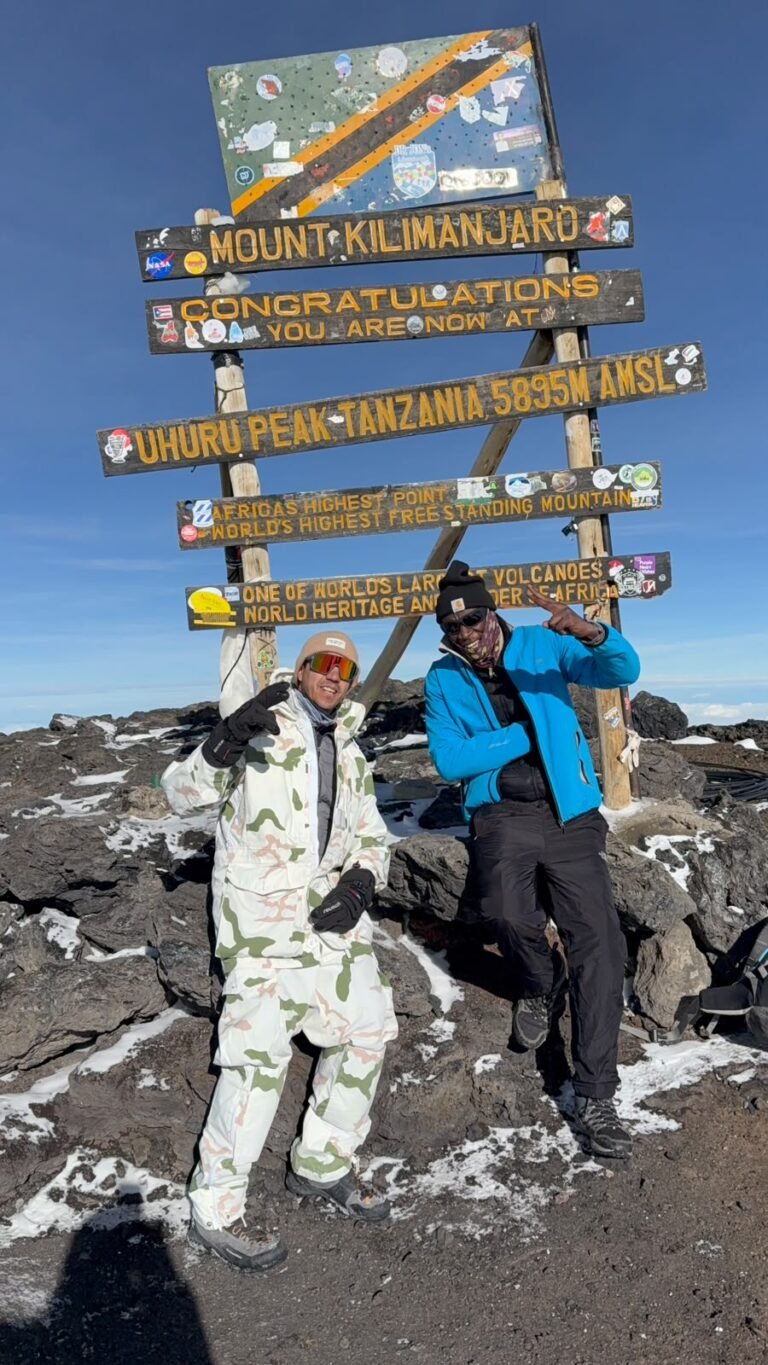
Kilimanjaro Solo Traveller Group Climb – 18–25 November 2026
Kilimanjaro Solo Traveller Group Climb – 18–25 November 2026.
View package details
8 Days Lemosho Kilimanjaro Group Joining: 18–25 November 2026
Plan an 8-day Lemosho Kilimanjaro climb with a shared group from 18–25 November 2026. Learn the route, day-by-day logistics, and what a booked package typically includes.
View package details
Climb Kilimanjaro In 20 November 2026 : Join A Shared Group
Plan a Kilimanjaro ascent on 20 November 2026 with Climb 4 Africa. Learn how shared-group departures work, how to request a verified schedule, and what to consider for a safe, rewarding...
View package details
Climb Kilimanjaro In 13-November-2026, Join Small Group
Climb Kilimanjaro in 13-November-2026, Join Small Group.
View package details
Kilimanjaro Climbing Packages From Moshi – 25–30 November
Practical, no-nonsense guidance for Kilimanjaro climbs from Moshi on 25–30 November 2026. Learn route options, logistics, and how to book with Climb 4 Africa.
View package detailsThanks giving Week Kilimanjaro Trekking, 22–28 November 2026
Plan a Kilimanjaro summit during Thanksgiving week 22–28 November 2026 with practical planning, route considerations, and local support from Climb 4 Africa to maximize safety and enjoyment.
View package details
Kilimanjaro Full Moon Trekking Packages, 17–25 November 2026
Plan a Kilimanjaro Full Moon Trek during 17–25 November 2026 with Climb 4 Africa. Practical route options, packing guidance, and how to secure a spot.
View package details
November Kilimanjaro Lemosho Vs Machame Group Climbing Dates
November 2026 Kilimanjaro Lemosho vs Machame Group Climbing Dates.
View package detailsNo related package matches those filters. Clear one or more filters to see the other topic-matched options.



