
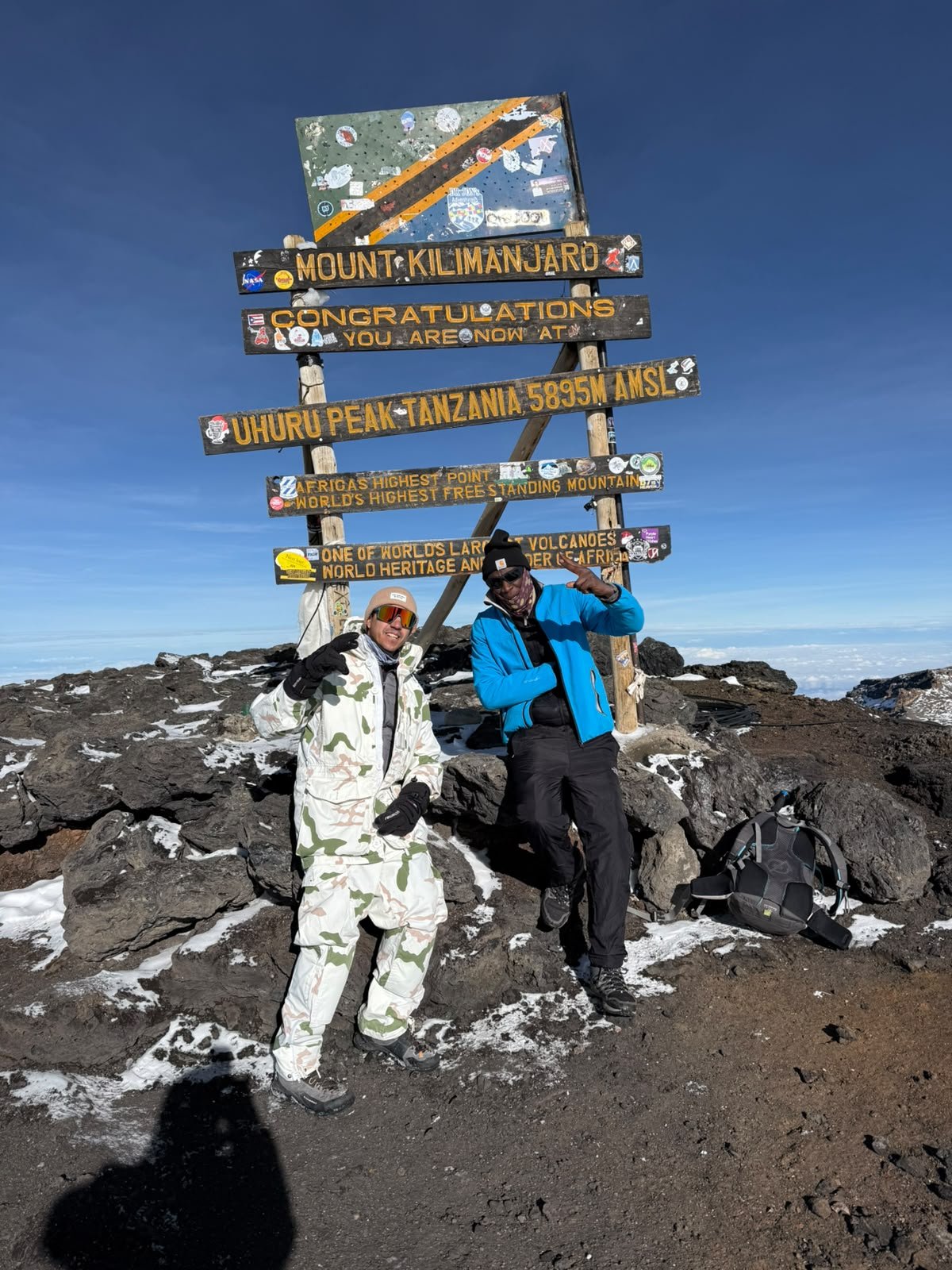
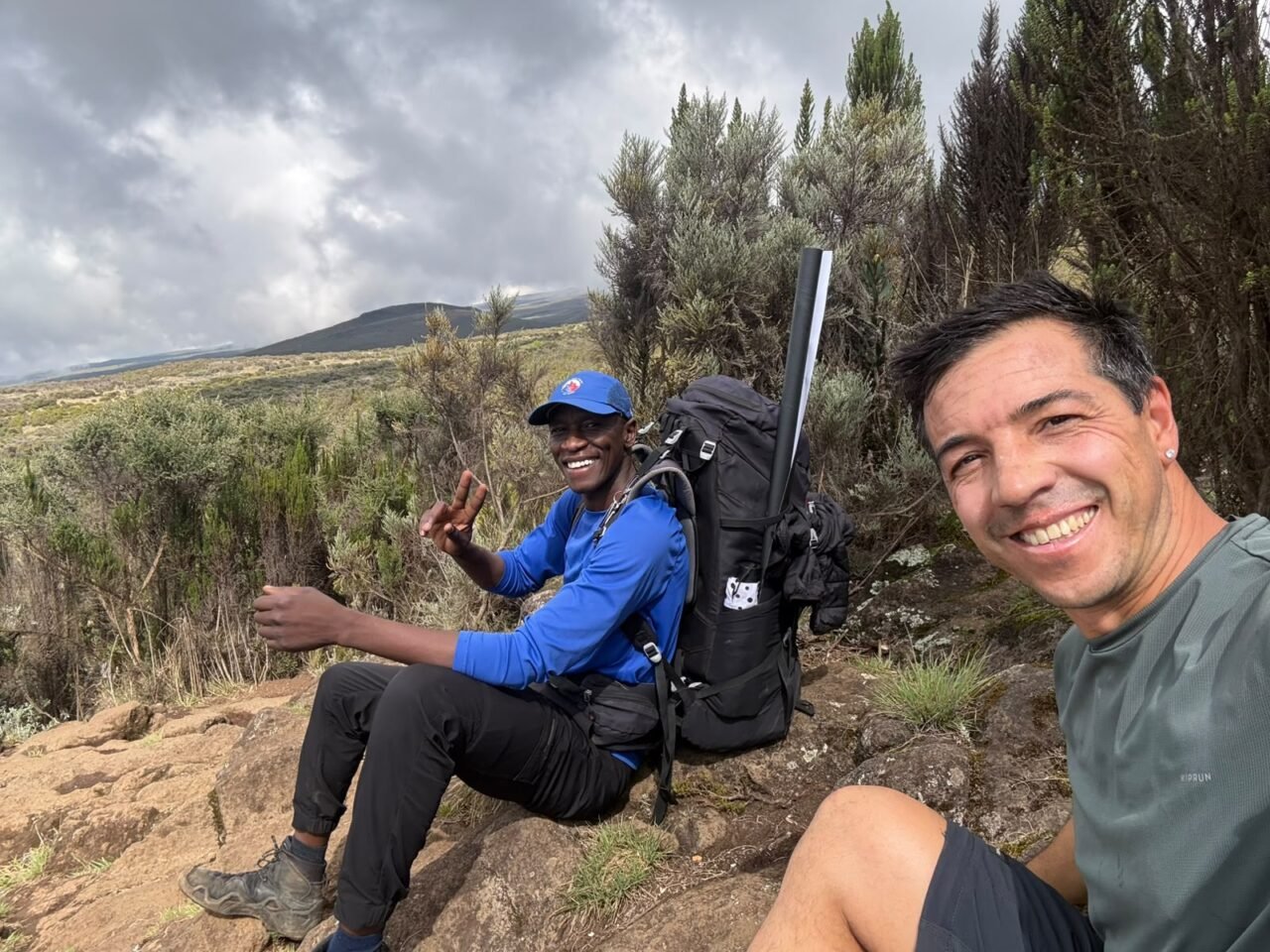
This 7-day Rongai Kilimanjaro Rainy Season Trek from 19–25 November 2026 is a bookable, route-focused ascent. It follows the Rongai route with gradual altitude gain, planned acclimatisation days, and a practical sequence from Moshi gates to the summit and descent, including camp/elevated shelter stops and final summit push timing aligned to weather and daylight. You will carry a daypack for summit day and use fixed camp services where available, with option to upgrade to premium support depending on group size. Availability and exact pricing require current quotation from Climb 4 Africa.
Overview and route logic
The Rongai route approaches Kilimanjaro from the northeast, staying closer to the forested slopes and spending more time at altitude-acclimatising zones before the final summit push. In November, the conditions are influenced by the short wet season: humid mornings, possible drizzle in the higher forests, and cooler evenings at elevation. The plan below is crafted to maximise acclimatisation without sacrificing the essential summit window, while keeping the logistics straightforward for groups based out of Moshi or arusha region suppliers. Climb 4 Africa coordinates guides, porters, and fixed camp support to balance comfort, safety, and value on a fixed seven-day rhythm.
Day-by-day itinerary (distinct, practical sequencing)
Day 1 — Moshi to Rongai Gate and first trekking stage
Start from Moshi with a pre-trek briefing, kit check, and transfer to the Rongai Gate. After permits and briefing, begin the carry-gear portion of the day, aiming for a modest elevation gain and a first camp near the edge of the moorland. Expect gentle forest trails, with time to adjust to higher humidity and thinner air as you acclimatise with light loads. Overnight in a basic camp or on-site shelter depending on the exact route variant.
Day 2 — Forest to Moorland transition
The route climbs through conifer and heath, with a chance to observe birds and small wildlife. Your pace is paced to keep heart rates steady for acclimatisation. A longer midday break allows rehydration and a warm meal, followed by continued ascent to a second camp at higher moorland. The day ends with a cool night, sleeping at altitude with proper insulation and a prepared hot drink to aid sleep.
Day 3 — Acclimatisation push and gradual summit corridor
A shorter day designed to acclimatise: trek to a higher point for a short acclimatisation hike, then return to the camp. This reduces the risk of altitude symptoms while maintaining momentum toward the high camp. You carry only essentials for the night, with rest intervals and hydration emphasis. Evening is a calm, early-to-bed routine to prepare for the next push.
Day 4 — High camp approach
From the mid-elevation camps, the trail ascends toward high camp. The terrain becomes rockier and winds pick up; you’ll see alpine flora and an expanding panoramic view. We ensure meals and hot drinks are available at camp and provide a protective shelter if rain or mist moves in. This is a critical night for sleep quality and hydration strategies.
Day 5 — Summit push
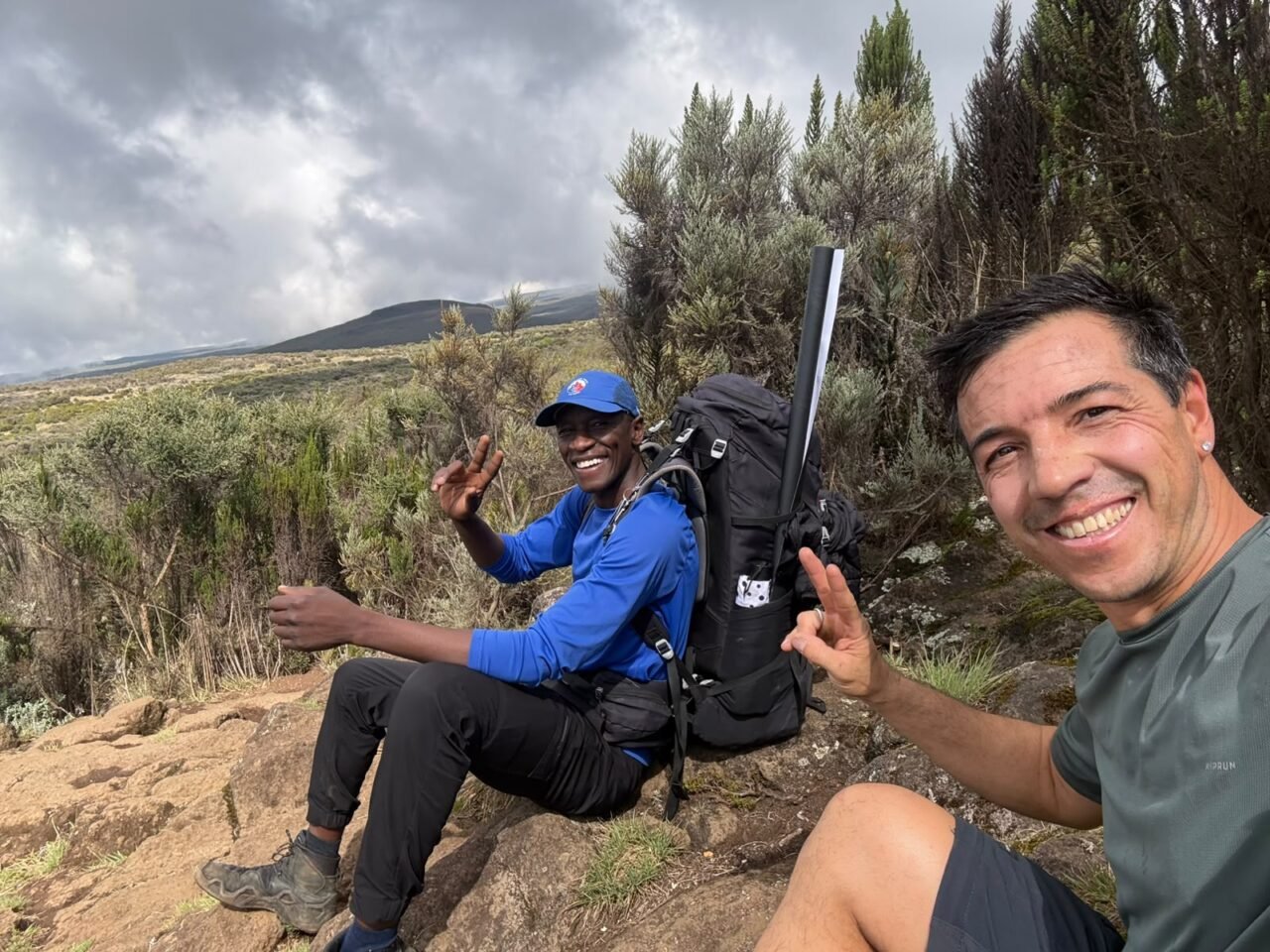
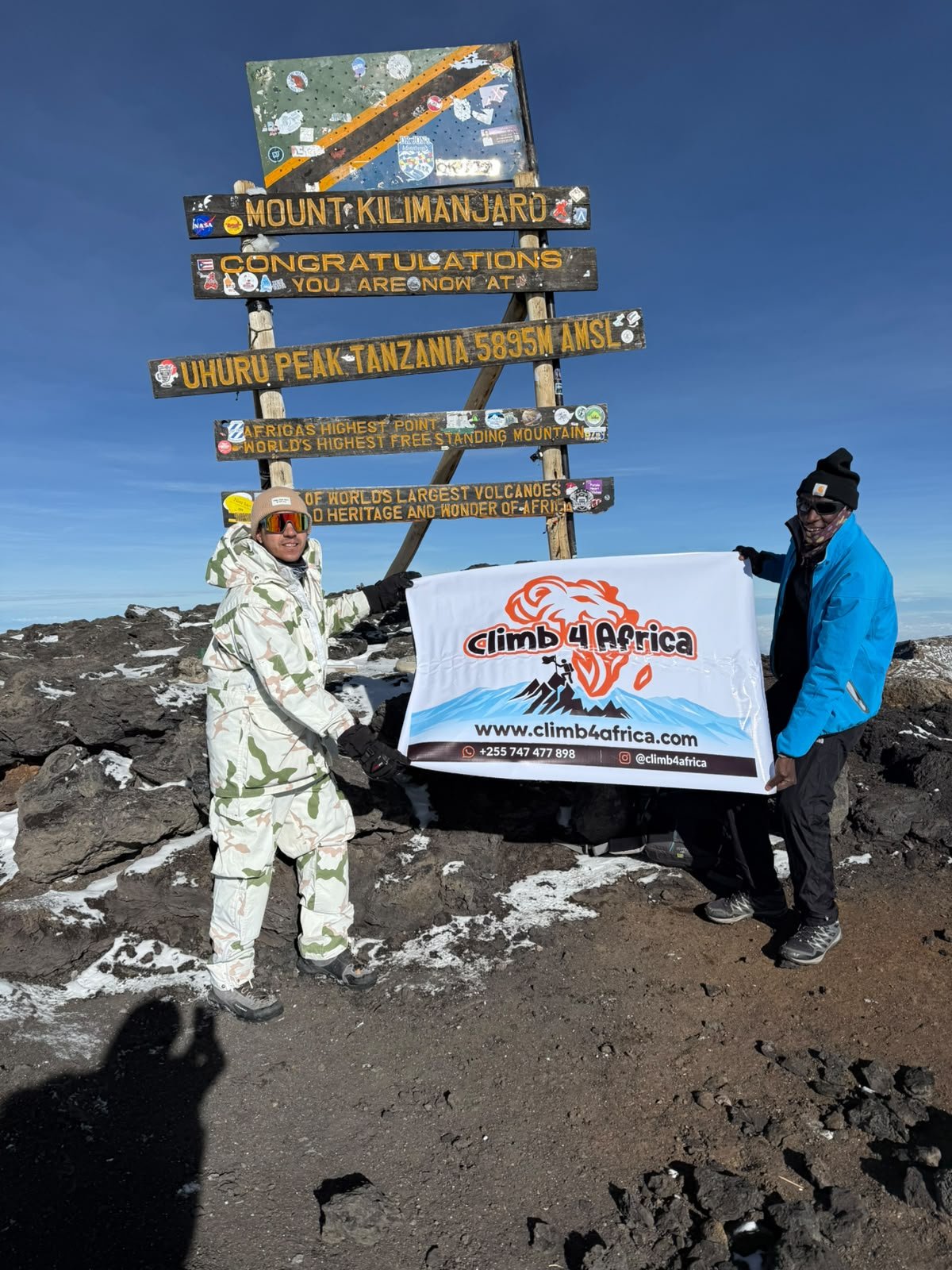
At around pre-dawn, the summit team moves for the final ascent. The route follows a consistent gradient with switchbacks toward the crater rim. Expect a challenging final stretch, where steady breathing, pacing, and rhythm matter more than speed. After the summit moment, descend to a mid-way camp for a restorative night and a nutrient-rich dinner, with medical check-ins and hydration planning carefully managed.
Day 6 — Descent to Moshi via Rongai Gate
The descent route retraces lower portions of the forest, then meets the surface road as you head back toward the gates. The emphasis is on safety, careful footing, and staying warm during the lower temps after descent. A celebratory lunch awaits at the completion point, followed by transport back to Moshi or a linked hotel stay depending on the group’s preference.
Day 7 — Optional recovery day and Zanzibar/Holiday extension options
The seventh day offers optional add-ons: a relaxed day in Moshi, a cultural visit, or a short wildlife excursion nearby. For those continuing to Zanzibar or other Tanzanian highlights, this is the logical pivot point to book a post-climb experience with Climb 4 Africa, ensuring transfers and timing align with your international flights.
Logistics and planning decisions
– Departure base: Moshi or Arusha area depending on group logistics and airport linkages.
– Accommodation: mix of basic camps or fixed shelters, with shared meals and porter support. High-altitude tents and sleeping mats are standard; some nights may include a hut or lodge when available.
– Guide-to-guest ratio: typically 1:6 or better, with a lead guide, assistant guides, and porters to support gear and safety. On rainy-season departures, extra time may be allotted for river crossings or mud-friendly routes.
– Equipment: mountain boots, weatherproof shell, insulated layers, headlamp, gloves, hat, trekking poles, and a daypack with water, snacks, and a compact rain cover.
– Weather considerations: November can bring humidity and intermittent rain; the pacing plan prioritises acclimatisation and steady ascent to mitigate weather-related risks. The schedule assumes flexible timings for mornings and afternoons to accommodate light rain or cloud cover.
What you get with Climb 4 Africa on this itinerary
Practical local support, experienced guides familiar with Rongai weather patterns, and a logistics network that keeps meals, camp gear, and safety equipment coordinated. The plan emphasizes acclimatisation, a measured ascent profile, and daily transitions that maximise comfort while preserving the core challenge and achievement of Kilimanjaro’s summit.
Next steps and booking notes
Given this is a bookable trek with fixed dates, availability and exact pricing require a current quotation from Climb 4 Africa. You can explore related November departures and route variations on the site, and consider the Solo Traveller or Group Trek options for 19–25 November 2026 to compare group sizes and inclusions. If you’re ready, request a detailed quotation that lists inclusive services, porters, guides, meals
Gaps and practical details for a fully-bookable experience
Beyond the established seven-day sequence, readers often ask how the rainy-season dynamics specifically influence day-by-day logistics, campsite choices, and safety margins on the Rongai route. The following section provides concrete, bookable-focused clarifications that stay tightly aligned with the route logic and the November 2026 timeframe, without introducing unverified prices or departures.
1) Rainy-season camping and shelter strategy on Days 1–4
In November’s early wet-season window, campsites between Rongai Gate and the high moorland are subject to daily dew, mist, and intermittent showers. The plan assumes fixed or semi-fixed fixed shelters where available, with alternative basic campsites as backups. Practical implications for booking: confirm with your operator whether fixed shelters (with platforms or mat-supplied huts) are included for Days 1–3, or if you’ll be assigned open-air tents with windbreaks. If a hut/lodge option is available for any night, note that it reduces exposure to ground moisture but may alter the overall elevation profile by introducing a few hundred meters of altitude difference per day. When arranging the trek, specify a preference for shelter-equipped nights if you want to minimize wet gear handling, and ensure your kit list includes a compact groundsheet or a lightweight bivy for unexpected dampness at the edge of the moorland plateau.
2) Acclimatisation and pacing adjustments linked to weather
Rainy-season mornings can be humid with cooler air at higher elevations and occasional drizzle in the mid to upper forest. The documented acclimatisation push on Day 3 is designed to occur under stable conditions, but operators often build a buffer into start times and rest periods to accommodate slow-moving, moisture-heavy ascents. Booking notes: request a day-by-day pace profile that includes optional extra stops for cooling showers or altered headcount at mid-camp on Day 2 if cloud cover reduces visibility and makes the ascent feel heavier. The guides typically monitor hydration, pulse, and perceived exertion; if the forecast hints at extended rain, a minor postponement of the higher-elevation push may be chosen to protect acclimatisation gains.
3) River crossings and muddy sections
Rongai’s northeast approach can include muddy forest trails and occasional shallow stream crossings after rain. The itinerary accommodates these realities by using reinforced footpaths and, where feasible, raised walkways. To keep the trip bookable and predictable, ensure your operator communicates: a) the expected number and location of river crossings per day, b) availability of dry bag transfer for personal items during crossings, and c) a contingency plan if a crossing is unsafe (e.g., alternate route with increased distance but preserved acclimatisation logic). Pack light waterproof gaiters or tall waterproof socks to reduce foot saturation on days with damp underfoot traction.
4) Fixed camp services vs. lodge options and upgrade paths
On Days 2–4, fixed camps or weather-protected shelters are common. Some departures, particularly smaller groups, may offer hut or lodge nights when weather or road access permits. If you prioritize warmth and dryness, ask for a variant that guarantees at least two shelter nights, even if it means a modest shift in the day-by-day elevation gain. If a lodge night cannot be guaranteed, verify whether heated cooking shelters or communal dining areas are available at the camp, and whether portable heaters or hot water bottles are supplied by the guide crew. Clarify what is included in the quoted package for shelter-equipped nights versus open-tent nights (beds, mattresses, sleeping mats, and a windbreak canopy).
5) Summit day timing and weather contingencies
Day 5’s pre-dawn ascent relies on a clear or intermittently windy window to reach the crater rim before or slightly after dawn. In the rainy season, high cloud cover can push the summit attempt later into the morning or compress the quiet period of post-sunset visibility. Booking guidance: request a clearly defined summit-day timing framework, including: target wake-up time, start time from high camp, average ascent duration, rest stops, and maximum allowable exposure to heavy precipitation during the push. Also confirm the plan for a shortened or extended summit approach if weather shifts (for example, a rapid retreat down to high camp if a storm materializes). Operators often provide a radio or mobile-satellite link for weather updates; ensure your timing window aligns with daylight and rescue constraints in the event of fog or storm.
6) Descent logistics in wet conditions
Day 6 descent through muddier forest floors requires careful footing and warm layers as ambient temps drop with elevation loss. Ensure your booking confirms: a) number of guides and support staff assigned for descent to maintain safe pace, b) availability of dry-area lunch service, and c) contingency plans if trails become slick or blocked. Some itineraries include a lunch upon reaching the mid-point or gate-area to celebrate the completion; verify if this is weather-dependent and whether an alternative indoor option is offered in case of persistent drizzle at the final gate area.
7) Recovery day and extension flexibility
Day 7 recovery options are limited by transport logistics and onward flight connections. If you plan a Zanzibar extension or a cultural add-on after the climb, confirm the exact transfer times and any overnight staging in Moshi or Arusha that your operator can book on your behalf. For rainy-season departures, it’s prudent to secure a flexible post-trek extension with a guarantee of spaces on a flight or transfer that aligns with international connections, especially if weather delays could ripple into post-climb logistics. Ask whether the extension can be arranged as a standalone add-on with a separate booking reference to minimize cross-dependency on the main climb schedule.
8) Safety and gear optimization for the forecasted conditions
With a fixed seven-day rhythm, safety remains the top priority. In November, extra attention to waterproofing and insulation is warranted: ensure your jacket and trousers meet a minimum hydrostatic head rating, and that you have a compact rain cover for your daypack. For a bookable experience, request a gear checklist that includes: rain-shell layers, waterproof pants, a lightweight down or fleece jacket for high camp evenings, spare socks, and a compact emergency bivouac. Confirm with the operator whether high-cushion insoles or boot inserts are recommended for muddy transitions and long days on wet surfaces. The objective is to maintain dry core warmth and steady energy reserves, so your bag should include a small heat-bar or energy-dense snacks suitable for humid air and exertion during a rainy spell.
In short, the seven-day Rongai itinerary remains a carefully choreographed sequence designed to balance acclimatisation, route stability, and summit probability, while allowing operators to adapt to the realities of the short wet season. By clarifying shelter arrangements, weather contingencies, and comfort upgrades at the booking stage, travelers can secure a smoother experience that stays faithful to the established route logic and the documented seven-day rhythm.
Gap-discovery: Rainy-season dynamics on the Rongai route that influence booking decisions
Readers often arrive with a clear seven-day sequence in mind, but the rainy-season is a living variable that can shift the practicality of each day. This section identifies a single, concrete gap in the existing seven-day plan and translates it into bookable decisions travelers can discuss with their operator before confirming a trek in the 19–25 November 2026 window.
Most travelers expect consistent day-to-day movement and predictable camp locations. In reality, November’s short wet season can introduce variability in two critical logistical elements: shelter reliability and trail accessibility between high-mraorland zones. While the itinerary preserves the seven-day rhythm, the following booking-oriented adjustments help ensure a smoother experience without redefining the core route logic.
1) Contingent shelter assignments based on weather-impacted nights
Because November mornings can be humid with localized drizzle, some sites may experience moisture buildup in fixed shelters or tents. Booking a land-based plan that specifies recovery-ready, water-resistant shelter options for high-camp and mid-elevation nights reduces the chance of a night-time soak affecting rest quality. Operators often access two shelter variants: a standard fixed-camp tent setup and a higher-capacity, weather-r with a secondary shelter option (for instance, a hut or dry-lounge). A proactive booking note should specify that high-camp nights include an alternative dry-space option within a short transfer distance, should rain intensify around the alpine zone. This preserves sleep quality and keeps the acclimatisation rhythm intact.
2) Flexible day-packing and route-patching alternatives
The planned days assume a steady ascent with fixed distances between camps. In rain-heavy mornings, foot-soil can become slick, and short-cutting to maintain safety becomes more attractive. Bookable plans can include a pre-committed, safe alternative leg for Day 2 or Day 3 that preserves the acclimatisation curve while offering a mild, shorter alternative if visibility or footing is compromised. This does not alter the overall summit window but provides a guaranteed option to avoid excessive exposure on muddy or fog-bound trails. Ensure the operator confirms the availability of a backup track, equipment check points, and a short-day option that still culminates in the same high-camp or moorland transition target without increasing total trekking hours.
3) Weather-informed meal and fuel pacing at higher camps
Rain and humidity can slow cooking times and reduce appetite for heavy meals at altitude. Booking details can specify a weather-conscious meal plan at high and mid camps: an emphasis on lighter, high-energy meals during rain-prone evenings and a compact, hot beverage service that remains consistent regardless of shelter status. This small shift maintains energy reserves for acclimatisation cycles while avoiding slow-downs caused by overwhelmed kitchen crews during wet spells. Confirm that the plan includes contingency menus and the ability to switch to pre-prepared, dry, energy-dense snacks should a tent area be damp or inaccessible for cooking.
4) Transport and transfer cushions against light-to-moderate rain days
Rongai’s start point near Moshi hinges on road conditions that can deteriorate after wet nights. Booking arrangements can include a reserved buffer in the transfer schedule from Moshi to Rongai Gate, with an optional extra pickup window or a standby vehicle ready to move groups if a morning delay occurs. This keeps the seven-day rhythm intact and reduces the risk of late starts or rushed pack-ups at the gate, which in turn supports safer gear handling and smoother acclimatisation pacing.
In practice, these adjustments translate into concrete questions and confirmations during the quotation stage. Travelers should ask for a clearly labeled contingency appendix in their booking: (a) shelter alternatives by night, (b) a named backup day option with the same altitude targets, (c) meal contingency plans tied to weather, and (d) transfer cushions with explicit time buffers. A properly specified contingency framework aligns expectations with the realities of the short wet season and ensures the seven-day sequence remains feasible and enjoyable, even when conditions are less forgiving.
5) Practical gating for bookings: what to request from operators
- Explicit confirmation of fixed camp locations with secondary fallback options within a one-hour transfer if weather blocks the primary site.
- Defined backup day option that preserves acclimatisation and summit window without adding additional trekking days.
- Shaped meal plans that adapt to weather-driven energy needs at high camps.
- Standby transport arrangements with clear cancellation and rescheduling terms to accommodate weather delays.
These additions are not about changing the seven-day structure; they are about turning it into a weather-resilient, bookable contract. For readers choosing this itinerary during the November rainy spell, bringing these booking details into the negotiation with Climb 4 Africa or your chosen operator yields a more robust, stress-free climb—one that still aligns with the established route logic and day-by-day rhythm.
Related Guides and Packages
Check Availability for 7 Days Rongai Kilimanjaro Rainy Season Trek – 19–25 November
Ready to compare dates, prices, and the best option for your group? Send the package name and travel month so the team can reply with a clear quote, availability, and what is included.
7 Days Rongai Route Kilimanjaro Group Joining – 26 November – 2 December
Experience Kilimanjaro via the Rongai Route with a confirmed group departure for 26 November–2 December 2026. Read a practical, day-by-day plan focusing on route pacing, acclimatization...
View package details
7 Days Machame Kilimanjaro Group Joining – 14–20 November
Join a confirmed 7-day Machame Route Kilimanjaro climb with a small group, departing 14–20 November 2026. Plan, acclimatise and summit with practical logistics and local support.
View package details
8 Days Lemosho Route Kilimanjaro Group Joining – 7–14 November 2026
Plan an 8-day Lemosho climb on Kilimanjaro with a verified group joining window of 7–14 November 2026. This first installment breaks down the day-by-day itinerary, acclimatisation logic...
View package details
8 Days Lemosho Kilimanjaro Group Joining: 18–25 November 2026
Plan an 8-day Lemosho Kilimanjaro climb with a shared group from 18–25 November 2026. Learn the route, day-by-day logistics, and what a booked package typically includes.
View package detailsThanks giving Week Kilimanjaro Trekking, 22–28 November 2026
Plan a Kilimanjaro summit during Thanksgiving week 22–28 November 2026 with practical planning, route considerations, and local support from Climb 4 Africa to maximize safety and enjoyment.
View package details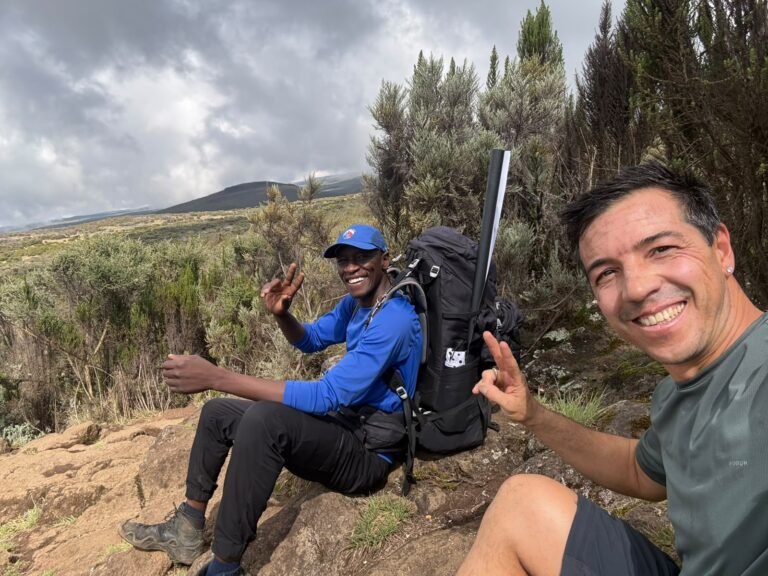
Kilimanjaro Full Moon Trekking Packages, 17–25 November 2026
Plan a Kilimanjaro Full Moon Trek during 17–25 November 2026 with Climb 4 Africa. Practical route options, packing guidance, and how to secure a spot.
View package details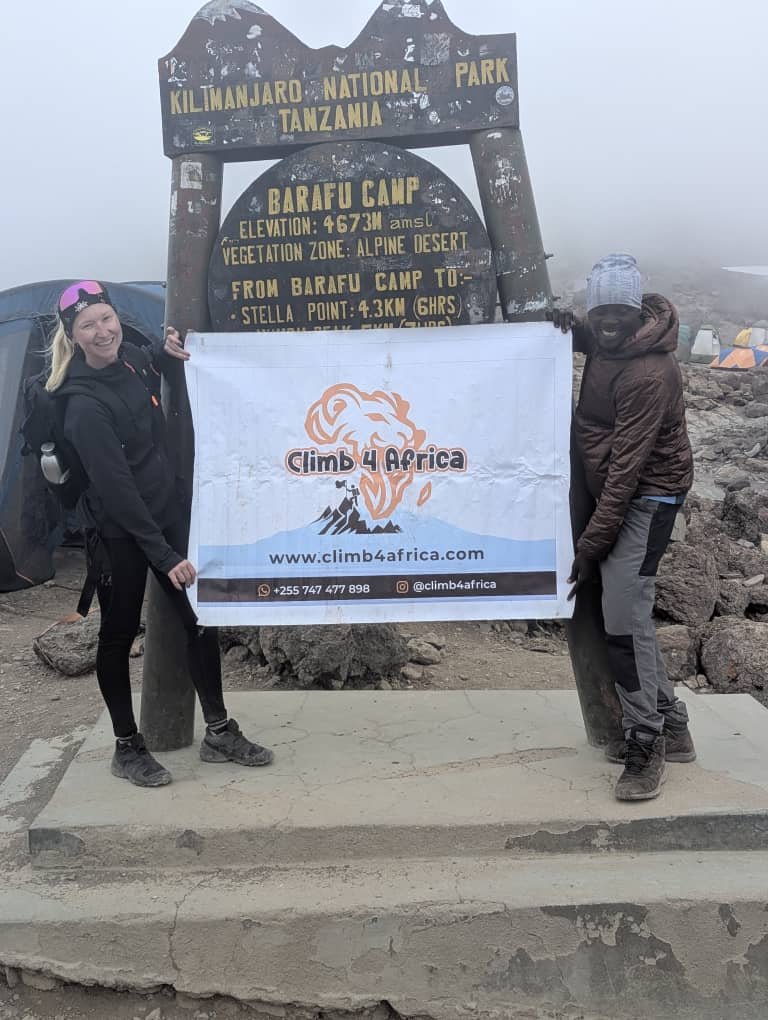
Kilimanjaro Group Trekking From Moshi, 19–25 November 2026
Kilimanjaro Group Trekking From Moshi – 19–25 November 2026.
View package details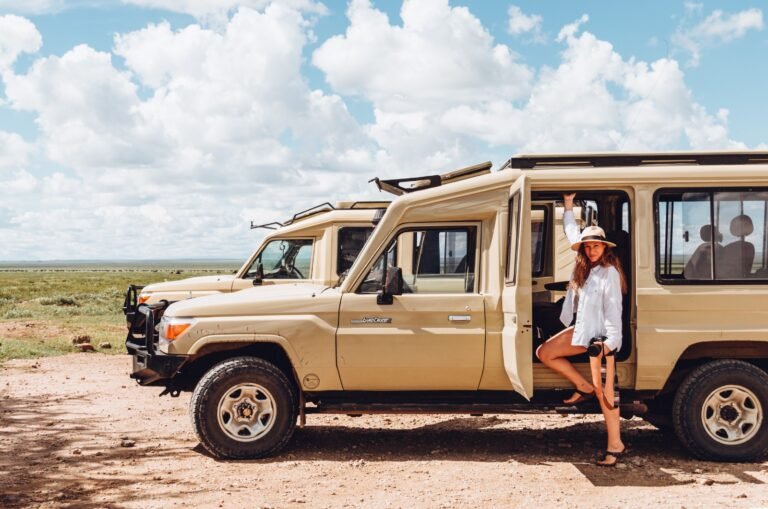
7 Days Kilimanjaro Group Joining Trek And 3 Safari
7 Days Kilimanjaro Group Joining Trek and 3 Days Group Safari.
View package details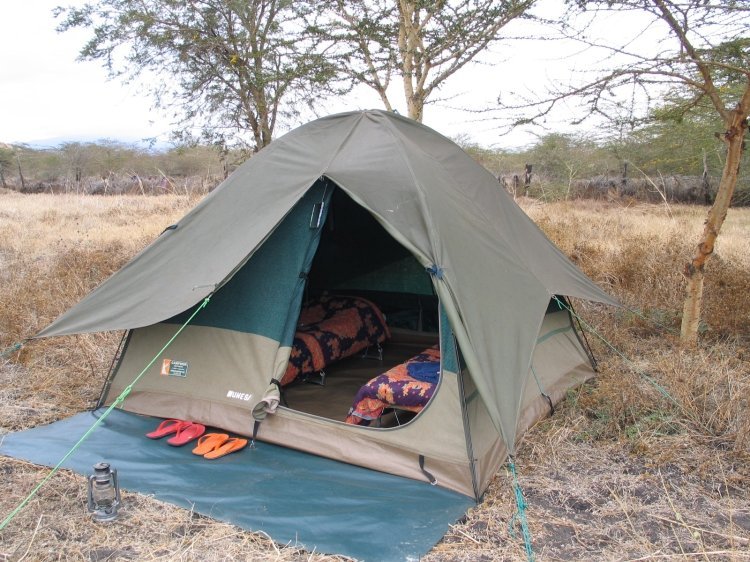
8 Days Kilimanjaro Lemosho Trek And 4 Serengeti Ngorongoro Safari
8 Days Kilimanjaro Lemosho Trek and 4 Days Serengeti Ngorongoro Safari.
View package details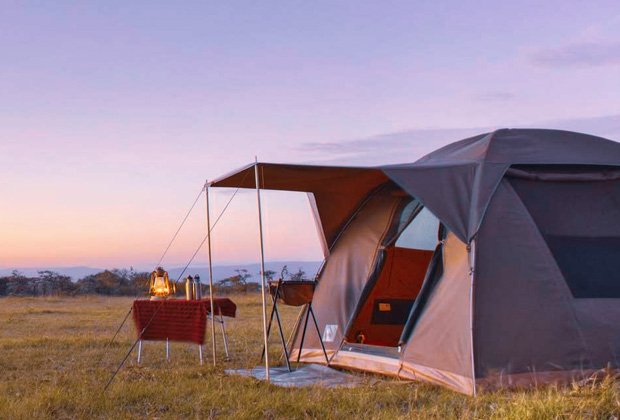
8 Days Kilimanjaro Trek And 3 Tanzania Safari
8 Days Kilimanjaro Trek and 3 Days Tanzania Safari.
View package details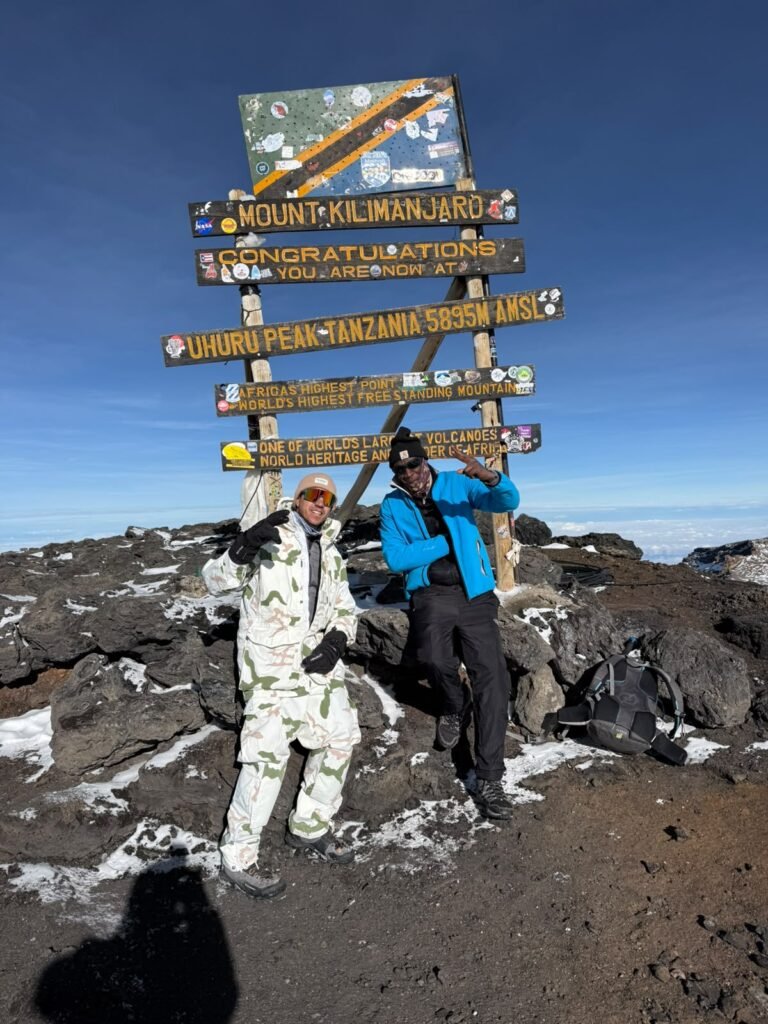
Kilimanjaro Climbing Packages From Moshi – 25–30 November
Practical, no-nonsense guidance for Kilimanjaro climbs from Moshi on 25–30 November 2026. Learn route options, logistics, and how to book with Climb 4 Africa.
View package details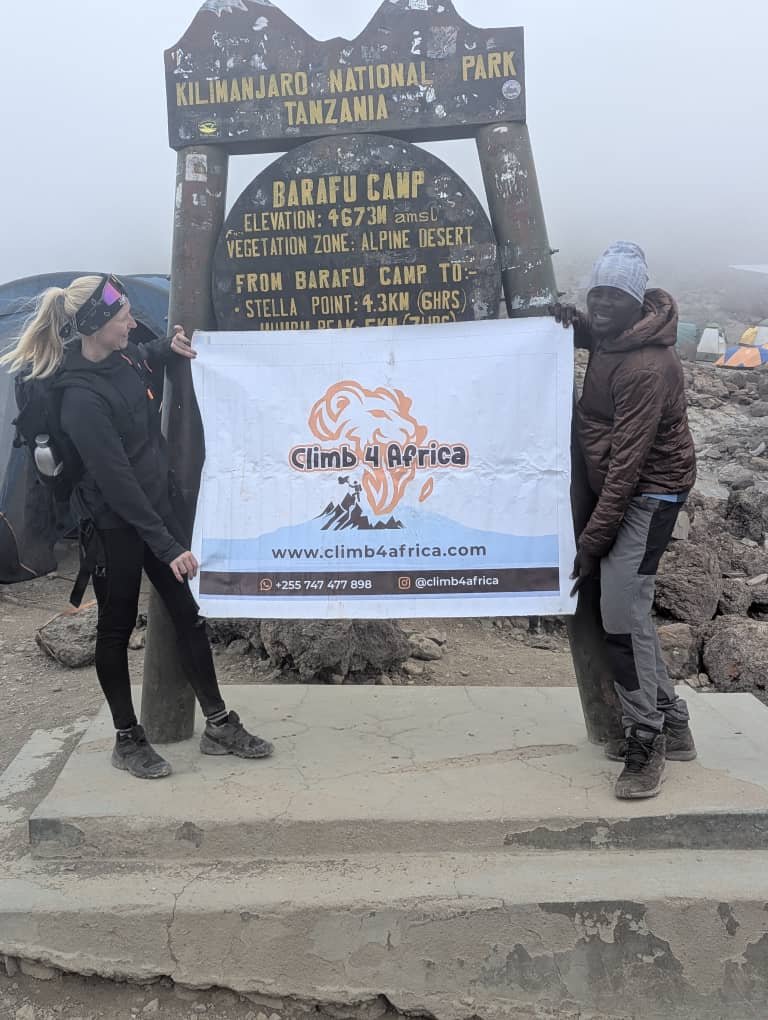
6 Days Marangu Route Kilimanjaro Group Joining – 20–25 November
Bookable 6 days on the Marangu route with a verified group departure 20–25 November 2026. Day-by-day itinerary, acclimatization plan, hut-style accommodations, and how to request a...
View package detailsNo related package matches those filters. Clear one or more filters to see the other topic-matched options.



