
Climbing Kilimanjaro during the Christmas holiday is an excellent choice due to the “short dry season,” which typically offers clear skies and stable weather throughout late December. For families, the most successful approach involves booking private trekking packages on longer, high-acclimatization routes like the Lemosho or Northern Circuit. These itineraries provide the necessary time for children and adults alike to adjust to the altitude safely. Expect high demand for these dates; booking 9 to 12 months in advance for 2026 and 2027 is the standard recommendation to secure the best mountain crews and private accommodation.
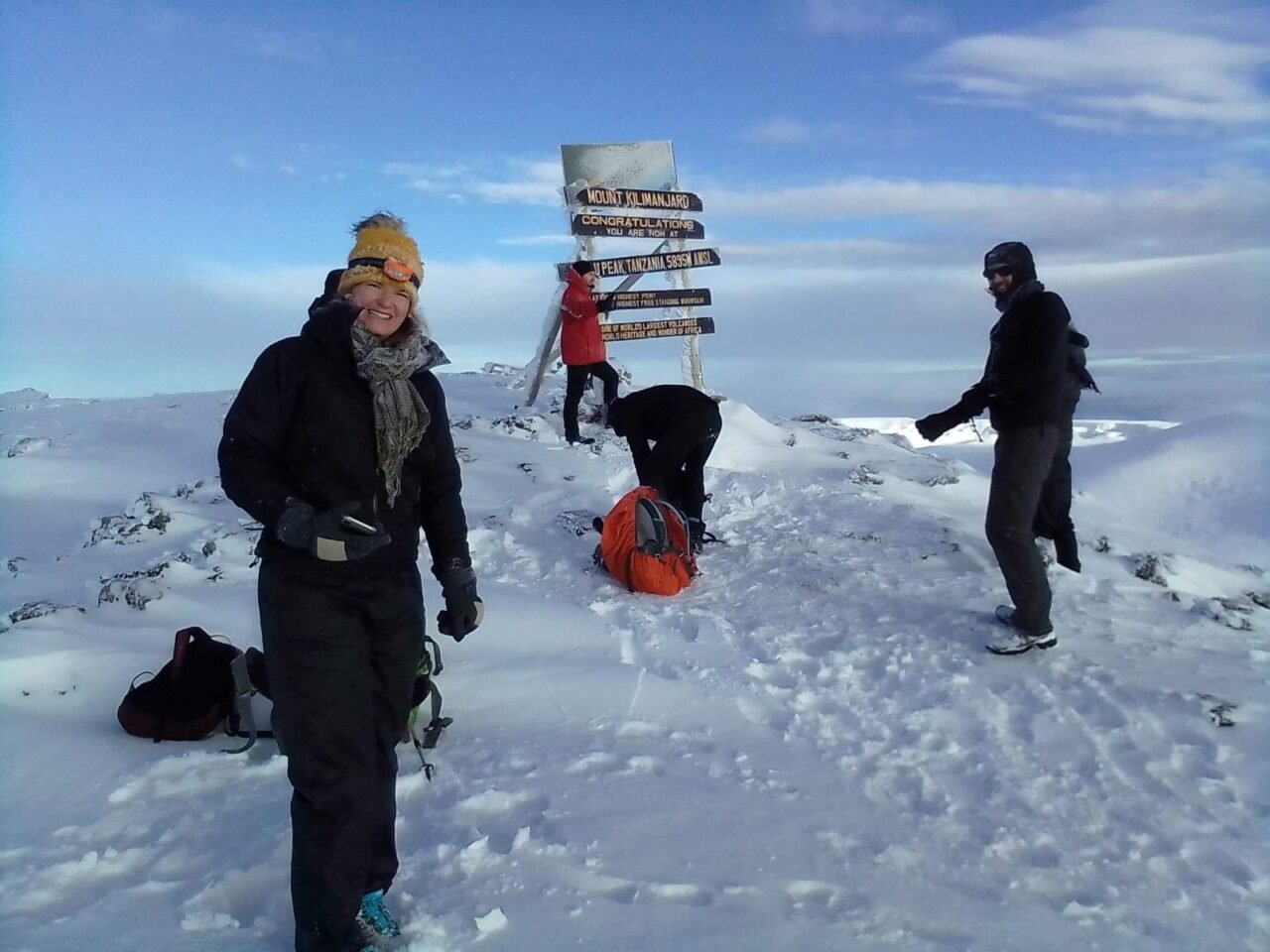
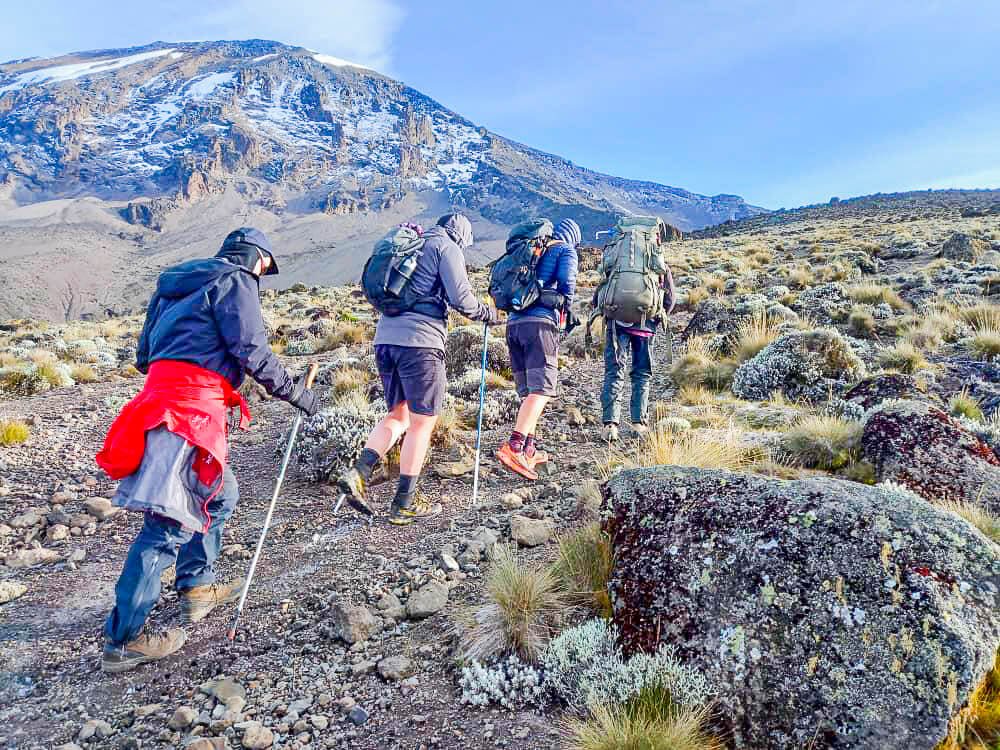
The decision to spend the holiday season on the slopes of Mount Kilimanjaro is a shift from traditional travel, trading beach resorts or snowy ski lodges for the unique challenge of the world’s tallest free-standing mountain. As a local operator, we see many families choose this period because it aligns with school breaks and provides a rare opportunity to share a physically demanding, memorable experience. However, the mountain environment in December does not change its rules—acclimatization remains the single most critical factor for a family group’s success, regardless of the festive calendar.
Understanding the December Climbing Window
December sits within what is locally referred to as the “short dry season.” Following the November rains, the landscape is often lush and green, and the air is clearer, providing those iconic, sharp-edged views of the summit glaciers against a deep blue sky. While it is generally a warmer period, climbers should not underestimate the mountain; temperatures at the summit (Uhuru Peak) can still drop well below freezing, and afternoon mountain showers can occur even in the dry season. For a family, this means your packing list must be as robust as it would be in any other month, with a heavy emphasis on layering.
Because the holiday season is a popular time for international travelers, the main routes like the Machame route can become significantly busier. For families, we often steer clients toward routes that offer more solitude and a gentler ascent profile. A crowded trail can disrupt the pace of a family group, where keeping a steady, “pole-pole” (slowly, slowly) rhythm is essential for everyone to reach the top.
Choosing the Right Route for a Family Group
Not all Kilimanjaro routes are created equal when it comes to family dynamics. If you are traveling with teenagers or active older children, the selection of your route is the most important decision you will make. It determines not just your success rate, but your daily enjoyment.
The Lemosho Route: The Balanced Choice
The 8-day Lemosho route is frequently our top recommendation for families. It begins on the western side of the mountain, moving through the pristine rainforest before joining the Shira Plateau. The primary advantage here is the rate of ascent. It allows for a more gradual acclimatization profile compared to shorter routes, which is safer for younger climbers. The scenery is diverse, and the lower-traffic start provides a sense of isolation that many families appreciate during the festive season.
The Northern Circuit: The Ultimate Acclimatization
For families who have the time and want the highest probability of success, the 9-day Northern Circuit is unmatched. It traverses the northern slopes of the mountain, offering views that few other climbers see. Because it is longer, it naturally forces a slower pace, which is ideal for groups with varying fitness levels. It minimizes the physical strain of rapid altitude gain, making it a more comfortable experience for those who are concerned about altitude sickness.
Machame Route: The Classic Challenge
The Machame route is known as the “Whiskey Route”—a bit tougher and more direct. While it is beautiful, it is also the busiest. If your family is physically fit and prefers a more traditional, challenging hiking experience, this can work, but we generally advise avoiding it during the peak Christmas week unless you are prepared for crowded campsites.
The Experience of a Christmas Summit
Many travelers ask us what it is like to be on the mountain during the holidays. Our mountain crews, who are with you every step of the way, take great pride in making the experience special. While we operate in a wilderness environment, our teams often organize small, thoughtful gestures—perhaps a festive meal on Christmas Eve or a celebration upon your return to the lower camps.
However, it is important to keep expectations realistic. You are living in tents, eating high-energy trail food, and waking up early. The “holiday” experience is found in the shared achievement and the camaraderie of the team, not in luxury amenities. Our VIP Kilimanjaro expeditions do offer an elevated level of comfort with larger tents and a more personalized menu, which can make the experience feel more like a holiday for families seeking that extra bit of support.
Logistics: Planning for 2026 and 2027
Planning for a Kilimanjaro trek during the Christmas window requires a different timeline than a standard trip. Because flights into Kilimanjaro International Airport (JRO) are heavily booked and mountain permits are finite, we recommend finalizing your plans well in advance.
- Booking Window: For December dates, aim to contact us 9-12 months out. This secures your preferred route and, more importantly, ensures we can allocate our best, most experienced guides to your private family group.
- Private vs. Group Joining: For families, we strongly advocate for a private climb. It gives you complete control over your schedule. If someone in the family needs an extra hour of rest, you don’t have to worry about slowing down a group of strangers. You can read more about the differences in our private climbing tour guides.
- Post-Climb Relaxation: Most families choose to pair their trek with a few days of relaxation. A Zanzibar beach holiday is the classic follow-up. It allows you to wash off the mountain dust and enjoy the warm Indian Ocean waters before flying home.
Frequently Asked Questions
Is Kilimanjaro safe for children?
Kilimanjaro does not have a strict age limit, but we generally recommend a minimum age of 12-14 years old, depending on the child’s physical fitness and maturity. Altitude affects everyone differently, and younger climbers often struggle to communicate symptoms of AMS (Acute Mountain Sickness). A private guide who is experienced with family groups is essential for monitoring health.
What happens if the weather turns bad?
While December is the dry season, mountain weather is unpredictable. Our guides are trained to monitor conditions daily. If a storm makes the summit push unsafe, they will adjust the itinerary. Safety always overrides the summit goal.
Do we need specific gear for Christmas?
The gear requirements are the same as any other time of year. You need layers: base layers, mid-layers, and a heavy down jacket for summit night. The holiday timing does not change the fact that you will face extreme temperature fluctuations. We provide a comprehensive packing list upon booking.
How to Start Your Planning
The first step to a successful family Christmas trek is a conversation about your goals, fitness, and timeframe. We don’t believe in one-size-fits-all itineraries. Whether you are looking for an affordable group joining option or a luxury private expedition, we can tailor the experience to suit your family’s needs.
To receive a personalized itinerary and current availability for the 2026 or 2027 holiday season, please reach out to us directly. You can send your inquiry to our team via WhatsApp at +255 747 477 898 or email us at climb4africa@gmail.com. You can also reach our backup office at info@climb-4-africa.com.
When you contact us, please include the number of travelers, the ages of any children, your preferred duration, and whether you are interested in adding a safari or beach extension. This helps us provide the most accurate advice and ensure your family has the support and safety required for a successful Kilimanjaro holiday.
Managing Family Dynamics and Mental Resilience on the Mountain
While selecting the correct route is the structural foundation of your Kilimanjaro Christmas holiday, the success of a family expedition often hinges on the intangible elements: group morale, nutritional management at altitude, and the psychological adjustment to the mountain environment. Unlike adult-only groups, family units bring a unique set of variables that require proactive management from both parents and the guiding team.
The Psychological Adjustment: Balancing Energy and Pace
The most common friction point for families—particularly those with teenagers or active children—is the necessary, yet seemingly counterintuitive, pace of “pole pole” (slowly, slowly). Younger climbers often possess high physical energy and may feel frustrated by the deliberate, rhythmic crawl required for proper acclimatization. It is essential for parents to frame the climb not as a race to the summit, but as a collective team effort. We advise families to integrate “mental checkpoints” into their daily routine. Rather than focusing on the summit, which can feel impossibly distant on day three or four, encourage children to focus on the immediate rewards: the changing flora, the shared meals, or the nightly camp rituals. Managing expectations is critical; remind family members that the “summit blues”—a temporary dip in motivation due to fatigue or altitude—is a normal part of the process and not an indicator of failure.
Nutritional Strategies for Altitude and Appetite
Appetite suppression is a well-documented physiological response to high altitude, and it can be particularly pronounced in younger climbers. When children stop eating, their energy reserves deplete rapidly, which is the fastest route to altitude sickness. Our mountain crews are trained to manage this by offering smaller, nutrient-dense meals that are easier to digest than heavy portions. However, parents should take an active role in the pre-climb preparation. We recommend packing a supply of “comfort snacks”—familiar, high-calorie foods that your children enjoy at home, such as specific energy bars, dried fruits, or favorite chocolates. These items serve as both a caloric supplement and a psychological morale booster during the challenging final ascent. Ensure that these snacks are easily accessible in daypacks rather than buried in duffel bags, allowing for frequent “micro-snacking” throughout the day.
The Cultural Dimension of a Christmas Climb
One of the most rewarding aspects of a Kilimanjaro Christmas trek is the opportunity to engage with the local Tanzanian culture during the festive period. While the mountain is a wilderness, the interaction with your support team—the porters, cooks, and guides—becomes a central part of the experience. We encourage families to embrace this cultural exchange. On Christmas Eve, it is common for the mountain crews to organize small, heartfelt celebrations, often involving local songs or a special festive meal prepared in the mess tent. This provides a profound perspective for children, shifting the focus from the material aspects of the holiday to the shared humanity of the climb. It transforms the trip from a mere physical challenge into a meaningful, cross-cultural holiday memory that often proves more impactful than the summit itself.
Post-Summit Recovery and Safari Extensions for Families
After descending from the summit, the physical and emotional intensity of the Kilimanjaro experience often leaves families in a state of quiet reflection. While many travelers are tempted to book an immediate flight home, we strongly advise against this. The transition from the high-altitude environment of the mountain to sea level requires a period of decompression, both for the body and the mind. For families, this immediate post-climb phase is an ideal time to transition into a more relaxed, low-impact environment where the collective achievement of the summit can truly sink in.
Integrating a short safari or a coastal retreat into your Christmas holiday package is not merely a luxury; it is a strategic logistical choice. The muscles, particularly in younger climbers, will be fatigued, and the sudden shift from the “pole pole” rhythm of the mountain to the pace of daily life can be jarring. A two- or three-day safari in the nearby Tarangire or Ngorongoro Crater allows for a slower pace of travel where the family remains together, but the physical exertion is replaced by observation. Witnessing the wildlife of Tanzania provides a stark, celebratory contrast to the stark, frozen landscapes of the summit, grounding the entire expedition in the vibrant reality of the African landscape.
Navigating the Transition from Mountain to Plains
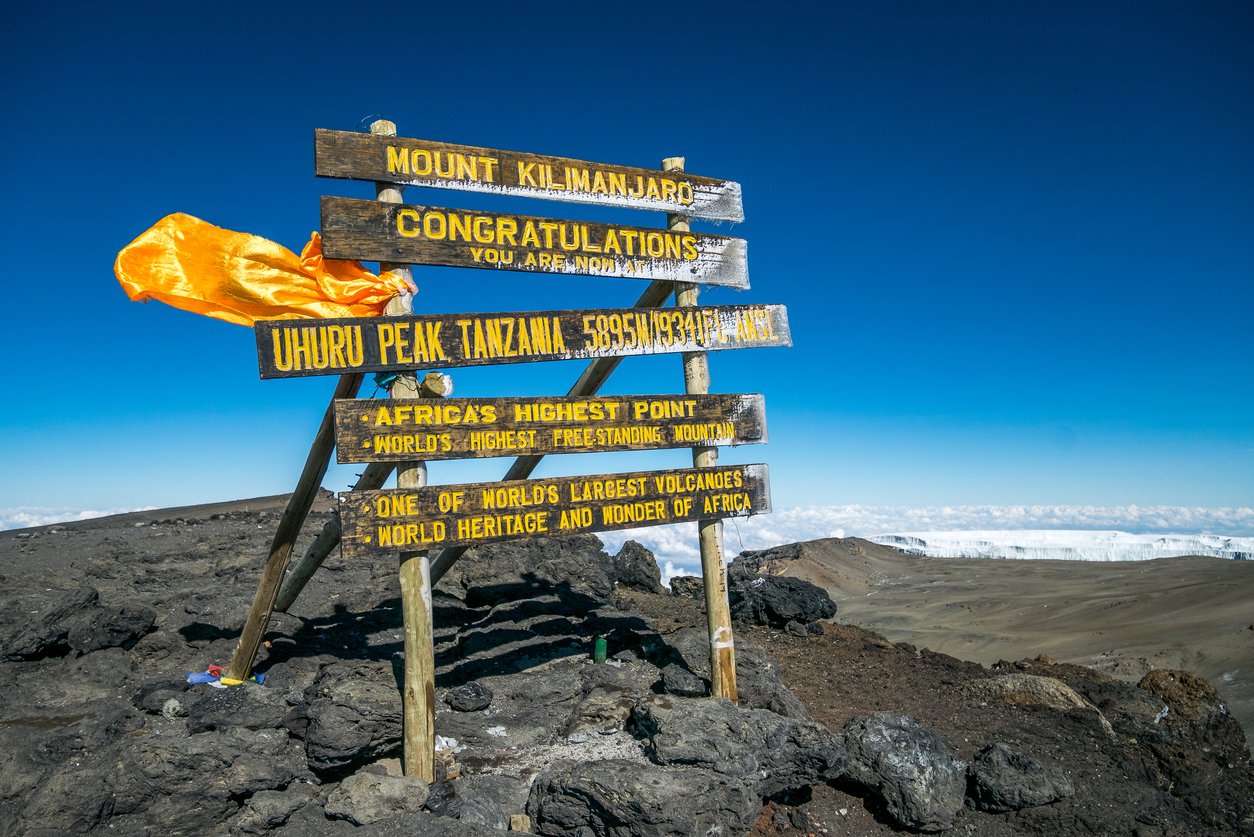
The biological impact of descending from Uhuru Peak—the highest point in Africa—is significant. Your body has been operating in a hypoxic environment for days, and your metabolic rate has been elevated to compensate for the cold and exertion. Upon returning to the trailhead, the most common error is to immediately engage in high-intensity travel or demanding sightseeing. We encourage families to prioritize “active recovery” in their post-climb itinerary. This involves gentle movement, such as short walks or swimming, rather than sitting in vehicles for extended periods, which can exacerbate stiffness.
Additionally, the psychological shift from the extreme focus of the mountain to the relative leisure of a post-climb vacation can lead to a phenomenon often called “post-summit blues.” Having spent days working toward a single, unified goal, the sudden lack of a mission can feel hollow. Planning a structured, yet relaxing, activity—such as visiting a local coffee plantation or a cultural heritage site—helps bridge this gap. It keeps the family unit engaged in a shared experience without the pressure of physical performance, allowing for the natural processing of the intense emotions associated with the climb.
Selecting the Right Post-Climb Environment
When tailoring your Christmas holiday package, consider the specific needs of your family members after the trek. If your children are older and thrive on activity, a safari in the Serengeti offers endless engagement that keeps their minds occupied and stimulated. If the primary goal of the trip is restorative, the beaches of Zanzibar provide a serene backdrop where the primary responsibility is simply to rest. The key is to avoid “over-scheduling” the days immediately following your return from the mountain. Allow for unstructured time where family members can sleep, reflect, and begin to process the magnitude of what they have accomplished together.
We also find that the post-climb period is the best time for documenting the trip. Without the distraction of daily hiking goals, families often find the space to look through photos, write in journals, or discuss the specific moments of the climb that resonated most. This reflective work is a crucial part of the journey’s end, transforming the physical exertion of the climb into a lasting family narrative. By building this “buffer” into your holiday package, you ensure that the Kilimanjaro trek remains a highlight of your family history rather than a source of lingering exhaustion.
Managing Holiday Expectations and Gift Logistics
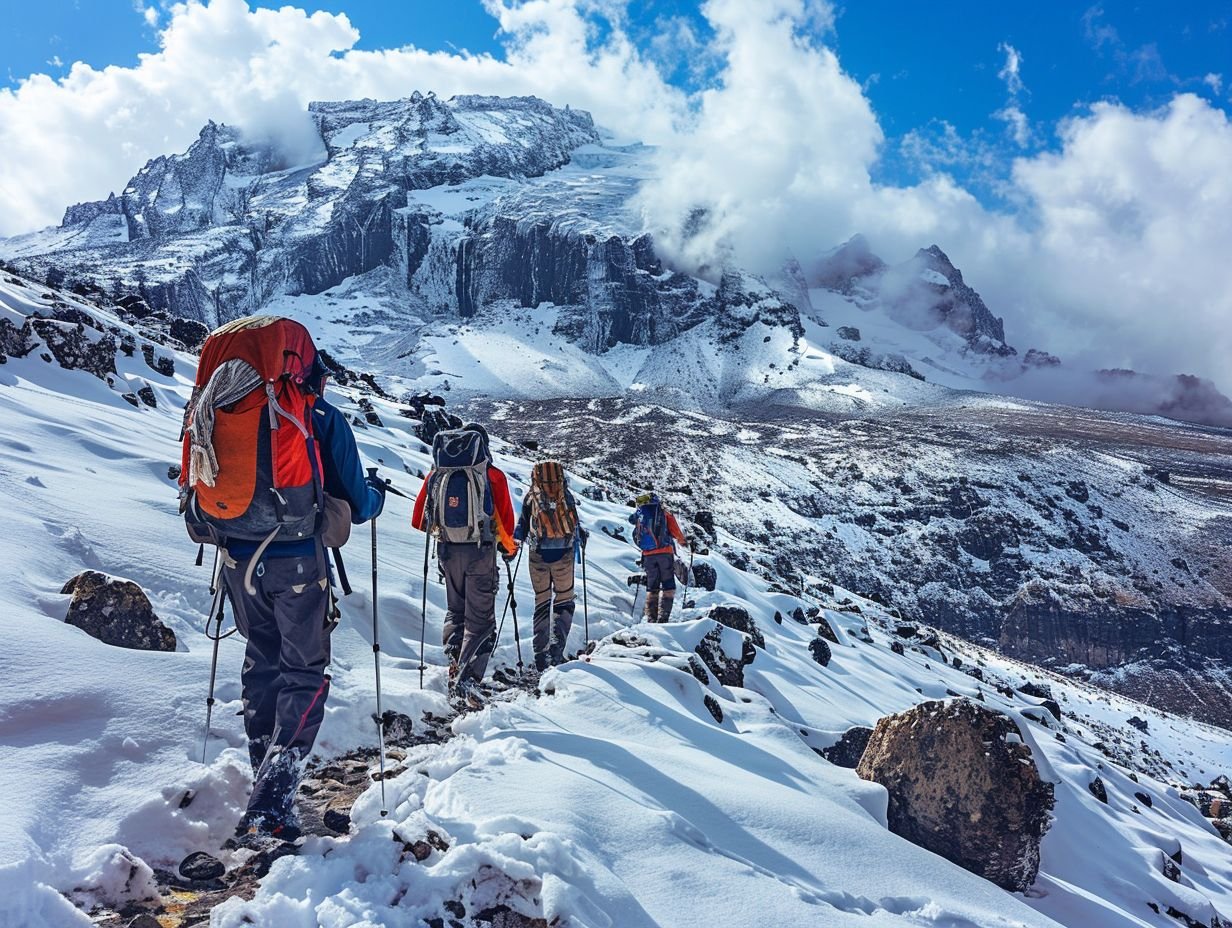
For families spending Christmas on Kilimanjaro, the holiday often carries an emotional weight that is distinct from a typical vacation. Parents frequently worry about how to maintain the spirit of the season—the excitement of Christmas morning, the act of gift-giving, and the sense of tradition—while confined to the stark, minimalist environment of a high-altitude mountain camp. The primary advice for families is to embrace the philosophy of “minimalist celebration.” The mountain is not a place for bulky presents or elaborate decorations, as every kilogram carried by your porter crew is strictly accounted for. Instead, shift the focus toward symbolic gestures that hold high emotional value but require negligible physical space.
We recommend families prepare “digital or paper” gifts. A pre-written letter from a relative back home, a printed photo album of family memories, or small, lightweight tokens such as a personalized ornament that can be hung on a walking stick are far more appropriate than physical goods. If you intend to have a “Christmas morning” in the tent, coordinate this with your lead guide well in advance. They can often arrange a small, private moment in the mess tent, perhaps with a special festive meal prepared by the camp cook, which feels significantly more celebratory than any physical gift could provide. Keeping expectations focused on the shared experience—the sunrise at the summit, the collective effort of the climb—rather than the material aspects of the holiday is the most effective way to ensure a positive family dynamic.
Responsible Philanthropy: The “Giving Back” Aspect
Many families visiting during the Christmas season express a strong desire to engage in philanthropic activities, such as donating school supplies, clothing, or gifts to the mountain crew or local communities near the trailhead. While this impulse is commendable, it must be executed with extreme care to avoid logistical complications or unintentional disruption. Randomly distributing items to porters or local children can create unintended hierarchies, cause friction within the support team, or inadvertently encourage behaviors that are not sustainable in the long term.
If your family wishes to give back, the most effective approach is to contact your operator months before your departure. Established operators have formal channels for supporting their staff and local schools. They can advise you on what is genuinely needed—often, this is financial support for education or specific equipment—rather than “in-kind” donations that you might have to carry across the globe. If you are determined to bring physical items, ensure they are items that can be distributed equitably through the company’s management. For example, rather than handing out individual gifts to specific porters, contribute to a communal fund or a supply pool that the company manages for its entire staff. This ensures that the “Christmas spirit” is shared across the whole team, rather than creating a scenario where only the porters closest to your tent benefit.
The Guide as a Festive Facilitator
On a Christmas expedition, your lead guide’s role extends beyond safety and navigation; they effectively become the master of ceremonies for your family’s holiday. It is crucial to have a “pre-trek briefing” that includes a discussion on your family’s festive expectations. If you want a specific, quiet moment for a family prayer, a tradition of reading a Christmas story, or a dedicated time for opening those symbolic gifts, communicate this early. The guides are accustomed to the “business” of climbing, but they are also deeply hospitable and take great pride in making the mountain feel like a home away from home. By treating the guide as a partner in your holiday planning, you allow them to help you structure the day in a way that feels intentional and meaningful, rather than just another day of hiking. This collaboration turns the guide from a service provider into a key participant in your family’s unique Christmas narrative.
Documenting the Journey: Preserving the Family Narrative
Beyond the physical achievement of reaching Uhuru Peak, the most enduring asset of a Kilimanjaro Christmas trek is the narrative you build as a family. When you are disconnected from the digital world—no emails, no social media notifications, and limited cellular service—the typical distractions of modern life dissolve. This provides a rare, uninterrupted window for connection. However, capturing this experience effectively requires intentionality. Because your hands will often be occupied with trekking poles or tucked into gloves to manage the cold, documenting the journey needs to be a collaborative, low-friction process that doesn’t detract from the present moment.
We advise families to designate a “family historian” for each day of the trek, rather than relying on one parent to capture everything. This shifts the perspective from a singular “photographer” to a shared group responsibility. Give younger children or teenagers a lightweight, durable camera or a simple digital journal. When they are responsible for capturing the “story of the day”—whether it’s the peculiar shape of a giant groundsel, the camaraderie at the dinner tent, or the specific way the light hits the Mawenzi peak—they become active observers of their environment rather than passive participants. This shifts the focus from the struggle of the climb to the unique details of the landscape and the bonds forming within the group.
The Role of Digital Detox in Family Cohesion
The Christmas season is traditionally a time of high sensory input and digital noise. A Kilimanjaro trek forces an immediate, mandatory digital detox. For families, this is often the most profound, yet initially uncomfortable, aspect of the trip. During the first two days, you may notice a reflexive reach for phones or a tendency to seek external validation for your progress. By day three, as you climb higher into the alpine desert, this impulse usually fades, replaced by a deeper engagement with the immediate environment and your companions. This silence is a gift, but it requires preparation. Discuss the concept of a “digital holiday” before you leave home. Establish ground rules: perhaps phones are used strictly for photography, while communication with the outside world is saved for the moments when you are back at your hotel.
Creating a Physical Keepsake
Because the Kilimanjaro experience is so ephemeral, many families find value in creating a tangible, low-tech record of their journey. Consider packing a small, pocket-sized notebook and a pen that functions well in cold weather. At the end of each day, while sipping tea in the mess tent, take five minutes to write down one “high” and one “low” of the day. This simple ritual serves several purposes: it encourages reflection, helps process the physical toll of the altitude, and creates a precious family heirloom that you will treasure far more than the standard summit photo. When you return home, these notes become the foundation for a photo book or a digital slideshow, grounding your memories in the specific, honest emotions of the climb rather than just the polished imagery of the summit.
Managing the ‘Post-Peak’ Emotional Return
The transition back to “real life” after a Christmas summit is often more jarring than the transition onto the mountain. You have spent a week in a high-stakes, high-altitude environment where every action—eating, sleeping, walking—was focused on a single goal. Suddenly, you are back in a world where the stakes are trivial, the pace is chaotic, and the silence is replaced by the hum of modern infrastructure. This can lead to a period of “post-expedition blues,” particularly for teenagers who may feel a sense of loss after the intense bonding of the mountain team.
To mitigate this, schedule a buffer day immediately following your return to the hotel. Do not book a flight home for the day after you descend. Use this time to simply sit, eat a proper meal, and process the experience. This is the moment to share your notes from the trail, look at the photos together, and acknowledge the collective effort. If you have younger children, encourage them to write a postcard or a brief note to their guide or head porter. This act of gratitude helps close the loop on the experience and reinforces the social connections you formed. By treating the descent as a deliberate process of re-entry rather than just the end of a service, you protect the emotional integrity of your Christmas holiday, ensuring that the lessons learned on the mountain—resilience, patience, and the value of a shared goal—carry over into your life at home.
Check Availability for Kilimanjaro Family Christmas Holiday Trekking Packages 2026
Ready to compare dates, prices, and the best option for your group? Send the package name and travel month so the team can reply with a clear quote, availability, and what is included.
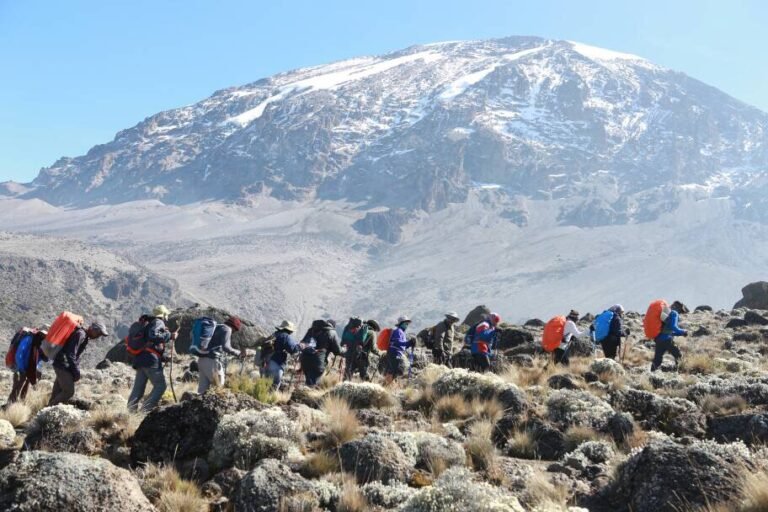
How Much Does A Christmas Kilimanjaro Climb Cost In And ? 2026
A detailed guide on the factors influencing the price of a Christmas Kilimanjaro climb, including park fees, route selection, and operator standards for 2026 and 2027.
View package details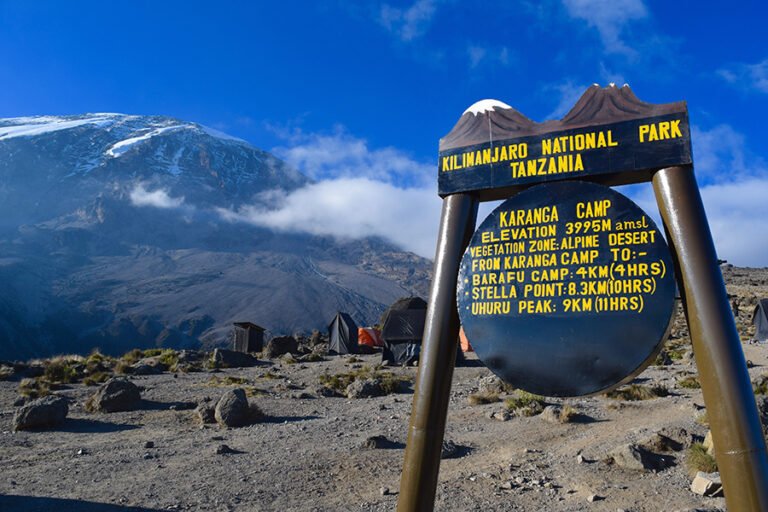
Christmas Kilimanjaro Climb And Serengeti Wildlife Safari Package: Planning
A comprehensive guide to planning a combined Christmas Kilimanjaro climb and Serengeti wildlife safari, covering route selection, seasonal logistics, and expert booking advice for 2026-2027.
View package details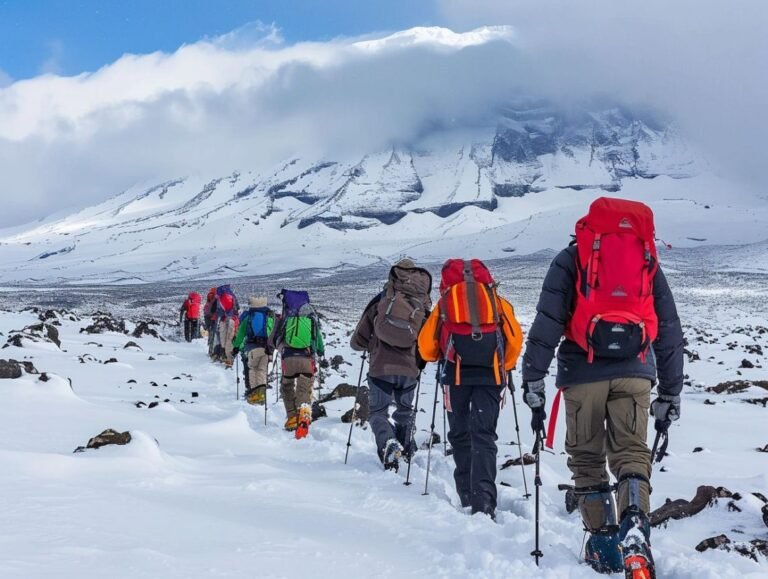
Climb Mount Kilimanjaro On Christmas Day : Strategic Planning Guide 2026
A detailed guide on planning a successful summit of Mount Kilimanjaro for Christmas 2026, including route selection, timeline math, and seasonal logistics.
View package details
Kilimanjaro Honeymoon Climbing And Zanzibar Beach Holiday: December Planning
A practical guide for couples planning a Kilimanjaro climb and Zanzibar beach holiday in December 2026, focusing on route selection, recovery logistics, and planning timelines.
View package details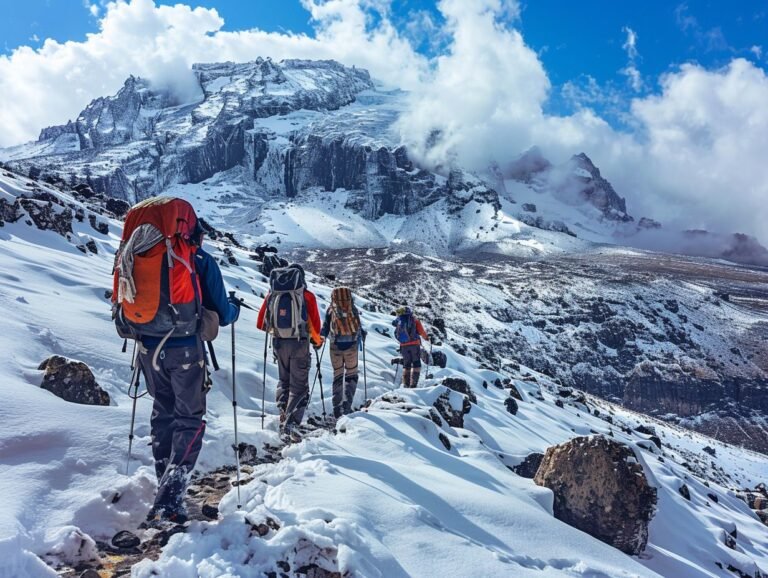
Exclusive Kilimanjaro Christmas Trek With Premium Support Team 2026
An in-depth guide to securing a private, high-support Kilimanjaro expedition for the holiday season. We cover route selection, team ratios, and planning for 2026-2027.
View package details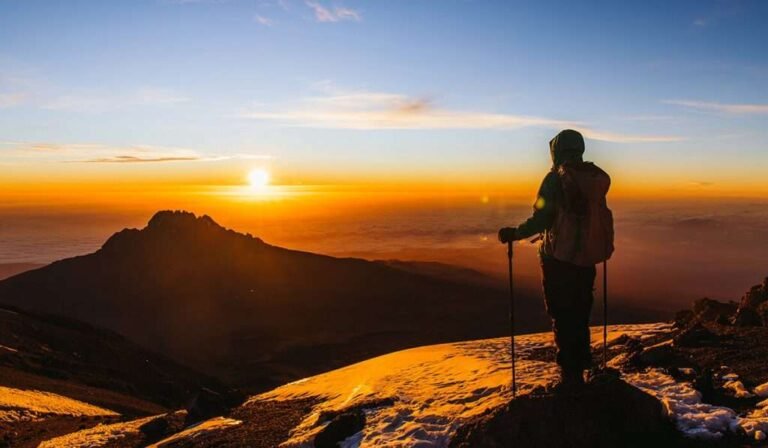
Luxury Mount Kilimanjaro Trekking Packages December : Planning Your Premium
A detailed guide to booking luxury Kilimanjaro trekking packages for December 2026, covering route selection, premium service standards, and planning essentials.
View package details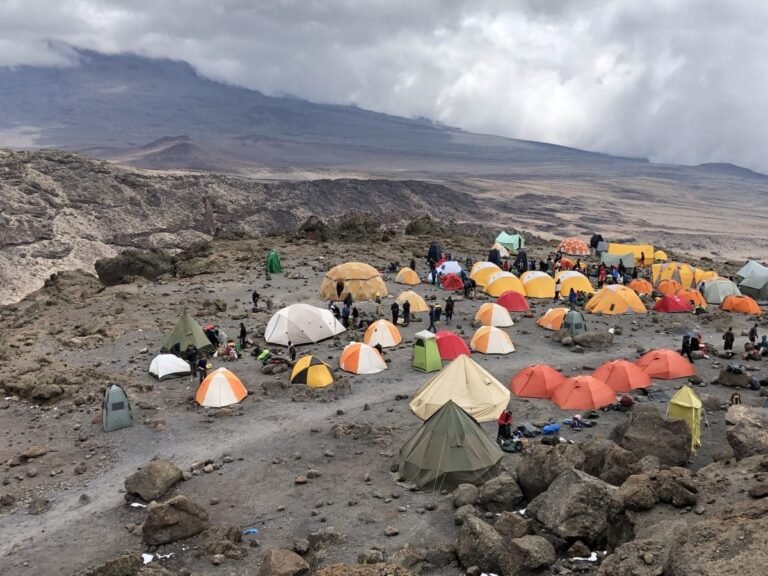
7 Days Rongai Route Kilimanjaro Holiday Climb December : Expert Guide 2026
A deep look at the 7-day Rongai Route for December 2026 climbers, focusing on route logic, acclimatization benefits, and practical planning for your holiday expedition.
View package details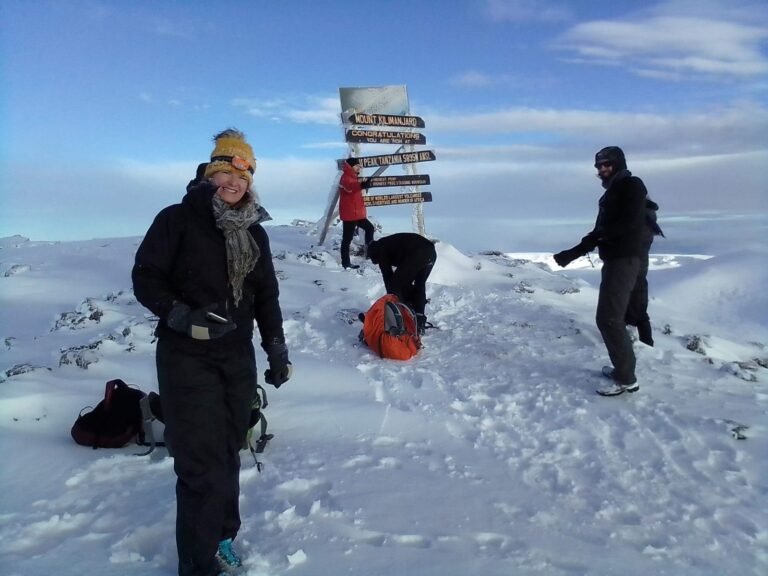
Affordable Kilimanjaro Group Joining Safari And Trekking Packages December
A practical guide to booking affordable, reliable group joining treks on Kilimanjaro and wildlife safaris in Tanzania for December 2026, focusing on logistics, shared costs, and travel...
View package details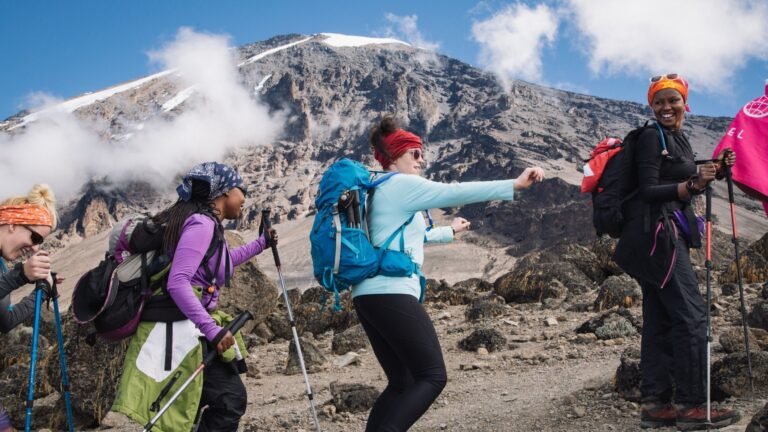
Join A Kilimanjaro Christmas Climbing Group In December 2026
A guide to securing your spot on a Kilimanjaro Christmas group climb for 2026, including route advice, group logistics, and essential planning steps.
View package details
Planning Your Private Kilimanjaro Climb Over Christmas: A Guide For Couples
A detailed guide for couples planning a private Kilimanjaro trek during the Christmas season, covering route selection, logistical planning, and booking considerations.
View package detailsHow Early Should I Book A December Kilimanjaro Group Trek? A Planning Guide
Planning a December Kilimanjaro climb? Learn the ideal booking window, why holiday dates fill up fast, and how to secure your spot for 2026-2027.
View package detailsIs December A Good Time To Climb Kilimanjaro? A Local Expert Guide 2026
Planning for December 2026? Discover why this month is a popular choice for Kilimanjaro climbs, how the 'short rains' affect your trek, and why early booking is essential for the holiday...
View package detailsNo related package matches those filters. Clear one or more filters to see the other topic-matched options.



