
To summit Mount Kilimanjaro on Christmas Day 2026, you must align your itinerary start date precisely with your chosen route duration. For a standard 7-day climb, you would depart from your hotel on December 19th. Summiting on the 25th requires strict adherence to your acclimatization schedule, as the mountain does not pause for holidays; the mountain crew will be working, and park logistics remain standard. The most important step is to secure your booking early, as December is a high-demand period for both climbers and the support staff who make these expeditions possible.
Planning a climb for the Christmas season is fundamentally different from a mid-year trek. You are not just booking a hike; you are managing a complex logistical operation that falls during a peak travel window in Tanzania. If your heart is set on standing at Uhuru Peak on the morning of December 25th, 2026, you need to work backward from that date.
The Math of a Christmas Summit
The most common error travelers make when planning a holiday summit is failing to account for the acclimatization profile of their specific route. Kilimanjaro is not a race, and forcing a summit date often leads to altitude sickness if you cut corners on the climb-high-sleep-low progression.
If you are choosing a 7-day route (like the Lemosho or Machame), your summit push typically occurs on the final morning. To be on the summit on the 25th, your schedule looks roughly like this:
- Day 1: December 19th – Entry to the park.
- Day 2-6: Steady ascent with critical acclimatization days.
- Day 7: December 25th – Summit Day.
If you choose a longer, 8-day route, you must adjust your start date to December 18th. We strongly advise against attempting to “squeeze” a 7-day itinerary into 6 days just to hit a specific calendar date. The mountain’s altitude requirements are immutable. If you are looking for guidance on which duration fits your fitness level, read our breakdown on 8 Days Lemosho Route Christmas Climbing Package December 2026.
Why Late December is Unique
December is part of the “short dry season” in Tanzania. While you can never guarantee clear skies on a 5,895-meter mountain, the weather patterns in late December are generally more stable than in the wet months of April or November. You will likely experience crisp, clear mornings and potentially colder nights at the higher camps like Barafu or Kibo.
However, the “Christmas atmosphere” on the mountain is not what you might expect in a city. It is a quiet, reflective experience. You might share a Christmas dinner with your team—usually a hearty meal prepared by the cook—but the focus remains entirely on the physical challenge. If you are traveling with a group, we have options for Kilimanjaro Small Group Climbing Tours Before Christmas 2026 that allow for shared experiences while maintaining high service standards.
Selecting the Right Route for a Holiday Climb
Your choice of route affects not just the difficulty, but the probability of a smooth, uninterrupted climb. For a Christmas summit, we often suggest routes that offer superior acclimatization, as you want to minimize any risk of having to turn back due to altitude issues.
- Lemosho Route: Excellent for acclimatization. It is longer, less crowded, and offers spectacular scenery. This is often our top recommendation for those prioritizing success and a steady pace.
- Machame Route: Known as the “Whiskey Route,” it is popular and offers beautiful views, but it is busier. If you want to be on the mountain for Christmas, be prepared for more company on the trail. See our options for a 6-day Machame climb.
- Rongai Route: Approaches from the north. It is generally drier and can be a fantastic alternative if the southern routes are fully booked or if you prefer a quieter trail during the holiday rush.
For couples or families, the dynamics change. A private climb allows you to set the pace entirely to your group’s needs, which is often the most enjoyable way to spend the holidays. You can review our private Kilimanjaro climbing tours for Christmas holidays 2026 to understand the flexibility this offers.
Logistical Realities for December 2026
Booking a climb for December 2026 requires more than just a deposit; it requires coordination. Tanzania is a popular destination for safari-goers and trekkers alike during this window. Flights into Kilimanjaro International Airport (JRO) should be booked well in advance, as prices rise significantly the closer you get to December.
Furthermore, consider your post-climb plans. Many climbers choose to pair their ascent with a safari or a beach retreat in Zanzibar. Recovering on a beach after the physical exertion of the mountain is a common and highly recommended strategy. If you are considering this, explore our honeymoon-style packages or browse our safari departures to see how they can be integrated with your mountain dates.
Preparation and Training
Regardless of the date, the mountain requires training. For a Christmas 2026 summit, your training should begin in earnest by mid-2026. This is not about becoming an Olympic athlete, but about ensuring your cardiovascular system is ready for sustained, multi-day endurance. Focus on hiking with a weighted pack on uneven terrain, rather than just treadmill running. The more you prepare your joints and muscles for the descent—which is often harder on the body than the ascent—the more you will enjoy your Christmas Day summit.
Booking Your Expedition
As we look toward the 2026 season, our focus is on ensuring you have the right support team. The mountain crew is the backbone of your climb. They manage the tents, the food, the safety, and the logistics that make a Christmas summit possible. We do not use standardized, “off-the-shelf” packages; we tailor the support to your group’s profile. Whether you are a student, a senior, or a family, the requirements for a safe, successful climb vary.
To start your planning, we need to understand your group size, experience level, and preferred route. You can reach out to us directly for a transparent conversation about availability and planning.
Contact Climb 4 Africa for 2026 Planning:
- WhatsApp: +255 747 477 898
- Primary Email: climb4africa@gmail.com
- Backup Email: info@climb-4-africa.com
When you contact us, mention that you are interested in a Christmas 2026 summit. This helps us immediately filter for the correct route availability and team scheduling. If you are coming with a family, please mention the ages of all participants, as we have specific safety protocols and family-focused packages that differ from standard group departures.
Frequently Asked Questions About Christmas Climbs
Is it colder on the mountain on Christmas Day?
December is warmer at the base, but at the summit, the temperatures remain consistently freezing. Expect temperatures well below zero at the crater rim, regardless of the calendar date.
Are the park gates closed on Christmas Day?
The Kilimanjaro National Park gates remain open 365 days a year. Your climb will proceed as scheduled. Your crew will be with you, ensuring the expedition continues without interruption.
Should I bring extra gear for the holiday?
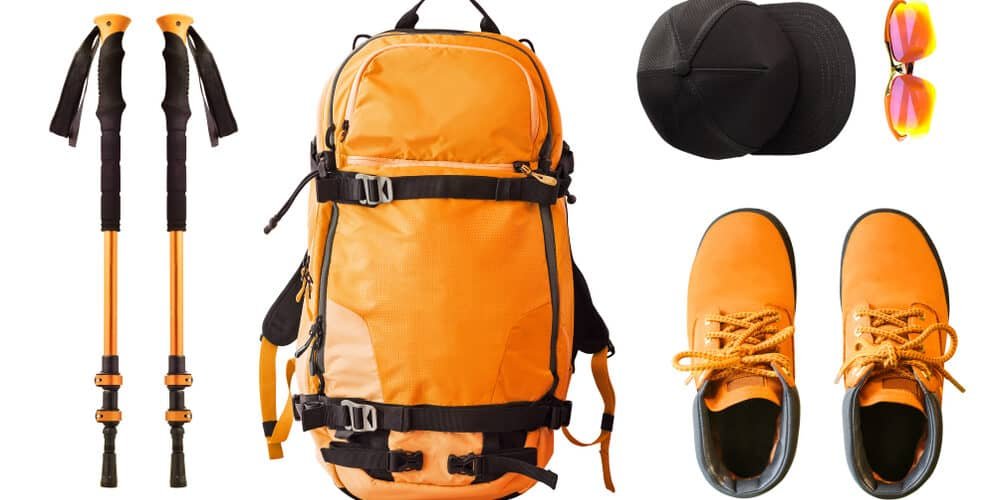
You do not need special “holiday” gear, but many climbers bring a small, lightweight token or a festive item to celebrate at the summit or in camp. Keep it minimal, as weight is always a factor on the mountain.
Managing Expectations for the Christmas Eve Camp Experience
While the summit is the primary goal, the experience of spending Christmas Eve in a high-altitude camp is a defining aspect of a December climb. Understanding the reality of camp life on the night of December 24th is crucial for managing your expectations. Unlike the festive, indoor environments you might be accustomed to at home, Christmas Eve on Kilimanjaro is defined by stark simplicity, shared camaraderie, and the singular focus of preparing for the final push to Uhuru Peak.
On the evening of December 24th, you will likely be at one of the high-altitude camps—typically Barafu (for Machame/Lemosho) or Kibo Hut (for Marangu). This is not a night for late-night celebrations. The temperature will be dropping rapidly as the sun sets, and the air will be thin. Most climbers find themselves in their tents by 7:00 PM or 8:00 PM, attempting to rest before a midnight wake-up call. Your guides will prioritize your sleep over holiday festivities, as the summit night is physically demanding and requires peak alertness.
However, the mountain crew often makes a concerted effort to acknowledge the date. It is common for the dining tent to have a slightly different atmosphere. You might find that the kitchen staff prepares a special meal, or perhaps there is a small, quiet gathering where the guides and porters share stories. It is a moment of profound humility; you are sitting in a nylon tent at nearly 4,600 meters, surrounded by a support team who are working far from their own families on a holiday to ensure your safety and success. Many climbers find that this realization—the dedication of the crew—is more impactful than any traditional holiday celebration could be.
The Psychological Aspect of a Holiday Summit
The mental challenge of summiting on Christmas Day should not be underestimated. There is a psychological weight to being away from home during a time that is culturally centered on family, comfort, and tradition. You may experience a sudden wave of homesickness or fatigue on the evening of the 24th. This is entirely normal. The best way to mitigate this is to reframe your perspective: you are not “missing” Christmas; you are experiencing a Christmas that very few people on Earth will ever witness. Standing on the Roof of Africa as the sun rises on December 25th offers a perspective on the world that transcends the commercial aspects of the holiday.
We advise that you prepare mentally for this shift in environment. Bring a small, physical reminder of home—a photograph, a letter, or a small memento—that you can keep in your daypack. When the fatigue hits or the cold feels overwhelming, these small tokens can provide the grounding necessary to push through the final hours of the ascent. Remember, the mountain does not know it is Christmas. The wind, the altitude, and the incline remain unchanged. Your success relies on maintaining the same discipline and focus you would use on any other day of the year.
The Boxing Day Descent and Post-Climb Recovery
While the focus of your planning is rightfully placed on the ascent and the summit push, the reality of a Christmas climb includes the often-overlooked necessity of the descent on December 26th—Boxing Day. Many climbers underestimate the physical and mental toll of this final stage. After the euphoria of standing at 5,895 meters on Christmas morning, you will spend the remainder of the day descending to a lower camp, and then continue your trek downward on the 26th. This is not a leisurely stroll; it is a significant, high-impact descent that will test your knees and your remaining energy reserves.
By the time you reach the park gates on Boxing Day, the festive atmosphere you left behind at the start of your trip will have shifted. In the surrounding towns of Moshi or Arusha, the holiday season remains in full swing, but your personal experience will be one of profound transition. You are moving from the absolute isolation of the high-altitude volcanic landscape back into the humidity and bustle of the Tanzanian lowlands. This transition can be jarring. You may find that your body struggles to recalibrate to the increased oxygen levels and the sudden change in temperature, often resulting in a deep, heavy fatigue that sets in once you are off the mountain.
The Cultural Context of the Holiday Season in Moshi
It is important to understand that while you are on the mountain, the local communities surrounding Kilimanjaro are observing the holiday season in their own way. December 26th, Boxing Day, is a public holiday in Tanzania. If your climb concludes on this date, you will notice that the towns are vibrant, with many local businesses, markets, and restaurants operating on holiday hours. This can affect logistics such as transport back to your hotel or the availability of certain services. Your logistics team will have accounted for this, but as a traveler, you should anticipate a slower pace of life in the town compared to the efficient, mission-focused environment of the mountain.
Many climbers find that the contrast between the quiet, wind-swept summit and the celebratory, social atmosphere of the town on Boxing Day provides a unique, grounding conclusion to the expedition. After days of dehydrated meals and tent life, the first “real” meal and a hot shower in a hotel setting become a significant part of the holiday experience. Plan to spend at least one full day in a hotel post-climb before attempting to travel internationally. This allows your body to recover from the altitude and provides the necessary time to process the intensity of the past week. Do not schedule a flight out of Kilimanjaro International Airport (JRO) for the evening of the 26th; the physical exhaustion is real, and the potential for travel delays during the peak holiday season makes a buffer day essential.
The Human Element: Navigating Gratuities and Holiday Morale
While the logistics of oxygen, altitude, and route selection are the mechanical foundations of your Kilimanjaro climb, the human element becomes significantly more complex during the holiday season. You are entering a period where your mountain crew—guides, porters, and cooks—are also separated from their families during a time of year that is deeply significant in Tanzanian culture. Navigating this dynamic requires a blend of professional etiquette and personal sensitivity.
The Etiquette of Holiday Tipping
The standard practice for tipping on Kilimanjaro is to hold the ceremony on the final morning or evening of the trek, typically after you have successfully descended to the final camp or back to the park gate. However, attempting to navigate this during the Christmas window introduces a unique variable: the desire to provide a “holiday bonus.” It is common for climbers to feel a strong urge to express extra gratitude on December 25th, given the festive nature of the day. While your intentions are undoubtedly generous, it is crucial to follow the established protocols of your chosen operator to ensure that the distribution remains fair and transparent.
Most reputable operators have a structured tipping system that ensures every member of the crew—including those who worked in the background, such as the support porters and the camp crew—receives their fair share. Disrupting this by handing out cash to individuals on Christmas Day can inadvertently create tension within the team. If you wish to acknowledge the holiday, consider writing a collective thank-you note or a card that can be read aloud to the crew during your Christmas dinner. This gesture of recognition often carries more weight than an impromptu cash handout, which can complicate the accounting process for your head guide.
Managing Dietary Expectations for a Mountain Christmas
One of the most frequently asked questions regarding a Christmas climb concerns the menu. Many climbers hope for a traditional holiday meal, but it is vital to maintain realistic expectations. Your kitchen crew is operating under extreme conditions, using portable stoves and limited resources at high altitude. They are masters of nutrition and calorie management, but they are not operating a commercial kitchen. Do not expect a traditional roast dinner with all the trimmings; instead, prepare to be impressed by what they can achieve with the resources available.
It is common for the kitchen staff to make a concerted effort to provide a special “holiday” touch to the Christmas Eve or Christmas Day meal, perhaps by decorating the mess tent or offering a slightly more elaborate dessert than usual. These efforts are a testament to their professionalism and their desire to make your experience memorable, even in the harsh, sub-zero temperatures of the high camps. Approach these meals with gratitude rather than expectation. If you are someone who finds comfort in specific holiday traditions, consider bringing a small, lightweight, non-perishable treat from home—a specific type of chocolate, a packet of tea, or a snack that you associate with the season—to share with your tent-mates or to enjoy as a personal reward at the summit camp.
The Cultural Exchange
If you are considering bringing gifts for the crew, proceed with caution and thoughtfulness. Bulky items are difficult for porters to manage on the mountain, and items that are not culturally appropriate or practically useful can become a burden. If you feel compelled to give, focus on items that are universally useful, such as high-quality, durable clothing (like warm gloves or base layers), headlamps, or sunglasses, which are always in demand by the crew. However, the most universally appreciated “gift” is often a sincere, written testimonial that mentions the crew members by name. This holds significant value for them when they return to their companies and seek future employment. Acknowledging their hard work on Christmas Day—a day they are spending in the service of your goal—is the most respectful way to honor the holiday spirit on the mountain.
Staying Connected: The Reality of Digital Communication
For many, the desire to reach out to family and friends on Christmas Day is a powerful, emotional impulse. However, expecting a reliable connection from the slopes of Kilimanjaro is a recipe for frustration. While modern cellular networks have expanded across Tanzania, coverage on the mountain remains inconsistent and highly localized. You may find a sporadic 3G or 4G signal at specific, elevated points along the route—such as the Barranco Wall or occasionally near the Barafu Camp—but these connections are rarely stable enough for a video call or a long, uninterrupted conversation.
If you are planning to send a digital holiday greeting, do not rely on real-time communication. Instead, prepare your messages, photos, or videos in advance to be sent automatically if a signal is detected, or compose your thoughts in a digital journal to share once you have descended. Some climbers opt to rent satellite communication devices, which provide a more reliable link to the outside world. However, consider the impact this has on your own experience. The mountain offers a rare opportunity for total digital detox; the constant checking of a phone for a signal can detract from the profound solitude and focus required for a successful summit. Manage expectations with your loved ones before you depart: tell them that a lack of communication is a sign of progress, not distress, and that you will share your Christmas story in full once you return to the hotel.
The Midnight Vigil: A Christmas Morning Summit Push
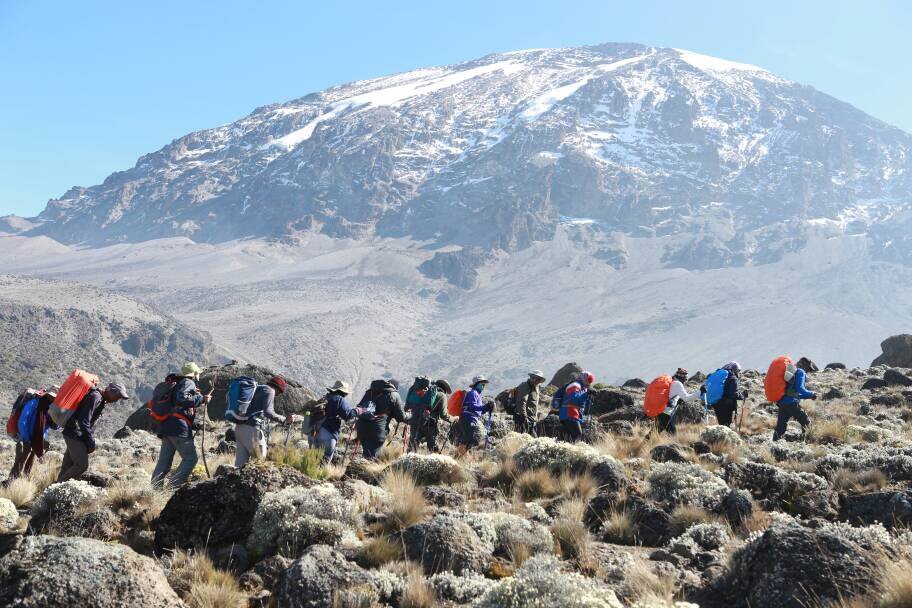
The most defining moment of a Christmas climb is the summit push, which typically begins in the deep hours of December 24th or the early morning of December 25th. You will be roused from your sleeping bag while the rest of the world is perhaps winding down their Christmas Eve celebrations. This is not a casual hike; it is a cold, silent, and deliberate march upward through the scree. There is a unique, almost ethereal quality to the midnight ascent on Christmas morning. The air is thin, the temperature is at its most punishing, and the only light comes from the headlamps of your fellow climbers, creating a moving constellation of light against the immense, dark mass of the volcano.
As you approach Stella Point or Gilman’s Point, the horizon begins to shift, and the first light of Christmas morning touches the glaciers. Reaching Uhuru Peak on December 25th is a singular achievement. While the physical exertion is extreme, the psychological reward of standing at the roof of Africa as the sun rises on Christmas Day is unparalleled. It is a moment of intense clarity and perspective. When you stand there, you are not just celebrating a personal victory; you are observing the world from a vantage point that few ever reach. Take a moment, despite the exhaustion and the need to descend, to fully process the environment. The glaciers reflecting the dawn light are a stark, beautiful contrast to the green forests you left days prior. This is the culmination of your training and the ultimate gift you have given yourself.
Environmental Stewardship During the Peak Season
December is one of the most popular months for Kilimanjaro expeditions, and this influx of climbers during the holiday window places significant pressure on the mountain’s delicate ecosystem. As a participant in a Christmas 2026 climb, you have a heightened responsibility to minimize your environmental footprint. The sheer volume of traffic during the festive season means that waste management, trail erosion, and the preservation of the alpine flora are more critical than ever. Adhere strictly to the ‘Leave No Trace’ principles. This means carrying out every piece of trash you generate, including biodegradable items like fruit peels, which do not decompose in the alpine cold and can persist for years.
Furthermore, be mindful of your impact on the trail itself. During crowded periods, there is a temptation to cut switchbacks or step off-trail to pass slower groups, which accelerates erosion. Stay on the designated path, even if it feels crowded. Respect the camp boundaries and assist your crew in keeping your campsite pristine. Many operators are moving toward more sustainable practices, such as using portable, sealed toilet systems rather than relying on the public long-drop toilets, which become heavily strained during high-traffic periods. By choosing an operator that prioritizes environmental integrity and by conducting yourself as a conscious, low-impact visitor, you ensure that the mountain remains a viable, pristine destination for future generations who may also wish to spend their Christmas on the summit.
The Re-entry: Navigating Post-Summit Decompression
After the intensity of a Christmas morning summit, the return to civilization is often more jarring than climbers anticipate. You descend from the high-altitude, oxygen-deprived silence of the crater rim into the vibrant, humid, and often noisy streets of Moshi or Arusha. This transition happens rapidly—usually within 48 to 72 hours of your summit. By the time you reach your hotel, you are likely physically exhausted, dealing with the “post-summit crash,” yet you are stepping back into a world that is still in the thick of post-Christmas festivities. This creates a specific, under-managed logistical challenge: the “decompression phase.”
Many climbers make the mistake of scheduling their international flights for December 27th or 28th. This is suboptimal. The post-summit period requires a dedicated recovery window. You are physically depleted, your immune system is compromised, and your body is struggling to re-adjust to sea-level oxygen. Attempting to navigate international travel, luggage logistics, and hotel check-outs while in this state—especially during a peak travel window where airport traffic is at its annual maximum—is a recipe for significant burnout. We strongly advise planning for a minimum of two nights in a hotel post-climb before your flight. This allows you to shower, properly sort your gear (which is often damp, dusty, and requires cleaning before packing), and mentally process the experience without the pressure of a looming departure.
Furthermore, gear management becomes a logistical burden during this window. You return with equipment that has endured the extremes of the mountain—frozen boots, damp base layers, and dusty packs. If you rush to pack these items into your luggage, you risk mold, odor, and potential damage to your clothing. Use your post-climb buffer days to air out your gear in the sun. If you have hired equipment, this is the time to ensure it is returned in a clean state, respecting the rental agreement and the crew that must maintain it. Do not underestimate the time required to simply organize your life after a week of total reliance on your mountain crew.
Finally, be prepared for the “holiday friction” in town. Because you are returning during the peak tourist season, local services, taxis, and restaurants are often operating at capacity. Do not assume you can easily find a last-minute table at a popular restaurant or secure a private transfer on a whim. If you have post-climb plans—such as a safari or a relaxing day at a coffee plantation—ensure these are booked well in advance, just as you booked your climb. Use this time to enjoy the local hospitality; many lodges in the Kilimanjaro region host special dinners or celebrations for returning climbers. It is a far more dignified and comfortable end to your expedition than rushing to the airport gate, and it allows you to transition back to your daily life with the clarity that a successful summit provides.
Check Availability for Climb Mount Kilimanjaro On Christmas Day : Strategic Planning Guide 2026
Ready to compare dates, prices, and the best option for your group? Send the package name and travel month so the team can reply with a clear quote, availability, and what is included.
How Much Does A Christmas Kilimanjaro Climb Cost In And ? 2026
A detailed guide on the factors influencing the price of a Christmas Kilimanjaro climb, including park fees, route selection, and operator standards for 2026 and 2027.
View package details
Christmas Kilimanjaro Climb And Serengeti Wildlife Safari Package: Planning
A comprehensive guide to planning a combined Christmas Kilimanjaro climb and Serengeti wildlife safari, covering route selection, seasonal logistics, and expert booking advice for 2026-2027.
View package details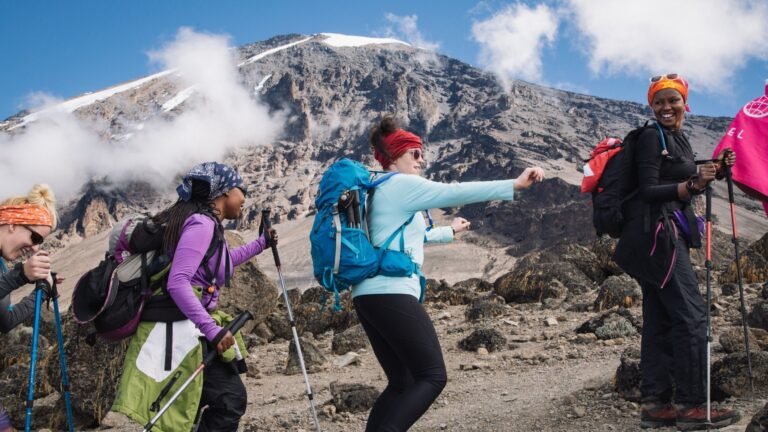
Join A Kilimanjaro Christmas Climbing Group In December 2026
A guide to securing your spot on a Kilimanjaro Christmas group climb for 2026, including route advice, group logistics, and essential planning steps.
View package details
Planning Your Private Kilimanjaro Climb Over Christmas: A Guide For Couples
A detailed guide for couples planning a private Kilimanjaro trek during the Christmas season, covering route selection, logistical planning, and booking considerations.
View package details
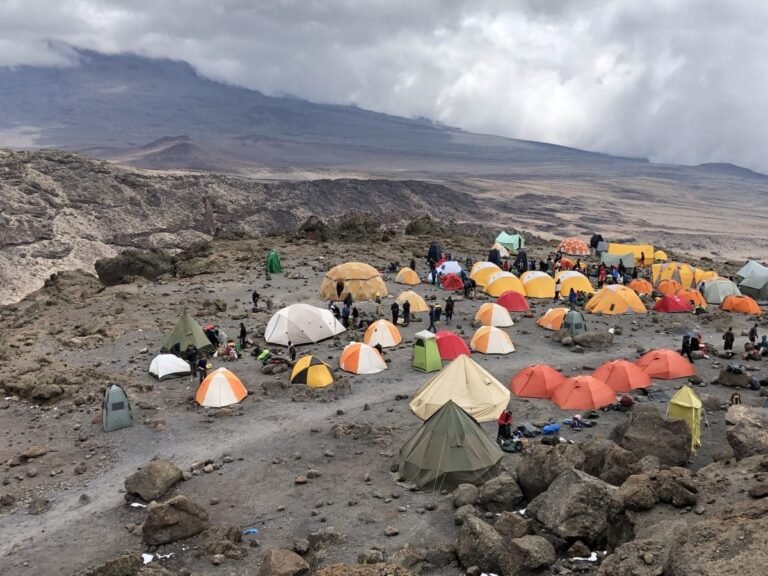
Is December A Good Time To Climb Kilimanjaro? A Local Expert Guide 2026
Planning for December 2026? Discover why this month is a popular choice for Kilimanjaro climbs, how the 'short rains' affect your trek, and why early booking is essential for the holiday...
View package detailsKilimanjaro December Climbing Cost Including Park Fees: A Transparent
A detailed look at the financial structure of a Kilimanjaro climb in December 2026, focusing on mandatory park fees, ethical operator standards, and route-specific cost variables.
View package details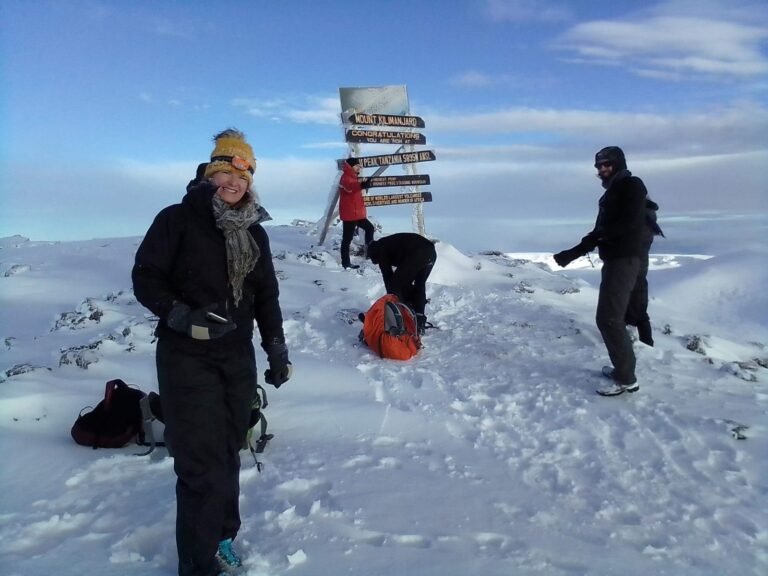
Kilimanjaro Family Christmas Holiday Trekking Packages 2026
Expert guide to organizing a Kilimanjaro family holiday trek, focusing on the best routes, acclimatization strategies, and logistical planning for the December season.
View package details
Cheapest Kilimanjaro Climbing Options For December 2026 Guide
When searching for the most affordable way to climb Kilimanjaro in December 2026, the key is understanding that 'cheap' should never mean 'unsafe.' We break down how to manage costs through...
View package details
Kilimanjaro Honeymoon Climbing And Zanzibar Beach Holiday: December Planning
A practical guide for couples planning a Kilimanjaro climb and Zanzibar beach holiday in December 2026, focusing on route selection, recovery logistics, and planning timelines.
View package details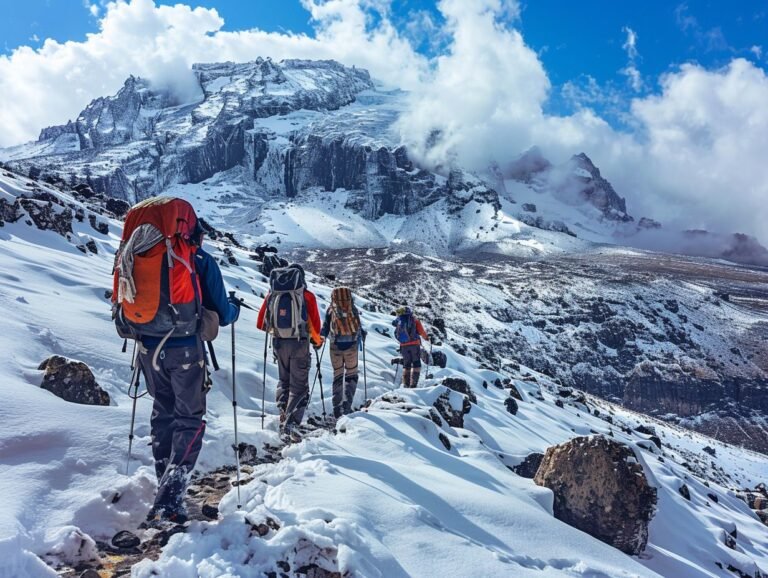
Exclusive Kilimanjaro Christmas Trek With Premium Support Team 2026
An in-depth guide to securing a private, high-support Kilimanjaro expedition for the holiday season. We cover route selection, team ratios, and planning for 2026-2027.
View package details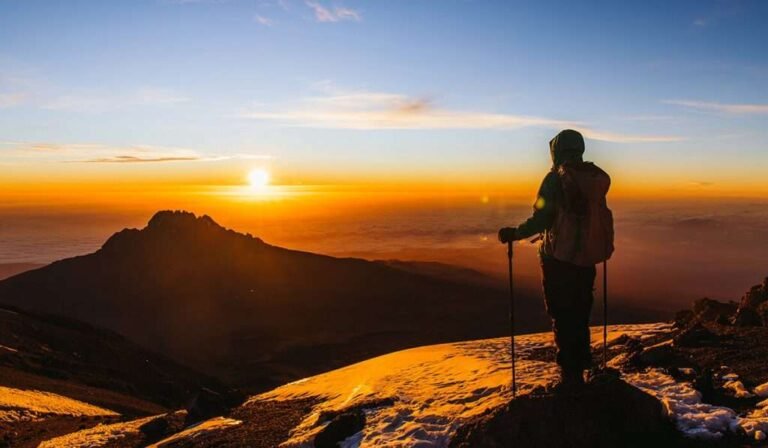
Luxury Mount Kilimanjaro Trekking Packages December : Planning Your Premium
A detailed guide to booking luxury Kilimanjaro trekking packages for December 2026, covering route selection, premium service standards, and planning essentials.
View package detailsNo related package matches those filters. Clear one or more filters to see the other topic-matched options.



