
Mount Kilimanjaro weather in December 2026 is defined by the “short rains” season, known locally as vuli. While this means a higher statistical probability of precipitation compared to the peak dry months of July or August, it rarely results in sustained, heavy rainfall that prevents climbing. For most trekkers, December offers a balance: the lower slopes are lush and vibrant, the air is clear, and the holiday season creates a uniquely festive atmosphere on the mountain. Expect intermittent afternoon showers, cooler temperatures at base level, and the standard, freezing arctic conditions at the summit.
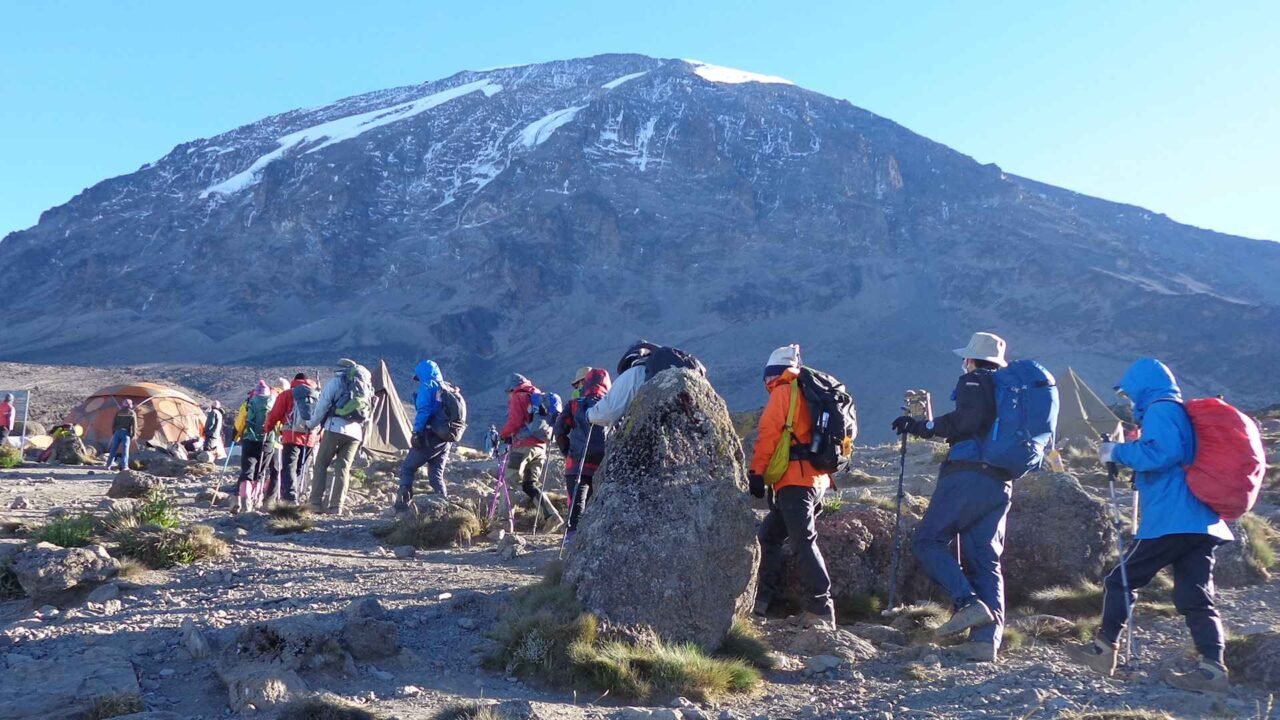
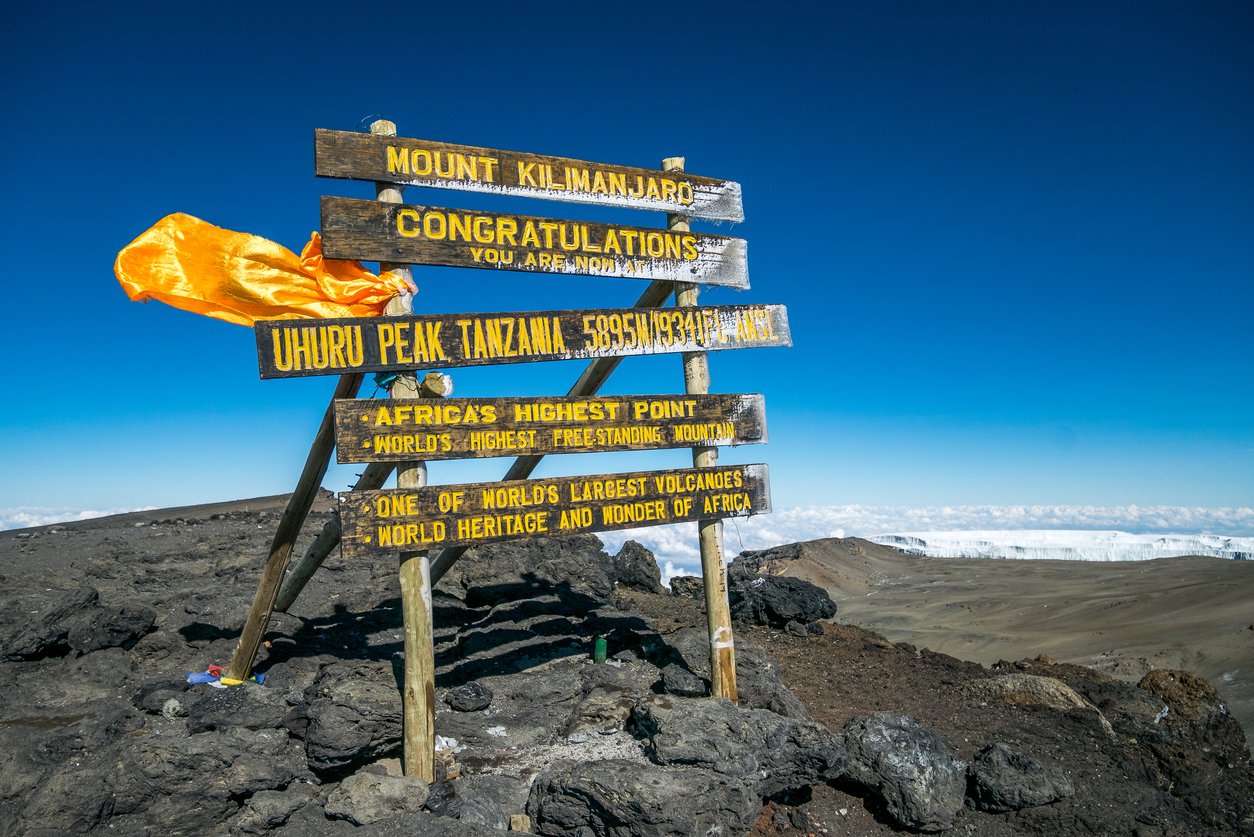
If you are planning your expedition for December 2026, you are likely looking at a window that sits right at the tail end of the short rains. This time of year is a favorite for many, specifically because it allows for a celebration at the summit near Christmas or New Year. However, the weather behaves differently depending on your altitude. To plan effectively, you must stop thinking of the mountain as a single climate zone and instead view it as a vertical environment where weather patterns change every few thousand meters.
As a local operator, we see the mountain change constantly throughout the month. Early December can be wetter, while the period leading up to the end of the month often sees the weather stabilize as the transition toward the dry season begins. If you are aiming for a specific date, such as a New Year Summit package, remember that availability fills up months in advance, regardless of the weather outlook.
The Reality of the Short Rains (Vuli)
The term “short rains” is often misunderstood by travelers. It does not mean the mountain becomes inaccessible or that you will be hiking through a deluge for eight days straight. The vuli pattern typically manifests as cloud buildup in the afternoons, followed by a shower that clears relatively quickly. Once the sun comes out, the moisture evaporates rapidly from the trail.
The primary impact of these rains is not the volume of water, but the condition of the trails. In the rain forest zone (the first one or two days of your trek), paths can become muddy. This makes trekking boots with excellent grip and the use of trekking poles non-negotiable. If you are comparing routes, the Marangu route is often preferred by those worried about mud because it stays on well-maintained paths and uses hut accommodation, keeping you off the damp ground at night.
Vertical Climate Zones: December Expectations
When you look at the weather forecast for Moshi or Arusha, ignore it. It bears almost no relation to what is happening at 4,000 meters. Here is how the weather shifts in December as you ascend:
- Cultivation Zone (800m – 1,800m): Warm, humid, and potentially misty. This is where you will feel the most impact of the short rains.
- Rain Forest (1,800m – 2,800m): Expect lush greenery. It will be cooler than the base, and you will likely encounter afternoon fog or mist.
- Heather/Moorland (2,800m – 4,000m): The air gets thinner and drier. The rain starts to become less frequent here, but temperatures drop significantly at night.
- Alpine Desert (4,000m – 5,000m): Very little precipitation. The sun is intense during the day, but temperatures hover near freezing once the sun goes down.
- Arctic Zone (5,000m+): This is an ice cap. It is always below freezing. December provides no reprieve from the cold at the summit; you must be prepared for extreme sub-zero temperatures.
Pro Tip: The Holiday Crowd Factor
Because December is a peak travel month, the mountain experiences higher traffic, especially in the week between Christmas and New Year. While the weather is generally manageable, the logistics are tighter. If you are traveling solo and want to save on costs, we often recommend looking into group joining options, but you must confirm your spot early. The weather might be clear, but the camps can be crowded.
Route-Specific Weather Considerations
Not all routes experience the mountain in the same way. When choosing your path for December 2026, consider how much time you want to spend in the lower, wetter zones versus the higher, drier zones.
| Route | December Weather Experience | Best For |
|---|---|---|
| Machame (6-7 Days) | Moderate exposure to rain in lower sections; excellent for acclimatization. | Those seeking a classic, scenic climb despite potential afternoon showers. |
| Marangu (5-6 Days) | Hut-based, reducing the feeling of dampness; predictable, well-trodden paths. | Climbers who want to avoid sleeping in tents during the short rains. |
| Northern Circuit (9 Days) | More time spent in higher, drier zones; minimizes time in the rain forest. | Climbers who prioritize the highest success rate and want to avoid the crowds. |
| Lemosho (7-8 Days) | Starts lower; can be wet initially, but provides stunning, remote scenery. | Adventure seekers who don’t mind a bit of mud for the sake of fewer crowds. |
If you are uncertain which route suits your physical preparation and weather tolerance, feel free to reach out to us at climb4africa@gmail.com or send a message via WhatsApp at +255 747 477 898. We can help you compare the 9-day Northern Circuit versus the 7-day Umbwe route based on current trail conditions for your planned dates.
Packing Strategy for December
Do not let the “warm” reputation of Tanzania fool you. Your packing list for December should be identical to a list for any other month. The key difference is your rain protection.
Essential Gear for December:
- High-Quality Rain Poncho or Shell: Do not rely on cheap, disposable plastic ponchos; they will rip on the trail. A durable, breathable rain jacket is essential.
- Waterproof Cover for Your Daypack: Most packs are not 100% waterproof. A dedicated rain cover is necessary to keep your layers and camera gear dry.
- Gaiters: These are highly recommended in December to keep mud and water out of your boots during the trek through the forest and moorland.
- Moisture-Wicking Base Layers: Avoid cotton at all costs. If you get wet, cotton will stay wet and make you cold. Synthetic or merino wool is vital.
Many travelers planning a Kilimanjaro Honeymoon and Zanzibar holiday in December often forget that the humidity changes dramatically between the mountain and the coast. Pack separate, breathable clothing for your beach extension, as the coast will be warm and humid, while the mountain will be dry and freezing.
Frequently Asked Questions About December Climbing
Can I still get a clear view of the summit in December?
Absolutely. December mornings are often crisp and clear. The cloud cover usually builds up in the afternoon, which means that if you start your trekking days early (as we always recommend), you will often be hiking in beautiful, sunny conditions before the afternoon clouds roll in.
Is the summit snow-covered in December?
Kilimanjaro is a glacier-capped mountain. While the glaciers have receded over the decades, the summit area remains permanently snow-covered. You should expect snow and ice near the crater rim regardless of the weather in the lower zones.
What if the weather is too bad to summit?
Our guides are trained to monitor weather patterns continuously. Safety is the primary decision factor. If extreme weather occurs—which is rare even in the short rains—the guides will adjust the pace or, in extreme cases, advise on the safest course of action. However, it is very uncommon for the short rains to prevent a summit attempt entirely.
Planning Your 2026 Expedition
Booking a climb for December 2026 requires more than just picking a route; it involves coordinating your international flights with the peak holiday season in Tanzania. We assist with the full logistics, from airport transfers to post-climb safari extensions. If you are traveling as a couple or a small group, consider the romantic summit packages which offer more privacy and flexibility during the busy holiday weeks.
For a detailed itinerary or to check current availability for your preferred December 2026 dates, contact our team directly. You can reach us at info@climb-4-africa.com or call/WhatsApp us at +255 747 477 898. Let us know if you are interested in group joining options, which are a fantastic way to meet fellow trekkers while managing your travel budget during this high-demand season.
Ultimately, Mount Kilimanjaro in December is a rewarding experience for those who are prepared. The mountain is alive, green, and vibrant. By respecting the vertical climate and coming with the right gear, the short rains become just another part of the adventure rather than a hindrance to your summit goal.
Managing Your Body’s Thermoregulation in December
While much of the focus on Kilimanjaro weather revolves around rain protection, the most significant physiological challenge for climbers in December is managing thermoregulation in a humid environment. Unlike the bone-dry conditions of July or August, the short rains (vuli) introduce a higher ambient humidity level in the lower and middle elevations, specifically the Cultivation, Rainforest, and Moorland zones. This creates a specific “sweat-chill” cycle that can compromise your energy levels before you even reach the high-altitude zones.
In drier months, sweat evaporates quickly, keeping your skin relatively dry. In December, the higher humidity means your perspiration does not evaporate as efficiently. If you hike at a pace that causes heavy sweating in the lower zones, that moisture stays trapped against your skin. When you stop for a break or reach a campsite, that dampness rapidly cools, leading to a sudden drop in body temperature. This is the primary reason why many climbers feel “colder” in December than they expect. To mitigate this, your mantra must be to hike at a pace that keeps you warm but minimizes sweating—a skill often referred to as “temperature regulation through movement.” If you feel yourself overheating, shed a layer immediately, even if it feels counterintuitive in the damp air. Keeping your base layers dry is your most effective defense against the chill of the mountain.
Acclimatization Rhythms Amidst Peak Season Traffic
Acclimatization is not merely a biological process of adjusting to lower oxygen levels; it is equally dependent on the quality of your recovery and rest. In December 2026, the high volume of traffic on the mountain creates a unique environmental factor: the “camp rhythm.” Because December is a peak season, campsites—especially on popular routes like the Machame or Lemosho—will be busier than usual. This can result in increased noise levels, more congestion at water points, and a general sense of urgency that can subconsciously push climbers to rush their recovery time.
Successful acclimatization requires deep, restorative sleep. If you find your campsite is crowded or noisy, do not hesitate to use high-quality earplugs and an eye mask. Your body needs to enter a state of deep rest to process the physiological stress of the ascent. Furthermore, the holiday atmosphere can sometimes encourage groups to stay up later or socialize more than they would on a standard expedition. While the festive spirit is a highlight of a December climb, remember that your primary goal is to summit. Be disciplined about your sleep schedule, even if the camp around you is buzzing with activity. Prioritizing 8 to 9 hours of rest, regardless of the holiday energy, is the single most effective way to ensure your body adapts to the altitude effectively.
The Hydration Paradox: Managing Intake in Humid Air
Climbers often struggle with hydration in December because the air feels “thicker” and more humid, particularly in the first few days of the climb. In the arid, high-altitude zones, the dryness of the air is a constant, visible reminder to drink water. In the humid lower zones of December, this reminder is absent. You may not feel the typical “dry throat” sensation that prompts drinking, leading to mild dehydration that compounds by the time you reach the higher, drier zones. Dehydration significantly lowers your body’s ability to acclimatize to altitude. Make it a habit to track your water intake by volume—aiming for 3 to 4 liters per day—rather than waiting for the sensation of thirst. By the time you feel thirsty in the humid rainforest, you are likely already behind on your hydration requirements, which can leave you vulnerable to altitude-related headaches once you ascend above the tree line.
Navigating Camp Life and Gear Integrity in the Short Rains
While much of the preparation for a Kilimanjaro expedition focuses on the ascent itself, the reality of the December 2026 “short rains” is that a significant portion of your time—often 10 to 12 hours a day—is spent in camp. During the vuli season, the challenge is not just staying dry while moving, but maintaining a dry micro-environment inside your tent. In December, the ambient humidity is higher than in the arid months, which changes the physics of your camp life. Understanding how to manage this environment is the difference between a comfortable expedition and a miserable one.
Condensation Control: The Hidden Challenge of December Humidity
In the drier months, campers often focus exclusively on precipitation. In December, however, the primary enemy is often internal condensation. When the air outside is humid and the air inside your tent is warmed by your body heat, the resulting temperature differential causes moisture to accumulate on the inner walls of the tent. If your sleeping bag or clothing touches these walls, that moisture transfers directly to your gear, potentially compromising your insulation.
To combat this in December, you must adopt a rigorous tent ventilation protocol. Even if it feels cold, ensure the vents of your tent are open to allow airflow. This reduces the humidity buildup inside. Furthermore, keep your sleeping bag and dry clothes strictly in the center of the tent, away from the flysheet. If you notice dampness on the tent walls in the morning, wipe it down with a small microfiber towel before packing your tent away. This simple habit prevents your tent fabric from becoming heavier and wetter throughout the duration of the climb, ensuring that when you pitch at the next camp, you are starting with a drier foundation.
The Mud Management Protocol: Protecting Your Footwear
The lower zones of Kilimanjaro, specifically the rainforest and moorland sections, can become notoriously muddy during the December short rains. Unlike the dust of August, which brushes off easily, December mud is persistent and can lead to “trench foot” if not managed correctly. The key is to treat your footwear as a sealed system.
First, gaiters are not optional in December. They are your primary defense against mud and water entering the top of your boots. Ensure they are fitted tightly around your calves and securely hooked to your laces. Second, establish a strict “two-zone” rule for your boots. Keep them inside your tent vestibule at night, never inside the sleeping area. If they are wet, do not leave them exposed to the night air, which can cause them to freeze and harden by morning. Instead, stuff them with dry paper or a small, moisture-wicking towel overnight to draw out the internal dampness. In the morning, if they are still damp, put on a fresh pair of dry wool socks—this is the most effective way to keep your feet warm and blister-free, even if the boots themselves have not fully dried.
Psychological Resilience During the Festive Peak Season
Climbing in December brings a unique psychological dynamic: the “holiday pressure.” You are surrounded by other climbers who are often celebrating, planning New Year’s toasts, or sharing festive stories. This energy can be a double-edged sword. On one hand, it provides a morale boost that can help you push through the physical fatigue of the ascent. On the other, it can create a false sense of urgency or lead to social exhaustion.
To maintain your focus, remember that your summit attempt is a personal endeavor. If the group energy becomes overwhelming or if the communal atmosphere interferes with your sleep—which is vital for altitude adaptation—do not feel guilty about retreating to your tent. Use this time to journal, practice breathing exercises, or simply rest. The most successful climbers in December are those who can balance the festive, communal spirit of the holiday season with the disciplined, quiet focus required for high-altitude trekking. Treat the mountain as a sanctuary, even when the camps are buzzing with the energy of the season.
Mastering the Summit Night Temperature Swing in December
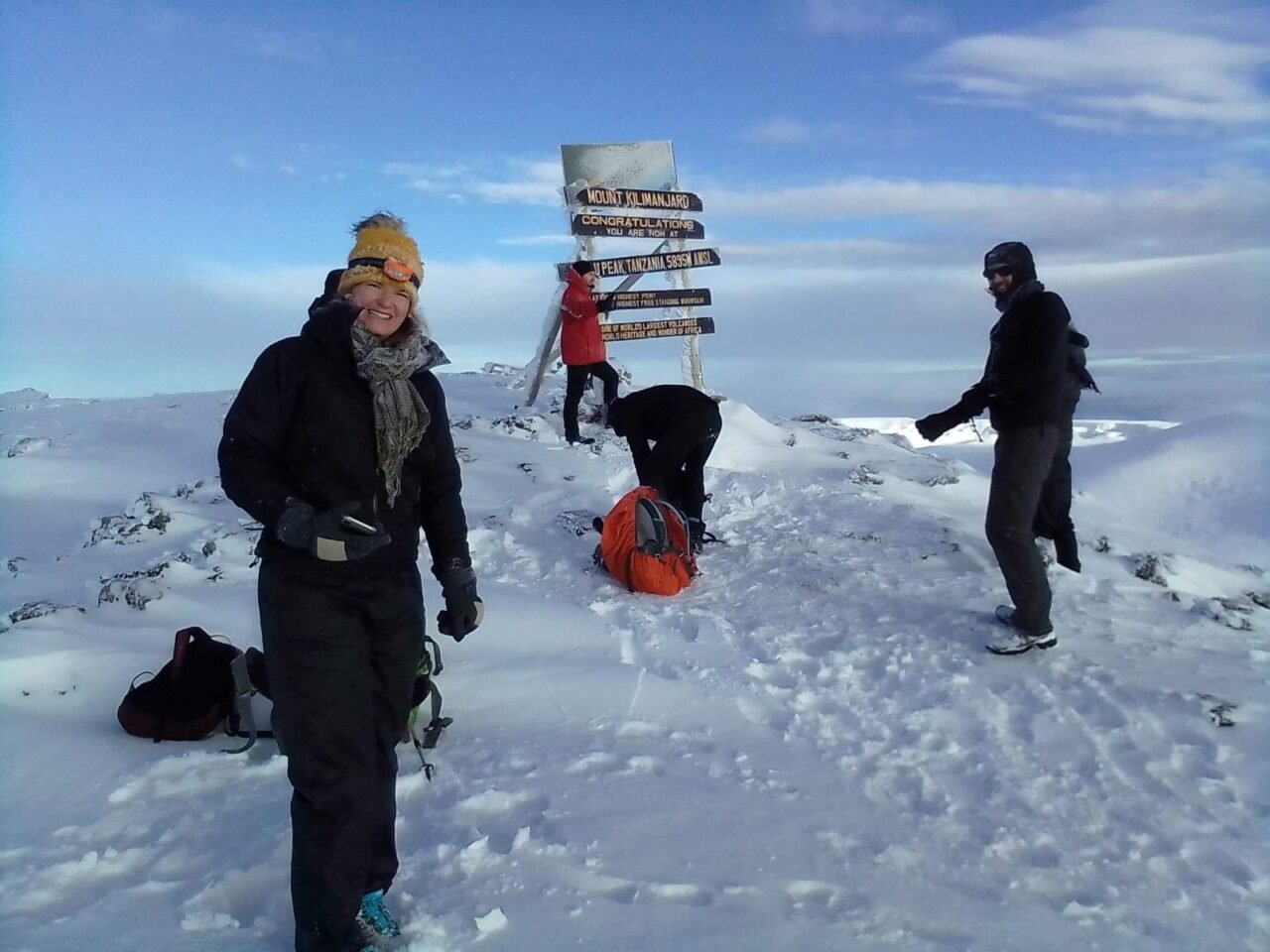
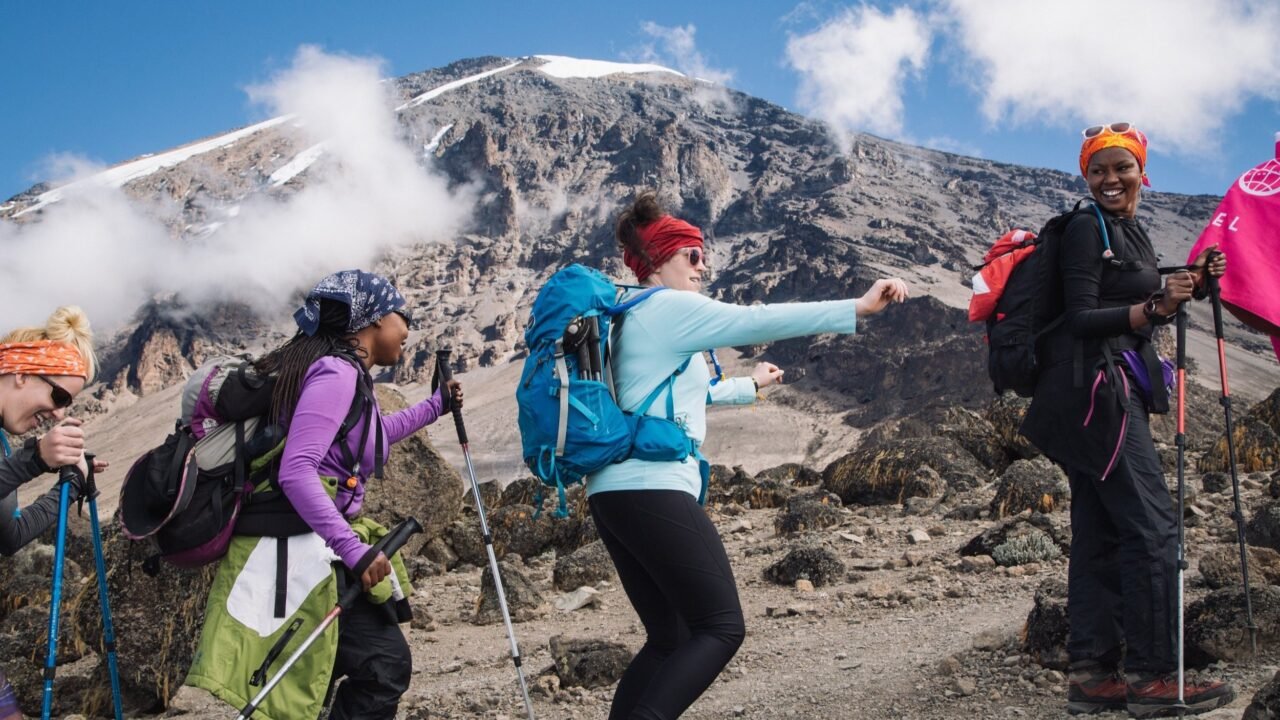
The most critical meteorological event of your December expedition occurs between midnight and 6:00 AM on your final ascent day. While you may have become accustomed to the humid, temperate conditions of the rainforest or the manageable chill of the moorland, the summit night presents an entirely different challenge. In December, the atmosphere often retains a higher moisture content than in the peak dry months, which creates a specific risk: the “freezing damp” effect. As you ascend from the high camps like Barafu or Kibo, the air temperature plummets, often reaching -10°C to -15°C. Because the air in December is not as desiccated as it is in the dry season, any moisture trapped in your base layers—or even from your own perspiration—can turn into a conductive cooling agent. This is why December summit nights require a distinct gear protocol: you must ensure that your base layers are bone-dry before you depart for the summit. Even a slightly damp shirt, which might be tolerable at lower altitudes, becomes a liability when the wind chill hits the crater rim. We advise carrying a completely fresh, sealed base layer in your summit pack, to be changed only at the final camp just minutes before you begin the midnight climb. This ensures that your microclimate against your skin starts completely dry.
The “December Dawn” and Horizon Dynamics
Climbers often ask if the sunrise in December offers the same “clear” views as the dry season. The reality is more nuanced. December mornings are frequently characterized by “cloud inversions,” a phenomenon where the heavy, moist air settles in the valleys below, creating a sea of white clouds beneath your feet as you reach the summit. While this makes for spectacular, ethereal photography, it also means that the horizon can sometimes be hazy or obscured by high-altitude cirrus clouds that are more prevalent during the shifting weather patterns of the short rains. Unlike the stark, high-contrast visibility of July, a December sunrise often features softer, diffused light. This is not “bad” weather; it is simply a different atmospheric aesthetic. When planning your summit push, do not be disheartened if the horizon is not perfectly sharp. The play of light through the moisture-rich air often creates vivid, dramatic sunrises that are visually distinct from the dry-season experience. Prepare your camera gear for this: the humidity can cause lenses to fog the moment you step out of your tent into the freezing air. Keep your camera inside your sleeping bag or jacket until the very last moment to allow it to acclimatize to the ambient temperature slowly.
Managing Equipment Failure in Humid Cold
Equipment failure in December is almost always linked to the intersection of moisture and freezing temperatures. In the dry months, hydration bladders are standard. In December, however, the residual humidity in the air can lead to the formation of ice crystals inside your hydration tube, even if the water inside the reservoir remains liquid. This is a common point of failure. We strongly recommend transitioning to wide-mouth insulated water bottles for the summit night. If you must use a bladder, keep the tube inside your jacket, close to your body heat, and blow the water back into the reservoir after every sip to clear the tube. Furthermore, consider the impact on your headlamp batteries. Cold, damp air drains lithium-ion batteries faster than dry, cold air. Always keep a spare set of batteries in an inner pocket of your jacket, where your body heat will maintain their efficiency. If your headlamp begins to dim, do not wait for it to fail; the psychological stress of a dying light in the dark, windy conditions near Stella Point is unnecessary and avoidable.
The Descent: Navigating Wet Scree and Mud
The descent from the summit is often treated as an afterthought, but in December, it requires as much tactical focus as the ascent. By the time you reach the higher altitudes on your way down, the sun will have begun to warm the mountain, and the moisture trapped in the scree and soil will begin to release. This creates a surface that is significantly more slippery than the hard-packed, frozen ground you encountered during the ascent. The “scree skiing” technique that works perfectly in August can be treacherous in December, as the wet, loose rock acts like ball bearings. Your trekking poles are your most valuable safety tool during this phase. Ensure your basket attachments are secure and locked in place; they will prevent your poles from sinking too deeply into the soft, rain-saturated soil. Furthermore, expect the lower zones—specifically the path back through the alpine desert and into the moorland—to be noticeably muddier than they were on your way up. As the daily afternoon showers hit the mountain, the trails you hiked on the ascent may have transformed. Do not rush the descent. The combination of post-summit fatigue and slippery terrain is the most common cause of minor injuries like rolled ankles. Treat the walk down with the same deliberate, measured pace you used to reach the summit.
Post-Climb Recovery: Weather-Driven Fatigue Management
While the summit is the primary goal, the recovery phase in the days immediately following your descent is significantly impacted by the unique weather patterns of December. Climbers often underestimate how the “vuli” season influences their post-climb physical state. Returning from the high-altitude, freezing summit to the humid, lower-altitude warmth of the rainforest creates a rapid physiological transition that can exacerbate post-summit lethargy. In the dry season, the descent is often dusty and hot, but in December, you are walking back into a landscape that has been refreshed by daily rainfall. This humidity can make your muscles feel heavier and your recovery slower than you might anticipate.
After reaching your final camp—often Mweka or similar exit points—your body will begin to process the massive caloric deficit and fluid loss accumulated over the week. In December, the ambient humidity means that sweat does not evaporate as efficiently as it does in the arid months. Consequently, you may find that you remain damp and chilled much longer after stopping your trek. This is a critical window for thermoregulation. Do not sit in your damp hiking clothes after arriving at camp. Even if the sun is out, the humidity can sap your body heat rapidly. Change immediately into dry, base-layer clothing, even if you are just lounging before dinner. This simple act of moisture management prevents the “post-summit shiver,” a common phenomenon where the body, finally relaxed after the exertion, struggles to maintain core temperature in the damp air.
Furthermore, consider your dietary recovery. In the humid December heat of the lower slopes, heavy, greasy celebratory meals—often served at hotels in Moshi or Arusha—can be difficult for a stomach that has been functioning on high-altitude rations. Your digestive system is effectively in a state of “re-entry.” Opt for hydrating, nutrient-dense foods like fresh fruit, soups, and electrolytes in the first 24 hours post-climb. The local Tanzanian diet, which often features fresh tropical fruits like mangoes and papayas, is perfect for this transition. These fruits are abundant in December and provide the precise hydration and vitamin boost needed to counteract the dehydration of the climb. Prioritizing this gentle transition helps avoid the common “post-climb crash” and allows you to enjoy the festive atmosphere of the towns without feeling physically depleted.
The Wildlife and Vegetation Shift: Seeing the Mountain Rebound
One of the distinct advantages of a December climb is witnessing the mountain’s ecological response to the short rains. While climbers often focus on the inconvenience of mud or clouds, the flip side is the spectacular transformation of the flora. The lower rainforest zones, which can look somewhat parched toward the end of the long dry season, are vibrant, lush, and teeming with life in December. You are more likely to see the unique endemic plants of Kilimanjaro, such as the Giant Lobelia and Dendrosenecio, in a state of active growth or flowering. The moisture stimulates the mountain’s biodiversity, making the lower trails feel more like a living jungle than a dusty path.
This ecological vibrancy also influences wildlife sightings. While you are unlikely to see large mammals on the trekking routes, the birdlife becomes more active and vocal in the mornings following the previous afternoon’s rain. The mist that hangs in the canopy during the early hours of the day adds a mystical quality to the forest sections of the Machame or Lemosho routes. If you are a photographer or a nature enthusiast, December offers a unique aesthetic: the contrast between the dark, wet greens of the rainforest and the stark, white snow of the summit, often framed by the dramatic, shifting clouds that characterize the short rains. This visual drama is absent in the clear, monochromatic blue skies of the dry season, making December a compelling time for those who prioritize the visual and atmospheric experience of the mountain over the guarantee of perfect, cloudless weather.
Check Availability for Mount Kilimanjaro Weather In December : A Climbers Guide 2026
Ready to compare dates, prices, and the best option for your group? Send the package name and travel month so the team can reply with a clear quote, availability, and what is included.
Senior Friendly Kilimanjaro Mountain Tours December : Expert Planning Guide
A detailed guide to choosing the right route, pace, and support for seniors planning a Kilimanjaro expedition in December 2026.
View package details
Vip Kilimanjaro Expedition With Private Mountain Crew December 2026
A detailed guide to planning a bespoke, high-support Kilimanjaro expedition for December 2026, focusing on private crew logistics, route selection, and safety.
View package details
Luxury Mount Kilimanjaro Trekking Packages December : Planning Your Premium
A detailed guide to booking luxury Kilimanjaro trekking packages for December 2026, covering route selection, premium service standards, and planning essentials.
View package detailsHow Early Should I Book A December Kilimanjaro Group Trek? A Planning Guide
Planning a December Kilimanjaro climb? Learn the ideal booking window, why holiday dates fill up fast, and how to secure your spot for 2026-2027.
View package details
Can I Join A Kilimanjaro Group Alone In December ? Expert Guide 2026
Planning a solo trip? Find out how you can join a Kilimanjaro group in December 2026, the benefits of group departures, and the steps to secure your spot.
View package details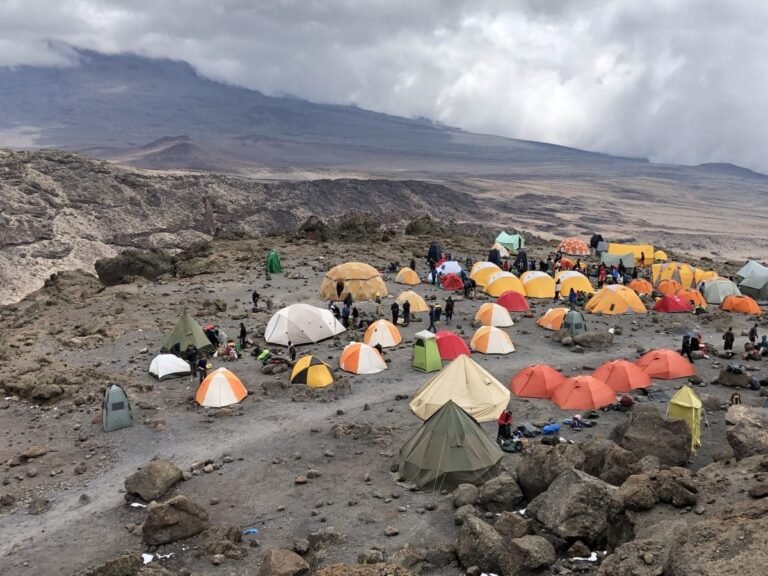
Is December A Good Time To Climb Kilimanjaro? A Local Expert Guide 2026
Planning for December 2026? Discover why this month is a popular choice for Kilimanjaro climbs, how the 'short rains' affect your trek, and why early booking is essential for the holiday...
View package details
Kilimanjaro December Climbing Cost Including Park Fees: A Transparent
A detailed look at the financial structure of a Kilimanjaro climb in December 2026, focusing on mandatory park fees, ethical operator standards, and route-specific cost variables.
View package details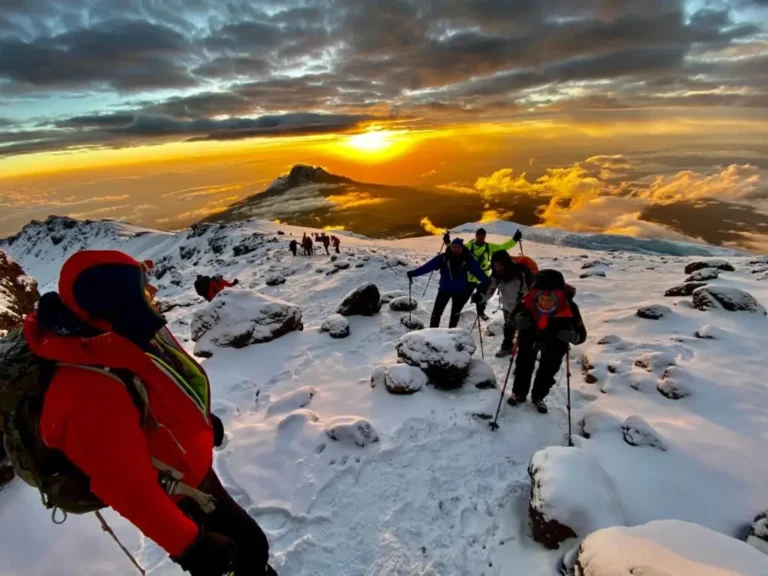
Kilimanjaro New Year Summit Packages: Planning Your December Departure 2026
A practical guide to securing your Kilimanjaro New Year 2027 summit. Learn why starting your climb in late December 2026 is critical for a successful, stress-free ascent.
View package detailsKilimanjaro Full Moon Climbing Experience December 24 : Planning Your Summit
A comprehensive guide to planning a Kilimanjaro full moon summit for December 2026, covering route selection, holiday season logistics, and expert preparation strategies.
View package details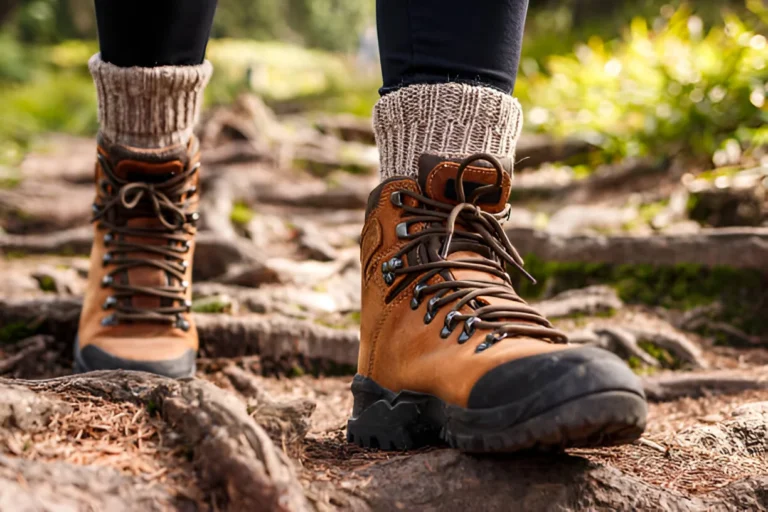
Kilimanjaro Climbing Packages For Students On December Holidays 2026
Kilimanjaro Climbing Packages for Students on December Holidays.
View package detailsCheapest Kilimanjaro Climbing Options For December 2026 Guide
When searching for the most affordable way to climb Kilimanjaro in December 2026, the key is understanding that 'cheap' should never mean 'unsafe.' We break down how to manage costs through...
View package details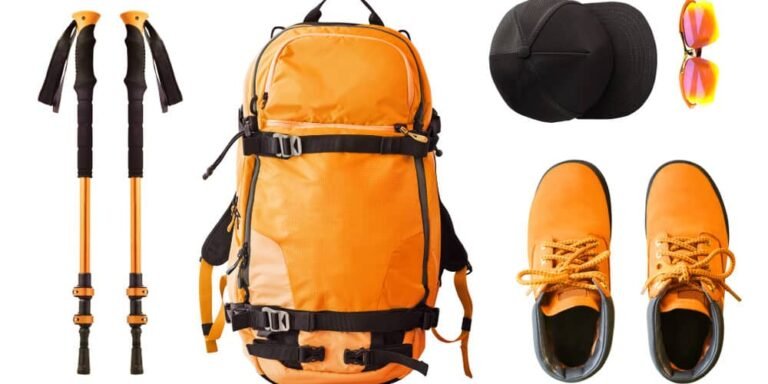
Kilimanjaro Honeymoon Climbing And Zanzibar Beach Holiday: December Planning
A practical guide for couples planning a Kilimanjaro climb and Zanzibar beach holiday in December 2026, focusing on route selection, recovery logistics, and planning timelines.
View package detailsNo related package matches those filters. Clear one or more filters to see the other topic-matched options.



