
The short answer is yes. If you are wondering, Can I join a Kilimanjaro group alone in December 2026?, you are asking a question that we hear almost daily from solo adventurers. The reality is that the vast majority of our climbers arrive as individuals, not as pre-formed teams. Joining an existing group is not only possible; it is often the preferred way to experience the mountain because it reduces costs, provides instant camaraderie, and allows you to benefit from the established logistics of a scheduled departure.
December is one of the most popular times of the year for this type of travel. Because it coincides with holiday breaks and the turn of the year, there is a natural density of travelers looking to share the experience. At Climb 4 Africa, we specialize in organizing these group departures, ensuring that solo travelers are matched with compatible itineraries that balance safety, acclimatization, and social interaction.
How Group Joining Works for Solo Climbers
When you book a spot on a group departure, you are essentially buying a “seat” on a trek that has already been vetted and scheduled. This is fundamentally different from a private climb where you dictate the start date. In a group setting, the dates are fixed, and the route is pre-selected. This structure is what makes group climbing efficient and more affordable than private expeditions.
The process generally follows these steps:
- Inquiry: You contact us to express interest in a specific date range. We cross-reference this with our current roster of confirmed departures.
- Verification: We confirm the status of the group. Some groups are already confirmed with a minimum number of climbers; others are “open” and waiting for more participants to reach the critical mass required for the tour to proceed.
- Booking: Once you decide on a date, we secure your spot. You are then linked with other climbers who have the same objective.
- Pre-Departure Coordination: We facilitate communication, ensuring everyone is on the same page regarding gear, visas, and meeting points in Moshi or Arusha.
If you are looking for available options, you can explore our Kilimanjaro Group Joining Tours December 2026 with Prices and Dates for a detailed breakdown of current schedules.
Why December 2026 is a Strategic Choice
December is a unique month on Mount Kilimanjaro. It falls during the tail end of the short rains, which means you might encounter some localized showers on the lower slopes, but you also get the benefit of warmer temperatures and lush landscapes. More importantly for the solo traveler, it is a high-traffic month.
Because so many people are looking to summit before the new year or during the Christmas holiday, finding a group to join is significantly easier in December than in the quieter months like May or November. You are much more likely to find a group that has already met its minimum participant requirement, meaning your departure is essentially guaranteed. If you are specifically targeting the holidays, you might want to look into our Join a Kilimanjaro Christmas Climbing Group in December 2026 programs.
Comparison: Group Joining vs. Private Climbs
Deciding whether to join a group or go private involves weighing cost against flexibility. Here is how they compare in a practical sense:
| Feature | Group Joining | Private Climb |
|---|---|---|
| Cost | Lower (Shared costs) | Higher (Individual costs) |
| Dates | Fixed departures | Flexible |
| Social Aspect | Meet new people | Solo or private group |
| Pace Control | Group consensus | Your own pace |
For most solo travelers, the group dynamic is a major highlight. You will find yourself sharing meals in the mess tent with people from all over the world, which is a significant part of the Kilimanjaro experience. For those who prioritize this social interaction, our Best Kilimanjaro Group Climbing Packages for December 2026 are specifically curated to foster that environment.
What Happens if You Are the Only One?
This is the most common fear for solo travelers: “What if I book, but no one else joins?” It is a valid concern. At Climb 4 Africa, we maintain transparency about this. If you are the only person booked on a specific departure, we will offer you a few options:
- Convert to Private: We can adjust the package to a private climb. This will come with a price adjustment to cover the fixed costs that were previously shared.
- Switch Dates: We may suggest moving your booking to a date where a group is already confirmed.
- Wait and See: We can keep your booking open for a set period to see if others join.
We never cancel a trip on you without offering a clear, fair path forward. Our goal is to get you on the mountain, not to leave you stranded.
Choosing the Right Route for Group Climbs
Not all routes are equally popular for group departures. The Machame Route and the Lemosho Route are the heavy hitters for group joining. They offer the best balance of scenery, success rates, and accessibility.
The Machame Route, often called the “Whiskey Route,” is arguably the most social. Because it is highly frequented, it is very easy to find group departures. It offers a challenging but rewarding ascent with excellent acclimatization profiles. If you are debating routes, you can read more about the Machame Route Kilimanjaro Group Departures and Dates to see if it aligns with your fitness level and expectations.
For those who prefer a slightly quieter, more scenic start, the Lemosho Route is a fantastic alternative. It is longer, which aids in acclimatization, and it merges with the Machame route halfway through, giving you the best of both worlds. However, because it is longer, it is sometimes slightly more expensive than a standard Machame trip.
Practical Steps for Your December 2026 Planning
If you are serious about climbing in December 2026, the time to start planning is now. While it feels far away, the best guides and the most popular group slots fill up quickly. Here is how to handle the logistics effectively:
- Check your dates: December is a busy month for travel. If you have specific dates, check them against our availability. If you are flexible, you will have more options.
- Review the route: Don’t just pick the cheapest option. Read about the differences in acclimatization. A 7-day climb is significantly more comfortable and has a higher success rate than a 6-day climb.
- Ask about inclusions: Ensure your group package includes everything: park fees, rescue fees, camping equipment, professional guides, and quality meals. You don’t want hidden costs popping up once you arrive in Tanzania.
- Reach out: Don’t rely solely on online forms. Send a direct inquiry. You can reach us via WhatsApp at +255 747 477 898 or email us at climb4africa@gmail.com. We can give you the most up-to-date information on which groups are forming.
Managing Expectations for Your Solo Adventure
Joining a group as a solo traveler is an incredible way to see the world, but it requires a certain mindset. You must be comfortable with the idea of sharing space. You will be in a tent with one other person, sharing a mess tent with the whole group, and relying on the group’s collective pace.
It is also important to remember that weather in December is unpredictable. You should pack for all conditions—from the hot, humid rainforest at the base to the freezing arctic conditions at the summit. Being prepared with the right gear is the best way to ensure you enjoy the group experience rather than just enduring it.
If you are feeling unsure about whether this is the right time for you, have a look at our guide on Is December 2026 a Good Time to Climb Kilimanjaro? to get a better sense of what the mountain conditions will look like.
Finalizing Your Booking
When you are ready to secure your place, the process is straightforward. We require a deposit to hold your spot on the group departure. This deposit confirms your commitment and allows us to reserve your permits and staff. The balance is typically due closer to the date of your trip.
Because we are a local operator, we have the flexibility to help you tailor your trip. If you want to add a safari to your Kilimanjaro climb or a few days in Zanzibar to recover after your summit, we can build that into your itinerary seamlessly. We don’t just sell climbs; we handle the logistics of your entire Tanzanian experience.
If you have any lingering questions or want to see if a specific group is forming for your preferred week in December 2026, please do not hesitate to reach out. You can contact our team at climb4africa@gmail.com or our backup address at info@climb-4-africa.com. We are here to help you navigate the logistics so you can focus on the climb.
Preparing for the Social Dynamics of a Group Climb
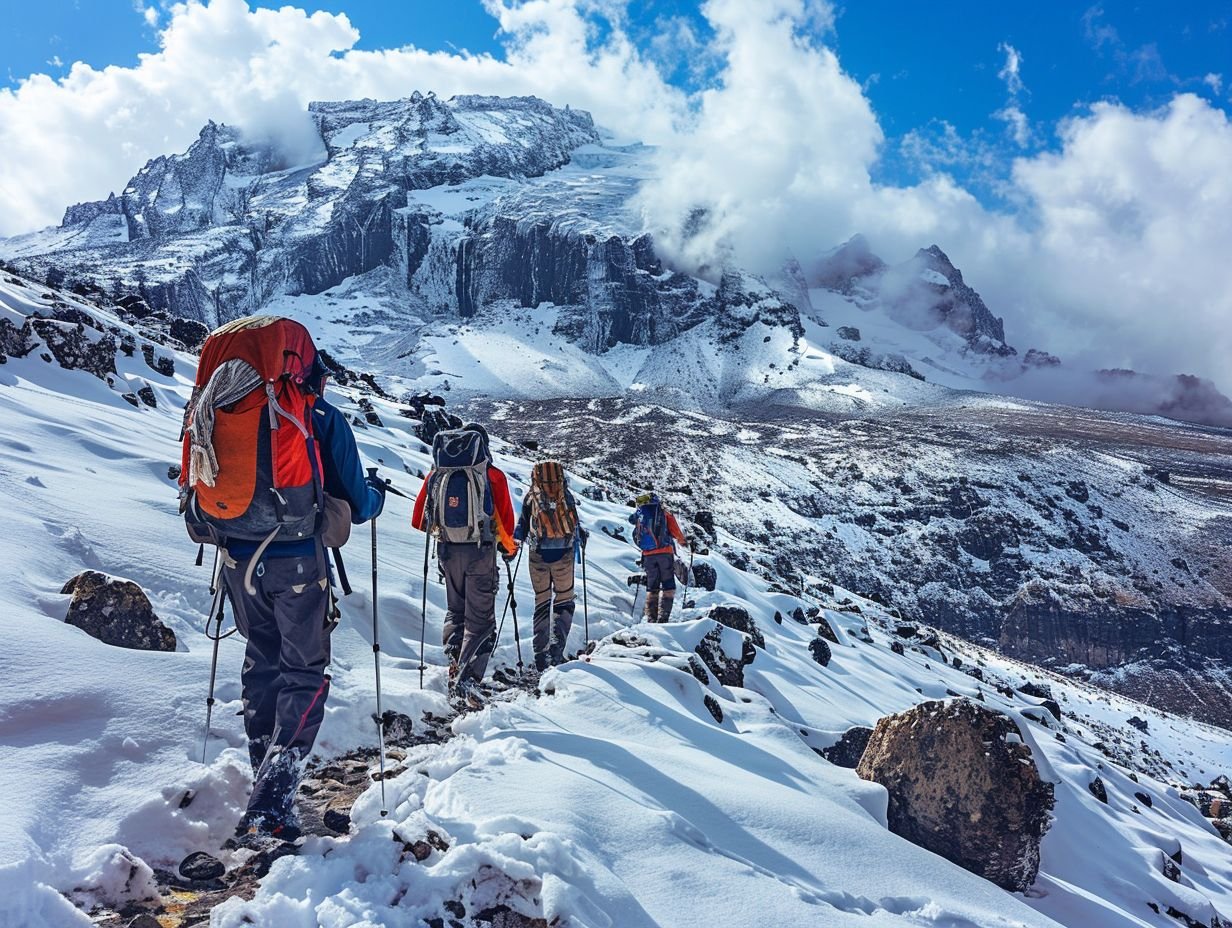
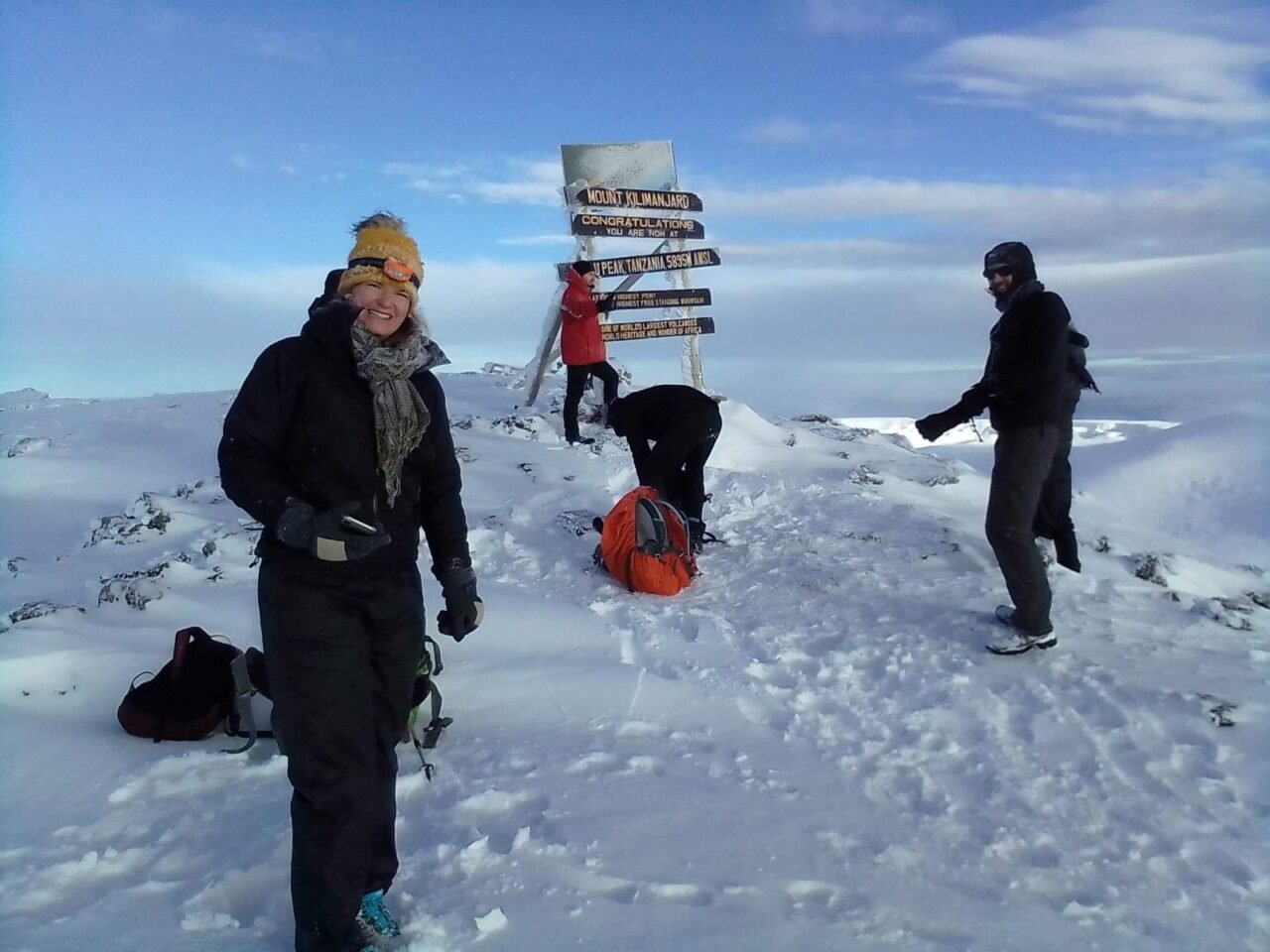
One of the most overlooked aspects of joining a Kilimanjaro group as a solo traveler is the social ecosystem you will be entering. Unlike a private climb, where your interaction is limited to your own party and the mountain crew, a group departure creates a temporary community. For many, this is the highlight of the trip, but it requires a shift in social expectations. In December 2026, many group departures will be composed of people from diverse backgrounds, nationalities, and fitness levels, all sharing the singular goal of reaching Uhuru Peak. Understanding how to integrate into this group dynamic before you arrive can significantly enhance your experience.
The first few days on the mountain are often characterized by a polite, reserved atmosphere as everyone gets to know one another. As the altitude increases and the physical demands of the climb grow, these barriers tend to break down. You will find that the shared struggle of trekking for several hours a day creates a unique bond. Be prepared for a mix of personalities. You may find yourself trekking alongside someone who is an experienced mountaineer, a first-time hiker, or someone seeking a personal challenge for a milestone birthday. Embrace this diversity; it is one of the greatest advantages of group travel. If you are naturally introverted, remember that the mountain environment provides plenty of opportunities for solitude, but also expect to spend your evenings in the mess tent where communal meals are the standard practice.
Managing Your Gear and Personal Space in a Group Setting
Space is a premium commodity on Kilimanjaro. When you join a group, you must be disciplined about how you manage your personal equipment. Your tent will likely be shared with one other group member, meaning your duffel bag and daypack must be organized efficiently to avoid clutter. Most operators provide a specific weight limit for your duffel bag—typically around 15 kilograms—which is carried by the porters. Because the porters are managing the gear for the entire group, strict adherence to this limit is not just a suggestion; it is a logistical necessity. If you arrive with an oversized or overweight bag, it can disrupt the entire team’s packing schedule.
Beyond the duffel bag, your daypack is your responsibility. This is the bag you carry with you during the trek, containing your water, layers, camera, and personal essentials. In a group setting, you should aim to be self-sufficient with your daypack. You don’t want to be the person constantly asking to stop because you need to dig into your bag to find a rain jacket or a snack. Organize your daypack before you leave the camp each morning. Furthermore, keep your personal hygiene items and electronics in small, waterproof stuff sacks. This makes it easier to pack and unpack within the confined space of a shared tent and prevents your smaller items from getting lost in the shuffle of a busy camp.
Navigating the Pace of the Group
Perhaps the most critical adjustment for a solo traveler joining a group is adapting to the group’s collective pace. On a private climb, you and your guide can adjust your speed to suit your personal fitness levels. In a group, the pace is set by the guides to ensure the safety and success of the slowest member. This is often described as ‘pole pole’ (slowly, slowly), which is the golden rule of Kilimanjaro. However, ‘slowly’ can mean different things to different people. You may feel that the group is moving too fast for your comfort, or conversely, that you are ready to push ahead.
It is essential to respect the guide’s decision on the group pace. They are managing the acclimatization profile for multiple people, and they have the experience to know when to push and when to hold back. If you find yourself consistently lagging behind or needing to stop more frequently than others, communicate this clearly to your lead guide at the start of the day. They may suggest that you start the day’s trek 15 minutes earlier than the rest of the group to allow you to maintain your comfortable rhythm without feeling pressured to keep up. This is a common and accepted practice, and it ensures that you reach the camp without exhausting yourself prematurely.
Establishing Pre-Trip Connections
For many solo climbers, the anxiety of joining a group often centers on the “unknown” of their future companions. While you will inevitably meet your team at the pre-climb briefing in Moshi or Arusha, modern group expeditions often facilitate pre-departure communication that can significantly enhance your experience. Most reputable operators will, with the consent of all participants, create a shared communication channel—typically a WhatsApp group or an email thread—several weeks before the departure date. This is an invaluable resource for solo travelers.
Use this platform to initiate simple, practical conversations. Discussing gear choices, such as which sleeping bag rating is appropriate for the December conditions or confirming the packing list, serves as an excellent icebreaker. It also allows you to gauge the experience levels of your group. You might discover that another climber is also traveling from your home country, or that someone else is bringing a specific type of camera gear you were curious about. By the time you arrive in Tanzania, the “stranger danger” factor is largely eliminated, and you will likely find yourself greeting teammates like old friends at the hotel lobby. This pre-trip networking is not just social; it is practical. It allows the group to coordinate on shared items—such as who is bringing a power bank, a travel adapter, or a first-aid kit—thereby reducing the overall weight the group carries and ensuring everyone has access to essential backup equipment.
Group Health and Collective Vigilance
One of the most significant advantages of a group climb is the built-in safety net of having multiple observers. While your guides are the primary authority on safety, the “buddy system” is a critical component of a successful group ascent. As a solo traveler, you are part of a collective health monitoring network. On the mountain, acclimatization is non-linear and affects everyone differently. In a group setting, it is common practice to check in with your immediate tent-mate or walking partner during the evenings. Subtle signs of Acute Mountain Sickness (AMS)—such as a loss of appetite, irritability, or a persistent headache—are often easier for a peer to notice than for the individual experiencing them to admit.
This collective vigilance extends to hygiene and mess-tent etiquette. In a group environment, the risk of common colds or stomach bugs can increase if hygiene protocols are not followed strictly. This is not about being paranoid; it is about being disciplined. Ensure you are using hand sanitizer religiously before entering the mess tent and after using the toilets. If you are feeling unwell, be transparent with your group. There is no shame in admitting you have a headache or are feeling nauseous. By vocalizing your symptoms early, you allow the guides to adjust your intake of water, medication, or pace, preventing a minor issue from escalating into a reason for an early descent. Remember, the group’s success is often tied to the health of its members; by taking care of yourself, you are directly contributing to the team’s overall ability to reach the summit.
Navigating Post-Summit Tipping and Group Celebrations
The conclusion of a Kilimanjaro climb is an emotional, high-energy event, and for solo travelers, the final logistics can feel slightly overwhelming. A major point of confusion for groups is the tipping process. Unlike a private climb where you have a clear, direct relationship with your lead guide, a group departure involves a larger support crew—porters, assistant guides, cooks, and waiters—who have worked hard to support the entire team. It is standard practice for the group to pool their tips into a “collective fund” rather than each individual trying to tip every staff member separately. This is a much more efficient and equitable way to ensure the entire support crew is compensated fairly.
As a solo traveler, you should participate in the group’s decision-making process regarding the tipping pool. Usually, a designated “group representative” (often a volunteer from the climbers) will collect the contributions and manage the distribution on the final night or at the hotel. It is advisable to have a rough idea of the recommended tipping guidelines provided by your operator before you start the trek. This prevents any awkwardness or last-minute scrambling for cash when you are exhausted from the summit push. Additionally, the final night is a time for celebration. Even if you are an introvert, make an effort to attend the final dinner. This is where the “solo” aspect of your trip truly transforms into a shared memory. You will be sharing stories of the climb, exchanging contact information, and celebrating the collective achievement. This final social ritual is the culmination of your solo journey and serves as the bridge back to your life at home, often leaving you with a network of friends from across the globe.
The Post-Climb Transition: Returning to the Real World
Once the celebration dinner concludes and you have settled your final accounts with the trekking company, you will find yourself in a unique, somewhat disorienting position. You have spent the last week or more in a hyper-focused, communal bubble where every meal, movement, and sleep schedule was dictated by the needs of the group. Suddenly, that structure evaporates. For the solo traveler, this transition from the intense, guided environment of the mountain back to independent travel in Tanzania—and eventually back home—requires as much intentional planning as the climb itself.
It is common for solo climbers to experience a phenomenon often referred to as “summit blues” or post-adventure decompression. After the adrenaline of reaching Uhuru Peak and the camaraderie of the group, the return to a hotel room in Moshi or Arusha can feel jarringly quiet. You may find yourself suddenly hyper-aware of your own solitude. This is a completely normal reaction to the abrupt cessation of the group’s collective energy. To navigate this, plan your post-climb days with a balance of rest and low-stakes engagement. Do not feel pressured to immediately look at sightseeing or intense travel plans the day after you descend. Your body has undergone significant physical stress; even if you feel fine, your immune system is compromised, and your muscles are fatigued. Prioritize a “buffer day” where your only responsibilities are eating, hydrating, and sleeping.
Managing the Physical and Mental Aftermath
Beyond the emotional adjustment, there are immediate practical realities to address. The “mountain cough”—a dry, hacking cough caused by the high altitude and cold, dry air—often persists for several days after descent. Stay hydrated and continue to monitor your health. If you are traveling solo, you don’t have a tent-mate to check on you, so be proactive. If symptoms worsen, do not hesitate to contact your trekking operator; they are well-versed in post-climb health issues and can direct you to local medical facilities if necessary.
Hygiene becomes your immediate priority upon returning to civilization. After days of using wet wipes and bucket washes, the prospect of a proper shower is glorious, but remember that your skin will be sensitive. Pack a gentle moisturizer or body lotion in your kit, as the combination of mountain sun and altitude will have likely left your skin dry and wind-burned. Furthermore, your gear will be dusty, sweaty, and potentially damp. Before you pack your duffel bag to head to the airport, take the time to air out your sleeping bag and dry your boots. If you are flying home immediately, ensure your gear is organized so that you aren’t trying to sort through dirty, mountain-worn items at the airport check-in counter.
Practical Logistics for Your Final Days
When booking your travel, resist the temptation to schedule your flight home for the evening of your descent. This is a logistical error that creates unnecessary stress. Always schedule your flight for at least one full day after your expected return to the hotel. This provides a safety net in case the descent takes longer than anticipated or if you simply need an extra 24 hours to recover. During this buffer time, you will need to handle laundry. Most hotels in Moshi and Arusha offer laundry services that can turn around a bag of clothes in 24 hours. This is invaluable for returning home with clean gear rather than a bag of mountain-scented laundry.
This is also the time to address your “post-climb” connectivity. If you have made friends within your group, coordinate how you will stay in touch. While you will likely exchange WhatsApp numbers or Instagram handles during the final dinner, it is helpful to have a designated plan for sharing photos. Many groups create a shared cloud folder or a dedicated group chat to upload images. Having a central repository for these memories is a fantastic way to extend the life of the experience and maintain the friendships you formed on the trail.
Finally, consider your transition back to your home environment. Returning to a fast-paced work or social life immediately after the solitude and slow pace of Kilimanjaro can be jarring. If your schedule allows, try to build in a day or two of “re-entry” time at home before returning to work. This period allows you to process the achievement, organize your photos, and gently integrate back into your daily routine. You have just completed a significant physical and mental challenge; give yourself the grace to integrate that experience fully before jumping back into the demands of your everyday life.
Related Guides and Packages
Check Availability for Can I Join A Kilimanjaro Group Alone In December ? Expert Guide 2026
Ready to compare dates, prices, and the best option for your group? Send the package name and travel month so the team can reply with a clear quote, availability, and what is included.
Traveling Alone To Kilimanjaro In December: Can You Join A Machame Route 2026
A practical guide for solo travelers planning a December Kilimanjaro climb. Discover how group joining works on the Machame Route, the realities of cost-sharing, and how to prepare for your...
View package details
Last Minute Kilimanjaro Group Joining Deals December : Planning Your Climb
Looking for last-minute Kilimanjaro group joining deals in December 2026? Discover how to secure your spot, understand the route trade-offs, and plan your mountain ascent with expert local...
View package details
Affordable Kilimanjaro Group Joining Safari And Trekking Packages December
A practical guide to booking affordable, reliable group joining treks on Kilimanjaro and wildlife safaris in Tanzania for December 2026, focusing on logistics, shared costs, and travel...
View package details
Join A Kilimanjaro Christmas Climbing Group In December 2026
A guide to securing your spot on a Kilimanjaro Christmas group climb for 2026, including route advice, group logistics, and essential planning steps.
View package detailsKilimanjaro Group Joining Tours December : Planning, Routes, And Availability
A detailed guide on planning your Kilimanjaro group joining climb for December 2026, including route comparisons, logistics, and how to secure your spot with Climb 4 Africa.
View package detailsKilimanjaro Group Joining Climbs: December Planning Guide 2026
Planning your Kilimanjaro adventure for December 2026? Find out how group joining climbs work, why December is a prime time to summit, and how to secure your spot with our expert team.
View package details
How Early Should I Book A December Kilimanjaro Group Trek? A Planning Guide
Planning a December Kilimanjaro climb? Learn the ideal booking window, why holiday dates fill up fast, and how to secure your spot for 2026-2027.
View package details
Kilimanjaro New Year Summit Group Departures December : Planning Your Ascent
Planning a New Year summit on Kilimanjaro requires specific logistics. Learn how to join a group departure for December 2026, choose the right route, and prepare for your climb.
View package detailsDecember Kilimanjaro Group Departures For Solo Travelers: Planning Your Climb
A practical guide for solo travelers planning to climb Kilimanjaro in December 2026, covering group joining benefits, route selection, and booking logistics.
View package details
Best Kilimanjaro Group Climbing Packages For December : A Practical Guide 2026
A practical guide to selecting Kilimanjaro group climbing packages for December 2026, focusing on route logistics, weather considerations, and cost-sharing benefits.
View package details
Cheapest Kilimanjaro Climbing Options For December 2026 Guide
When searching for the most affordable way to climb Kilimanjaro in December 2026, the key is understanding that 'cheap' should never mean 'unsafe.' We break down how to manage costs through...
View package detailsKilimanjaro Small Group Climbing Tours Before Christmas 2026
Planning a Kilimanjaro summit before the holidays? Explore the logistics, route choices, and small group benefits for December 2026 climbs.
View package detailsNo related package matches those filters. Clear one or more filters to see the other topic-matched options.



