
When travelers search for the cost of a Christmas Kilimanjaro climb, they are often looking for a single, definitive number. However, the reality of mountain logistics means that there is no universal price. Instead, the cost is a reflection of several non-negotiable fixed expenses and the quality of service you choose. Because Christmas falls during one of the most popular trekking windows, demand for high-quality guides, mountain crew, and accommodation is at its peak, which naturally influences the final package price.
As a local operator, we see many travelers surprised by the variation in quotes. To understand how much your specific trip will cost, you must look past the headline price and analyze the components that make your climb safe, ethical, and successful.
The Core Cost Drivers: Why Prices Vary
The total price of your Kilimanjaro expedition is primarily split between government-mandated fees and operational costs. For any legitimate tour operator, the park fees—which cover entrance, camping, and rescue—are a fixed expense that must be paid to the Tanzania National Parks Authority (TANAPA). These fees do not fluctuate based on the operator; they are constant for everyone. Therefore, when you see vastly different prices, the difference is almost always in the operational service level.
At Climb 4 Africa, we categorize these service costs into three main pillars:
- Mountain Crew Welfare: This includes fair wages, insurance, and proper gear for your guides, cooks, and porters. Ethical operators do not cut costs here, as this is the single most important factor in your safety and the success of the local team.
- Logistics and Support: This covers the quality of tents, sleeping mats, nutritious high-altitude meals, and the logistics of getting supplies up the mountain.
- Pre- and Post-Climb Support: This includes hotel nights in Moshi or Arusha, airport transfers, and the expert planning required to manage your itinerary.
Comparing Group vs. Private Christmas Climbs
One of the most effective ways to manage your budget for a December ascent is deciding between a private climb or joining a small group departure. This decision dictates a significant portion of your total investment.
| Climb Style | Cost Impact | Best For |
|---|---|---|
| Small Group Climb | More cost-effective as you share fixed costs (guides, porters, transport) with other travelers. | Solo travelers, couples, or those looking to socialize and share the experience. |
| Private Climb | Higher cost as you cover all operational expenses for your specific group only. | Families, honeymooners, or groups with specific pacing/acclimatization needs. |
If you are traveling solo or as a couple, joining a Kilimanjaro Christmas climbing group can be a smart way to manage costs without sacrificing the quality of the climb. However, if you are planning a private Kilimanjaro climbing tour, you are paying for the flexibility to set your own pace and itinerary, which is often preferred by those with limited time or specific fitness goals.
How Route Duration Influences Your Quote
The number of days you spend on the mountain is a direct multiplier for your total cost. A 6-day itinerary requires fewer days of park fees, fewer meals, and fewer days of staff wages compared to an 8-day or 9-day route. However, cheaper is not always better when it comes to Kilimanjaro.
Acclimatization is the primary reason to choose a longer route. Spending more time on the mountain significantly increases your success rate. While a 6-day itinerary might look cheaper on paper, you must weigh that against the increased risk of altitude sickness. We often advise clients to view the extra cost of a 7-day or 8-day climb as an insurance policy for their health and success.
The 6-Day vs. 7-Day Comparison
- 6-Day Routes: Often chosen by fit, experienced hikers. The pace is faster, and the time spent at high altitude is condensed.
- 7-Day/8-Day Routes: Provide superior acclimatization, allowing your body to adapt to the thin air, which is critical for enjoying the trek rather than just enduring it.
If you are debating which route fits your budget and fitness level, feel free to reach out via WhatsApp at +255 747 477 898 or email us at climb4africa@gmail.com. We can provide a transparent breakdown of how different routes impact your final invoice.
What Should Be Included in Your Price?
When you receive a quote for a Christmas climb, do not just look at the bottom line. You need to know what is included to avoid hidden surprises. A professional, all-inclusive quote should clearly state:
- All Park Fees: Entry, camping, rescue, and crew fees.
- Professional Guides: Licensed, experienced, and trained in wilderness first aid.
- Full Support Crew: Porters to carry gear, a cook to prepare high-energy meals, and a head guide.
- Accommodation: Hotel nights before and after the climb (usually in Moshi or Arusha).
- Transportation: Transfers between the airport, your hotel, and the mountain gates.
- Equipment: Quality mountain tents, dining tents, and kitchen gear.
Be wary of quotes that appear significantly lower than the industry average. In the Tanzanian trekking industry, prices that seem “too good to be true” often indicate that the operator is cutting corners on crew pay, safety equipment, or food quality, which can compromise your entire experience.
Planning for the Peak Season (December 2026/2027)
Christmas is the height of the peak season. This means that accommodation, mountain permits, and high-quality guides are in limited supply. If you are planning a trip for December 2026 or 2027, we strongly recommend booking at least 6 to 9 months in advance. Waiting until the last minute often forces travelers to settle for less desirable routes or pay a premium for limited availability.
Furthermore, because of the high demand, many of the best mountain crews are booked early. By securing your spot early, you ensure that you are part of a well-organized team, which is essential for a smooth and successful Christmas Day summit attempt.
Next Steps: Getting an Accurate Quote
To get a clear, honest, and transparent quote for your specific Christmas climb, you need to provide your operator with a few key details. When you contact us, letting us know your group size, preferred route, and travel dates allows us to build a tailored plan that avoids unnecessary costs while ensuring safety.
You can reach our team at climb4africa@gmail.com or our backup address at info@climb-4-africa.com. Whether you are looking for a family-friendly Christmas trek or a honeymoon climbing and beach package, we are here to walk you through the logistics and pricing so you can plan with confidence.
Frequently Asked Questions About Christmas Climb Costs
Is it more expensive to climb Kilimanjaro on Christmas Day?
While the actual park fees remain the same throughout the year, the logistical costs—such as hotel availability, transportation, and specialized staff—can be higher during the peak Christmas period due to high demand. Booking in advance is the best way to secure standard pricing.
Do I need to tip my mountain crew on top of the climb cost?
Yes, tipping is a standard practice on Kilimanjaro and is not included in the package price. This is a separate, voluntary payment to the crew at the end of the climb, reflecting your appreciation for their service. We provide clear guidelines on suggested tip amounts so you can budget for this accordingly.
Are there hidden fees I should watch out for?
A transparent operator will list all inclusions clearly. Hidden costs often arise from gear rental (if you don’t bring your own), extra hotel nights due to flight changes, and personal expenses like visas or vaccinations. Always ask for a detailed “exclusions” list before you book.
Can I join a group to lower my costs?
Absolutely. Joining a scheduled group is the most effective way to share the costs of guides, porters, and transport. We regularly organize groups for December departures, which helps keep the per-person cost manageable while maintaining high service standards.
Managing Gear Costs: The Buy vs. Rent Dilemma
One of the most significant, yet often overlooked, variables in your total budget for a Christmas Kilimanjaro climb is your equipment strategy. Many first-time trekkers fall into the trap of purchasing high-end mountaineering gear that they will only use once. Because Christmas falls during the Tanzanian “short rains” season, you will encounter diverse weather—from humid rainforest conditions at the base to sub-zero, freezing temperatures at the Uhuru Peak summit. This requires a comprehensive gear list, including technical layers, a -15°C rated sleeping bag, and robust trekking poles.
For a Christmas expedition, the financial logic heavily favors renting specialized items rather than purchasing them. Local operators in Moshi and Arusha maintain high-quality rental equipment specifically for this purpose. Items like heavy-duty sleeping bags, insulated jackets, and mountain boots can often be rented for a fraction of the retail price. If you are flying into Tanzania for a 10-day trip, paying for extra baggage fees to haul your own gear can also inflate your costs significantly. When requesting a quote, ask your operator for a detailed gear rental price list. By renting locally, you not only save on upfront capital but also reduce the logistical headache of international transport, allowing you to allocate that saved budget toward a more comfortable hotel stay or a celebratory post-climb dinner.
Budgeting for the “Christmas Holiday” Extension
When travelers search for the cost of a Kilimanjaro climb, they often conflate the “climb cost” with the “total holiday cost.” It is rare for a climber to fly halfway around the world solely for the 6-to-8 days on the mountain. Because you are traveling during the Christmas holiday period, it is standard practice to extend your trip with a post-climb safari in the Serengeti or a relaxation phase on the beaches of Zanzibar. Failing to account for these extensions is a common budgeting error that can lead to “sticker shock” later in the planning process.
A safari extension, for instance, involves its own set of fixed costs: park entrance fees for the Ngorongoro Crater or Serengeti, fuel, specialized 4×4 vehicle maintenance, and lodge accommodation. These costs are often higher during late December due to the holiday surcharge applied by hotels and lodges. To manage this, treat your Kilimanjaro climb and your safari as two distinct financial buckets. Secure your mountain dates first, then build your safari itinerary around them. If you are on a strict budget, consider a shorter, more localized excursion, such as a day trip to the Materuni Waterfalls or a cultural tour of the coffee plantations near Moshi, which provide a rich experience at a significantly lower price point than a multi-day wildlife safari.
Protecting Your Investment: Financial Safeguards
The final, and perhaps most critical, element of your Christmas climb budget is the cost of financial protection. Because you are booking during the peak season, your deposits are often non-refundable or subject to strict cancellation windows. A sudden illness, a family emergency, or flight cancellations during the busy holiday travel rush can jeopardize your entire trip. This makes travel insurance a non-negotiable line item in your budget.
When selecting a policy, ensure it explicitly covers “high-altitude trekking” up to 6,000 meters. Many standard travel insurance policies exclude Kilimanjaro because they categorize it as “mountaineering” or “technical climbing,” which it is not, but the fine print can be tricky. You may need to purchase an add-on or a specialized adventure travel policy. This cost—usually ranging from $150 to $300 depending on your age and coverage level—is an essential insurance against losing your entire deposit. Do not view this as an extra expense, but rather as a necessary safety net that ensures your Christmas investment is protected against the unpredictable nature of international travel.
Understanding the Impact of Tipping and Crew Gratuities on Your Total Budget
While the initial quote from your operator covers the logistical “hard costs” of your climb—such as park fees, food, and equipment—there is a significant “soft cost” that every climber must budget for: the gratuity for your mountain crew. Because Kilimanjaro expeditions are labor-intensive, relying on a team that can number anywhere from 10 to 15 people for a single climber, the tipping culture is not just a polite gesture; it is the primary way the local economy sustains the mountain workforce. During the Christmas season, when demand for high-quality, experienced crew is at its highest, it is critical to budget for this expense in advance rather than treating it as an afterthought.
Many travelers make the mistake of calculating their Kilimanjaro budget based solely on the operator’s invoice. However, a responsible budget for a Christmas climb should include a separate cash reserve for tips. This reserve should be calculated based on the total number of days you spend on the mountain and the size of your support team. Because your crew is working through the holiday period—often away from their own families—it is standard, and highly encouraged, to be slightly more generous with your gratuities than you might be during a low-season trek. This does not mean you need to overspend, but it does mean your budget should reflect the reality of the service you are receiving.
When preparing this cash, consider the following factors:
- Team Size: A larger group of trekkers requires more porters, cooks, and assistant guides. Ensure your tip budget scales accordingly with the number of crew members assigned to your specific expedition.
- Currency Considerations: While US Dollars are the standard currency for tips on Kilimanjaro, ensure that your bills are crisp, clean, and printed in the year 2009 or later. Older bills or those with tears are often rejected by local banks, meaning your hard-earned gratuity may be impossible for your crew to exchange.
- The “End of Climb” Ceremony: Gratuities are typically handed over on the final morning at the hotel or the final campsite. Having your cash pre-sorted into envelopes for the head guide, assistant guides, cook, and porters will save you significant stress after the exhaustion of the summit descent.
Evaluating the Hidden Costs of “Budget” Operators During Peak Season
During the Christmas peak season, you will inevitably encounter operators offering “budget” or “discount” climbs that seem significantly cheaper than the market average. It is vital to understand that these prices are rarely a result of operational efficiency; instead, they are almost always the result of cost-cutting in areas that directly impact your safety and the welfare of the staff. When you see a Christmas quote that is hundreds of dollars lower than your other offers, you are likely looking at compromises in the following areas:
Substandard Equipment Maintenance: High-altitude tents, sleeping bags, and cooking gear take a massive beating during the rainy and cold seasons. Discount operators often delay the replacement of this gear to keep their margins high. On a Christmas climb, where weather can be unpredictable, sleeping in a tent with broken zippers or a worn-out rainfly is not just uncomfortable—it can be a safety risk.
Nutritional Cutbacks: A successful summit bid requires high-calorie, nutrient-dense food. Budget operators may rely on cheaper, carbohydrate-heavy, and less nutritious options to reduce their procurement costs. While you might save money upfront, the lack of proper fuel can significantly decrease your chances of successful acclimatization and summiting.
Staff Exploitation: The most dangerous cost-cutting measure is the underpayment of mountain staff. Ethical operators pay their porters and guides fair wages, provide them with proper mountain gear, and ensure they have adequate insurance. Budget operators often bypass these costs, leading to a demoralized team. A crew that is not properly looked after is less motivated to look after you. When you choose a reputable operator, you are essentially paying for the assurance that your team is healthy, happy, and fully committed to your success.
The Hidden Financial Impact of Altitude-Related Itinerary Changes
Even with the best planning, Kilimanjaro is a mountain that demands respect, and altitude sickness remains the single biggest factor that can alter your trip. It is crucial to set aside a “contingency fund” in your budget specifically for unexpected itinerary changes. If you or a member of your group experiences severe altitude sickness, your guide may determine that an immediate descent is necessary. This decision is always made in the interest of safety, but it can trigger logistical costs that were not in your original plan.
These emergency costs might include:
- Early Descent Transport: If you leave the mountain early, you may need a dedicated vehicle to take you back to your hotel, rather than waiting for the scheduled group transfer.
- Extra Hotel Nights: If you are off the mountain two days early, you will need to pay for additional nights of accommodation and meals in Moshi or Arusha, as your original booking likely only accounted for the end of the full itinerary.
- Rescheduled Flights: While rare, some travelers choose to change their international flight dates if they need extra recovery time or if they finish their climb much earlier than expected. Having a small “emergency buffer” in your bank account can turn a stressful situation into a manageable one.
By treating your Kilimanjaro budget as a flexible framework rather than a rigid number, you protect yourself from the logistical anxieties that often plague travelers during the busy Christmas season. Focus your spending on the areas that guarantee your safety and the dignity of your crew, and you will find that the value of your experience far outweighs the monetary cost.
Navigating the “Middleman” Premium: International Agencies vs. Local Operators
When analyzing the total cost of your Christmas Kilimanjaro climb, one of the most significant variables—often overlooked until the final invoice arrives—is the structural difference between booking through a large international travel agency versus booking directly with a local Tanzanian operator. This decision does more than just shift the decimal point on your quote; it fundamentally alters the communication chain, the transparency of your expenses, and your level of recourse during the high-pressure peak season.
Understanding the Agency Markup
Many travelers, particularly those from North America and Europe, default to international booking agencies because they offer the familiarity of a local phone number, a domestic website, and consumer protection laws that feel more accessible. However, these agencies rarely operate their own climbs. Instead, they act as middlemen, contracting the actual work to local Tanzanian operators. In this model, the agency adds a significant markup—often ranging from 30% to 100%—to cover their marketing, office overhead, and profit margins. When you pay a premium price during the Christmas season, it is important to understand that a substantial portion of that extra cost may not be funding better equipment, better wages for your porters, or superior safety protocols on the mountain. It is often simply the cost of the “middleman” service.
The Communication Chain and Hidden Costs
The financial impact of this middleman model becomes most apparent when logistics shift, as they frequently do during the busy December period. If your flight is delayed arriving at Kilimanjaro International Airport (JRO) on December 23rd, or if your luggage is lost, you are reliant on a chain of communication. If you booked through an agency, you must contact them, they must contact their partner in Tanzania, and that partner must then contact the logistics team on the ground. This lag can lead to “reactive” spending. You may find yourself paying for an emergency taxi, a last-minute hotel room, or a private transfer because the information didn’t reach the ground team in time to adjust your scheduled pickup. Direct operators, by contrast, are the ones managing the fleet and the hotel relationships; they have the operational authority to solve these problems in real-time, often without the need for expensive, last-minute surcharges.
Why Peak Season Amplifies the Risk
The Christmas season is the most complex time of year for logistics. Hotel availability in Moshi and Arusha is often at 100% capacity. When you book directly with a local operator, you are tapping into their established, long-term relationships with local vendors. They are often the first to know about room availability or transport needs. International agencies, operating from a distance, may be relying on outdated availability lists or secondary booking platforms. If an agency’s third-party partner in Tanzania overbooks or faces a logistical failure during the Christmas rush, the agency is often at the mercy of whatever is left, which can force you into more expensive, lower-quality accommodation or transport options that you end up paying for as an “extra” or “upgrade” to save your trip.
Evaluating Value Beyond the Bottom Line
When comparing quotes, do not assume that a higher price from an international agency equates to a higher level of safety or service on the mountain. Often, the “safest” and most reliable operators are the local ones who have invested heavily in their own gear, their own vehicles, and, most importantly, their own permanent staff. By cutting out the middleman, you are not necessarily “going cheap”; you are redirecting your budget. The funds that would have gone to an agency’s marketing budget can instead be allocated toward a better hotel, a private tent, or more importantly, better gratuities for the crew who are working over the Christmas holiday. When you book directly, you gain the ability to ask granular questions about the operation—such as which specific hotel you will stay in, the exact age of the mountain tents, and the wage structure for the porters—which allows you to make an informed decision based on quality rather than just brand recognition.
A Checklist for Assessing Your Booking Model
Before finalizing your booking, ask these three questions to determine if you are paying a “middleman premium”:
- Who is the entity actually operating the climb? If the company you are booking with refers to their “partners in Tanzania” or “local ground handlers,” you are dealing with a middleman. Ask for the name of the operating company and research them independently.
- Who handles the logistics if a flight is delayed? If you have to contact a support line in a different time zone to resolve a ground transport issue, you are at a disadvantage. Direct operators provide a 24/7 local emergency contact who is physically in the region.
- Where does the money go? Ask the operator what percentage of the total package price goes directly to the ground operations team. A transparent, direct operator will be able to explain how their pricing supports the local economy, whereas an agency will often be evasive about these specific costs.
Check Availability for How Much Does A Christmas Kilimanjaro Climb Cost In And ? 2026
Ready to compare dates, prices, and the best option for your group? Send the package name and travel month so the team can reply with a clear quote, availability, and what is included.
Kilimanjaro December Climbing Cost Including Park Fees: A Transparent
A detailed look at the financial structure of a Kilimanjaro climb in December 2026, focusing on mandatory park fees, ethical operator standards, and route-specific cost variables.
View package details
Christmas Kilimanjaro Climb And Serengeti Wildlife Safari Package: Planning
A comprehensive guide to planning a combined Christmas Kilimanjaro climb and Serengeti wildlife safari, covering route selection, seasonal logistics, and expert booking advice for 2026-2027.
View package details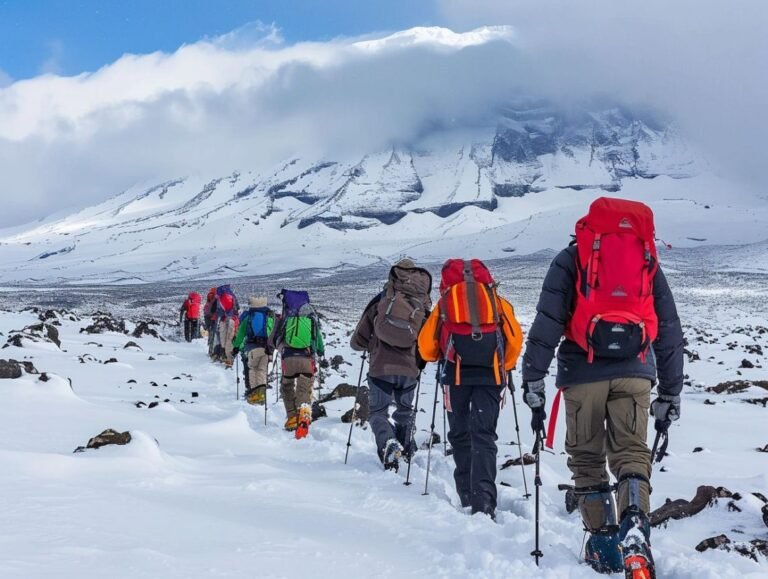
Climb Mount Kilimanjaro On Christmas Day : Strategic Planning Guide 2026
A detailed guide on planning a successful summit of Mount Kilimanjaro for Christmas 2026, including route selection, timeline math, and seasonal logistics.
View package details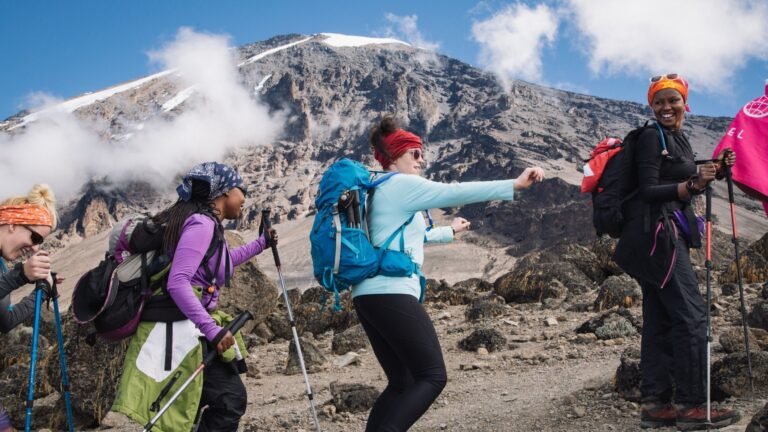
Join A Kilimanjaro Christmas Climbing Group In December 2026
A guide to securing your spot on a Kilimanjaro Christmas group climb for 2026, including route advice, group logistics, and essential planning steps.
View package detailsPlanning Your Private Kilimanjaro Climb Over Christmas: A Guide For Couples
A detailed guide for couples planning a private Kilimanjaro trek during the Christmas season, covering route selection, logistical planning, and booking considerations.
View package details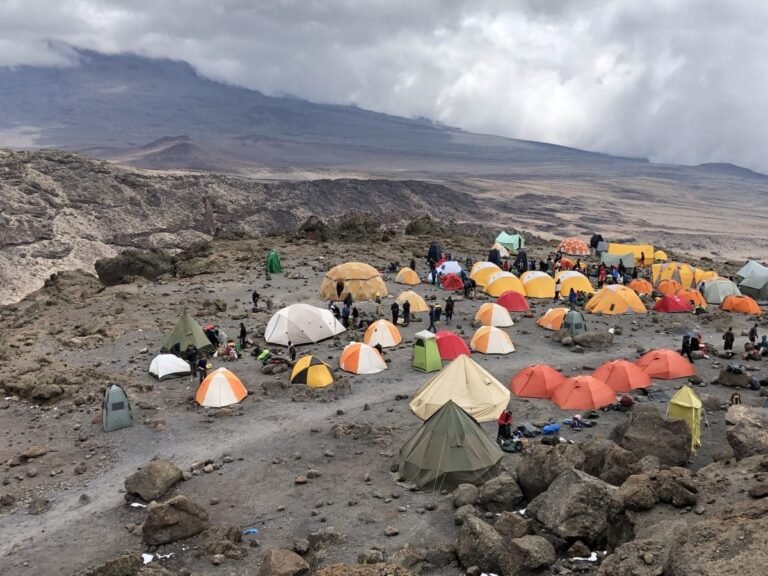
Is December A Good Time To Climb Kilimanjaro? A Local Expert Guide 2026
Planning for December 2026? Discover why this month is a popular choice for Kilimanjaro climbs, how the 'short rains' affect your trek, and why early booking is essential for the holiday...
View package details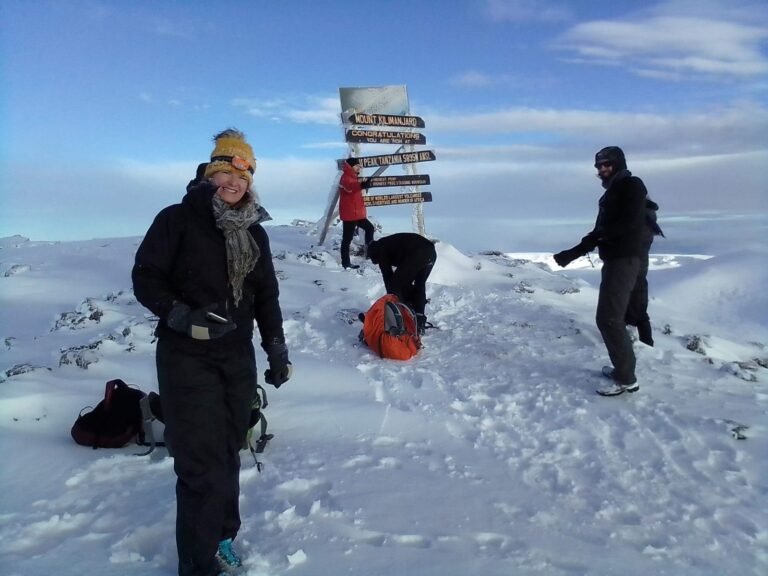
Kilimanjaro Family Christmas Holiday Trekking Packages 2026
Expert guide to organizing a Kilimanjaro family holiday trek, focusing on the best routes, acclimatization strategies, and logistical planning for the December season.
View package details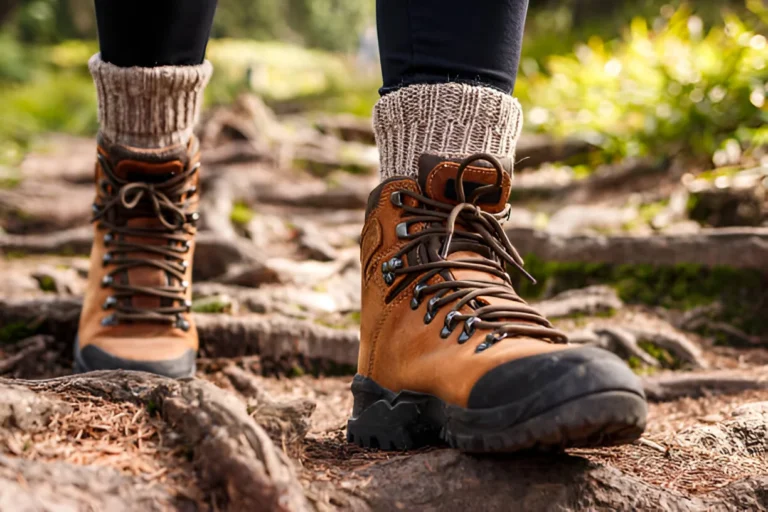
Cheapest Kilimanjaro Climbing Options For December 2026 Guide
When searching for the most affordable way to climb Kilimanjaro in December 2026, the key is understanding that 'cheap' should never mean 'unsafe.' We break down how to manage costs through...
View package details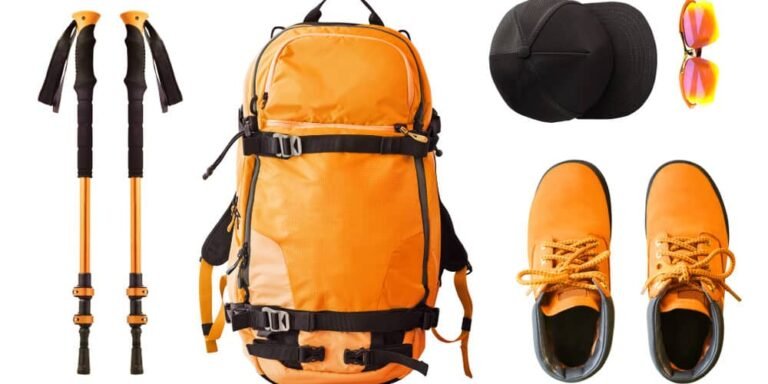
Kilimanjaro Honeymoon Climbing And Zanzibar Beach Holiday: December Planning
A practical guide for couples planning a Kilimanjaro climb and Zanzibar beach holiday in December 2026, focusing on route selection, recovery logistics, and planning timelines.
View package details
Exclusive Kilimanjaro Christmas Trek With Premium Support Team 2026
An in-depth guide to securing a private, high-support Kilimanjaro expedition for the holiday season. We cover route selection, team ratios, and planning for 2026-2027.
View package details7 Days Rongai Route Kilimanjaro Holiday Climb December : Expert Guide 2026
A deep look at the 7-day Rongai Route for December 2026 climbers, focusing on route logic, acclimatization benefits, and practical planning for your holiday expedition.
View package detailsBook December , 6 Days Machame Route Kilimanjaro Climb: Expert Guide 2026
A deep look at the logistics, physical demands, and planning steps for a 6-day Machame Route Kilimanjaro climb in December 2026.
View package detailsNo related package matches those filters. Clear one or more filters to see the other topic-matched options.



