
When considering the timeline for your Kilimanjaro expedition, the question of “how early” is often answered by the specific nature of December travel. December is not just another month on the mountain; it is one of the most sought-after windows for trekking due to the combination of warmer temperatures at lower elevations and the holiday season. If you are aiming for a December departure, the short answer is that you should aim to book at least 6 to 9 months in advance, especially if your travel dates are fixed around the Christmas and New Year holidays.
Booking early is less about the scarcity of trails and more about the logistics of group dynamics, international flight availability, and securing your preferred accommodation in Moshi or Arusha. Unlike private treks, which can sometimes be arranged on shorter notice, a group joining trek requires a minimum number of participants to be viable. If you wait until 3 months before your intended start date, you run the risk of joining a group that never reaches its minimum threshold, or worse, finding that the most popular departure dates are already fully booked.
The December Booking Timeline: A Strategic Breakdown
Planning for a 2026 or 2027 climb requires a different approach than a standard vacation. Here is how you should think about your booking window based on your specific needs.
12 Months Out: The Ideal Window
If you have specific dates—perhaps you are aiming for a New Year summit group departure—booking 12 months in advance is the safest strategy. This gives you first pick of the most experienced mountain crews and ensures that you can secure your international flights before prices spike. At this stage, you are also in a position to influence the group formation, which can be an advantage if you are traveling with a partner or friend.
6 to 9 Months Out: The Recommended Sweet Spot
For most travelers, this is the realistic “sweet spot.” By this time, many group departures have already been posted on our schedule. You can see which dates are gaining traction, which allows you to choose a trek that is already likely to run. This is when you should finalize your route selection, whether it is the 6-day Machame Route for a faster ascent or a more leisurely 9-day Northern Circuit.
3 to 4 Months Out: The Cautionary Window
Booking within 4 months of your December trip is possible, but it comes with compromises. At this stage, many of the “ideal” group dates will be full. You may have to adjust your arrival or departure dates to match an existing group’s schedule. If you find yourself in this window, we recommend contacting us immediately at WhatsApp +255 747 477 898 or climb4africa@gmail.com to see which groups have confirmed spots remaining.
Understanding the Group Dynamics
One common misunderstanding is that a group departure is a fixed, guaranteed entity. In reality, a group trek is a living, breathing arrangement. When you join a group, you are essentially partnering with other travelers who have similar goals. We manage these groups to ensure they are balanced in terms of experience and pace.
If you are a solo traveler, booking early is particularly important because it gives you the best chance to be part of a group that has already met its minimum size requirements. If you join a group that is just forming, you are essentially “investing” in that date. If the group does not reach the minimum size, we will work with you to transition to a different group or discuss private options. By booking early, you reduce the likelihood of needing to pivot your plans at the last minute.
The Logistical Ripple Effect
Your Kilimanjaro climb is the centerpiece of your trip, but it is supported by a network of other logistics. When you book your trek, you must consider these factors:
- Flights: December is the busiest time for air travel to Tanzania. Waiting until the last minute to book your flight can double or triple your travel costs.
- Safari Add-ons: Many climbers choose to follow their summit with a safari. The best safari lodges in the Serengeti and Ngorongoro Crater sell out months in advance for the December period. If you want a specific safari experience, your trek dates must be locked in early to coordinate the transition.
- Gear and Preparation: A December trek requires specific gear. While it is warmer, you still need high-altitude equipment. Booking early gives you 3-6 months to source gear, test your boots, and focus on your physical conditioning.
Comparing Route Durations for December
Choosing the right duration is as important as choosing the right month. Because December weather is generally favorable, some climbers are tempted to choose shorter routes. However, acclimatization remains the golden rule of Kilimanjaro.
| Route Duration | Best For | Acclimatization Benefit |
|---|---|---|
| 6 Days | Fit climbers with previous high-altitude experience. | Minimal; faster ascent requires strong physical conditioning. |
| 7 Days | Most standard climbers looking for a balance of cost and success. | Better; allows for the crucial “climb high, sleep low” strategy. |
| 8-9 Days | Those prioritizing the highest success rate and scenery. | Excellent; provides the most time to adapt to altitude changes. |
If you are unsure which route suits your fitness level, we are happy to provide an assessment. You can reach out to our team at info@climb-4-africa.com for a personalized recommendation based on your previous trekking experience.
Planning for 2026 and 2027
As we look toward the 2026 and 2027 seasons, we notice that travelers are becoming more proactive. We are seeing more interest in group departures for solo travelers, which creates a social atmosphere on the mountain. If you are planning for these upcoming years, consider that popular dates—especially those covering the Christmas and New Year periods—often see significant demand 12 months out.
We do not use “guaranteed” departure dates that might be cancelled if the numbers are low. Instead, we provide realistic availability. When you enquire, we give you the status of the group: whether it is forming, confirmed to run, or if there are only a few spots left. This transparency is key to our planning process.
Frequently Asked Questions About Booking
What happens if I book a group trek and it doesn’t fill up?
This is a valid concern. If you book a group spot and the group does not reach the minimum number of participants, we will proactively contact you. We typically offer three options: move to a different group departure that is confirmed, upgrade to a private trek (which may involve a price adjustment), or provide a full refund of your deposit. Our goal is to ensure you get to the mountain.
Can I join a group if I am traveling alone?
Yes, absolutely. In fact, most of our group participants are solo travelers. Joining a group is often the most cost-effective way to climb, as you share the costs of the crew, park fees, and transport. You can check our resources for solo travelers in December to understand how the process works.
Is there a difference in price if I book earlier?
While the cost of the trek itself is generally stable, booking earlier allows you to lock in your costs before potential annual increases in park fees or logistics costs. More importantly, it allows you to secure cheaper international flights, which is the single biggest variable in your total trip cost.
What if my plans change after I book?
We understand that life happens. While we require a deposit to secure your spot, we are flexible regarding date changes, provided we have notice. The earlier you tell us about a change, the easier it is to move your booking to another group or date.
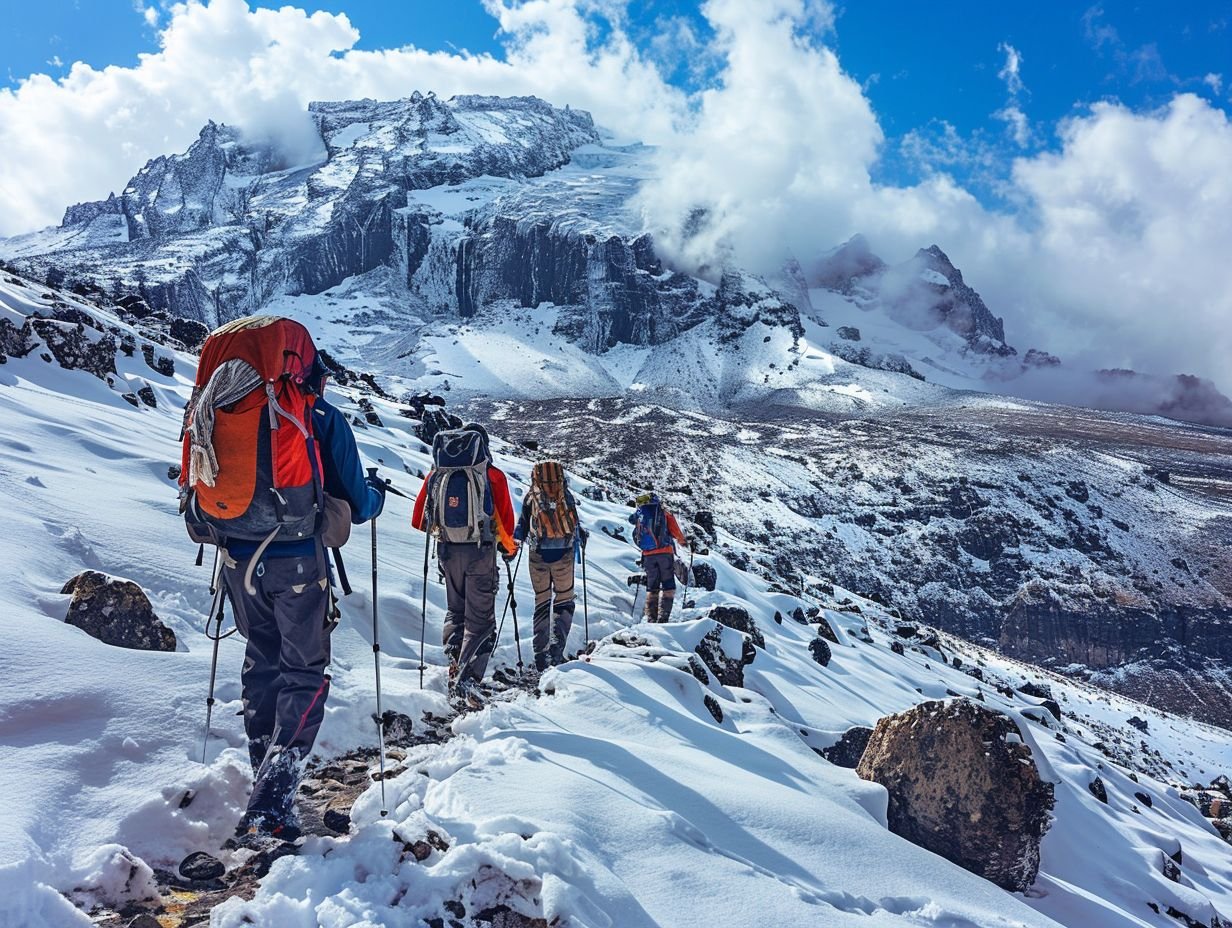
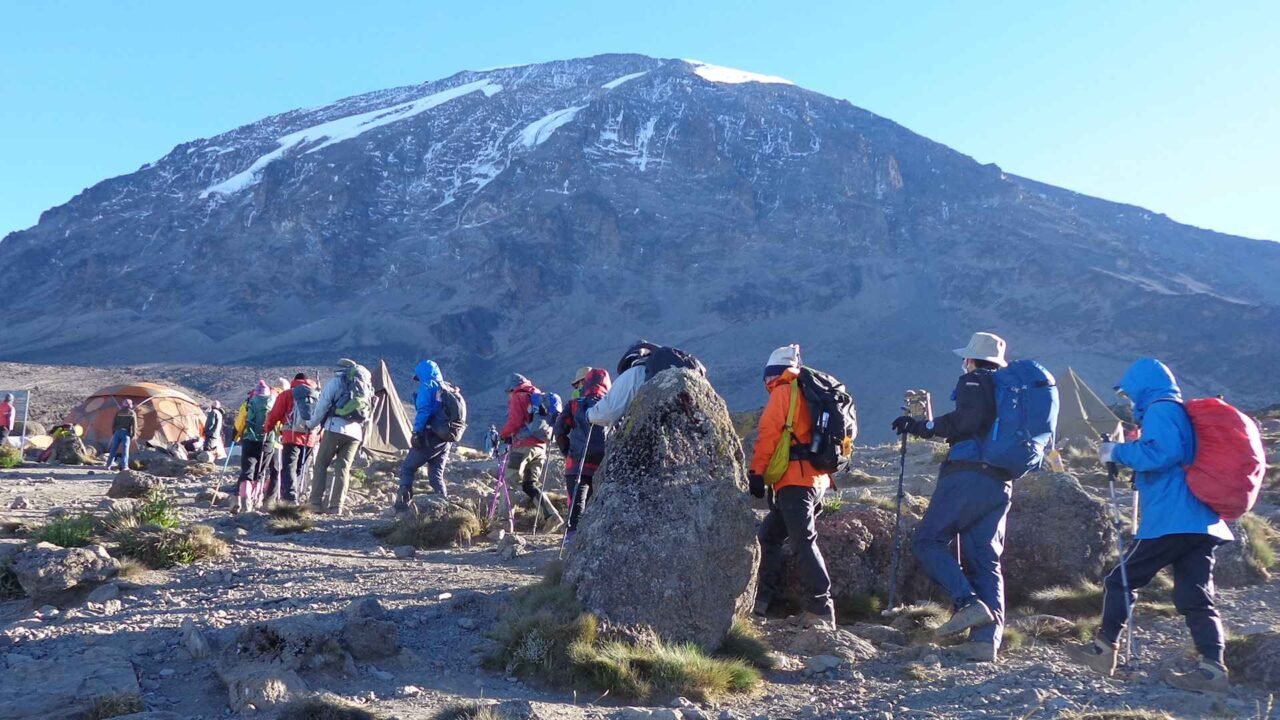
Taking the Next Step
Booking your December Kilimanjaro group trek is the first step toward one of the most memorable experiences of your life. It is a commitment of time, energy, and resources, and we treat it with the respect it deserves. We do not believe in high-pressure sales tactics; we believe in clear, honest communication so that you arrive at the mountain gate feeling prepared and confident.
If you are ready to explore your options for December 2026 or 2027, the best way to start is to contact us directly. Whether you have questions about specific Machame Route group departures or you want to combine your climb with a safari, our team is here to help. You can reach us via WhatsApp at +255 747 477 898 or email us at climb4africa@gmail.com. Let us know your preferred dates, your trekking experience, and any other travel goals you have, and we will provide a tailored plan that works for you.
Evaluating Your Group Trek Operator for December
While the timing of your booking is critical, selecting the right operator for a December climb is equally vital. December is the height of the peak season, which puts immense pressure on local staffing and equipment resources. When evaluating potential companies for a group trek, you must move beyond price comparisons and look at the operational reality of how they handle high-volume months.
The “Guaranteed Departure” Distinction
Not all group departures are created equal. When browsing schedules, you will often see dates listed as “confirmed” or “available.” In the context of a December trip, you must explicitly ask the operator: “Is this departure guaranteed to run regardless of the final group size?” Many operators list dates as placeholders. If the group does not reach a minimum threshold—often four to six people—they may cancel the departure, leaving you to scramble for last-minute alternatives in a fully booked month. A reputable operator will clearly label departures that have already met their minimum requirements, ensuring your investment is secure.
Scrutinizing Crew Ratios During Peak Season
December is a time when demand for experienced mountain crews is at its absolute maximum. Large operators often run multiple groups simultaneously, which can lead to “crew dilution.” To maintain high standards, a quality operator does not simply hire more staff to meet demand; they maintain strict guide-to-climber ratios. Ask specifically about their staffing policy for your chosen route. A safe, professional ratio is typically one lead guide for every two to three climbers, plus an adequate number of assistant guides. If an operator cannot provide a clear breakdown of their staffing ratio for your group, it is a significant red flag.
Transparency on Hidden December Costs
Because December is a peak travel window, some operators attempt to keep their base trek price artificially low to attract bookings, only to pass on “seasonal surcharges” later. These can include mandatory equipment upgrades, increased park fee levies, or higher transport costs due to fuel demand. When requesting a quote, insist on an itemized list of what is included. Verify that the price covers all necessary permits, mountain crew tips (or at least a clear guideline on what is expected), and emergency evacuation insurance. If an operator is vague about these costs, be prepared for unexpected expenses that can arise once you arrive in Moshi or Arusha.
Medical Preparedness and Equipment Standards
The transition from the hot, humid conditions of the lower slopes to the freezing temperatures of the summit is stark in December. Your operator’s medical protocols are the most critical safety factor. Ask for specific details on their medical kits: do they carry portable oxygen, pulse oximeters, and a stretcher? Furthermore, inquire about their equipment maintenance cycle. Many companies rent out gear that has been heavily used throughout the year; ensure that your sleeping bags, tents, and mattresses are rated for sub-zero temperatures and are inspected before every departure, not just at the start of the season.
Navigating the Pre-Departure Physical and Mental Preparation Gap
While the logistics of booking your December Kilimanjaro trek are often the primary focus, there is a significant, frequently overlooked gap in the planning phase: the specific physiological demands of a December expedition. Many trekkers assume that because December is a popular, “warmer” month, the physical preparation can be scaled back. This is a misconception that can derail your experience regardless of how early you book your spot. The transition from the high-altitude, low-oxygen environment to the physical exertion of summit day requires a specific, time-bound training block that should align with your booking timeline.
The December Training Schedule: Syncing Fitness with Your Booking Window
If you have followed the advice to book 6 to 9 months in advance, you have a distinct advantage: time. A common error is treating training as a “last-minute” task. For a December climb, your training should begin in earnest at least four months before your departure. Because December treks often coincide with the end of the calendar year, many climbers face the “holiday slump,” where training consistency drops just when it is most critical. Integrating your training into your booking timeline ensures that you are not just “fit enough” to climb, but prepared for the specific fatigue profile of a multi-day ascent.
Altitude Acclimatization vs. Physical Fitness
It is vital to distinguish between aerobic fitness and altitude tolerance. You can be a marathon runner and still struggle with acute mountain sickness (AMS) if you ascend too quickly. When evaluating your group itinerary, look closely at the daily elevation gains. A well-structured December group trek will prioritize “climb high, sleep low” profiles. Your preparation should mirror this. If your chosen route includes a high-altitude acclimatization day, your training should include endurance sessions that last 5 to 7 hours, mimicking the duration of a standard climbing day, rather than just high-intensity interval training.
Mental Resilience: The December Summit Night Reality
December summit nights are notoriously cold, even if the lower slopes are pleasant. The psychological preparation for this is often neglected. When booking, consider the “group dynamic” impact on your mental state. In a group setting, you will be surrounded by others experiencing the same fatigue and cold. Understanding that your morale will fluctuate alongside your group members is part of the preparation. We recommend using your booking confirmation as a milestone to start a “mental conditioning” routine—practicing early morning hikes in cold, uncomfortable conditions, or committing to long-duration steady-state exercise when you would rather be sedentary. This prepares your mind for the reality of the midnight push to Uhuru Peak.
Managing Equipment “Break-in” Periods
Booking early allows you to acquire, test, and break in your gear well before you reach Tanzania. A fatal mistake for many December climbers is arriving in Moshi with brand-new, stiff boots or untested layering systems. Your boots should have at least 50 to 80 kilometers of use on varied terrain before they touch the Kilimanjaro trails. If you book 9 months out, you have the luxury of testing your gear in different weather conditions. Use this time to troubleshoot your layering system. December on Kilimanjaro is a study in contrasts; you will need to master the art of rapid layering and de-layering, which is a skill that requires muscle memory, not just reading about it.
The Role of Nutrition in Your Pre-Trek Plan
Many travelers focus heavily on their packing list but overlook their metabolic preparation. At high altitudes, your body’s ability to process carbohydrates changes. During your training phase, experiment with the foods you plan to eat on the mountain. If your operator provides a menu or guidelines, use them. Testing how your stomach reacts to specific energy gels, electrolyte powders, or trail snacks during your training hikes is crucial. The December heat on the lower slopes can lead to rapid dehydration, and if you haven’t trained your body to drink consistently while exercising, you will be at a disadvantage from day one. Use the months between booking and departure to dial in your hydration strategy, ensuring you are comfortable consuming 3 to 4 liters of water daily during exertion.
The Post-Booking Information Exchange: Ensuring Your December Success
Once you have secured your spot on a December group trek, the relationship with your operator shifts from a sales inquiry to an operational partnership. During the peak December season, this phase is critical. While you might assume your work is done after paying the deposit, the weeks following your booking are when you must finalize the logistics that prevent last-minute friction. High-quality operators use this period to prepare for the unique pressures of the holiday season, and your responsiveness here directly impacts the quality of your experience on the mountain.
Synchronizing Arrival and Transfer Logistics
December is the busiest month for Kilimanjaro International Airport (JRO). Flights are frequently delayed, and the transfer corridors between the airport and Moshi or Arusha become bottlenecks. To avoid being left waiting or dealing with miscommunications, provide your operator with your confirmed flight itinerary at least three months before departure—or as soon as you book. Do not rely on verbal confirmation; send the flight numbers, arrival times, and carrier names in writing. This allows the operator to group your transfer with other trekkers arriving at similar times, which is standard practice for group treks. If you are arriving on a separate, late-night flight, communicating this early ensures that the operator can arrange a dedicated vehicle rather than attempting to squeeze you into a group transfer that has already departed.
The Medical and Dietary Disclosure Loop
In the high-traffic environment of December, your mountain crew is managing multiple group needs simultaneously. Providing your medical and dietary information early is not just a formality; it is a safety mandate. When you disclose your dietary requirements, be specific. Do not simply state “vegetarian”; clarify if you consume eggs, dairy, or fish, as mountain kitchens operate on strict supply chains that are restocked based on the group’s profile weeks in advance. Similarly, your medical declaration must be exhaustive. If you have a history of asthma, joint issues, or previous altitude sickness, declare it now. This allows your lead guide to mentally prepare for your specific needs before the trek even begins. In the December peak season, guides are often managing larger groups, and knowing your medical profile in advance allows them to assign a dedicated assistant guide to monitor you more closely during the ascent.
Pre-Booking Rental Gear for Peak Season
One of the most overlooked aspects of the post-booking phase is the reservation of rental equipment. While many climbers bring their own gear, others rely on the operator for high-altitude sleeping bags, trekking poles, or specialized parkas. During December, the demand for high-quality rental equipment spikes. If you wait until you arrive at the briefing in Moshi to request a -15°C sleeping bag, you may find that the best-conditioned gear has already been claimed by earlier arrivals. Contact your operator 60 to 90 days out to confirm your rental list. This allows them to set aside specific items for you, ensuring that you aren’t left with “well-worn” gear that has been in constant use throughout the busy month.
Defining Your Emergency Communication Plan
While you hope never to need it, the post-booking phase is the time to confirm the emergency protocols. Ask your operator for the specific evacuation procedure for your chosen route. In December, when the trails are crowded, evacuation routes can become congested. A professional operator will have a clear, pre-planned protocol for how they manage a medical emergency, including the use of stretchers, the location of the nearest rescue helipad, and the contact channels they use to reach your emergency contact back home. Having this information documented before you leave gives you peace of mind and ensures that you and your emergency contact are aligned on what the protocol entails, reducing panic if a communications blackout occurs during the climb.
Integrating Post-Summit Extensions: The December Holiday Logic
When you book a December Kilimanjaro group trek, it is rarely an isolated event. Because December coincides with global holiday breaks, most trekkers are combining their mountain expedition with a broader Tanzanian itinerary, such as a wildlife safari in the Serengeti or a beach recovery in Zanzibar. A common planning failure is treating the mountain trek and the subsequent vacation as two separate booking silos. In reality, they are deeply codependent logistics that require a unified timeline.
During the December peak season, the demand for safari lodges, internal bush flights, and coastal accommodation often outpaces the availability of spots on the mountain itself. While you may successfully secure a place in a Kilimanjaro group trek 6 to 9 months out, you might find that the specific safari lodge you wanted is already fully booked. If your goal is to create a smooth transition from the summit to the savannah, you must synchronize these bookings simultaneously. We strongly advise against finalizing your trek booking until you have verified that your desired post-climb extensions are also available for those specific dates.
The Sequencing Strategy: Why Order Matters
A frequent question is whether to schedule the safari before or after the climb. From a logistical and physiological perspective, we recommend scheduling your safari *after* the trek. Climbing Kilimanjaro is a physically taxing endeavor that leaves most participants exhausted and in need of genuine rest. A safari is a relatively passive, albeit stimulating, experience that allows your body to recover while still enjoying the wonders of Tanzania. If you attempt the safari first, you risk arriving at your Kilimanjaro trailhead with residual fatigue, travel-related colds, or simply less mental sharpness than you would have had otherwise. By placing the trek first, you ensure that your summit attempt is your primary focus, and your subsequent holiday serves as a genuine reward.
Managing the “Buffer” for Holiday Travel
December travel in East Africa is notorious for minor logistical delays. Whether it is a delayed flight into Kilimanjaro International Airport (JRO) or traffic congestion on the roads to Arusha, the margin for error is slim during the holidays. When booking your post-trek extension, never schedule your connection or departure for the same day you descend from the mountain. Even if your itinerary lists your arrival at the hotel as the afternoon of your final day, you must account for the reality of mountain descent. Always build in at least one full “buffer day” between your trek and your safari or flight to the coast. This day is not just for rest; it is an essential insurance policy against the unpredictability of mountain logistics and the high-traffic nature of December tourism.
The Zanzibar Connection
If you plan to finish your trip on the beaches of Zanzibar, be aware that the flight route from Arusha or Kilimanjaro to Zanzibar is one of the most popular domestic legs in the country during December. These flights are often smaller aircraft with limited seating capacity. If you book your Kilimanjaro trek but neglect to book your internal flight to the coast until you are on the mountain, you may find yourself facing significant price hikes or, in worst-case scenarios, sold-out flights that force you to take a long, arduous bus and ferry journey instead. Treat your internal flight booking as part of your initial trek planning phase, not an afterthought.
Check Availability for How Early Should I Book A December Kilimanjaro Group Trek? A Planning Guide
Ready to compare dates, prices, and the best option for your group? Send the package name and travel month so the team can reply with a clear quote, availability, and what is included.
Affordable Kilimanjaro Group Joining Safari And Trekking Packages December
A practical guide to booking affordable, reliable group joining treks on Kilimanjaro and wildlife safaris in Tanzania for December 2026, focusing on logistics, shared costs, and travel...
View package details
Kilimanjaro New Year Summit Group Departures December : Planning Your Ascent
Planning a New Year summit on Kilimanjaro requires specific logistics. Learn how to join a group departure for December 2026, choose the right route, and prepare for your climb.
View package details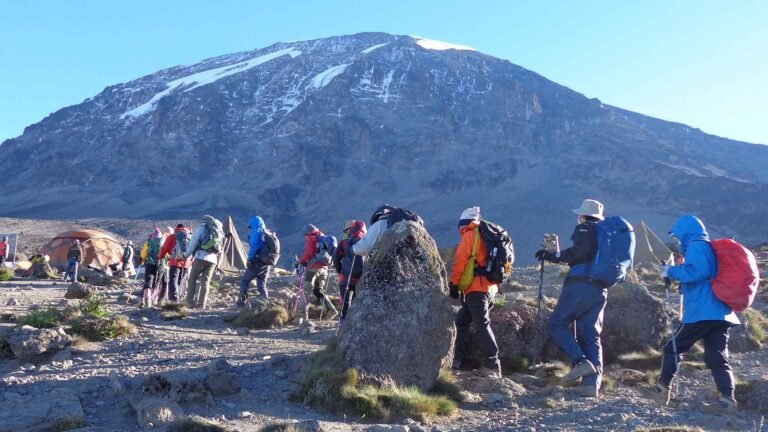
Last Minute Kilimanjaro Group Joining Deals December : Planning Your Climb
Looking for last-minute Kilimanjaro group joining deals in December 2026? Discover how to secure your spot, understand the route trade-offs, and plan your mountain ascent with expert local...
View package details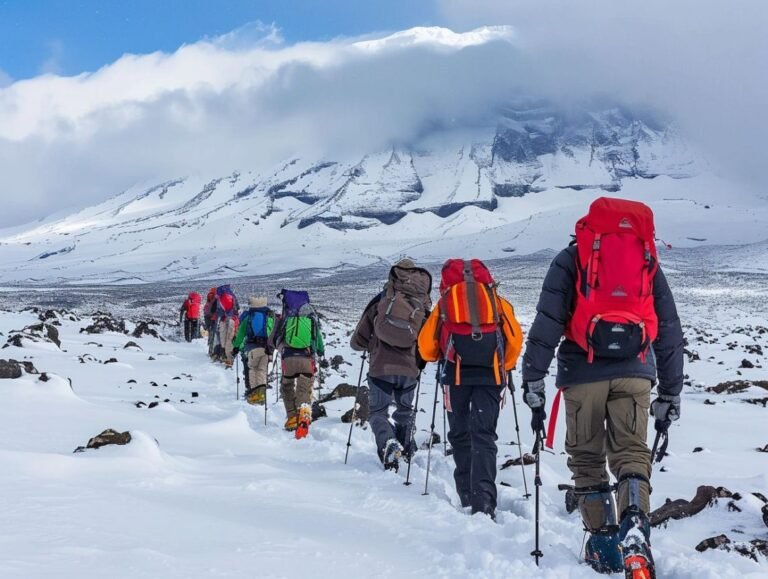
December Kilimanjaro Group Departures For Solo Travelers: Planning Your Climb
A practical guide for solo travelers planning to climb Kilimanjaro in December 2026, covering group joining benefits, route selection, and booking logistics.
View package details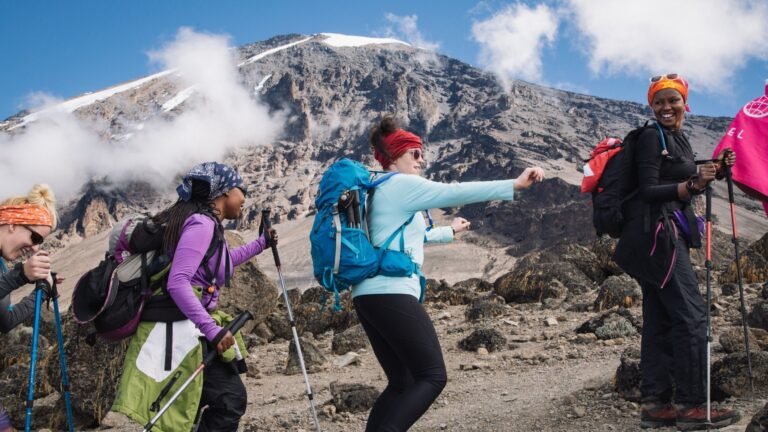
Join A Kilimanjaro Christmas Climbing Group In December 2026
A guide to securing your spot on a Kilimanjaro Christmas group climb for 2026, including route advice, group logistics, and essential planning steps.
View package detailsKilimanjaro Group Joining Tours December : Planning, Routes, And Availability
A detailed guide on planning your Kilimanjaro group joining climb for December 2026, including route comparisons, logistics, and how to secure your spot with Climb 4 Africa.
View package detailsTraveling Alone To Kilimanjaro In December: Can You Join A Machame Route 2026
A practical guide for solo travelers planning a December Kilimanjaro climb. Discover how group joining works on the Machame Route, the realities of cost-sharing, and how to prepare for your...
View package details
Cheapest Kilimanjaro Climbing Options For December 2026 Guide
When searching for the most affordable way to climb Kilimanjaro in December 2026, the key is understanding that 'cheap' should never mean 'unsafe.' We break down how to manage costs through...
View package details
Luxury Mount Kilimanjaro Trekking Packages December : Planning Your Premium
A detailed guide to booking luxury Kilimanjaro trekking packages for December 2026, covering route selection, premium service standards, and planning essentials.
View package details
9 Days Northern Circuit Kilimanjaro Trek December : The Ultimate
A comprehensive guide to the 9-day Northern Circuit route for December 2026, focusing on acclimatization, route advantages, and logistical planning.
View package details
Book December , 6 Days Machame Route Kilimanjaro Climb: Expert Guide 2026
A deep look at the logistics, physical demands, and planning steps for a 6-day Machame Route Kilimanjaro climb in December 2026.
View package detailsCan I Join A Kilimanjaro Group Alone In December ? Expert Guide 2026
Planning a solo trip? Find out how you can join a Kilimanjaro group in December 2026, the benefits of group departures, and the steps to secure your spot.
View package detailsNo related package matches those filters. Clear one or more filters to see the other topic-matched options.



