
Plan your Kilimanjaro ascent during Thanksgiving week (22–28 November 2026) by choosing a route that suits your pace and acclimatization needs, pairing a supportive climb schedule with a reliable local operator, and preparing the gear, fitness, and altitude awareness necessary for a successful summit under the guidance of Climb 4 Africa. Expect a balanced mix of day-by-day trekking, rest days for acclimatization, and careful pacing to minimize fatigue while enjoying Tanzania’s highland scenery.
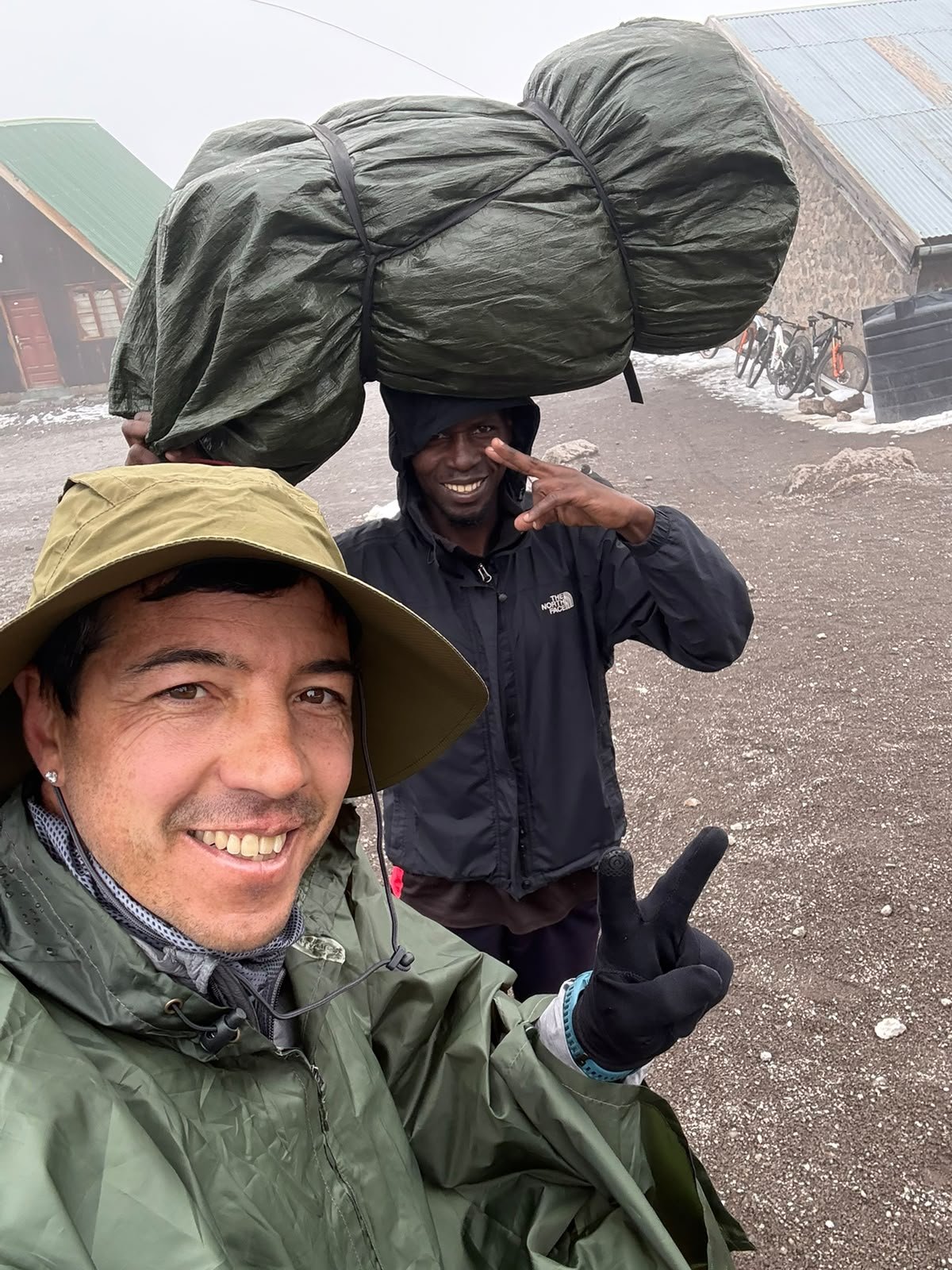
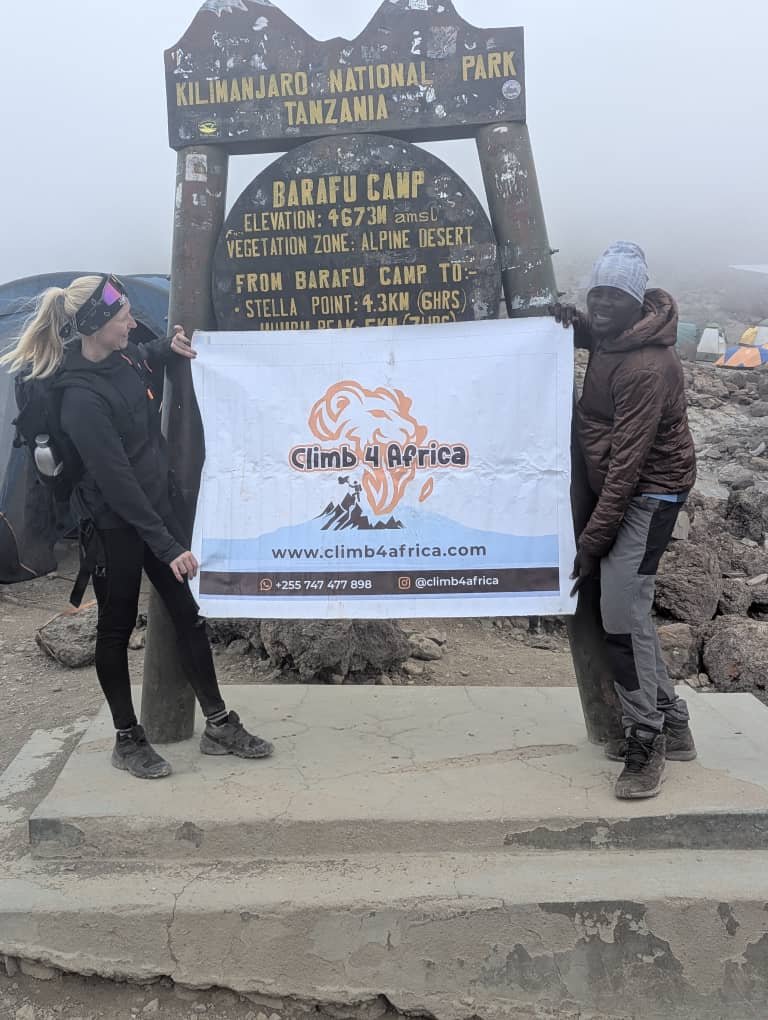
Thanksgiving week on Kilimanjaro centers on careful pacing, acclimatization-friendly routes, and reliable logistical support. This period sits in the short dry season shoulder for trekking windows, with cooler nights and clear daytime views, but variable weather can still affect daily climbs. A thoughtful plan from Climb 4 Africa blends route selection, altitude management, and practical on-ground support to help you reach the summit safely, while respecting the needs of the group and the mountain. Below is an approach to booking, route thinking, and preparation that aligns with a responsible, experience-driven climb.
Choosing the right route for a Thanksgiving-window climb
Kilimanjaro offers several well-traveled routes, each with character, pace, and altitude profiles. For a Thanksgiving week ascent, the focus is on routes with proven acclimatization benefits and steady day-by-day progress. Popular options include Machame, Lemosho, and Rongai; each provides a balance of scenery, campsites, and distance. If your priority is higher summit probability with a longer acclimatization period, Lemosho and its variants often pair well with a relaxed itinerary. Machame can be more demanding but remains a favorite for its scenic ridge sections. Rongai offers a slightly quieter route approach with good acclimatization pacing. Your Climb 4 Africa guide will tailor the choice to group fitness, prior altitude experience, and preferred camp spacing.
Sample pacing philosophy for a 6–7 day Thanksgiving week trek
The core idea is gradual altitude gain, with deliberate rest days or lighter push days to allow your body to adapt. A typical structure might include: an initial buffer day at the gate or a short acclimatization hike, several days of steady trekking with crown days that culminate in a summit push, and a final descent with a recovery day if needed. The exact day-by-day plan will be confirmed with your guide team, based on weather, group shape, and pace. Expect 4–6 hours of walking per trekking day on average, with altitude breaks and careful hydration planning.
What the 22–28 November window means for logistics
Late November sits just before the short rains season ends in many years, often offering dry-to-moderate conditions with cooler nights. However, mountain weather is unpredictable, and a professional operator maintains contingency plans for weather- or health-driven pacing changes. Booking with Climb 4 Africa means on-ground support from arrival to summit, including acclimatization guidance, porters, cooks, and a guide ratio that supports safety and efficiency. Your itinerary will emphasize rest days, acclimatization benchmarks, and a flexible summit timetable that respects group wellbeing rather than rushing a climb.
Gear, health, and preparation for peak performance
Key gear items center on warmth, moisture management, and foot protection. Think breathable layers, a high-quality down jacket, insulating middle layers, a shell layer, trekking poles, sun protection, and a reliable headlamp with spare batteries. Foot care is essential: well-broken-in boots, moisture-wicking socks, and blister prevention. Health considerations include staying hydrated, avoiding dehydration at altitude, and listening to your body for signs of Acute Mountain Sickness (AMS). Your Climb 4 Africa crew will provide packing guidance and a pre-t Trek brief to ensure you’re physically ready for the climb and not carrying unnecessary gear. If you have medical conditions or altitude concerns, note them in advance so the team can plan accordingly.
Booking decisions: what to confirm with Climb 4 Africa
Rather than chasing a fixed price or a cookie-cutter schedule, use the booking conversation to confirm: route choice and rationale, group size, guide-to-client ratio, porters, meals, and rest day plans; equipment checklists and any rental options; contingency plans for weather, transport, or health detours; and the support you’ll receive in-country from arrival through summit and descent. Clarify what’s included in the package (permits, park fees, guides, porters, meals, and rescue support) and what may be extra (personal gear rentals, tips, or private transfers). The best decisions come from a clear understanding of pacing, acclimatization, and the on-the-ground support network you’ll rely on in Tanzania.
Practical next steps for a Thanksgiving-week Kilimanjaro climb
1) Reach out to Climb 4 Africa with your preferred route, group size, and any health considerations. 2) Discuss a realistic ascent plan that prioritizes acclimatization and learning moments above speed. 3) Confirm gear lists and rental options, plus a backup plan for weather shifts. 4) Prepare your training to build endurance, including long hikes with elevation, hill training, and cardio work. 5) Prepare your travel documents and vaccination/health checks as required, and plan airport transfers and a secure arrival schedule. 6) Set expectations around rest days, summit window flexibility, and post-climb recovery in Moshi or Arusha after your descent.
Why Thanksgiving can be a meaningful frame for Kilimanjaro
Choosing Thanksgiving week emphasizes gratitude, mindful travel, and a sense of shared achievement with your group. It’s a moment to connect with the local guides and porters who steward Kilimanjaro, to reflect on personal goals, and to celebrate a successful summit with a respectful, patient approach to the mountain. With Climb 4 Africa, you’ll have a practical plan that prioritizes safety, acclimatization, and a rewarding trekking experience rather than just reaching the summit at all costs.
Addressing a Practical Gap: Ensuring Safe, Unhurried Acclimatization Within Thanksgiving Week Constraints
Readers who have absorbed route and pacing philosophies may still wonder how to reconcile a fixed 22–28 November window with the mountain’s dynamic acclimatization needs. The core challenge isn’t simply choosing a route that looks favorable on a map; it’s designing a day-by-day rhythm that respects physiological limits, weather contingencies, and group dynamics, all while staying faithful to the Thanksgiving frame. The missing piece for many climbers is a concrete, proof-based approach to tempo—one that translates acclimatization science into actionable day plans that a local operator can adapt on the fly.
Acclimatization on Kilimanjaro hinges on gradual ascent, strategic rest, and the body’s ability to regulate adaptation processes as altitude increases. A practical method within a narrow window is to insert a deliberate, location-based acclimatization buffer that aligns with the chosen route’s altitude profile. For example, on routes offering a longer initial ascent with a mid-slope rest or a higher altitude acclimatization day, the group can use that pause to normalize physiological responses, hydrate effectively, and perform light, non-strenuous activity to maintain circulation. Your Climb 4 Africa guide should tailor these pauses to the group’s real-time readiness—measuring indicators such as resting heart rate, perceived exertion, and sleep quality from the preceding days.
In a Thanksgiving-week plan, the most dependable strategy is to front-load acclimatization. If you’re on a six- to seven-day frame, you can structure a pattern like a short base-day at the gate, followed by a gradually increasing climb with a dedicated acclimatization hike between days that ascend beyond 3,000–3,500 meters. The aim is to keep the daily ascent within a comfortable band for most hikers, minimizing the risk of AMS while preserving the opportunity to summit later in the window if conditions permit. The exact day for the summit push should remain contingent on the group’s collective acclimatization signal, not a fixed calendar date.
Operationally, this means clear communication with your guide about how days might be re-ordered in response to altitude symptoms, weather delays, or food and sleep quality. A flexible plan improves safety and morale because it reduces the pressure to “keep moving” at the expense of safety. Climb 4 Africa often builds in a certified medical readiness check at key junctions—such as before a summit push—to ensure the group meets a baseline standard for oxygen saturation, hydration, and alertness. If any member shows signs of AMS or dehydration, the plan should include immediate rest, supplemental fluids, and, if necessary, a descent plan with a guaranteed return path to the previous camp or lower elevation.
Gear considerations also tie into this gap-coverage approach. Because acclimatization hinges on rest and steady exertion, personal gear choices should emphasize comfort and reliability over peak performance gear. A lightweight sleep system, a moisture-wicking base layer, and a dependable shell layer can significantly affect sleep quality and comfort on higher camps, where temperatures plunge and moisture builds up from sweating during the day. Adequate sleep supports the physiological processes behind acclimatization, such as improved ventilation, reduced night-time hypoventilation risk, and more efficient recovery between climbing efforts.
Finally, grounding the plan in the Thanksgiving ethos can help with group cohesion and motivation. Framing acclimatization as a shared caregiver practice—watching out for one another, celebrating small checkpoints, and expressing gratitude for the opportunity to learn in a challenging environment—transforms potential discomfort into meaningful, collective progress. Your guide can weave these values into daily briefings, reinforcing that safety and adaptation are the pathways to a successful summit within the festive week.
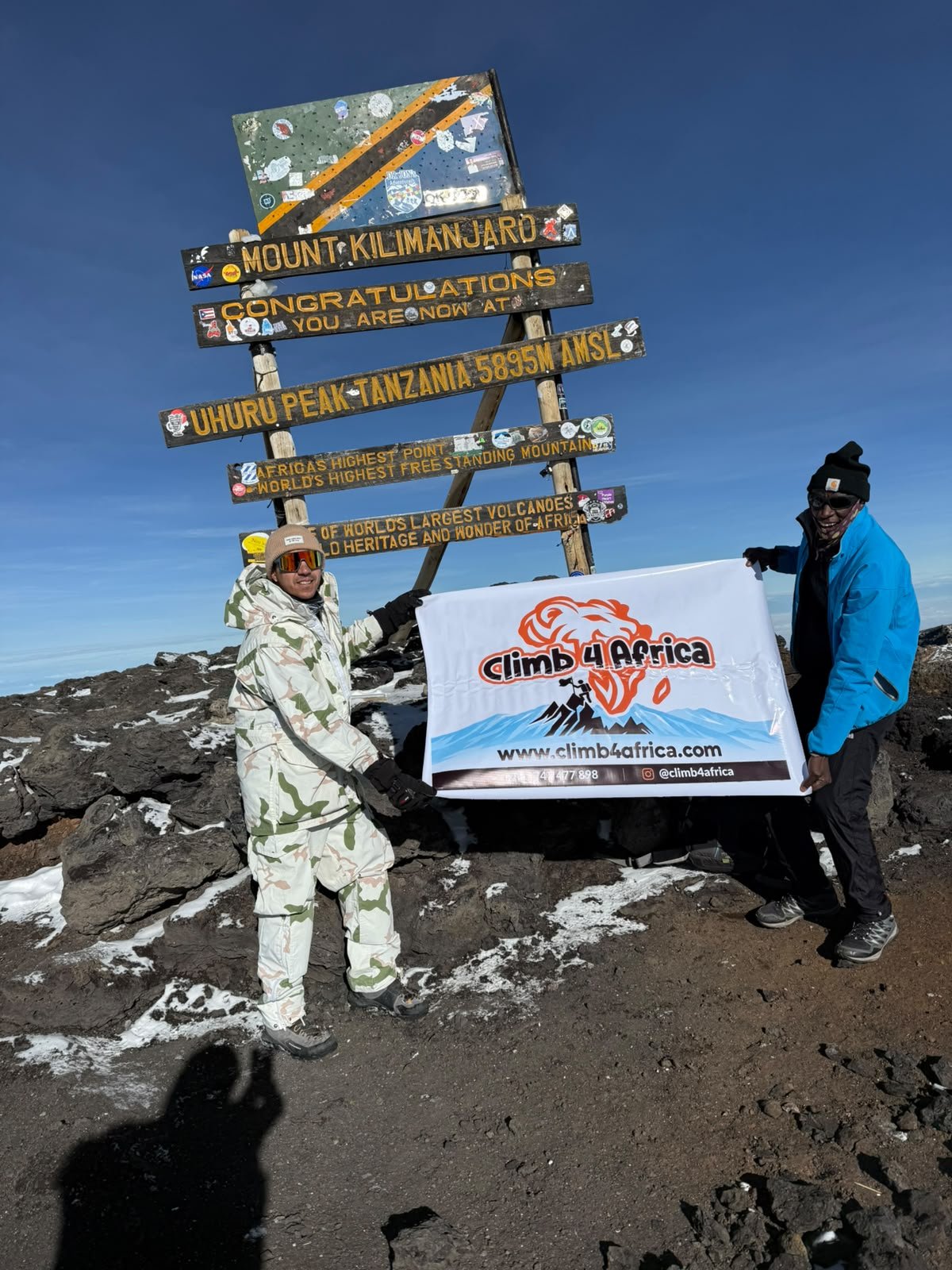
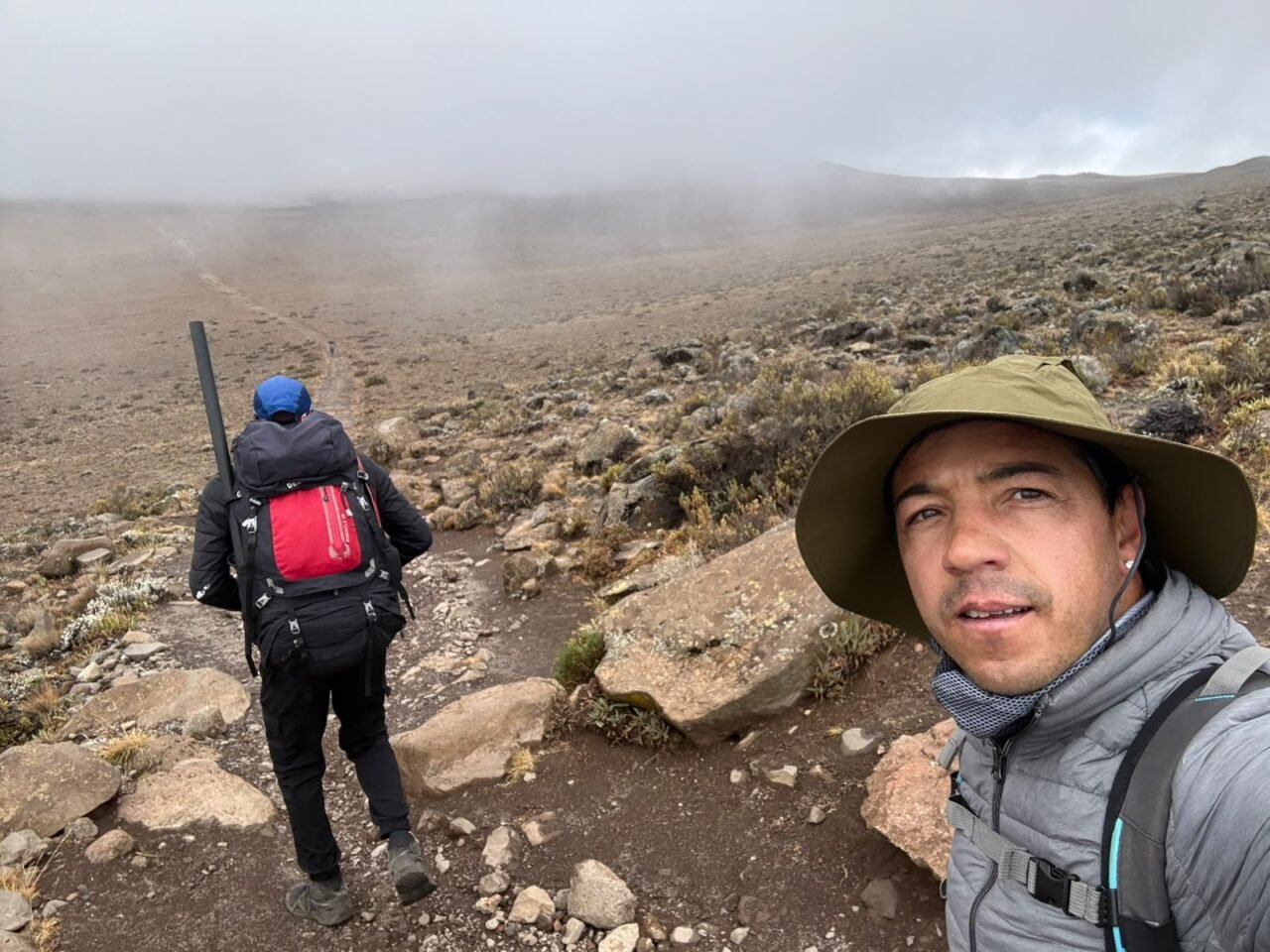
Maximizing Acclimatization Without Extending the Window
For readers who are optimizing acclimatization within the fixed 22–28 November window, there is value in understanding how micro-adjustments to rest days and camp sequencing can subtly improve summit probability without lengthening the trip. The key is to use every acclimatization opportunity as a guided, intentional process rather than a passive consequence of trekking days. This means structuring days to target specific altitude milestones while preserving recovery time between exertion peaks.
One practical approach is to allocate an additional acclimatization buffer on the first or second day by inserting a short, optional rest or a low-intensity acclimatization hike before the main push progresses to higher altitudes. In practice, this can look like an extended lunch and rest period at the end of Day 2 after a modest elevation gain, followed by a cautious return to the next camp. Such a pause can allow the body to begin the acclimatization cascade—improved cerebral oxygenation and more stable sleep patterns—without materially altering the total distance traveled. The clinician-guided monitoring that Climb 4 Africa emphasizes—watching for signs of headaches, dizziness, or fatigue—becomes more predictive when positioned around these deliberate, low-stress windows.
Interplay between pacing philosophy and acclimatization signals is also essential. Rather than treating rest days as optional luxuries, they should be treated as mission-critical data points. A typical adaptation is to gauge readiness for the next ascent by tailing a decision tree: if resting heart rate remains elevated, if sleep quality is poor, or if AMS symptoms are marginal but present, the plan should transparently shift toward another rest period or a shorter hiking segment. This reduces the risk of cumulative symptoms and preserves the possibility of a summit push later in the week if conditions permit.
Group health dynamics and individual variability
Within a Thanksgiving-week group, individual acclimatization trajectories will vary. Some participants may notice rapid adaptation, while others require more conservative progression. Practical management hinges on encouraging flexible day-to-day plans that allow those who need extra time to descend safely and rejoin the trek without stigma or confusion. For the guide team, this means maintaining a well-communicated on-ground plan with clearly defined fallback options—such as alternative campsites or shortened trekking days—so the group can remain cohesive while honoring each member’s physiology. The success of a fixed-window ascent thereby rests not on rigid adherence to a calendar but on a shared commitment to safety-driven adaptability.
In addition to health monitoring, nutrition and hydration play a complementary role in acclimatization. Slightly increasing salt intake on days with higher exertion, ensuring steady oral hydration, and timing meals to align with sleep cycles can reduce the incidence of nocturnal dehydration and sleep disruption, both of which undermine acclimatization. The team’s standard of care—rapid response to early symptoms, access to supplemental oxygen if needed, and a protocol for staged descents—should be reinforced by these daily habits. Keeping a simple log (without disclosing personal health details) of subjective well-being, sleep quality, and perceived exertion can empower climbers to participate actively in decision-making about the upcoming day’s plan.
Practical adjustments you can discuss with your guide
- Ask for a clearly labeled acclimatization buffer on Day 2 or Day 3, with a defined low-intensity hike or rest option accessible within the camp area.
- Request explicit criteria the guide will use to decide to shift the plan—such as a threshold for symptoms or oxygen saturation—that triggers a rest day or a slower tempo for the next leg.
- Agree on a backup plan for summit push timing that remains responsive to altitude experiences rather than fixed calendar dates, ensuring group safety and psychological readiness.
- Confirm meal schedules and hydration targets that align with the acclimatization cycle, particularly around late afternoons and pre-sleep periods.
- Ensure the group has access to transparent, real-time updates about weather and trail conditions that could influence window viability, with a pre-agreed reordering tactic if needed.
These adjustments are not about taking longer to climb, but about making the existing window more forgiving for the body’s natural adaptation processes. When communicated clearly at the booking stage and reinforced by the guide team, they create a steadier rhythm that helps reduce fatigue and elevate overall morale.
Balancing cultural and personal reflections during acclimatization
Thanksgiving week is a time many travelers choose to pause for gratitude and reflection. This mindset can harmonize with acclimatization by reframing rest as an active partner in achievement rather than a derailment of goals. Group briefings can incorporate moments of gratitude tied to daily checkpoints—acknowledging small milestones in altitude, sleep quality, or teamwork—without compromising the practical safety framework. By embedding this ethos into the daily routine, climbers may experience a more resilient mindset, which in turn supports better sleep quality and consistent appetite, both important for altitude adaptation.
Even when weather or altitude delays shorten the chance of a summit attempt within the window, the experience can still be deeply meaningful. The emphasis shifts from a single objective (the summit) to a broader commitment to safe, cooperative travel and personal growth. In this frame, acclimatization is not a hurdle but a shared journey—one that aligns with the Thanksgiving values of gratitude, generosity, and communal achievement.
Prioritizing Rest, Recovery, and Subtle Performance Catches: A Practical Mindset for Thanksgiving-Week Climb
While acclimatization is the central pillar of success on Kilimanjaro, a nuanced, psychologically intelligent approach to rest and recovery can yield meaningful gains without extending the window. This section offers concrete, reader-facing strategies that sit inside the existing Thanksgiving-week framework and complement the pacing philosophies already discussed.
First, reframe rest as an active performance tool rather than a passive pause. Rest periods are when the body consolidates sleep architecture, dries out moisture imbalances, and recalibrates appetite signals after exertion. When guided with intention, a deeper recovery mindset changes how climbers perceive even brief down-times at camp. Instead of viewing a rest day as a slowdown, see it as a scheduled unburdening of fatigue and a strategic seedbed for improved cognitive focus, decision-making, and morale the following day.
Second, integrate micro-rest rituals into each day. A practical habit is a 5–10 minute post-lunch pause during which climbers sit quietly, hydrate with electrolyte-enhanced fluids, and note any early altitude symptoms in a lightweight journal or app. This habit has dual benefits: it reinforces symptom awareness and conditions the group to acknowledge early warning signs as a normal, manageable part of the process, not as a sign of failure. Your guide can tailor these rituals to camp logistics, ensuring they don’t interfere with mealtimes or safety briefings.
Third, optimize sleep quality within the fixed window by aligning pre-sleep routines to circadian cues and altitude realities. Simple steps include maintaining a consistent bedtime, using a lightweight sleep mask to block high-altitude glare, and sequencing hydration so night-time toileting is minimized. If a tremor of restlessness arises from cold or dry air, a compact, non-scented humidifier in shared tents, or a dedicated dry sleeping environment, can be worth discussing with your guide ahead of time. These adjustments support deeper REM cycles, which are crucial for cognitive flexibility when route decisions become necessary at altitude.
Fourth, use nutrition strategically to sustain energy without weighing down digestion. In altitude, digestion can lag while energy needs rise. A practical approach is to favor small, frequent meals that are rich in complex carbohydrates and gentle on the stomach, paired with light, protein-forward snacks to preserve lean muscle. Keep a simple hydration target that matches day-to-day exertion: slightly higher intake on days with longer pushes, and a calm, steady intake on lighter days. If meals become repetitive or flavor fatigue appears, pre-arranging a few customize-your-meal options with your cook can help maintain appetite and mood, which in turn supports consistent performance across the week.
Fifth, cultivate adaptive decision-making as a group skill. The plan for summit timing should remain flexible, but the accompanying decision framework should be explicit. Before the trek, agree on a few non-negotiable safety triggers—oxygen saturation thresholds, persistent severe headaches, or new signs of dehydration—that would prompt a conservative shift in pace or a potential rest day, regardless of the calendar. This kind of pre-agreed autonomy reduces stress during moments of tension and preserves cohesion within the group, which is often as valuable as physical conditioning for summit success.
Finally, honor the social dimension of Thanksgiving by embedding moments of collective gratitude into the daily rhythm. Short, structured check-ins that celebrate teamwork, progress, and mutual support create psychological resilience that translates into steadier breathing, better coordination during technical sections, and a calmer decision-making climate. The mountain rewards this calm, collaborative energy as much as it rewards physical stamina.
In sum, the Thanksgiving-window climb benefits from a deliberate, present-focused approach to rest, recovery, and daily performance. By making rest an active, tactical component of the ascent, climbers can maintain a sustainable tempo across the entire window, supporting altitude adaptation and the shared sense of achievement that defines this unique experience with Climb 4 Africa.
Related Guides and Packages
Check Availability for Thanksgiving Week Kilimanjaro Trekking – 22–28 November 2026 Guide
Ready to compare dates, prices, and the best option for your group? Send the package name and travel month so the team can reply with a clear quote, availability, and what is included.
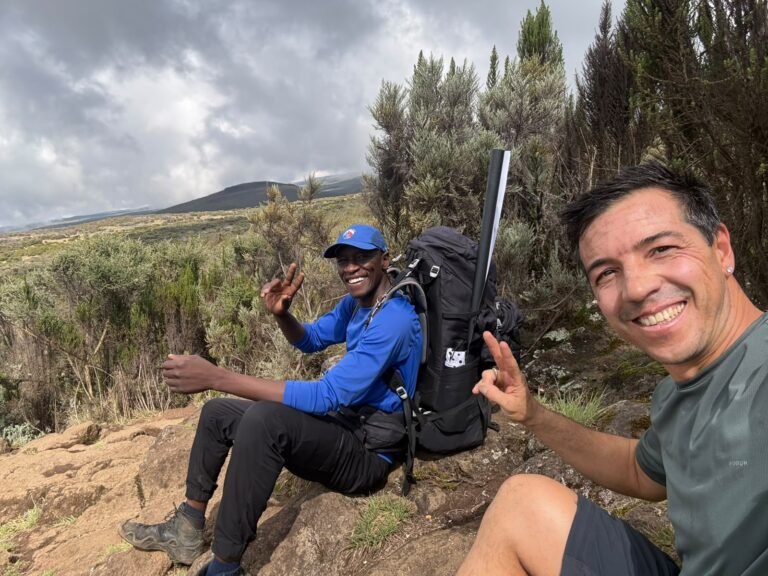
Kilimanjaro Full Moon Trekking Packages, 17–25 November 2026
Plan a Kilimanjaro Full Moon Trek during 17–25 November 2026 with Climb 4 Africa. Practical route options, packing guidance, and how to secure a spot.
View package details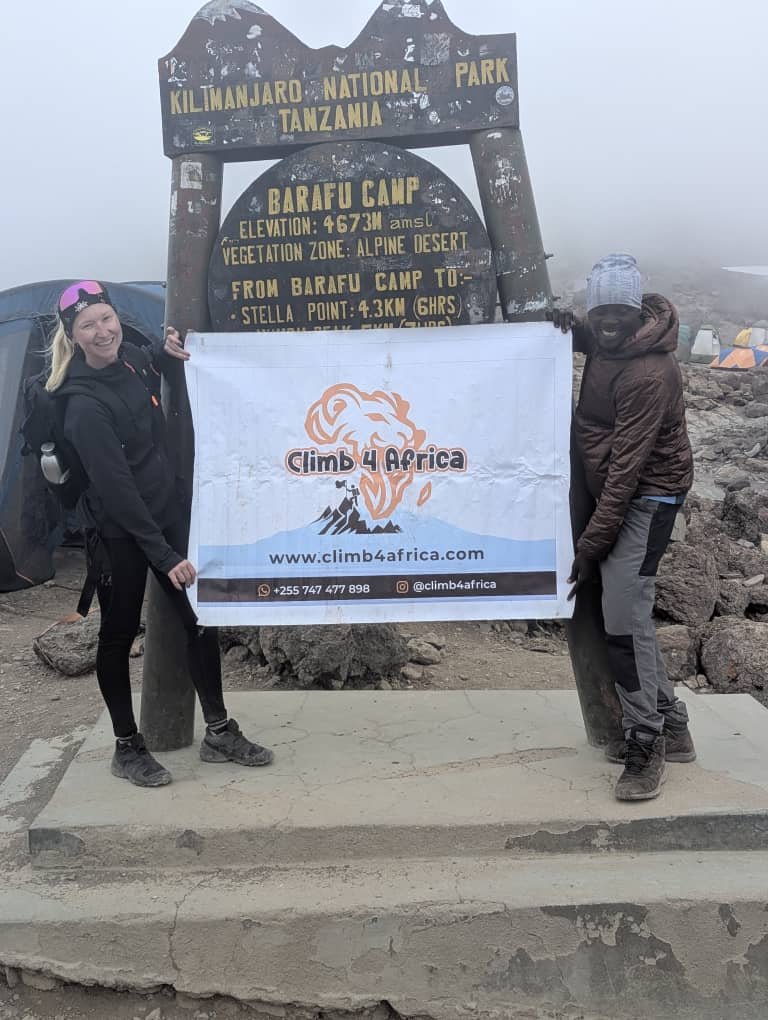
Kilimanjaro Group Trekking From Moshi, 19–25 November 2026
Kilimanjaro Group Trekking From Moshi – 19–25 November 2026.
View package details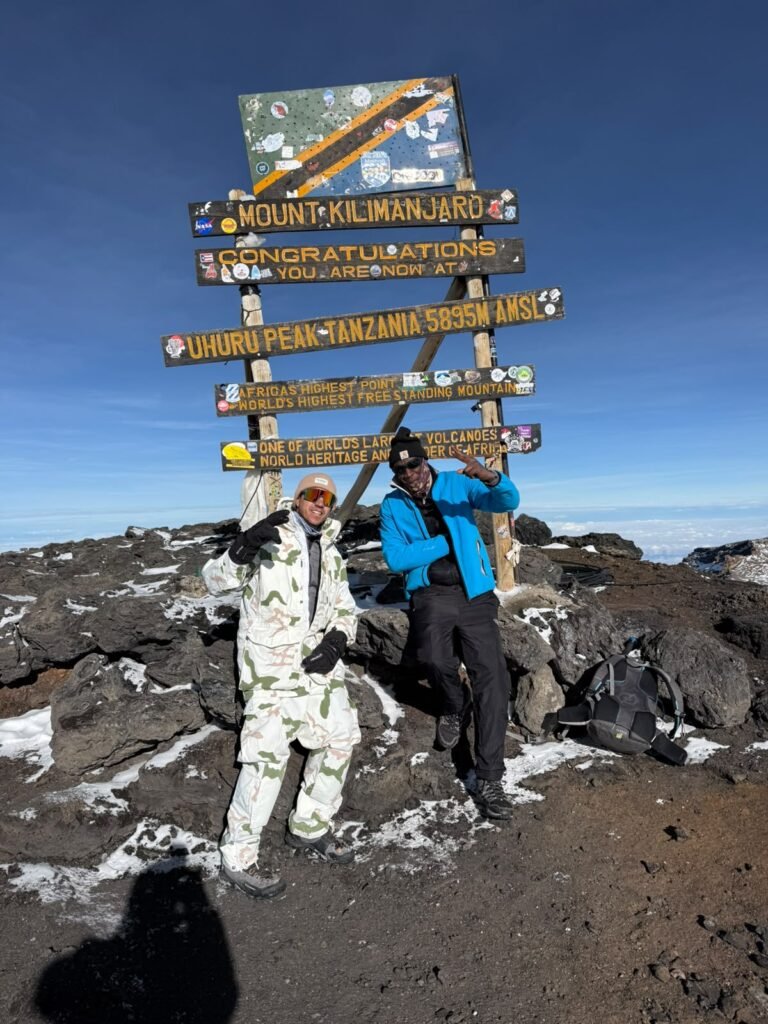
Kilimanjaro Climbing Packages From Moshi – 25–30 November
Practical, no-nonsense guidance for Kilimanjaro climbs from Moshi on 25–30 November 2026. Learn route options, logistics, and how to book with Climb 4 Africa.
View package details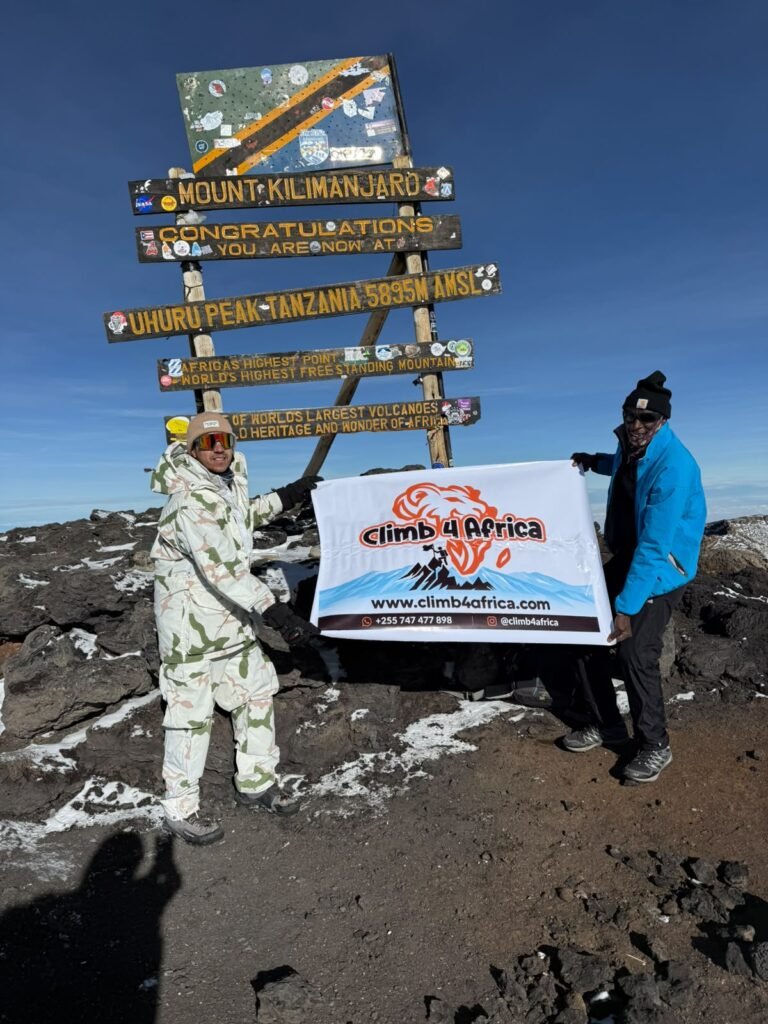
7 Days Rongai Route Kilimanjaro Group Joining – 26 November – 2 December
Experience Kilimanjaro via the Rongai Route with a confirmed group departure for 26 November–2 December 2026. Read a practical, day-by-day plan focusing on route pacing, acclimatization...
View package details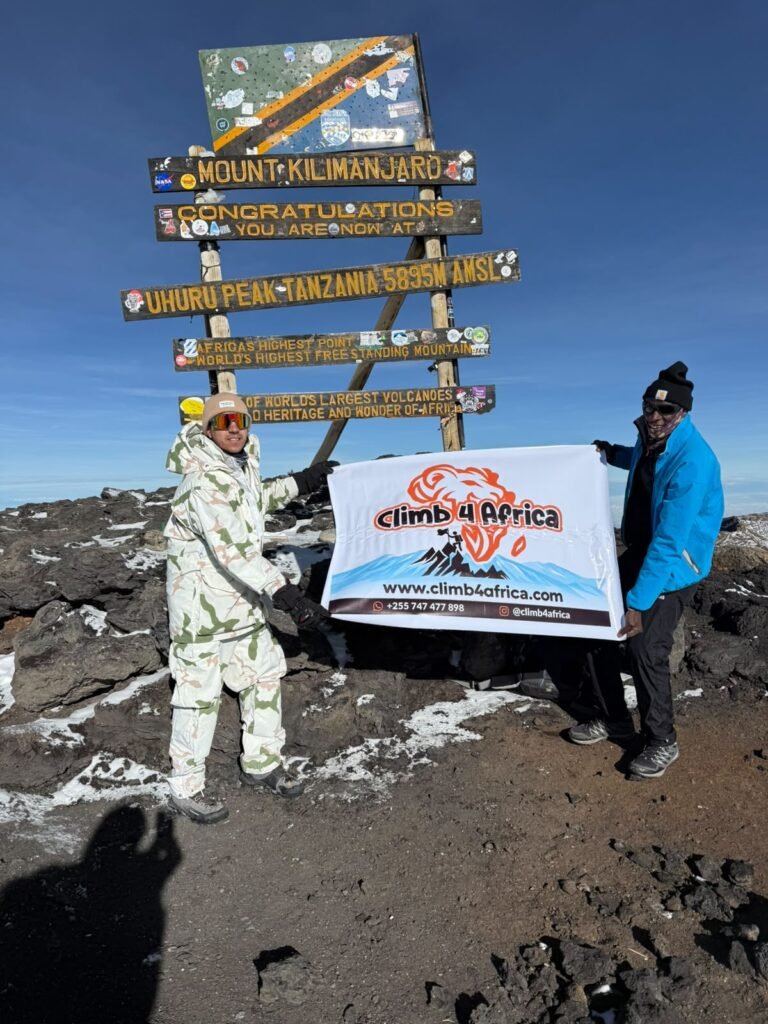
7 Days Machame Kilimanjaro Group Joining – 14–20 November
Join a confirmed 7-day Machame Route Kilimanjaro climb with a small group, departing 14–20 November 2026. Plan, acclimatise and summit with practical logistics and local support.
View package details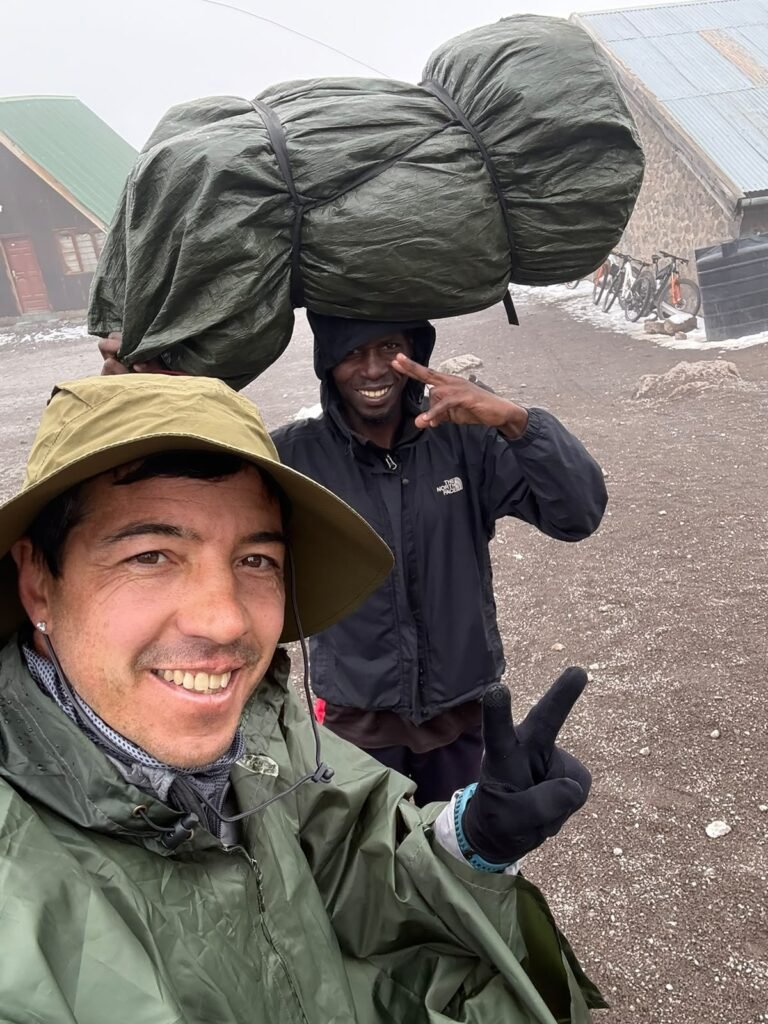
8 Days Lemosho Route Kilimanjaro Group Joining – 7–14 November 2026
Plan an 8-day Lemosho climb on Kilimanjaro with a verified group joining window of 7–14 November 2026. This first installment breaks down the day-by-day itinerary, acclimatisation logic...
View package details6 Days Marangu Route Kilimanjaro Group Joining – 20–25 November
Bookable 6 days on the Marangu route with a verified group departure 20–25 November 2026. Day-by-day itinerary, acclimatization plan, hut-style accommodations, and how to request a...
View package detailsLate November Kilimanjaro Hiking Tours – 28 To 5 December 2026
Explore a practical late‑November Kilimanjaro itinerary from 28 November to 5 December 2026 with Climb 4 Africa. Understand routes, pacing, and what to expect on the mountain with local...
View package details6 Days Marangu Kilimanjaro Hut Climb Cost, 20–25 November 2026
6 Days Marangu Kilimanjaro Hut Climb Cost – 20–25 November 2026.
View package details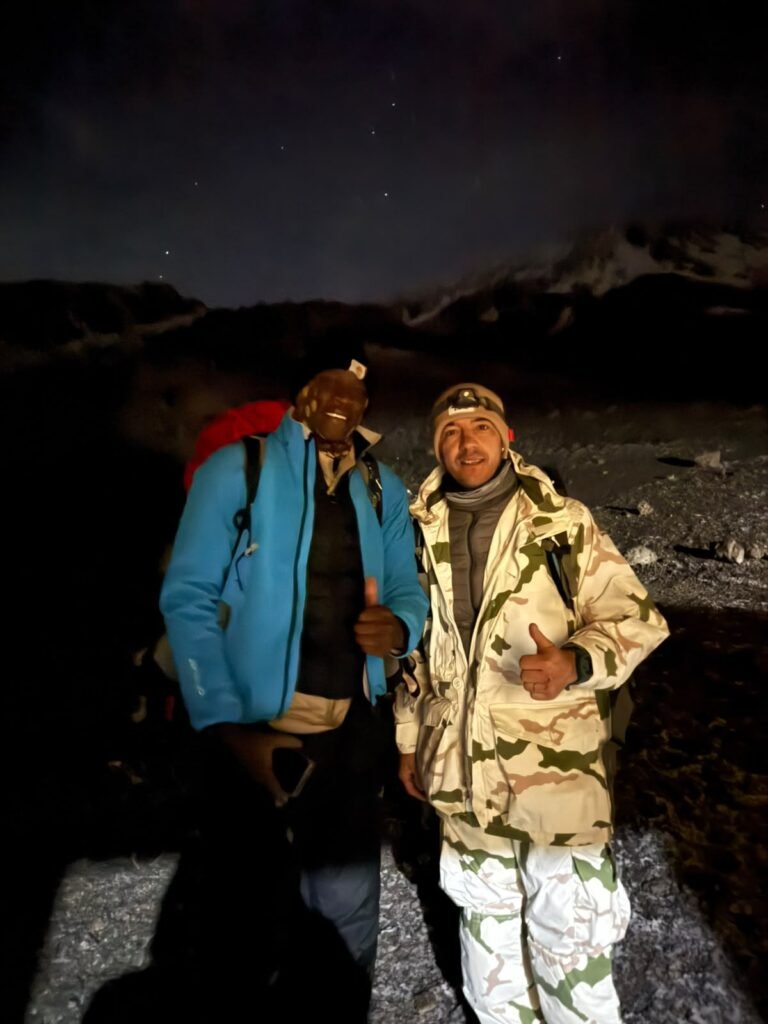
7 Days Rongai Kilimanjaro Rainy Season Trek – 19–25 November 2026
7 Days Rongai Kilimanjaro Rainy Season Trek – 19–25 November 2026.
View package details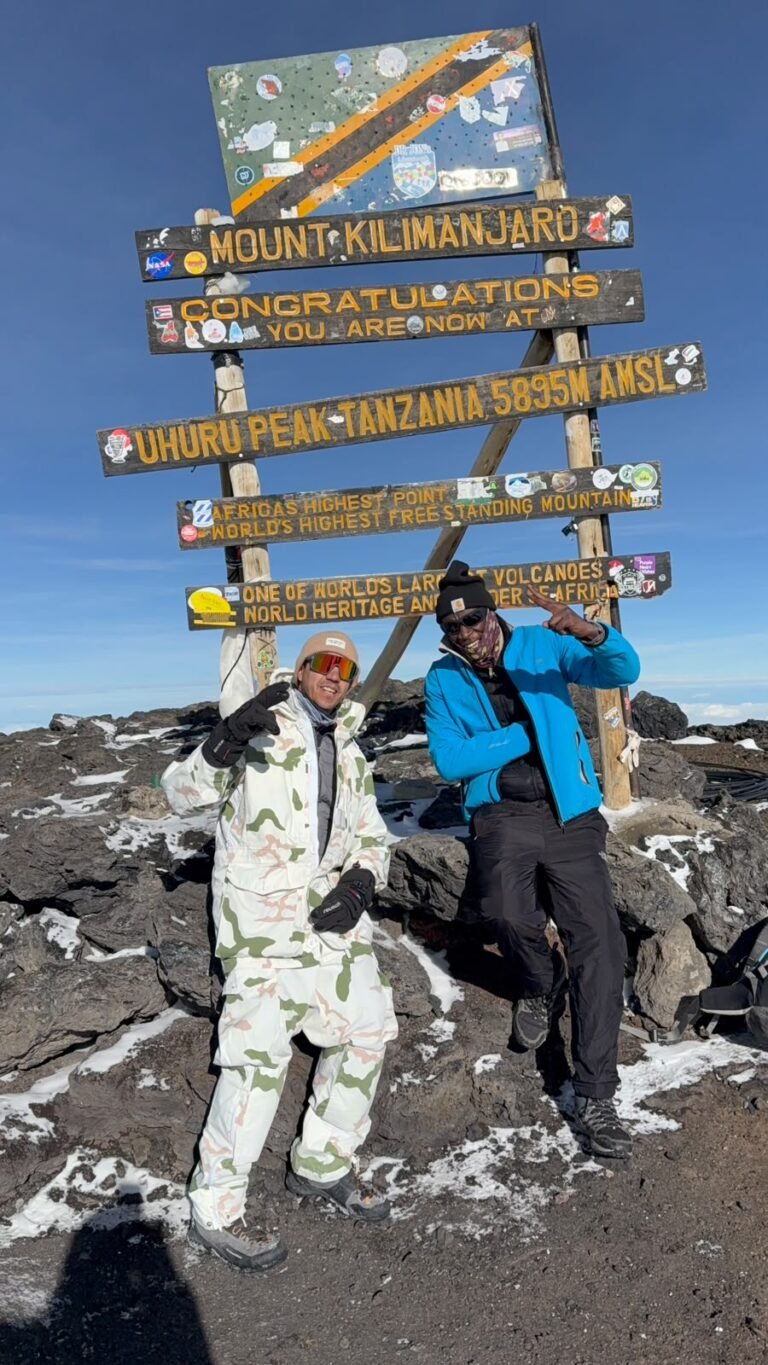
Kilimanjaro Solo Traveller Group Climb – 18–25 November 2026
Kilimanjaro Solo Traveller Group Climb – 18–25 November 2026.
View package details
8 Days Lemosho Kilimanjaro Group Joining: 18–25 November 2026
Plan an 8-day Lemosho Kilimanjaro climb with a shared group from 18–25 November 2026. Learn the route, day-by-day logistics, and what a booked package typically includes.
View package detailsNo related package matches those filters. Clear one or more filters to see the other topic-matched options.



