
Kilimanjaro Full Moon Trekking Packages for 17–25 November 2026 arrange a guided ascent around the time of the full moon, typically on the popular routes like Machame, Rongai or Lemosho, with flexible departure options from Moshi or Kilimanjaro base. You’ll carry a light pack for summit night, briefings, permits, and park fees are included where applicable, and the set-up focuses on reliability, altitude acclimatization, and local support through Climb 4 Africa. Availability depends on group sizes and route choice; confirm current departures with the operator for guaranteed spots and exact inclusions.
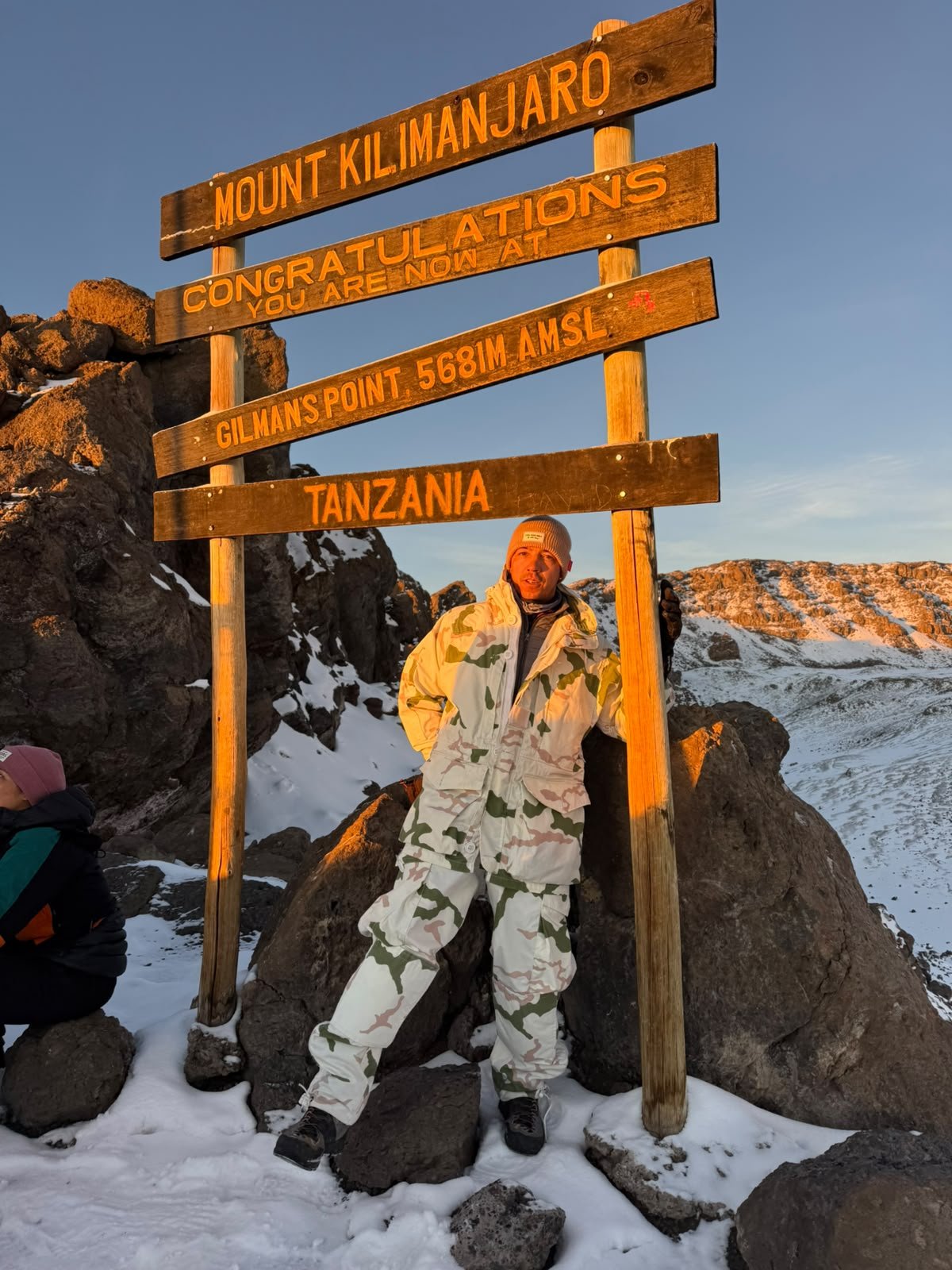
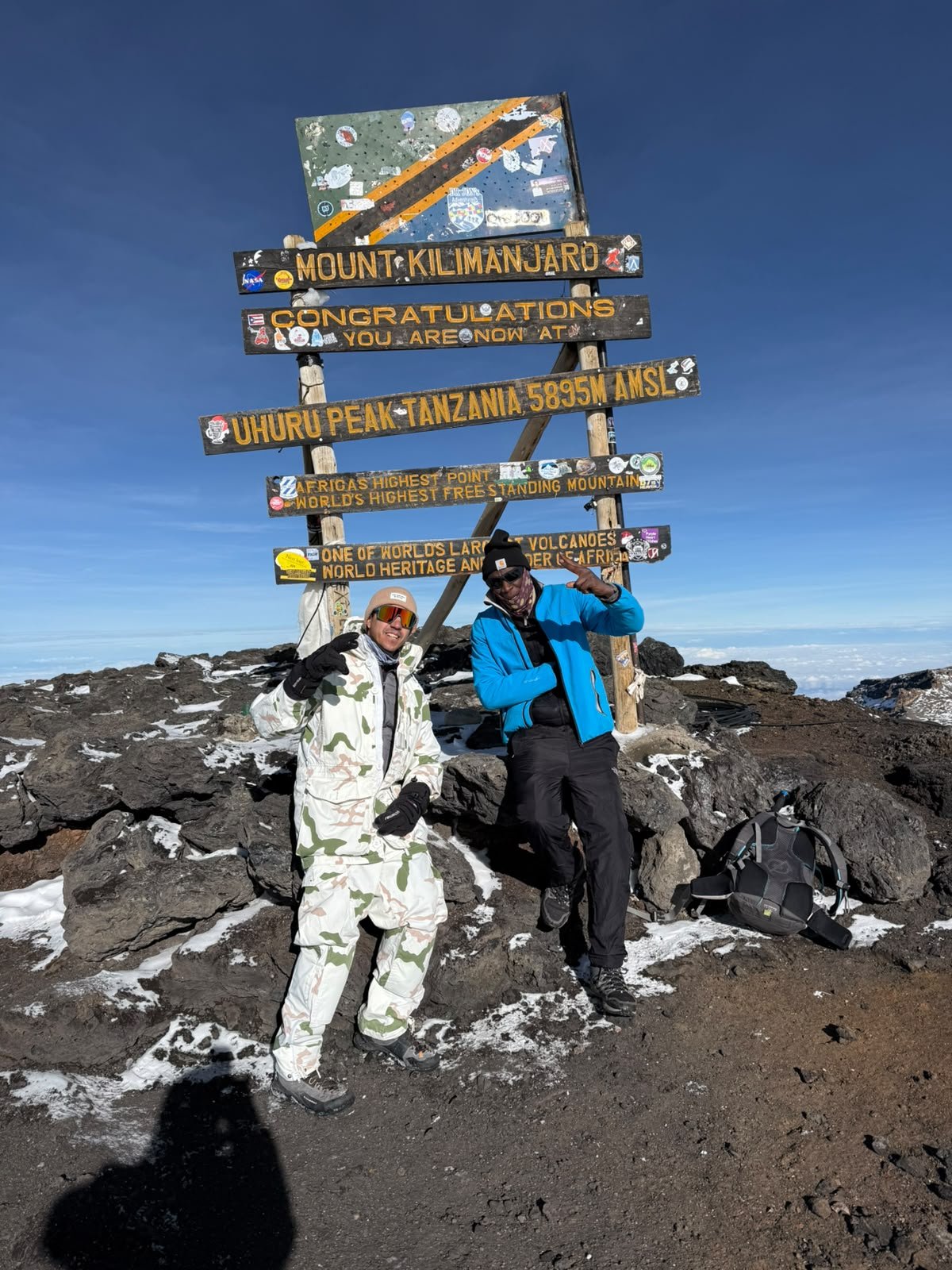
Whether you’re returning to Kilimanjaro for a memorable full-moon ascent or trying a first high-altitude challenge, this package window in mid to late November blends stable weather, shorter days, and the dramatic moonlit approach to Uhuru Peak. The approach we outline here prioritizes practical, low-stress planning and a smooth ascent rhythm, so you can focus on the experience rather than logistics.
Why a full moon trek can be appealing
A full moon offers natural illumination on the ascent, which can translate to a calmer trek on the demanding night sections. It also creates a striking summit moment and easier navigation on the hardest miles. Planes, parks, and guides coordinate with local teams to ensure timing fits peak night safety standards and acclimatization schedules.
What this first part covers
In this initial section, we outline the core decision points, how the moon-tide timing affects routes, and what you should expect in terms of logistics, altitude planning, and support from Climb 4 Africa. You’ll get guidance on choosing routes, what to pack, and how to check availability for 17–25 November 2026 without overcommitting.
How to choose a route for a moon-anchored ascent
Machame tends to balance altitude gain with solid acclimatization windows, while Lemosho offers a longer approach with strong acclimatization for lunar-night climbs. Rongai can be a quieter alternative with dependable terrain. Your choice should weigh group pace, terrain, and your prior high-altitude experience. Climb 4 Africa can tailor a plan that respects your fitness, experience, and the preferred moon phase window.
Basic planning considerations
Key questions include: available group sizes, departure points (Moshi or adjacent towns), what inclusions the package covers (permits, guide ratios, rescue contingencies), and the level of pre-departure preparation available. Since this is a bookable, multi-day trek, expect a mix of camp logistics, porters, and guides who stay with you through the route day-by-day rhythm.
What you’ll typically receive with a Kilimanjaro Full Moon package
An established operator like Climb 4 Africa generally provides experienced guides, group-safety protocols, park fees, and rescue support, plus tented camping or huts depending on the route. You’ll likely get certified guides with high-altitude experience, pre-briefings, and airport transfers as part of a complete care framework. Exact inclusions should be confirmed for November 2026 departures to align with your personal needs.
Booking decisions and practical next steps
To secure a 17–25 November 2026 departure, contact Climb 4 Africa with your preferred route, fitness level, and prior trekking experience. Ask for: current availability, final price range, what’s included in terms of gear rental or porters, and how they handle contingency plans if weather shifts the schedule. Consider a slightly longer buffer before and after the climb to handle travel fatigue and recovery time in Moshi.
Seasonal planning tips
November in Kilimanjaro can present a transition period between the short dry spell and the onset of the long rain season. The moon influence remains valuable for lighting on summit night, but you should plan for possible cloud cover or cooler winds at altitude. Pack layers that cover a range from the lower forests to the upper alpine zones, and ensure you have reliable headlamps and a good sleeping system for cold nights.
How to evaluate value and fit
Value in a full moon trek isn’t just the price tag; it’s the balance of safety, acclimatization, guide expertise, and the pace you can sustain. A well-structured itinerary minimizes long daily drives between camps, preserves acclimatization days, and includes backup options for weather or illness. Compare route length, group size, and support levels to find the right fit for your November window.
What happens after you book
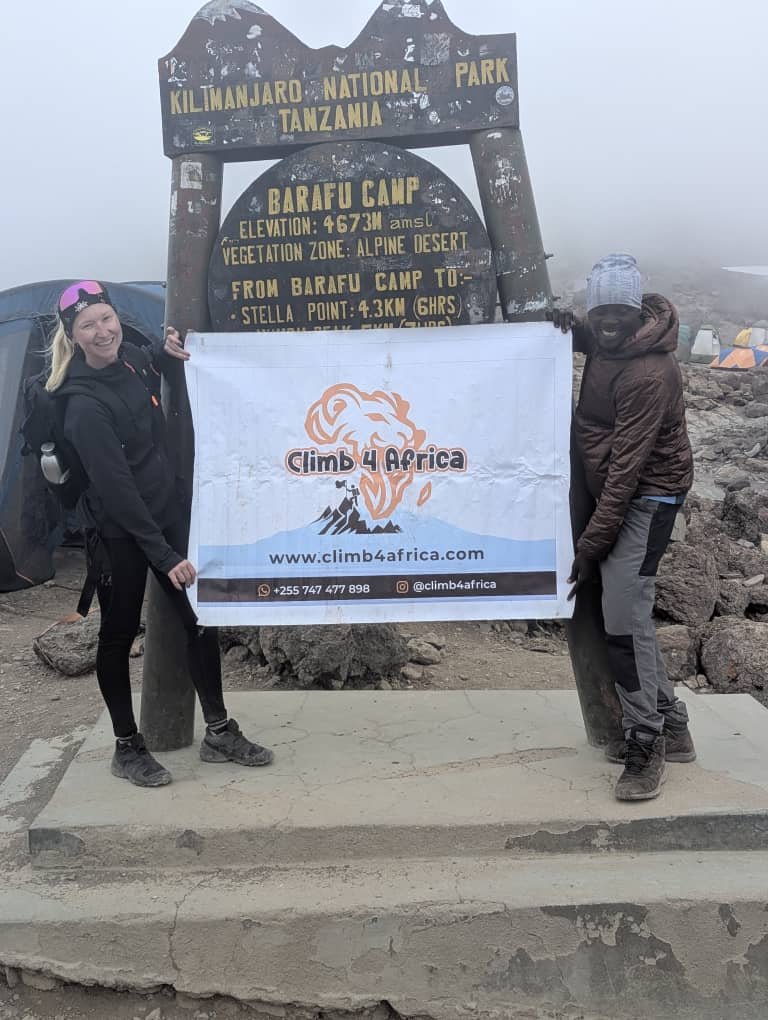
Once you confirm a departure, expect a pre-departure briefing, gear checklists, and a single group contact at Climb 4 Africa who will coordinate with your international flights, domestic transfers, and airport arrival. They’ll outline the day-by-day rhythm, approximate timing windows for each camp, and the summit-night expectations so you can plan leave dates and travel days around the climb.
Next steps
Visit the Kilimanjaro Moon Climb updates and group departures pages to view current routes and departures around 17–25 November 2026. Reach out to Climb 4 Africa for a tailored plan that matches your pace, route preference, and the moon window you’re targeting. This approach helps you secure a spot with a realistic plan that respects your travel timeline and comfort level.
Addressing practical gaps: coordinating full-moon rhythm with acclimatization and group dynamics
Across Kilimanjaro full-moon departures, climbers frequently confront questions about how a lunar schedule interacts with acclimatization protocols and group pacing. The most actionable nuance that often remains under-explained is the way operators translate the moon-timed ascent into a coherent, safe rhythm for a mixed-skill group while maintaining robust acclimatization. This section dives into concrete practices used by professional teams to harmonize lunar-night navigation with the physiological realities of high altitude, without rehashing general packing or permit details.
First, the moon window is not a fixed night of climbing for every participant. A responsible operator will anchor the lunar timing to a flexible plan that preserves acclimatization days and buffer time. On routes like Machame, Lemosho, or Rongai, guides calibrate start times for summit push by evaluating cloud cover forecasts, recent acclimatization progress, and the ascent pace of the slowest thirds of the group. The goal is to ensure that the team reaches key camps with adequate rest and that the luminous conditions on summit night align with safety goals rather than simply meeting an idealized calendar. This means some groups may begin the final ascent a few hours later or earlier than the nominal full-moon date, depending on weather and acclimatization progress, and still benefit from the same moon-lit advantage on critical sections of the climb.
Second, group composition matters more than the moon itself. A balanced group—combining climbers with prior altitude experience, moderate fitness, and supportive acclimatization tempos—reduces pace disparities that could otherwise erode the lunar-night advantage. Operators often use a tiered guide-to-climber ratio and assign senior guides to lead the early phases of the night, with mid-level guides managing the middle portions, and a dedicated head guide coordinating the final push. This structure helps maintain a consistent cadence, minimizes crowding on the narrow trail segments, and preserves the calm navigation that a full-moon glow can enhance rather than complicate.
Third, communication and briefing are more than a pre-departure checklist. The nightly rhythm is reinforced with in-camp hand signals, light-blocking techniques to prevent glare, and agreed-upon rest intervals that respect sleep debt and altitude stress. Guides may implement brief, incremental checks along the trail—pause points for hydration, a quick acclimatization breathing routine, and short, micro-briefings when visibility changes due to cloud movement. The moon’s influence is best leveraged when the team remains mentally flexible; this means readiness to adjust the pace moment-to-moment while keeping everyone aligned on the same end goal: a safe, successful summit with clear, readable terrain under lunar light.
Fourth, gear choices and camp setup are subtly tailored to the lunar schedule. While the core equipment remains standard, guides often emphasize redundancy in lighting and a conservative headlamp beam plan to avoid dusk-to-dawn glare that can slow the group or create navigation errors in shadowed terrain. Sleeping systems are selected with temperature expansion in mind—the higher likelihood of colder nights near the alpine zone during a November full moon can lead to stricter layering and a slightly longer acclimatization rest window at the upper camps. These logistical shifts keep the lunar-night experience practical and physically manageable for climbers at all fitness levels within the group.
Finally, the safety overlay for a moon-anchored ascent includes contingency-ready protocols. Even with ideal lunar illumination, flash weather changes, wind gusts, or unplanned delays can disrupt the rhythm. Operators outline explicit contingency options: staggered start windows, alternate routes at safer altitude thresholds, or postponement of the summit push to the next feasible night. Clear, pre-agreed decision trees help the group avoid last-minute, high-stress choices under poor visibility, enabling a steadier, more predictable experience that still benefits from the moon’s presence on the trail.
In sum, a successful Kilimanjaro full-moon climb hinges on integrating the lunar advantage with acclimatization science, thoughtful group dynamics, adaptive briefing, and robust safety contingencies. By treating the moon as a contextual cue rather than a fixed schedule, operators can deliver a more reliable ascent rhythm that preserves pace, confidence, and safety—allowing more climbers to enjoy the luminous trail and the dramatic summit moment without compromising readiness for the altitude challenges ahead.
Bridging the moon rhythm with acclimatization and group pacing: a practical read on timing, rest, and safety
With a November full moon as a dramatic backdrop, climbers often assume that the brighter nights alone determine success. In practice, the most reliable outcomes come from synchronizing lunar timing with proven acclimatization strategies and thoughtful group pacing. This section examines a nuanced, reader-relevant gap: how lunar scheduling shapes rest cycles, acclimatization windows, and decision-making within a guided Kilimanjaro ascent.
Acclimatization rests are not optional add-ons; they are the core mechanism by which the body adapts to altitude and preserves group safety. Kilimanjaro routes favored for moon-assisted ascents—Machame, Lemosho, and Rongai—benefit from built-in acclimatization days that allow the most critical physiological adjustments to occur away from the peak exertion of summit pushes. The lunar window informs when the group might expect clearer navigation and calmer night sections, but it cannot substitute for essential rest and gradual altitude gain. Guides plan the pace to respect individual variation in acclimatization rate while maintaining group cohesion. A well-structured rhythm typically features a progressive climb, short daily increments in elevation, and deliberate, longer rest periods at mid-camp locations to monitor symptoms and hydration status.
From a practical standpoint, the lunar cycle primarily affects visibility and perceived safety on harder segments, not the fundamental requirement for proper acclimatization. Guides often embed micro-briefings at points where the moonlight makes terrain look unfamiliar or where shadows intensify the risk of missteps. These briefings are designed to be concise, actionable, and time-bound so they do not derail the overall pace. The moonlight can also influence perceived exertion; under lunar glow, climbers may feel more confident and push a touch further, so guides emphasize maintaining pre-set cap limits to avoid sleep debt or overexertion. In other words, the moon is a lighting aid, not a license to accelerate beyond what acclimatization science supports.
Group dynamics under a full-moon schedule require explicit communication protocols. If the rhythm shifts—say, a late start for the summit push due to favorable weather uplift—there should already be a pre-agreed plan for staggered departures or safe alternates. The goal is to preserve the synchrony that keeps everyone moving at a pace compatible with the most vulnerable climbers in the group. This means pacing that respects the slowest climber’s ascent profile while still leveraging the confidence that lunar illumination provides. Practically, expect a staggered approach to night sections: the lead team maintains a steady tempo for navigation and tempo checks, while trailing members receive periodic regroup points that double as short acclimatization pauses and hydration opportunities.
Gear considerations that accompany a moon-anchored rhythm extend beyond headlamps and batteries. Redundant lighting remains a standard precaution, but the emphasis shifts toward maintaining a consistent, comfortable thermal envelope across the lunar-night segments. Higher camp temperatures tend to fluctuate with wind and cloud cover, so sleeping systems are chosen to accommodate colder pockets that can appear when the upper camp doors open to the night air. The lunar schedule can influence tent placement strategy within camps, nudging guides to position groups to minimize exposure during brief changes in wind direction and to align wake times with the moon’s altitude changes and local sunrise expectations. This subtle alignment helps reduce sleep fragmentation and supports a more restorative rhythm before the final ascent push.
Decision trees are a practical tool under a full-moon plan. Before departure, guides share a simple, transparent set of criteria for advancing from one camp to the next, pausing for acclimatization, or delaying a summit attempt. These criteria factor in measured symptoms (headache, dizziness, fatigue), oxygen saturation where available, and observed performance trends across the group. In a full-moon context, weather-related delays—cloud cover, wind shifts, or unexpected cold snaps—are assessed within the same decision framework to avoid impulsive moves. The lunar presence then becomes a contextual cue that the team uses to anticipate terrain changes, not a determinant that overrides safety thresholds.
Finally, the communication framework with your operator, such as Climb 4 Africa in this context, benefits from explicitly documented expectations about moon-related pacing. If your group experiences a mid-mock weather shift that requires a temporary hold near a checkpoint, you’ll want to know who makes the call, how long the hold lasts, and what alternative routes or contingency plans exist. Clear, pre-agreed protocols ensure that the group remains cohesive and confident even when the moon’s glow is interrupted by a passing cloud bank. This practical backbone—acclimatization-first, lunar-aware, safety-centered—helps guarantee that the full-moon experience remains a luminous revelation rather than a high-risk gamble.
In sum, the lunar advantage on Kilimanjaro is best realized when layered atop time-tested acclimatization practices, disciplined pacing, and robust safety contingencies. The moonlight provides illumination for navigation and a dramatic destination moment, but the safety architecture—and the decision-making that protects it—rests on the bedrock of gradual ascent, attentive group management, and transparent operational planning. When these elements align, climbers can savor the spectacle of a lunar night ascent without compromising the essential process of adapting to altitude or the safety of the group as a whole.
Moon-Responsive Scheduling: Aligning Pace, Rest, and Summit Timing
Beyond route choice and acclimatization windows, a key gap many readers notice is how the lunar schedule concretely translates into daily pacing and rest patterns on the mountain. For a Kilimanjaro full-moon trek, the moon’s arc across the sky isn’t just a backdrop; it becomes a practical cue for when to press on, when to conserve energy, and how to structure the fewest possible sleep disruptions. Operators like Climb 4 Africa typically weave this lunar rhythm into the group timetable without overcomplicating daily routines, but a closer look at the mechanics reveals several tangible practices you can expect on the ground.
First, the moon-driven cadence often translates to a predictable wake time aligned with the moon’s altitude over the horizon. On summit night, guides tend to schedule a gradual, staggered start, so the front-runners reach the final pitches while others are still rousing, reducing crowding at the most critical moments. This staggered approach also tends to keep sleep fragmentation to a minimum because groups aren’t repeatedly interrupted by simultaneous changes in pace or location. If cloud cover obscures the moon, the plan remains flexible, with a pre-announced contingency that preserves the expected rhythm and minimizes confusion.
Second, the full-moon window affects lighting strategies at the camps and in transit. Since bright lunar illumination can reduce reliance on headlamps, guides may adjust the gear checklists to reflect actual visibility needs rather than a fixed protocol. Expect lighter headlamp requirements on certain nights when the moon provides clear, steady illumination, paired with safer, slower progress across rocky sections where dim lighting would otherwise slow progress. Conversely, nights with a new moon or heavy cloud cover keep a more conservative lighting approach, ensuring everyone can navigate safely while resting as much as possible between key milestones.
Third, the lunar cycle informs risk management around weather variability. The ring of the moon is a constant reference point for assessing wind shifts and temperature drops. Guides use the moon’s timing to frame decision points aloud: if the moon rises late and the winds surge, the team may hold at a lower camp for an additional acclimatization period rather than rush to maintain the moon-aligned schedule. This creates a robust safety margin that respects both the calendar and the mountain’s physics, rather than forcing an artificial clock onto the ascent.
Fourth, the social rhythm of the group is subtly shaped by the moon. A shared, visible celestial marker has a unifying effect: climbers synchronize their rest periods, swap tips for the night sections, and support each other through the unusual sleep patterns that high-altitude trekking can trigger. In practice, you may notice gentle reminders from guides to conserve energy during the first half of the ascent, followed by a collective lift as the moon climbs and reaches its apex—an intuitive balance between rest and momentum that becomes part of the group’s shared story rather than a rigid timetable.
Lastly, the lunar window interacts with acclimatization strategies in a way that rewards patience. Moonlight does not replace careful pacing or proper rest days; instead, it complements them. A typical lunar-anchored plan will still embed a deliberate acclimatization day at a mid-point, with the schedule nudged to respect both the perceived safety margins under moonlight and the physiological cues that indicate readiness for higher elevation. The result is a smoother psychological and physical ascent—one where the moon’s beauty enhances confidence without inviting reckless leaps.
If you’re weighing a Kilimanjaro full-moon package, ask your operator how they translate this moon-responsive scheduling into the day-to-day flow of the trek. Inquire about: how wake times are communicated, what contingencies are in place for cloud cover on key nights, how lighting gear is allocated across different camps, and how the group maintains cohesion when the moon’s path shifts unexpectedly. You’re looking for a plan that uses the moon as a navigational and motivational aid, not as a rigid deadline that could override acclimatization or safety considerations. A well-executed lunar rhythm should feel like a refinement of a solid, standard ascent rather than a dramatic departure from established best practices.
Related Guides and Packages
Check Availability for Kilimanjaro Full Moon Trekking Packages – 17–25 November
Ready to compare dates, prices, and the best option for your group? Send the package name and travel month so the team can reply with a clear quote, availability, and what is included.
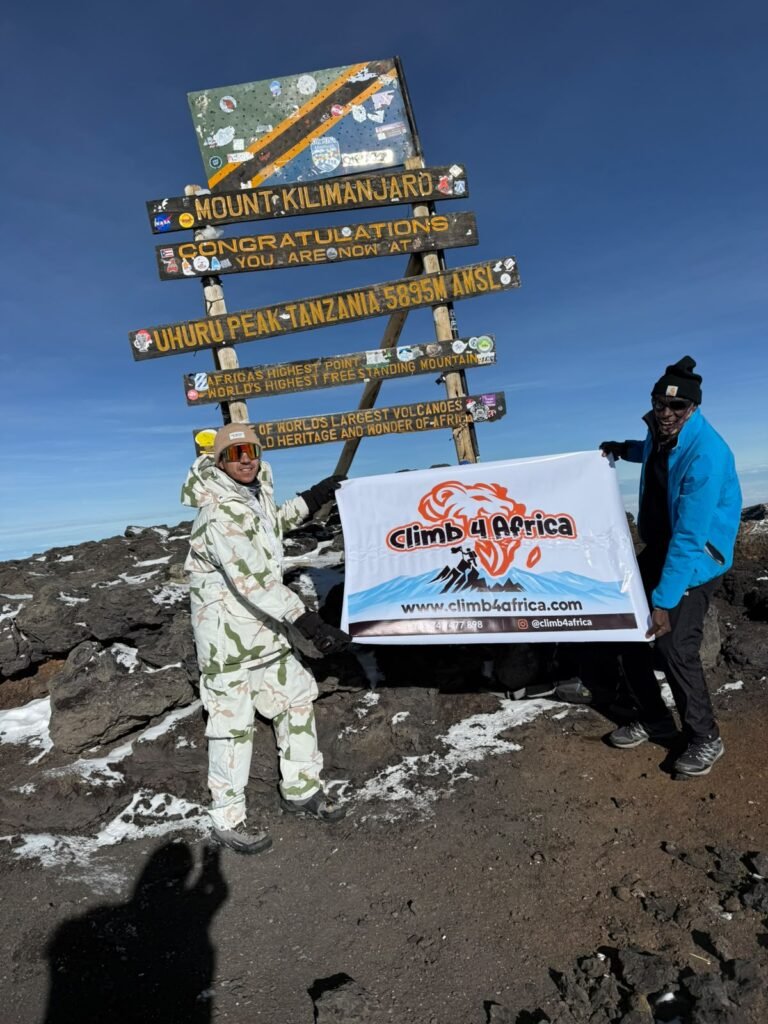
Mount Kilimanjaro Full Moon Climb 24 November – Routes And Departures
Mount Kilimanjaro Full Moon Climb 24 November 2026 – Routes and Departures.
View package details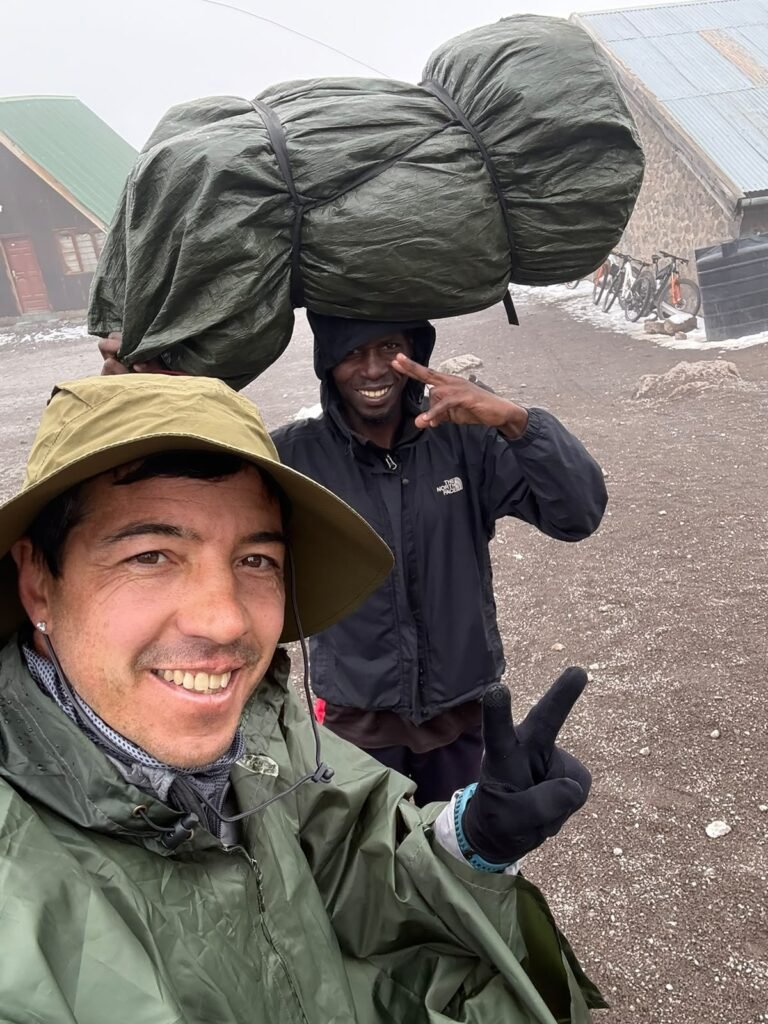
Thanks giving Week Kilimanjaro Trekking, 22–28 November 2026
Plan a Kilimanjaro summit during Thanksgiving week 22–28 November 2026 with practical planning, route considerations, and local support from Climb 4 Africa to maximize safety and enjoyment.
View package detailsKilimanjaro Group Trekking From Moshi, 19–25 November 2026
Kilimanjaro Group Trekking From Moshi – 19–25 November 2026.
View package details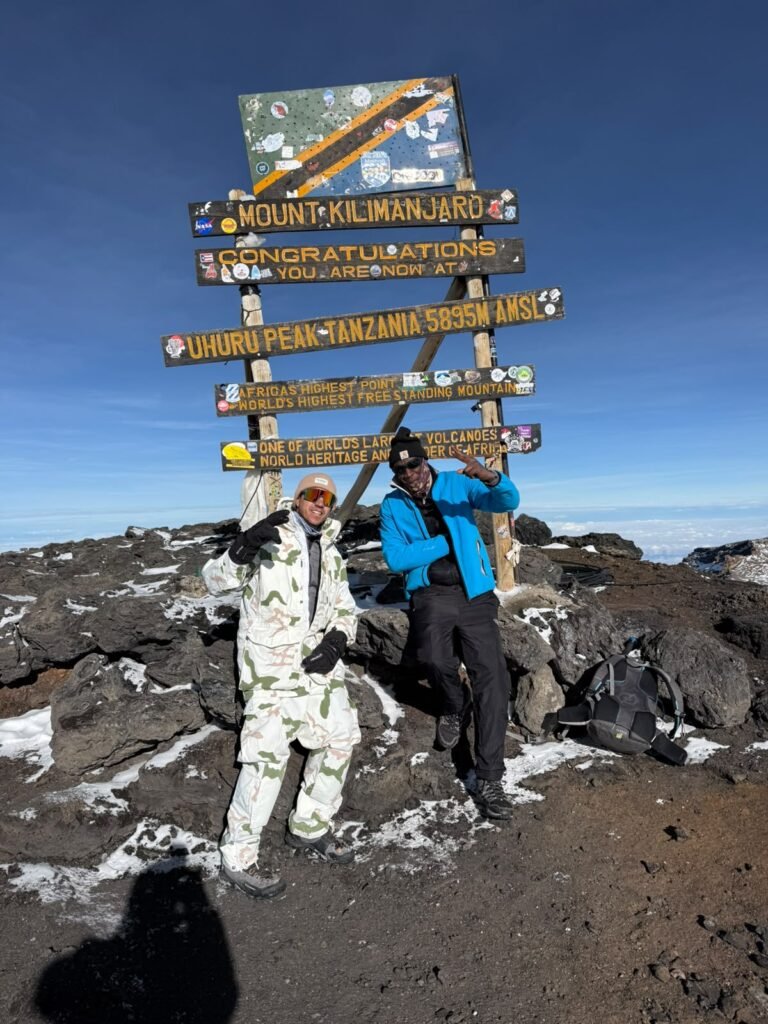
Kilimanjaro Climbing Packages From Moshi – 25–30 November
Practical, no-nonsense guidance for Kilimanjaro climbs from Moshi on 25–30 November 2026. Learn route options, logistics, and how to book with Climb 4 Africa.
View package details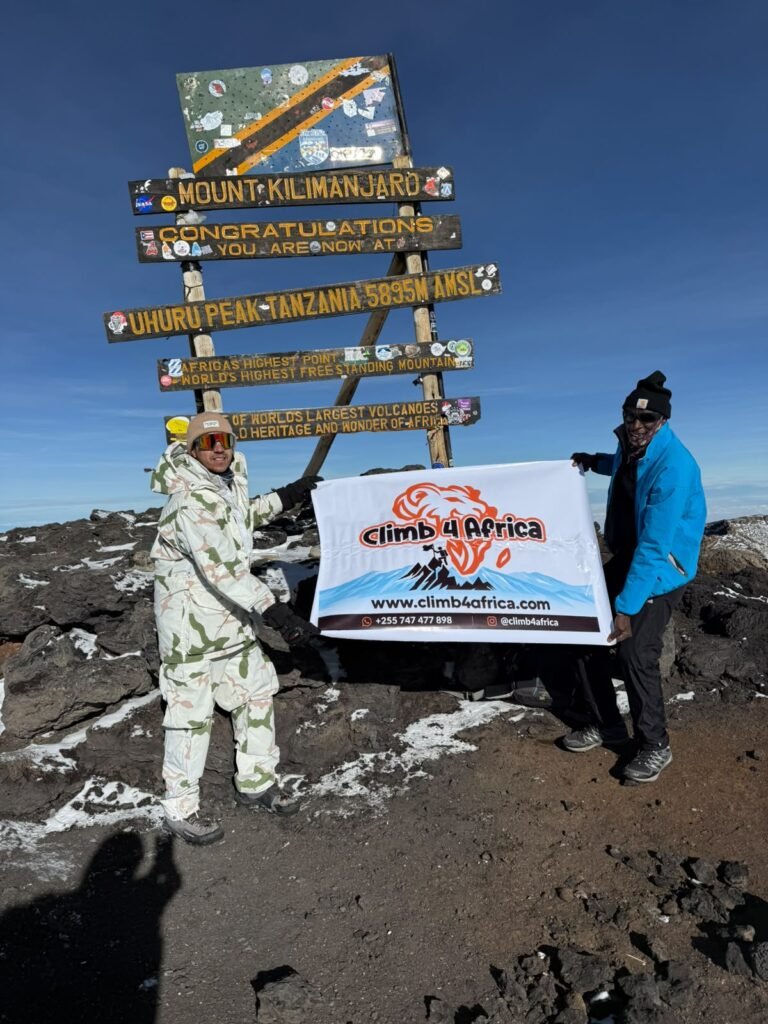
7 Days Rongai Route Kilimanjaro Group Joining – 26 November – 2 December
Experience Kilimanjaro via the Rongai Route with a confirmed group departure for 26 November–2 December 2026. Read a practical, day-by-day plan focusing on route pacing, acclimatization...
View package details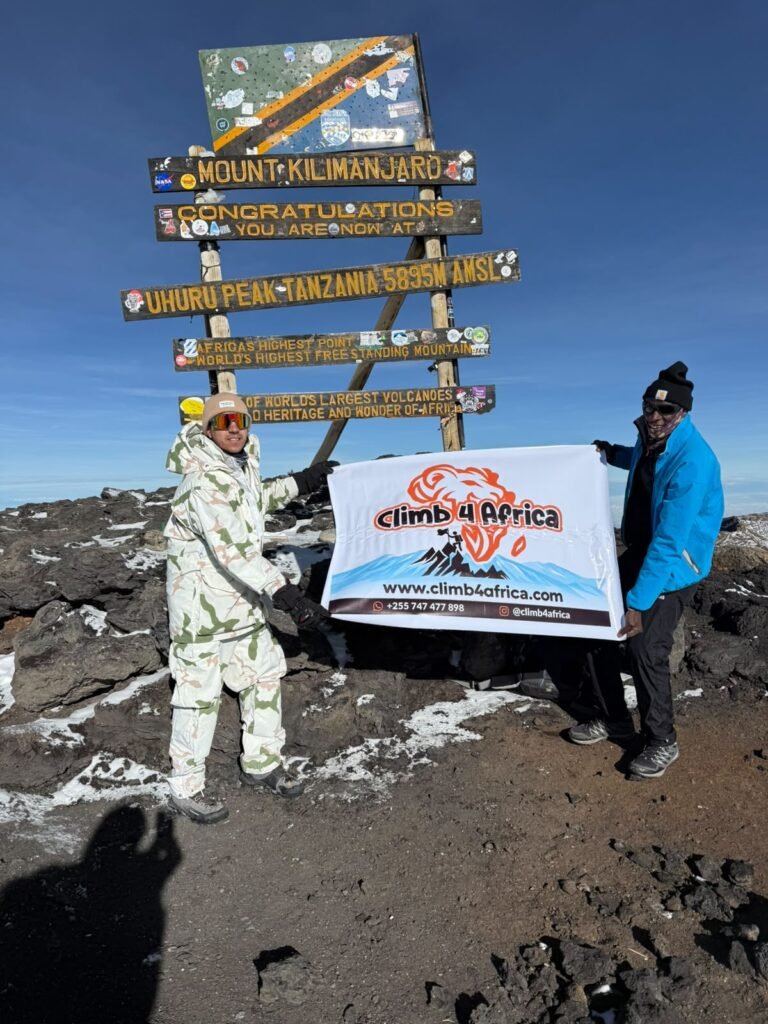
7 Days Machame Kilimanjaro Group Joining – 14–20 November
Join a confirmed 7-day Machame Route Kilimanjaro climb with a small group, departing 14–20 November 2026. Plan, acclimatise and summit with practical logistics and local support.
View package details8 Days Lemosho Route Kilimanjaro Group Joining – 7–14 November 2026
Plan an 8-day Lemosho climb on Kilimanjaro with a verified group joining window of 7–14 November 2026. This first installment breaks down the day-by-day itinerary, acclimatisation logic...
View package details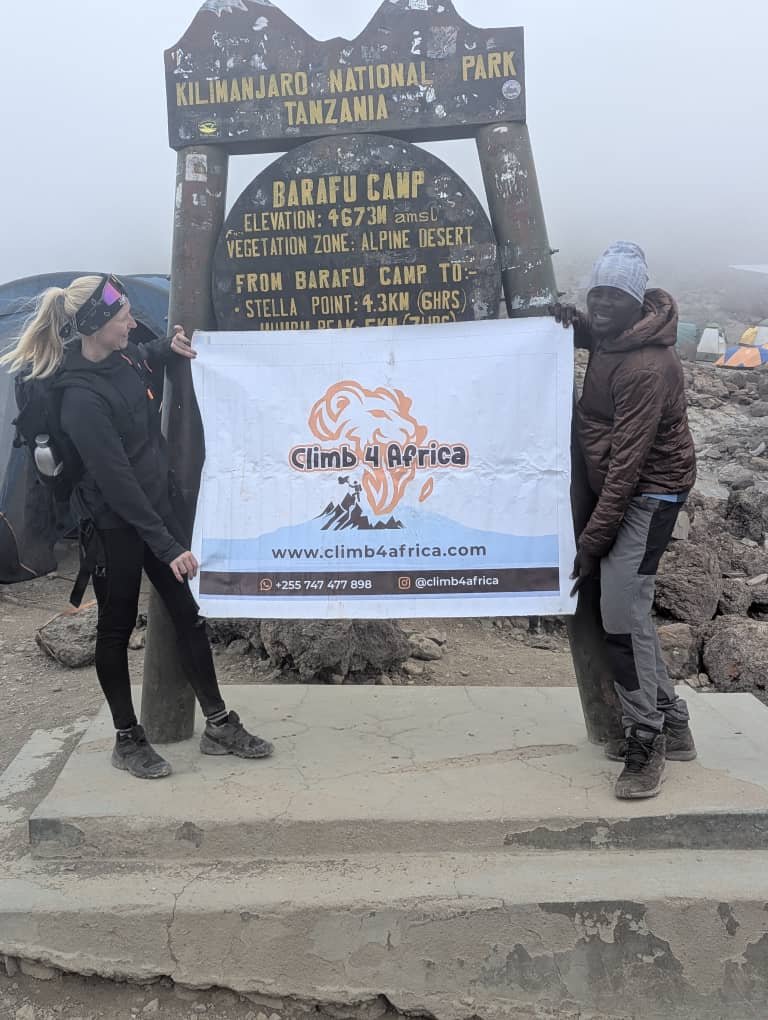
6 Days Marangu Route Kilimanjaro Group Joining – 20–25 November
Bookable 6 days on the Marangu route with a verified group departure 20–25 November 2026. Day-by-day itinerary, acclimatization plan, hut-style accommodations, and how to request a...
View package detailsLate November Kilimanjaro Hiking Tours – 28 To 5 December 2026
Explore a practical late‑November Kilimanjaro itinerary from 28 November to 5 December 2026 with Climb 4 Africa. Understand routes, pacing, and what to expect on the mountain with local...
View package details6 Days Marangu Kilimanjaro Hut Climb Cost, 20–25 November 2026
6 Days Marangu Kilimanjaro Hut Climb Cost – 20–25 November 2026.
View package details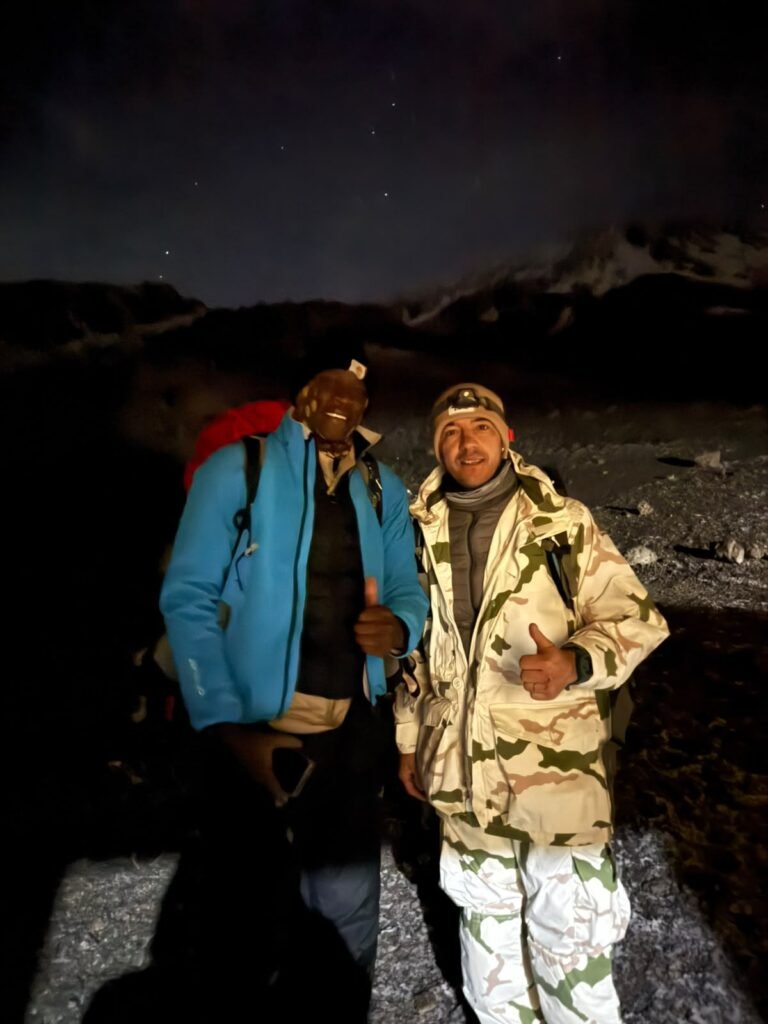
7 Days Rongai Kilimanjaro Rainy Season Trek – 19–25 November 2026
7 Days Rongai Kilimanjaro Rainy Season Trek – 19–25 November 2026.
View package details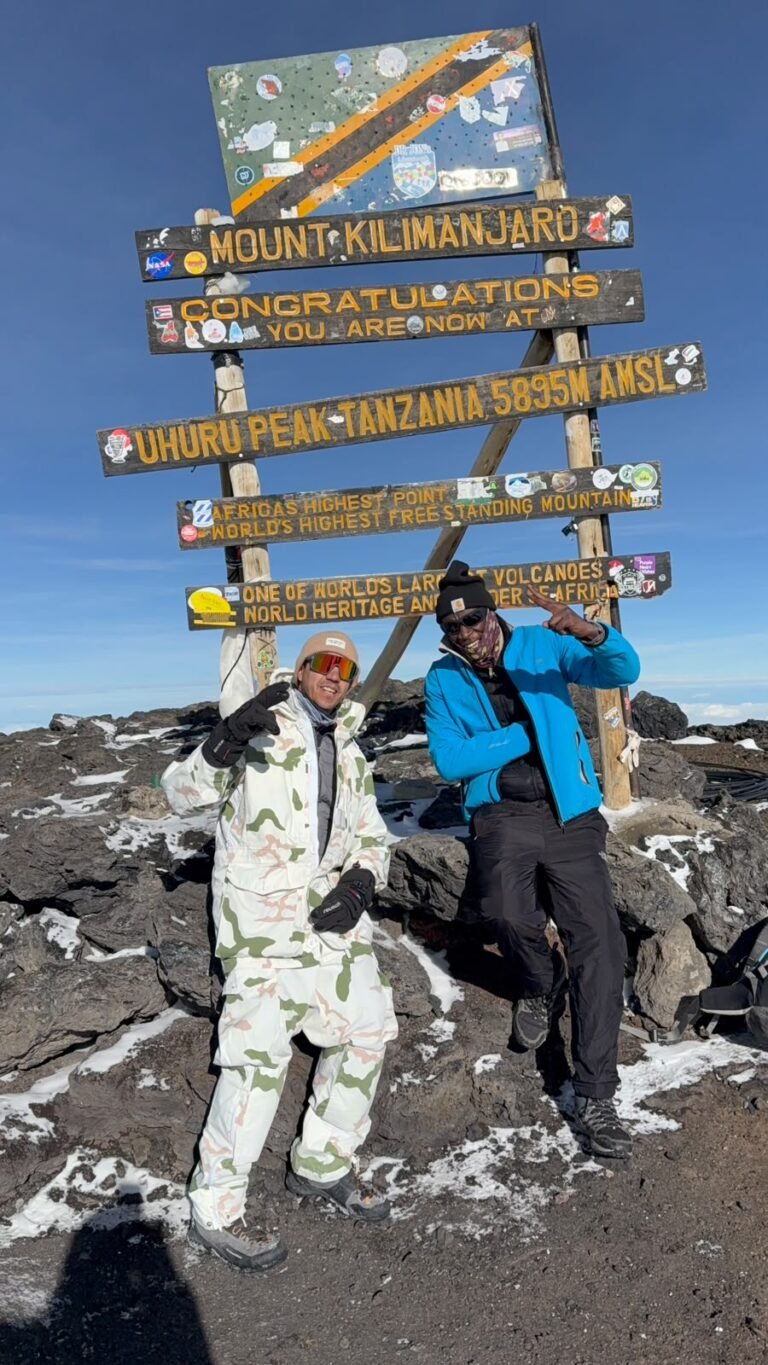
Kilimanjaro Solo Traveller Group Climb – 18–25 November 2026
Kilimanjaro Solo Traveller Group Climb – 18–25 November 2026.
View package detailsNo related package matches those filters. Clear one or more filters to see the other topic-matched options.



