
Experience a 5-day, bookable Tarangire, Ngorongoro, and Lake Eyasi safari that follows a practical route: Tarangire National Park first for seasoned plainsgame sightings, then Ngorongoro Crater for a day of crater scenery and wildlife opportunities, and finish with a cultural and wildlife focus around Lake Eyasi. Each day covers drive routes, updated lodging options en route, and honest expectations about wildlife viewing; departures, exact prices, and availability require confirmation with Climb 4 Africa. This plan emphasizes realistic drives, proper rest, and meaningful safari experiences rather than guaranteed sightings.
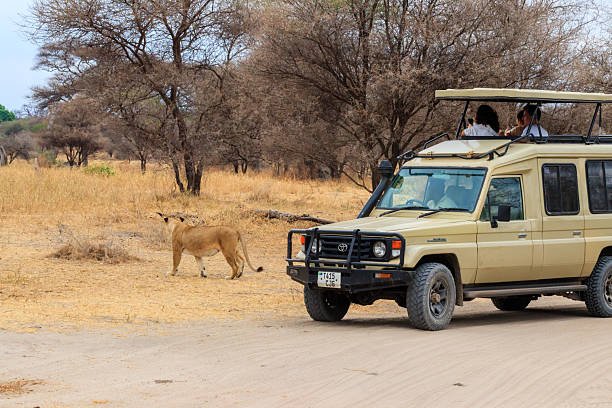
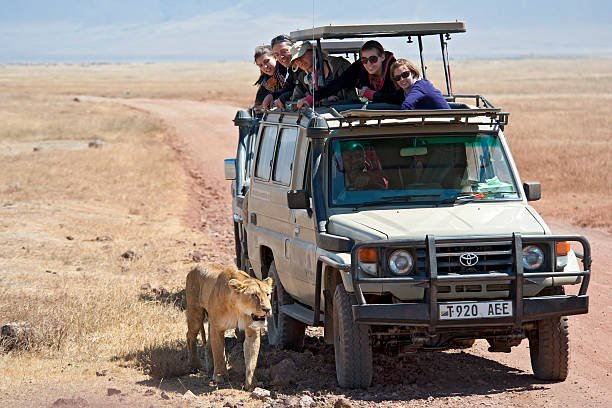
Day 1 — Tarangire: welcome to the wildlife corridor
Start from your Kilimanjaro region base and head into Tarangire National Park, a straightforward morning drive with the potential for close encounters with elephants and iconic savanna species as you enter the riverine corridor. The day is built around a comfortable game-drive route that highlights the park’s distinctive baobols and quiet termite-mound plains. Midday lodge or camp check-in offers a shaded break, followed by an optional sunset drive or short nature walk depending on your northern Tanzania logistics. Lodging choices in this area emphasize proximity to park gates and predictable blackout-light policies for wildlife viewing at dawn and dusk.
Day 2 — Tarangire to Ngorongoro: through open landscapes to cratering majesty
Early breakfast and a final Tarangire morning drive set the pace for the transfer toward Ngorongoro. The route skirts the park boundary and ascends toward the highlands, with a practical travel window that accounts for morning wildlife activity and potential lunch stops. Upon arrival near Ngorongoro Crater rim, you check into a lodge or lodge-like camp with crater-facing views in mind. The afternoon offers a guided short excursion to acclimatize and set expectations for the crater day ahead, including tips on crater driving rules, wildlife etiquette, and spotting lines typical of the area. No guarantees of sightings are made, but the setting is ideal for photography and landscape appreciation.
Day 3 — Ngorongoro Crater: a day of panoramic rewards and careful pacing
Today centers on Ngorongoro Crater floor access (subject to gate conditions and conservation rules). A vehicle-based descent into the crater exposes you to dense wildlife concentrations and dramatic caldera scenery. Your guide discusses the crater’s dependent wildlife populations, seasonal movement, and the etiquette for respectful viewing. The day typically includes a picnic lunch near designated areas and a mid-afternoon return to your Ngorongoro base for rest. While wildlife density can be high, sightings are never guaranteed, so the focus remains on the experience, the geometry of the crater, and wildlife behavior rather than a promise of specific animals.
Day 4 — Ngorongoro to Lake Eyasi: culture, communities, and hunting grounds of the desert edge
Depart Ngorongoro and drive toward Lake Eyasi, stopping en route at viewpoints or small-scale communities to contextualize the region’s cultural mix. Lake Eyasi offers a distinct landscape and the chance to observe desert-adapted birds, mammals near the shoreline, and interactions with local communities. Accommodation is typically near the lake basin, chosen for accessibility to morning activities. The afternoon can include a guided walk or a relaxed lakeside sunset, emphasizing the human-nature relationship in this part of Tanzania while avoiding overpromises about wildlife movement on the lake margins.
Day 5 — Lake Eyasi to Tarangire or return route: final memories and travel logistics
The final day centers on a practical traversal back toward Tarangire or onward connections to your next destination. A shorter morning activity options include a guided sunrise walk, a cultural visit, or a relaxed drive through scenic landscapes. You depart with a sense of the route’s rhythm: expansive plains, crater geology, and a lakeside cultural footprint. Depending on flight times or onward plans, a lunch stop or a brief stop at a scenic overlook can punctuate the journey. As with all days, actual wildlife sightings depend on conditions and luck; this itinerary preserves flexibility and safety as the core planning principles.
Practical planning notes
– Driving times: The sequence relies on realistic Tanzania road conditions and park access constraints; actual times vary with weather and vehicle performance. – Accommodations: The plan assumes lodge-style accommodations with reliable meals and safe transfers; exact names depend on availability and your preferences. – Guides and gear: A seasoned guide with a properly equipped safari vehicle increases comfort and safety; inform Climb 4 Africa of any special interests or accessibility needs. – Wildlife expectations: The route prioritizes authentic safari experiences over guaranteed species sightings and distances you from crowds while maintaining a respectful wildlife approach.
Booking considerations
This 5-day plan is bookable and adjusts to your dates and group size. To move from concept to confirmed trip, you’ll want to lock in: (1) preferred departure window, (2) lodging style and proximity to park gates, (3) vehicle type and guide preferences, and (4) any cultural activities around Lake Eyasi that you’d like to include. Availability and exact pricing require a quote from Climb 4 Africa, and prices are subject to seasonal changes and group size.
Why this sequence works
The Tarangire–Ngorongoro–Lake Eyasi flow minimizes backtracking and leverages logical driving routes between major wildlife hubs and cultural sites. Tarangire sets the pace with broad savanna and iconic elephants, Ngorongoro provides a concentrated crater context, and Lake Eyasi adds a human and cultural dimension that complements wildlife viewing with community-based experiences.
“} ,
“faq_schema”:[
Beyond the routine: practical nuances that elevate the 5-day Tarangire–Ngorongoro–Lake Eyasi safari
As you weave through Tarangire’s riverine lanes, Ngorongoro’s caldera edge, and the Lake Eyasi basin, the success of your experience often hinges on the details that aren’t always spelled out in a day-by-day schedule. This section adds precise, field-tested considerations that help shape a smoother journey without overpromising wildlife outcomes.
Seasonal timing and light for photography, not guarantees. The classic golden hours—shortly after dawn and a few hours before sunset—remain your best opportunities for photography and quiet wildlife observation. In Tarangire, the light plays across the termite mounds and towering acacias, sometimes revealing elephants brushing through the mopane thickets. In Ngorongoro, the crater rim can offer dramatic rim-light with sweeping views, while the crater floor is often shaded by clouds or haze that soften contrasts. Plan drives to arrive at prime sightlines during these windows, but avoid rigid expectations for perfect silhouettes; the most rewarding moments may emerge from patient, slow observation and readiness to adapt to shifting conditions.
Vehicle and onboard comfort: practicalities you can test before departure. Confirm the seating arrangement and the availability of a pop-up roof for better visibility and shooting angles. If visiting during the rainy season, ensure the vehicle has reliable undercarriage clearance and proper drainage for wheels navigating slick patches. For longer drives between parks, a thermos of hot beverages and a light, high-energy snack can reduce fatigue. A compact, quick-access kit with a flashlight, a basic first-aid supply, and spare wipes helps when you pause at overlooks or cultural stops along the route.
Local lodges and community stays: balancing immersion with rest. In the Tarangire–Ngorongoro corridor, lodges and camps vary from hillside properties with crater-facing views to river-adjacent installations that emphasize accessibility to wildlife-rich zones. In Lake Eyasi, community-based lodges or guesthouses can offer deeper cultural engagement while maintaining comfort. When negotiating with operators, seek clarity on meal times, water availability, electrical power reliability, and late-evening safety procedures. A short, scheduled rest after a morning game drive in Ngorongoro can be worth a light nap before an optional cultural visit or a sunset briefing at the lodge, helping you maintain alertness for later drives.
Cultural considerations: respectful engagement with local communities. Lake Eyasi’s cultural experiences—whether with Hadza guides, artisans, or local performers—are integral to the region’s identity. Approach these encounters with consent, ask before recording or photographing individuals, and participate in activities that align with community guidelines. If your group includes children, plan a few interactive demonstrations or storytelling moments that are appropriate and informative. Consider timing your cultural excursions to minimize disruption to wildlife drives, especially during early mornings when wildlife activity is high and park rules emphasize quietude during key hours.
Wildlife etiquette: ethical viewing to minimize disturbance. Maintain a respectful distance from wildlife, avoid sudden movements, and keep engine noise to a minimum when animals are near waterholes or paths where they are likely to be sensitive. In Tarangire and Ngorongoro, where large herds move seasonally, the guide’s expertise matters for predicting behavior and choosing alternate vantage points that reduce crowding. If a sighting requires a longer approach, opt for patience over acceleration; the moment you commit to a nearby, low-stress observation, you’ll often encounter opportunities that rapid driving would miss.
Logistical flex: contingency planning for a smooth experience. Weather patterns can alter road conditions, especially on theTarangire–Ngorongoro stretch and near Lake Eyasi. Have a flexible plan for lunch stops, detours to scenic overlooks, or short additional viewpoints that your guide can implement with permission from park authorities. In the Ngorongoro area, gate opening times and park entry quotas can influence your afternoon schedule; coordinating with your guide to align a late-afternoon crater rim visit with updated gate rules can maximize time on the ground without breaching regulations.
Documentation and safety: practical checks before you depart. A valid passport, visa, and any required health documentation should be confirmed well in advance. Carry photocopies of essential documents and keep digital backups in a secure cloud or offline device. For safety, share your itinerary with a trusted contact and verify emergency contacts for the regions you’ll travel through. While the likelihood of emergencies is low on a well-managed safari, having a plan for medical evacuation, vehicle breakdown, or sudden weather changes can reduce stress and keep the focus on the experience itself.
Budget realism: what to expect beyond the headline price. The day-by-day plan often excludes incidental costs such as park entrance fees, guide gratuities, and meals outside arranged accommodations. If you’re budgeting for a 5-day itinerary, note that Ngorongoro crater fees are typically separate from Tarangire and Lake Eyasi, and night drives aren’t standard in these parks due to conservation rules. Ask for a detailed, itemized quote that includes park fees, vehicle usage, guide services, and any cultural activity charges so you can compare options transparently.
This additional layer of practical detail helps ensure your 5-day adventure remains enjoyable, paced, and respectful to both wildlife and local communities. It reinforces that the value of the safari comes not only from the species you see, but from the smooth orchestration of travel days, rest periods, and meaningful cultural interactions that this route uniquely offers.
Delving into the nuanced rhythms: pacing, cultural pauses, and photographic restraint on Day 3–5
Beyond the classic safari milestones, this section offers a closer look at how responsible pacing and deliberate observation shape the experience when the plan unfolds across the crater’s rim, the Lake Eyasi basin, and the surrounding savannas. The aim isn’t to chase more sightings, but to cultivate moments where timing, distance, and silence become part of the learning curve for seasoned travelers and curious first-timers alike.
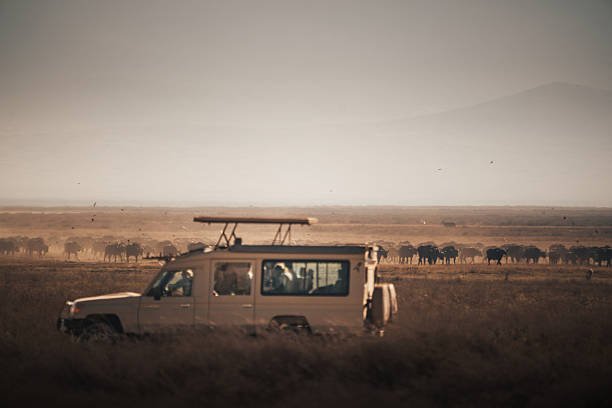
In Ngorongoro Crater’s vicinity, the best opportunities often come from choosing vantage points that respect animal behavior and park rules. Your guide may suggest a slow approach to a pride resting on a shaded slope or a mother with cubs sheltering in a small copse. Rather than forcing a close approach, you’ll learn to read tracks, smoke the dust of old hoofbeats, and watch for subtle changes in body language. This restraint yields intimate glimpses—an adult elephant flicking its ears at a distant camelthorn, a pair of lions shifting their gaze as a lone zebra threads through a herd—moments rarely captured by hurried, crowded drives, and always more rewarding when you’re prepared to wait out the silence for the right second.
Lake Eyasi’s ecosystems reward patient, culturally informed observation. Here, the blend of desert-adapted fauna with human activity creates a distinctive safari cadence. Early mornings may bring the calls of small mammal species and a chorus of birds that inhabit the scrub and acacia groves. The half-day to full-day cultural visits with resident guides and community hosts become as much about listening as looking: names of trees recited by elders, traditional uses of desert plants, and the rhythms of daily life that persist in the wake of modern tourism. Your guide can help you frame these moments with respectful distance, avoiding disruption to a family gathering or a hunter-gatherer activity, so that your photographs document rather than interrupt the scene.
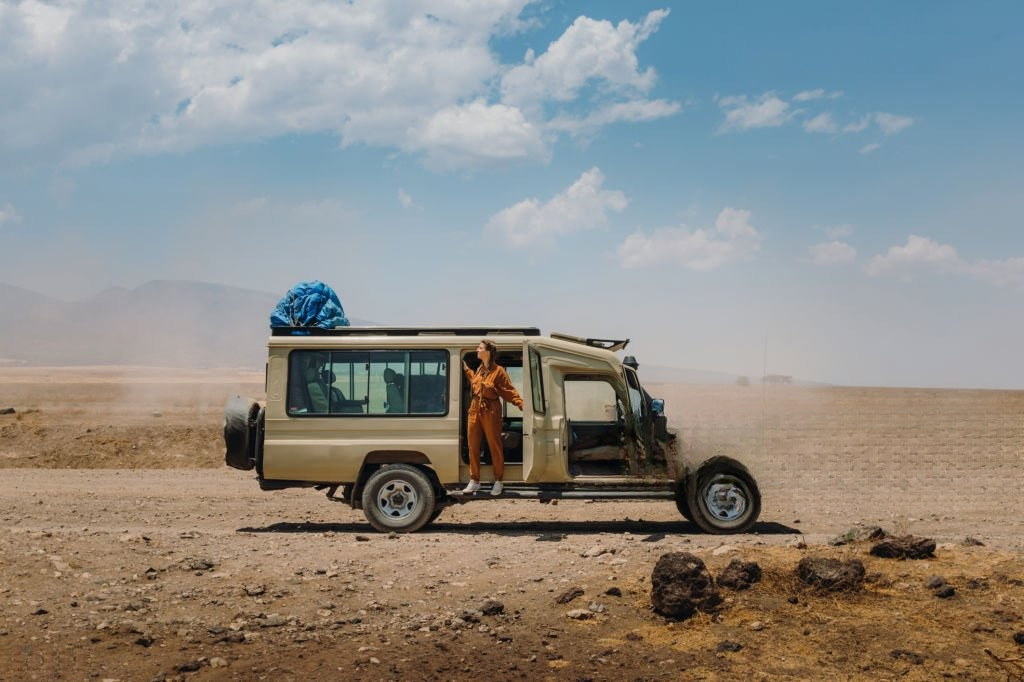
From a practical standpoint, the sequence’s physical demands hinge on remaining flexible with the vehicle and driver while keeping a steady pace that honors safety and conservation guidelines. The caravan’s rhythm—pause, listen, observe, move—translates into better light for photography and more opportunities for wildlife to reacquaint themselves with the horizon before the next drive. In dry conditions, sandy roads respond differently to tires, and the guide’s local knowledge of detours to stable viewpoints or resting places can spare you delayed arrivals and the fatigue of long, straight drives. In this sense, the trip becomes a choreography where the driver, guide, and travelers synchronize to minimize idle time and maximize meaningful, low-impact encounters.
Technical photography notes, when appropriate, are kept in the background to preserve the moment’s integrity. If you’re carrying a long lens, using it judiciously from a safe distance can yield compelling portraits without stressing the animal or drawing attention from other groups. Conversely, wide-angle captures that reveal the expanse of the crater’s rim or the broad openness of Lake Eyasi’s shoreline help convey the immense scale of these landscapes. Your guide can advise on superior light angles during early mornings or late afternoons, while you remain mindful of park regulations about drone usage, privacy, and wildlife disturbance.
Finally, this segment emphasizes the value of a lighter cognitive load—scheduling buffer time for rest, spontaneous conversations with local hosts, and unplanned viewpoints that might emerge after a long descent or climb. Such buffers reduce the impression that the day is a series of sprinted highlights and instead foster a storytelling arc you’ll remember as a cohesive narrative: a sequence of shared observations, unlikely animal pauses, and small cultural revelations that for many travelers define the heart of a Tanzania safari.
Gaps and gaps-filled details: clarifying cultural interactions and respectful engagement around Lake Eyasi
One useful addition for readers considering the 5-day Tarangire–Ngorongoro–Lake Eyasi itinerary is a clearer, practical sense of how cultural visits around Lake Eyasi are integrated with wildlife viewing, without compromising the integrity of local communities. The Lake Eyasi basin hosts several distinct groups (including the Hadza hunter-gatherers and nearby agricultural communities) whose daily rhythms and subsistence practices shape how visitors should approach photography, conversations, and participation in demonstrations or storytelling sessions.
Rather than presenting cultural activities as loose add-ons, this section helps readers understand how and when these interactions typically occur within a bookable itinerary, and what to expect in terms time allocation, etiquette, and safety. Expect a moderated sequence: a light morning drive or photographic stop near the lake’s reed channels, followed by a community-hosted visit that may include a walkthrough of a traditional homestead, a demonstration of plant use, or a short walking conversation about hunting and gathering practices. The encounter often ends with a sanctioned opportunity to purchase handmade crafts, which supports local livelihoods in a respectful, non-intrusive way.
For photographers, the key is to coordinate timing with your guide: early morning visits to Lake Eyasi’s shorelines can yield silhouettes of fishermen or reed-bed silhouettes against dawn light, while late afternoon sessions may capture mothers with children and elders sharing stories near the cooking area. Guides emphasize keeping a respectful distance, avoiding unsolicited questions that could intrude on sensitive family moments, and seeking permission before using any close-up portraits of individuals. If a family invitation to share a cup of chai arises, accept with gratitude but maintain personal boundaries and refrain from interrupting ongoing activities such as meal preparation or child care.
Logistically, the Day 4 transition from Ngorongoro to Lake Eyasi is designed to minimize backtracking. The drive typically includes a short buffer stop at a hillside viewpoint to frame the crater’s rim from a fresh angle before turning toward the lake basin. On arrival, a concise, well-paced cultural stop is paired with a light wildlife pause—expect small herds of gazelles or localized birds along the basin’s edge, providing a calm segue between the open savanna and the desert-edge landscape that characterizes Lake Eyasi.
Accommodations near Lake Eyasi are often lodge-style operations that emphasize desert-adapted comfort, with terrace seating that looks over the lake and its reed beds. Even if a lodge does not offer formal cultural programs, your guide can arrange brief visits to nearby homesteads or community projects with pre-arranged consent, ensuring that the experience remains ethical and non-disruptive. Practical tips: carry a light jacket for early morning and evening windows, maintain a respectful quiet during cultural pauses, and plan wardrobe choices that reflect sensitivity to local customs (avoiding flashy displays of wealth in photographic moments).
In terms of safety, a transparent briefing prior to any community visit is standard. Guides review boundaries, guest roles, and the option to opt out of any activity that feels uncomfortable. This reinforces that the itinerary’s value lies not only in wildlife sightings but in fostering genuine cultural exchange that respects people and place. It’s the kind of moment that often yields some of the most meaningful photographs: a quiet gesture of hospitality, a child’s shy smile, or a grandmother’s patient storytelling—moments that echo beyond the frame of a camera and into a traveler’s memory.
Finally, the practical takeaway is that the Lake Eyasi segment is not a rigid schedule; it’s a symbiotic pause in the sequence. It allows travelers to acclimate to Tanzania’s high-desert climate, observe the day’s shifting light across the basin, and engage with communities at a pace that honors both conservation needs and cultural dignity. This is where the itinerary moves from a series of landscapes to a mix of human and wildlife stories interwoven across a single, compact route.
Addressing a practical gap: what to expect from Lake Eyasi’s cultural encounters and alternative wildlife perspectives
Readers often wonder how Lake Eyasi’s cultural elements integrate with the wildlife-forward cadence of a 5-day Tarangire–Ngorongoro–Lake Eyasi itinerary. This section does not promise additional sightings or fixed schedules; instead, it clarifies how cultural pauses are woven into a bookable plan and what travelers can realistically anticipate in terms of timing, arrangements, and respect for local practices.
Lake Eyasi sits on a high-desert basin whose seasonal rhythms shape both human activities and animal movements. Daylight hours drift with the sun, and the landscape’s openness means that wildlife behavior can feel more subdued than in Tarangire’s dense riverine corridors or Ngorongoro’s crater floor. The practical upshot is that your day in Lake Eyasi often features longer, slower observation windows rather than a string of high-activity wildlife moments. Expect contemplative horizons, reed beds along the lake margin, and a tempo that allows cultural engagements to unfold with space and mutual consent.
Getting there is straightforward when you’re on a committed bookable itinerary. The drive from Ngorongoro to Lake Eyasi typically uses established routes that minimize backtracking, with a brief halt at viewpoints that offer lay explanations of ecological transitions—from crater rim edge to desert-edge ecology. At the lodge or camp, check-in procedures align with standard safaris: a briefing on the day’s activities, weather-appropriate packing, and the chance to customize the morning’s schedule based on group energy and guide recommendations. The aim is to balance refreshment with opportunity—so you can enjoy a relaxed breakfast before embarking on cultural visits or light wildlife pauses along the basin’s fringes.
On the cultural front, Lake Eyasi is renowned for its engaging communities—particularly the Hadza hunter-gatherers and Datoga craftspeople—whose daily practices are intimate, time-honored, and deeply tied to the land. Booked visits are designed to be ethical and consensual, with pre-arranged invitations that respect privacy and local norms. Your guide will facilitate introductions and explain boundaries around photography, sharing, and participation. In practice, this means you might observe barefoot Hadza camps, learn about forager-era tools, or see women preparing traditional remedies. Photographic restraint is appreciated: small, candid moments—a child’s curious glance, a grandmother’s careful storytelling, or a quiet gathering around a cooking fire—often yield the most meaningful images when done with permission and sensitivity.
Wildlife you may encounter near Lake Eyasi tends to be more dispersed than in Tarangire. You can still expect plains game, springer oryx, and occasional birds along the lake’s reed beds, especially during migratory windows. The variability of sightings is part of the reality of a desert-edge ecosystem, and your guide will help you tune expectations accordingly. The pace remains comfortable, with optional short nature walks that emphasize track awareness, birding points, and the changing light across the basin—moments that reward patient observation and careful composition rather than rapid-fire shooting.
Accommodations designed for this segment emphasize comfort without losing a sense of place. Rooms or tents with shaded verandas overlook the lake or reed beds, offering a sanctuary to retreat from mid-day heat and prepare for late-afternoon activities. Meals are typically communal and locally sourced, allowing conversations about the day’s experiences to unfold over regional flavors. If a cultural program is available, it will be structured around respectful storytelling, craft demonstrations, or guided visits to nearby homesteads, all with clear consent and safety considerations in place.
Logistics-wise, the Day 4 transition’s emphasis on efficiency remains intact: minimal disruption, respectful engagement, and opportunity for flexible timing. Your guide can tailor the pace to the group’s energy, with options such as a guided sunrise walk along the lake’s edge, a short cultural visit, or a relaxed drive to a lookout that frames the basin against the morning light. The goal is to weave moments of human connection with the surrounding landscape in a manner that feels harmonious rather than performative.
In summary, the Lake Eyasi portion of this bookable itinerary is intentionally designed to be slow, meaningful, and ethically arranged. It foregrounds cultural exchange as a complement to wildlife viewing, rather than a replacement for it, and it invites travelers to appreciate the desert-edge ecosystem through a lens of respect, curiosity, and shared humanity. The practical takeaway is that you should plan for a day that balances light wildlife pauses, culturally in-depth moments, and sufficient rest—leaving you with a richer, more nuanced memory of northern Tanzania beyond the classic savanna highlights.
Gaps addressed: clarifying Lake Eyasi cultural encounters and alternative wildlife perspectives
The existing itinerary sketches a broad rhythm of the Lake Eyasi segment—cultures, communities, and a desert-edge backdrop that complements wildlife viewing. What travelers often seek, however, is a more concrete sense of how cultural visits fit with the day’s wildlife pace, how to sequence activities to respect both people and wildlife, and what realistic alternatives exist when wildlife sightings are quieter than expected in the basin. This section narrows those gaps with specifics grounded in practical experience, while remaining faithful to the itinerary’s emphasis on respectful engagement and authentic, local encounters.
Contextualizing Lake Eyasi’s day: short windows and flexible pacing. The Lake Eyasi basin is shaped by a mosaic of reed beds, scrubby acacia edges, and dry-season wetlands that host different species at varied times. Expect birds along the reed margins, small herds of plains game on the fringes, and occasional predators or scavengers drawn to water sources. The key practical takeaway is to align cultural activities with light wildlife pauses rather than forcing a strict daily template. Your guide can alternately swap a cultural demonstration for an early-morning or late-afternoon wildlife-watching window if animal activity is peaking at other times. This flexibility preserves the integrity of both wildlife viewing and meaningful cultural exchange.
Structured cultural encounters that feel like genuine exchange. Rather than a checklist of visits, consider a sequence that centers consent, context, and reciprocity. A homestead visit can begin with a brief orientation led by your guide, followed by a village elder’s welcome talk that explains sparing use of resources and daily life priorities. When possible, participate in crafts demonstrations or family-scale storytelling circles rather than observational tours—participants are more engaged when they contribute, not just observe. If a craft session is offered, opt for making a small, tangible item (such as beadwork or woven mats) that you can respectfully bring back as a token of appreciation, with the provider’s consent and within the cultural norms of exchange.
Wildlife perspectives beyond the obvious. The Lake Eyasi ecosystem is not defined solely by large mammals; it’s a broader habitat that includes raptors, waders along seasonal wetlands, and small predators that may utilize the basin’s margins at dawn and dusk. A guided water-edge walk in the cooler hours can reveal tracks, bird movements, and subtle signs of activity that are easy to miss during mid-day heat. If your group is inclined toward photography, your guide can lead a brief “quiet observation” interval—permitting you to stay for a few minutes with minimal disturbance—before resuming a gentle drive to a vantage point. This approach yields authentic wildlife context without pressuring animals into unconventional behavior.
Logistics that keep the day humane for people and places. In practice, the Day 4 transition should respect both travel fatigue and the opportunities for meaningful engagement. Plan for a flexible start time that accommodates a brief cultural program, a short driving segment, and a mid-day rest. A shaded rest stop near a village edge or a simple picnic can become a natural pause that honors local routines and the travelers’ need to recharge. For lodges and camps, choose options with easy access to a village path or community center, ensuring that visits start and end within an agreed window. Clear pre-arrangements with the lodge staff help prevent overlapping activities and keep the schedule humane for both hosts and guests.
Ethical considerations that travelers frequently overlook. The emphasis on respectful engagement translates into concrete practices: ask before entering a homestead, avoid taking photographs of people without consent, and always identify who is authorized to speak for the community in any interaction. If you’re offered a performance or demonstration, permit a reasonable duration—long enough to appreciate the craft, but not so long as to exhaust the participants or disrupt daily duties. Finally, respect any dress or behavior norms that host communities request; these small gestures communicate sincere appreciation for local customs and reduce the potential for misinterpretation.
Practical outcomes for planning and budgeting. A clearly structured yet adaptable day around Lake Eyasi reduces the risk of “schedule pressure” that can undermine both wildlife and cultural experiences. If a morning wildlife window yields fewer sightings, you can pivot toward a longer cultural visit or a short, reflective walk that highlights the basin’s textures and sounds. Conversely, when wildlife activity is robust near water sources, allow for extra time at the edge to observe birds and small mammals that congregate during cooler hours. In terms of costs, the emphasis remains on experiences that involve local communities and guides rather than paid performances; choosing experiences described as community-led often yields richer insights and supports sustainable livelihoods without inflating the experience with extraneous add-ons.
Closing alignment with the overall itinerary. The Lake Eyasi segment should feel like a deliberate counterpoint to the savanna and crater highlights rather than a side note. By weaving together culturally anchored moments, quiet wildlife observations, and relaxed travel pacing, the day reinforces the itinerary’s core principle: meaningful engagement, ethical conduct, and authentic exposure to both human and wildlife landscapes of northern Tanzania.
Delicate balances: cultural etiquette and photography ethics around Lake Eyasi
Readers often ask how to approach Lake Eyasi’s communities with sensitivity while still capturing meaningful moments. The core answer lies in preparation, consent, and pacing. Before you arrive at any village edge or homestead, ensure your guide has introduced your party and clarified who speaks for the community. A short, informal introduction—stated in a polite, respectful tone—sets expectations and reduces the risk of misinterpretation. When you request a photograph of a family or a crafts demonstrator, present the request verbally and avoid assuming consent through a smile or gesture alone. If consent is granted, respect the amount of time the person is willing to spend in front of the lens and be ready to lower the camera and step back if attention shifts elsewhere.
Photographers should also mind the rhythm of daily life in desert-edge villages. Activities such as cooking, child care, or resting after a day of work are not performances; they are ordinary routines. Your presence should feel like a respectful pause rather than an intrusion. If a demonstration or craft display is offered, treat it as a cultural exchange rather than a staged show. Limit the duration to what is reasonable for both learning and conserving the participants’ energy and attention. The same courtesy applies to ceremonies or traditional storytelling—participate as a guest, not as an observer who assumes a license to record everything without guidance.
In terms of behavior, the simplest guideline is to mirror the pace of the community you visit. Move slowly, allow conversations to unfold, and avoid crowding around a single focal point like a family’s doorway or a workshop bench. During your stay, carry a compact, quiet field kit: a lightweight lens cloth, extra battery packs, and a modest memory-card reserve. These items reduce repeated interruptions and help you maintain a respectful distance when capturing people and daily life along the lake’s edge.
Beyond individual encounters, the broader etiquette extends to shared spaces where your vehicle may park and your guide negotiates access. Always follow the lodge or community leader’s guidance on where vehicles may stand and for how long, to minimize disruption to domestic routines and to the local livestock. If you notice a child approaching with curiosity or a respectful elder offering a quiet nod, respond with a calm greeting and a genuine return of courtesy—eye contact, a small smile, and a spoken thank you in Swahili (asante) or the local language when appropriate.
Logistics that influence cultural experiences: sequencing, time management, and balancing activities
From a practical perspective, the Lake Eyasi segment benefits from a deliberate balance between wildlife-friendly mornings and culturally oriented afternoons. On days when a pre-breakfast viewing window yields limited wildlife activity, you can suspend the plan briefly to allow for a longer village visit, a guided walk along the basin’s shoreline, or an informal conversation with a hunter or guide who knows the landscape well. The goal is to preserve the day’s overall flow while ensuring that cultural immersion does not feel tokenized or rushed. In reverse, if wildlife sightings near water become unexpectedly robust, allow a flexible buffer that accommodates an extended birdwatching session or a close encounter with desert-adapted species. The key is a backstop—an agreed-upon maximum time for cultural stops and a shared understanding that wildlife opportunities can ebb and flow with the season and weather.
Another practical aspect concerns local partnerships and sustainability. If your itinerary includes offerings from community-led tours or cooperatives, prioritize activities that transparently share revenue with local participants and demonstrate ecological mindfulness. Your guide can clarify which experiences are organized by women’s associations, elder councils, or youth groups, helping you align your choices with personal values while sustaining authentic livelihoods. Communicating preferences for such experiences ahead of time reduces last-minute changes that can disrupt the village routine and the visitors’ experience.
Finally, maintain a traveler’s note about personal safety and respect for the environment. The lake and its fringe habitats are delicate ecosystems where even small human actions can have outsized effects. Refrain from feeding wildlife, avoid littering, and keep to established paths when walking along the shoreline or through rocky outcrops. If you carry a water bottle, use a secure cap or a reusable container to minimize plastic waste. Simple acts like these reinforce a thoughtful approach to northern Tanzania’s interwoven landscapes of wildlife and culture, ensuring that each day’s memories are rooted in respect as well as wonder.
Related Guides and Packages
Check Availability for 5 Days Tarangire Ngorongoro And Lake Eyasi Safari 2026-2027
Ready to compare dates, prices, and the best option for your group? Send the package name and travel month so the team can reply with a clear quote, availability, and what is included.
6 Days Serengeti Ngorongoro Tarangire And Lake Manyara Safari 2026-2027
6 Days Serengeti Ngorongoro Tarangire and Lake Manyara Safari.
View package details5 Days Tarangire Serengeti Ngorongoro And Lake Manyara Safari 2026-2027
5 Days Tarangire Serengeti Ngorongoro and Lake Manyara Safari.
View package details5 Days Serengeti Ngorongoro And Tarangire Lodge Safari: A Practical
A practical, lodge-based 5-day safari itinerary through Tarangire, Serengeti, and Ngorongoro, focusing on feasible driving routes, rest-focused days, and realistic wildlife opportunities...
View package details4 Days Tarangire Serengeti And Ngorongoro Safari: A Practical 4-Day
A practical 4-day journey through Tarangire, Serengeti, and Ngorongoro, designed for efficient travel planning, realistic game-viewing chances, and comfortable stays. This plan emphasizes...
View package details
6 Days Serengeti Ngorongoro And Tarangire Safari From Zanzibar: A Bookable
Plan a 6-day wildlife circuit that links Zanzibar with Tanzania’s top parks—Tarangire, Serengeti, and Ngorongoro. Discover practical routing, transfers, and realistic safari opportunities...
View package details
5 Days Tarangire Serengeti And Ngorongoro Safari From Zanzibar: Mainland
Plan a practical 5-day safari that starts with a flight from Zanzibar to Moshi/Arusha, then tours Tarangire, Serengeti, and Ngorongoro in sequence. This guide outlines day-by-day logistics...
View package details
6 Days Machame Kilimanjaro Climb And 2 Tarangire Ngorongoro Safari
6 Days Machame Kilimanjaro Climb and 2 Days Tarangire Ngorongoro Safari.
View package details3 Days Tarangire, Ngorongoro, And Lake Manyara Safari: A Practical, Bookable
Plan a practical 3-day, bookable safari through Tarangire, Ngorongoro Crater, and Lake Manyara. This guide outlines a realistic itinerary, driving routes, and accommodation ideas without...
View package details2 Days Tarangire And Ngorongoro Crater Safari: A Practical Two-Day Wildlife
A practical two-day safari from Climb 4 Africa combining Tarangire and Ngorongoro Crater. This plan outlines day-by-day routes, driving logistics, and realistic safari opportunities without...
View package details2 Days Tarangire and Ngorongoro Safari from Zanzibar: a practical, bookable
A practical, bookable 2-day safari itinerary starting from Zanzibar, linking Tarangire National Park and Ngorongoro Crater with sensible transfers, realistic drives, and grounded...
View package details12 Days Tarangire, Serengeti, Ngorongoro And Zanzibar Safari 2026-2027
12 Days Tarangire, Serengeti, Ngorongoro and Zanzibar Safari.
View package details
4 Days Tarangire Serengeti And Ngorongoro From Zanzibar 2026-2027
4 Days Tarangire Serengeti and Ngorongoro from Zanzibar.
View package detailsNo related package matches those filters. Clear one or more filters to see the other topic-matched options.



