
Plan a 4-day budget camping safari from Zanzibar by combining a short flight or ferry to the mainland, a tightly staged safari circuit through Ngorongoro and Serengeti or Tarangire, with a concluding return to Zanzibar or a beach extension. Expect two to three nights in simple, active-camps and two travel days that connect the legs. Prices vary by season and group size, and a confirmed quote should include transfers, park fees, camping, meals, and guides; flights or ferries between Zanzibar and the mainland are separate costs to verify.


Overview and practical structure
This itinerary is designed for travelers who want a compact, budget-conscious glimpse of Tanzania’s mainland wildlife while still enjoying a Zanzibar touch. The plan splits naturally into two legs: a short mainland safari sequence and a Zanzibar return or island extension. Exact routes may shift with season, gate openings, and local logistics, but the core flow remains: arrival on the mainland, a focused safari circuit, then a transfer back to Zanzibar or to flight connections. Below is a concrete, bookable sequence with typical stays and activities, plus notes on what to expect for budgeting and planning.
Day 1 — Flight or ferry to the mainland and a first encounter with the savannah
Morning transfer: Fly from Zanzibar to a northern or central Tanzania airstrip (options commonly include scheduled domestic flights to Arusha/Manyara or to the Serengeti airstrip). If a ferry option is possible, it would be combined with road transfer to a nearby park gate, but flights are the most reliable in this booking window. Arrival is followed by a scenic drive to the first campsite or basic lodge near a park edge.
Activity window: Afternoon game drive in a nearby reserve or national park buffer zone. The focus is flexible—coordinate with your guide on potential sightings and the drive time to maximize animal viewing opportunities without overloading the day.
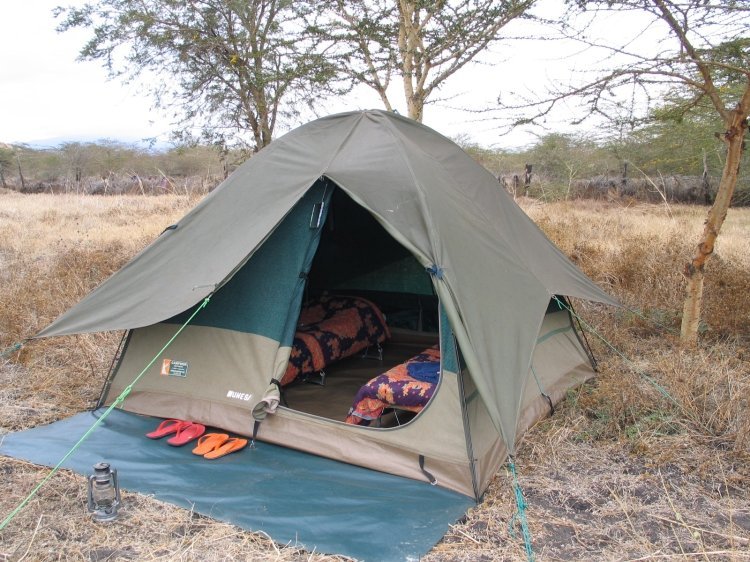
Accommodation: A simple, purpose-built safari camp or budget lodge near the park boundary. Expect basic tents or permanent tents with shared facilities; meals are typically included and prepared on-site.
What this day sets up: You gain your first taste of a Tanzania safari footprint, with a realistic pace and a camp experience tuned for cost efficiency without sacrificing essential wildlife visibility. The exact park choice and campsite will depend on flight timing and current permits.
Day 2 — Core savannah experience: Serengeti or Tarangire chain, depending on logistics
Morning drive: Depart the camp early for a full-day safari loop. If in Serengeti, you’ll target iconic habitats like mixed woodland and savannah edges; if Tarangire, expect iconic baobols, elephant herds, and riverine concentrations.
Midday and transfer considerations: Lunch is often served at a designated picnic site or camp, followed by a short rest if the day permits. The afternoon drive continues with a focus on wildlife activity rather than guaranteed sightings; weather, animal movements, and gate hours will shape the exact route.
Accommodation: Return to the same budget camp or move to a second location nearby to minimize driving time the next day. The aim is reliable comfort with minimal extra cost while keeping a close eye on wildlife opportunities.
What to expect: This day is the safari heartbeat—you’ll cover more ground, see diverse landscapes, and have multiple chances to observe predators and grazers. Exact species and sightings cannot be guaranteed, but the planning concentrates on sustainable viewing windows and responsible camping practices.
Day 3 — A second wildlife focus and transition towards Zanzibar
Morning safari or transfer: Depending on the branching route (Serengeti or Tarangire), you may squeeze in a final short morning game drive before heading toward a transfer point back toward the coast. If a Serengeti flight is more feasible, this could include a quick hop to a coastal flight hub for a smoother connection to Zanzibar.
Transfer logic: The critical constraint is the timing of your mainland departure and the Zanzibar connection. You may fly from a Serengeti or Manyara/Arusha airstrip back to Zanzibar directly, or you may experience a land-sea transition involving a road transfer to a coastal town followed by a domestic flight or ferry to the island. Your guide will confirm the most efficient option on the day of travel.
Accommodation: This night could be a return to a Zanzibar-based accommodation if you’re finishing on the island, or a final mainland campsite if you’ll complete the journey with a last mainland night and a separate flight back to Zanzibar the following day.
What you’re balancing: This day is about managing fatigue, travel fatigue, and budget considerations while preserving the essence of a safari experience. The transfer choice will influence overall trip time and the total cost, so you should confirm both the route and the included services in your quote.
Day 4 — Zanzibar return or island extension and practical wrap-up
Island phase: If you’ve incorporated Zanzibar, this day typically begins with a short charter flight or ferry to the island, followed by a relaxed day on the coast. You can opt for a beach area close to Stone Town or a north-coast stretch depending on tides, with optional activities like snorkeling or spice-tour visits that stay within a budget framework.
Logistics and booking notes: If you’re concluding on the island, verify the transfer time to the airport and ensure you have adequate buffer for international connections. If continuing with a longer beach extension or a separate short break, coordinate with your operator to align the domestic travel window with the international flight schedule.
What the price and booking should include
A transparent quote for a 4-day budget camping safari will cover: international-to-inland transfers (Zanzibar to the mainland), park entry fees for the parks included in your route, camping fees and basic camp meals, a licensed guide and vehicle, and internal transfers necessary to connect the itinerary. It will not include international flights, optional activities outside the core plan, or personal travel insurance unless stated. Always ask for a day-by-day breakdown, plus a note on which leg is mainland versus Zanzibar, to avoid misinterpretations of what’s included.
How to plan and book with Climb 4 Africa
Climb 4 Africa positions this as a practical, budget-conscious option. Start with a clear date window and group size, which affects camp pricing, guide ratios, and vehicle availability. Ask for a dedicated route option that shows which parks are included, the expected driving times, and the actual nights spent in budget camps. Request a written, itemized quote that includes all essential components: transfers, park fees, camping, meals, and guiding. If you’re flying from Zanzibar, confirm the domestic flight or ferry schedule and the connection to your mainland start. Your operator can tailor this sequence to seasonal conditions and permit allocations while keeping it within a practical budget framework for 2027 planning.

Gaps and practical gaps in the mainland-to-Island transfer logic and camp-level logistics
Readers often wonder how a 4-day budget safari can reliably weave together the mainland circuit with a Zanzibar return or beach extension without feeling rushed. This section clarifies the practical flow, the transfer windows, and the camp-to-airport or pier handoffs that make the itinerary work in real life—without promising fixed flight times or guaranteed wildlife outcomes.
Transfer sequencing matters. In many packages, the best balance is to land on the mainland late afternoon of Day 1 and head straight into a camp near a gate for an efficient start the next morning. If certain routes require an early morning Serengeti or Tarangire flight on Day 2, the Day 1 camp choice should be flexible enough to accommodate a later dinner and a short briefing rather than an exact fixed schedule. This reduces the risk of being stranded due to delayed arrivals or weather-related changes at small airstrips.
Vehicle and guide continuity on Days 2 and 3 is the backbone of a smooth experience. A single, trusted guide and a dedicated vehicle that remains with you across the mainland leg reduces time lost on introductions and handovers. If a switch is unavoidable—common in multi-operator arrangements—the handover should occur at a secure, agreed-upon point (for example, a park gate or a lodge lounge) with a written crew-transfer note, ensuring no lapse in supervision or safety checks for the passengers.
Camping logistics are intentionally kept lean for budget itineraries, but they must still be reliable. Confirm the number of nights in each camp, the type of canvas or basic brick-and-mud shelter, the presence of shared facilities, and the daily meal pattern. A typical budget setup may involve a raised tent platform with basic en-suite options. When discussing inclusions, ensure that the quote specifies bed-night counts, meal plans (breakfast, packed lunch for safari drives, and dinner), and the availability of drinking water, tea, and hot beverages—these small details materially influence daily budgeting and traveler comfort.
Be mindful of Zanzibar-side logistics. If the plan ends with a return flight from Zanzibar to your home country, verify the domestic flight window in conjunction with the international connection. If the plan includes a beach extension after the mainland leg, the choice of beach area (Stone Town-adjacent versus north-coast relaxation) should align with the overall travel rhythm and your energy levels after two days of travel and safari driving. Your operator should provide a clear day-by-day handoff plan that shows which leg is on the mainland and which is on the island, plus the transfer method and approximate durations.
Cost transparency remains crucial. Given that this is a budget-focused itinerary, several flexible components may shift in price: domestic flights or ferries, park entry fees (which can fluctuate with season and permit allocations), camping fees, guide gratuities (if applicable), and internal transfers. A robust quote will break out each of these lines, specify whether a flight or ferry is included (and if not, what the separate cost would be), and include contingency allowances for fuel or road conditions. If a quoted total seems unusually low, request a breakdown that clarifies what is excluded as this often signals potential gaps in insurance, emergency protocols, or drive-time allocations.
Seasonality and permit timing can materially alter the practicalities of the itinerary. Dry seasons often yield smoother road travel and better road-knit logistics, while wet seasons may require alternate gates or slightly different routing to minimize delays. A responsible operator should present a couple of alternate routings with estimated drive times and gate closures, so you can select a path that fits your travel window without compromising the 4-day structure.
Finally, the booking mindset. A bookable 4-day plan should include a clear, written route map with day-by-day transitions, the exact nights in camps, and the mainland-to-Is Zanzibar transfer plan. Seek confirmation that the itinerary is flexible enough to accommodate minor changes in flight schedules or park opening times, without forcing a self-guided improvisation. A well-constructed plan will acknowledge these typical real-world variabilities and still deliver a coherent, enjoyable, budget-conscious safari arc.
Practical transfer and camping logistics: closing gaps that affect a 4-day budget plan
One of the most under‑explained but decisive elements in a 4‑day budget safari that blends the mainland with Zanzibar is the practical choreography of transfers and camp logistics. The sequence hinges on reliable, time-aware handoffs between the mainland drive and the Zanzibar connection, while keeping night stays and driving periods within reasonable limits for a budget framework. Here, we translate the generic plan into concrete transfer logic and camp-level realities that travelers routinely encounter but are rarely spelled out in promotional materials.
1) Transfer windows that actually fit a 4‑day arc: The fundamental constraint is when you can legally and safely complete a mainland safari segment and still catch a domestic flight or ferry to Zanzibar without imposing excessive fatigue. In most budgets, the mainland leg centers on a 1.5 to 2.5 days window for drives and camps. This commonly means a late afternoon arrival at a first camp on Day 1, a full morning game drive on Day 2, and a partial morning drive or brief transfer on Day 3 before returning to the coast. A reliable operator should present two or three transfer options with exact gate-to-airstrip drive times, noting any seasonal delays and possible gate closures. If a ferry is used, clarify the inland road segment that follows the port and the potential for customs or immigration checks if crossing between territories.
2) Camp types that meet a budget profile without sacrificing safety: Budget camping in Tanzania typically means simple, managed campsites with shared or basic private facilities, durable tents, and a central mess area. The choice of camp influences late arrivals, meal timing, and driver hours. Ask for a camp map that marks the kitchen schedule, readiness window for dinner, and the location of the vehicle parking area. A well‑priced option should disclose whether tents include cots, sleeping mats, and basic bedding, and whether hot water is guaranteed at the shower block. In some cases, a basic bush camp close to the edge of a reserve reduces drive times but may have more variable weather protection; confirm the exact seasonality and any planned shelter arrangements when rain is likely.
3) Guiding quality and vehicle constraints on a tight budget: A 4‑day plan demands a guide with efficient route knowledge and the ability to optimize a day’s driving to maximize sightings within daylight. Budget configurations must specify minimum driver/guide ratios, the type of vehicle (typically a 4×4 with a roof hatch for wildlife viewing), and the expected fuel allowances. If a driver change is required mid‑trip, this should be indicated with a time‑boxed handoff that minimizes waiting in roadside areas. The vehicle’s reliability, spare parts access, and window to request quick stop‑for‑photographs should be clarified so travelers aren’t surprised by long, monotonous stretches or missed photo opportunities.
4) Food, water, and simple conveniences that matter on the road: Camping meals are usually prepared at the camp or by the guide in a mobile setup near the tent line. For a 4‑day plan, you’ll typically expect two hot meals per day plus breakfast at the camp. Confirm whether bottled water is provided at every camp stop and whether snacks are included for long drives. If you have dietary restrictions, ensure these are communicated in writing and that the operator can preload suitable ingredients for at least one lunch stop on the long drive day. Budget plans should specify the base menu and any additional charges for special meals.
5) Contingency planning for delays or seasonality shifts: Even with the best planning, the weather and park operations can push you off the intended timetable. A mature budget plan flags a 10–20% contingency in transport or park fees and provides two fallback day structures: a longer mainland loop that reduces time at a single camp, or a shorter loop that leaves a longer buffer before the Zanzibar connection. The document should also outline the process for rebooking domestic flights or ferries in the event of delays, including potential alternative airstrips near the Serengeti or Tarangire edge and what that means for your final Zanzibar connection.
6) Island transfer realities: timing and pace of the Zanzibar leg: The transition back to Zanzibar is not merely “catch a flight.” It requires aligning the last mainland morning drive with a check‑out time, arranging a road transfer to the airport or ferry terminal, and accounting for check‑in protocols. If flying, verify the minimum check‑in window and the typical baggage allowances for domestic flights within Tanzania; if taking a ferry, confirm check‑in procedures and vehicle loading processes. The island phase should be designed to avoid rushed beach days and to preserve recovery time after two days of driving and game viewing. A budget plan should identify whether the Zanzibar segment includes a beach relaxation day, a Stone Town excursion, or a coastal drive, and the associated transport times.
7) Documentation and risk management that don’t derail a 4‑day plan: Ensure the contract explicitly covers emergency contacts, a clear rescue protocol in case of vehicle or medical issues, and insurance details relevant to domestic transfers and safari activities. For a budget product, it is common to see a streamlined insurance clause; push for explicit language about what is covered during the main safari legs, what happens if a flight is canceled, and how refunds are handled for unutilized services. A transparent quote should include a clause that describes who bears the cost of any extra night(s) needed due to delays, and how such costs are split between traveler and operator.
In short, the most valuable additions to a 4‑day plan are explicit transfer windows, camp expectations aligned to a budget, defined guiding and vehicle standards, and a practical contingency framework that guards against the inevitable variability of overland travel and domestic connections. When these elements are clarified, the 4‑day storyline—mainland safari paired with Zanzibar—becomes a coherent, bookable experience rather than a sequence of loosely connected legs.
Unpacking the practical gaps in the 4-day mainland-to-Zanzibar flow: a focused addendum
Readers pursuing a budget-friendly, bookable four-day plan often confront a recurring friction: the actual handoffs between the mainland safari leg and the Zanzibar return or extension. This new, concise passage zeroes in on the concrete steps, timings, and decision points that determine whether the mainland circuit slots neatly into four days and still leaves a sane buffer for the island portion. It does not reinvent the route, but it clarifies the transfer choreography in a way that is verifiable and actionable for budget planning.
First, map the transfer windows with surgical precision. If day 1 ends with a late afternoon arrival at the edge camp, then day 2 becomes a full mainland driving day with two practical constraints: (a) the drive time between gate-to-camp should be under four hours to preserve wildlife viewing flexibility, and (b) the park entry time must align with gate opening and the operator’s vehicle allocation. In many setups, Serengeti or Tarangire edge camps position a morning game drive as the anchor; if the plan truncates the first drive due to flight delays, the itinerary should offer a reliable backup: a short afternoon drive that still yields animal sightings without stacking fatigue on day 2. A robust quote will explicitly state the latest possible arrival time at the final mainland camp and the earliest transfer window to the Zanzibar airport or ferry terminal.
Second, align camp-Level logistics with the budget envelope. Budget-oriented camps vary in meal timing, basic amenities, and vehicle standards. A consistently viable approach is to select camps that provide a standardized, simple menu and predictable water/lighting arrangements, avoiding premium add-ons unless explicitly requested. The passage should identify a few camp archetypes that fit the budget model: basic tented camps with shared facilities, or simple wooden‑frame tents with en-suite facilities where available. It’s essential that the plan notes the typical check-out, breakfast, and transfer pickup times to prevent any mismatch with flight schedules back to Zanzibar. If a late mainland flight or an overland transfer is delayed, the operator should have a prepaid contingency option for a night at a nearby budget camp rather than forcing a rushed morning departure that undermines wildlife viewing.
Third, clarify the Zanzibar return mechanism with explicit criteria. For budget travelers, the preferred option is a domestic flight from the primary Serengeti/Ngorongoro corridor to Zanzibar (or a suitable nearby airstrip), followed by a straightforward road transfer to a Stone Town or northern beach base. When a ferry is used, the logistics become more involved: vehicle load-in, check-in time, and the potential for weather-induced schedule shifts. A precise outline of which ports or airstrips are acceptable, and what happens if a ferry is canceled, should be included in the quote. The new passage emphasizes that the choice between flight and ferry must be resolved before booking, with a clear note on how each option impacts total travel time and the overall four‑day pacing, including the buffer needed for a relaxed beach day or Stone Town excursion on day 4.
Fourth, embed a practical risk-management addendum. The 4-day plan is highly sensitive to delays in domestic connections. The document should specify a minimum contingency of one potential “late arrival” night in a mainland camp within the budget framework, and a parallel contingency for the Zanzibar leg—such as a prepaid buffer night at the island base or a guaranteed early- morning flight to reclaim schedule alignment. The risk clause should extend to medical and vehicle issues, with a documented rescue protocol and a clear split of costs if an unexpected extra night is needed. In practice, this means a traveler-friendly policy in the quote: if delays cascade, who covers the extra night, what meals are included, and whether alternative safari activities are offered without adding cost pressure to the guest.
Finally, translate these gaps into a practical, line-by-line checklist that a traveler can verify in a quote or a booking email. The checklist includes: confirmed mainland route and gate times, exact camp names and stand-alone meals, transfer legs with vehicle type and driver names, domestic flight or ferry numbers with check-in windows, baggage allowances, and a clearly stated contingency plan for delays. A transparent, gap-conscious itinerary does more than prevent frustration; it builds trust that the four days can be lived fully, not rushed, and that the Zanzibar leg remains a true island complement rather than a logistical afterthought.
Addressing a Practical Gap: Timing the Mainland Safari to Maximize Wildlife Chances Without Overloading the Itinerary
One of the most persistent questions readers have about a four-day budget camping safari that threads the mainland circuit with Zanzibar is how to time the mainland wildlife window to avoid under- or over‑parking the day later intended for island travel. The core issue isn’t just “which parks to visit” but how many hours you spend in transit versus on safari, and how those hours align with gate opening times, milking the light for photography, and ensuring a smooth handoff to the Zanzibar leg. This section drills into a practical, bookable pattern that keeps the pace realistic while preserving the chance of meaningful wildlife viewing within a tight schedule.
First, establish a non-negotiable arrival rhythm on day one that respects domestic flight or ferry timing but also guarantees your first afternoon drive occurs after you reach a park boundary. In most setups, this means choosing a mainland base that sits within a 90‑minute to two‑hour drive from the airstrip or port you’ll use for day two departures. For example, if you land near Arusha after a Zanzibar-to-mainland flight, your day one camp should be within a predictable drive to Tarangire or Arusha National Park buffers. This ensures the “first encounter with the savannah” window remains brisk but not rushed, preserving energy for the next day’s longer afternoon or full-day loop.
Second, lock your day-two route to a single, core circuit rather than toggling between two distant parks. The promise of Serengeti versus Tarangire in one day becomes a logistics trap if you’re juggling multiple gate timings and a long drive to a distant airstrip for a Serengeti flight. The recommended pattern for a 4-day plan is a high-probability loop: either Tarangire in the morning, then a mid-afternoon transition to a camp closer to the Ngorongoro corridor for day three, or a compact Serengeti loop with a pre‑arranged light aircraft transfer to a coastal gate for the Zanzibar leg. With a single large park focus on day two, you accrue more reliable wildlife opportunities while keeping drive times manageable.
Third, the transfer sequence to Zanzibar must be explicit and budget-conscious. If you opt for a domestic flight from a Serengeti or Ngorongoro corridor to Zanzibar, the bookable quote should separate these costs cleanly: mainland safari logistics versus island access. In some seasons a well-timed Serengeti flight can align with a late afternoon or evening arrival in Zanzibar, allowing a short beach walk or Stone Town stroll on the same calendar day. If a ferry is used, the plan should specify the terminal, vehicle handling at boarding, and potential weather‑related delays. The reader should see a concrete forecast: which flight numbers or ferry departure slots are anticipated, and what contingency nights are included in the quote if connections shift. This clarity protects both the guest’s schedule and the operator’s ability to deliver the four-day pace without forced shortcuts.
Fourth, include a practical contingency framework that remains within the budget envelope. A robust plan for a four-day safari with a Zanzibar tail should embed a modest 1-night mainland contingency and a separate island contingency day within the quoted package. This is not a luxury add-on; it is a risk-management mechanism that keeps the four days livable rather than torn between morning safaris and late-night connections. The contingency should specify what it covers: meals, basic activities, and the option for a sunset drive or a partial day guide-led excursion if a flight is delayed. The policy should also spell who shoulders the cost if delays cascade, and whether the guest can opt into an alternative island extension program if the mainland leg must be shortened.
Finally, translate these timing and contingency choices into a simple, verifiable checklist that can be pasted into a booking email. The checklist should confirm: (1) the exact mainland route and gate times, (2) the camp names and meals included, (3) the transfer legs with vehicle type and driver names, (4) domestic flight or ferry numbers with check-in windows, (5) baggage allowances, and (6) the explicit contingency plan for both legs. The value of this addition is not just preventing delays; it provides a transparent, auditable backbone to your four-day plan that supports a relaxed pace and predictable connections to Zanzibar.
Gaps in Mainland-to-Island Timing and Practicality: A Focused Addendum
This new passage zeroes in on a persistent, practical question that readers frequently raise when stitching a four-day budget plan together: how to align the mainland safari window so that the transition to Zanzibar is smooth, predictable, and truly budget-conscious without forcing a rushed, suboptimal wildlife show. The answer isn’t a generic itinerary tweak; it’s a concrete look at timing, transfer windows, and contingency budgeting that keeps the pace livable and the costs transparent.
1) Clarifying the minimum viable mainland safari window for a four-day plan. In most bookable 4-day combos, two days are allocated to the mainland circuit and one day for transfer logistics, with a final day returning to the coast or Island extension. The practical implication is that the mainland segment should not overreach into the same calendar day as a late-afternoon flight to Zanzibar. If you depart the park boundary in the late afternoon, you risk missing check-in or arriving at Zanzibar after dark, which complicates pickups and meals and can eat into your beach or Stone Town time. A workable guideline is to plan mainland activities so that the last game drive ends no later than mid-afternoon, allowing a comfortable buffer for road transfer to a distant airstrip or ferry terminal, plus a check-in window for the onward leg. The exact times depend on season, park gate hours, and the chosen transfer mode, but the principle remains constant: preserve a nighttime cushion between the mainland close and the Zanzibar connection.
2) Transfer modality and predictable handoffs. The decision between a domestic flight and a late-afternoon or morning ferry is not purely about speed; it is about reliability and the operator’s ability to honor gate times. In many seasons, a Serengeti corridor flight arriving into Zanzibar in the same day is possible, but it hinges on weather, airstrip capacity, and exact departure times from the mainland. If the quote includes both legs as separate line items, insist on two independent time checks: (a) the latest possible mainland departure that still yields a confirmed Zanzibar arrival window, and (b) the earliest feasible mainland departure that ensures a relaxed, non-turbocharged final drive to camp or airport. A practical planning move is to request a guaranteed transfer slot or, if not possible, a clearly documented minimum layover duration at the transfer point. This minimizes the risk of cascading delays that erode beach time or Stone Town strolls.
3) Contingency planning without gold-plating the budget. The gist of a smart four-day plan is a modest contingency embedded in the mainland and island legs. Rather than a separate, costly add-on, the contingency should be a clearly stated option in the quote: a backstop night in a simple camp or hotel near the transfer hub, with meals included and a basic optional activity. The cost impact should be transparent: a fixed nightly rate with what it covers (meals, a short guided activity, and a transfer reschedule assurance). If the mainland leg must conclude earlier than planned due to delays, this contingency ensures guests aren’t stuck with an abrupt switch to a full island day, which can feel disjointed and undermine the budget’s intention. The policy should also specify who bears the cost if delays cascade—preferably the operator, up to the stated contingency limit, to preserve guest trust and maintain schedule integrity.
4) The offline, verifiable checklist for booking emails. To avoid back-and-forth misalignments, publishers and operators benefit from a simple, auditable checklist baked into the quote or contract. The mainland component should list: (i) the exact gate or airstrip for departure, (ii) the anticipated arrival window at the transfer point, (iii) the vehicle type and driver name for each leg, (iv) gate times and check-in windows for the flight or ferry, (v) the contingency options with inclusions, and (vi) the explicit cancellation or rebooking terms tied to weather or airspace disruptions. This makes the four-day plan resilient without turning into a spreadsheet of guesswork. For Zanzibar, mirror the same level of rigor: arrival time on the island, expected movement to the beach or Stone Town, and any island-specific contingencies like tides or evening motorized transfers that would affect dining or early-morning departures for a flight back home.
5) Realistic check-in and layover calculations. In practical terms, a four-day plan often requires a delicate balance: two solid safari days, one transfer day, and one island day. If the mainland drive times or flight durations compress too tightly, you risk suboptimal safari hours (for instance, truncated morning game drives) or a tired arrival on the island with limited evening options. A robust plan should include a realistic buffer for airport checks, terminal transfers, bag handling, and possible weather-related delays. The phrase to look for in a quote is: “buffer time explicitly included,” with a quantified hours-based cushion (for example, a minimum two-hour buffer before international connections or late-evening ferries).
6) How the balance shifts with seasons. Dry vs. wet seasons alter road conditions, flight reliability, and park accessibility. In peak travel months with higher air traffic, you may benefit from earlier mainland departures to secure the same Zanzibar arrival window. Conversely, in shoulder seasons, longer road transfers can be viable and may reduce the risk of weather-induced flight delays. A transparent plan will lay out these seasonal considerations in the context of the booked dates, clarifying when a schedule is “seasonally optimized” versus when it is “seasonally constrained.”
7) What counts as bookable evidence of reliability. The most useful confirmations in a four-day plan are concrete, date-stamped flight numbers or ferry slots, gate names, and assigned driver details. Generic promises like “morning drive” or “possible flight” don’t provide a testable or auditable plan. The new addendum therefore suggests that any bookable quote include: (a) a named mainland arrival airport and gate, (b) a named Zanzibar onward airport or ferry terminal, (c) exact transfer vehicle and driver, (d) the scheduled times for each leg, and (e) the explicit contingency framework with conditions and coverage. If the operator cannot commit to these, consider requesting a revised quote that moves closer to a fixed, auditable sequence rather than a fluid, experience-led approximation.
In short, the most valuable unanswered question readers face is: How can I ensure my four-day plan maintains a realistic, buffer-rich transition between the mainland safari and Zanzibar without bleeding budget or time? The targeted answer is a combination of explicit transfer timing, auditable documentation, sensible contingency budgeting, and season-aware planning—each grounded in concrete, verifiable details rather than assumptions. This focused addendum offers a practical framework that enhances transparency and reduces the risk of a mismatched pace between the mainland and the Zanzibar segment, ensuring that the core objective—an affordable, bookable, sequence-based four-day safari—remains intact.
Related Guides and Packages
Check Availability for 4 Days Budget Camping Safari From Zanzibar 2026-2027
Ready to compare dates, prices, and the best option for your group? Send the package name and travel month so the team can reply with a clear quote, availability, and what is included.

18 Days Kilimanjaro Trek Budget Safari And Zanzibar 2026-2027
18 Days Kilimanjaro Trek Budget Safari and Zanzibar.
View package details
6 Days Serengeti Ngorongoro And Tarangire Safari From Zanzibar: A Bookable
Plan a 6-day wildlife circuit that links Zanzibar with Tanzania’s top parks—Tarangire, Serengeti, and Ngorongoro. Discover practical routing, transfers, and realistic safari opportunities...
View package details
5 Days Private Northern Tanzania Safari From Zanzibar: Mainland Circuit Plus
Private 5-day Northern Tanzania safari starting from Zanzibar, combining a mainland circuit with a Zanzibar transfer. Practical logistics, realistic safari aims, and flexible lodging...
View package details
5 Days Tanzania Group Joining Safari From Zanzibar 2026-2027
5 Days Tanzania Group Joining Safari from Zanzibar.
View package details
5 Days Tarangire Serengeti And Ngorongoro Safari From Zanzibar: Mainland
Plan a practical 5-day safari that starts with a flight from Zanzibar to Moshi/Arusha, then tours Tarangire, Serengeti, and Ngorongoro in sequence. This guide outlines day-by-day logistics...
View package details
4 Days Nyerere And Mikumi Safari From Zanzibar 2026-2027
4 Days Nyerere and Mikumi Safari from Zanzibar.
View package details
4 Days Serengeti And Ngorongoro Safari From Zanzibar: A Practical
Plan a focused 4-day combo: Zanzibar to mainland Tanzania, then Serengeti and Ngorongoro safari. Learn how days split between island relaxation and classic savannah game drives, with...
View package details10 Days Great Migration Safari And Zanzibar Beach Holiday 2026-2027
10 Days Great Migration Safari and Zanzibar Beach Holiday.
View package details9 Days Serengeti Migration Safari And Zanzibar Beach 2026-2027
9 Days Serengeti Migration Safari and Zanzibar Beach.
View package details3 Days Luxury Serengeti Fly-In Safari From Zanzibar: A Practical
A focused, bookable 3-day Serengeti fly-in safari that begins with a Zanzibar departure and lands you into the Serengeti for guided game drives, with practical transfer details and...
View package details3 Days Nyerere Safari And Boat Experience From Zanzibar: Mainland To National
A practical, bookable 3-day sequence starting from Zanzibar: fly to the mainland, game drive in Nyerere National Park, river/boat safari, and a day on the coast for a Zanzibar boat...
View package details
3 Days Serengeti Safari From Zanzibar By Flight: A Practical, Bookable
A practical, bookable 3-day Serengeti safari from Zanzibar by flight, detailing how the island-to-mainland transfer works, and what to expect each day without overpromising wildlife.
View package detailsNo related package matches those filters. Clear one or more filters to see the other topic-matched options.



