
Travelers on this 3 Days Nyerere Safari and Boat Experience from Zanzibar transfer from Zanzibar to the mainland by flight or road as arranged, spend a guided safari in Nyerere National Park with potential boat safari along the Rufiji, and finish with a day on a coastal/riverine boat experience. The plan balances driving practicality, realistic wildlife opportunities, and island-to-park transfers without promising specific sightings. Availability and exact flight/transfer timings must be confirmed with Climb 4 Africa at booking.

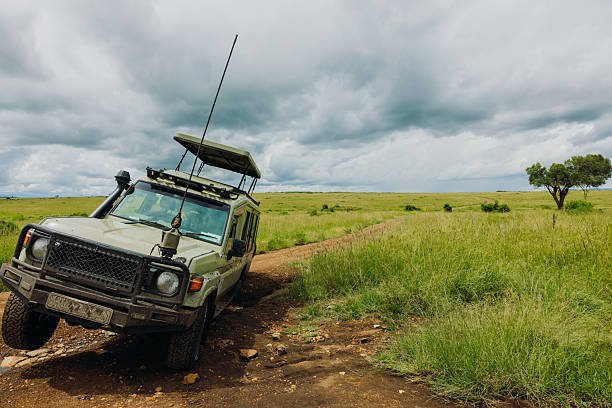
Day 1: Zanzibar to Nyerere National Park — the bridge from island to wild plains
Begin with a practical transfer from Zanzibar to the mainland. Depending on your exact package, you’ll likely fly from Zanzibar to a Serengeti/Ifakara corridor airstrip or travel by a scheduled connection to Dar es Salaam and then onward to Nyerere National Park. The goal is a smooth transition that minimizes backtracking while keeping travel time reasonable. Once you arrive at the park edge, a guided afternoon game drive sets the tone: keep expectations realistic, as the region’s wildlife can be variable and sightings depend on weather, water levels, and animal movements. Your lodge or camp will be chosen for accessibility to both the park gates and comfortable, considerate guest services.
Overnight is at a lodge or camp within or near the park boundary. Lodging choices typically balance comfort with wildlife-friendly access: roomy tents or cabins, seasoned guides, and prepared meals. Consider how the stay supports early morning starts and the flexibility to adjust if flight times shift.
Day 2: Full Nyerere National Park safari with a river/boat element
The second day centers on the core safari experience. After an early wake-up, a vehicle-based game drive takes you along a selected circuit through Nyerere National Park. Your guide will read the day’s movements, focusing on likely habitats for elephants, antelope, and possibly big cats, but will avoid overpromising wildlife. Midday returns for a rest and a light lunch, followed by an optional boat component on the Rufiji River if water levels and logistics permit. A boat safari offers a different perspective—hippo pools, riverine birds, and aquatic life—still anchored by the practical realities of tides and river conditions.
Dinner back at camp emphasizes regional flavors and a relaxed pace, with a chance to review the day’s sightings and plan the next morning’s activities.
Day 3: Island-drop or coastal boat experience and return to Zanzibar
The final day links the safari to the coastal or riverine boat experience that complements a Zanzibar-based adventure. Depending on flight schedules and park logistics, you may either (a) transfer with a morning game drive, depart to the mainland airstrip, and fly back to Zanzibar, or (b) complete a short morning activity and then transfer directly to a coastal area for a brief boat-based activity—capturing river or coastal views rather than long sea passages. The exact sequence will be confirmed at booking and will reflect current flight times, park access rules, and your preferred pace for the return journey.
End your itinerary with your chosen Zanzibar segment—whether you return to the island for a beach stay or take an additional night near the coast to unwind after the journey.
Practical notes for planning and booking this 3-day plan
- Transfers: Expect one mainland transfer (flight or road) from Zanzibar to the park area, with the return leg scheduled to align with park access and airstrip availability. This plan does not promise fixed flight times; confirm with Climb 4 Africa for the exact routing on your travel dates.
- Park access: Nyerere National Park is reachable via guided drives and, where feasible, a river-based component. The boat safari depends on river conditions and management permissions at the time of travel.
- Accommodations: Lodges or camps near the park edge emphasize wildlife access, comfortable amenities, and easy transfer logistics for day 3 connections. If you have accessibility needs or dietary preferences, communicate them during booking.
- Wildlife expectations: Sighting rates vary by season, weather, and animal movements. This plan prioritizes authentic safari experiences and efficient logistics over guaranteed sightings.
- Island portion: The Zanzibar element is integrated via the mainland transfer sequence and can be tailored to include a post-safari beach segment as a separate add-on or extension after day 3.
Who this itinerary suits
Travelers seeking a compact, logically connected Tanzania experience that bridges a classic safari with a river/boat perspective, staying mindful of travel time and practical transfers. It’s ideal for families with a day-to-day rhythm that favors a single early start, a mid-journey rest, and a relaxed finish with optional Zanzibar beach time as an extension.
Next steps for booking
To lock this 3-day plan in, contact Climb 4 Africa with your preferred travel dates, bed-night preferences, and whether you want the Zanzibar stay before or after the mainland leg. They’ll confirm exact flight connections, park gates, and boat-safari feasibility for your dates, plus tailor the accommodation and activity sequence to your pace and interests.
Clarifying the mainland-to-island transfer logistics and day-by-day sequencing for a bookable 3-day itinerary
Readers often ask for a precise accounting of how the days split between the mainland safari in Nyerere National Park and the Zanzibar coastal or island experience, including the exact transfer steps, typical timing, and how to align with park gates and airstrips. The following details are designed to illuminate the booking logic without overpromising sightings or fixed schedules, and to help readers understand what to expect when they finalize a 3-day plan with Climb 4 Africa or a collaborating operator.
1) How the three days are typically allocated between land safari and island/boat components. In most confirmed itineraries, Day 1 is the mainland transfer and a briefing safari in the park area near the edge, Day 2 centers on a full-day vehicle-based safari with an optional river/boat component when logistics and water levels permit, and Day 3 either completes a morning game drive before departure to the coast or transitions to a coastal/riverine boat experience that links back to Zanzibar. The exact sequence depends on flight times, airstrip availability, and river conditions. This means you should expect some flexibility in the daily order of activities, rather than a rigid, clockwork schedule. If your package explicitly states a fixed order (for example, Day 2 must include a boat Safari in the Rufiji), confirm this in writing before final payment.
2) Typical transfer timing and practical window. You will usually fly from Zanzibar to a mainland gateway or airstrip serving Nyerere National Park, with a transfer that places you in good time for a late-afternoon or sunset game drive on Day 1. On Day 2, dawn begins with a briefing and a vehicle-based safari that can run into the late afternoon, sometimes best paired with a boat segment if river access is permitted and the guide deems it logistically feasible. Day 3 can be a final morning drive followed by a transfer to the coast or directly to the airstrip for your Zanzibar return, depending on flight schedules. If you prefer to avoid long backtracks, flag this preference during booking so the operator can optimize the sequence around your dates and the park’s gate timings.
3) How park access and boat activities are coordinated. In Nyerere National Park, some river-based experiences depend on current water levels, river traffic permissions, and the management plan for the season. Boat safaris may be offered as a light, shallow-draft experience along reachable sections of the Rufiji River or its backwaters, complemented by land drives to cover more terrain and animal groups. When a boat component is not feasible due to water levels or wildlife protection considerations, the itinerary will lean more heavily on vehicle drives. The operator will confirm the boat feasibility on your specific travel dates well ahead of time, and you should expect a choice of routes on the day, depending on the guide’s assessment of animal movement and safety considerations.
4) Lodging expectations and daily pacing. Lodges or permanent camps near the park boundary are chosen to minimize transfer times and maximize wildlife viewing opportunities while offering comfortable meals and reliable guides. Day 1 may include a late afternoon or golden-hour drive ending near the lodge, Day 2 is a full active day with meals aligned to the safari rhythm, and Day 3 may feature a short, efficient morning drive before checkout and departure. If you have accessibility needs or dietary considerations, communicate them in advance so the lodge can tailor arrangements without delaying transitions.
5) What to expect about sightings versus guaranteed outcomes. The core appeal of a 3-day format is the concentrated, high-quality exposure to Nyerere National Park’s landscapes, wildlife behavior, and riverine scenery, rather than a promise of specific sightings. Guides use their knowledge of sun angles, animal movement, and water sources to maximize opportunities, but the wildlife precinct is inherently dynamic. Plan for variable sightings, and use the day-to-day rhythm to soak in the variety—spectacular riverine habitats, elephant herds along floodplains, and birds along riparian edges—without anchoring your expectations to a fixed set of creatures.
6) Zanzibar-side flexibility and post-trip extensions. After you conclude the mainland leg, you can either return to Zanzibar for a beach-side wind-down or extend your stay along the coast, depending on flight connections and personal preference. If you anticipate tight international connections, discuss options for a longer Zanzibar stop or a shorter mainland leg to reduce risk of missing flights. The operator can propose a beach extension that aligns with the final airstrip drop-off and your preferred airport transfer times.
7) Booking notes to avoid miscommunication. When you receive a proposed itinerary from Climb 4 Africa or a partner, request: (a) a day-by-day outline with expected departure and arrival windows, (b) the exact transfer modes and their approximate durations, (c) a map-style route showing where each day begins and ends, and (d) confirmation that the boat component is still feasible on your dates. Keep written confirmation of the boat-friendly days, river access, and gate timings. If a port or airstrip name changes between the quote and the actual trip, request an updated schedule immediately to prevent timing gaps.
8) A practical checklist for your 3-day plan. Prepare light, flexible luggage suited to both vehicle drives and rivercraft; pack a compact rain shell for sudden showers; bring a hat, sunblock, and binoculars; keep a small day-pack for the park day with essentials (water, snacks, camera); ensure your passport and any required visas are staged for quick check-in at gates or airstrips. By aligning your packing and daily pacing with the transfer windows, you reduce risk of delays cascading into days with less wildlife time or late arrivals at lodging.
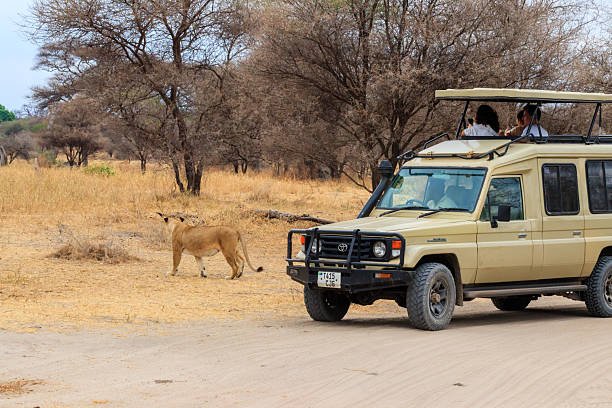

Gap-focused addition: The practical mechanics of day-to-day sequencing and real-world pacing for the 3-day plan
While the core days outline the high-level flow of a 3-day adventure combining Nyerere National Park safari with a Zanzibar riverine/sea experience, travelers frequently seek granular details that translate into reliable, bookable experiences. This section fills a practical gap: how the day-by-day transitions unfold in real terms, what you should expect at each transfer point, and how to read the schedule so you can coordinate flight times, park gates, and boat departures with confidence.
Understanding the transfer cadence between Zanzibar and the mainland: The journey typically starts with a domestic transfer from Zanzibar, either by a charter or scheduled flight, to a mainland gateway near Nyerere National Park. Common options include flights to airstrips served by safari operators along the Rufiji corridor, or a longer overland routelike connection to a Dar es Salaam–linked facility followed by a shorter road transfer to the park edge. In practice, your first day’s program hinges on landing windows aligning with the park’s afternoon game-drive slot. If you land earlier, you may gain a short buffer time for a refreshed check-in at your lodge before the vehicle departs. If the flight arrives closer to late afternoon, the safari window might compress to a light drive to set the rhythm for Day 2.
Day 1 sequencing: from airstrip to edge, with a scheduled game drive: Expect a warm welcome at the edge of the park, where your guide and driver are ready to transfer you to the camp. The afternoon session is designed to acclimate you to the buffer-free rhythms of a Tanzanian bush environment: a single, well-paced game drive that concentrates on key habitats—lowland floodplains, riverine corridors, and woodlands that often host elephant, buffalo, and antelope congregations. The route will be chosen on a given day to optimize shade, water sources, and anticipated animal movement, rather than to chase a fixed schedule. If time allows, your guide might stop at a designated viewpoint for a sunset panorama over the Rufiji basin, using the golden hour to sharpen silhouettes and provide a primer on the park’s ecosystem for first-time visitors.
Where you stay on Day 1 matters for pacing: Lodges near the park boundary are selected to minimize early-morning starts yet preserve efficient gate access for Day 2. A typical tented camp or lodge will emphasize a compact, comfortable layout with secure storage for cameras and safes for valuables. Facilities should offer an early breakfast option and a light lunch in anticipation of a longer Day 2 circuit, ensuring you are fueled for a full morning drive without feeling rushed.
Day 2: a full, vehicle-based circuit with a river/boat option woven in: The second day is the planned safari centerpiece. A pre-dawn departure sets the tone for observing cat and herbivore activity around cooler hours, while guides capitalize on animal movement patterns that are often keyed to water sources and early-morning forage. The day’s exact circuit is determined by the guides in response to real-time animal behavior, weather, and water levels. If the river/boat element is included, anticipate a mid-morning transition to the Rufiji’s edge, where a shallow-draft boat or motorized raft complements the land-based driving by creating a riparian corridor from a different vantage—birdlife along reeds, crocodile basking on sun-warmed banks, and hippos sound-echoing across quiet pools. The timing of the boat segment depends on river conditions and park permissions; your guide will explain the safety brief and how long the river excursion is planned for that day.
Day 3: coral coast, sea-breeze, or riverine return to Zanzibar: On the final day, you’ll either complete a short morning game drive before returning to the edge for the mainland transfer, or you’ll switch to a coastal or riverine boat experience if and when the schedule allows. The boat experience could entail a brief open-water excursion close to river mouths or a calm, scenic cruise along a tidal channel where water levels influence navigation and wildlife viewing. The emphasis remains on measured pacing and avoiding over-scheduling on this last leg so you can honor your international connections back in Zanzibar. Return transfer arrangements should respect your flight timing, with a buffer built in for delayed arrivals at the airstrip or gate due to early morning wildlife activity or park clearance checks.
Booking specifics to avoid timing gaps: When finalizing your itinerary with Climb 4 Africa or a partner, insist on a day-by-day schedule that lists:
- Exact gate or airstrip names for each transition
- Estimated departure/arrival windows (local time) for each transfer
Having these details in writing minimizes miscommunication between flight times, park access, and camp handovers, and it helps you visualize the actual travel rhythm rather than a generic travel arc.
What to carry and how to dress for practical day-to-day flow: Pack light layers that can adapt to morning chill and daytime heat, with a compact rain shell in the event of short downpours. A small day-pack is handy for the vehicle days and boat segments, containing water, snacks, sunscreen, and camera gear. Binoculars, a hat, and sturdy footwear suitable for both dry land and river margins enhance flexibility when wildlife movement shifts between land and water edges. Your lodge will typically handle laundry services, but plan for quick-dry travel clothing and a limited wardrobe to simplify transitions between airstrips, gates, and river launches.
Flexibility and contingency planning: The 3-day format relies on a tight but adaptable flow. Timings can shift due to weather, flight connections, or park gate operations. It is prudent to discuss a fallback option with your operator in case an airstrip is temporarily unavailable or a gate closes later than expected. A brief extension at the day’s end—whether a shorter Zanzibar stay or an extra night near the park—can provide a safety margin without sacrificing the core itinerary.
Gap-focused addition: Clarifying the practical sequencing and day-to-day pacing for the 3-day plan on the ground
Readers frequently ask for a granular, real-world rhythm that translates the high-level itinerary into a dependable, bookable sequence. This fill-in clarifies practical pacing, transfer timing logic, and the minimal but realistic daily timing scaffolding you can expect when you confirm a 3-day Nyerere safari paired with a Zanzibar boat experience.
1) Day-by-day sequencing in practice – The design of a 3-day plan hinges on two anchors: (a) a mainland safari block in Nyerere National Park (which may require a pre-dawn departure from a lodge near the park edge) and (b) a subsequent transfer to or from a Zanzibar-accessible edge for the riverine or coastal boat component. Practically, days tend to split roughly into: a transfer day with a partial or full afternoon game drive; a full morning and afternoon safari day; and a final, lighter day that aligns with boat departures and flight windows. In any confirmed plan, expect explicit alternation between land-based drives and water-based experiences, with the exact sequence depending on flight connections and gate openings rather than a fixed calendar order.
2) Transfers: how they typically unfold – Transfers are the rhythm spine. When arriving on the mainland, you’ll usually meet your guide and vehicle at the airstrip or gate. The first driving leg to the lodge near the park boundary becomes your acclimation period: a brief rest, a late lunch, and a short evening drive if daylight and gate timings permit. The next morning, an early start with a structured drive circuit follows, often concluding before mid-morning as wildlife activity peaks. If a switch to a boat component occurs on Day 3, the guide will coordinate a ferry or river transfer to a water-access point at a predictable window, usually after a contingent check at the park boundary or lodge reception. The return to Zanzibar will align with the logistical realities of flight timetables, not a fixed clock; operators routinely buffer 1–2 hours to accommodate delays from wildlife viewing or gate processing.
3) Realistic daily timing blocks you can plan around – While exact clock times depend on your operator and season, you can model a practical skeleton:
– Day 1 (afternoon arrival, edge of park): arrival, quick rest, 2–3 hour afternoon drive if gates are open, sunset briefing, dinner, overnight near the park edge.
– Day 2 (full land safari): pre-dawn wake-up, 3–4 hour morning drive, mid-morning break, 2–3 hour afternoon drive, water or rest period, optional sunset drive if feasible, dinner, overnight.
– Day 3 (boat or island-side activity and return): light morning activity (short drive or boat briefing), transfer to river/boat launch, 2–4 hour water-based activity, transfer to airstrip or gate, fly back to Zanzibar or onward connections. If a coastal boat aligns on this day, expect a shorter morning schedule followed by a late-morning to early-afternoon water segment and a prompt transfer to catch your flight or onward connection.
4) Lodge and camp logistics under real-world constraints – Lodges near the park edge are chosen for practical transfer access rather than luxury alone. In practice, expect: a) simple, comfortable rooms or tents with en-suite facilities; b) meals timed to park gate openings (early breakfasts, packed lunches for drives, and a post-drive dinner); c) a fixed “handover” window at camp or lodge where your guide confirms gate closures, vehicle availability, and any changes from weather or wildlife activity. The critical planning note is to ensure your accommodation is comfortable with flexible meal timing in case a drive runs longer or a gate opens later than anticipated.
5) Weather and wildlife timing: how to stay flexible – The 3-day format relies on natural variability. In hot dry seasons, animals converge around water sources earlier, potentially speeding up the day’s pace. In wet seasons, river dynamics and mud can slow drives; water-based components may be favored to reduce driving difficulty. The practical takeaway is to structure your day with two core vehicle sessions (morning and late afternoon) and a built-in buffer for the middle of the day; this keeps energy high for wildlife viewing without groaning under fatigue or compromising the boat segment when river conditions permit.
6) Communication and documentation to avoid gaps – Because day-by-day sequencing is contingent on logistics rather than a fixed timetable, insist on a written, itemized transfer plan from the operator that includes: exact gate/airstrip names, vehicle transfer times, estimated windows for each departure and arrival, and the coordinated handover points between land and water segments. This explicit plan helps your crew align on weather- and logistics-driven adjustments while keeping you oriented to the flow of days instead of an abstract arc.
7) What to do if a link point is unavailable – A typical contingency is a one-day extension near the park or a re-sequenced Day 2/Day 3 plan that preserves the core safari-to-boat arc. Operators will typically propose a flexible extension rather than forcing a rushed sequence; you should negotiate for a guaranteed alternate launch time for the boat segment or a backup airstrip option so you don’t lose the water experience altogether. Document any agreed fallback in writing prior to travel.
8) The practical takeaway for bookable confidence – The value of this gap-focused lens is to move beyond “ Day 1-2-3” abstractions and equip you with a recognizably repeatable, transfer-aware rhythm. The successful 3-day plan hinges on precise transfer windows, flexible daily pacing, and a realistic expectation of wildlife variability. When you review proposals from Climb 4 Africa or similar operators, request: (1) a day-by-day transfer map with gate and airstrip names; (2) a preferred two-session day structure (morning/late afternoon) with a built-in rest or water segment; (3) a documented contingency option for weather or gate changes that preserves your core land-to-water sequence. Only with these details can you compare options on a like-for-like basis and confirm a truly bookable itinerary that respects both mainland safari realities and Zanzibar’s island-side experiences.
A practical, ground-level look at the gaps in day-to-day sequencing and how to navigate them
The previous sections lay out a coherent arc for a 3-day journey that blends a mainland Nyerere National Park safari with a Zanzibar coast or riverine boat experience. What travelers still benefit from understanding is the concrete, on-the-ground rhythm that actually unfolds when you’re stepping between land and water, and when weather, gates, and flight connections play musical chairs with your plans. This continuation fills a single, precise gap: how the day-to-day sequencing can flex in real time without losing the core arc of the itinerary.
1) The day-to-day transfer rhythm in practice
In real bookable terms, Day 1 typically centers on a mainland arrival window and a late-afternoon safari window either at the park edge or within a short drive of an access gate. The day’s energy is anchored by the drive to the lodge and a first taste of wildlife in a setting where light fades. A reliable pattern to rely on is: arrival at a gateway, a short vehicle transfer to the lodge, an early check-in, then a brief rest before a late-afternoon game drive. This sequencing makes good use of the cooler hours and often yields a first wildlife impression without exhausting you before dinner.
On Day 2, the two primary vehicle drives (morning and late afternoon) are the backbone, with the riverine component slotted when river conditions and park access permit. The middle of the day becomes a flexible buffer—longer lunch, a poolside break, or canopy-nap—so you’re refreshed for the second safari block and the boat element if feasible. If river conditions are unfriendly (high water, strong currents, turbid visibility), the plan can pivot toward extended land-based circuits with adjusted routing to preserve wildlife viewing potential and still allow a later transfer to a boat-focused segment if the system permits.
Day 3’s rhythm hinges on the chosen coastal or riverine boat experience. If the boat excursion is scheduled for the late morning, you’ll still have a brief early game drive to maximize sightings, followed by a transfer to the boat dock and a smooth handover to your water-based guide. If timings shift because of park gates or flight constraints, the operator’s contingency should preserve at least a half-day of water activity, with a postponed departure only if the schedule absolutely requires it and there is a secure return path to Zanzibar. The practical takeaway: build in a firm, bookable two-part day (morning drive and afternoon boat) with a defensible fallback window that doesn’t derail the overall arc.
2) Concrete transfer touchpoints to document with your operator
Before travel, request from your operator a written transfer plan that includes: gate/airstrip names, vehicle timings, estimated departure/arrival windows, and where transfers between land and water occur (for example, park gate to lodge, lodge to river dock). This reduces abrupt changes in pace and clarifies which leg is dependent on weather or gate access. When a contingency arises—such as a delayed flight or a late gate opening—the plan should specify a revised sequence that yields at least the core land-to-water arc intact, even if a minor shift in order occurs.
3) How to read the banked energy of each day
Wildlife viewing is not strictly linear; animals move with weather and water. The practical approach is to plan two high-potential vehicle blocks per day (morning and late afternoon) with a built-in mid-day rest or water-based activity if possible. For guests who tire easily, the mid-day rest becomes a non-negotiable energy reset, not a luxury. If a driver detects an unusually quiet morning, you can pivot to a shorter, targeted circuit with a focus on ridgelines, water points, or elephant corridors that historically offer activity, preserving daylight for the afternoon session.
4) Contingencies if a link point is unavailable
Booking reality often involves a fallback: an alternate launch time, a backup airstrip, or an adjusted day-by-day order. A reliable operator will present: (1) a guaranteed alternative name for the river or park entry point; (2) a second boat slot or a substitute water activity that achieves similar engagement; (3) a re-sequenced Day 2/Day 3 plan that maintains the core safari-to-boat arc. Ensure these contingencies are captured in writing to avoid misunderstandings with the crew on the ground.
5) The value of a day-by-day, transfer-aware comparison when evaluating options
When you compare itineraries from different operators, use a practical rubric: does the plan specify exact gate/airstrip names and times? Is there a stated two-session daily structure (morning and late afternoon) with a protected rest window? Is there a documented, weather- or gate-driven contingency that preserves the essential sequence (land safari then water-based experience)? The presence of these specifics signals a bookable, flexible itinerary rather than a generic sequence that relies on weather to fill gaps after the fact.
6) A footnote on safety and pacing
All wildlife viewing in Nyerere National Park carries inherent unpredictability. The critical, practical cue is not to chase a fixed cascade of sightings but to optimize the day’s pacing to maximize opportunity while protecting your energy for the transfer-heavy travel connecting land and water. In practice, you should feel comfortable with a planned morning drive, a restorative mid-day pause, and an afternoon/early evening drive or boat segment that aligns with local water levels and gate openings.
By anchoring the 3-day plan to a transparent, transfer-forward rhythm, you safeguard the core experience—two distinct but complementary ecosystems, connected by practical logistics—without inviting disappointment if a single leg needs to shift. This approach keeps you oriented to the trip’s promise: a bookable sequence that respects both mainland safari realities and Zanzibar’s island-side pleasures, with real-world pacing that can adapt to the day’s conditions.
Related Guides and Packages
Check Availability for 3 Days Nyerere Safari And Boat Experience From Zanzibar: Mainland To…
Ready to compare dates, prices, and the best option for your group? Send the package name and travel month so the team can reply with a clear quote, availability, and what is included.
2 Days Nyerere Safari From Zanzibar With Boat Mainland Parks, Shared
Book a practical 2-day plan from Zanzibar to Nyerere National Park, including transfers, a mainland safari segment and a boat safari along the coast. Realistic pacing, accommodations and...
View package details
4 Days Nyerere And Mikumi Safari From Zanzibar 2026-2027
4 Days Nyerere and Mikumi Safari from Zanzibar.
View package details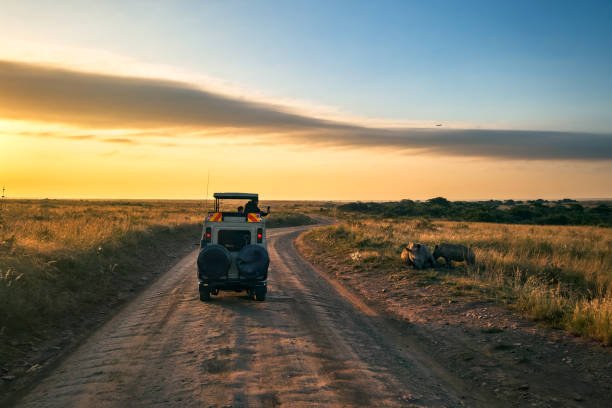
1 Day Nyerere National Park Fly-In Safari From Zanzibar 2026-2027
1 Day Nyerere National Park Fly-In Safari from Zanzibar.
View package details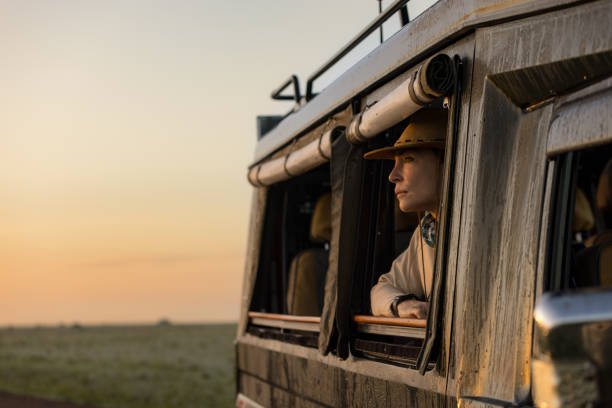
3 Days Luxury Serengeti Fly-In Safari From Zanzibar: A Practical
A focused, bookable 3-day Serengeti fly-in safari that begins with a Zanzibar departure and lands you into the Serengeti for guided game drives, with practical transfer details and...
View package details
3 Days Serengeti Safari From Zanzibar By Flight: A Practical, Bookable
A practical, bookable 3-day Serengeti safari from Zanzibar by flight, detailing how the island-to-mainland transfer works, and what to expect each day without overpromising wildlife.
View package details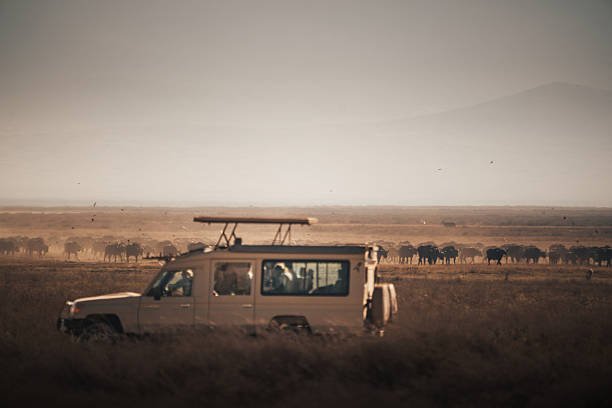
2 Days Tarangire and Ngorongoro Safari from Zanzibar: a practical, bookable
A practical, bookable 2-day safari itinerary starting from Zanzibar, linking Tarangire National Park and Ngorongoro Crater with sensible transfers, realistic drives, and grounded...
View package details2 Days Mikumi National Park Safari From Zanzibar: Practical, Bookable Route
A concise, bookable 2-day Mikumi safari from Zanzibar combining mainland park exploring with a Zanzibar connection. This guide explains the practical sequence, transfers, and where you’ll...
View package details10 Days Great Migration Safari And Zanzibar Beach Holiday 2026-2027
10 Days Great Migration Safari and Zanzibar Beach Holiday.
View package details9 Days Serengeti Migration Safari And Zanzibar Beach 2026-2027
9 Days Serengeti Migration Safari and Zanzibar Beach.
View package details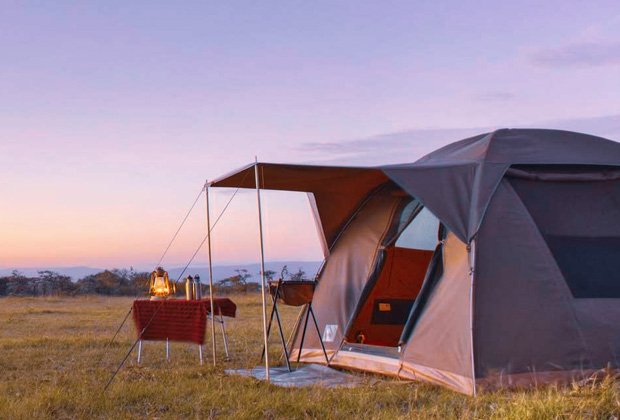
4 Days Budget Camping Safari From Zanzibar 2026-2027
4 Days Budget Camping Safari from Zanzibar.
View package details
6 Days Serengeti Ngorongoro And Tarangire Safari From Zanzibar: A Bookable
Plan a 6-day wildlife circuit that links Zanzibar with Tanzania’s top parks—Tarangire, Serengeti, and Ngorongoro. Discover practical routing, transfers, and realistic safari opportunities...
View package details5 Days Private Northern Tanzania Safari From Zanzibar: Mainland Circuit Plus
Private 5-day Northern Tanzania safari starting from Zanzibar, combining a mainland circuit with a Zanzibar transfer. Practical logistics, realistic safari aims, and flexible lodging...
View package detailsNo related package matches those filters. Clear one or more filters to see the other topic-matched options.



