
Explore a 9-day, bookable Northern Tanzania itinerary that pairs classic wildlife days in renowned parks with engaging cultural experiences. The route emphasizes realistic driving times, practical accommodations, and a balanced pace. You’ll begin near Arusha, travel through Lake Manyara, Ngorongoro Conservation Area, and the plains of Serengeti, ending with a culturally rich day in a Maasai village and Karatu/Rift Valley communities. Exact departures, park fees, and lodging depend on availability and your group size; this plan outlines the sequence and activity choices you can expect to confirm with Climb 4 Africa.
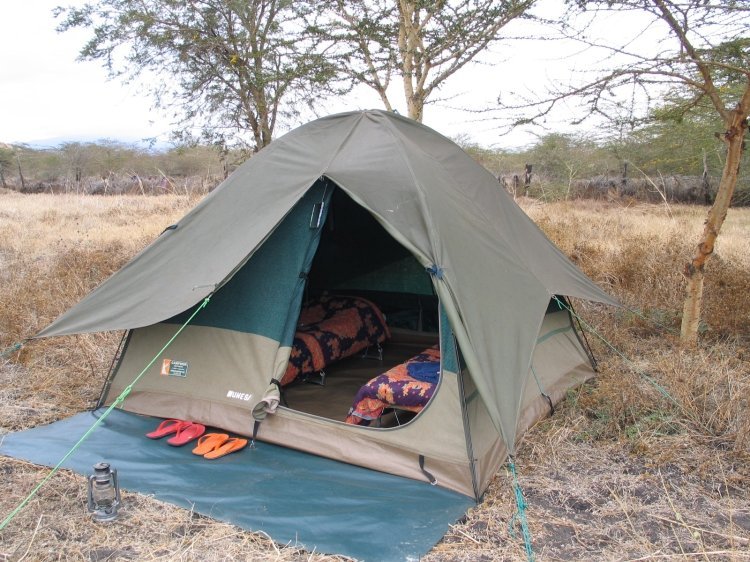

Day 1: Arrive Arusha – transfer to a comfortable base
Meet your guide in Arusha and transfer to a well-situated lodge or boutique camp to acclimate after travel. Use the afternoon to rest, sort gear, and preview the upcoming route with your crew. Your room type will balance comfort and accessibility, with options ranging from curated lodges near Arusha town to intimate tented camps on the outskirts.
Day 2: Arusha to Lake Manyara – forest, plains, and birdlife
Early departure toward Lake Manyara National Park. The day focuses on a mix of riverine forest and the lake’s shallow waters, offering chances to observe elephants, hippos, and a spectrum of birdlife. Lunch is picnic-style in a shaded overlook area, followed by an afternoon game drive or a lakeside walk depending on your pace. Overnight near the park gate in a lodge with a short transfer to maximize morning activity time.
Day 3: Lake Manyara to Ngorongoro Conservation Area
Drive through the highland scenery toward Ngorongoro. En route you’ll pass volcanic landscapes and small villages; your guide will share insights into Maasai land use and conservation policies. Afternoon orientation around your lodge, with optional short nature stroll. Evening meals reflect local flavors and a relaxed pace after the long drive.
Day 4: Ngorongoro Crater floor – a full day in the caldera
Descend into Ngorongoro Crater for a full-day crater safari, limited by park regulations and safety guidelines. This is a statistically productive day for wildlife with a wide variety of species. A picnic lunch is arranged, and the ascent back to the rim is timed to sunset for dramatic light. Afterward, return to a comfortable lodge near the crater for a restful night.
Day 5: Ngorongoro to Serengeti North – game drive corridor
Head toward the Serengeti’s northern corridor, where the landscape shifts to open savannah and acacia yucca trees. The drive itself is a meaningful part of the itinerary, with several stop options to stretch legs, photograph, and observe changing scenery. Afternoon game drive opportunities are prioritized, with a focus on sightings rather than guarantees. Overnight at a camp or lodge with a strategic location to maximize morning activity potential.
Day 6: Serengeti Central – classic wide-open plains and wildlife opportunities
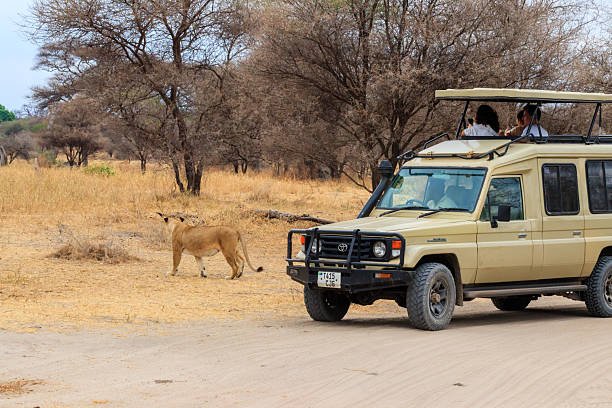
Spend a full day exploring Seronera or neighboring blocks depending on wildlife movement and guides’ suggestions. The day aims for a balanced pace, with a packed lunch and optional short breaks. The emphasis is on authentic safari experiences—drives, ranger interactions, and learning about ecosystem dynamics—without promising specific animal counts.
Day 7: Serengeti to Karatu – cultural immersion
Travel back toward Karatu with a strategic mid-day break to explore a local community initiative or cultural center. In the late afternoon, we arrange a respectful village visit or workshop (crafts, farming methods, or traditional songs) that connects you with local life while honoring community guidelines. Overnight near Karatu, with meals featuring locally sourced ingredients.
Day 8: Tarangire Day – introduce a lighter day or optional extra activity
Choose between a relaxed Tarangire day for elephant gatherings and baobolands or an optional add-on activity (walking safari, village market visit, or a community lunch). This day is designed to wind down the safari while still offering meaningful wildlife and cultural experiences. Overnight near Tarangire or return toward Arusha depending on your departure plan.
Day 9: Return to Arusha – departure or extension
Final transfer to Arusha for either international departure or an optional extension (Kilimanjaro or Zanzibar). Your guide helps with check-in logistics, luggage handling, and any last-minute shopping or souvenir pickups. If you’re continuing your journey, we can tailor a smooth continuation that aligns with your timing and interests.
Logistics and planning notes
Vehicle type and capacity are chosen to balance comfort with the realities of park roads. Expect a mid-range to comfortable lodge-to-lodge sequence, with some nights in tented camps that offer a closer-to-wild experience without compromising safety. Park entrance fees, concession charges, and domestic flights (if needed) are itemized separately by Climb 4 Africa during the booking process. The sequence above is adjustable for private or small-group bookings and can incorporate cultural experiences or village visits based on consent and local guidelines.
Booking considerations
Availability, exact lodging names, and current park regulations should be confirmed when you request a full proposal. This plan provides a coherent sequence and a realistic pacing framework that respects driving times, rest needs, and cultural engagement. If you’re aiming for a specific wildlife target or a deeper cultural focus, share your priorities and we’ll adapt the plan accordingly while preserving safety and logistics.

Adding a Practical Night-By-Night Reality Check: What Changes If You Swap or Add Elements?
This new passage is designed to complement the nine-day framework without repeating the already-covered day descriptions. It focuses on realistic operational details that travelers commonly confront when booking a Northern Tanzania itinerary of this scope. The goal is to help readers anticipate how the sequence may adapt to variations in group size, season, and logistics, while keeping the integrity of a bookable plan intact.
Seasonality and daylight have a tangible impact on daily pacing. In the Arusha–Lake Manyara leg, early mornings at the park gate are often cooler, with dew on the savannah grasses. If a group arrives during the shoulder months (just before or after the long rains), a guide may opt for a slightly later start to avoid morning mist that can limit visibility. Conversely, in the dry season, mornings tend to be clearer and more productive for birds and small mammals active along the forest-edge trails. The plan’s flexibility to begin at 07:30 or 08:00 helps ensure you maximize wildlife photography opportunities while maintaining comfortable drive times to the next lodging stop.
Vehicle dynamics are another practical consideration. The itinerary assumes a mid-range to comfortable vehicle with a pop-top or low-slung roof for visibility. In some environments, especially near the Ngorongoro rim or in mineral-rich foothill areas, you might encounter rougher tracks. Your operator will designate a vehicle variation (4×4 with high clearance) if the chosen lodges require more rugged access or if rain has affected road conditions. This means some days could include shorter drives but incremental transfer time between lodging clusters to keep the pace reasonable for rest and meals.
Accommodation types on this route balance immersion and comfort. In practice, the sequence may alternate between lodge-based stays near Arusha, forested boutique camps near Lake Manyara, and more intimate tented or small lodge properties in Ngorongoro and Serengeti corridors. Tented camps offer a closer-to-wild experience, but you’ll still find strong safety standards, private bathrooms, and reliable meals. If a traveling party includes guests with mobility considerations, the operator typically prioritizes accommodations with ground-level access, shorter transfer distances, and staff trained for accessibility needs. Reading the final proposal will reveal the exact lodging names and room types, which can be adjusted to reflect dietary restrictions, altitude comfort, or a preference for suites with private verandas.
Cultural encounters are an essential thread of this itinerary. Village visits and community workshops are coordinated to respect local guidelines, with hosts who welcome respectful engagement. If moral considerations or time constraints arise, organizers can modify a visit to a nearby cultural center or a school program that still offers meaningful interaction without disrupting daily community life. As with wildlife viewing, the sequence of cultural activities is designed to be revisable if a private vehicle or small group prefers a longer reflection period at a single site or a shorter, more focused interaction.
Costs and inclusions are typically itemized in the full proposal rather than fixed in the overview. Park fees, concession charges, and domestic flights (if applicable) are often listed separately and subject to change; your operator will provide the latest, location-specific numbers before confirming bookings. In practice, the travel plan remains coherent even if a minor price revision occurs, because the core sequence—driving routes, lodge transitions, and core activities—stays intact. If a group requests a non-standard departure window, such as a late-morning start on Day 2 to accommodate a guided pre-dawn wildlife walk, the proposal can reflect that without altering the fundamental day-by-day logic.
Safety and briefing protocols are embedded in the planning. At each major transition, guests receive a short safety recap covering belt use, hydration, and sun protection; during wider savannah drives, the guide also clarifies when not to exit the vehicle and how to approach wildlife with a respectful distance. Nighttime safety measures at lodges include secure access, well-lit common areas, and staff readiness to assist with any mobility or medical needs. The final itinerary will clearly specify what is included in each day so guests know when to expect meals, drinks, and rest periods, avoiding confusion or fatigue on longer drives.
In short, the core promise of a nine-day Northern Tanzania safari remains intact: a well-paced sequence across Lake Manyara, Ngorongoro, and Serengeti, interwoven with Maasai and Rift Valley cultural experiences. The practical additions here illustrate how real-world logistics—seasonality, vehicle readiness, lodging flexibility, cultural engagement, and budgeting—inform the exact day-by-day experience without compromising the adventure at the heart of the itinerary.
Exploring a Practical Night-By-Night Reality Check: Handling Real-World Variability on a 9-Day Northern Tanzania Safari
Beyond the core day-by-day sequence, travelers frequently encounter real-world variables that shape each transition, from vehicle readiness and road conditions to in-the-moment cultural engagements. This practical editorial passage adds concrete, non-speculative considerations that help a booking-ready reader anticipate what can shift from plan to reality while preserving the essence of the nine-day itinerary.
Vehicle and route flexibility: The backbone of a Northern Tanzania safari is the vehicle fleet and its ability to handle mixed terrain. In practice, a typical lodge-to-lodge schedule may compress or loosen to accommodate light vehicle maintenance, fuel availability, or seasonal track conditions. Guides commonly keep a small list of acceptable alternates for each day’s start point and end point, ensuring that major milestones—arrivals at gates, lodge check-ins, and early-morning departures—remain intact. If a preferred lodge is unavailable, the operator often substitutes with a comparable camp or boutique lodge within the same area, maintaining drive times within a two- to three-hour window and preserving morning game-drive opportunities when possible.
Timing and driving realities: Itineraries commonly assume optimal driving times. In practice, unpaved roads, occasional traffic at park gates, or check-in queues at lodges can push a day’s timing by 15–60 minutes. The itinerary is designed with buffers at critical junctures—gate opening times, lunch transitions, and late afternoon arrivals—so guests rarely miss planned activities. If a late start occurs, the guide may prioritize shorter, high-probability wildlife windows during the remaining daylight while keeping safety and comfort at the forefront.
Park fees and permit changes: Park entrance fees and concession charges are subject to periodic updates by Tanzanian authorities. A bookable plan typically lists tentative ranges and notes that exact figures are confirmed in the final proposal. When fees shift, operators adjust the per-person totals and may reallocate a portion of the budget toward a comparable experience, such as a longer morning drive in Serengeti Central rather than a shorter afternoon session, or a culturally focused activity in Karatu if wildlife viewing windows tighten.
Cultural engagement cadence: Cultural experiences with Maasai or Rift Valley communities are scheduled with community consent and locality guidelines. If a village or workshop restricts visits due to cultural events, ceremonies, or seasonal harvests, operators may offer a nearby cultural center, a conservation project briefing, or a village market encounter as a substitute. The aim remains to provide respectful, meaningful contact without disrupting daily life for residents.
Accommodation substitutions: Lodges and camps listed in the plan are representative of the kind of experience guests can expect—comfort with proximity to wildlife, or intimate tented settings offering closer-to-wild ambience. It is common for a provider to substitute with a nearby property of similar standard and amenities (room type, restaurant style, pool availability) if the original booking becomes unavailable. These changes are usually minimal in impact on pacing since the sequence connects via short transfers and shared meal schedules.
Seasonal considerations and wildlife activity windows: The article’s core wildlife opportunities reflect typical patterns rather than guaranteed sightings. In practice, animal movement is influenced by rainfall, vegetation flush, and lunar cycles. If a specific area shows reduced wildlife activity during a given window, guides leverage local knowledge to reallocate drive time toward adjacent blocks with higher likelihoods, while maintaining the overall balance between safari time and cultural immersion. Guests may still experience the same day’s headline feel—stunning landscapes, birdlife, and general wildlife behavior—without promising particular species at a fixed moment.
Health, safety, and contingency planning: The plan assumes standard safety protocols: seatbelt use, hydration, sun protection, and wildlife distance guidelines. For guests with mobility needs or health considerations, lodges and camps are chosen for accessibility, with options to modify walking breaks and vehicle seating arrangements. In the event of illness or travel disruption, operators often provide a short-notice contingency such as a midday rest at the lodge or a lighter activity alternative for that day, ensuring safety while preserving the itinerary’s overall rhythm.
Communication and pre-trip preparation: A practical reality is the need for clear pre-trip documents—itemized inclusions, transfer times, and luggage handling specifics. Before departure, travelers should confirm room allocations, dietary restrictions, and any required vaccinations or travel permits. The operator typically issues a final, binding proposal with confirmed lodges, gate times, and a detailed day-by-day outline, allowing guests to tailor minor elements (within the established sequence) without altering the core experience.
What changes if you opt for extensions or variations?: Some readers request extensions (Kilimanjaro, Zanzibar, or additional cultural visits) or a shift in the switch points between parks. In practice, extensions are integrated at the end of the itinerary with minimal disruption, often by reallocating a short transfer day or replacing an optional activity with a land-and-sea combo. Any variation aims to preserve the nine-day backbone: a progression from Arusha to Manyara, Ngorongoro, Serengeti, and Karatu, with mindful pacing and cultural engagement as constant anchors.
Gap-Discovery Insight: How to tailor day-to-day pacing when wildlife activity and cultural encounters diverge from expectations
One of the most valuable yet often under-communicated realities of a nine-day Northern Tanzania itinerary is how the day-to-day pacing may shift in response to unpredictable wildlife activity and the rhythm of local communities. This section adds a practical, booking-ready perspective that complements the existing day-by-day framework without repeating the core content. It focuses on what you can realistically expect and how to collaboratively adjust timing, rather than promising fixed outcomes.
In practice, a good operator builds flexibility into the sequence by identifying alternative blocks within each region that can be swapped in without altering the overall arc of the trip. For instance, if a morning drive in Lake Manyara yields less wildlife movement than anticipated, your guide may pivot to a shaded overlook near the lake edge for birdlife concentration or incorporate a short river walk that remains minimally disruptive to the day’s rhythm. This preserves the educational and sensory value—forest sounds, water reflections, and the texture of habitat—while keeping daylight allocated for meals and rest.
Similarly, cultural immersion days—those positioned near Karatu and within the Ngorongoro Conservations Area buffer zone—benefit from a two-track approach. The primary plan often includes a village visit or workshop in the late afternoon; however, if transport times tighten or community schedules shift, the operator can swap the order so that a village encounter happens earlier in the day when participants are more alert, or move a lighter cultural activity to a post-sundown presentation at your lodge. The underlying principle remains: maintain the sequence’s integrity—parks, plains, and people—while adapting the pace to real-world conditions.
Vehicle dynamics and road conditions also influence daily timing. Tanzania’s park roads can vary from well-graded stretches to rutted sections after rain. Operators typically reserve buffer windows to accommodate slower sections, ensuring that wildlife observation windows aren’t compressed at the expense of safety or comfort. If a segment between Ngorongoro and Serengeti North encounters soft ground or a temporary road closure, expect a calculated detour that adds a predictable amount of driving time but preserves the day’s core objectives: wildlife viewing opportunities and cultural engagement. This approach reduces stress and helps guests maintain curiosity about the landscapes rather than fixating on a fixed timetable.
Meal planning on a nine-day itinerary is another area where flexibility pays off. Picnic lunches and in-lodge dinners are scheduled around anticipated drive times, but if a wildlife sighting requires extended viewing, the team is prepared with a ready-to-serve cold box and a nearby shade break. Conversely, if a pack-up routine takes longer than expected after a long morning on the move, the midday break can be shortened slightly so that the afternoon game drive remains productive without rushing a pickup or compromising safety protocols.
Communication before the trip helps set expectations about these potential shifts. A practical proposal will outline typical drive durations, but it should also describe the common levers for adjustment: alternative sighting blocks in each park, nearby cultural activities that can be swapped in without damaging the flow, and the kinds of lifestyle accommodations (short rest, light walking, or a café-style impromptu Q&A with a local guide) that guests can anticipate as reasonable responses to variability. When guests understand that the plan is designed to breathe in response to the day’s realities, they approach each transition with patience and curiosity rather than frustration.
Finally, a well-structured nine-day plan retains its core educational value—habitat diversity in lake and savanna ecosystems, the dynamics of predator-prey interactions, and the social fabric of Maasai and surrounding communities—throughout. Even when a particular day’s wildlife highlight is less dramatic than expected, the surrounding experiences—scenic vistas, birdlife spectacles, and authentic cultural exchanges—remain meaningful. The most memorable moments often arise from how guides and guests adapt together, turning a potential constraint into a shared sense of discovery.
Gap-Discovery Insight: Managing Expectation Gaps and Real-World Transitions on a 9-Day Northern Tanzania Safari
Building on the established day-by-day framework, this section explores a concrete, reader-facing question that often emerges but is not fully resolved in many itineraries: what happens when a planned transition between major wildlife blocks or cultural experiences runs behind schedule or requires adjustment due to on-the-ground realities? The answer lies in a practical, equipment-light approach that preserves safety, conservation respect, and meaningful engagement with landscapes and communities.
First, it is essential to understand that driving times in Northern Tanzania are highly variable. Even on a seemingly straightforward route from Ngorongoro to Serengeti North, road conditions can shift with weather, recent rains, or maintenance work. Operators typically preserve buffer windows to keep important wildlife observation periods intact. A typical contingency is a brief but deliberate detour around a soft stretch or an area with reduced visibility, chosen to minimize time lost while not compromising the core objective: opportunities to observe fauna and interactions with local culture. Practically, this means that your guide will have a small repertoire of alternate sighting blocks pre-mapped for each park day. When a primary sighting block becomes less productive or a transit segment takes longer, the guide will pivot to an alternate zone that offers similar potential without sacrificing the day’s structure.
Second, meal timing is a critical, often under-communicated lever. Picnic lunches are standard for long days, but a wildlife spotlight can linger beyond the planned stop. In such cases, the crew can shift to a shaded break with cold boxes for a quick intermediate snack, followed by a shorter, more focused afternoon drive. This maintains momentum and reduces fatigue without rushing guests through wildlife encounters. Conversely, if the viewing is brief and a long midday pause is feasible, the team may compress the lunch break and extend the late-afternoon drive by a modest amount, ensuring a productive end to the day while safeguarding guest well-being and safety standards.
Third, cultural engagements—village visits, craft demonstrations, or farming method explorations—are structured to be flexible, not ceremonial. If a local host’s schedule shows unexpected delays or a participant’s readiness shifts, the itinerary can swap in an adjacent activity with minimal friction. For instance, a village song session might be replaced with a demonstration of traditional beadwork or a short narrative about land-use practices that still conveys authentic cultural value and supports community livelihoods. This flexibility is deliberate and designed to deepen understanding without overcommitting hosts or guests to rigid sequences.
Fourth, pace and rest are not afterthoughts but core safety considerations. The day-by-day rhythm anticipates varying energy levels among travelers, especially after long travel days or early-morning departures. A well-structured plan includes optional short stops for stretching, photos, or a brief nature talk with the guide. If the group feels fatigued, a mild tempo adjustment—such as a shorter morning drive and a longer afternoon tea break at a scenic overlook—can refresh the group while preserving the key wildlife windows that define the safari experience. This approach underlines a simple principle: progress through the itinerary should be measured in discovery and comfort, not merely kilometers logged.
Fifth, weather and seasonal considerations can reshape expectations about wildlife activity. While nothing replaces the thrill of a successful sighting, a flexible plan acknowledges that animal movement patterns, migratory behavior, and predator-prey interactions are not guaranteed to align perfectly with calendar days. Guides use ongoing field observations to adjust expectations, sharing concise, jargon-free briefings with travelers. This fosters trust and curiosity, turning potential disappointment into an opportunity to notice subtler wildlife behaviors—such as a distant herd’s scent-marking patterns or the choreography of distant predator signs—that would be easy to overlook with a rigid timetable.
Finally, the planning philosophy behind these adjustments is transparency and shared decision-making. Travelers are encouraged to discuss proposed pivots with the guide during briefings, especially at transitions between major blocks. When guests understand that adjustments preserve core experiences—large mammals in open savanna, birding-rich watercourses, and meaningful cultural exchanges—they tend to approach changes with a spirit of curiosity. This collaborative mindset often yields the most memorable moments: a quiet, reflective sundowner on the rim of a crater, or the unexpected encounter with a craftsman whose beadwork carries stories of community resilience.
In sum, the most valuable unanswered question for readers often centers on how much flexibility the itinerary actually allows without diluting the experience. The approach outlined here answers with concrete, field-tested strategies: pre-mapped alternate sighting blocks, meal-time adaptability, flexible cultural activities, traveler-centered pacing, and open communication. These elements help ensure that a 9-day Northern Tanzania safari remains coherent, compelling, and resilient in the face of real-world variability.
Gap-Discovery Insight: Navigating Seasonal Variability in Cultural Encounters and Community Activities
One of the most practical unanswered questions readers often have about a 9-day Northern Tanzania safari is how cultural experiences can shift with the seasons, harvest cycles, and community schedules. This passage provides a concrete, travel-operator-agnostic look at what to expect for cultural immersion in Days 7–8 without promising fixed timings or guaranteed performances.
First, understand that many cultural activities in Karatu, the Maasai villages near the Rift Valley, and nearby community organizations are tied to agricultural calendars and school terms. A harvest period may bring extended fieldwork for farmers, meaning traditional demonstrations or beadwork sessions could be more or less available on any given day. To manage this variability, the itinerary commonly builds in flexible windows: a scheduled village visit might pivot from watching a crafts demonstration to participating in a hands-on workshop or a shared meal with families, depending on what the community can welcome that afternoon.
Second, language and etiquette considerations contribute to how smoothly the interaction unfolds. Guides will typically brief travelers on basic greetings in the local language and explain culturally appropriate questions. In practice, this reduces awkward silences and fosters genuine connection, even when a scheduled activity is shortened or shifted. Travelers who prepare a small, respectful gift (such as simple crafts or school supplies, if offered by the operator) can often elongate a meaningful exchange by supporting local initiatives that align with the community’s current priorities.
Third, logistics around group size and local permissions influence daily timing. A larger group may require staggered visits to a village or collective activities that accommodate traffic and space constraints. A smaller party can sometimes arrange a more intimate encounter, such as a short storytelling session around a charcoal fire or a demonstration of traditional farming methods that can be shared within a single household compound. The key is clarity: ask your guide for the plan for the afternoon during the vehicle transfer, and request a brief check-in closer to the transition point to confirm whether a late start or an earlier departure would optimize the experience without compromising wildlife opportunities the next morning.
Fourth, safety, respect, and conservation considerations remain non-negotiable. Even when cultural activities are rescheduled, guides maintain the same standards: no unconsented photography of children, appropriate distances from ceremonial activities, and explicit permission before participating in any craft or cooking task. Some villages use visitor exchanges as educational moments about land use, water conservation, or sustainable farming. If a stop overlaps with a school day or community meeting, your guide may adjust the schedule to avoid interrupting local routines while still delivering a meaningful encounter for travelers. This adaptive approach often yields moments of quiet, surprising kinship—an elder’s beadwork becoming a shared symbol of mutual curiosity, or a farmer explaining soil practices while you hold a traditional seed bag and listen intently.
Fifth, practical planning shapes the experience beyond the itinerary page. Advise your guide early if you have particular interests—beadwork, pottery, or music—so they can seek out a host family or cooperative that aligns with your curiosity. While the core Day 7–Day 8 arc remains focused on cultural immersion, the flexible posture invites travelers to savor small, authentic interactions that reveal local life in a way that’s not strictly scripted. In practice, a successful cultural day blends a quiet village walk, a participatory craft moment, and a shared meal or beverage, with the pace adjusted to preserve energy for the following day’s safari drives.
Ultimately, the most valuable practical takeaway is that cultural encounters are a dance between planning and responsiveness. Travelers who approach the days with shared decision-making—listening to the guide’s briefing, asking respectful questions, and being open to a shifted sequence—will experience the authenticity of Maasai and Rift Valley communities without feeling rushed or underwhelmed. This gap-discovery insight helps readers forecast a more nuanced expectation: culture is as much about listening and adapting as it is about scheduled demonstrations, and that flexibility often yields the most memorable human connections alongside the wildlife adventures.
Gap-Discovery Insight: Tailoring Cultural Engagement Timing in a 9-Day Northern Tanzania Safari
Readers often wonder whether cultural experiences can be smoothly integrated without disrupting prime wildlife viewing windows, especially on a tightly paced nine-day itinerary. This gap-discovery note offers a concrete, travel-ready approach to calibrating the cultural day(s) to maximize meaningful interaction while preserving morning safari momentum.
One practical challenge is the seasonal and daily scheduling of Maasai and Rift Valley communities that participate in village visits, beadwork demonstrations, and farming demonstrations. Unlike a fixed museum exhibit, these community activities operate on a living calendar tied to harvests, ceremonial events, school days, and market cycles. To navigate this, the itinerary can build in a flexible, yet predictable, cultural block that respects local rhythms and traveler energy alike.
Begin with a pre-brief in Day 7 or Day 8 that explicitly outlines two to three permissible cultural blocks within the Karatu–Maasai step. For example, allocate a core 2.5–3 hour window for a village visit or cooperative workshop, plus optional short add-ons that can be slotted before departure to Serengeti or after returning from Tarangire if weather or wildlife movement requires a wait. The key is to maintain a stable safari morning cadence—drive to a chosen park gate at first light, maximize fauna activity, then return to camp for a late breakfast or midday rest—while layering in cultural moments during the designated cultural block.
To implement without feeling rushed, adopt a tiered options model for Day 7–Day 8:
- Core cultural block (mandatory within the itinerary): A guided village walk led by a respected community coordinator, including a short beadwork demonstration or farm tour, capped by a traditional mid-morning tea or coffee ceremony and a simple, participatory craft activity that visitors can complete in under 30 minutes. This block should precede a later afternoon drive or a valley walk in Karatu and should not encroach on the late-afternoon game-drive window if wildlife is active.
- Flexible add-on (optional, weather-permitting): A community lunch or market visit that can be scheduled on a low-wind day and swapped in if the morning game drive finishes early or if road conditions delay transit. Alternatively, a brief performance (call-and-response songs or dance) can substitute for the longer market visit when time is tight.
- Energy-aware contingency: If mornings produce exceptional wildlife opportunities or if a park permit issue delays entry, shift the cultural block to the following afternoon after returning from Serengeti plains, ensuring a minimum buffer of two hours before sunset to maintain safety and comfort for all participants.
Practical tips to operationalize this approach:
- Coordinate with the community host ahead of travel about the expected arrival window and any seasonal constraints, so your guide can confirm a mutually suitable time slot a day or two in advance.
- Keep the cultural block lightweight and interactive rather than transactional; emphasize listening, observation, and respectful participation rather than shopping or performance-heavy demonstrations.
- Ensure a back-up plan for children’s photography permissions and consent, as well as a clear protocol for behavior around ceremonial activities. This protects both visitors and communities and reduces last-minute changes to the day’s flow.
When executed with clear communication and built-in flexibility, cultural immersion enhances the safari without eroding wildlife opportunities. This gap-discovery perspective helps travelers manage their expectations: culture is not a separate add-on but an integrated sequence that benefits from careful timing, predictable buffers, and responsive planning. By treating cultural experiences as adaptable, kit-compatible segments rather than fixed endpoints, the itinerary remains robust across seasonal variations and varying energy levels among travelers.
Related Guides and Packages
Check Availability for 9 Days Northern Tanzania Safari And Cultural Experience: A Practical
Ready to compare dates, prices, and the best option for your group? Send the package name and travel month so the team can reply with a clear quote, availability, and what is included.
8 Days Complete Northern Tanzania Big Five Safari 2026-2027
A practical, bookable 8-day northern Tanzania safari focusing on core wildlife areas, realistic driving routes, and responsible lodge stays, designed for an in-depth Big Five experience.
View package details7 Days Best Of Northern Tanzania Wildlife Safari: A Practical, Bookable Route
A practical, bookable 7-day itinerary through Northern Tanzania, detailing each day’s route, realistic safari opportunities, driving times, and refuges for rest, without promising sightings.
View package details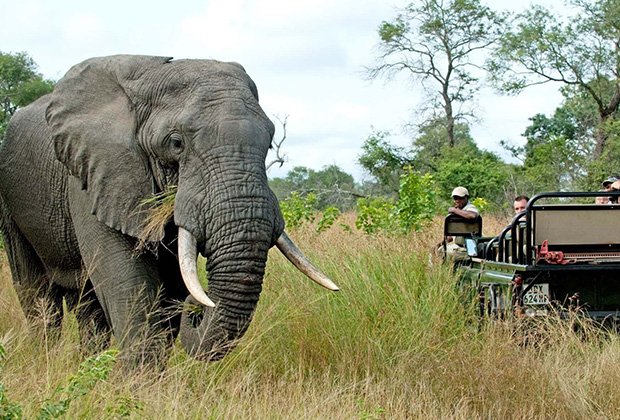
9-Day Northern Circuit And 4-Day Tanzania Safari
9-Day Northern Circuit and 4-Day Tanzania Safari.
View package details
9 Days Tanzania Wildlife Safari And Zanzibar Holiday: Mainland Island Bliss
This 9-day package blends a structured Tanzanian safari circuit with a relaxing Zanzibar stint, explaining travel logistics, park order, transfers, and where to expect wildlife...
View package details7 Days Tanzania Safari And Zanzibar Beach Holiday 2026-2027
7 Days Tanzania Safari and Zanzibar Beach Holiday.
View package details
7 Days Machame Kilimanjaro Climb And 5 Tanzania Safari
7 Days Machame Kilimanjaro Climb and 5 Days Tanzania Safari.
View package details7-Day Rongai Route And 3-Day Tanzania Safari
7-Day Rongai Route and 3-Day Tanzania Safari.
View package details
8-Day Lemosho Route And 4-Day Tanzania Safari
8-Day Lemosho Route and 4-Day Tanzania Safari.
View package details
8-Day Lemosho Route And 3-Day Tanzania Safari
8-Day Lemosho Route and 3-Day Tanzania Safari.
View package details8 Days Kilimanjaro Trek And 3 Tanzania Safari
8 Days Kilimanjaro Trek and 3 Days Tanzania Safari.
View package details
10 Days Northern Tanzania Safari And Nature Adventure 2026-2027
A concrete 10-day route through Northern Tanzania blending safari game drives with nature experiences, designed for easy logistics, realistic wildlife opportunities, and comfortable stays.
View package details5 Days Private Northern Tanzania Safari From Zanzibar: Mainland Circuit Plus
Private 5-day Northern Tanzania safari starting from Zanzibar, combining a mainland circuit with a Zanzibar transfer. Practical logistics, realistic safari aims, and flexible lodging...
View package detailsNo related package matches those filters. Clear one or more filters to see the other topic-matched options.



