
The 20 Days Ultimate Tanzania Kilimanjaro Safari and Beach follows a practical sequence: begin with a Shira route-style ascent of Kilimanjaro via Machame-like camps for gradual acclimatization, descend to a Northern Circuit safari in Arusha to Tarangire, Ngorongoro, and Lake Manyara, then finish with a relaxed coastal/Islands beach experience such as Zanzibar or a similar beach retreat. You will track day-by-day transfer logistics, lodge-to-lodge transitions, and realistic wildlife opportunities without guaranteeing sightings. Prices, departures, and exact hotel names require current availability confirmation from Climb 4 Africa.
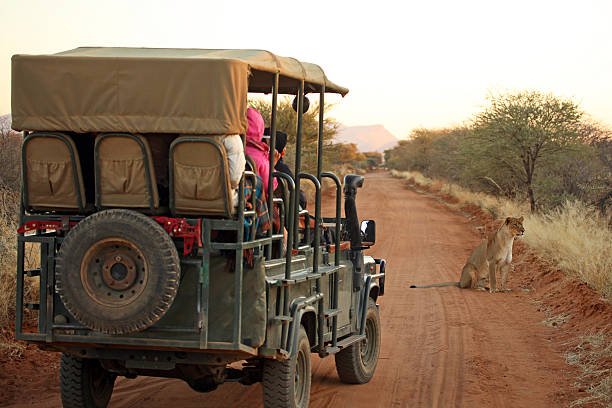

Day 1–2: Arrival in Arusha and briefing
Arrive at Kilimanjaro International Airport and transfer to a comfortable Arusha base. A private briefing with your Climb 4 Africa guide outlines gear checks, health considerations, and the sequence for acclimatization-focused days. The aim is a smooth transition into highland conditions and to align on timings for the Kilimanjaro climb and the upcoming safari phases.
Day 3–5: Kilimanjaro ascent – acclimatization on the approach
Begin with a controlled approach transition by road toward the gate region, selecting a route with staged camps and altitude acclimatization hangs. The plan emphasizes gradual altitude gain, hydration, and rest days built into the schedule. Expect varied scenery, from montane forest to heath zones. Your guide will calibrate pace, adjust day lengths, and manage expectations around the ascent schedule based on group fitness and acclimatization response.
Day 6–7: Summit attempt window and descent
The ascent culminates with a summit push when conditions and acclimatization markers are favorable. If weather or participant readiness suggests a slower pace, the itinerary adapts to a secure descent, ensuring safety and conservation of energy for the upcoming safari legs. After descending to Baranco or similar lower camps, you rest and prepare for the safari circuit.
Day 8–10: Tarangire or Lake Manyara safari – wildlife pacing
Drive to a focused safari corridor, selecting between Tarangire or Lake Manyara depending on seasonal wildlife movements. Expect elephants, pride viewpoints, and diverse birdlife, with game drives timed for optimum animal activity. Lodging is chosen for wildlife access, comfort, and quick transfers to the next park. Your guide provides practical tips for photography and respectful wildlife viewing without guaranteeing sightings.
Day 11–13: Ngorongoro Crater and highland scenery
A morning crater descent offers dramatic panoramas and a concentrated wildlife experience within the crater floor’s dense habitats. Afternoon tea breaks and a gentle afternoon drive back toward the surrounding highlands balance activity with rest. This segment emphasizes the contrast between crater ecology and savanna ecosystems, along with cultural insights from adjacent communities when appropriate.
Day 14–17: Northern Circuit finale – Serengeti variants
Choose a Serengeti-focused path that suits seasonal wildlife patterns and terrain. Options include central-plain concentrations or migratory-route sightings. The plan preserves daylight for longer game-viewing windows while maintaining comfortable drive times and reputable lodge choices. The emphasis remains on smart pacing, not guarantees, with clear expectations about wildlife behavior.
Day 18–20: Beach finale – Zanzibar or an equivalent coastal retreat
Conclude with a relaxation block on a pristine Indian Ocean coastline. Fly or drive to a beach destination, where you can unwind after the safari and Kilimanjaro elements. The final days cover optional water activities, cultural excursions, and downtime at a comfortable beachfront property. Your guide coordinates transfers, meals, and flexible activities to suit your energy levels and preferences.
Logistics and planning notes
- Accommodation alternates between well-located lodges and comfortable camp-style options designed for easy transfers and reliable services.
- Transfers between parks use a combination of private vehicle travel and scheduled flights where appropriate to optimize time and comfort.
- Acclimatization is integrated into the Kilimanjaro segment; the ascent pace is adjusted to group response and health considerations.
- Wildlife sightings cannot be guaranteed; the itinerary emphasizes realistic wildlife pacing and ethical viewing guidelines.
- Pricing, departures, and specific hotel or lodge names require current verification by Climb 4 Africa.
What to expect from booking with Climb 4 Africa
You’ll work with local experts who tailor the sequence to group capability, seasonal logistics, and practical travel needs. The planning process prioritizes safety, flexible pacing, and a coherent narrative across Kilimanjaro, safari circuits, and beach time. Booking decisions are guided by current availability, health considerations, and your preferred balance between adventure and relaxation.


Next steps
To move forward, contact Climb 4 Africa for a confirmed itinerary, departure windows, and current pricing. Expect a detailed day-by-day plan with hotel names, park routes, and transfer arrangements once availability is verified. This first installment lays out the logical sequence; the final version will reflect live options and seasonal realities.
Gap-Driven Addition: Practical Day-by-Day Booking Realities and Logistics for the Kilimanjaro–Safari–Beach Circuit
To empower readers who are evaluating a 20‑day itinerary, this expansion focuses on the concrete day-by-day sequencing that a bookable plan would typically present, without promising fixed departures, prices, or hotel names. The aim is to illuminate how a Climb 4 Africa program translates the geographic arc into practical, bookable segments with realistic transfer logistics, pacing, and acclimatization checks that influence daily itineraries.
Starting from Arusha after the initial briefing, the on‑the‑ground sequence favors a steady, low‑risk approach to altitude while maintaining momentum toward the safari circuits. The Kilimanjaro approach days (Days 3–5) are designed with built‑in buffer days to absorb weather or health variations. In practice, guides monitor resting heart rate, hydration, and symptom checks at each camp transition. If a participant shows slower acclimatization indicators, the team can insert additional rest stops, shorten trekking segments, or swap a strenuous day for a scenic, lower‑altitude alternative, all while preserving the overall timeline. This incremental pacing is essential to avoid overexertion before the subsequent safari legs.
Transfer logistics between Arusha and the Kilimanjaro gate region typically involve a private vehicle transfer with a staggered departure window to accommodate group readiness and potential early morning flight or road constraints. The plan anticipates a cumulative driving leg of several hours to reach the gate area, followed by acclimatization acclimatization hikes or short acclimation treks near the gate to prime the group for higher elevations. Lodging en route blends comfort with accessibility, ensuring quick transfer readiness the following morning and minimizing fatigue from long initial legs.
On the Kilimanjaro ascent (Days 3–5), the chosen route is described as a Machame‑style progression, focusing on a circuit of camps that gradually increase altitude while presenting a variety of ecosystems—from montane forests to heath lands. Because exact camp names are subject to operator availability, the itinerary remains flexible, with each day’s distance, altitude gain, and camping location coordinated the night before by the guide. Practical details that visitors commonly inquire about include: daily walking times (commonly 4–7 hours depending on group fitness), anticipated altitude steps (often a few hundred meters per day during acclimatization phases), and contingency plans for sudden weather changes. The bookable section typically offers a curated list of approximate drive times between the lodge base and the gate and the camp transitions, without asserting fixed campsite identities until availability is confirmed.
Days 6–7 center on the summit‑push window and descent, where the tight coordination between acclimatization status and weather windows becomes critical. In a bookable itinerary, these days explicitly note: the preferred summit-opening window is contingent on stable nighttime temperatures, limited wind, and the group’s collective acclimatization signals. If the team determines the timing isn’t optimal, the plan pivots to an extended descent with enhanced safety margins, preserving the option for a successful summit on a later attempt within the allowed trekking schedule. After descending, travelers transition to a lodge or mid‑range camp‑style accommodation chosen for efficient access to the safari regions, with the next day’s drive or flight arranged the evening prior to minimize morning delays.
Safari days (Days 8–17) are built to reflect practical route sequencing rather than guaranteed wildlife sightings. Bookable itineraries communicate the logic behind park selection—Tarangire versus Lake Manyara at the masthead of this segment—based on seasonal elephant concentrations, river crossings, and the likelihood of predator activity. The driving routes between parks are mapped to yield optimal viewing opportunities within the constraints of daylight and road quality. Lodging choices emphasize proximity to main wildlife corridors while maintaining comfort and travel efficiency. It is common for guides to adjust game drive start times by 30–60 minutes to align with animal activity patterns, particularly in early morning and late afternoon windows. This flexibility is embedded in the day‑to‑day planning to sustain energy across multiple long days of safari life.
Ngorongoro (Days 11–13) is presented with a practical descent into crater floors, including a note on vehicle access, park fees, and the potential for altitude‑related fatigue after earlier days. The bookable plan normally allocates a crater descent as a half‑day activity, followed by an afternoon drive around the highland rim and a restful evening at a nearby lodge. Because crater traffic and wildlife concentrations can vary, the day’s timing remains adjustable within the permitted park schedule, avoiding rigid hour-by-hour commitments that could compromise safety or conservation protocol.
Northern Circuit finale across Days 14–17 is articulated to accommodate Serengeti variants depending on migration timing, predator activity, and terrain suitability. The bookable itinerary suggests a choice among central plains, short‑grass corridors, or longer drives toward dispersal areas, with careful attention paid to daily drive durations, potential hot or dusty conditions, and vehicle capacity. Guiding teams will communicate practical contingencies, including contingency lodging options if a given route becomes less accessible due to road conditions or wildlife congestion at peak hours. The emphasis remains on sustainable viewing and minimizing disruption to wildlife, rather than promising specific sightings.
Days 18–20 shift to the coastal retreat, with travel logistics that typically involve a domestic flight from a northern airstrip or a private transfer to a southern coastal gateway, followed by a relaxed beachfront schedule. Bookable plans usually outline a menu of optional activities—spice tours, snorkeling excursions, ceremonial village visits—arranged through the coastal property or trusted local operators. While operators may list recommended water activities, the itinerary clarifies that participation is optional and aligned with energy levels after the inland exertions, with safety briefings and equipment provisioning handled by the beach resort partners.
Throughout the entire sequence, the document emphasizes accurate, real‑world constraints: no guarantees of wildlife sightings, variable weather, and the need for flexibility in transfer arrangements. The booking process centers on transparent communication about availability, the need to confirm lodge or camp options closer to departure, and contingency planning for unforeseen disruptions. By foregrounding day‑by‑day practicality and logistics, this addition helps readers assess how a 20‑day Kilimanjaro–safari–beach itinerary translates into a live, bookable experience rather than a fixed pathway. It also clarifies how to ask for adjustments from the operator to suit individual pacing, health considerations, and comfort preferences while preserving the overall journey arc.
Practical Day-by-Day Booking Realities: Concrete Sequencing, Transfers, and Lodging Realities
This section drills into the bookable, day-by-day mechanics that travelers commonly encounter when assembling the 20-day Kilimanjaro–Safari–Beach circuit with a focus on Kilimanjaro acclimatization, safari transitions, and coastal extensions. It expands on how a planner negotiates route choices, lodge-to-lodge transfers, and the interplay between land and air segments without promising fixed departures or guaranteed wildlife outcomes.
1) Kilimanjaro approach days: pacing, route options, and acclimatization buffers
The early section of ascent logistics often centers on a Machame-like progression with staged camps to support gradual altitude exposure. In a bookable plan, you’ll typically see a choice among routes with similar acclimatization logic, such as a first-night overnight near the park boundary, followed by successive camps with daily trekking blocks of 4–6 hours, then a brief rest day before the summit push. A key practical detail is the expected alternation between longer uphill days and lighter days that allow the body to adapt—this is the difference between a technically safe schedule and a time-pressure itinerary. Booking notes frequently emphasize that day-to-day lengths are adjustable by the guide based on group strength, altitude response, and weather. Your final accepted plan will state approximate drive times from your Arusha base to the gate region, the vehicle type (4×4 with pop-top or mid-size overland vehicle), and lodging between acclimatization camps that reduces total daily drive time when possible.
2) Transitioning to safari legs: transfer logic and lodge sequencing
After descending from the mountain, the next bookable block commonly pivots to safari rotation through Tarangire, Lake Manyara, or Ngorongoro depending on season and permits. Practical day-by-day planning outlines the sequence of forested, savannah, and crater floor drives, with cautious phrasing around wildlife sightings. Transfers to safari lodges are typically a mix of private road travel and light air movement for longer legs; the plan clearly indicates transfer windows that minimize fatigue, particularly after a high-altitude accomplishment. Lodges and camps are positioned to balance drive times with opportunities to settle and recover between game drives, not to maximize consecutive long drives. Expect explicit notes on vehicle capacity (usually 6–8 guests per guide-led vehicle), inclusive meals, and what activities are offered on rest days, such as optional short escorted village visits or sunrise photography sessions nearby.
3) Coastal/Islands extension: flight timing, terminal transfers, and beach logistics
The final segment to Zanzibar or an alternative coastal retreat is prepared as a separate, bookable block that hinges on domestic flight schedules or private transfers from a northern airstrip or southern gateway. The plan will specify approximate flight times, check-in buffers, and the possibility of delays requiring flexible rebooking. Beach properties are chosen for safety, water-sport provisioning, and reliable transfer times, with clear guidance about optional activities such as spice tours, snorkeling, or cultural experiences that can be added or dropped based on energy levels after inland travel. Importantly, the bookable plan communicates that coastal days are designed for rest and gradual activity rather than intense trekking, and it avoids promising specific sea conditions or guaranteed coral sightings, which are weather-dependent.
4) Contingency and flexibility language for a live itinerary
A core feature of a bookable Kilimanjaro–safari–beach itinerary is explicit contingency language. The plan will describe ranges for driving hours (for example, 3–6 hours on a given day, depending on road conditions), potential lodgings to be swapped if a property is overbooked or temporarily unavailable, and alternative route options within the same geographic corridor. It will also outline how your guide will handle a slower acclimatization response, including optional rest days or modified summit pacing. The emphasis remains on safety, comfort, and wildlife-watching opportunities while preserving the overarching arc of the journey. When you receive the final, confirmed itinerary, you should expect a near-term lodging and vehicle allocation, with a note that certain names, accommodations, and flight timings may change due to availability. This transparency helps you avoid misaligned expectations and prepares you for practical adjustments before departure.
5) Booking language to avoid overcommitment while preserving value
In actual bookable documents, expect calibrated language such as “subject to availability,” “alternative route options may apply,” and “transfer times are estimates.” The page you’ll receive should avoid fixed hotel names, pricing, or guaranteed wildlife sightings; it should instead present a menu of viable options with a transparent rationale for each choice (distance to parks, altitude considerations near acclimatization camps, and typical wildlife-activity windows for the planned safari corridor). When reviewing the final draft, check that the day-by-day entries reflect realistic drive times, altitude-rest days, and relief corridors for weather delays. If a specific lodge or camp is unavailable, the operator should provide a comparable substitute with a similar level of service and distance to key wildlife habitats. This approach keeps the itinerary credible and navigable in the real world of travel logistics.
6) What you should obtain before final confirmation
Before you sign off on the itinerary, request a consolidated day-by-day outline that lists: the exact gate or airstrip for each transfer, the vehicle type and number of guests per vehicle, the expected bed-night allocations by lodging category, approximate driving or flight durations, and any mandatory acclimatization days that could shift your safari start times. Confirm the altitude expectations on Kilimanjaro days, the order of safari parks, and whether any nights are grouped in a single lodge cluster to minimize daily transfers. With this level of granularity, you can assess pacing, comfort, and energy requirements against your personal health considerations and travel preferences, while keeping the booking grounded in verifiable logistics rather than aspirational outcomes.
Gap‑Driven Question: What Happens If Kilimanjaro Acclimatization Thresholds Don’t Align with Safari Timing?
One practical concern readers frequently raise when mapping a 20‑day Kilimanjaro–Safari–Beach circuit is how to handle a slower acclimatization response during the Kilimanjaro ascent without derailing the entire sequence toward Tarangire, Ngorongoro, and the Northern Circuit safari windows. The bookable plan must account for the biological realities of altitude gain, especially on a Shira‑style route with staged camps and deliberate rest days. The answer isn’t a generic pause; it’s a concrete set of contingency steps that preserves safety, maintains wildlife‑viewing potential, and minimizes cascading transfers.
First, the framework hinges on explicit acclimatization buffers built into the day‑by‑day logic. If a participant shows signs of prolonged or pronounced susceptibility to altitude, such as persistent headaches, dizziness that limits daily activity, or slowed recovery after exertion, guides typically enact a staged response: temporarily extending a lower‑height camp stay by 12–24 hours, increasing hydration targets (often to 4–5 liters per person per day when practical), and re‑calibrating the pace of summit‑day attempts. In a bookable itinerary, these adjustments are not treated as optional add‑ons but as explicit, pre‑planned branches that preserve core sequencing while safeguarding participant safety. This means the Kilimanjaro portion could shift by one to two days, with a corresponding but still feasible re‑timing of the subsequent safari block to occur after a safe buffer period and weather‑permitting flight windows.
Second, the transfer architecture from Kilimanjaro to the safari lodges remains robust under acclimatization delays. The plan assumes a blend of road transfers and a few optional domestic flights where weather or terrain makes ground travel impractical. When acclimatization slows down the ascent, the itinerary can pre‑stage a flexible transfer scenario: if you remain on the lower slopes longer, the following safari starts can be adjusted by using shorter driving legs between Arusha and Tarangire or Lake Manyara on the initial shift; if the delay compresses the window before Ngorongoro, the operator can reallocate a private vehicle to minimize backtracking and preserve the crater day as the schedule permits. In practice, this means a bookable plan would present two or three guardrail options for the core safari days, with estimated driving times adjusted in the final draft depending on the day of departure.
Third, the lodging and park‑jam logic remains compatible with late arrivals. In Tanzania, lodge clusters near Arusha, Serengeti access points, and Ngorongoro crater rim towns are typically within a short flight or drive of the next phase. A slower Kilimanjaro ascent does not necessitate scrapping a lodge‑to‑lodge rhythm; instead, the final itinerary would list alternative accommodations of comparable class and proximity so that the overnight sequence continues with minimal disruption. For readers, this means the bookable document would avoid fixed lodge names and insist on substitutions that maintain similar drive times, altitude relief, and access to key wildlife corridors, ensuring that the safari experience still aligns with optimal animal activity windows whenever possible.
Fourth, wildlife‑viewing opportunities remain a function of timing rather than guaranteed sightings. Acknowledge in the plan that weather and pace fluctuations can shift the hour‑by‑hour opportunities. The bookable plan should include adjustable game‑drive pacing blocks, such as shifting from early morning to late morning on the first safari day if arrival is delayed, or allocating a marginally longer Siesta period after a late Kilimanjaro finish to ensure travelers aren’t overly fatigued during prime wildlife hours. The practical takeaway for readers is to view the draft itinerary as a living document: a well‑structured scaffold that accommodates ascent variability while preserving the intended arc of Arusha base, Kilimanjaro acclimatization, then a high‑velocity northern safari corridor and a relaxed beach finale.
Fifth, cost and availability pragmatics underlie these contingencies. A properly bookable version would explicitly state that all adjustments are subject to guide availability, park permits, and local flight schedules, with alternative routes and lodging substitutions provided as a matter of course. Rather than promising fixed rates or guaranteed lodge names, the document should offer a logic map: a defined set of acceptable substitutions at each transition point, clearly linked to distance to parks, altitude considerations near acclimatization camps, and typical wildlife activity windows. This protects readers from overcommitting to a single path while maintaining transparency about the practical realities of planning a multi‑phase Tanzania itinerary.
In short, if acclimatization lags behind the standard plan, a bookable Kilimanjaro–Safari–Beach circuit should present a structured, non‑linear option set rather than a rigid schedule. The reader benefits from clarity about how the ascent affects subsequent transfers, which lodges or cluster alternatives are acceptable, and how wildlife viewing can be maintained within a realistic energy budget. Documenting these contingency rails in the final itinerary enables informed decisions and reduces surprises while keeping the journey coherent from Kilimanjaro up to the coastal finale.
Practical Gap-Discovery: Acclimatization Variability and Safari Timing Alignments (Bookable Day-by-Day Reality)
Readers commonly arrive with a question that sits at the intersection of Kilimanjaro acclimatization and the tempo of a Northern Circuit safari: what happens if the pace of ascent shifts the downstream wildlife viewing opportunities, and how should a bookable plan accommodate those shifts without compromising safety or the overall arc of the itinerary?
This section delivers a concrete, bookable perspective that stays grounded in the reality of Tanzania’s geography, altitude psychology, and park dynamics. It does not promise fixed wildlife sightings or rigid departure slots; instead, it details how a responsible, day-by-day plan preserves the intended sequence—Arusha base, Kilimanjaro acclimatization, then a high-velocity northern safari corridor—while embedding flexible transfer windows, adaptable lodging blocks, and contingency options that protect both traveler energy and wildlife viewing potential.
First, the acclimatization window on Kilimanjaro is treated as a probabilistic variable rather than a fixed milestone. A bookable plan explicitly maps multiple pace options for each acclimatization day, with transparent triggers (for example, heart-rate thresholds, perceived exertion scales, and hydration markers) that invite the guide team to adjust exertion levels. Practically, this means the itinerary specifies a range of daily hiking distances and camp elevations rather than a single target. In turn, this reduces fatigue risk and preserves alertness for subsequent safari drives, which in many parks are most productive in early mornings or late afternoons when temperatures are cooler and animal activity rises.
Second, the transfer choreography between Kilimanjaro and Arusha-based safaris is designed around two core principles: minimizing backtracking and preserving predictable drive times. Each potential transfer corridor is pre-scoped for alternative routes, with documented possibilities such as switching an overland drive for a short charter flight when weather or road conditions threaten time efficiency. The bookable plan needs a decision tree: if the Kilimanjaro finish window slides by one or two hours, the next lodging cluster remains within reasonable driving distance; if a longer delay occurs, a backup lodge cluster with similar amenity levels becomes the default, ensuring that no day is wasted and that the safari opening window remains intact as much as possible.
Third, lodging substitutions are pre-evaluated against three axes: proximity to park gates, access to wildlife-productive habitats, and altitude-related comfort for post-climb recovery. A robust bookable version will present at least two viable lodge or camp alternatives per transition, each with a documented maximum driving time to the next park or gate, and a note on services available (e.g., check-in flexibility, meal timing alignment with early wildlife drives, and hot water accessibility for post-climb recovery). This approach avoids lock-in to a single property and enhances the traveler’s ability to respond to practical realities without sacrificing the itinerary’s overall spirit.
Fourth, the wildlife-viewing cadence is treated as a flexible, timing-driven objective rather than a guaranteed sequence. The plan incorporates adjustable game-drive pacing blocks, with explicit language about how weather, group energy, and arrival timing influence the daily window. For instance, if arrival at a safari lodge is delayed, the plan allows a mid-morning rest period followed by a shortened but quality afternoon drive rather than a skipped drive. Conversely, if a late Kilimanjaro finish is anticipated but the group is still capable, the plan preserves the most productive light for sunset wildlife activity by shifting the following day’s schedule rather than canceling drives entirely. This preserves ecological timing without locking travelers into a rigid timetable.
Finally, a transparent cost-and-availability caveat is embedded. A bookable itinerary distinguishes between plan sections that can flex (acclimatization pacing, lodging substitutions, transfer modes) and those that require confirmation (park permits, guide allocations, domestic flights). Each transition includes a clearly labeled contingency kit: a list of acceptable substitutes for lodging, a preferred alternative transfer option, and the decision cutoff points (by date or by operational constraints) that trigger the switch. This clarity reduces the risk of last-minute surprises and empowers clients to make informed choices in collaboration with their operator.
In sum, the actionable takeaway for readers is that a truly bookable Kilimanjaro–Safari–Beach circuit needs to embrace acclimatization variability, design flexible transfer scaffolds, maintain adaptable lodging portfolios, and frame wildlife opportunities as opportunistic rather than guaranteed. This gap-discovery approach preserves the integrity of the itinerary’s arc—from Arusha through Kilimanjaro acclimatization and onto a high-velocity northern safari, finishing with a restorative beach block—while equipping travelers with practical, implementable options should day-to-day realities diverge from the nominal plan.
Gap-Discovery: Aligning Kilimanjaro Acclimatization Thresholds with Flexible Safari Timing — A Practical Addendum
Readers who study the 20‑day Kilimanjaro–Safari–Beach circuit often focus on the mechanics of ascent or the catalog of parks. A critical practical gap, however, is how to preserve the integrity of acclimatization while still delivering meaningful safari opportunities when day-to-day realities on the ground alter pacing. This section translates the conceptual acclimatization window into concrete, bookable sequencing logic that operators and travelers can negotiate without overpromising wildlife outcomes.
Key principle: acclimatization is a physiological process, not a timetable. The plan assumes a cautious approach to higher altitudes, with staged rest days and optional slower progress if signs of altitude stress appear. The downstream safari legs must therefore be designed with buffers that accommodate variable Kilimanjaro pacing while retaining core wildlife-viewing intentions. The following practical considerations help convert this principle into actionable booking realities.
1) Contingent transfer blocks between Kilimanjaro and safari hubs — Rather than locking a fixed transfer on a single calendar day, booking templates should include two or three close alternatives for the transition window from Machame-like acclimatization days to a northern safari base (e.g., Arusha or Moshi corridor). For example, if the ascent completes ahead of schedule but the group feels fatigued, an optional extra rest morning paired with a late afternoon drive can preserve wildlife activity without pressuring an early departure. Conversely, if acclimatization remains robust but the group finishes Kilimanjaro with extra energy, a marginally earlier transfer could find a longer first safari day in Tarangire or Lake Manyara with longer afternoon light for game viewing. The implementation requires explicit opt-in language in the day-by-day plan and a pre-agreed spare-height transfer option (private vehicle or light aircraft) with a defined cutoff time for choosing among alternatives.
2) Lodging portfolios with adaptive siting and transfer timing — Bookable sequences should present a small pool of lodging options at each safari node that are within reasonable drive ranges and have similar service levels, allowing the operator to reallocate between properties if Kilimanjaro pacing shifts. The actual inventory might range from standard lodge rooms to mid-range camps with similar meal plans and accessibility. The important detail is not the specific hotels, but the existence of a flexible lodging ladder that preserves drive times and minimizes long reconnection periods after a day of altitude exertion. When a shift occurs, the guide team can pivot to a nearby property with equivalent logistics, reducing the risk of a missed or compromised safari window due to unexpected delays.
3) Safari-day pacing blocks anchored to daylight and rest needs — The usual safari cadence benefits from early-morning drives followed by a rest period and a late-afternoon or sunset drive. If Kilimanjaro pacing pushes the team toward a shorter rest day before the first safari drive, the plan should explicitly accommodate a shorter daytime break with a lighter midday activity (e.g., a cultural stop or a relaxed poolside break) rather than skipping the drive entirely. For later adjustments, the plan should outline how to compress or expand successive game-drive blocks while maintaining safety and driving fatigue thresholds. This preserves the sense of momentum without compromising wildlife opportunities, and it helps travelers understand that variability is part of an integrated adventure rather than a broken schedule.
4) Contingency permits, flights, and schedule margins — A bookable plan should clearly separate fixed requirements (park permits, domestic flights, guide allocations) from flexible transitions. The latter should include defined decision points (by date or by operational constraints) that trigger substitutions, such as switching to a different park circuit or re-routing to a closer lodge. Contingency governance reduces last-minute surprises and yields a more transparent risk profile for travelers who rely on coherent sequencing rather than rigid timetables.
5) Communication and decision points — The operator’s client briefings should explicitly spell out the decision framework for acclimatization-related variability. This includes expected indicators (cumulative ascent, resting heart-rate trends if available, perceived fatigue) and the corresponding recommended adjustments to day-by-day plans. By establishing soft thresholds and explicit options, the itinerary remains adaptable without appearing unprofessional or uncertain.
In practice, a bookable Kilimanjaro–Safari–Beach circuit with this gap-discovery lens would present a core Kilimanjaro acclimatization block, followed by a safari sequence with clearly labeled alternative days and lodging options. The accompanying language would avoid promising specific wildlife sightings and would instead emphasize the probability-adjusted windows for optimal game viewing, given weather, animal movements, and the group’s energy levels. This approach respects the integrity of acclimatization science while delivering a realistic, responsive experience that travelers can plan around with confidence and clarity.
Related Guides and Packages
Check Availability for 20 Days Ultimate Tanzania Kilimanjaro Safari And Beach 2026-2027
Ready to compare dates, prices, and the best option for your group? Send the package name and travel month so the team can reply with a clear quote, availability, and what is included.
17 Days Kilimanjaro Climb Safari And Zanzibar Beach 2026-2027
17 Days Kilimanjaro Climb Safari and Zanzibar Beach.
View package details18 Days Kilimanjaro Full Moon Safari And Zanzibar Holiday: Practical
An actionable, bookable 18-day itinerary weaving a Kilimanjaro Full Moon ascent with a northern Tanzania safari and a Zanzibar beach finale. Practical transfers, timing, and non-guaranteed...
View package details21 Days Tanzania Grand Adventure – Kilimanjaro Safari And Zanzibar 2026-2027
21 Days Tanzania Grand Adventure – Kilimanjaro Safari and Zanzibar.
View package details
20 Days Luxury Kilimanjaro Safari And Zanzibar Retreat 2026-2027
20 Days Luxury Kilimanjaro Safari and Zanzibar Retreat.
View package details
18 Days Kilimanjaro Trek Budget Safari And Zanzibar 2026-2027
18 Days Kilimanjaro Trek Budget Safari and Zanzibar.
View package details17 Days Kilimanjaro Group Climb Safari And Zanzibar 2026-2027
17 Days Kilimanjaro Group Climb Group Safari and Zanzibar.
View package details
20 Days Northern Circuit Kilimanjaro Safari And Zanzibar 2026-2027
20 Days Northern Circuit Kilimanjaro Safari and Zanzibar.
View package details
19 Days Kilimanjaro Trekking Safari And Zanzibar 2026-2027
19 Days Kilimanjaro Trekking Safari and Zanzibar.
View package details18 Days Kilimanjaro Safari And Zanzibar Holiday Package 2026-2027
18 Days Kilimanjaro Safari and Zanzibar Holiday Package.
View package details
16 Days Kilimanjaro Serengeti Safari And Zanzibar 2026-2027
16 Days Kilimanjaro Serengeti Safari and Zanzibar.
View package details15 Days Kilimanjaro Safari And Zanzibar Holiday 2026-2027
15 Days Kilimanjaro Safari and Zanzibar Holiday.
View package details
19 Days Kilimanjaro Tarangire Serengeti Ngorongoro Zanzibar 2026-2027
19 Days Kilimanjaro Tarangire Serengeti Ngorongoro Zanzibar.
View package detailsNo related package matches those filters. Clear one or more filters to see the other topic-matched options.



