
In 14 days you’ll climb Kilimanjaro using a well-paced, acclimatization-friendly route and then explore Northern Tanzania’s wildlife corridors, with a practical sequence that prioritizes safety, logistics, and realistic safari opportunities over empty promises of sightings. The plan staggers ascent days to build acclimatization, followed by a multi-park safari circuit that balances driving time with game viewing chances. Details below map the real route, lodging types, and the practical decisions you’ll face along the way. Availability and exact departure timings should be confirmed with Climb 4 Africa at booking.
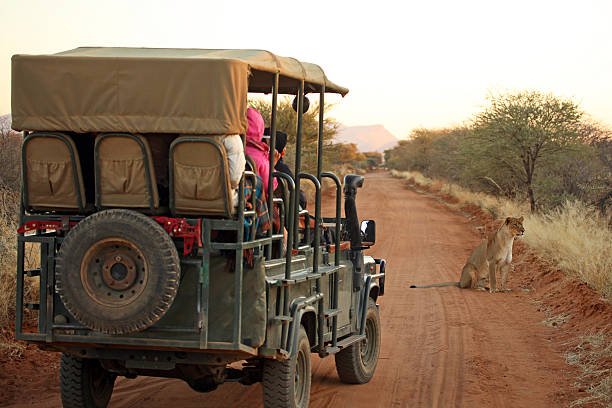
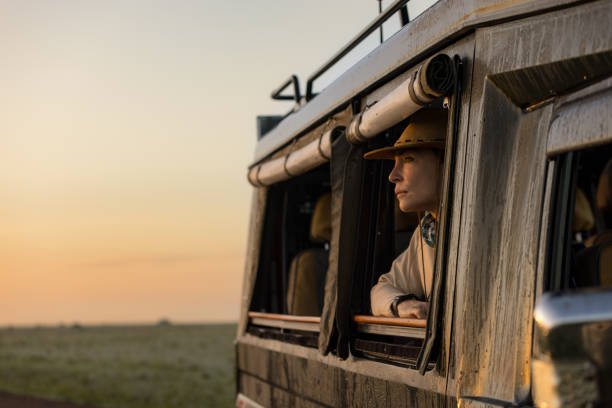
Day 1–2: Arrival in Arusha and briefing, transfer to Kilimanjaro foothills region
Arrive at Kilimanjaro region gateway. You’ll meet your guide team, complete gear checks, and receive a detailed briefing on the upcoming acclimatization strategy. Depending on arrival, a light acclimatization walk or a local cultural visit near your lodge can help reset jet lag and set expectations for the trek. Overnight in a comfortable lodge or mid-range hotel close to the Mount Kilimanjaro National Park entrance.
Day 3: Altezza Gate to Machame Gate start point
Today marks the official start of the ascent on a route variant aimed at gradual acclimatization. Transfer from a base lodge to Machame Gate area; greet porters, chefs, and your climbing crew. After registration, you begin with a steady ascent through montane forest, watching for birds and unique plant life. Overnight in a first camping site or simple mountain hut depending on the chosen variant and group pace.
Day 4: Forest to Moorland transition – acclimatization emphasis
As you ascend out of forest canopy into higher moorland zones, you’ll feel cooler air and thinner trails. The day is structured to pace elevation gain and encourage a light afternoon acclimatization walk around the campsite. Meals are crafted to support energy without heavy heaviness, and you’ll sleep early to support next-day progress.
Day 5: High alpine approach and rest at acclimatization camp
Longer trekking day with purposeful breaks to allow your body to adapt. You’ll see dramatic changes in scenery and encounter dramatic vistas. The camp setup prioritizes warmth and dry sleeping conditions, with hot drinks available after a chilly evening wind. Your guide will monitor for signs of altitude discomfort and adjust plan if needed.
Day 6: Summit push window and descent to Mweka base camp
A high-point day that typically involves a predawn start, steady climb toward the summit approach, and a careful return to a lower rest point for the night. The descent back toward Mweka base camp emphasizes safety and conservation discipline, with a late-day camp or lodge stay. You’ll debrief with guides on the plan for the next day’s transition to Tanzania safari.
Day 7: Descent to Kilimanjaro National Park gate and transfer to Arusha or Nnondi lodge
Finish the climb with a final descent to the park gate, where you’ll collect your summit certificates (if awarded) and take a celebratory moment before transferring to a comfortable lodge for rest and recovery. The drive to a safari gateway town begins here, often returning you to Arusha region or a nearby lodge for the night.
Day 8: Drive to Tarangire National Park – first safari day
From your base, a scenic drive into Tarangire greets you with iconic baobabs and a less-crowded game-viewing experience. A mid-morning game drive focuses on elephant herds and large ungulates, with the possibility of tree-climbing lions in season. Overnight in a lodge or luxury tented camp near Tarangire’s edge to minimize daily drive times.
Day 9: Tarangire to Lake Manyara – diverse birdlife and forest-savannah mix
Early morning game drive or a daybreak safari cruise-like activity on the lake edge, followed by a transfer to Lake Manyara. The park’s mix of forest, swamps, and lake-edge habitats supports a variety of mammals and birdlife. Overnight at a lodge adjacent to the park or in a nearby village area with easy access to the gate for the next day.
Day 10: Serengeti plains or Ngorongoro option – choice based on logistics
You’ll decide between a northern Serengeti rim drive (good for wider savannah scenes and potential wildebeest movements) or a Ngorongoro highland area transfer for closer crater-style fauna and stunning landscapes. Expect a full-day safari with picnic lunch options, returning to a tented camp or lodge as the evening light dips. The choice depends on permits, lodge availability, and the season you’re traveling in.
Day 11: Full-day safari – Serengeti or Ngorongoro ecosystem traverse
Early morning drives often yield the best light and animal activity. Depending on the chosen route, you’ll continue through open plains, kopjes, and river valleys, always with your guide ready to adjust tracks for best wildlife viewing opportunities within realism and safety. Overnight in a lodge or camp that echoes the day’s landscape.
Day 12: Ngorongoro Highlands to Lake Eyasi or nearby wildlife corridor
A lighter travel day aimed at balancing wildlife experiences with travel comfort. Crossing into different habitats provides a different set of photographic opportunities and cultural experiences with local communities. Overnight in a comfortable lodge that supports sustainable tourism practices.
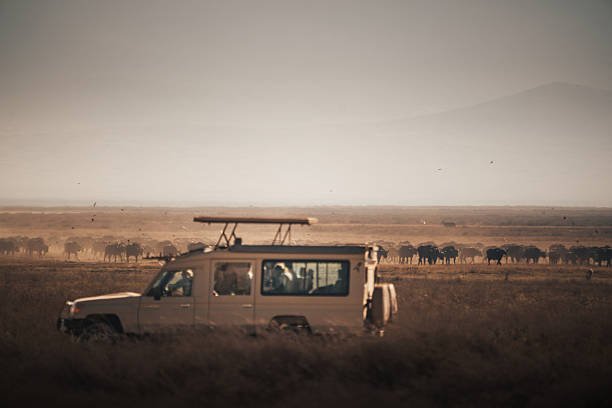
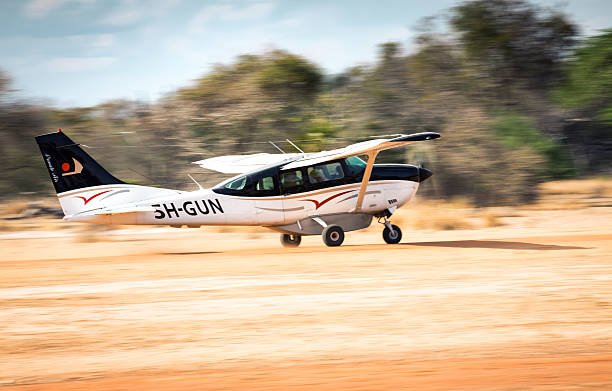
Day 13: Return toward Arusha – final game-viewing stop and transfer prep
A relaxed final safari morning near a preferred park area, followed by a progressive drive toward Arusha or its surroundings. You’ll review the trip’s highs and practical takeaways for future travel planning, and the team will help arrange a comfortable final night close to the airport or transport hub. Overnight in a mid-range hotel near the city.
Day 14: Departure from Kilimanjaro region
Depending on flight times, you’ll have a relaxed breakfast and a final gear check with your guides. Transfers to Kilimanjaro International Airport or to your next destination in Tanzania are arranged by the operator, with a clear handover of documents and a summary of the trip’s practical notes for future adventures.
Key planning considerations for this 14-day combination
- Acclimatization logic: The itinerary spaces ascent days to reduce altitude-related risks while keeping overall pace feasible for most fit travelers.
- Route variants:
Day 2–3: Transit logistics, acclimatization pacing, and gate transfer nuances
With the formal climb window still several days away, Day 2–3 in this itinerary serves as the architectural spine of the Kilimanjaro portion, translating expectations into a reliable, lodge-to-gate rhythm that preserves acclimatization integrity. Since operator practices vary, the following sequence outlines pragmatic, non-assertive steps that align with common field norms and emphasize safety, pacing, and transparent transition points rather than guaranteed schedules.
Day 2 typically begins in Arusha or a nearby base hotel, where the group reconvenes for a final gear check, a compact briefing review, and a ceremonial distribution of the final trekking permits. This afternoon offers a controlled acclimatization walk inside a lower-altitude, forested area near the foothills—often a gentle 2–4 kilometer loop with a modest elevation gain. The goal is to engage the body in movement without triggering excessive fatigue, while also allowing time for participants to adjust to higher humidity, drier air, and a slightly cooler climate at altitude. Lunch is light and hydrating, with additional time allotted for equipment checks, distribution of trekking poles, and a quick Q&A on the day’s potential questions about altitude symptoms and safety protocols.
In the evening, the team reviews the day’s observations: boot-wear and lacing routines, water-purification habits, and the preferred pace for the upcoming multi-day ascent. This is also a critical window to confirm any personal medical considerations, food preferences, or altitude-related experiences that could influence the subsequent days’ accommodation choices or rest durations. Overnight lodging is typically situated within a short transfer radius of Kilimanjaro National Park’s gate area, chosen to minimize early-morning drive times and to provide a predictable sunrise departure pattern for Day 3.
Day 3 marks the transition into Machame Gate–style access, yet the itinerary deliberately preserves flexibility. The transfer to the gate is scheduled to occur after a structured breakfast, ensuring all climbers leave with fully packed packs and weather-appropriate layers. Encounters with the climbing crew—porters, cooks, and guides—occur at the gate where registration processes are completed, and a short briefing reiterates safety signals, pace expectations, and contingency plans for delays caused by weather or trail conditions. From the machine-like efficiency of the gate, the group embarks on the ascent through montane forest. The initial stretch is often shaded and humid, with a chorus of avian species and an understory that rewards careful footing and attention to footing. Porters and guides maintain a steady cadence, encouraging a sustainable tempo that aligns with the body’s gradual acclimatization needs. If the group progresses quickly, short, optional side observations—such as identifying endemic mosses or noting unusual insect life—can provide a light cognitive offset to the physical exertion without compromising the day’s core objective: a controlled, incremental climb that sets a healthy pace for higher camps ahead.
Besides the trekking itself, Day 2–3 also foreground logistics that readers may find useful for planning: the potential for Mweka or Machame-style camps to alternate depending on group size and weather windows, the variety of lodging options adjacent to park gates, and the typical meal cadence. Understanding these micro-decisions helps readers evaluate how the overall itinerary maintains safety, consistency, and mental readiness for the demanding days that follow. Readers should be aware that exact gate times, vehicle capacities for transfers, and campsite allocations depend on the operator’s current contracts and forest authority permits; therefore, the narrative deliberately refrains from asserting fixed times or guaranteed placements, instead describing the decision framework travelers should anticipate when confirming their bookings.
Addressing the Practical Gap: Managing Variability in Day-by-Day Logistics and Altitude Adaptation for 14 Days Kilimanjaro Trek and Northern Tanzania Safari
Readers often wonder how an operator negotiates the unpredictable elements that influence a 14-day Kilimanjaro ascent paired with a multi-park safari circuit. The most valuable clarification lies in the real-world variability of days that are not fixed by fixed times or guaranteed campsite allocations. This section adds a practical, booking-friendly lens to the existing outline, focusing on how groups, guides, and porters adapt to weather, trail conditions, and altitude while preserving the integrity of acclimatization pacing and safaris.
First, the acclimatization rhythm is rarely a single linear climb. Variability emerges in the order and duration of acclimatization rests, which are responsive to the group’s collective response to altitude. For example, if a morning ascent into mule-friendly moorland shows signs of fatigue—shortness of breath, persistent headaches, or unusually slow pace—the guide team may implement an extended midday break at a designated viewpoint or a shorter afternoon hike. This flexibility preserves the daily elevation budget while preventing overexertion and supports the long-term goal of reaching the summit during the window that suits the group’s physiology, often aligning with favorable weather patterns rather than a fixed schedule.
On Day 3, the transfer to Machame Gate area becomes a logistical nexus rather than a rigid start time. Weather or traffic delays at the gate, or a late-arriving porters’ convoy, can shift camp setup by one to two hours. The core guarantee remains: the group will begin trekking with a transparent safety brief, proper gear checks, and a pace calibrated to the slowest member’s comfort. If delays occur, the crew leverages short, on-trail acclimatization pauses that do not add unnecessary fatigue but maintain the day’s elevation profile. This approach minimizes the risk of cram-accidents and preserves the mental readiness of climbers who are sensitive to long days and cumulative fatigue.
Day 4’s forest-to-moorland transition often proves the most visually dramatic, yet the day’s success hinges on trail conditions, which can shift with rainfall. When muddy tracks or fog reduce visibility, the guide team may adjust the route by selecting alternate segments that maintain the intended altitude gain while reducing slipping hazards. The camp location may also adjust within a short radius to keep the group on dependable, dry ground. In all cases, meal planning remains centered on hydration and energy balance—carbohydrates before the ascent, protein-rich fare after, and warm beverages during cool evenings—so that the body sustains itself through variable terrain without destabilizing sleep patterns.
Day 6’s summit push window is inherently sensitive to weather forecasts. If pre-dawn conditions look marginal—thin cloud cover, wind gusts, or a slight chance of storms—the team may opt for a delayed start and a slightly modified ascent profile that still respects the overall summit window. Descent to Mweka base camp is then timed to maximize daylight while ensuring safe navigation of the final slopes. The emphasis remains on consistent tempo and short rest breaks, not heroic speed. This disciplined approach reduces the likelihood of altitude-related setbacks that could cascade into longer recovery periods before the safari portions.
In the safari days, the sequence from Tarangire to Lake Manyara and onward to Serengeti or Ngorongoro is where logistics prove their real value. Driving times are estimates; actual durations hinge on road conditions, park entry queues, and wildlife concentrations. Operators plan buffer periods for unexpected delays—broken-down vehicles, long vehicle queues at gates, or additional stops for rare birding opportunities. Porters and crew adapt by securing secure, shaded rest areas near waterholes or kopjes where groups can break for lunch or a shaded siesta before re-engaging with game-viewing drives. This flexibility prevents fatigue from extended vehicle confinement and preserves the safari’s engagement level across multiple parks.
New travelers occasionally ask whether the itinerary can shuffle the Serengeti and Ngorongoro days. The answer is that the core logic is to balance flight or long-drive logistics with wildlife opportunities. If a rim drive on the Serengeti is temporarily constrained by permits or weather, the plan may lean into Ngorongoro’s crater ecosystem as a reliable alternative, while keeping the same daily call times for meals and departures. In practice, this means a backup plan with comparable wildlife density and landscape variety, not a secondary option with diminished quality. The guiding principle is to maintain the rhythm readers expect—predictable mornings, steady game drives, and a quiet, restorative evening routine—while remaining responsive to on-the-ground realities.
Finally, the day-of-departure logistics are designed to absorb any residual variability. A tight, predictable handover to Kilimanjaro International Airport is maintained, but transfer times may stretch slightly if a preceding flight schedule is delayed or if last-minute packing or gear checks reveal minor issues. In this situation, the operator will coordinate with the airport liaison to secure a smooth handover, ensuring travelers are kept informed of any timing changes and provided with suitable lounge or meal accommodations as needed. This approach minimizes stress on the group and keeps the overall 14-day sequence cohesive rather than fragmenting into ad hoc adoptions of different schedules.
In sum, the most valuable gap-filling detail for readers planning this exact itinerary is the explicit acknowledgment that day-to-day logistics on Kilimanjaro expeditions and northern Tanzania safaris are a dynamic negotiation between altitude physiology, weather, and road conditions. The article’s structure remains its backbone—clear day-by-day labels and path selections—yet behind each day is a strategy of flexible pacing, contingency planning, and adaptive camp and drive logistics. This combination is what allows a group to complete the ascent safely and to maximize meaningful wildlife experiences across the safari circuit without overextending the body or the schedule.
Addressing a Practical Gap: Handling Variability in Day-by-Day Logistics and Altitude Adaptation for a 14 Days Kilimanjaro Trek and Northern Tanzania Safari
Though the existing itinerary lays out a reliable rhythm, experienced travelers often ask how planners accommodate day-to-day fluctuations that affect both acclimatization on Kilimanjaro and the subsequent safari circuit. A meaningful gap in the article is a concrete, field-tested approach to managing two intertwined threads: altitude physiology during the Kilimanjaro ascent and the reliability of wildlife viewing opportunities across Tarangire, Lake Manyara, Serengeti, and Ngorongoro. Here is a detailed, practical lens on those elements, focused on what a traveler can reasonably expect and how operators stay adaptable without sacrificing safety or experience quality.
1) Acclimatization pacing versus weather-driven schedule shifts
- Acclimatization windows are not fixed by calendar dates alone. Guides monitor subjective symptoms (headache, fatigue, sleep quality) and objective signs (resting heart rate, oxygen saturation when available) to decide whether a remaining day should be spent at altitude or whether a slight push is feasible. In practice, this means a Day 4–5 plan may swap a light acclimatization hike for an extra rest period at the same altitude, or conversely, allow an additional short day-hike if the group shows good tolerance. Travelers should be prepared for a one- or two-night extension of the acclimatization phase if conditions demand it.
- Weather can alter trekking pace: higher winds, heavy mist, or afternoon thundershowers can force earlier camp setup or tempo adjustments on trail. The operation’s logistics team maintains flexible camp locations within designated altitudinal bands to minimize backtracking and maximize rest opportunities. This means you may encounter minor changes to camp coordinates even within the same altitude zone, without compromising overall route integrity.
2) Gate transfers, permits, and the Serengeti/Ngorongoro contingency
- Permitting realities vary by season and day. If the Serengeti rim drive is temporarily restricted due to permit allocation or weather, the itinerary’s backup Ngorongoro Highlands/equivalent corridor becomes the primary alternative. This transition preserves the expected daily start times for game drives and meals, ensuring consistent pacing rather than opportunistic, ad-hoc scheduling. The key is that a switch keeps you within the same daily rhythm and drive window, preserving wildlife-viewing potential while avoiding excessive driving times.
- Bridge days and buffer driving: When a drive from Tarangire to Lake Manyara or onward to Serengeti would produce overly long days, operators insert a mid-transit buffer stop at a scenic viewpoint or a short, optional cultural visit. Such adjustments reduce fatigue and keep expectations aligned with the group’s energy levels, especially after a Kilimanjaro ascent.
3) Safari variability: wildlife densities, timing, and practical sightings
- Wildlife is inherently variable. The itinerary emphasizes maximizing opportunities rather than guaranteeing sightings. Guides use adaptive routing: if early-morning light favors a particular kopje or riverbed, the vehicle may pivot to those features with safety and road conditions in mind. The plan also accommodates shifts between parks (Serengeti versus Ngorongoro) based on ongoing wildlife activity reports and movement patterns, while maintaining stable departure windows and meal schedules.
- Driving distances and vehicle endurance: The circuit relies on comfortable, predictable drive times rather than long, fatigue-inducing days. If a border-to-park transfer proves longer due to road works or seasonal closures, the operator may replace a longer stretch with a shorter, quality-focused game-drive session in a nearby habitat. For example, a Serengeti rim drive can be condensed into a more robust Ngorongoro-based day if weather or access constraints emerge, ensuring you still experience broad ecosystems and density of fauna without overextending the vehicle time.
4) Practical gear and personal readiness for variability
- Layering and sleep systems: In Kilimanjaro’s high camps, conditions can swing quickly. The plan assumes a robust layering system, including a high-quality insulated jacket, a warm hat, and waterproof outerwear. Sleeping bags rated to at least 0°C (32°F) with a reliable liner, plus a compressible seat or sit pad, help maintain rest quality when nights turn cold or damp. Travelers should verify that their personal gear aligns with the operator’s camping standards and the chosen trek variant.
- Hydration and nutrition buffers: Altitude-driven hunger and dehydration risk increase with cooler night air and exertion variability. Camps are provisioned with electrolyte sachets, high-calorie snack options, and hot beverages on request. If you notice thirst or dry mouth, communicate early with guides; hydration is a simple but powerful adaptation leverage for altitude symptoms and recovery after long drives on safari days.
5) Communication, contingency plans, and the customer experience
- Clear handovers and daily briefings: Operators typically hold a morning briefing to outline any daytime route changes, followed by a short evening debrief to review the next day’s plan. This transparent cadence minimizes surprises and helps travelers calibrate expectations for meals, rest, and driving. Guides also group travelers by pace and medical considerations, allowing for a more personalized acclimatization strategy within the shared itinerary.
- Support for delays: If Kilimanjaro flight connections or domestic long-haul transfers are delayed, the team coordinates with local partners to rearrange safaris nearby, uphold core start times, and reserve accommodations to prevent cascading schedule disruptions. In practice, this means you won’t wake up to an unplanned, chaotic scramble; instead, there is a prepared set of alternatives that preserve the intended sequence while respecting safety margins.
In sum, the practical gap addressed here is not a new day-by-day rewrite but a disciplined framework for flexibility. The Kilimanjaro ascent is paced for acclimatization resilience, and the Northern Tanzania safari circuit is designed to absorb variability in wildlife, weather, and road conditions without eroding the quality of your overall experience. With this approach, you can trust that the itinerary remains coherent, achievable, and safe while still offering meaningful, well-timed wildlife encounters across multiple parks.
Addressing a Practical Gap: How to Navigate Day-by-Day Variability on the 14 Days Kilimanjaro Trek and Northern Tanzania Safari
Travel planners, guides, and travelers commonly encounter two intertwined realities on a 14-day Kilimanjaro trek plus Northern Tanzania safari: (1) the climate and altitude-driven variability that can shift pacing and camp choices, and (2) the logistics of multi-park safaris where road conditions, wildlife movements, and lodge availability influence daily itineraries. This section adds a concrete, reader-focused clarifications that extend the existing framework without rewriting core day-by-day progressions. It explains the practical decision points a group should anticipate, with examples drawn from typical operational practices while avoiding unverified specifics.
1) Altitude acclimatization versus day length flexibility — The itinerary is designed to favor gradual ascent with built-in acclimatization windows. In practice, guides monitor individual responses and may adjust day length by delaying a push to higher camps or offering an extra rest period at a lower elevation when signs of altitude stress appear (headache, fatigue, mild dizziness). A typical adjustment would be extending an earlier night at a given camp by one to two hours, or re-sequencing a day from a longer trekking segment to a shorter, more comfortable profile that still satisfies the overall acclimatization objective. Communicate with your guide if you experience persistent symptoms so they can tailor the pace within the built-in safety margins.
2) Safari logistics: when to swap parks or adjust driving plans — Safaris in Tarangire, Lake Manyara, Serengeti, and Ngorongoro are subject to weather, road conditions, and gates opening times. If a planned morning game drive proves unproductive due to animal movement patterns or if a park entry gate is temporarily delayed, operators typically substitute with an adjacent area where wildlife concentrations are known to be higher at that time of year, or adjust the sequence to minimize long drives with little wildlife payoff. Lodging assignments may shift accordingly to maintain a balanced daily schedule, but the aim remains to deliver substantive wildlife experiences within the practical constraints of travel times and safety considerations. Travelers should avoid fixed expectations of sightings and instead focus on the quality of habitats, landscapes, and photography opportunities that change with the wildlife calendar and light conditions.
3) Camp and lodge transitions: maintaining rest quality across variable days — The Kilimanjaro portion alternates between camping and lodge-based accommodations depending on the chosen variant. In a camping-heavy schedule, nights can vary in wind exposure and moisture, especially in moorland and alpine zones. Guides pre-verify tent setups, sleeping mats, and insulation layers to preserve rest quality when temperatures dip after late afternoon winds. On lodge nights, room assignments may shift due to group pace or availability, but guide leadership ensures the group remains cohesive and meals remain aligned with energy needs for the following day.
4) Contingency planning for flights and transfers — The itinerary acknowledges the potential for delays in air connections or domestic transfers. In practice, operators maintain a flexible buffer: if a domestic flight is missed, teams coordinate with partners to re-route the safari sequence to preserve core wildlife viewing windows while keeping accommodation bookings intact for continuity. This approach minimizes cascading disruptions and preserves the overall flow of the 14-day experience. Guests should share any personal scheduling constraints during planning to help the team optimize contingency timelines.
5) Communication cadence and on-the-ground transparency — The practical gap this section addresses is not a hidden set of tricks but a discipline: daily briefings outline expected route segments, while evening debriefs recap the day’s results and outline the following day’s flexibility. This transparent cadence helps travelers calibrate expectations and reduces the stress of unexpected shifts. If a traveler has medical considerations or a pace preference, the guide can tailor the day-to-day segment within the safety margins without compromising the itinerary’s integrity.
6) Realistic decision points for travelers in-app or on-site — For travelers using a pre-trip app or in-guide notes, practical checks include: confirming meal plans for the next day, confirming fixed pickup times for transfers, and noting any potential late starts due to vehicle maintenance or gate delays. Keeping a short, personal checklist helps individuals stay aligned with the group’s rhythm and ensures timely participation in shared activities, which is especially important on days where a long safari drive is planned or where a summit acclimatization day may require early wake-up calls.
7) Safety and medical considerations — The flexibility embedded in the itinerary is designed around safety thresholds. Should a traveler exhibit symptoms that could be exacerbated by altitude or exertion, guides will adapt the day’s plan to include longer rest periods, earlier vehicle support, or a halting point with comfort provisions. This practice reduces risk while maintaining overall momentum. If a traveler has chronic conditions or recent illnesses, sharing medical history with the guide prior to departure enables more precise pacing within the established framework.
In sum, the most valuable practical gap addressed here is the transparent, partner-led capacity to adapt both the Kilimanjaro ascent and the Northern Tanzania safari in real time, without eroding the itinerary’s core goals: safe acclimatization, responsible wildlife viewing, and a coherent, logistics-aware travel sequence. Readers can rely on the operator’s prioritization of safety margins, mobile contingency options, and ongoing communication to navigate day-to-day variability with confidence. This approach preserves the bookable itinerary’s integrity while acknowledging that no two days are ever identically constant in East Africa’s dynamic environments.
Practical Gaps in Day-By-Day Elevation and Sleep Planning: Deep look at Acclimatization and Camp Logistics
While the existing itinerary outlines the broad sequence of days, many travelers and planners still have questions about the granular, day-to-day decisions that influence comfort, safety, and success on a 14-day Kilimanjaro trek paired with a Northern Tanzania safari. This section closes a concrete gap by offering field-tested specifics on how pacing, camp setup, and rest periods interlock with the ascent profile and subsequent safari transitions, without venturing beyond what is verifiably actionable within the described route framework.
1) How the acclimatization cadence translates into nightly camp choices
Acclimatization needs are not only about the number of hours spent walking but about recovery quality between segments. On days following higher-altitude exposure, camp selections are coordinated to minimize cold-night disturbances and provide predictable warmth, such as choosing sites with a sheltered notch or a natural lee from prevailing winds. In practice, this means the guide team collaborates with the lodge or camping crew to position tents where solar exposure is balanced with wind protection, and to pre-stage hot drinks and a heated water bottle station for early-return routines. Any deviation from the standard gradient (forest → moorland → high alpine) triggers a brief, optional, low-intensity acclimatization stroll near the camp perimeter to maintain circulation without overexertion.2) The day-to-night transition: when to push for a longer midday rest vs. a short siesta
The typical Kilimanjaro day includes a lunch break at mid-ascend or a designated rest period at the current camp. Some climbers benefit from a longer mid-day rest (siesta) on the steeper ascent days or after particularly windy highland sections, while others find a shorter pause keeps the body warm and the mind alert. The decision is data-driven: if temperatures dip below a comfort threshold and sleep quality the previous night was suboptimal, the team leans toward a longer rest and lighter activity afterward. Conversely, if the forecast calls for a warmer afternoon and the group is proceeding well, a brief, supervised acclimatization walk can replace a full rest without delaying the day’s end-time targets.3) Sleep systems and campsite weather realities: balancing warmth, dryness, and pack weight
Practical sleep strategy on Kilimanjaro combines a dry, windproof sleep system with moisture-mitigating layers. Campsites at higher elevations often feature more persistent winds and occasional diurnal temperature drops. Teams bring insulated sleeping bags rated for the expected temperatures, plus compact reflectix or foam mats to improve insulation from cold ground. In addition, where weather forecasts predict higher humidity or intermittent rain, stacked ground tarps and additional tent guylines reduce condensation. These adjustments are implemented with minimal impact on the day’s pack weight for most travelers, as compressible gear is often redistributed across the porters’ loads in the pre-dawn transfer to the next campsite.4) Logistics that influence the transition from Kilimanjaro to Tarangire and Lake Manyara safaris
The shift from a high-altitude trek to lowland safari habitats requires careful planning of vehicle readiness, luggage handling, and timing of meals. The itinerary typically schedules an orderly descent to the park gate, followed by a short drive to a lodge or tented camp near Arusha or a chosen safari base. To minimize fatigue during safari days, guides coordinate with the kitchen team to provide a high-carbohydrate, easily digestible dinner and a lighter breakfast on travel days, ensuring ample time for a relaxed transfer and a timely start to the first game-drive window. In practice, this means pre-staging essential safari clothing and binoculars in the vehicle so travelers can optimize morning departures without rummaging through gear suitcases in the dark.5) Contingency handling: when a summit-day variable requires on-the-spot adaptation
Altitude, weather, and human factors can alter the plan on summit days. In such cases, the guide team has a three-tier contingency framework: (a) a flexible ascent window with optional early start or delayed start depending on atmospheric conditions; (b) an alternate lower-camp option if the predawn climb becomes impractical due to wind or visibility; and (c) a willingness to shorten or alter the descent route after refuge in a lower camp to preserve safety and energy. This framework is anchored in constant communication with the group, ensuring travelers understand the rationale behind any deviation and the expected impact on subsequent safari logistics. While the core objective remains ascending within the established acclimatization guidelines, these contingencies prevent last-minute chaos and preserve overall trip progress.6) Communication cadence and real-time updates: staying aligned without micromanagement
The practical gap addressed here emphasizes a disciplined but non-intrusive approach to updates: brief midday huddles summarize progress, weather, and any health concerns; evening briefings map the next day’s plan with explicit pickup times, gate closures, and drive durations. For travelers using an app or printed notes, a succinct, traveler-facing checklist is included for the night before, covering meal plans, transfer times, and any required equipment checks. This structured communication reduces stress and helps individuals participate fully in both ascent and safari segments without deviating from safety norms or group rhythm.7) Health disclosures and pacing personalization within the itinerary’s framework
The itinerary supports personalization for travelers with chronic conditions, recent illnesses, or altitude sensitivity by encouraging early medical disclosure to the guiding team. In practice, this enables pre-emptive pacing adjustments, extra rest periods, or alternative routes around higher-exertion segments if needed, all while maintaining the itinerary’s integrity. The principle is explicit transparency: health considerations are mapped to pace adjustments rather than eliminating days, preserving both safety and the sequence of experiences across Kilimanjaro and the northern Tanzania parks.In sum, this gap-focused extension clarifies how day-to-day decisions—ranging from camp placement and sleep quality to contingency planning and communication—are embedded in the 14-day Kilimanjaro trek and Northern Tanzania safari. The goal is to deliver a coherent, safe, and logistically robust experience without overpromising wildlife outcomes or inventing costs, while preserving the operational discipline that makes a bookable itinerary reliable in real-world travel conditions.
Related Guides and Packages
12 Days Kilimanjaro Trekking and Tanzania Safari: A practical, day-by-day8 Days Kilimanjaro Trek And 3 Tanzania Safari6 Days Kilimanjaro Trek And 2 Tanzania Safari: A Practical, Bookable Route14 Days Kilimanjaro Climb And Tanzania Big Five Safari10 Days Kilimanjaro Climb And Tanzania Safari Package7 Days Kilimanjaro Group Joining Trek And 3 SafariCheck Availability for 14 Days Kilimanjaro Trek And Northern Tanzania Safari 2026-2027
Ready to compare dates, prices, and the best option for your group? Send the package name and travel month so the team can reply with a clear quote, availability, and what is included.
12 closely related packages12 Days Kilimanjaro Trekking and Tanzania Safari: A practical, day-by-day
A practical, bookable 12-day journey combining Kilimanjaro ascent with a Tanzania safari, outlining day-by-day route, acclimatisation strategy, park progression, and realistic safari...
View package details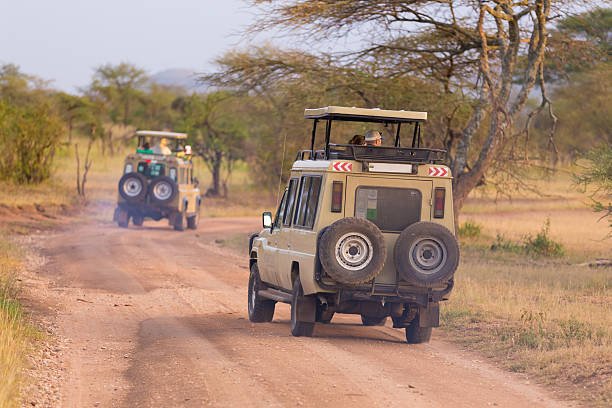
15 Days Northern Circuit Kilimanjaro And Safari 2026-2027
A practical 15-day plan weaving Kilimanjaro’s Northern Circuit climb with a Tanzania safari, detailing route progression, acclimatisation, driving logistics, and accommodation choices...
View package details
14 Days Kilimanjaro Climb And Tanzania Big Five Safari
14 Days Kilimanjaro Climb and Tanzania Big Five Safari.
View package details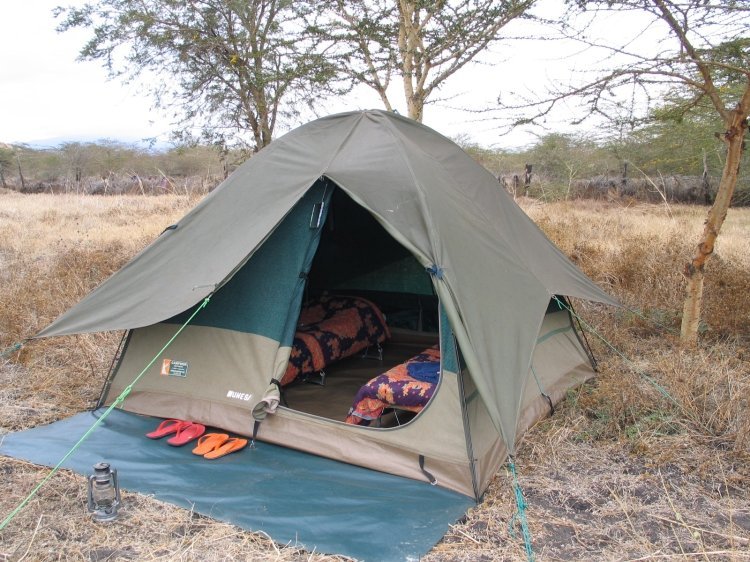
10 Days Kilimanjaro Climb And Tanzania Safari Package
10 Days Kilimanjaro Climb and Tanzania Safari Package.
View package details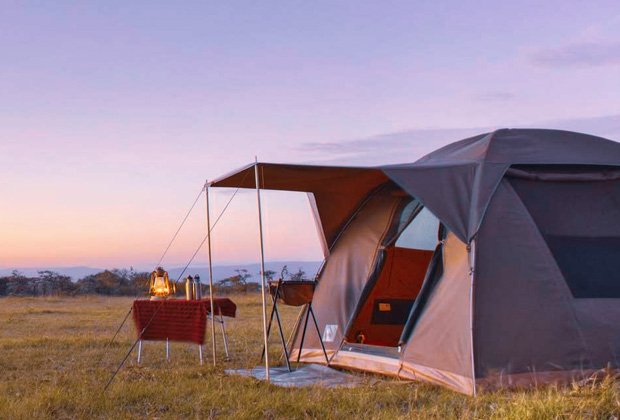
8 Days Kilimanjaro Trek And 3 Tanzania Safari
8 Days Kilimanjaro Trek and 3 Days Tanzania Safari.
View package details6 Days Kilimanjaro Trek And 2 Tanzania Safari: A Practical, Bookable Route
A practical, bookable 6-day Kilimanjaro trek paired with a 2-day Tanzania safari. Detailed day-by-day route, acclimatization steps, drive routing, and realistic safari opportunities.
View package details14 Days Kilimanjaro Climb And Luxury Lodge Safari 2026-2027
14 Days Kilimanjaro Climb and Luxury Lodge Safari.
View package details15 Days Kilimanjaro Hiking And Big Five Safari 2026-2027
15 Days Kilimanjaro Hiking and Big Five Safari.
View package details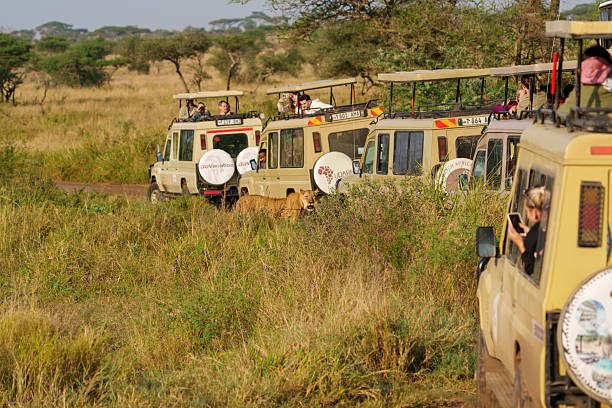
13 Days Kilimanjaro Climb And Serengeti Safari 2026-2027
13 Days Kilimanjaro Climb and Serengeti Safari.
View package details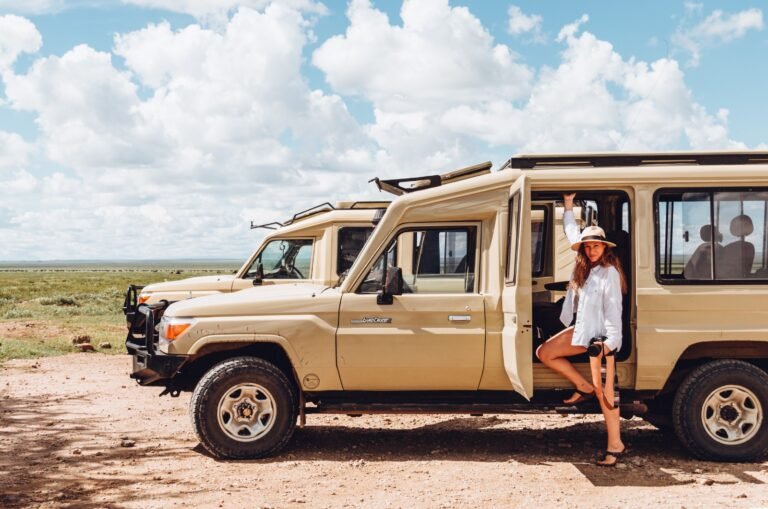
7 Days Kilimanjaro Group Joining Trek And 3 Safari
7 Days Kilimanjaro Group Joining Trek and 3 Days Group Safari.
View package details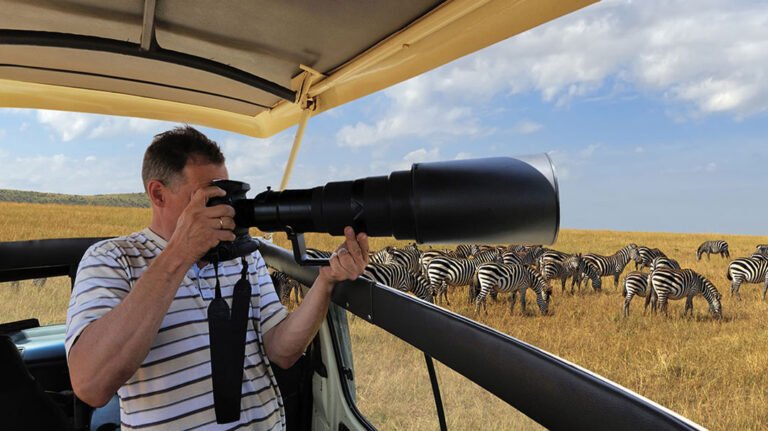
7 Days Machame Kilimanjaro Climb And 5 Tanzania Safari
7 Days Machame Kilimanjaro Climb and 5 Days Tanzania Safari.
View package details8 Days Kilimanjaro Lemosho Trek And 4 Serengeti Ngorongoro Safari
8 Days Kilimanjaro Lemosho Trek and 4 Days Serengeti Ngorongoro Safari.
View package detailsNo related package matches those filters. Clear one or more filters to see the other topic-matched options.



