
Experience a 15-day, bookable plan that blends Kilimanjaro’s Northern Circuit ascent with a Tanzania wildlife safari. The itinerary starts with a gradual acclimatisation climb via Mandara, Bulati, and the Lavaredo-style routes, then proceeds to the Kilema footholds and Shira, before summiting via the Rhino Point/Crater Circuit. After Kilimanjaro, you’ll start a Northern Tanzania safari circuit through Tarangire, Lake Manyara, and Serengeti, with realistic wildlife-viewing expectations and practical driving days. Availability and exact pricing require confirmation with Climb 4 Africa.

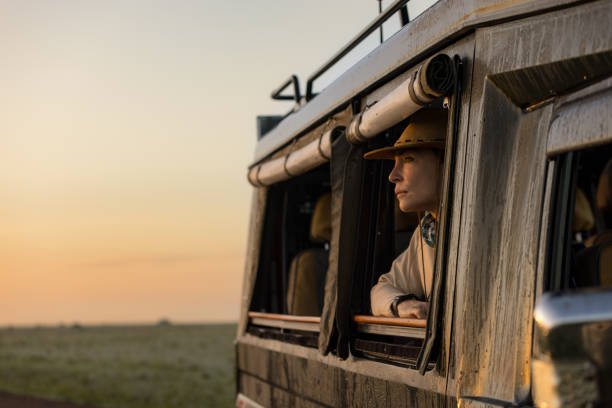
Day 1: Arrival in Arusha and briefing. You’ll meet your guide, transfer to a comfortable lodge close to Arusha National Park groundwork, and review the two-week rhythm. This is the moment to align your daily altitude expectations with your pack load, and to set personal pace targets for the climb that follows.
Days 2–4: Kilimanjaro Northern Circuit ascent begins. Start with a steady transfer from Arusha to the foothills, then trek through a sequence that emphasizes acclimatisation as much as elevation. Typical staging points include Mandara Hut area for the first night, continued trekking toward Buayria or Kilema depending on the chosen route, and a fourth night near the Rhino Point region. This phase balances shorter daily walks with gradual altitude gain, giving your body time to adapt while scenic views of montane forest begin to reveal Kilimanjaro’s immense profile.
Day 5: Rest and acclimatisation. A planned short day or resting ascent helps consolidate altitude gains. Optional acclimatisation hikes may include extra time around the Karanga or Moir huts if conditions allow, keeping your pace flexible to avoid fatigue.
Days 6–9: Summit approach and final ascent. The plan broadens to include the Northern Circuit’s longer traverse around the back of Kilimanjaro’s northern slopes, with a push toward the summit window on the final ascent night. Expect a dawn push to the crater rim or Uhuru Peak depending on permissions and weather. The emphasis remains on pacing, hydration, and consistent sleep rather than speed.
Day 10: Descend and transfer to safari start. After a controlled descent, you’ll drive to a northern safari gateway (for instance Tarangire or Lake Manyara depending on logistics and camp availability), where your guide transitions from mountain briefing to safari briefings, blending both skill sets for the days ahead.
Days 11–13: Tarangire or Lake Manyara and Ngorongoro foothill safari. These days mix wildlife-rich parks with scenic landscapes and the chance to observe elephants, baobabs, and perhaps leopards at waterholes. Accommodations are chosen for comfortable rest after days on safari drives and mountain work, with time built in for short walks or cultural visits in nearby villages.
Days 14–15: Serengeti corridor and final departure. You’ll target a Serengeti east or central circuit depending on weather and migration patterns, with careful scheduling to maximise game-viewing opportunities while keeping drive times manageable. The trip wraps with a drive back to Arusha or the airport for your onward travel, depending on your departure plans and flight times.
Route logic and practicalities
The Kilimanjaro section follows a Northern Circuit logic designed to optimise acclimatisation: longer approach paths with more time on the mountain surface rather than a single, steep push. This reduces acute altitude risk and improves your overall energy profile for the climb. The safari sequence is built to minimize backtracking: Tarangire or Lake Manyara serve as efficient first safari stops, then Serengeti provides the iconic broad landscapes, followed by Ngorongoro’s crater edge experiences as a finale. Driving segments are planned for daylight to maximise wildlife visibility and reduce fatigue, with lodge and tented camp choices balanced for comfort and authentic immersion.
Logistics that matter
Acclimatisation, pace, and rest days come first. Your guide will monitor oxygenation-friendly pace, with options to descend or adjust days as needed. Climbers typically carry a light daypack while porters manage the main load, ensuring comfortable daily distances and reduced fatigue. Safari days are shaped by park hours and gate openings, with flexible game-drive times to align with animal behaviour and weather. Accommodations mix mid-range, reliable lodges near park gates with clean, comfortable tents where appropriate.
What you actually get on this 15-day plan
– A two-week, bookable sequence combining Kilimanjaro ascent via the Northern Circuit with a northern Tanzania safari circuit.
– A logistics-first approach: realistic daily drives, planned acclimatisation, and practical camp or lodge choices.
– Honest expectations about wildlife: sightings depend on weather, season, and animal movement; your itinerary emphasises reliable logistics over guaranteeing wildlife.
Practical decision points for booking
- Season and flexibility: The Northern Circuit can vary in visibility and wildlife density; choose travel dates with flexible windows to accommodate weather and migration patterns.
- Hiking pace and acclimatisation: If you’re newer to high altitude, prioritise longer acclimatisation and slower ascent segments.
- Accommodation style: A mix of comfortable lodges and tented camps offers balance between comfort and in-depth safari experience.
- Logistics: Confirm how many drives are allowed per day, and whether some days include early starts or late gate closures.
- Costs and inclusions: Confirm what is included in the package—permits, guides, porters, park fees, food, and internal transfers—and what may be extra.
What not to promise
This itinerary does not guarantee wildlife sightings; it provides a realistic, well-sequenced plan with good chances based on park ecosystems and typical patterns. It also avoids fixed, inflated price claims or time-bound guarantees, focusing on practical travel decisions and professional guidance from Climb 4 Africa.
Forward planning tips: Have a comfortable altitude plan, bring layers for variable mountain weather, and plan for contingency days in case of altitude symptoms or weather delays. Your Climb 4 Africa guide will tailor the daily pacing to your fitness, ensuring a smooth progression from forested slopes to the high alpine zone and, later, into the arid savannah edges during safari phase.
Unpacking the bookable sequence: practical day alignment and decision points
The two-week plan hinges on a deliberately paced ascent that preserves energy for the safari portion. This section clarifies how the day-by-day rhythm translates into a concrete, bookable sequence—without stepping beyond what is currently known or promising fixed wildlife outcomes.
Starting with Day 1, the arrival and briefing set a baseline for altitude tolerance and personal pacing. The exact times of transfers from the airport to the lodge, while logistics are arranged in advance, are flexible to accommodate flight connections, visa processing, and immigration queues. Expect a gentle afternoon acclimatisation window at the lodge or a nearby foothill walk, chosen to ease jet lag and establish a comfortable baseline for days 2–4.
Days 2–4 anchor the Kilimanjaro ascent on the Northern Circuit while prioritising acclimatisation. The route sequencing remains linked to the broader strategy: longer approaches, lower daily mileage, and successive passes through mid-elevation forest zones. The precise nightly stops may be adjusted by the guide team to respond to individual oxygenation and perceived fatigue, but common anchors include the Mandara region for the first night and subsequent camps near Buayria/Kilema zones as the group progresses. The emphasis stays on a light pack, steady cadence, and regular rest breaks, with optional short loops if participants report readiness for slightly longer treks in a given day. Each stage provides access to water sources and basic shelter, ensuring you remain protected from weather shifts while maintaining tempo within safe acclimatisation thresholds.
Day 5 is dedicated to active rest and controlled acclimatisation. The plan recognises that some climbers benefit from a longer rest or a low-intensity acclimatisation walk around designated huts. This day acts as a buffer against unpredictable alpine conditions, with the guide team prepared to extend the rest or shorten the following day’s mileage, depending on how the group is adapting. The policy of pace flexibility helps avoid forced ascents and creates space for personal monitoring of symptoms, ensuring a safer progression toward the high alpine zones.
Days 6–9 advance into a broader traverse along the northern slopes, integrating increasingly exposed terrain, alpine scrubs, and dramatic vistas. The itinerary remains bookable as a sequence, but the exact order of trail segments can shift to align with recent weather, trail conditions, and the group’s average acclimatisation level. The core objective stays intact: maintain a breathable, oxygenation-friendly pace while accumulating altitude gradually. Camps or refuges at this stage are chosen for reliable access to water, typical wind protection, and proximity to safe exit routes should a rapid change in conditions demand a retreat. You’ll experience the sense of moving through a real mountain corridor, with daylight hours contributing to a careful, methodical ascent rather than a sprint to the summit.
Day 9 or 10 marks the transition toward the final summit push. The group consolidates gains from earlier days, elevates the energy budget for the final approach, and ensures that rest opportunities remain embedded in the schedule. The guide team communicates a clear plan for contingency days: if headaches or fatigue limit progression, you’ll switch into a shorter, more conservative day rather than forcing a completion that compromises safety. The emphasis is on preserving a high-quality, sustainable pace across the alpine zone, where weather can be unpredictable and days shorter in the higher altitude environment.
After Kilimanjaro, you shift into the Northern Tanzania safari segment. Driving days are scheduled to align with park hours and gate openings, with a focus on minimizing long stretches of road between wildlife-rich areas and your accommodation. The safari camps and lodges are chosen to balance comfort with field access, ensuring early-morning departures when animal activity tends to peak, and timely returns for meals and siestas during peak heat. While sightings cannot be guaranteed, the route is designed to maximise opportunities by visiting Tarangire, Lake Manyara, and Serengeti gates at times when animal movement is historically higher, such as during migration corridors or predator-prey interactions. Your guide will tailor daily drive times to light conditions, weather, and wildlife patterns, always prioritising safety and efficient transitions between habitats.
The final photographic or souvenir stops are framed by timing rather than promises. The sequence supports quality wildlife observations within realistic expectations while avoiding overcommitment to a fixed schedule that could compromise comfort or safety. Accommodations during the safari phase range from reliable lodges near park gates to comfortable tented camps in designated conservation areas, selected to provide authentic experiences without sacrificing essential comforts. The overall rhythm preserves a balance between physical exertion on Kilimanjaro and restorative downtime in safari regions, ensuring you finish the entire two-week program with a coherent narrative of ascent, acclimatisation, and wildlife discovery.
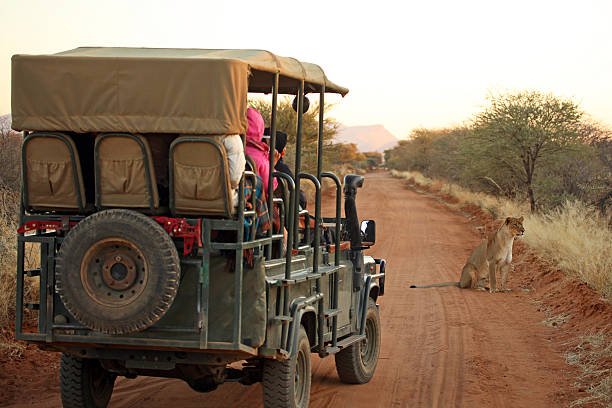

Gap-focused clarification: day-by-day sequencing details and practical bookable choices
Readers often wonder how the two-week plan translates into an actual, bookable sequence that stays faithful to acclimatisation goals while offering clear safari logistics. This section adds specificity about how days are structured, what choices you face at each stage, and how to approach booking without overpromising wildlife outcomes or fixed dates.
1) Kilimanjaro northern circuit pacing as a practical booking constraint
On days 2–4, the ascent logic remains anchored in gradual altitude gain with multiple composition points between Arusha and the Rhinos Point region. When you book, you’ll encounter a few route options within this phase, typically named for the foothill camps or huts they service (for example Mandara–Kilema–Buayria clusters). Your operator will present one or two concrete day-by-day variants based on current permits, campsite availability, and your guide’s assessment of acclimatisation progress. The essential booking decision is not the exact hut-to-hut path but whether your plan prioritises the longest feasible acclimatisation window versus a slightly shorter but logistically simpler sequence. In practice, this means choosing between a version that favours an incremental, scenic progression through montane forest and moorland, and a version that compresses some transfers to reduce drive times while preserving a similar altitude profile.
2) You won’t find a fixed “everyday” list in advance, but you will see a reliable framework
Booking communications typically outline a two-week rhythm with two or three plausible day-groupings for Kilimanjaro. Expect a proposed day distribution such as: Day 1 arrival and briefing; Days 2–4 gradual ascent with a first camp near Mandara or Buayria; Day 5 rest/acclimatisation; Days 6–9 summit approach along the Northern Circuit backtrack and traverse; Days 9–10 transition to safari-driving sectors; Days 11–13 Tarangire or Lake Manyara; Days 14–15 Serengeti and return. The exact names of camps or lodges are subject to change, but the sequence—acclimatisation-first, then a controlled ascent, then safari drives—remains consistent. Your booking will thus anchor on the two-week window rather than fixed daily coordinates, with contingency days built into the plan.
3) Safari segment logistics are paired to park hours and gate routines
After Kilimanjaro, the safari segment relies on morning departures when animal activity is highest. Booking options will show a choice between lodge-based stays near park gates or tented camps in designated conservation areas. The key decision is how you balance comfort with field access: a bridge between comfortable driving days and early-morning wildlife viewing. Expect to see proposed drive itineraries that bundle Tarangire, Lake Manyara, and Serengeti in a sequence that minimizes long stretches of road between parks and your lodging. The exact order of parks can vary slightly depending on gate openings, wildlife movement patterns, and seasonal migratory activity—factors that operators manage in real time when confirming a date-specific itinerary.
4) Acclimatisation cues you’ll encounter in the booking notes
The two-week plan places acclimatisation central to the Kilimanjaro portion. When you review options, look for language about oxygenation-friendly pacing, the possibility to adjust days, and the presence of a flexible rest day. Some operators offer a staged failure-to-progress option, where a shorter, more conservative day replaces an earlier ascent if headaches, fatigue, or weather limit progression. This is a practical booking feature, not a marketing promise. You’ll also see notes about porter arrangements and packing expectations to keep daily loads within a manageable range, reinforcing sustainable pacing rather than a rush to the summit.
5) What you should confirm before booking
- Two-week sequence with Kilimanjaro ascent and northern Tanzania safari, including a flexible rest-day framework.
- Possible route variants within the Northern Circuit that emphasize acclimatisation, with clear indicators of where a day might be exchanged for a contingency day.
- Safari order and park visitation plan that aligns with gate schedules, wildlife activity windows, and accommodation options that balance comfort with efficient field access.
- Non-guaranteed wildlife sightings disclaimer and transparent pricing/availability terms, without fixed, inflated claims or time-bound promises.
- Clear guidance on what is fixed (dates, core sequence windows) and what is flexible (camp/hut choices, exact transfer times, contingency days).
6) Reading the day alignment without overcommitting
Expect the booking documentation to present a day-by-day skeleton rather than a rigid, unchangeable script. This skeleton should include: the approximate daily distance or terrain type, the target acclimatisation objective for that day, the planned campsite or lodge location, driving times between stops, and the earliest gate opening times in the safari segment. If a plan proposes an optional acclimatisation hike on Day 5, your booking confirmation should specify the potential extra time and the conditional nature of that option, rather than presenting it as mandatory. This approach preserves safety margins and respects individual pace while still offering a coherent two-week narrative.
7) How to approach the booking conversation
When you chat with a Climb 4 Africa representative or an appointed operator, reference the two-week framework and your personal pace targets. Ask for explicit notes on: the acclimatisation strategy (which days are flexible, which are fixed), the exact park sequence for the safari segment, the types of camps or lodges used, and the contingency day policy. Request a sample, non-binding day-by-day outline to review before any deposit. This ensures you’re engaging with a plan that truly respects altitude physiology and wildlife-viewing realities, without overpromising outcomes.
In short, the practical value of this ongoing bookable plan is not in a fixed ladder of days but in a transparent, adaptable sequence that preserves acclimatisation safety on Kilimanjaro while delivering a structured, wildlife-rich safari through northern Tanzania. The right booking will spell out the two-week rhythm, the flexible elements within the ascent days, and the driving-based safari logistics, all tailored to real-time park conditions and personal pace targets.
Addressing a Practical Booking Gap: Contingency Day Planning and Safari Timing Nuances
Readers often confront two practical gaps when translating a two-week Kilimanjaro plus safari plan into a concrete booking: how contingency days are incorporated without derailing acclimatisation, and how safari timing aligns with gate schedules and wildlife activity while staying within a single, bookable sequence. This section adds concrete clarifications that respect the Kilimanjaro Northern Circuit logic and the realities of northern Tanzania parks, without promising fixed wildlife outcomes or inflated guarantees.
1) How contingency days actually function within the two-week framework
Contingency days are not optional add-ons; they are integrated as flexible buffers within the ascent phase itself. In practice, a two-week itinerary will present a core sequence of acclimatisation-friendly days (for example, Mandara, Buayria/Kilema, and Rhino Point zones) with one or two built-in drift days that can be swapped for an earlier ascent or a later rest when the group’s oxygenation readings or subjective fatigue indicate a need. When a contingency day is activated, the guide capitalises on this by shifting the following day’s plan to a shorter, more conservative sortie, preserving the overall altitude gain while extending the acclimatisation window. The practical effect is a more forgiving daily rhythm: if Day 4 feels strenuous, Day 5 can become a half-day acclimatisation climb with a late-morning descent to a higher sleep hut or a lower-altitude camp. This preserves safety margins and maintains a steady pace for the safari transition without forcing a rigid, unalterable schedule.
2) The sequencing logic that keeps contingency days coherent with safari logistics
Any optional or forced exchange of days is coordinated with the safari segment to minimise backtracking and ensure efficient park access. For example, if a contingency day moves forward, the subsequent safari transfer is re-timed to catch preferred gate openings or avoid peak traffic at gate exits. Safari driving days are arranged with the closest, most practical routes between Tarangire, Lake Manyara, and Serengeti, prioritising stable road conditions and predictable driving times. If a weather-related delay occurs on Kilimanjaro, the plan keeps the impacted day flexible but the safari portion remains anchored to standard park hours, typically starting early in the morning and finishing before dusk when animal activity is moderate and light allows safe driving. This approach preserves the two-week rhythm while respecting real-time field conditions.
3) How day-by-day alignment is communicated in the booking documentation
The booking skeleton should clearly indicate which days are fixed versus flexible. Fixed days are those tied to altitude thresholds, safety guidelines, or crucial transfer windows (for example, the summit attempt window or a long transfer into the Serengeti corridor). Flexible days are marked with alternative options, such as a shorter acclimatisation push or a rest day, and will show the conditional nature of these choices. The documentation should also present approximate daily distances or terrain types, expected acclimatisation objectives, planned sleeping locations (camp or lodge), and typical driving times. For Safari segments, gate opening times and drive-time estimates should be provided, with explicit notes about potential early/late departures depending on park conditions. This transparency helps you review a non-binding, bookable sequence that can adapt in real time without losing the two-week structure.
4) Concrete examples of how this would look in practice
– Example A (contingency day activated): Day 4 would shift to a shorter acclimatisation option, Day 5 becomes the primary acclimatisation day, and Day 6 proceeds to Rhino Point as planned or with a minor adjustment to route. The safari segment remains at its original gate schedule, with the option to delay the first Serengeti transfer by a half-day if weather caused arrival constraints, provided total travel time and park entry rules are respected.
– Example B (no contingency day used): The quartet of acclimatisation days remains intact, Day 5 remains a rest/acclimatisation day, and the safari logistics follow the standard gate times. If conditions permit, a light optional acclimatisation hike could be added on Day 5 with explicit allowances noted in the booking documents for time and energy usage, rather than presenting it as mandatory.
5) Practical tips for conversations with your operator
– Request explicit notes on which days are fixed and which are flexible within the ascent sequence, including the rationale tied to altitude physiology.
– Ask for sample day-by-day outlines that demonstrate how a contingency day would be integrated without compromising acclimatisation goals or safari access.
– Confirm how safari transfer times adapt to gate schedules and park activity windows, and whether there is a built-in buffer for late arrivals back from a long drive to Serengeti or Ngorongoro-adjacent camps.
– Seek assurances that contingency days are used to optimise safety and energy, not to merely extend the trip without meaningful acclimatisation or wildlife viewing opportunities.
By anchoring contingency provisions in the ascent philosophy and aligning safari logistics with park rhythms, this approach preserves the two-week narrative while offering real-world flexibility. The result is a transparent, adaptable bookable plan that respects altitude safety, delivers a structured wildlife itinerary, and avoids overpromising outcomes.
Gap-focused clarification: hop-on/hop-off flexibility within the two-week bookable sequence
Readers asking for the practical boundaries of a two-week Kilimanjaro plus safari plan often want to know precisely where you can swap days without breaking acclimatisation or safari timing. This section adds concrete, bookable-ground details that are not a repeat of the existing day-by-day framework, focusing on how to actually negotiate landing windows with operators and how to reflect those options in a real-world booking sheet.
1) Where flexibility lives on the mountain. The Northern Circuit acclimatisation emphasis creates natural pressure points where a guide might adjust by moving a segment into a shorter acclimatisation day or combining a lighter option with a scheduled rest. In practice, you would expect two categories of flexibility to appear in a confirmed itinerary: keepable-pacing segments (where you maintain the daily rhythm) and swap-friendly segments (where an extra rest or shorter trek is feasible). The former are typically the Mandara to Buayria/Kilema transitions and the latter appear around the Karanga/Moir area or the Rhino Point corridor, where weather or altitude risk can justify a minor route adjustment without compromising overall acclimatisation. A bookable plan should specify which days are fixed and which days carry a stated tolerance (+/– half a day, for example).
2) Safari timing and gate logistics as a movable knob. The safari portion hinges on gate opening times, park activity windows, and the ability to align long drives with wildlife visibility without forcing late returns. Operators commonly offer two tiers of flexibility: a) a fixed-core safari sequence anchored by known gate times, and b) a flexibility window that allows a half-day shift in Serengeti transfer if early gate openings or late-arriving flights necessitate it. The practical implication for booking documents is to capture explicit expectations: which transfer days can swap by up to half a day, and which must stay within a fixed window (for example, Serengeti to Nyumba Gate departure must occur within a specific morning slot).
3) How to document contingency sequencing in a booking sheet. A robust two-week plan should present a contingency framework that explains: a) the trigger for activating a contingency day (for instance, altitude symptoms, adverse weather, or vehicle/driver constraints), b) the actual day-by-day reallocation (which acclimatisation day becomes the replacement, and how many nights are reallocated to safari or to Kilimanjaro segments), and c) the impact on safari gate times and vehicle allocation. Operators often signal contingency as a separate line item with a clear description of allowable day-extensions and expected energy management targets, rather than burying it in fine print. Your booking sheet should show a primary path plus one explicitly described contingency path, each with its own set of allowable shifts and a note on how energy and safety are preserved.
4) Practical checklists to request from operators. To avoid misalignment between expectation and execution, ask for: a) a dedicated pre-climb acclimatisation preview that lists fixed days versus flexible days, with rationale tied to altitude physiology; b) a safari-driver schedule that notes gate opening times, typical drive durations, and any buffer periods for late arrivals; c) a clear option set for contingency days that explains the exact sequence changes if used (which day is shortened, which day is extended, and how safari timing adjusts accordingly); d) sample addenda showing real-world adjustments on both ascent and safari blocks, including how optional acclimatisation hikes would be reflected in the schedule.
5) What a transparently designed two-week sequence achieves. With clear contingencies and explicit gate-compatible safari timing, you get a plan that remains faithful to acclimatisation principles while offering genuine responsiveness to conditions. The emphasis remains on a bookable sequence where the majority of days keep a predictable rhythm, and only a minority are designated as flexible to absorb variability. The actual value for readers is not merely the end-to-end itinerary, but the confidence that the operator can adapt without eroding the two-week structure or professional safety standards.
6) A practical example of documenting the gap. In a booking document, a contingency section could read: “Contingency Day: activated only if daytime oxygenation or pacing thresholds are exceeded (as monitored by guide). When activated, Day 4 shortens to a 4–5 hour acclimatisation trek; Day 5 becomes primary acclimatisation; Day 6 proceeds to Rhino Point as planned or with a minor detour. Safari segment maintains Serengeti transfer timing but allows a late-morning departure if gate conditions demand it, with a maximum 2-hour buffer.” This kind of language gives clear expectations to both guests and operators, and it can be supported by a short addendum that the operator updates at a pre-trip briefing.
7) How to translate this into your final document. When you review a draft itinerary from an operator, look for: a) explicit labeling of fixed vs flexible days; b) stated triggers and decision rules for deploying contingency provisions; c) gate-time tables or notes tying safari transfers to park opening hours; d) a short appendix showing two parallel sequences (primary and contingency) with the corresponding energy targets and safety notes. If any of these elements are missing, request them as a condition of confirmation or seek a revised draft that makes the gaps explicit. This is essential to avoid a misalignment between what’s promised and what’s actually deliverable on the ground.
In short, the most valuable addition here is a reader-facing, gate-to-gate outline of how contingency days would actually be activated and described in a booking document, with explicit delineation of how each move preserves acclimatisation, drives practicality, and respects park operations. This level of specificity makes the two-week plan genuinely bookable and reduces the risk of misinterpretation during last-minute arrangements.
ContingencyDay planning details: practical sequencing without compromising the two-week rhythm
Readers seeking a deeper understanding of how contingency days actually fit into a two-week Kilimanjaro plus safari plan will benefit from a concrete, gate-to-gate view that remains faithful to acclimatisation principles. The key lies in clearly labeled fixed versus flexible days, explicit triggers for deploying contingencies, and a safari timing framework that preserves park access windows and transfer efficiency.
Fixed-day framing preserves the core acclimatisation arc: the first four days on the mountain are designed to build gradual altitude exposure and weekly rest opportunities. The contingency concept does not expand the climb into a looser schedule; instead, it provides a defined set of optional adjustments that the guide can implement within the same overall day-count, thereby maintaining energy budgets and safety thresholds while avoiding a jumbled sequence at the midpoint.
How this translates on the ground: a contingency may shorten a specific acclimatisation leg if oxygenation or pace metrics reach predefined thresholds. The adjustment is bounded by a) the minimum required acclimatisation exposure before continuing to higher camps, b) the remaining daily distance and elevation gain in the current sector, and c) the practical need to keep safari transfers aligned with park gates and driving times. In practice, a Day 3 or Day 4 contingency might reduce the hiking portion by a couple of hours and swap the afternoon to a rest or gentle acclimatisation stroll, rather than trading a full day for a late start the next day.
Safari timing remains a separate, parallel thread that is interwoven with the mountain days but insulated from excessive disruption. Gate opening times, drive durations between lodges, and the typical safari wildlife density windows are treated as constraints rather than variables to be forced. A typical contingency keeps the same park-transfer targets and adjusts only the preceding or following mountain-day activities to ensure the vehicle arrives at the safari starting point with adequate fuel and rest. In other words, contingency days are designed to absorb variability without cascading into delayed safari logistics or compressed travel time between two distinct experiences.
A practical example of how this would look in a booking document is to label a Day 4 as fixed for acclimatisation, with a clearly described Day 4 Contingency option. If the guide observes oxygenation metrics below target or pace drops beneath a safe threshold, the plan would switch to Day 4 Contingency: shortened ascent to a designated intermediate camp (e.g., a 4–5 hour acclimatisation trek instead of the full planned session), followed by an additional rest period of the same calendar day. The next morning would continue to Rhino Point as originally intended, subject to condition checks. Meanwhile, the Serengeti or Ngorongoro transfer would be rescheduled within the allowable two-week window, maintaining the same departure gate constraints and safari timing.
Crucially, the two-week arc remains coherent. The contingency moves are explicit, with energy targets and safety thresholds stated in the trip briefing. The operator’s pre-trip appendix would include a primary sequence and a parallel contingency sequence, each with its own energy targets, trigger points, and gate-compatible safari timing notes. This dual-outline approach helps guests and guides stay aligned, even when conditions force a mid-plan adjustment. The benefit is not a nebulous “adjust as needed” approach, but a transparent protocol that preserves the integrity of acclimatisation while respecting the practicalities of park operations and wildlife-viewing opportunities.
For guests who want to audit the plan in advance, a sample contingency gate could be documented as follows: “Contingency Day: activated if daytime oxygenation or pacing thresholds exceed safe limits (monitored by guide). If activated, Day 3 shortens to a 4–5 hour acclimatisation trek; Day 4 becomes primary acclimatisation with a targetElevation gain reduction of 250–350 meters; Day 5 proceeds to the planned acclimatisation route or an approved alternate route with careful pacing. Safari transfer remains bound to gate times, with a maximum 2-hour buffer window to accommodate delays.” This type of language anchors expectations and reduces uncertainty at booking, without altering the fundamental two-week structure.
In short, the most practical addition here is a concise, reader-facing framework that shows exactly where contingency days sit within the two-week plan, how they are activated, and how safari timing is safeguarded. The aim is to deliver a genuinely bookable sequence that operators can implement confidently, and guests can reference with clarity when reviewing their confirmation documents. This level of specificity sustains acclimatisation fidelity while still offering realistic, gate-aware flexibility for weather, pace, or wildlife-viewing realities.
Related Guides and Packages
Check Availability for 15 Days Northern Circuit Kilimanjaro And Safari 2026-2027
Ready to compare dates, prices, and the best option for your group? Send the package name and travel month so the team can reply with a clear quote, availability, and what is included.
14 Days Kilimanjaro Trek And Northern Tanzania Safari 2026-2027
14 Days Kilimanjaro Trek and Northern Tanzania Safari.
View package details20 Days Ultimate Tanzania Kilimanjaro Safari And Beach 2026-2027
A complete 20-day, bookable Tanzania itinerary weaving Kilimanjaro ascent, northern safari circuits, and a Zanzibar-style beach finale with practical logistics and real-world pacing.
View package details19 Days Kilimanjaro Trekking Safari And Zanzibar 2026-2027
19 Days Kilimanjaro Trekking Safari and Zanzibar.
View package details
18 Days Kilimanjaro Safari And Zanzibar Holiday Package 2026-2027
18 Days Kilimanjaro Safari and Zanzibar Holiday Package.
View package details17 Days Kilimanjaro Climb Safari And Zanzibar Beach 2026-2027
17 Days Kilimanjaro Climb Safari and Zanzibar Beach.
View package details
16 Days Kilimanjaro Serengeti Safari And Zanzibar 2026-2027
16 Days Kilimanjaro Serengeti Safari and Zanzibar.
View package details15 Days Kilimanjaro Safari And Zanzibar Holiday 2026-2027
15 Days Kilimanjaro Safari and Zanzibar Holiday.
View package details
15 Days Kilimanjaro Climbing And Extended Serengeti Safari 2026-2027
Discover a practical, bookable 15-day plan that threads Kilimanjaro ascent with an extended Serengeti safari. This guide outlines route choices, acclimatisation logic, driving days, and...
View package details14 Days Kilimanjaro Climb And Luxury Lodge Safari 2026-2027
14 Days Kilimanjaro Climb and Luxury Lodge Safari.
View package details
12 Days Kilimanjaro Climbing And Budget Camping Safari 2026-2027
12 Days Kilimanjaro Climbing and Budget Camping Safari.
View package details15 Days Kilimanjaro Hiking And Big Five Safari 2026-2027
15 Days Kilimanjaro Hiking and Big Five Safari.
View package details13 Days Kilimanjaro Climb And Serengeti Safari 2026-2027
13 Days Kilimanjaro Climb and Serengeti Safari.
View package detailsNo related package matches those filters. Clear one or more filters to see the other topic-matched options.



