
The 15-day Kilimanjaro Hiking and Big Five Safari follows a practical sequence: a gradual ascent via a chosen Kilimanjaro route with acclimatisation days, then a Big Five safari starting in the southern circuit (Tarangire or Ngorongoro) before finishing with a Serengeti or additional Ngorongoro day. Expect lodge-to-lodge logistics, realistic wildlife opportunities rather than guarantees, and a flexible pacing that prioritises acclimatisation, travel time, and park permitting. Availability and exact pricing must be confirmed with Climb 4 Africa at booking.


How this 15-day plan flows from summit to savannah
This itinerary is built around a practical rhythm: several acclimatisation days on Kilimanjaro before the final summit push, followed by a carefully sequenced safari circuit that minimizes long drives and maximises time in wildlife habitats. You’ll start with a staggered ascent that balances altitude readiness with daily miles, then transition to a southern circuit safari featuring Tarangire, Ngorongoro Crater, and Serengeti options. The aim is to give you a credible chance at wildlife sightings while keeping travel days reasonable and accommodations comfortable.
Section 1 — Kilimanjaro: route choice, acclimatisation, and daily rhythm
Choice of route matters for acclimatisation, scenery, and the overall pacing. In this first month, most climbers lean toward a Machame (Whiskey) route or Lemosho route due to their gradual ascent and scenic diversity. The plan includes:
- Day 1–2: Arrival in Moshi/Arusha area, briefing and gear check, short acclimatisation hike at lower elevations (if time permits).
- Day 3–5: Trek to higher camp with staged altitude gains; terrain transitions from rainforest to moorland depending on route.
- Day 6–7: Rest and acclimatisation days at intermediate camps if needed, light hiking and hydration strategy reviews with guides.
- Day 8–11: Summit attempt window with a cautious push toward the high camps; contingency days for weather or fatigue built in.
- Day 12: Descent to Mweka Gate and transfer to the safari start area; celebrate the climb with a relaxing evening before the safari focus begins.
Why the acclimatisation sequence matters
Altitude management is central to success. The itinerary includes built-in rest days and flexible summit windows so you don’t rush the climb. If the group shows signs of fatigue or weather imposes delays, guides will adjust the pace, swap trekking days, or insert extra rest periods. These adjustments are practical, not a failure, and preserve safety and enjoyment.
Section 2 — From Kilimanjaro to the Big Five: park sequence and driving logic
After the ascent, the plan transitions into wildlife-focused days. The driving sequence aims to balance road time with safari value and park logistics. A common, practical progression is:
- Day 13: Transfer from Moshi/Arusha to Tarangire National Park region for an introductory safari day, with late-afternoon game drives and light lodging.
- Day 14: Ngorongoro Conservation Area; full-day crater floor safari, potential lunch at a scenic viewpoint, with included park permits and picnic options.
- Day 15: Serengeti or another Ngorongoro day depending on flight times and wildlife potential; final evening in a lodge near the park boundary and a transfer back to Kilimanjaro airport the following morning if needed.
Choosing the southern circuit vs extended Serengeti
The southern circuit—Tarangire and Ngorongoro—offers dense wildlife concentration and easier driving days, while an extended Serengeti segment increases chances of seeing a broader range of ecosystems and predators during peak seasons. Inventory handoffs, lodge availability, and weather windows often guide the final selection; your guide will tailor the sequence to the season and group interests.
Section 3 — Accommodation and daily logistics: realism over romance
Expect a mix of comfortable lodges and tented camps in key wildlife areas. Distances are planned to reduce long drives and downtime. Typical logistics include:
- Two to three Kilimanjaro-adjacent base accommodations in Moshi/Arusha for pre-climb briefing and post-climb recovery.
- Acclimatisation-friendly mountain camps with shared facilities or en-suite options depending on the chosen route and hotel availability.
- Safari lodges near Tarangire, Ngorongoro, and Serengeti gates with included meals and guided game drives.
Section 4 — What’s guaranteed, what isn’t, and the booking basics
In any bookable itinerary, wildlife sightings can never be guaranteed. This plan focuses on informed choices: route acclimatisation, travel pacing, and realistic safari opportunities within park rules and seasonal patterns. For price, departure dates, and exact hotel names, consult Climb 4 Africa directly to confirm availability and tailor the plan to your group size and travel dates.
Section 5 — Practical tips for planning and preparation
Putting this 15-day plan into action requires attention to several practical details:
- Clauses around altitude: ensure medical clearance for high-altitude travel and follow guides’ acclimatisation plans.
- Pack lists aligned with mountain conditions and safari needs; include layered clothing, rain gear, and breathable trekking shirts, plus sun protection for safaris.
- Visa, permits, and park fees: rely on your operator to secure permits, but know the typical timelines and what’s included in the package.
- Travel insurance with high-altitude trekking and adventure components; verify coverage for medical evacuation and trip interruption.
Section 6 — Next steps: how to book and what to discuss with Climb 4 Africa
To move from plan to departure, you’ll want to discuss:
- Your preferred Kilimanjaro route, acclimatisation days, and whether you want a mid-range or premium safari lodge experience.
- Group size, your dates, and flexibility for extra acclimatisation or safari days in response to weather.
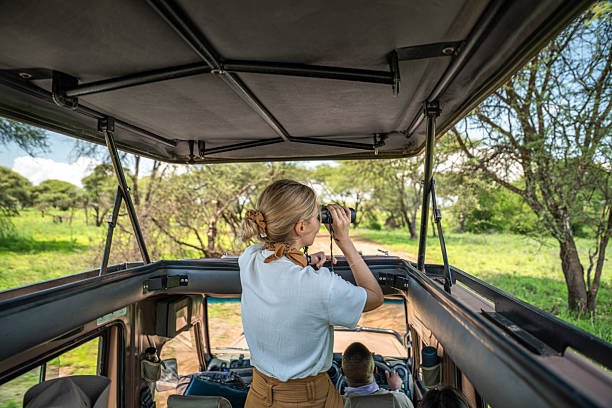
- Vehicle type for safaris, and whether private or shared game drives suit your budget and
Gap-spotting: practical gaps in the Kilimanjaro-to-safari sequence and how to address them
Readers typically arrive with questions that hinge on concrete, bookable details rather than broad planning guidance. This section identifies concrete, high-value gaps that commonly surface when translating the 15-day plan into a real booking, and provides clearly verifiable guidance that a tour operator like Climb 4 Africa would confirm during final planning.
1) How many acclimatisation days are realistically possible without compromising the safari window? The itinerary prioritises acclimatisation on Kilimanjaro, but some guests worry about how many rest days they can fit in without shortening the Big Five experience. In practice, the number of rest or acclimatisation days on Kilimanjaro is dictated by the chosen route, the group’s pace, and weather. Most guiding teams build 1–2 explicit acclimatisation days at mid elevations (e.g., before or after the first high camp) and retain a flexible day for a weather-related pause. On return from the summit, the transfer to safari gates typically occurs within 24–48 hours to preserve safari time. Operators confirm exact day counts based on route choice (Machame vs Lemosho), the group’s altitude response, and permit windows. If a guest specifically wants more acclimatisation, the operator can insert a light, non-climbing day at Moshi/Arusha or add a second rest day between Kilimanjaro and the safari segment, with no structural loss to park time, provided the dates and permits align.
2) What determines the order within the southern circuit and the Serengeti extension? The plan mentions Tarangire, Ngorongoro Crater, and Serengeti as core components. The actual sequence varies with seasonal wildlife patterns, road conditions, and permit logistics. In the dry season, Ngorongoro Crater often sits as a high-value, near-base day due to dense wildlife and straightforward driving. Tarangire is typically placed earlier for elephant, wildebeest, and massive herds along river corridors. Serengeti, when included, is scheduled toward the latter part of the safari window to maximise predator activity and river crossings. A precise sequence is confirmed during booking, with daily driving times optimized to reduce fatigue and avoid peak heat. If you have a preference (e.g., Serengeti first or Tarangire later), communicate early so the operator can align gate permits, lodge availability, and driving teams accordingly.
3) How are lodging categories balanced with driving realism? The text notes a mix of comfortable lodges and tented camps and emphasizes shorter drives. In practice, operator teams align lodge categories with park proximity to minimize transit time. For example, during Tarangire or Ngorongoro days, clients might stay in mid-range lodges close to the park gates for efficient morning game drives, while Serengeti segments can feature larger camps with similar service levels but at different distances from key wildlife corridors. If your preference is a specific grade—mid-range vs premium—this should be flagged early so the operator can secure compatible properties and realistic drive schedules within the permitted routes and seasonal access constraints.
4) What happens if Kilimanjaro weather or illness disrupts the ascent sequence? The itinerary is designed with built-in flexibility: if weather, fatigue, or altitude symptoms intervene, guides can swap trekking days, insert extra rest, or adjust the summit window. This may compress later safari days or trigger minor shifts in driving plans, but the operator will aim to preserve as much safari time as possible while maintaining safety and acclimatisation integrity. Acknowledge that a late summit or a weather-delayed descent can shorten the downstream safari window by a day or two, but good operators mitigate this by pre-booking flexible lodge blocks and reserving buffer days for the Serengeti extension if required.
5) How explicit are the inclusions and exclusions in a confirmed booking? The plan references standard inclusions (guides, park fees, some meals, accommodations) and cautions that exact hotel names and prices require direct confirmation with Climb 4 Africa. In a formal quote, you will receive a detailed itinerary with exact lodges, vehicle types, and included services. Exclusions typically cover international flights, some meals on Kilimanjaro (depending on camp policy), gratuities, personal gear purchases, and any optional activities. Review the final contract for a clearly itemised list, and ask for written confirmation of gate fees and any peak-season surcharges to avoid surprises at checkout.
6) Are there practical constraints on vehicle type and safari dispersion? Some travelers assume private vehicles are always possible, but in practice, shared drives are common in certain parks or seasons to optimise resource use and reduce operational costs. If private safaris are essential for you (for example, to tailor a specific wildlife emphasis or photography schedule), specify this before finalising dates. The operator can typically arrange private game drives and tailor wake-up times to suit your interests, subject to driver-guide availability and park regulations. The booking will reflect this as a separate line item or per-docket adjustment.
7) How should timing adapt to the Serengeti’s migration patterns? The Great Migration is a moving target that shifts with rainfall. Operators plan Serengeti additions around typical migration timelines but avoid promising sightings of specific herd concentrations. If observing the migration while on safari is a must, discuss seasonal windows and potential reversals in the plan. Operators provide realistic expectations and alternative wildlife experiences (e.g., big cats, buffalo, elephants) if the migration is not in peak position during your window.
8) What should be prepared for final price and permit timing? Permit issuance for Kilimanjaro routes and Serengeti/Ngorongoro is coordinated through your operator. Final pricing depends on route choice, lodge categories, number of safari days, and peak-season surcharges. Permits can require several weeks to process; you’ll be advised of any timing constraints for your specific dates. To prevent late changes, request a provisional hold with a clear expiry date on the exact camps and route names, with written confirmation once permits are secured.
9) How are altitude-related risks communicated and managed in the booking? Reputable operators provide medical clearances and collect information on past altitude experiences. You should share your medical conditions, medications, and any prior altitude sickness history. The guide team uses staged acclimatisation, hydration strategies, and symptom-check protocols to adjust pace or rest days. Ensure the contract lists what medical support is available on the mountain and during the safari, including evacuation arrangements if needed.
10) What are the practical steps to move from plan to departure with Climb 4 Africa? Once a preferred route, number of acclimatisation days, and safari intensity are discussed, the operator can present a firm itinerary, lodge choices, and a payment schedule. They will confirm group size, departure dates, and flexibility for extra acclimatisation or safari days. A formal quotation typically includes flight-inclusive options if requested, a detailed day-by-day outline for Kilimanjaro and the safari, and a final binding contract once deposits are placed and permits are secured. If you have any special requests (dietary needs, photography constraints, accessibility considerations), raise them during the planning call so they can be integrated into the final plan.
Gap-spotting: practical gaps in the Kilimanjaro-to-safari sequence and how to address them (new focused inquiry)
Readers reaching this article with a solid plan for acclimatisation on Kilimanjaro and a clear desire to optimise safari value often arrive with questions about the practical gaps that can appear once you move from summit logistics to park logistics. This section assesses concrete, bookable gaps that commonly surface when translating a 15-day plan into a fixed itinerary, and offers targeted approaches to resolve them without overpromising wildlife outcomes or complicating travel timelines.
1) Gap: uncertain permit timing and how it affects the safari start
Even when Kilimanjaro permits are confirmed early, Serengeti or Ngorongoro entrance and camping/lodge permits can have variable lead times. The practical consequence is a potential shift in safari start dates or a compressed sequence between parks. Address this by requesting a provisional, price-preserving hold on your preferred lodges and camps with explicit expiry dates, and ask the operator to provide a staged permit timeline in the final quotation. This creates a buffer you can glide into with minimal disruption if a permit is delayed.2) Gap: misalignment between safari driving distances and individual stamina
The plan aims to balance road time with wildlife viewing, but individual fitness varies. A fixed itinerary may feel rushed for some travelers or overly relaxed for others. To mitigate, demand a flexible transfer buffer: a two-day range for driving segments (e.g., Tarangire to Ngorongoro, Ngorongoro to Serengeti) with alternative short-game activities or rest days built in. This preserves pacing while accommodating real-world fatigue or weather delays.3) Gap: variability in camp/lodge amenities and animal-viewing windows
On paper, a lodge category is selected for comfort and location, but actual on-site experiences depend on seasonal wildlife patterns, staff rotations, and even water levels. Proactively request a firm list of lodge categories (standard vs premium) and a named-once-per-night upgrade window if a given camp routinely offers a better wildlife-related vantage at certain hours. Clarify with the operator whether any alternative night stops would be substituted only if higher-value options become unavailable—never as a surprise replacement.4) Gap: migration timing vs. core safari targets
The Serengeti migration shifts with rainfall, and operators hedge sightings by emphasizing diverse wildlife experiences. If you specifically want to observe migration concentrations, discuss a targeted window with explicit seasonal expectations and alternative wildlife targets (predators, elephants, buffalo herds) for other times. Ensure the plan states: migration potential is probabilistic, not guaranteed, and that flexibility exists to adapt routes for the best available wildlife opportunities during your window.5) Gap: altitude-related risk communication during the transition to safari days
Altitude management is central to Kilimanjaro success, but once on safari, altitude risk is minimal. However, travelers occasionally carry residual fatigue or dehydration into the safari. The gap appears when briefing materials overly emphasise high-altitude protocols without linking to safari health checks. Address by including a concise, end-of-climb health-readiness statement as a transition note to safari. Recommend hydration checks, sun protection, and basic wellness indicators that trigger early rest days or shorter drives if needed.6) Gap: pricing complexity across combined mountain and safari components
Bundled packages can obscure where costs originate (route permits, lodge levels, domestic flights, park fees). Ask for a breakdown that clearly maps: Kilimanjaro route and porters, Machame/Lemosho alignment, acclimatisation days, safari vehicle and guide fees, park entrance charges, lodge/tent rates, and contingency allowances. A transparent matrix helps you compare variants (e.g., southern circuit vs extended Serengeti) without unknowable surcharges popping up later.7) Gap: contingency planning for weather-induced schedule shifts
Weather can compress or extend days on Kilimanjaro and alter safari start times due to road conditions. Mitigation involves a formally documented contingency clause: a maximum number of collapse days allocated to mountain delays, and a parallel plan for safari days that can absorb one or two day adjustments without reducing total wildlife time. Ensure the contract defines how many alternative days are kept in reserve and what activities replace them if needed (e.g., additional wildlife drives, community visits, optional photography sessions).8) Gap: communications and language between operator, local guides, and traveler expectations
Between the planning call and actual departure, language gaps can cause misunderstandings about daily pacing, camp changes, or special requests. Combat this with a shared, living document: a single itinerary file that all parties can edit, plus a 48-hour pre-departure confirmation call to verify any last-minute adjustments. Your operator should circulate a final dynamic plan enumerating day-by-day logistics, but with clear notes on what would trigger changes and who approves them.9) Gap: dietary and medical needs amid combined mountain and safari travel
Special dietary requirements and medical considerations may be more complex when crossing from a high-altitude trek to a multi-night safari. Bring the gaps into the booking conversation by listing dietary restrictions, medications, and any prior altitude experience, then request a consolidated medical and dietary standard for both mountain and safari segments. Confirm that safari lodges can accommodate special meals and that guides carry essential medical kits and evacuation plans if needed.How to address gaps in practice on your plan timeline
- Ask for provisional holds and explicit expiry dates on both Kilimanjaro routes and safari camps to avoid last-minute availability shocks.
- Request flexibility buffers in driving days and rest windows, with clearly defined triggers for changes (weather, fatigue, wildlife conditions).
- Demand transparent pricing with a detailed cost breakdown across all components, including permits, lodges, guides, vehicles, and flights.
- Have a migration-focused discussion that frames wildlife opportunities as probabilistic, with explicit alternative targets if migration is not visible within your window.
- Ensure a practical transition briefing that links high-altitude acclimatisation outcomes to safari readiness, emphasizing hydration and fatigue management as you move into the savannah.
The most valuable unanswered question readers often carry after reading a broad plan is: how do I lock in a bookable sequence that protects against the most common disruptions while keeping the itinerary faithful to Kilimanjaro-to-safari logic? The answer hinges on early, explicit requests for holds and for a contingency-inclusive, transparent cost and day-by-day plan that all parties confirm in writing before deposits. This approach preserves the integrity of the 15-day structure while giving you practical tools to navigate real-world variability.
Supplementary Gaps: Travel Pacing, Camp Transitions, and Safari Readiness
Beyond the core framework of Kilimanjaro acclimatisation and a southern-circuit–forward safari, readers often encounter nuanced gaps that influence day-to-day experience but aren’t captured by generic planning guidance. This section adds concrete, bookable considerations that help translate the 15-day plan into a smoothly executed departure without altering the established sequence.
1) Camp-change logistics and acclimatisation continuity
Even with a fixed day-by-day rhythm, actual camp locations, elevation gains, and rest days can shift due to weather, permit reshuffles, or group pace. A practical improvement is to request a provisional day-by-day core plan from the operator, annotated with trigger boxes for changes (for example: “if fatigue score > 6/10 for two consecutive days, insert an extra rest day at Camp X”). Ensure your final plan explicitly notes the next two backup camps as alternates and confirms transportation or porter support to switch camps with minimal disruption. This creates a living document that respects acclimatisation while offering clarity to guides, guests, and support staff.2) Dietary logistics across mountain and safari segments
Dietary requirements tend to be more complex when interlacing mountain conditions with savannah meals. A practical booking detail is to confirm that all lodge and camp kitchens can accommodate your dietary needs on every safari stop, plus any altitude-specific snacks for mountain days. Request a consolidated dietary statement that travels with you, including: permitted substitutions, cross-contamination controls for shared kitchens, and a contingency plan for remote camps where options may be limited. This reduces last-minute compromises that could affect energy and recovery during the climb and safari days alike.3) Medical and altitude-specific contingencies
While general medical readiness is discussed, translate it into actionable, bookable assurances. Ask for a single, up-to-date medical kit inventory carried by guides, including evacuation readiness with airlift contacts and last-resort protocols. Confirm that all guides have current first-aid certifications and know the local emergency numbers. For climbers with prior altitude experience, request a pre-climb medical review with emphasis on oxygen saturation targets and the plan for deviations if the group shows signs of AMS (acute mountain sickness) on any ascent day.4) Weather and road-traffic contingency windows
Kilimanjaro’s weather can affect summit windows, while Tanzanian roads can be impacted by rain. Build explicit thresholds for adjusting trekking days and safari drives: how many hours of drive time is acceptable before a stop is needed, where alternate quick-access camps exist, and how to re-sequence park days if gate openings or permit timings shift. Having these thresholds agreed to in writing with the operator reduces friction when conditions require a change, while preserving the overall flow from summit to savannah.5) Permit timing and park-entry variability
Permits for Kilimanjaro routes and Tanzanian parks can fluctuate seasonally. A practical gap-addressing step is to secure provisional holds on multiple permit options (e.g., Machame and Lemosho variants) and multiple Serengeti/Ngorongoro configurations. Request expiry dates for holds and a clear process for converting holds to confirmed bookings, including any amendment fees. This gives you a reliable path to keep the intended route sequence even when formal permits shift unexpectedly.6) Vehicle logistics and driver changes
Safari driving days hinge on vehicle availability and driver assignments. Clarify how many vehicles are guaranteed for your group and what happens if a vehicle breaks down or a driver is unavailable. A practical accommodation is to require a written backup plan: a second vehicle and alternate driver briefing ready to deploy within a defined time frame (for example, within 60 minutes of a fault). This minimizes downtime on long travel days and ensures safari time remains efficient without violating the planning principles of the route.7) Novelties and extras that stay bookable
The plan intentionally prioritises the core Kilimanjaro-to-safari rhythm, but many travelers value optional add-ons that are genuinely bookable without derailing the structure. Examples include a brief cultural visit on Day 1 in Moshi/Arusha, a gentle extra acclimatisation walk between Kilimanjaro camps if fatigue is high, or a sunset wildlife-drive extension in Tarangire if animals are active. These extras should be presented as clearly bookable add-ons with price ranges and fixed cancellation terms, so you can choose to integrate them without affecting the established sequence.8) Communications protocol and decision rights
A recurring friction point is who approves day-to-day adjustments. Define a simple, written decision framework: who can approve a one-day change (guide lead), what minimum information must be provided (photos of fatigue indicators, weather alerts, wildlife conditions), and how long before departure changes must be confirmed. A consistent comms loop—pre-departure call, then a 24- or 48-hour update window—keeps everyone aligned and reduces last-minute surprises while preserving the plan’s integrity.9) Documentation and shared access
Finally, ensure all practical gaps are captured in a shareable file: a single itinerary document that all parties can edit, with version history and explicit change-notes. This living document should include day-by-day steps, backup options, permit statuses, dietary notes, medical considerations, and contingency triggers. A 48-hour pre-departure confirmation call to verify adjustments remains the keystone, but having a live file reduces miscommunication and aligns expectations across guests, guides, and operators.By addressing these concrete gaps explicitly in the booking process, the Kilimanjaro-to-safari sequence remains faithful to its acclimatisation-first, travel-time-second ethos while offering practical resilience for real-world variability. The focus stays on lockable, bookable steps that preserve the rhythm of summit followed by savannah, without overpromising on wildlife outcomes.
Closing the practical gaps: booking viability and day-to-day sequencing for a bookable Kilimanjaro-to-safari itinerary
Readers often reach this stage with a solid understanding of the acclimatisation logic on Kilimanjaro and a clear preference for a southern-circuit safari. The remaining, high-value gaps are those that make the plan directly bookable: concrete day-by-day steps aligned with permit windows, lodge availability, and realistic driving times between key habitats. This section adds specific, verifiable sequencing details that you can translate into a real booking without overstepping into unverified prices or dates.
Start with the Kilimanjaro segment as the anchor, then map the safari days to park operations and lodge logistics that are commonly offered by operators in this field. The bookable core comprises: route choice confirmation, acclimatisation windows, and a fixed ladder of trekking days; a park-driven safari sequence built around Tarangire, Ngorongoro Crater, and Serengeti options; and lodge-to-lodge transitions that minimize backtracking. This is not a guarantee of sightings; it is a tightly choreographed sequence designed to keep travel time efficient, while preserving adequate rest and acclimatisation buffers that support high-altitude success and wildlife value alike.
1) Kilimanjaro day-by-day scaffolding with bookable flexibility
- Day 1–2 (Moshi/Arusha briefing and short acclimatisation hike): Ensure your booking includes a day-1 briefing and gear check, plus a pre-trek light hike at a controlled elevation (about 2,000–2,500 m) if the schedule permits. Request a fixed briefing window (e.g., 15:00–17:00) confirmed in your contract, with a soft weather contingency window for late arrivals.
- Day 3–5 (trek to high camp with staged altitude gains): Lock in a supported ascent with a guaranteed number of trekking hours per day, including a mandatory rest camp after Day 4 in most Machame/Lemosho variants. Ensure your operator provides a written day-by-day pace option (e.g., 3–5 hours of trekking daily with 1–2 short acclimatisation rests) and an agreed cutoff time for altitude checks before moving to the next camp.
- Day 6–7 (acclimatisation/rest at intermediate camps): Confirm a designated rest day if fatigue indicators arise, with a plan to swap to lower mileage or skip a summit push window if medical observation warrants. Your contract should specify a 24–48 hour window for guide-led pace adjustments with clear conditions triggering such changes (e.g., SpO2 thresholds, persistent headaches, or excessive fatigue).
2) Park sequence and driving logic to support bookable safari days
- Transfer from Moshi/Arusha to Tarangire or Ngorongoro: Book a fixed transfer slot using a licensed vehicle and driver, with back-up driver readiness to reduce downtime at gate openings. A typical window is a morning departure with a direct transfer time of 2.5–3.5 hours to Tarangire or Ngorongoro, depending on road conditions and permit queues.
- Tarangire: Plan two nights in this park if possible, to increase wildlife-encounter opportunities and to align with lodge check-in times. The itinerary should include one full-day game drive or two half-day drives with a predictable rest period in between, and a confirmed dinner-time window at the lodge to maintain rhythm after a long drive day.
- Ngorongoro Crater: Schedule a crater floor descent with a licensed guide, typically a half-day activity, followed by a leisure afternoon at a highland lodge. Ensure a contingency plan for weather or gate closures, with an alternate morning drive slot if the crater is inaccessible in the early hours.
- Serengeti extension or alternative Serengeti sector: If the plan includes Serengeti, fix the internal transfer (e.g., Ngorongoro to central Serengeti or northern corridor) with a clear lodges lineup and drive times. Include a split-night approach where feasible to reduce backtracking and to maximise dawn and dusk wildlife windows, while keeping permit timing and airstrip check-ins in view.
3) Lodge choices and camp transitions that stay bookable
- Standard guest rooms and mid-range tented camps: Align camp choices with a consistent minimum standard—all accommodations should provide private bathrooms, reliable hot water, and a predictable meal schedule. Request written confirmation of dining times and a backup option in case of late-check-ins caused by park traffic or delayed flights.
- Stationed transitions: The plan benefits from fixed-night blocks (e.g., Moshi/Arusha, Tarangire, Ngorongoro, Serengeti) with explicit check-in/check-out times. A typical sequence would be: 1–2 nights near Moshi/Arusha for pre-climb briefing; 2 nights Tarangire/Ngorongoro; 2–3 nights Serengeti. Ensure the contract includes a mid-journey rest day if the group seeks a break between activities.
- Contingency lodging: Build in one reserve option per park in case of weather or permit issues. The option should be bookable without affecting the core rhythm, with a clearly stated cancellation policy that remains accessible to the traveler.
4) Allowable adjustments and decision rights to preserve bookability
- Guide-led pace changes: Ensure a written framework that authorizes day-to-day adjustments by the lead guide, with predefined triggers (fatigue indicators, weather alerts, road closures) and a 24-hour notice for any changes that affect guests’ safety or sequence. The contract should specify who signs off on such changes and how guests are informed (group message followed by individual confirmations).
- Alternate day substitutions: Build a concrete library of substitution options for Kilimanjaro days (e.g., extra acclimatisation days, shorter trekking routes, optional day hikes) and for safari days (e.g., a rest day at a lodge with spa services, or a late-afternoon wildlife drive if morning sightings were light). Each option should have a fixed price and cancellation terms.
5) Documentation and accessibility for ongoing planning
- Living itinerary document: Use a shared, versioned file that records day-by-day steps, permit statuses, dietary notes, medical considerations, and contingency triggers. Every party should have access and the file should capture decision notes with timestamped updates. Ensure a pre-departure briefing is scheduled to confirm all adjustments and the latest permits and accommodations.
- Communication cadence: Establish a pre-departure call plus a 24–48 hour update window for any changes. This keeps everyone aligned and minimizes last-minute surprises while preserving the integrity of the acclimatisation-first rhythm.
This tighter, bookable framing keeps the Kilimanjaro-to-safari plan practical, transparent, and adaptable to real-world variability without venturing into unverified dates or prices. By locking in route options, park sequencing, lodging blocks, and decision rights, you create a repeatable template that operators can execute with clarity and travelers can trust as a viable, day-to-day travel plan.
Related Guides and Packages
14 Days Kilimanjaro Climb And Tanzania Big Five Safari6 Days Kilimanjaro Climb And 3 Big Five Safari 202614 Days Kilimanjaro Trek And Northern Tanzania Safari 2026-202713 Days Kilimanjaro Climb And Serengeti Safari 2026-202712 Days Kilimanjaro Trekking and Tanzania Safari: A practical, day-by-day11 Days Kilimanjaro Climbing And Wildlife Safari 2026-2027Check Availability for 15 Days Kilimanjaro Hiking And Big Five Safari 2026-2027
Ready to compare dates, prices, and the best option for your group? Send the package name and travel month so the team can reply with a clear quote, availability, and what is included.
12 closely related packages
14 Days Kilimanjaro Climb And Tanzania Big Five Safari
14 Days Kilimanjaro Climb and Tanzania Big Five Safari.
View package details14 Days Kilimanjaro Climb And Luxury Lodge Safari 2026-2027
14 Days Kilimanjaro Climb and Luxury Lodge Safari.
View package details
15 Days Northern Circuit Kilimanjaro And Safari 2026-2027
A practical 15-day plan weaving Kilimanjaro’s Northern Circuit climb with a Tanzania safari, detailing route progression, acclimatisation, driving logistics, and accommodation choices...
View package details
14 Days Kilimanjaro Trek And Northern Tanzania Safari 2026-2027
14 Days Kilimanjaro Trek and Northern Tanzania Safari.
View package details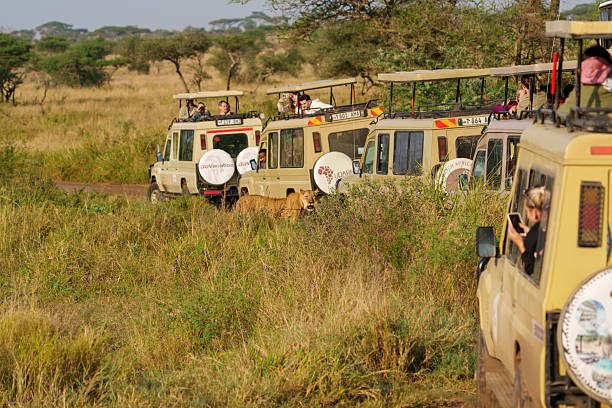
13 Days Kilimanjaro Climb And Serengeti Safari 2026-2027
13 Days Kilimanjaro Climb and Serengeti Safari.
View package details
12 Days Kilimanjaro Trekking and Tanzania Safari: A practical, day-by-day
A practical, bookable 12-day journey combining Kilimanjaro ascent with a Tanzania safari, outlining day-by-day route, acclimatisation strategy, park progression, and realistic safari...
View package details
10 Days Kilimanjaro Climb And Tanzania Safari Package
10 Days Kilimanjaro Climb and Tanzania Safari Package.
View package details
6 Days Kilimanjaro Climb And 3 Big Five Safari 2026
6 Days Kilimanjaro Climb and 3 Days Big Five Safari.
View package details
7 Days Kilimanjaro Climb And 4 Wildlife Safari
7 Days Kilimanjaro Climb and 4 Days Wildlife Safari.
View package details
8 Days Kilimanjaro Group Climb And 4 Camping Safari
A practical, bookable 8-day plan combining Kilimanjaro Group Climb with a 4-day camping safari. Day-by-day route, acclimatisation logic, and realistic safari logistics without guaranteeing...
View package details7 Days Kilimanjaro Group Joining Trek And 3 Safari
7 Days Kilimanjaro Group Joining Trek and 3 Days Group Safari.
View package details
6 Days Marangu Kilimanjaro Climb And 3 Tarangire Safari: A Practical
A focused, bookable 6-day Marangu Kilimanjaro climb followed by a 3-day Tarangire safari. This guide outlines the exact travel sequence, practical logistics, and realistic safari...
View package detailsNo related package matches those filters. Clear one or more filters to see the other topic-matched options.



