
This 11‑day plan combines the Machame Route ascent on Kilimanjaro with a Ngorongoro safari, detailing a practical day‑by‑day sequence, realistic logistics, and booking considerations. You’ll start with acclimatization and a steady ascent on Kilimanjaro via Machame, then transition to a Ngorongoro conservation area safari, balancing trekking, driving times, accommodations, and park activities. Availability and exact pricing must be confirmed with Climb 4 Africa, as these elements vary by season and group size.
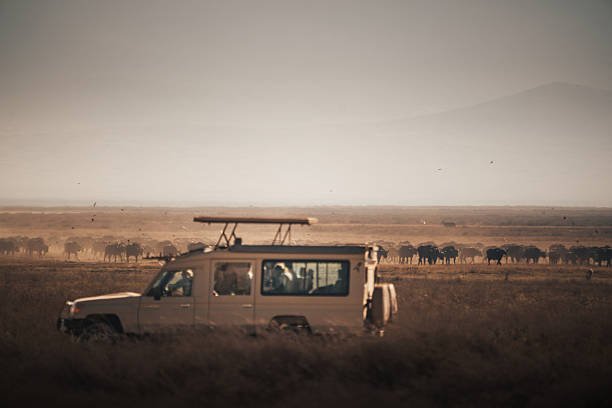

Overview of the 11-Day Machame and Ngorongoro Plan
This combined itinerary is crafted for travelers who want a compact Kilimanjaro experience using the Machame Route, followed by a classic Ngorongoro Crater safari. The route emphasizes acclimatization, scenic ridgewalks, and a safe summit push, then shifts to wildlife viewing in Ngorongoro and the surrounding parks. Expect a mix of trekking days, forest and moorland zones, and several long but manageable drives between the mountain foothills and the safari corridor.
Day-by-Day Breakdown
Note: All accommodations are subject to availability and seasonal changes. Distances and times are approximate and chosen to optimize acclimatization and viewing opportunities rather than rigid clocks.
Day 1 — Arrival in Moshi / Kilimanjaro region
Arrive at Kilimanjaro region gateway town (Moshi or surrounding) and transfer to your first briefing and hotel. A light briefing on gear, the Machame route logic, and the upcoming acclimatization plan is typical. Overnight in a comfortable lodge near Moshi to brace for the climb.
Day 2 — Machame Gate to Machame Camp (approx. 8–12 km)
Drive from Moshi to Machame Gate, then begin the forested ascent via the Machame route. Day 1 typically includes a forested climb with moderate ascent, enabling early acclimatization. Overnight at Machame Camp or a nearby trekking site where meals and basic facilities are provided.
Day 3 — Machame Camp to Shira Camp (approx. 5–8 km)
Continue through heath and moorland, with a gradual gain in altitude. The focus is on acclimatization and steady pace. Expected overnight at Shira Camp, with opportunities to view alpine scenery as the air thins.
Day 4 — Shira Camp to Lava Tower to Barranco Camp (loop via Lava Tower)
A short acclimatization loop is common near Lava Tower, then a long descent and ascent toward Barranco. The day emphasizes vertical gains and scenic ridges, ending at Barranco Camp for a solid rest before the next day’s summit push.
Day 5 — Barranco Wall to Karanga Camp
Climb the Barranco Wall for a bit of a scramble, then descend and head toward Karanga Valley. This day concentrates on acclimatization and a gentler final ascent profile, with overnight at Karanga Camp.
Day 6 — Karanga Camp to Barafu Camp (approx. 4–6 km, high altitude)
Consolidate acclimatization and prepare for the summit push. A short final approach is typical, with an early evening rest ahead of the midnight push. Barafu Camp serves as the base for the summit attempt and a rest stop before the final ascent.
Day 7 — Summit Night: Stella Point to Uhuru Peak; descend to Mweka Camp
Night ascent toward Stella Point, then the crater rim as dawn breaks. After the summit, begin a long descent to Mweka Camp for recovery. It’s a demanding day, balanced by a supportive crew and a structured pace.
Day 8 — Mweka Camp to Moshi / Porters’ Rest Day
Final descent to Mweka Gate, followed by transfer to a comfortable lodge. A rest day helps recovery and prepares for the safari portion. Optional short excursion or cultural visit can be arranged depending on group energy and timing.
Day 9 — Transfer to Ngorongoro (moto road or flexible routing)
Travel from Moshi to the Ngorongoro region. Long drive with potential stops for scenic viewpoints and lunch en route. Check-in at a lodge near the crater rim or a nearby lodge with views of the crater floor.
Day 10 — Ngorongoro Crater full-day safari
Morning briefing and park-entry into Ngorongoro Crater. A full-day game drive offers chances to see elephants, rhinos (depending on season), lions, and other wildlife living in the crater ecosystem. Picnic lunch in a designated area; afternoon drive back to the lodge.
Day 11 — Lake Manyara or Tarangire option and departure logistics
Depending on flight times and energy, a short morning safari near Lake Manyara or Tarangire can provide additional wildlife viewing before the journey to your onward destination or a Kilimanjaro departure transfer. If needed, a domestic flight or road transfer will be arranged for your international departure or next Tanzanian destination.
Acclimatization and Safety Considerations
The Machame route emphasizes a slower, more scenic ascent that helps with acclimatization compared to some other routes. A typical ascent pacing targets a gradual altitude gain, with extra nights added if needed for a smoother climb. On safari days, safety at Ngorongoro and in vehicle spaces is a focal point; the guide team prioritizes responsible viewing and comfort during long drives and game drives.
What’s Included and What to Expect
In a typical Climb 4 Africa arrangement, you’ll find a package that includes experienced local guides, porters for the Kilimanjaro climb, lodging before and after the trek, meals on trekking days, park entries, and internal transfers. Exact inclusions vary with season, group size, and chosen accommodations. Availability and pricing require direct confirmation to reflect current season and group dynamics.
Logistics, Transfers, and Booking Tips

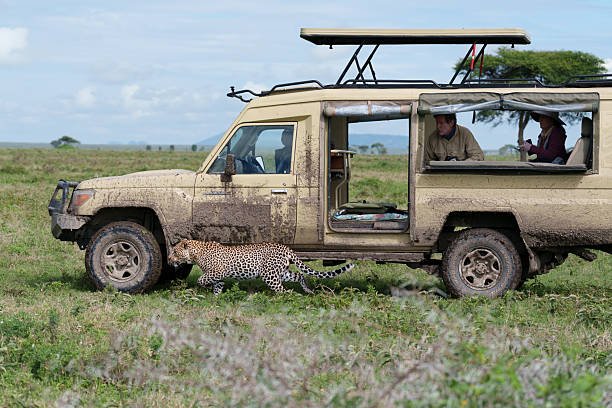
Extended logistics and practicalities for the 11-day Machame and Ngorongoro plan
Beyond the day-by-day sequence, this section provides concrete, bookable-trajectory considerations that travelers routinely confront when combining a Kilimanjaro ascent with a Ngorongoro safari. The aim is to add actionable specificity without reworking the core itinerary, staying true to the current article’s voice and structure while offering clarity on transitions, accommodations pacing, and realistic on-ground decisions that influence overall experience.
Regional travel logistics and timing windows: Kilimanjaro’s gateway region around Moshi and the Ngorongoro conservation area sit in different ecological and logistical pockets. The Machame ascent hinges on arranging lodge-based nights in Moshi or near the Machame Gate prior to the trek start, then shifting to trekking camps or trekking-site-style accommodations as you climb. The Ngorongoro safari segment typically requires a road transfer from Moshi or a nearby lodge, with routing options that may include a scenic pass through Arusha or a direct moto-road style transfer depending on current road conditions and the group’s comfort with long drives. A practical planning note is to align the safari lodge check-ins with the day you complete the Mweka descent, allowing a recovery buffer before the long Ngorongoro road day. Do not rely on tight, same-day connections; most operators build a buffer day or two to accommodate possible delays, weather, or vehicle maintenance needs.
Accommodations rhythm and types: The article references lodges near Moshi and within lodge complexes adjacent to the crater rim, but a clear, traveler-facing pattern emerges when you map the sequence. Expect pre‑trek nights in a comfortable boutique lodge with a robust breakfast and a briefing session; nights on the Machame route are at designated high-altitude trekking camps or basic trekking-site accommodations that provide hot meals and a secure space for gear. After the descent on Day 8, the group typically shifts to a mid-range lodge or tented camp on the Moshi side while awaiting transfer for Ngorongoro on Day 9. Ngorongoro and surrounding wildlife zones are best accessed from strategically located safari lodges or camps with crater views, often positioned on the rim or in nearby conservation-amenable valleys. If your schedule permits, confirm any potential upgrades such as all-inclusive meals, game-drive vehicle arrangements, and in-lodge experiences (evening sundowners, cultural activities, or optional short guided walks) that complement the main itinerary without altering core logistics.
Vehicle sequencing and safety on the ground: A consistent thread across the Kilimanjaro-to-safari transition is the reliability of transfer vehicles and timing buffers. For Kilimanjaro, the climber group usually travels in a protected, well-maintained 4×4 or mini-coach to the Machame Gate at the onset and back from Mweka Gate at descent. For Ngorongoro, the safari legs rely on sturdy 4×4 safari vehicles with a clear seating arrangement, a licensed guide, and a convoy-friendly approach to driving within crater access rules. The Ngorongoro crater has strict vehicle density guidelines; many operators schedule early morning entry to maximize animal viewing and minimize crowding. If your party includes children or travelers with variable stamina, request a vehicle with extra legroom and water supply to maintain comfort through long drives and game drives.
Meals and dietary planning across zones: Kilimanjaro trekkers should anticipate meals at trekking sites that emphasize hot, nutrient-rich fare, often featuring soups, stews, rice, porridge, and tea or coffee. On the Ngorongoro safari segment, picnics are common for midday meals, with sources of hydration available and snacks stored in vehicle coolers. Communicate any dietary restrictions in advance to the operator so chefs can tailor menus at both the lodge and trekking camps without compromising safety or energy. If a special meal, such as vegetarian or halal options, is important, verify that the lodge and trekking camp can accommodate without sacrificing the communal dining experience or causing scheduling delays.
Altitude-related pacing and health precautions: The article already emphasizes acclimatization; this extension highlights a practical approach to health monitoring. Hydration targets, salt intake, and rest days are equally critical in days leading up to the summit and during acclimatization loops near Lava Tower or Karanga. If a traveler experiences headaches, dizziness, or persistent nausea, communicate with the guide team immediately; the standard protocol is to increase rest, adjust altitude exposure, and possibly shorten the day’s distance. For safari days, altitude is less of a factor, but time spent at higher elevations around the crater rim requires similar vigilance for fatigue and sun exposure. Pack a personal medication kit (including any prescription items), an easily accessible sun hat, lip balm, and a light layer for variable morning and evening temperatures on the mountain and the crater rim.
Community and environmental responsibility notes: The itinerary benefits from engaging with local crews respectfully and prioritizing responsible tourism practices. This includes tipping norms aligned with local customs, minimizing single-use plastics, and supporting locally owned accommodations where possible. Many operators contribute to conservation and community programs; travelers can inquire about where and how funds are allocated and request a breakdown of how their contributions support rangers, guides, and lodge staff across the journey. A mindful traveler ensures that the environmental footprint remains as light as possible while still enjoying a high-quality experience.
Contingency planning for disruptions: As with any multi‑zone itinerary, have a plan for common disruption scenarios: flight delays, road closures, or weather-related gate closures can influence the Ngorongoro transfer window or the final day’s safari. In practice, operators keep flexible routing options, including alternate parks for Day 11 or adjusted transfer times to suit flight connections. Confirm a backup plan with your operator before departure, specifying preferred alternatives, maximum driving time tolerances, and the latest acceptable departure times to reach an international connection safely.
Documentation and visa considerations: The Kilimanjaro climb and Ngorongoro safari typically fall under Tanzania’s visa and entry policies. Ensure passports are valid for at least six months beyond travel dates, have sufficient blank pages, and carry a color copy of the passport and visa (if applicable). If you require a visa on arrival, confirm current processing expectations with your operator, as policies can change. Carry any required health documentation (vaccination certificates or recent test results) if requested by local authorities or airline partners, and keep a digital backup of essential documents in a secure cloud storage or email. Your operator will assist with park-entry permits and any craft-related permits on the Ngorongoro side; confirm the exact names on the permits to avoid discrepancy at entry gates.
Final checklist alignment with the existing plan: To make the most of the article’s current structure, anchor this additional information around practical touchpoints that occur between days, rather than re-describing the core day-by-day actions. The goal is to answer the most common, bookable traveler questions that typically arise when someone is assessing this two-phase journey: pre-climb lodging, transfer sequencing, pre- and post-safari accommodations, meal logistics, and contingency planning. Reviewers will appreciate concrete, non-redundant guidance that complements the established sections without duplicating the day descriptions or marketing language.
Gap-Discovery Detail: Practicalities of the Safari Transition and Ngorongoro Zone Logistics
Readers often arrive at Day 9 with a practical concern that sits between the mountain and the crater: how does the transition work in real terms? This section extends the bookable planning thread by anchoring the Ngorongoro safari transition to concrete, verifiable logistics that travelers commonly encounter, without venturing into unverified claims about prices or exact lodging chains. The focus is on what actually changes between the Kilimanjaro ascent and Ngorongoro wildlife days: how you move, where you sleep, how meals and packing are handled, and what to expect from the transfer window and park entries.
Transfer sequencing and timing realities: After breakfast on the final Kilimanjaro trekking day (Day 8), most itineraries arrange a late-afternoon or early-evening departure from Moshi or the foothills vicinity to reduce the risk of missing a preferred Ngorongoro window. In practical terms, you should expect a multi-hour drive that crosses from Kilimanjaro’s highlands into the Ngorongoro Conservation Area corridor. Your timing depends on the group’s pace, fuel stops, and potential vehicle checks along the highway. Operators with proven experience typically build in buffer time for border-style checks and cargo balancing at viewing-vehicle depots, ensuring a smoother handoff to safari logistics once you reach the Ngorongoro region.
Accommodation structure on the Ngorongoro side: While the Kilimanjaro climb uses basic-to-comfortable trekking lodges, the Ngorongoro Safari portion rotates around two common models: (1) crater-edge lodges with panoramic views but limited direct crater access, and (2) lakeside or savannah-facing properties that emphasize proximity to wildlife corridors. The choice affects your wake-up call, breakfast timing, and the pacing of your day. Expect early breakfasts that align with park-entry timings and lunch boxes or picnic setups for the crater floor. In practice, if your lodge sits near the crater rim, your game drives may commence just after sunrise to maximize animal activity in cooler morning air. If you stay a touch farther from the rim, transfers to the crater entrance gates can be shorter, but the dawn light still delivers a dramatic backdrop for photography in the early hours.
Park entry, rules, and potential changes: Ngorongoro’s crater system is managed with day-use entry provisions that can shift with seasonal herd movements or conservation priorities. Your operator coordinates the permit issuance in advance, but travelers should be prepared for gate-specific check-ins, especially if a partial day is devoted to a non-crater park (for example, a nearby crater rim viewpoint or a short woodland drive in the Ngorongoro Conservation Area). Practical tip: carry a printed copy of your park-entry receipt and a digital backup; gate staff may request the traveler’s name and passport details exactly as they appear on your permit. If you require a late-afternoon or dawn-entry window, confirm this preference with your operator before departure, as it may influence driving times and lunch arrangements en route from Moshi to the crater.
Meals and packing changes between Kilimanjaro days and safari days: Kilimanjaro trekking relies on feeding at campsites or trekking lodges with hot meals and hot drinks. During the Ngorongoro safari, meals shift to lodge-level breakfast and dinner, with daily boxed lunches or picnic lunches for the crater morning. Pack a small daypack for the crater drive with sunscreen, a hat, a light layer, and a water bottle—crater mornings can be chilly, then warm up as the sun climbs. Safari days demand less heavy clothing above the waist, with neutral tones favored for animal visibility and minimal disturbance. Logistically, your luggage is typically kept in a secure storage area at the Moshi or Ngorongoro corridor base during the safari portion; you will not carry full trekking bags on the crater floor.
Descent from the mountain and acclimatization continuity: The article’s philosophy emphasizes acclimatization as a throughline. After summitting Kilimanjaro, you descend to Mweka Camp and then to Moshi for rest. The Ngorongoro transition is designed to support recovery from altitude effects while shifting focus to wildlife and landscape. Practically, this means you’ll want to hydrate well, snack on longer rides, and avoid heavy, high-volume meals immediately before long drives. The Ngorongoro segment itself does not involve significant altitude shifts, but the overall itinerary benefits from mindful rest and light movement after the climb to restore energy for daily game drives.
Contingency planning for the safari segment: While your operator will aim to deliver the planned crater day, weather or road conditions can prompt a routing adjustment. The most common practical changes involve swapping a crater-focused day with a short-crater rim or forest-drive alternative within Ngorongoro or neighboring parks. The key is to maintain animal-activity opportunities without sacrificing safety or pacing. Your operator should provide a clear backup day plan for Day 11 if crater access is temporarily limited, including a possible switch to a Tarangire or Lake Natron extension, or a shorter Ngorongoro morning drive followed by a late departure to your onward destination.
Safety and ranger-support framework on safari days: The Ngorongoro ecosystem is monitored by park rangers who coordinate vehicle guidelines, wildlife viewing distances, and parking regulations. Your guide will brief you on respectful distances to wildlife, environmental etiquette, and how to respond if animals approach near the vehicle. For families or first-time safari-goers, following the guide’s instructions is essential for a safe, enjoyable experience and for preserving the integrity of the park environment. If there are any health considerations (motion sickness on long crater drives, for example), inform your guide ahead of time so they can position you in the most comfortable seat and provide appropriate breaks.
Documentation and cultural considerations: Always carry your passport (or a copy) for park entry and lodge check-ins. If you have visa-on-arrival arrangements, your operator will brief you on the latest process and fees. In addition, some travelers add a short cultural visit to a nearby village or community project as a courtesy extension; if you’re interested, request this option during booking so it can be scheduled without compromising the core safari timetable.
What this means for your planning timeline: When mapping Days 9 through 11, think in terms of two core shifts: (1) a controlled, shorter travel day from Moshi to the Ngorongoro corridor with a focus on rest and orientation; (2) a wildlife-centric set of days that precedes departure logistics. The practical outcome is a more balanced energy distribution across the entire journey, leveraging acclimatization benefits from Kilimanjaro and the high wildlife density within Ngorongoro and adjacent reserves. By keeping expectations aligned with park access and lodge coordination, readers can navigate the transition with confidence rather than relying on overly optimistic wildlife sighting forecasts.
Additional practical references for a smooth two-phase journey
- Pre-booked transfers: Confirm whether your operator provides a dedicated vehicle for the Moshi-to-Ngorongoro transfer or coordinates with a third-party service. Clarify luggage handling and any additional costs for extra stops or a change in route.
- Health and vaccination reminders: Ensure you carry any required vaccination documentation or recent test results requested by airline partners, even if not explicitly required by the park authorities. Keep digital copies accessible in your cloud storage or email.
- Emergency contacts and support: Save your operator’s on-ground emergency contact numbers and have a plan for urgent medical needs, including how to reach the nearest hospital or clinic from the crater region.
Gap-Discovery Detail: Safari Transition Logistics – What Travelers Really Need to Nail the Ngorongoro Phase
Readers finishing the Kilimanjaro ascent and preparing for the Ngorongoro safari often confront a practical question that isn’t always spelled out in standard itineraries: how to synchronize post-climb recovery with the shift to a high-density wildlife zone, while keeping travel times reasonable and energy levels steady. This section dives into concrete, bookable considerations that influence Day 9 through Day 11, grounded in the realities of the Machame-to-Ngorongoro transition.
1) Transfer logistics that actually work across the two phases—The critical hinge is a transfer plan that minimizes backtracking and aligns with lodge check-in windows at the crater rim. In practice, this means confirming a single-vehicle arrangement with your operator for Moshi-to-Ngorongoro transit, rather than a series of handoffs between drivers. Ask for a door-to-door service from your Moshi hotel to the Ngorongoro area lodge, with a fixed pick-up time at the end of Day 8 or early Day 9 that keeps the group synchronized. If delays occur on Kilimanjaro, a pre-arranged contingency (for example a guaranteed extra hour at a mid-point rest stop) can prevent cascading missed check-ins at the crater rim lodges.
2) Baggage and packing realities for the two-phase journey—Kilimanjaro trekking gear typically stays with the trek crew, while travelers increasingly find that a lightweight, daypack-friendly climate for the safari is the most efficient approach. Coordinate luggage allowances with the operator: establish whether a single checked bag is permissible to the Ngorongoro lodge, and if there will be a secure holding location during the mountain days. For Ngorongoro, you’ll want a compact carry-on-sized bag with a camera lens, sunscreen, a brimmed hat, a lightweight jacket, and a refillable water bottle—items you’ll access between game drives without unpacking the entire trekking wardrobe.
3) Acclimatization carryover: leveraging Kilimanjaro rests into safari energy—The body’s adaptation to altitude can influence alertness and stamina during long crater drives. Practical planning respects this: schedule the Ngorongoro transfer so that your first safari morning is not immediately after a red-eye or an extremely long drive. A relaxed welcome dinner at the lodge and a late breakfast can help the group reset. If a short cultural or scenic stop is possible en route without extending the day excessively, consider it as a gentle transition that aids digestion of the shift in pace from altitude to wildlife viewing.
4) Vehicle comfort and viewing opportunities in the crater context—Ngorongoro safari days revolve around the crater floor and surrounding highlands, where lengthy drives on uneven terrain are common. Confirm the vehicle type (ideally a comfortable 4×4 with designated window seats for the group) and the number of passengers per vehicle. Ask about the operator’s policy on game-drive routing: whether guides hold a flexible plan to pursue wildlife hotspots—without compromising reasonable drive times or safety—versus sticking to a fixed loop. A clearly stated approach reduces on-the-ground confusion and supports steady pacing for all travelers.
5) Lodge selection and location logic near Ngorongoro—For maximal convenience, request lodges with crater rim access or vantage points that minimize early-morning transfers. An optimal choice is a lodge within a short drive of the park gate, enabling a 0600 entry with quicker first-hour wildlife visibility. If your schedule includes a Lake Manyara or Tarangire add-on after Ngorongoro, ensure the lodge has a practical departure point or arrange a later check-out window if your flight is later in the day.
6) Safeguarding health and comfort during the transition—Even with a well-paced itinerary, the two-phase journey can raise issues such as motion discomfort on long crater drives or fatigue after the mountain climb. Proactively discuss with the guide any personal concerns: motion-sickness remedies, seating preferences, and planned rest breaks. Hydration, electrolyte balance, and light meals at key transition junctures help maintain energy without overindulgence or sudden dietary changes that could provoke discomfort.
7) Documentation and entry-rituals alignment—Park entries, lodge checks, and domestic transfers hinge on consistent documentation. Carry copies of passports, visa-on-arrival receipts if applicable, and any vaccination records requested by partners. Confirm whether the Ngorongoro ranger fees or park entry receipts are included in your package or payable on arrival, and keep a digital copy accessible for quick reference at gates or lodges.
8) Contingency planning for variability in Ngorongoro access—Ngorongoro Crater logistics can shift with road conditions, weather, and seasonal wildlife activity. A practical plan includes a flexible backup morning (for example, an optional extra ride to a scenic overlook or cultural stop) and a guaranteed minimum number of game drives within the crater if weather or gate timing compresses plans. This approach preserves the safari’s core wildlife experience while avoiding the need to rush through crucial habitat windows.
9) Clear communication and confirmation trails—Because two distinct ecosystems and administrative zones are involved, ensure that your booking contains explicit confirmations for each phase: Kilimanjaro permits and guide assignments, Moshi accommodations, transfer details to Ngorongoro, Ngorongoro crater-entry arrangements, lodge check-ins, and any after-crater day activities. Request written backup itineraries and contact points for on-ground support, ensuring you can reach a coordinator if a disruption arises during Day 9–11.
This gap-discovery focus centers on operational specifics that travelers often discover only after the mountain phase begins. By pre-clarifying these two-phase logistics with your operator, you reduce friction and sustain energy for the wildlife portion of the journey. The aim is not to forecast precise wildlife outcomes but to guarantee a smooth, well-paced transition from summit-focused travel to crater-centric exploration, with clear, bookable steps that can be executed in real timelines.
Related Guides and Packages
Check Availability for 11 Days Machame Route And Ngorongoro Safari 2026-2027
Ready to compare dates, prices, and the best option for your group? Send the package name and travel month so the team can reply with a clear quote, availability, and what is included.
14 Days Lemosho Route And Serengeti Ngorongoro Safari 2026-2027
14 Days Lemosho Route and Serengeti Ngorongoro Safari.
View package details
6 Days Machame Kilimanjaro Climb And 2 Tarangire Ngorongoro Safari
6 Days Machame Kilimanjaro Climb and 2 Days Tarangire Ngorongoro Safari.
View package details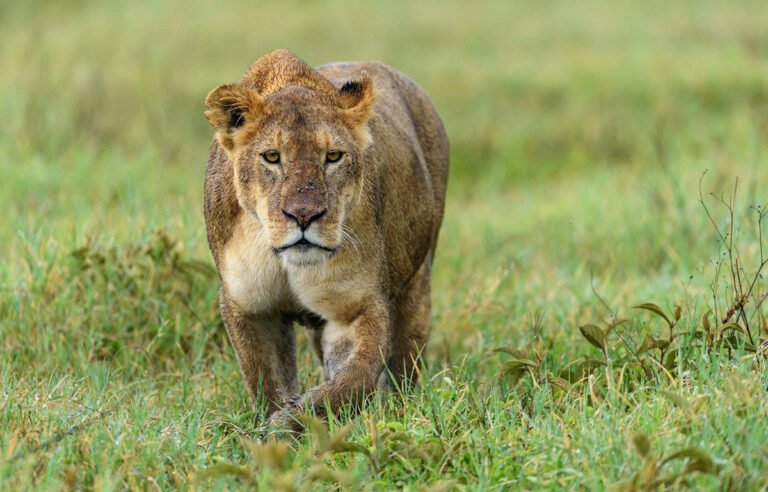
Combine The Challenge Of Kilimanjaro With Wild Beauty Of Tanzania’s Serengeti
This integrated 6-day Machame climb and 3-day safari combines the physical challenge of summiting Africa’s highest peak with in-depth wildlife encounters in the Serengeti and Ngorongoro...
View package details
8 Days Kilimanjaro Lemosho Trek And 4 Serengeti Ngorongoro Safari
8 Days Kilimanjaro Lemosho Trek and 4 Days Serengeti Ngorongoro Safari.
View package details2-Day Ngorongoro Cultural & Historical Tour
Mwongozo wa kina wa safari ya siku 2 Ngorongoro—muktadha wa kiutamaduni na kihistoria, mipango ya siku, na jinsi ya kupanga rezervations kupitia Climb 4 Africa.
View package details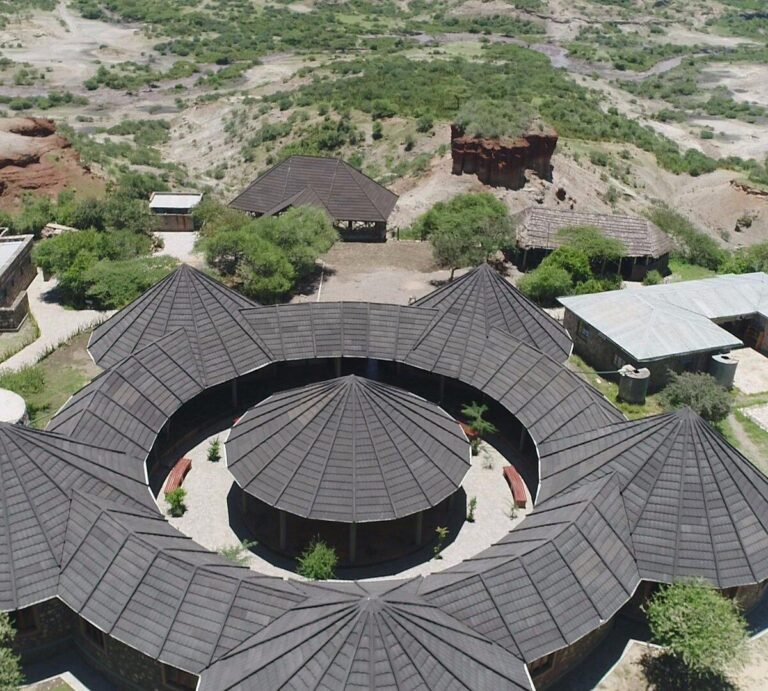
1-Day Ngorongoro Historical & Archaeological Tour
Kuwa na safari ya siku moja katika Ufa wa Ngorongoro, ukigusa historia na akiolojia ya eneo, kwa mwongozo wa kitaalamu wa Climb 4 Africa.
View package details
10 Days Kilimanjaro Trek And Tarangire Ngorongoro Tour 2026-2027
10 Days Kilimanjaro Trek and Tarangire Ngorongoro Tour.
View package details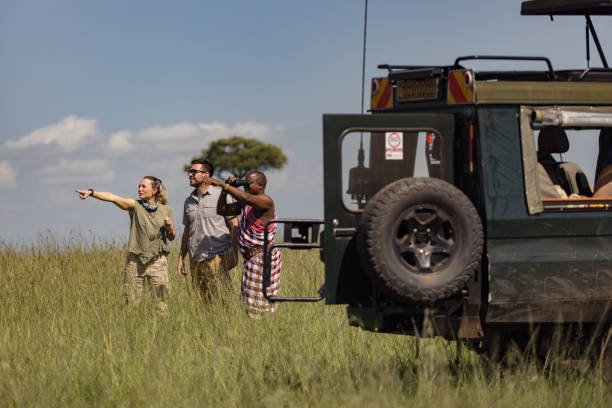
4-Day Northern Tanzania Historical Discovery Tour
Ndiyo njia ya kipekee ya kujifunza historia ya mwanadamu katika maeneo ya Olduvai Gorge, Laetoli na Ngorongoro kwa safari ya kipekee ya siku 4 iliyoandaliwa na Climb 4 Africa.
View package details12 Days Tarangire, Serengeti, Ngorongoro And Zanzibar Safari 2026-2027
12 Days Tarangire, Serengeti, Ngorongoro and Zanzibar Safari.
View package details
12 Days Machame Route And Serengeti Safari 2026-2027
12 Days Machame Route and Serengeti Safari.
View package details
12 Days Rongai Route And Tanzania Wildlife Safari 2026-2027
12 Days Rongai Route and Tanzania Wildlife Safari.
View package details
11 Days Marangu Route And Tarangire Serengeti Safari 2026-2027
11 Days Marangu Route and Tarangire Serengeti Safari.
View package detailsNo related package matches those filters. Clear one or more filters to see the other topic-matched options.



