
start an 11-day, bookable Tanzania itinerary that starts with the Marangu Route on Kilimanjaro for acclimatization and a controlled ascent, then transitions to a Tarangire–Serengeti safari. The plan sequences every day with realistic drives, lodge or camp stays, and safari dynamics, without promising wildlife sightings. Availability and exact prices must be confirmed with Climb 4 Africa, but you will leave with a clear travel flow: gradual ascent, rest days, and a focused wildlife circuit across Tarangire and Serengeti, ending with a practical drive back to Moshi or Arusha.
Day 1: Moshi to Kilimanjaro National Park gate — Marangu gate entry and first acclimatization walk. Transfer from your lodging to the Marangu gate area, briefing, gear check, and a short acclimatization hike on the first properties’ trails. Overnight at a comfortable lodge near the gate to manage altitude onset and ensure a smooth start. This day sets the baseline for elevation and pace, with a focus on hydrating well and keeping a relaxed tempo.
Day 2: Mandara Hut stage — Hu sitting start, gentle ascent through maize fields and Montane forest. Your guide will pace the group to maintain a sustainable rhythm. Expect a mix of forest scenery and occasional views as the trail climbs toward the Mandara region. Dinner and overnight at Mandara Hut or a similar altitude-appropriate camp. The aim is to establish comfortable breathing and motivate consistent fluids and snacks for the body’s rhythm.
Day 3: Horombo Huts — acclimatization day within the Horombo region. A planned short acclimatization hike returns to camp, enabling the body to adjust. This day emphasizes rest, hydration, and nutrition as you prepare for the longer ascent ahead. Overnight at Horombo Hut, with warm meals and a stable camp environment that supports steady energy levels.
Day 4: Kibo Hut approach — the first major shift toward higher elevation. The route transitions through more open moorland, with dramatic views as you approach Kibo’s lower slopes. This day is a stepping-stone for acclimatization, with a focus on breathing pace and steady pace. Overnight at Kibo if available, or a nearby high camp depending on weather and group pace.
Day 5: Summit window prep — early departure to Kibo Summit visibility and potential summit attempt window. This day often includes an optional brief night climb to reach the crater rim and time to participate in a dawn summit. If the weather or altitude makes a summit challenging, the plan prioritizes a controlled descent to a lower sleep area with a focus on safety, hydration, and rest. Overnight near Kibo’s high camp or Horombo depending on the group’s progress.
Day 6: Mweka Camp or descent to Moshi region — descent into Mweka Camp for the final grassy slopes portion, followed by a transfer to Moshi or Arusha. The end of the Kilimanjaro climb marks a transition from high altitude to safari readiness. Dinner at a lodge near Moshi or Arusha.
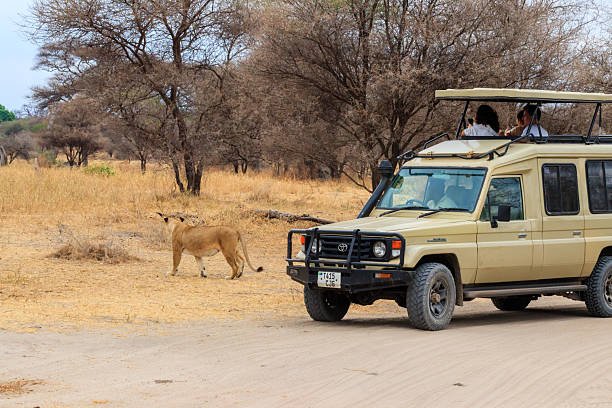
Day 7: Transfer to Tarangire National Park — from Moshi/Arusha, drive to Tarangire, checking into a safari lodge or tented camp. Afternoon game drives emphasize the park’s iconic baobabs, river lines, and elephant congregations. Overnight near Tarangire, with evenings designed for rest after a full day of travel and a light briefing on the next day’s safari targets.
Day 8: Tarangire full-day safari — a full-day game drive circuit with morning and afternoon drives. Focus on the Tarangire River corridor, big-totem acacia woodland, and elephant herds, with potential sightings of:
– Tarangire’s distinctive elephants
– Isolated predators around the river edge
– Migratory birds and tree-dwelling species
Day 9: Transfer to Serengeti South/West — long drive through the highland plains toward the Serengeti, with a mid-day break for lunch and light refreshments. Check-in at a Serengeti camp or lodge, followed by an evening game drive depending on light and wildlife movement. Overnight in Serengeti area, enjoying the expansive savannah and timeless skies.
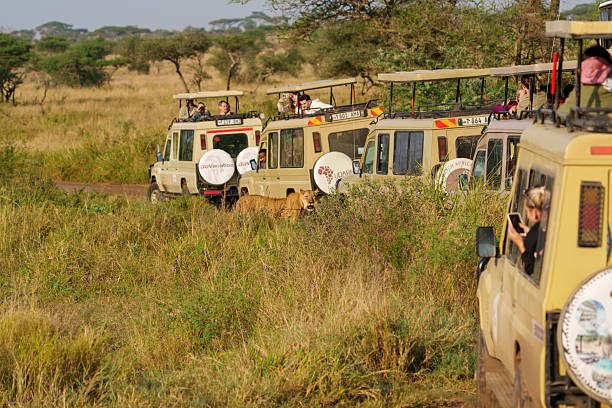
Day 10: Serengeti full-day safari — two game-drive sessions targeting diverse habitats: acacia savannahs, kopjes, and grassland plains. The day emphasizes realistic wildlife opportunities rather than guaranteed sightings, with a focus on predator-prey dynamics and seasonal movements if present. Overnight in Serengeti lodge/camp, with meals aligned to the safari schedule.
Day 11: Serengeti to Moshi/Arusha — morning drive to a central exit point, followed by a transfer to Moshi or Arusha for your departure. Depending on timings, a brief lunch stop or a short cultural visit may be added. End of services with a checkout at your hotel or arrival in town for onward travel arrangements.
Notes on planning and logistics: This sequence prioritizes acclimatization on Kilimanjaro before heading into wildlife habitats. The Tarangire–Serengeti safari relies on a responsible driving pace, stable vehicle access, and realistic expectations about wildlife encounters. Accommodation choices range from comfortable lodges near park gates to safari camps inside or adjacent to major ecosystems. All elements depend on the latest availability, group size, and weather, so final confirmation with Climb 4 Africa is essential for secure bookings and precise timings. This outline serves as a practical guide to the flow, not a guaranteed wildlife sighting plan or fixed price structure. For the best experience, discuss preferred camps, vehicle type, and walking options with your advisor to tailor to energy levels and safety considerations.”}
,
“faq_schema”:[
Addressing the Day 9 Gap: Transfer to Serengeti South/West and the Arrival Rhythm
Day 9 represents the pivotal transition from the Tarangire–Mkombe corridor into the heart of the Serengeti ecosystem. With a long, scenic drive ahead, the plan emphasizes logistical clarity and traveler comfort over the promise of guaranteed wildlife encounters. The sequence balances travel stamina with the realities of Tanzanian road conditions and the need for timely check-in at a Serengeti camp or lodge to maximize late-afternoon and early-evening in-game opportunities.
Morning logistics and pacing — After breakfast at the Tarangire-sourced lodging or a pre-dawn briefing, your guide confirms departure times, vehicle readiness, and essential items for the day (waters, snacks, sun protection, and a lightweight layer for temperature shifts). The convoy typically departs with ample daylight, allowing a relaxed start while still aiming to arrive at the Serengeti entry point in good time. The drive traverses rolling highland landscapes, villages, and agricultural pockets that punctuate the boundary between Tarangire’s woodlands and the Serengeti’s expanding plains.
Midday pause and refreshment — A designated lunch stop is planned at a scenic pullout or a lodge stop with a brief meal break. The objective is to maintain energy levels and hydration while offering a short stretch plus a chance to swap notes about potential wildlife behavior observed in the Tarangire region. This pause also serves to reset expectations, acknowledging that Serengeti sightings can hinge on light, wind, and animal movement patterns rather than schedule alone.
Arrival at Serengeti and camp check-in — Upon reaching the Serengeti vicinity, the group consolidates at a planned gate or arrival area where staff from the chosen lodge or camp meet the travelers. Check-in processes include a quick briefing about the local environment, the lodge’s dining timings, and the evening’s sunset drive window. Depending on the timing, the afternoon safari may begin almost immediately, or guests may settle into their tents or rooms first, with a short rest to acclimate to the new habitat and time zone shift.
Evening game drive considerations — If light remains favorable, an introductory late-afternoon game drive launches into the central Serengeti’s acacia savanna mosaic, kopjes, and open plains. The guiding emphasis for Day 9 evening drives is on establishing a baseline for animal movement in the new ecosystem, noting predator-prey interactions, herbivore herds’ spacing, and the subtle cues of wildlife activity as dusk folds the landscape. Guides share safety reminders for restricted areas, vehicle spacing, and the importance of sustainable viewing practices that minimize disturbance to wildlife.
Accommodation and comforts — Serengeti options range from elegant tented camps to elevated lodge rooms that foreground open, panoramic views of grazing plains and occasional watercourses. Even when the primary goal is optimal wildlife viewing, the day’s end includes restful post-safari amenities, hot showers, and restorative meals designed to support recovery from long travel hours and a full day of movement-focused exploration.
Key questions travelers often have about Day 9 —
- How long is the typical drive from Tarangire to Serengeti South/West, and what are the main border crossings or park entry points?
- What wildlife patterns might you expect during the transition into Serengeti terrain, and how does that influence safari timing?
- What should be prepared for climate changes during the day (sun, wind, dust) and how to protect equipment and clothing?
- What is the typical structure of the evening drive, and how late can it extend before dinner or camp routines?
- What kinds of accommodations are most compatible with a relaxed recovery day after a long travel segment?
These questions guide practical adjustments, not speculative guarantees. Operators will confirm exact driving times, gate procedures, and camp transfers closer to the departure, reflecting current conditions and accessibility. Day 9’s focus remains practical: a smooth transition, a clear briefing for Serengeti routines, and a patient, informed approach to wildlife opportunities within a new ecosystem.
Gaining Ground: Logistics, Transitions, and Serengeti Rhythm Beyond Day 9
With Day 9 establishing a practical bridge from Tarangire’s savanna corridors toward the Serengeti expanse, the core logistical decisions now shift from altitude acclimatization to a controlled, efficiency-driven safari flow. This section unpacks the concrete movements, lodge or camp transitions, and the pacing decisions that optimize the experience without promising sightings. It centers on the tangible realities travelers will encounter as the group enters Serengeti South/West, and how both guides and guests calibrate expectations in a still-massive, dynamic ecosystem.
The drive into Serengeti South/West is not a single border crossing moment but a sequence of road segments and gate procedures. Expect a long but steadily improving road surface through park hinterlands, with occasional dust and heat reflecting the arid-to-moist gradient that characterizes the southern Serengeti approach. The route typically threads through remote pastoral lands before opening into a mosaic of acacia savanna, granite kopjes, and occasional riverine pockets. Your guide will outline the day’s milestones at breakfast—fuel, vehicle checks, and a brief safety reminder—before departure. This dialogue reinforces that the journey is as much about managing fatigue and hydration as it is about the potential for wildlife glimpses.
The Serengeti South/West zone often delivers different behavioral patterns compared with the central Serengeti. By the time you reach camp, the emphasis shifts to adjusting to a new horizon: fewer large herds massing at predictable water sources, and more dispersed, opportunistic movements as resident prides and smaller predator groups recalibrate their territories after the Tarangire corridor. This reality informs the afternoon drive strategy: slower, patient tracking, and a deliberate focus on the smaller scenes that provide a sense of ecosystem function—e.g., a reed-filled waterhole behind a kopje, the telltale tracks of a stalking animal near a drain, or a herd of topi or gazelle using a distant savanna edge as cover. Your guide will continually balance the potential reward of traction with the comfort of a well-timed return to camp for rest and meal support.
Accommodation in Serengeti South/West during this segment is selected to support a recovery-oriented pace after the long day of travel. Tented camps and mid-to-upper-range lodges here are designed to minimize long daily commutes while maximizing access to vantage points for late-afternoon wildlife activity. The choice of site will consider proximity to water sources, the angles of the setting sun, and the ability to offer a quick, safe transition from vehicle to camp. Regardless of exact locale, evenings in this zone tend to blend a quiet camp ambiance with the memory of a day’s travel—wide skies, a cooler breeze at dusk, and the subtle percussion of a distant hyena chorus or zebra stamping in the acacia scrub.
From a practical standpoint, the Day 9 transfer introduces a few non-negotiables: clarity on time spent in transit, deliberate pacing to manage altitude and heat, and a flexible plan for the first Serengeti sunset drive. Guides will confirm gate opening times and expected drive durations closer to departure, acknowledging that conditions—road maintenance, seasonal closures, or wildlife blockages—can influence the exact timetable. The goal remains transparent: a smooth transition that preserves energy for Day 10’s fresh start in Serengeti South/West, while maintaining safety and animal-viewing etiquette as top priorities.
Regarding safety and wildlife ethics, the Serengeti operation follows strict vehicle distance rules, park guidelines, and travel-time caps for afternoon drives. The rationale is to minimize disturbance to fauna while sustaining the flexibility needed to adapt to changing animal behavior. Guests may notice a calmer, less rushed tempo on Day 10 onward, which is intentional: after a long travel segment, the schedule aims to restore balance by allowing longer rests, easier evenings, and more measured morning starts that align with the site’s microclimates and animal routines.
In terms of practical preparation, travelers should keep lightweight, breathable layers handy for the Serengeti’s late-afternoon coolness and early-morning chill. A compact scarf or buff helps shield against dust during the drive, while a brimmed hat and sunscreen support comfort in the late sun. Cameras and lenses should be kept ready but secure during long drives and open-top moments; insect repellent and a personal water bottle are prudent additions for the vehicle interior. Packing decisions should reflect a steady rhythm of travel: a daypack for the vehicle with water, snacks, a rain shell, and a small towel complements the main luggage carried to camp.
Ultimately, the Day 9 transition serves as a practical reset point: a controlled shift from Tarangire–Mkombe corridor dynamics into the Serengeti’s broader terrain. It is not a guarantee of wildlife encounters, but a carefully choreographed move designed to maximize the likelihood of rewarding game-viewing opportunities on the following days while prioritizing guest comfort and sustainable travel practices.


Filling the Day 9 Gap with Serengeti South/West Arrival Nuances
Beyond the logistical backbone laid out in the Day 9 transfer, travelers encounter a set of practical, on-the-ground realities that color the Serengeti arrival rhythm. This section adds concrete pointers to help readers understand how the transition shapes the subsequent days, without promising wildlife outcomes or deviating from the bookable framework of the itinerary.
Route cadence matters as much as destinations. The drive from Tarangire’s edges toward Serengeti South/West typically unfolds along a mosaic of high-contrast savanna, riverine pockets, and seasonal scrub. Guides coordinate with local rangers to anticipate gate openings, fuel stops, and a brief lunch en route, ensuring that the day’s pace remains sustainable for acclimatization and vehicle comfort. Expect a long but steadily progressive day where the group maintains a steady conversation, relies on hydration breaks, and uses the drive as a gentle physical transition rather than a sprint to the next camp.
Landscapes in this corridor reveal the ecosystem’s edge effects: seasonal floodplains begin to thin, acacia stands become more scattered, and distant escarpments hint at the rolling topography that defines the Serengeti’s southern quadrant. Photographers may notice subtle shifts in light and shadow as late afternoon approaches—an opportunity to freeze the moment without forcing aggressive stop-and-go patterns. The day’s arrival rhythm is designed to conserve energy for the first Serengeti sunset drive, which typically carries a different tempo and atmosphere than the tarangire-centric zones already explored.
Acclimatization continues to be a quiet anchor. While the Kilimanjaro days build physiological readiness, the Serengeti transition demands ongoing attention to hydration, light meals, and sleep discipline. The itinerary avoids late-night drives; instead, it favors a timely arrival at the camp or lodge and a calm evening with light activity options—such as a short dusk walk around the perimeter (with guide approval) or a relaxed deck view for a drink and wildlife silhouettes along the savanna edge. This conserves energy for the upcoming full safari days while preserving safety and comfort after a long travel segment.
Camp choices in Serengeti South/West are selected for accessibility to early morning game-viewing starts and to minimize unnecessary long transfers within the park. The lodging typically offers en-suite facilities, a communal dining area, and a gestion of noise levels suited to restful evenings. The emphasis remains on predictable routines: a light dinner at a reasonable hour, a warm shower after a day in the vehicle, and a chance to review the day’s notes from the guide team. This structure supports a balanced pace across the next day’s morning start and the afternoon drive windows that characterize the Serengeti circuit.
Safety, etiquette, and vehicle management stay constant. Vehicles adhere to park rules regarding approach distances, noise, and the number of guests per vehicle. Guides coordinate with park rangers to ensure compliance, particularly as sunset drives become a core element of the Serengeti experience. While the scenery may invite longer stops for general photography, the schedule remains disciplined to avoid fatigue or risk during the first Serengeti legs. The underlying principle is a sustainable, respectful approach to wildlife and landscape without pressuring animals or compromising guest welfare.
In practical terms, readers should carry a compact layer for early-morning cool and late-afternoon breeze, a lightweight rain shell, and a small head covering to manage dust on longer open-top drives. A reusable water bottle and snacks within arm’s reach in the vehicle help sustain energy between lodge meals. For cameras, a light tripod or monopod can be useful for dusk or dawn silhouettes, but avoid bulky gear that complicates vehicle ingress and egress during park stops. This Day 9 transition thus becomes a deliberate, measured step—more about setting the stage for Serengeti rhythms than delivering a guaranteed wildlife spectacle.
Exploring the Serengeti South/West Corridor: Practicalities Beyond Day 9
With the Day 9 transition into Serengeti South/West established, the itinerary gains a distinct rhythm tied to the geography of the southern and western Serengeti: a landscape where acacia woodland gives way to open savanna, and where lodge or camp layouts are optimized for early starts and predictable vehicle turnover. This section delves into the concrete, bookable logistics that readers need when the plan commits to the Serengeti South/West corridor, avoiding speculative wildlife forecasts while emphasizing feasibility, comfort, and operational clarity.
Transfer dynamics and timing — The journey from Tarangire to Serengeti South/West is not a single dash but a carefully staged transition. Morning departures from a Tarangire base typically align with vehicle readiness, briefing refreshers, and a final Kilimanjaro acclimatization debrief. The actual transfer day prioritizes a steady pace, with planned rest stops at designated viewpoints or picnic areas at stable road junctions. Expect a travel window of roughly 3.5 to 5 hours of driving, depending on modular stops, vehicle type, and the official park entry procedures. Because this leg sits at the threshold of two distinct ecosystems, the guide team often schedules a controlled lunch stop in a shaded area with water access, ensuring hydration and energy before re-entering the Serengeti plains.
Camp and lodge alignment with dawn drives — Serengeti South/West accommodations are chosen for proximity to early morning departure points and for minimizing backtracking within the park’s core routes. The operational design typically features en-suite facilities, a centralized dining area, and quiet zones that preserve afternoon rest windows. In practical terms, this means a dinner service that finishes early enough to permit a calm evening routine, followed by a night briefing about the next day’s routes, animal movement patterns observed during the prior drive, and any park rule reminders. Many properties provide a modest veranda or deck with a dusk silhouette view, which becomes a controlled perch for discerning guests who enjoy a low-intensity wildlife spectacle without pressuring animals during the critical night rest period.
Day structure in Serengeti South/West — The day-to-day flow emphasizes discipline and predictability: early morning starts around first light, followed by a mid-morning break, and another drive window in the late afternoon. Afternoon rest periods are purposeful, enabling guests to digest sightings, review notes with guides, and reset palettes after a sequence of long vehicle sessions. In terms of activity ballast, the South/West corridor favors game-viewing fronts around termite mounds, riverine edges, and open savanna where the light conditions favor photography but do not push the schedule toward fatigue. Guides balance photography opportunities with the need to maintain safe vehicle health, allowing for short, guided walks near the lodge perimeter only when authorized and safe, typically during cooler hours and with ranger coordination.
Food, hydration, and gear discipline — The practical care bundle remains consistent: a compact layer for the chilly dawn; lightweight rain gear; headwear to mitigate dust; and a ready supply of water bottles within each vehicle. Snacks are distributed to maintain energy between lodge meals and drives, reducing the likelihood of abrupt hunger-induced fatigue. For camera gear, guests should favor ergonomic setups—light tripods or compact monopods that do not impede rapid ingress or egress from open-top vehicles. The guiding principle is to sustain focus on wildlife viewing without turning the vehicle into a logistic bottleneck or storage problem during park stops.
Operational safety and park etiquette — Safety remains the shared priority: adherence to maximum vehicle occupancy, prescribed approach distances, and silence or minimal engine noise when animals are in close proximity. Rangers coordinate with guides for any essential crossing or wildlife interaction, ensuring that the Serengeti’s delicate balance is respected. Night drives, when offered, are approached with clear constraints: fixed routes, a defined number of vehicle participants, and a strict limit on speed and dwell times at potential wildlife focal points. This creates a sustainable cadence that guests can appreciate while still seeking memorable silhouettes and silhouettes at dusk without compromising animal welfare.
Practical notes for this section of the itinerary — In the Serengeti South/West, guests should be prepared for dust and variable road textures. A light, breathable layering system helps manage early morning cool and late afternoon breeze. A compact umbrella or light rain shell is prudent for sudden showers. Footwear should support long hours in the vehicle, and a small daypack is useful for stashing water, snacks, a compact poncho, and a compact camera case. If you anticipate longer photographic sequences, bring a small, flexible lens kit and a quick-clean microfiber cloth for dust management. The aim is comfort, not excess, ensuring that the group can maintain a steady, enjoyable rhythm across the next days of Serengeti exploration without sacrificing safety or park compliance.
In sum, the Day 9 shift into Serengeti South/West is less about chasing a big-bang wildlife moment and more about establishing a sustainable, repeatable flow. The logistics are designed so that the first Serengeti mornings begin with a sense of predictability, allowing guests to settle into a rhythm that supports longer, quieter observations, thoughtful photography, and an iconic but patient safari experience that respects both guest well-being and wildlife integrity.
Day 10–11: Serengeti South/West to Northbound Gateway—Transitioning to a Tight, Field-Oriented Safari Rhythm
With the Day 9 transfer established into Serengeti South/West, the next portion of the itinerary emphasizes a deliberate, field-friendly cadence rather than a broad sweep of landscapes. This segment zeroes in on maintaining travel practicality—minimizing long, single-shot drives when possible, and maximizing productive downtime at camps to support pacing, photography, and occasional in-vehicle wildlife opportunities that arise along the corridor. Rather than chasing a single “big moment,” the plan favors a sequence of scoped, repeatable drives that build a compound rhythm: early awakenings, short morning sorties, midday respite, and late-afternoon forays tuned to animal behavior patterns around waterholes and grazing fronts by the southern and western reaches of the Serengeti ecosystem.
Day 10 logistics: lodge-to-lodge flow and corridor awareness – The arrangement typically positions guests in a south-to-north progression within the Serengeti South/West circuit, with a driving day kept to a practical window (roughly 3–5 hours on the road, depending on road conditions and wildlife stops). Stops at designated view points or picnic clearings are planned to balance rest and exposure to varying habitats—acacia woodland thinning into open savanna, bulls and herds moving along seasonal routes. The vehicle crew coordinates with camp staff to ensure timely check-ins, light meals, and hydration opportunities that fit the safari tempo. Because this segment often involves longer stretches of dusty track, your guides emphasize steady speeds, window etiquette, and thoughtful positioning to catch fleeting silhouettes without abrupt halts that disrupt wildlife behavior or passenger comfort.
Day 11 disposition: transitioning toward the Mara or back to Moshi/Arusha – The final Serengeti leg typically neutralizes the last long drive by aligning a late-afternoon or early-evening transition toward a northern gateway. Depending on the operator’s routing and park permissions, guests may complete the circuit in the central Serengeti or push toward the northern corridor to approach the Mara ecosystem. The critical objective is to close gaps in travel time, not to force a final ‘sight moment’ that could undermine the sleep and recovery cycle established earlier in the trip. The day culminates with a celebratory but restrained dinner at a camp with clear horizons and familiar staff, aiding psychological closure and a smooth handover for the subsequent journey back to Moshi or Arusha.
Water, fuel, and vehicle planning within the Serengeti South/West – Water sources and fuel logistics in this zone are a practical backbone of the itinerary. Vehicles are scheduled around refill points, and guides map refueling stops to coincide with animal concentrations near ephemeral or permanent waterholes. This approach reduces the risk of unnecessary vehicle idle time and ensures crews maintain a sustainable pace that protects vehicle wear and passenger comfort in remote areas. If a vehicle encounters a longer queue at a waterhole or animal crossing, the guide will re-sequence the day’s short byways to preserve the rhythm and minimize fatigue—an approach that keeps the safari experience coherent and enjoyable without forcing awkward delays.
Photography strategy in the late Serengeti arc – The shift toward South/West corridors tends to favor settings where light angles reward longer-distance silhouettes and horizon lines. Photographers often adjust to the corridor’s open savanna transitions, anticipating animal movements along termite mound avenues, riverine edges, and seasonally shifting grazing patches. A practical kit includes a mid-range zoom (200–400mm) for distant subject framing, a secondary wide lens for landscapes, and a compact stabilization solution to maintain image stability during bouncy road segments. Guides encourage shooting in short bursts with deliberate pacing to prevent fatigue and to capture moments when dust settles and animals pause at water sources. At rest periods, the group may review highlights on a shared device, optimizing the balance between discussion and quiet observation.
Acclimatization and guest well-being in a prolonged Serengeti sequence – The Day 9 shift established a sustainable rhythm that continues to support proper acclimatization for travelers, particularly after Kilimanjaro ascent and the first Tarangire–Serengeti stretch. The South/West corridor tends to offer more consistent, shallow elevation changes compared with the higher-elevation approaches of central or northern Serengeti drives. This gradient supports steady breathing, stable hydration strategies, and gradual temperature acclimation in the early mornings. The day-by-day plan remains vigilant about altitude-adjacent discomfort, encouraging guests to maintain electrolyte balance, snack variety, and moderate caffeine intake to avoid peaks and crashes during long morning drives.
Safety and park etiquette in a mobile, multi-day Serengeti arc – The same safety ethos continues: adherence to vehicle capacity, fixed approach distances, and ranger coordination for any crossing or wildlife interaction. Night drives, if offered, adhere to the same strict constraints—special permits, limited vehicle numbers, and a controlled tempo that respects animal welfare and ecosystem balance. In practice, this means a calm, predictable cadence: minimal engine noise during animal viewing, deliberate pauses for observation rather than continuous pursuit, and a shared respect for the wider Serengeti’s needs beyond guest enjoyment. Guests learn to appreciate the boundary between a repeatable itinerary and the ambient unpredictability of wildlife—an understanding that deepens the value of patient, disciplined safari time rather than over-scheduling the day with checks and lists.
What this Day 10–11 segment accomplishes in the larger plan – By consolidating travel into a tight south-to-north Serengeti arc, the itinerary preserves the integrity of the Marangu acclimatization arc while delivering a contiguous Serengeti experience that is realistic, not overstated. It preserves the rhythm established in Day 9—low-key confidence in vehicle handling, predictable camp routines, and a photography framework that rewards patience and sequence over quantity. This is not a promise of wildlife abundance at every stop; it is a disciplined structure designed to maximize meaningful wildlife encounters, comfortable pacing, and clear transitions between major travel segments. The ultimate aim is to leave travelers with a tangible sense of the Serengeti’s seasonal tempo and a well-supported, logistics-forward travel flow that minimizes fatigue while maximizing authentic, unobtrusive wildlife engagement.
Related Guides and Packages
Check Availability for 11 Days Marangu Route And Tarangire Serengeti Safari 2026-2027
Ready to compare dates, prices, and the best option for your group? Send the package name and travel month so the team can reply with a clear quote, availability, and what is included.
12 Days Tarangire, Serengeti, Ngorongoro And Zanzibar Safari 2026-2027
12 Days Tarangire, Serengeti, Ngorongoro and Zanzibar Safari.
View package details14 Days Lemosho Route And Serengeti Ngorongoro Safari 2026-2027
14 Days Lemosho Route and Serengeti Ngorongoro Safari.
View package details12 Days Machame Route And Serengeti Safari 2026-2027
12 Days Machame Route and Serengeti Safari.
View package details16 Days Kilimanjaro Serengeti Safari And Zanzibar 2026-2027
16 Days Kilimanjaro Serengeti Safari and Zanzibar.
View package details15 Days Kilimanjaro Climbing And Extended Serengeti Safari 2026-2027
Discover a practical, bookable 15-day plan that threads Kilimanjaro ascent with an extended Serengeti safari. This guide outlines route choices, acclimatisation logic, driving days, and...
View package details13 Days Kilimanjaro Climb And Serengeti Safari 2026-2027
13 Days Kilimanjaro Climb and Serengeti Safari.
View package details
6 Days Marangu Kilimanjaro Climb And 3 Tarangire Safari: A Practical
A focused, bookable 6-day Marangu Kilimanjaro climb followed by a 3-day Tarangire safari. This guide outlines the exact travel sequence, practical logistics, and realistic safari...
View package details
8-Day Lemosho Route And 5-Day Serengeti Safari: A Practical, Scenery-Rich
Conceive a two-part Tanzania adventure: an 8-day Lemosho ascent on Kilimanjaro paired with a 5-day Serengeti wildlife safari, designed for steady acclimatization and in-depth safari time.
View package details
7-Day Machame Route And 4-Day Serengeti Safari
7-Day Machame Route and 4-Day Serengeti Safari.
View package details
Combine The Challenge Of Kilimanjaro With Wild Beauty Of Tanzania’s Serengeti
This integrated 6-day Machame climb and 3-day safari combines the physical challenge of summiting Africa’s highest peak with in-depth wildlife encounters in the Serengeti and Ngorongoro...
View package details
6 Days Machame Kilimanjaro Climb And 2 Tarangire Ngorongoro Safari
6 Days Machame Kilimanjaro Climb and 2 Days Tarangire Ngorongoro Safari.
View package details
8 Days Kilimanjaro Lemosho Trek And 4 Serengeti Ngorongoro Safari
8 Days Kilimanjaro Lemosho Trek and 4 Days Serengeti Ngorongoro Safari.
View package detailsNo related package matches those filters. Clear one or more filters to see the other topic-matched options.



