
A practical, well-paced 6-day Marangu Route plus a 3-day Big Five safari blends a respectful ascent on Kilimanjaro’s Marangu path with a compact wildlife safari in northern Tanzania. Expect a supported trek with acclimatization steps, day-by-day distance pacing tailored to the Marangu route, followed by a guided wildlife circuit in areas known for elephant, lion, leopard, buffalo and rhino sightings. This combination prioritizes balance between summit goals and wildlife viewing, with local logistics handled by Climb 4 Africa to minimize travel fatigue and maximize time on both the mountain and the savannah.
Why this pairing makes sense for 2027 travel
For travelers who want a compact Kilimanjaro experience without sacrificing a meaningful safari, the 6-day Marangu route provides a classic, relatively gradual ascent on a well-graded path. The following 3 days on a Big Five-focused safari give you a dense wildlife snapshot and dependable guide-driven game viewing. The rhythm suits those who prefer a single regional base (northern Tanzania) for both adventures, reducing long transfers and repeated packing. It also aligns with shoulder-season windows where guides emphasize acclimatization and wildlife migration patterns. Expect a careful balance between altitude safety, walking intensity and wildlife pursuits, with a local team coordinating permits, park fees, and park-ground logistics.
Part 1: The Marangu Route in six days — pacing, terrain, and practicalities
The Marangu route, often called the Coca-Cola route, is one of the most established Kilimanjaro paths. It’s known for its gradual ascent, hut accommodation, and clear progression through the forest, moorland, and alpine zones. In a six-day frame, the plan typically follows a steady altitude gain with a single strenuous push toward the summit window, while allowing for decent acclimatization days. Here’s how a thoughtful six-day schedule unfolds conceptually:
- Day 1: Moshi to Case Hut (mandated start point), gentle acclimatization walk, briefing, gear check.
- Day 2: Trek to School Hut, forest terrain, short climbing gradients to ease body adaptation.
- Day 3: Saddle Camp or Kikelelwa Camp, higher altitude, strategic rest and hydration focus.
- Day 4: Karanga Camp, early evening rest, prepare for a second acclimatization push.
- Day 5: Barafu Camp or closer to Kosovo/High Camp depending on group pace, final prep for summit attempt.
- Day 6: Summit pre-dawn push to Uhuru Peak, descend to Millenium or Mweka Camp for exit.
What this means on the ground: you’ll sleep in huts with basic facilities, carry lighter daypacks, and move with a steady rhythm rather than constant super-length days. Your trekking pace is guided by altitude symptoms, not a fixed clock. A reliable acclimatization strategy and a skilled guide team reduce risk and improve the odds of a successful summit within a six-day frame.
Part 2: A three-day Big Five Tanzania safari — focus and flow
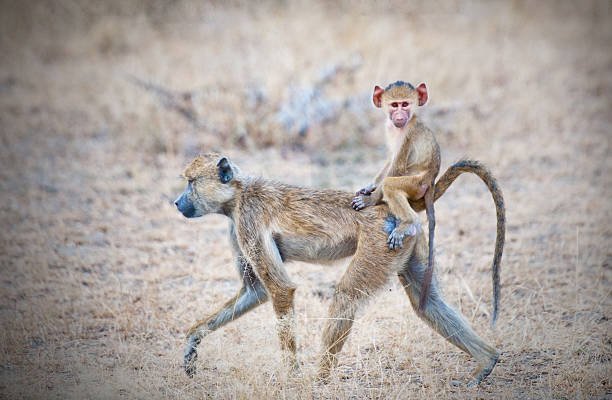
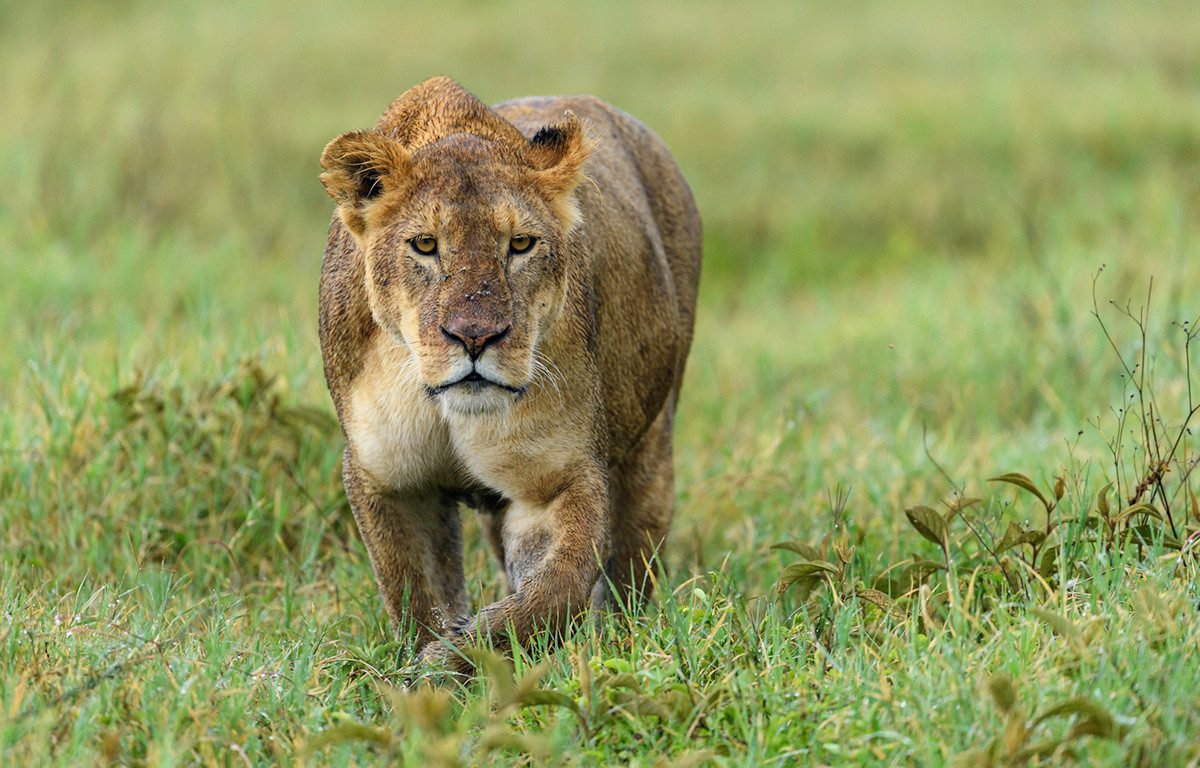
After the mountain, a three-day wildlife circuit keeps the momentum without overextending a single trip. In the Arusha–Ngorongoro corridor or Tarangire/Ngorongoro landscapes, three concentrated days can yield rewarding encounters with elephants, lions, leopards, buffaloes, and rhinos (where available), plus related species. The typical flow emphasizes core habitats, vehicle-based game drives with short walking options where appropriate, and a comfortable camp or lodge base that reduces daily drive fatigue.
- Day A: Drive to a flagship wildlife area with a focus on elephant and savannah predators, guided night or dawn drives as permitted.
- Day B: Full-day game drives with a picnic break, look for leopard off the main tracks and check for rhino in conservation zones where present.
- Day C: Short morning drive and transfer back toward town or the airstrip, with a finish on a high note of close-up interactions with resident herds.
Practical note: a three-day safari doesn’t aim to check every park off a list. It’s about maximizing sightings in a sustainable way, with time built in for quality photography, rest, and brief cultural interactions at key stops. The guide team handles route planning, park fees, and vehicle logistics so you can focus on the moment in the bush.
Planning essentials: altitude, wildlife, and timing
Altitude matters on Marangu. Even in a six-day itinerary, you’ll want a plan that respects acclimatization, with optional extra rest days if symptoms arise. The safari component benefits from choosing a corridor with consistent wildlife activity, typically Tarangire, Ngorongoro Conservation Area, or a short Serengeti extension if time allows. Timing considerations include avoiding heavy rain on summit routes, choosing a dry-season safari for better animal visibility, and aligning with the short movement windows between camps and lodges. Your Climb 4 Africa team will tailor the sequence to current conditions, per-location permits, and your personal fitness and interests.
How to book and what to expect from a local operator
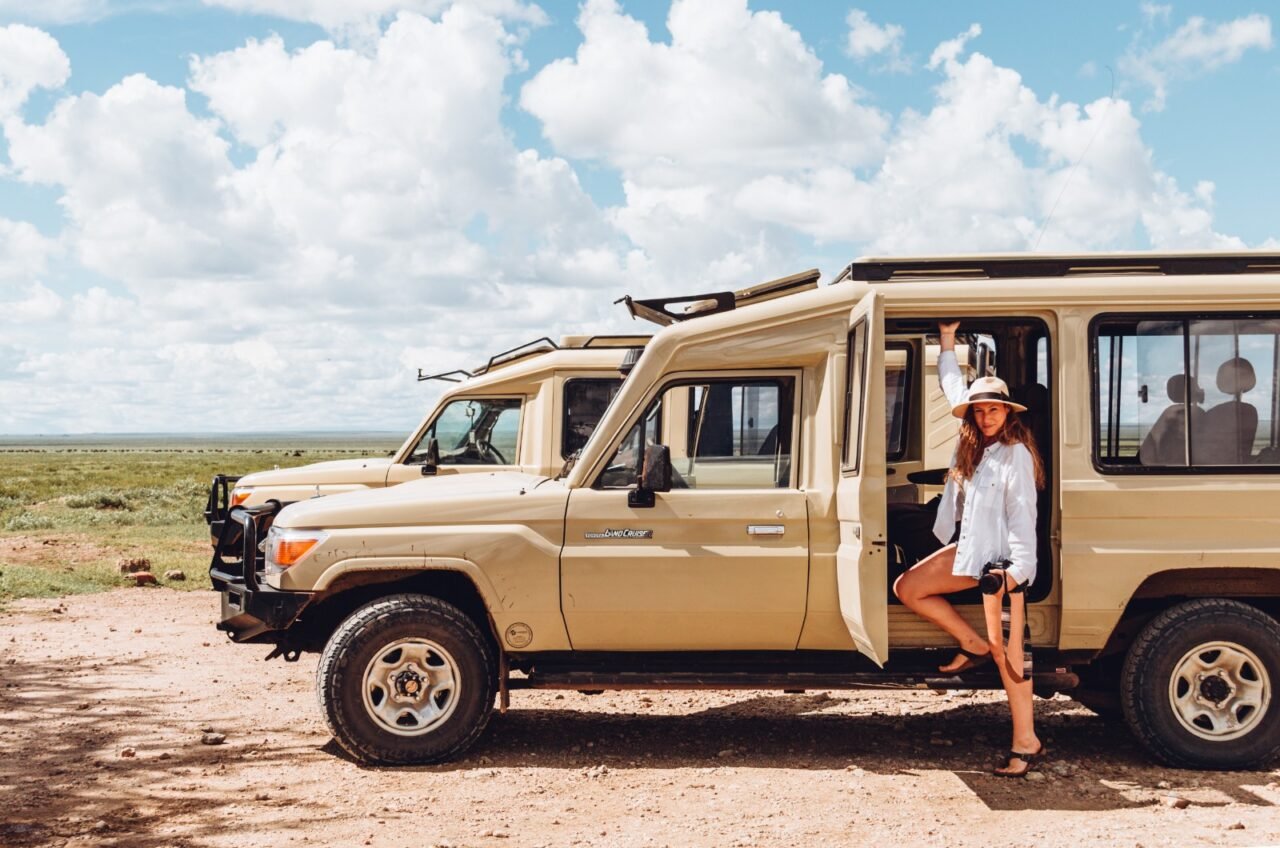
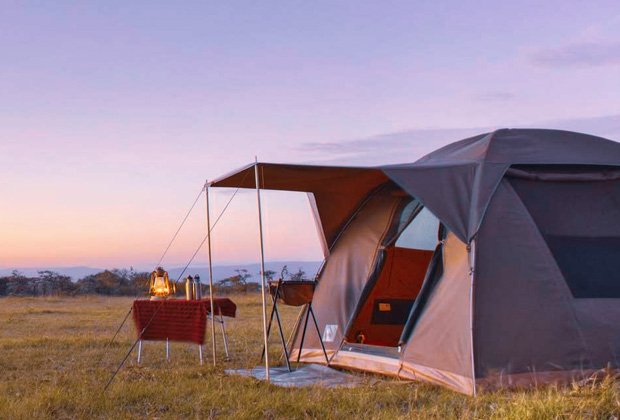
Booking through a Kilimanjaro-focused operator like Climb 4 Africa means you get a locally led, safety-conscious plan with integrated logistics. Expect included elements such as pre-departure briefings, experienced guides and porters on the mountain, hut or camp accommodations on Marangu, and a reliable vehicle-based safari with park fees handled on your behalf. Practical planning conversations cover gear lists, daily pacing, altitude concerns, and what to pack for both the mountain and the safari. When you book, you’ll be asked about your preferred pace, altitude tolerance, and wildlife interests so the itinerary can be tuned to your profile rather than a one-size-fits-all approach.
What to bring, how to prepare, and a realistic expectation
For Kilimanjaro, pack layers: a warm layer for summit cold, a shell for wind and rain, moisture-wicking base layers, sturdy hiking boots, and a compact daypack. On safari, bring neutral clothing for wildlife visibility, a wide-brim hat, sun protection, and a compact camera with extra batteries. Training in the weeks
Bridging the zones: a practical look at acclimatization sequences and safari timing across Kilimanjaro’s Marangu and the Ngorongoro–Tarangire corridor
One of the nuanced advantages of pairing the 6-day Marangu Route with a 3-day Big Five safari is the way acclimatization rhythms on the mountain can inform how you approach wildlife viewing once you descend. Read as a single geographic arc—from rainforest humidity at the foothills to the crisp air near the alpine zone, then into dry savannah and lakeshore wetlands—the experience is less about ticking boxes and more about pacing your expectations with the land’s natural tempo.
On Marangu, the chronicle is incremental. Even with six days, you are balancing a steady ascent with deliberate rests and a late, controlled summit push. The psychological and physiological relief of huts and familiar meals glues your rhythm to a sustainable pace. That same rhythm translates to the safari, where sensitive wildlife encounters unfold best when you’re not rushing between parks and you allow your guide to align drives with animal movements, light conditions, and predator-prey cycles. The corridor between Tarangire and Ngorongoro is defined as much by the air you breathe and the light you see as by the animals you hope to encounter.
Because the Marangu route emphasizes gradual altitude acclimatization via successive camps, many travelers discover they carry less fatigue into the safari phase than they expect. This is especially true when you respect hydration, sleep quality, and nutrition on the mountain. The effect is twofold: you arrive in the safari region feeling relatively restored and better prepared for long, vehicle-based game drives, and you have more mental bandwidth to observe the subtleties of wildlife behavior—such as the timing of elephant herd movements or the crepuscular patterns of lions—without the fog of exhaustion clouding your perception.
Another practical cross-link: field logistics. The mountain’s permit logistics, weather contingencies, and portering needs are, in effect, a microcosm of safari planning. By letting a single operator coordinate both legs of the journey, you benefit from consistent ground handling, uniform safety standards, and a shared communication thread between the mountain crew and the safari guide team. This continuity can reduce the friction that sometimes comes with multiple vendors and transfers, translating into smoother transitions and more alert, attentive guides who know your preferences and your pace.
For travelers weighing the value of a six-day mountain plus a three-day safari, a useful decision pivot is how you want to allocate your energy. If you thrive on an uninterrupted mountain experience with a day-by-day calendar that mirrors altitude zones, you’ll appreciate the clarity of a fixed six-day framework and the supportive structure it provides for acclimatization. If your priority leans toward concentrated wildlife viewing with high-probability sightings in a compact window, you’ll value the safari’s intensity and the adaptability of a three-day plan that concentrates drives near core habitats. In practice, the best itineraries weave these instincts together: gentle, predictable daily progress on the mountain that leaves you with ample daylight and rest after descents, followed by a safari block that emphasizes efficient, high-quality game viewing during the most productive hours of the day.
Finally, consider the cultural tempo you want to absorb. In northern Tanzania, interactions with local guides, park rangers, and village communities can enrich your understanding of land stewardship—especially when those conversations flow naturally from a shared timeline. The Marangu ascent often yields moments of quiet reflection and a sense of companionship with fellow trekkers and porters; the safari phase invites conversations about land use, conservation challenges, and the human-animal relationships that shape these landscapes. Framing the trip with time for both sides—the physical journey and the storytelling of place—helps ensure the overall experience feels cohesive, not episodic.
Making the most of the transition: acclimatization rhythms and flexible pacing for both landscapes
One of the subtle advantages of pairing the Marangu ascent with a short Big Five safari is how the body and the itinerary respond to very different rhythms in quick succession. On Kilimanjaro, acclimatization is not a single checkbox but a movement, a series of little wins as your body adjusts to decreasing oxygen and rising altitude. A six-day Marangu plan naturally buffers that process with built‑in rest days and staged altitude gains. Transfer this approach into a three-day safari, and the momentum shifts from gradual elevation to concentrated wildlife activity, where the best sightings cluster around dawn and late afternoon. The practical takeaway is to preserve a flexible mindset: if you wake at the crater rim feeling the altitude, you can lean into a lighter day on the mountain and let the safari window move a bit later or earlier to align with animal behavior and light conditions for photography.
In concrete terms, this means building a feedback loop into your days: assess morning energy, adjust daytime walking or driving intensity accordingly, and protect short windows for sunset exposure—especially on safari, when the golden hour can change a tense possibility into a rewarding moment. It also means negotiating pace with your guides. A single operator coordinating both segments helps keep the tempo cohesive: if you’ve shown fatigue, the mountain crew can prune a summit push and the safari guide can shift from a long, morning game drive to a more compact, high-yield session in core habitats. That continuity matters because it preserves your stamina for the most meaningful experiences on both sides of the trip.
Another practical cross-link is the way weather and climate interact with your day plan. In the Marangu zone, cloud cover and mist often arrive in the afternoon, shaping visibility and trail conditions. On safari, cloud cover can influence animal activity and lighting for photography. By anticipating these patterns with a shared briefing between the mountain guides and safari rangers, you gain a unified strategy: choose routes and timing that maximize visibility and wildlife opportunities while keeping you within comfortable temperature and humidity ranges. The net effect is less scrambling and more intentional, observant days that feel calm rather than pressured.
Accommodation and meals become quiet weathered anchors in this flow. The Marangu huts or fixed camps provide predictable mealtimes and rest intervals that support your acclimatization. Immediately after finishing the mountain program, the safari accommodation becomes a different kind of anchor: a comfortable, predictable base from which to launch morning drives and late-evening roving sessions. This shift in focus—from altitude management to wildlife concentration—can feel like a reset rather than a repeat, allowing both bodies and minds to switch gears without a jarring change in pace.
From a logistical standpoint, this continuity reduces fatigue and fosters a clearer mental map of the trip’s priorities. When the same operator handles permits, park fees, porters, and drivers across both experiences, you maximize consistency in safety protocols and communication. Your guides share a common vocabulary around energy management, pace, and safety thresholds, which translates into smoother transitions, fewer miscommunications, and better respond-to-change readiness when weather or delays occur. That built-in resilience is a practical value-add for travelers who want to feel assured they can adapt without losing the essence of the adventure.
On the cultural side, the narrative arc of the trip benefits from this cohesion as well. Kilimanjaro introduces a contemplative, personal dimension—an invitation to reflect on endurance, humility, and shared effort. The safari foregrounds communal storytelling about land use, conservation, and coexistence with wildlife. When guided by the same team across both experiences, you encounter a unified emphasis on stewardship and respect for local communities and ecosystems. The resulting thread—an ongoing conversation rather than two separate acts—enriches your memory of the journey and can influence future travel choices toward responsible, low-impact adventures in northern Tanzania.
For readers weighing whether to treat this pairing as two linked experiences or as a single cohesive arc, the answer lies in intention and energy budgeting. If your goal is a deeply personal, measured ascent complemented by a compact but high‑quality wildlife sprint, the six-day mountain plus three-day safari approach remains strikingly balanced. If, alternatively, you anticipate peak wildlife windows and prefer to maximize time in a single landscape, you could tilt toward a slightly longer safari block with more emphasis on Tarangire or Ngorongoro habitats, allowing more efficient use of a shorter mountain program. In either case, the key is clear communication with your operator about pacing preferences and any signs of fatigue so your guides can tailor the day-by-day flow accordingly.
Managing altitude and wildlife moments: a practical health and rhythm guide for the transition
Even with a tightly planned six-day mountain ascent followed by a concentrated three-day safari, the most valuable reader question often centers on how to maintain energy and health across two very different environments in quick succession. Here, we look at concrete, experience-based strategies that go beyond generic acclimatization advice and address practical day-to-day decisions that influence comfort, safety, and enjoyment on both sides of the itinerary.
1) Translating mountain acclimatization into safari stamina The Marangu ascent emphasizes gradual altitude gain, but the body’s response to earlier exertion still shapes safari readiness. After the summit days, sleep quality can be uneven due to residual fatigue, while the next morning’s vehicle transfer and game-drive starts require cognitive sharpness. To smooth this transition, prioritize light, restorative movement on rest days—gentle strolls at the lodge, time spent at altitude-friendly lounges with hydration reminders, and a minimal, steady routine that keeps blood circulation steady without spiking energy demands. On safari days, use the first drive of the morning to assess fatigue cues—if you’re groggy, a brief nap in the vehicle or shade during a long sit can prevent a crash later in the day when wildlife activity can demand alertness and quick reaction times.
2) Sleep architecture in two climates Kilimanjaro nights in higher-altitude huts challenge sleep quality for some travelers due to thin air, temperature swings, and shared spaces. In the savannah, nights can be hotter or cooler depending on location, with animal sounds and early wake-ups shaping rest. A practical approach is to harmonize sleep-wlexity with flexible wake times. Ask your guide to schedule the first safari drive slightly later if you’re showing signs of persistent fatigue, allowing a restorative late-morning window. Consider light, sleep-enhancing routines: a single, non-stimulant approach like a warm shower before bed, a small snack containing complex carbohydrates, and a consistent pre-sleep routine that stays the same across both environments. Pack a lightweight eye mask and earplugs as a universal aid, since sleeping conditions vary more on safari camps than on mountain huts.
3) Hydration and electrolyte balance as a dual-purpose tool Hydration matters as you climb and as you drive. Altitude can drive increased urination and dehydration risk, while heat and exertion on the savannah escalate sweat losses. A practical plan is to carry a simple electrolyte supplement and drink schedule that you can adapt across both segments. Start the day with a liter of water during the mountain trek, then annotate thirst cues and urine color to guide intake. On safari, aim for a steady 2–3 liters of fluid during the day, shifting to smaller sips as afternoon heat amplifies fatigue. Avoid relying purely on caffeinated beverages for hydration; they can mask thirst and contribute to dehydration in hot, dry climates. Your guide can help tailor sip intervals to the day’s pace—long, scenic drives may necessitate extra water stashes or portered bottles for easy access at rest stops.
4) Sun safety that travels with you The sun’s intensity shifts with altitude and latitude. At altitude, UV exposure is higher and sunburn risk escalates quickly; on the savannah, reflective light from dry environs and dust can intensify exposure as well. A universal checklist works across both settings: high-SPF broad-spectrum sunscreen (re-apply every two hours or after sweating), a versatile sun hat with a wide brim, UV-protective sunglasses, and protective clothing with breathable, moisture-wicking fabrics. Layering remains essential because daily temperature swings can be dramatic—from cool, windy summit mornings to hot, sunlit daytime drives. If you wear sunglasses with photochromic lenses on the mountain, you’ll appreciate the reduction in glare during glacier-blue dawns and bright noon hours, while on safari, neutral-toned frames reduce conspicuousness to wildlife observers.
5) Managing gaps between activities to prevent a fatigue backlog A potential risk in a two-venue itinerary is stacking activity without rest. If a long or strenuous day follows a short night, performance can waver. Build micro-rest periods into your day: a 20–30 minute sit between a major drive and a short forest walk, or a shaded lounge break after a long vehicle transfer. When possible, request pacing that alternates high-energy and lower-energy moments. For example, a day with a mid-morning summit reflection on the Kilimanjaro side could be balanced by an afternoon relaxed wildlife-spotting session, offering mental decompression while maintaining engagement with the landscape.
6) Food as fuel and morale-boosting constant Mountain meals often center on hearty, warming fare to replenish glycogen after elevation gain. Safari days benefit from lighter, sustaining options that keep energy stable under heat and potential motion sickness from bumpy roads. A practical dietary habit is to have a small, protein-rich snack available between drives—nuts, a cheese stick, or jerky—paired with fruit or a carb-rich option to maintain energy without heavy digestion. Hydration plus balanced snacks help prevent afternoon dips that can erode wildlife-viewing moments when animals are most active just after dawn and before dusk.
7) Safety margins tailored to two ecosystems The tandem approach benefits from explicit safety thresholds that are respected in both settings. If altitude symptoms reappear on a rest day or hiker’s fatigue signs emerge, a guided option should include an extra acclimatization day or a conditional extension to the mountain segment. Conversely, if safari fatigue or heat stress surface, allow for shorter drive windows, frequent shade breaks, and more flexible vehicle mobility to adapt to animal behavior patterns. A consistent safety dialogue with your guides—about fatigue signs, hydration cues, and pace tolerance—helps ensure you maintain both safety and the sense of discovery across the two very different landscapes.
In short, the practical health and rhythm strategy for this pairing hinges on treating acclimatization and wildlife viewing as a single continuum of exertion and recovery. By planning hydration, sleep, sun protection, and pacing with cross-environment awareness, you preserve energy for the summit push while preserving the keen attentiveness needed for high-quality safari moments. This approach also reinforces the value of a trusted operator who coordinates logistics across both experiences, ensuring that safety and wellbeing stay at the forefront from first boot contact to the last wildlife sighting.
Related Guides and Packages
Check Availability for 6-Day Marangu Route And 3-Day Big Five Safari
Ready to compare dates, prices, and the best option for your group? Send the package name and travel month so the team can reply with a clear quote, availability, and what is included.
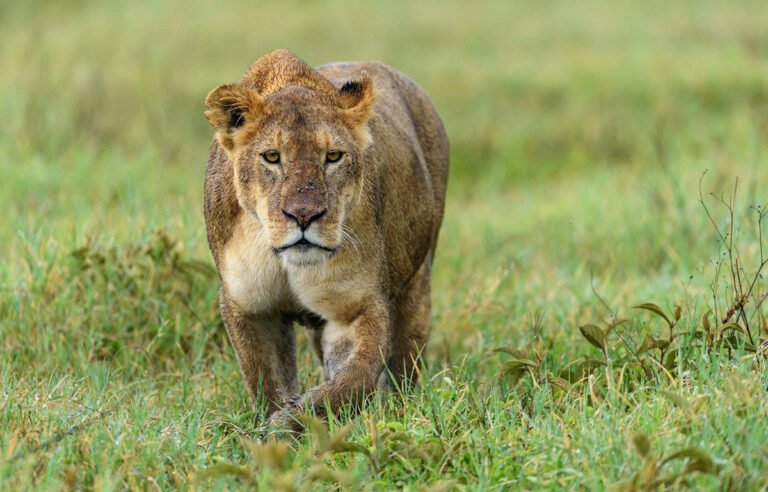
6-Day Marangu Route And 2-Day Tanzania Safari
6-Day Marangu Route and 2-Day Tanzania Safari.
View package details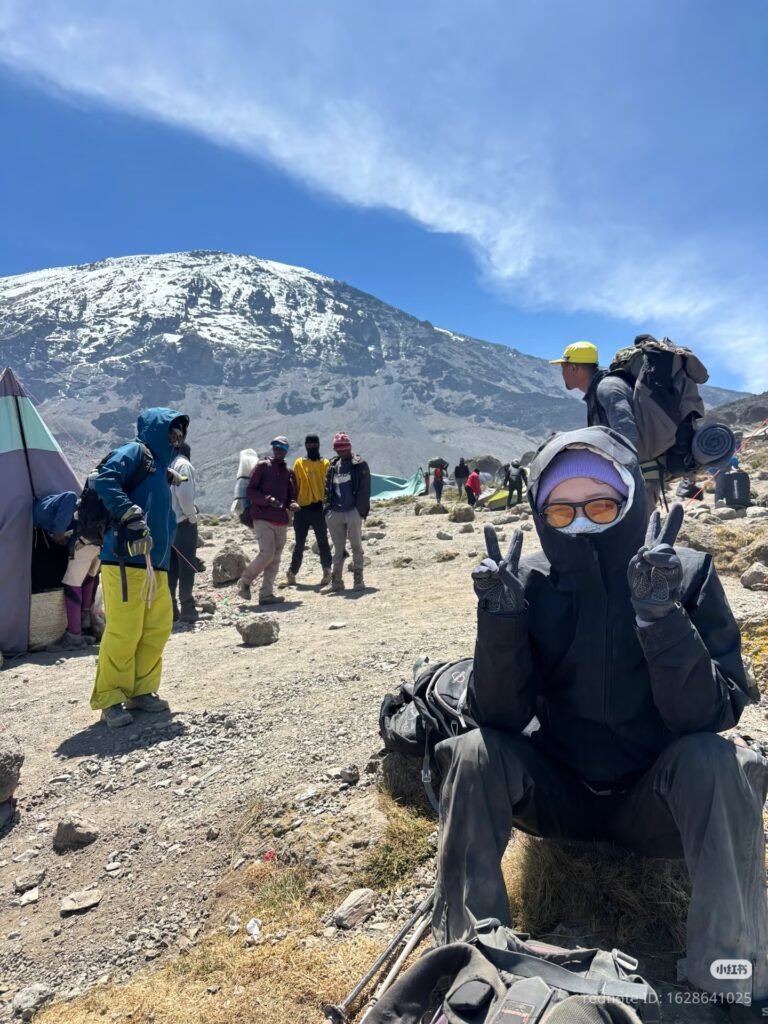
6 Days Marangu Kilimanjaro Climb And 3 Tarangire Safari: A Practical
A focused, bookable 6-day Marangu Kilimanjaro climb followed by a 3-day Tarangire safari. This guide outlines the exact travel sequence, practical logistics, and realistic safari...
View package detailsCombine The Challenge Of Kilimanjaro With Wild Beauty Of Tanzania’s Serengeti
This integrated 6-day Machame climb and 3-day safari combines the physical challenge of summiting Africa’s highest peak with in-depth wildlife encounters in the Serengeti and Ngorongoro...
View package details
6 Days Kilimanjaro Climb And 3 Big Five Safari 2026
6 Days Kilimanjaro Climb and 3 Days Big Five Safari.
View package details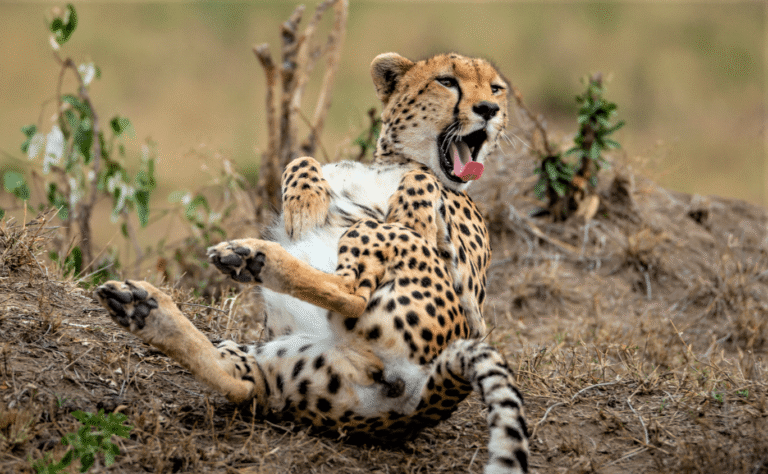
6 Days Kilimanjaro Trek And 2 Tanzania Safari: A Practical, Bookable Route
A practical, bookable 6-day Kilimanjaro trek paired with a 2-day Tanzania safari. Detailed day-by-day route, acclimatization steps, drive routing, and realistic safari opportunities.
View package details7-Day Machame Route And 3-Day Big Five Safari
7-Day Machame Route and 3-Day Big Five Safari.
View package details
6 Days Machame Kilimanjaro Climb And 2 Tarangire Ngorongoro Safari
6 Days Machame Kilimanjaro Climb and 2 Days Tarangire Ngorongoro Safari.
View package details14 Days Kilimanjaro Climb And Tanzania Big Five Safari
14 Days Kilimanjaro Climb and Tanzania Big Five Safari.
View package details7-Day Rongai Route And 3-Day Tanzania Safari
7-Day Rongai Route and 3-Day Tanzania Safari.
View package details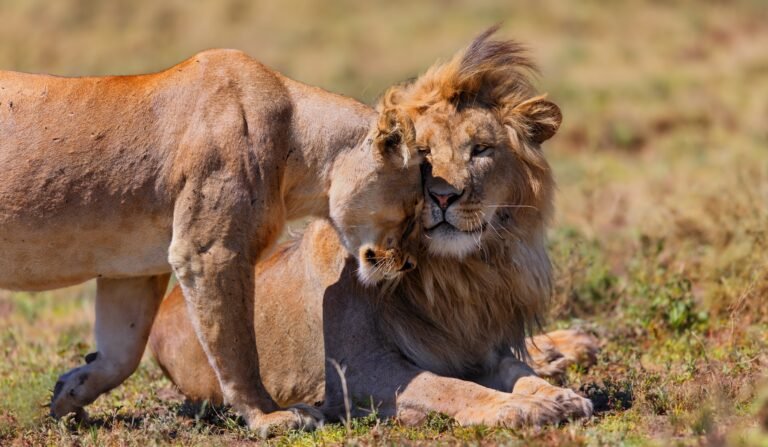
8-Day Lemosho Route And 5-Day Serengeti Safari: A Practical, Scenery-Rich
Conceive a two-part Tanzania adventure: an 8-day Lemosho ascent on Kilimanjaro paired with a 5-day Serengeti wildlife safari, designed for steady acclimatization and in-depth safari time.
View package details8-Day Lemosho Route And 4-Day Tanzania Safari
8-Day Lemosho Route and 4-Day Tanzania Safari.
View package details8-Day Lemosho Route And 3-Day Tanzania Safari
8-Day Lemosho Route and 3-Day Tanzania Safari.
View package detailsNo related package matches those filters. Clear one or more filters to see the other topic-matched options.



