
Booking a 6-Day Marangu Route and a 2-Day Tanzania Safari combines a popular, steady Kilimanjaro ascent with a short, focused wildlife-and-landscape safari in northern Tanzania. The Marangu route emphasizes a gradual ascent with hut accommodations and a reliable trail experience, while the 2-day safari concentrates on a concentrated wildlife experience near Arusha or Tarangire, depending on logistics. This pairing requires careful pacing, sensible acclimatization, and clear logistics to minimize fatigue and maximize wildlife viewing opportunities while respecting park rules and local guides.
Choosing this combination starts with alignment on your priorities: steady climb with family-friendly hut stays, balanced with a brief, wildlife-forward safari that still respects travel time and rest needs. Below, you’ll find a practical structure for how this could unfold, what to expect on the Marangu leg, and how the safari segment is typically arranged, with booking considerations and planning tips that help you move toward a confident choice.
Understanding the flow: Marangu first, then a short safari
The Marangu Route is known for its incremental ascent and hut-based accommodation, typically favoring walkers who prefer less camping and more predictable facilities. A 6-day schedule allows measured altitude gain with built-in rest days and acclimatization windows. The subsequent 2-day Tanzania safari uses a tight-but-rich itinerary focused on key wildlife habitats and highlights. The overall pace should balance sleep quality, altitude safety, and energy for the safari days without overdoing the moving parts.
What to expect on the 6-Day Marangu Route
Marangu is often described as the “Coca-Cola route” for its relatively gradual climb and good trail conditions. Expect forest and heath zones, with a leg-sleep pattern in mountain huts rather than tents. Typical days involve a morning start, a steady ascent, and an afternoon arrival at the next hut. Altitude tips include staying hydrated, using the guide’s pacing, and being honest about fatigue. While huts offer basic comfort, be prepared for cooler temperatures at higher points and the potential for shared facilities.
- Day-by-day progression: Marangu gates to Mandara Hut, then to Horombo Hut, and onward to Kibo Hut and finally Mweka Gate, with rest and acclimatization built in.
- Altitude safety: listen to your body, ascend slowly, and use the oxygen-benefit mindset of acclimatization days.
- Guides and support: licensed local guides lead the route, with porters for gear and essentials.
What to expect on a 2-Day Tanzania Safari
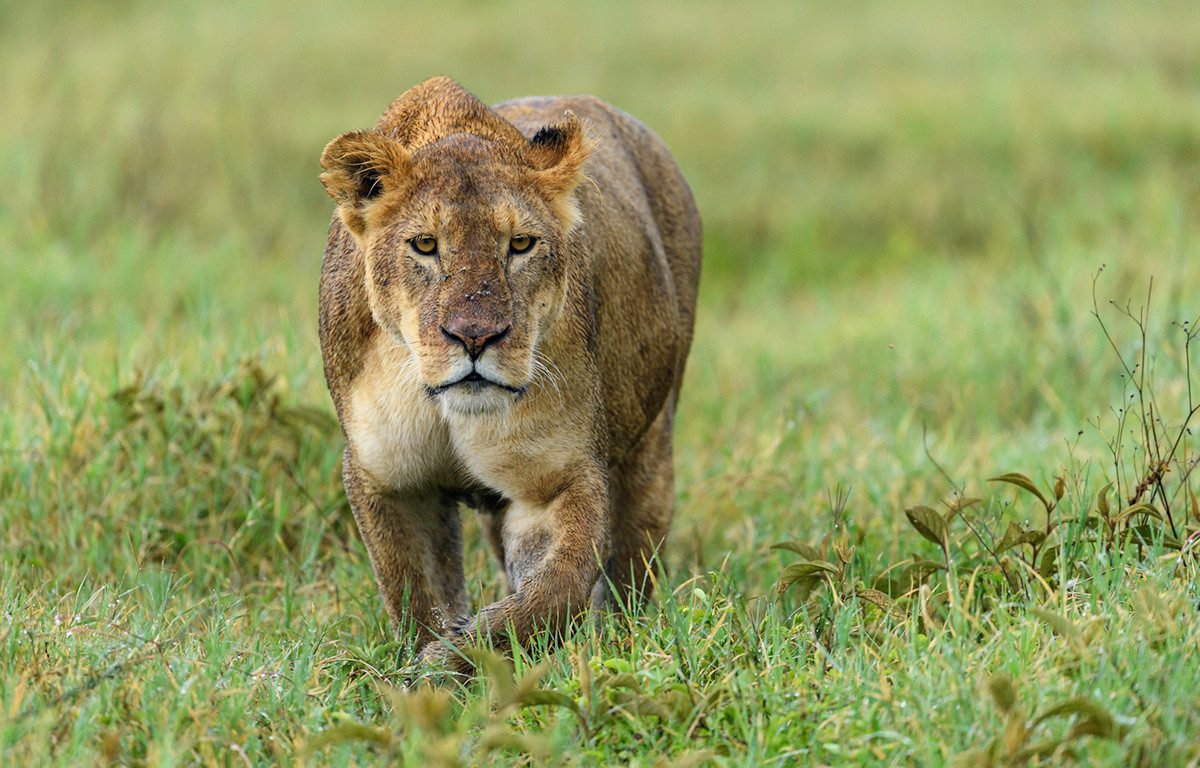
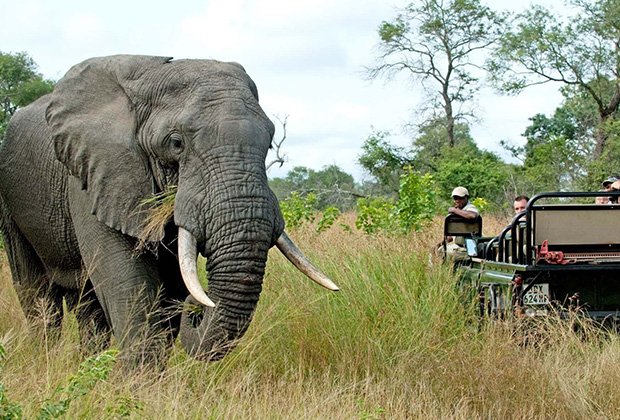
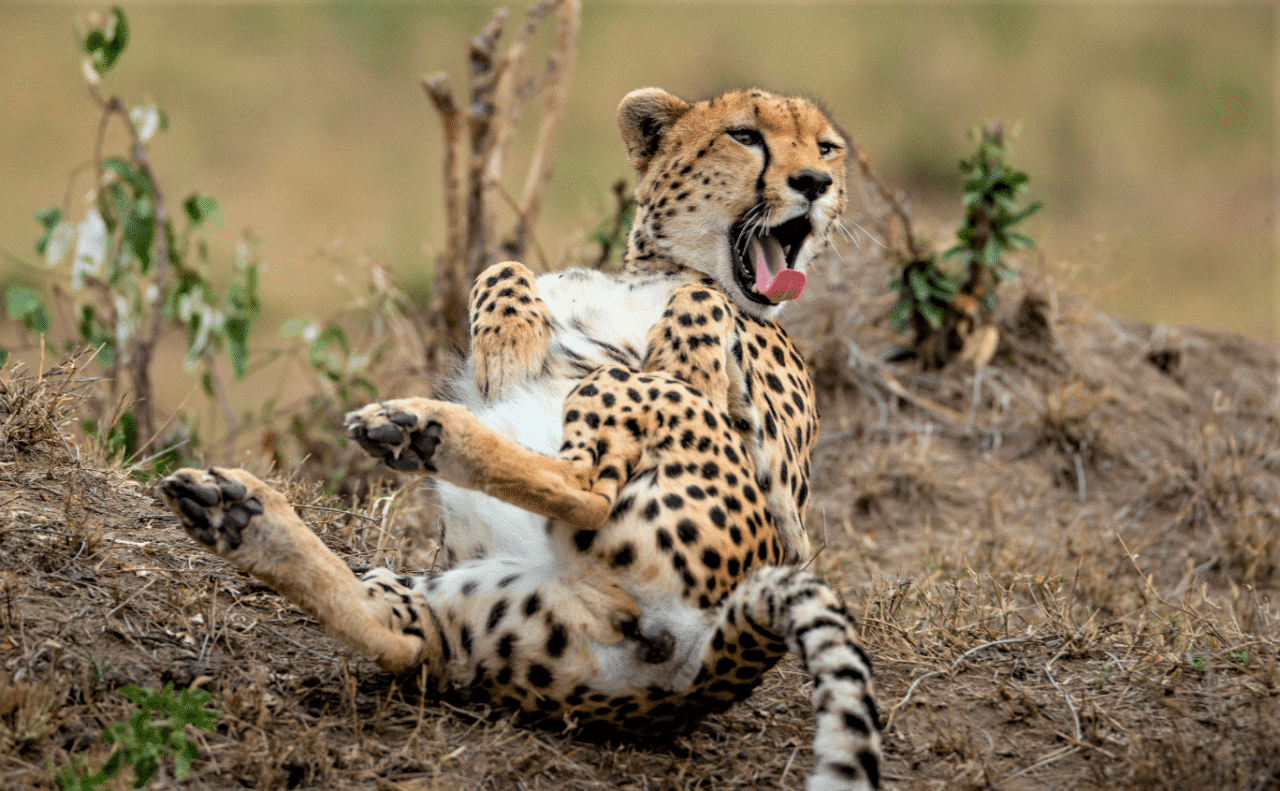
The short safari focuses on a concentrated wildlife experience, typically involving a northern circuit highlight such as the Tarangire or Lake Manyara corridor and a nod to the Serengeti or Ngorongoro depending on season and logistics. Expect efficient game viewing windows, a knowledgeable driver-guide, and a comfortable-but-efficient pace suited to a brief trip. The two days are designed to minimize drive time while maximizing wildlife encounters and photography opportunities.
- Day 1: safari-drive focusing on large mammals, birds, and scenery characteristic of the chosen park or reserve.
- Day 2: a quick, high-value morning game drive or a cultural stop, followed by transfer back to the departure point or airport.
Logistics to align for a smooth experience
Coordinating flights, transfers, and park entries is essential when you’re combining Kilimanjaro with a short safari. The most efficient approach usually aligns the Kilimanjaro climb with a flight into Kilimanjaro International Airport (JRO), followed by a short drive to Moshi or a surrounding village to begin the trek. After finishing the Marangu route, a short transfer to a northern Tanzania safari base—often near Arusha or a gateway lodge—sets up the two-day safari. Return logistics typically hinge on a quick drive or domestic flight back to the departure city or the same airport. Your operator will handle most logistics, but you’ll want to confirm transfer times, luggage allowances for on-road segments, and any visa or entry requirements well in advance.
What to consider when planning your dates
That combination works best in periods with stable weather patterns in the Kilimanjaro region and predictable wildlife activity around the northern parks. The Marangu route sees varied humidity, cloud cover, and temperature changes; the safari segment is influenced by seasonal wildlife concentrations and road conditions. If your goal is to minimize risk of fatigue and maximize the quality of both experiences, consider a timing window that allows a couple of solid acclimatization days before the summit push and a relaxed, early-morning safari session on the wildlife days.
Practical gear and packing notes
Pack light, versatile layers that can be added or shed as you ascend. For Marangu, you’ll want sturdy trekking boots, a fleece or down jacket for evening cool, a windproof outer layer, gloves, and a hat. A compact sleeping bag liner is sometimes useful in hut environments. For the safari portion, bring a breathable long-sleeve shirt and pants for sun and insect protection, a wide-brim hat, neutral-colored clothing to avoid drawing attention, and a good camera with a zoom lens or binoculars for wildlife viewing. A small daypack for on-safari essentials—water, snacks, sunblock, and a compact rain layer—helps keep you comfortable during game drives.
Booking decisions: what to confirm with the operator
Beyond dates and inclusions, ask your operator about hut accommodations on Marangu, the exact route order, the number of porter and guide teams, and how acclimatization days are incorporated. For the safari, clarify which parks are included, the vehicle type, and whether concessions fees, park entries, and meals are covered. Ensure your booking includes a contingency plan if weather or trail conditions affect summit plans, and discuss options if a rest day is needed between Kilimanjaro and safari legs. Clarity on these points helps you avoid surprises and keeps the focus on a safe, enjoyable experience.
Next steps: tailoring the plan to your travel style
If you’re aiming for a relaxed but comprehensive experience, a six-day Marangu climb paired with a two-day safari is a sensible structure. It balances altitude exposure with wildlife time, while keeping travel logistics manageable. Depending on your pace and interests, you might adjust the safari emphasis toward Tarangire for its elephant concentrations, or toward Lake Manyara for birdlife and tree-climbing lions. Your local operator can customize departures, add extra acclimatization, or adjust the safari sequence to fit flight connections and rest needs.
Ready to explore this combination with Climb
Addressing a Practical Gap: Post-Climb Recovery and Safar i Flow
One of the most practical questions readers often have after reading about a six-day Marangu ascent paired with a two-day safari is how to structure rest and recovery between the summit push and the wildlife days without losing momentum. The original article covers the logistics and pacing in broad terms, but climbers and travelers frequently ask for concrete, actionable strategies that minimize fatigue and maximize both the summit success and the safari window that follows.
To close this gap, consider a focused approach to post-climb recovery and transition that is grounded in the realities of Kilimanjaro’s altitude and the realities of northern Tanzania’s road and park schedules. You don’t need to add a new destination or overhaul your plan; you only need a refined sequence that respects altitude acclimatization, sleep quality, and the need for a smooth handoff from trekking to game viewing.
Structured acclimatization and rest between Marangu legs
Even on a hut-based route like Marangu, the body benefits from deliberate rest days that are scheduled with the summit push in mind. After reaching the midsection huts and before the final ascent, position a light, restorative day that emphasizes low-intensity activity, hydration, and gentle movement. This can take the form of an optional acclimatization hike of moderate length, a short stroll around the hut area to keep joints mobile, and ample time for restorative sleep. If your group includes children or family members who prefer a slower pace, this rest day becomes a shared opportunity to acclimatize together without feeling pressured to push onward.
From a practical standpoint, this translates to a plan that includes a deliberate day or half-day between the last hut stop and the summit attempt. Operators and guides will usually weave in a rest period; if not, it’s reasonable to request one as a contingency. The objective is to keep altitude symptoms at bay and preserve energy for the demanding final push. Your daypack during these pauses should stay light, focusing on hydration, small snacks, and a light layer for cooler temperatures in the evening.
Maximizing safari readiness in the window after Kilimanjaro
After the climb concludes, the shift to safari mode benefits from a practical reset. The 2-day safari will typically involve early starts to catch the mammals during the cooler morning hours, followed by a midday break in a comfortable lodge or camp. A short recovery period—ideally 12–24 hours—helps you transition from the higher altitude and exertion of the climb to the heat and pace of wildlife drives. If your itinerary compresses these windows, you can still achieve balance by prioritizing a single light activity day before the first safari drive, such as a guided village excursion or a relaxed coffee plantation tour, to ease the transition while keeping travel momentum intact.
Nutrition and sleep discipline across both experiences
Altitude changes and time-zone adjustments can disrupt appetite and sleep more than most travelers anticipate. A simple nutritional framework can help: maintain regular meal times, favor complex carbohydrates for energy on the climb, and include protein and healthy fats to support recovery after long treks. Hydration is critical; carry a reusable bottle with reminders to sip steadily throughout the day. Sleep routines matter as well—aim for consistent bedtimes and wake times during the Marangu section, then adapt to safari wake-ups with light, strategic naps if needed. Your guide can tailor the daily schedule to your group’s sleep pattern, ensuring you aren’t overextended on game-viewing days.
Communication and contingency planning with your operator
A practical gap-proofing measure is a clearly defined communication protocol with your operator for any delay or detour. If weather or trail conditions delay the summit attempt, ensure there is a documented plan that details how acclimatization days shift, how spare days are allocated, and how the safari leg can be rescheduled with minimal disruption to flight connections. Confirm that the operator provides a safe, reliable way to transfer from the mountain to the safari park without rushing, including backup vehicle options and alternate park entries if roads are temporarily inaccessible.
What this means for your expectations
In practice, this gap-focused approach translates to a smooth transition: a measured, recover-friendly pause after the Marangu segment, followed by a calm, centered shift into safari mode that leverages dawn drives and efficient routing. By planning explicitly for rest, hydration, and sleep with your guide, you preserve energy for wildlife encounters and keep the overall experience enjoyable rather than exhausting. It’s a small adjustment with a disproportionate payoff in comfort, safety, and the quality of your memories—from the mossy forest at elevation to the golden light on an acacia savanna during a long-awaited animal sighting.
Mitigating Fatigue Across the Transition: pacing, rest, and mindset for the Marangu-to-Safari handoff
Travelers who pair a six-day Marangu ascent with a two-day safari often discover that the most impactful improvements to their experience come from how they manage energy levels during the brief but demanding transition between activities. The key is not simply “rest more” or “do less,” but to structure a deliberate rhythm that preserves alertness for wildlife viewing while honoring the body’s need to recover after altitude exposure.
First, recognize that fatigue on Kilimanjaro is multifaceted: altitude-related sleep disruption, elevated work of breathing, and the emotional lift of reaching the summit can all deplete reserves. Immediately after the summit push, your body needs to reorient from an exertion-driven mode to a wildlife-watching mode. One practical tactic is to insert a deliberate, low-stress recovery window before the safari portion begins. This can be as short as a half-day of gentle activity within Moshi or Arusha neighborhood sites, such as a shaded coffee plantation walk, a village market stroll, or a guided cultural visit that involves minimal physical exertion but maximal sensory engagement. Such activities help reset the mental state from summit focus to safari curiosity without draining you further.
Second, tailor your daily schedule to respect circadian shifts and drive times. The Marangu days are relatively fixed due to hut-based sleep, but the safari days hinge on early starts and long vehicle drives. Coordinate with your guide to begin the safari at first light each morning, but build in a mid-morning cooldown if you sense lingering fatigue. A targeted rest period—roughly 20–40 minutes with eyes closed in a shaded vehicle or camp lounge—can dramatically improve concentration and reaction during animal activity windows. If you routinely nap well during the Marangu hut rests, negotiate a brief, optional nap slot after arrival at the safari camp to re-align energy without oversleeping and losing prime wildlife time.
Third, execute a simple nutrition-and-hydration cadence that bridges both experiences. On ascent days, prioritize steady energy with small, frequent snacks to keep blood sugar stable and nerves steady during busy switchovers between hut facilities and trails. In the safari window, switch to water-rich foods and light meals that support digestion after game drives, instead of heavier evening meals that can sap late-afternoon alertness. Carry a reusable water bottle with an easily remembered hydration reminder—set to sip every 15–20 minutes during vehicle transitions and before and after drives. Hydration carries over into better seat comfort in the safari vehicle, reducing the fatigue of long periods in a fixed position while the animals are active.
Fourth, align gear choices to support exchangeability and comfort during the transition. A compact daypack that you can swing between the mountain and safari stages becomes a critical asset. Include a lightweight scarf or bandana that doubles as a sun shield during the day and a quick-drying layer for the cool, dawn-to-dusk shifts. A compact travel pillow or neck support, if allowed by your operator, can be a subtle but meaningful boost during the longer drives. By reducing friction—unpacking fewer items, keeping essentials readily accessible, and choosing versatile layers—you minimize the cognitive load of switching contexts and maximize time spent observing wildlife rather than searching for gear.
Finally, cultivate a mindset that treats the transition as a two-part experience rather than two separate trips. Set a mental cue at the point you finish the final Marangu hut stop: tell yourself that the next phase is an opportunity to observe life in a different light—savannah dawns, acacia shade, the patient luxury of time to watch a chase unfold. When you arrive at the safari camp, greet the guides with clear expectations about pace, rest, and peak driving times. This intentional framing reduces the mismatch between the two environments and fosters a smoother, more enjoyable arc from summit to savanna.
Bridging the Post-Marangu Energy Gap: Practical, Small-Scale Recoveries and Mindset Shifts for Safari Readiness
After the six-day Marangu ascent, travelers often notice a residual fatigue that isn’t purely physical. The body has adapted to a rhythm of altitude, hut living, and a longer night of rest, while the safari window compresses that same energy into a handful of dawn-driven game drives and late-afternoon observations. A targeted, minimal-intervention approach can close the gap without extending the trip or sacrificing wildlife time.
First, tailor a micro-recovery plan that respects the transition. On the day you finish Marangu’s final hut stop, resist the urge to push straight into an intense travel sequence. Instead, schedule a late-afternoon or early-evening wind-down that centers on gentle movement, light stretching, and hydration. A short, 20-minute stroll around the lodge grounds or a shaded park edge, paired with slow breathing, helps reset the nervous system after the climb and reduces any residual stiffness. This isn’t a full rest day; it’s a deliberate downtick that primes you for safari energy windows without creating a backlog of fatigue.
Second, rethink your hydration and electrolyte strategy for the handoff. Altitude can influence fluid balance and appetite in unpredictable ways. A simple plan—sip water consistently, add a light electrolyte solution on ascent days, and continue steady hydration into the safari period—supports consistent cognitive function and alertness on dawn drives. Keep a dedicated, easily accessible bottle in your daypack during transfer days so you’re not tempted to delay a drink in the interest of time.
Third, optimize your rest pattern for the move. If possible, align a relaxed afternoon rest between the end of your Marangu activities and the first safari drive. A quiet room or comfortable lounge with blackout curtains can help you reset circadian cues after travel transitions, particularly if you’ve crossed time zones or experienced significant altitude-related sleep changes. Even a 60 to 90-minute layover for light, undisturbed rest can translate into sharper observation during the first wildlife windows of the safari.
Fourth, refine your kit for the two environments without overhauling it. A compact, cross-functional kit reduces cognitive load and streamlines transitions. Include a lightweight scarf or sarong that can shield you from early morning chill in the safari vehicle and serve as a quick-drying layer after your climb. A small cooling towel, if permitted by your operator, can be a simple luxury after a warm, dusty drive to a lodge or camp. The goal is to avoid unpacking and repacking a large suitcase or multiple bags at each transition point.
Fifth, adjust food strategy to sustain energy through the two modes. The Marangu days reward steady carbohydrate intake with steady protein reserves for muscle repair, but the safari days reward lighter, easily digestible meals that won’t weigh you down in the vehicle. Plan snack ideas that bridge both segments: energy-dense nuts and dried fruit for the climb, plus fruit, yogurt, or a light sandwich for the safari window. If your itinerary allows, request a light, early dinner on the evening your safari begins to minimize post-drive fatigue and maximize early-morning readiness for the next drive.
Sixth, set expectations with your guides to maintain momentum without pushing pace to the point of exhaustion. People often fear missing wildlife during the transition, but a well-timed rest cycle supports better concentration during dawn patrols and afternoon animal activity. Communicate your preferred driving windows and nap opportunities, and inquire if your operator can arrange a short, early-morning briefing before the first safari drive to map out the day’s likely movements and wildlife targets. This proactive alignment reduces frustration and creates a calm, focused frame of mind for the first hours of safari observation.
Finally, cultivate a deliberate mindset about the transition rather than letting it be a byproduct of logistics. Treat the Marangu-to-safari handoff as a single arc rather than two separate experiences: you are moving from one habitat to another, carrying the same discipline—hydration, sleep, and steady energy—into a new context. By honoring the body’s needs in that moment, you preserve attention for wildlife behavior, scent trails, and subtle animal cues that define a great safari day.
Related Guides and Packages
Check Availability for 6-Day Marangu Route And 2-Day Tanzania Safari
Ready to compare dates, prices, and the best option for your group? Send the package name and travel month so the team can reply with a clear quote, availability, and what is included.
6-Day Marangu Route And 3-Day Big Five Safari
6-Day Marangu Route and 3-Day Big Five Safari.
View package details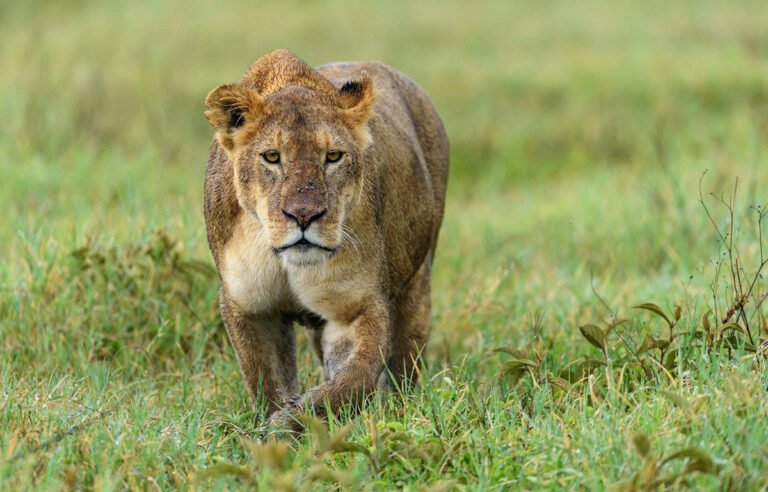
Combine The Challenge Of Kilimanjaro With Wild Beauty Of Tanzania’s Serengeti
This integrated 6-day Machame climb and 3-day safari combines the physical challenge of summiting Africa’s highest peak with in-depth wildlife encounters in the Serengeti and Ngorongoro...
View package details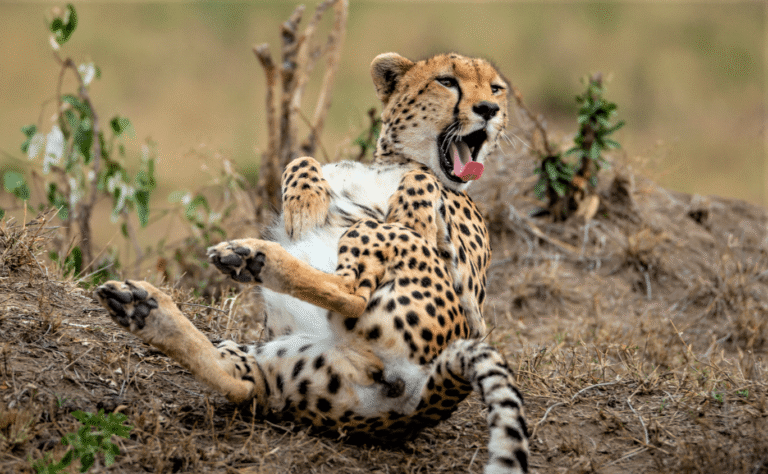
6 Days Kilimanjaro Trek And 2 Tanzania Safari: A Practical, Bookable Route
A practical, bookable 6-day Kilimanjaro trek paired with a 2-day Tanzania safari. Detailed day-by-day route, acclimatization steps, drive routing, and realistic safari opportunities.
View package details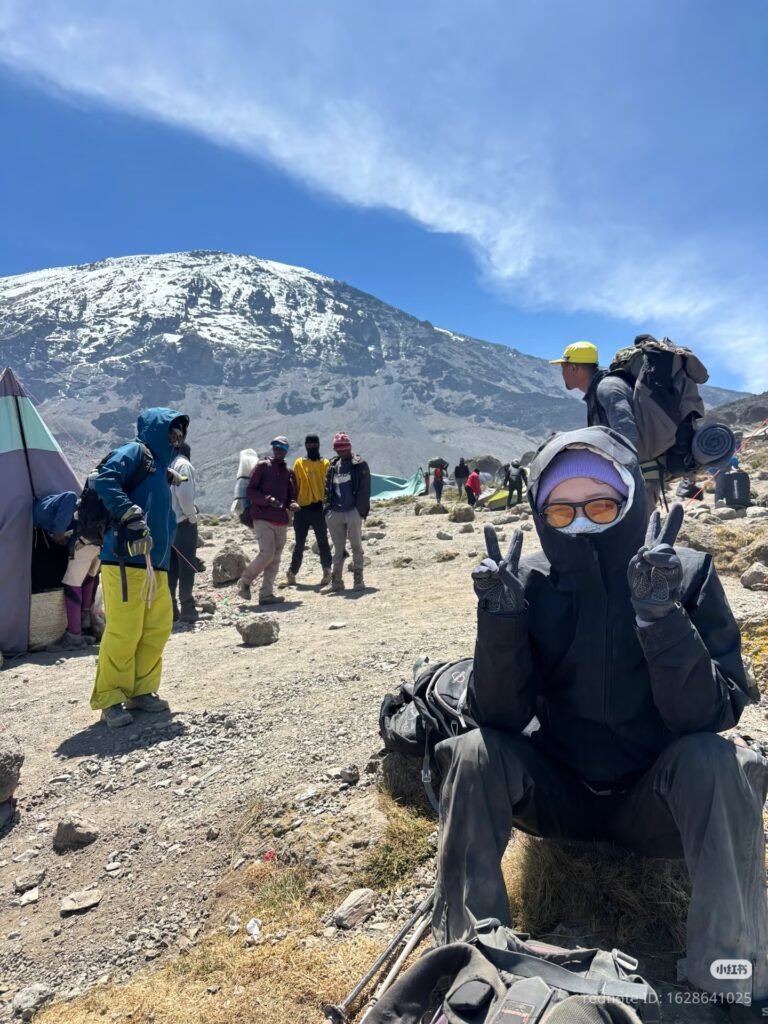
6 Days Marangu Kilimanjaro Climb And 3 Tarangire Safari: A Practical
A focused, bookable 6-day Marangu Kilimanjaro climb followed by a 3-day Tarangire safari. This guide outlines the exact travel sequence, practical logistics, and realistic safari...
View package details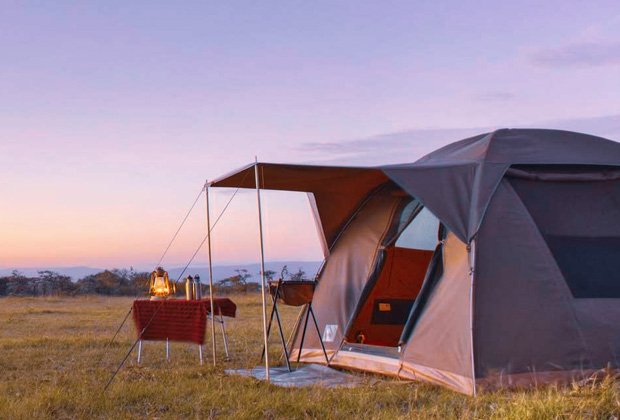
7-Day Rongai Route And 3-Day Tanzania Safari
7-Day Rongai Route and 3-Day Tanzania Safari.
View package details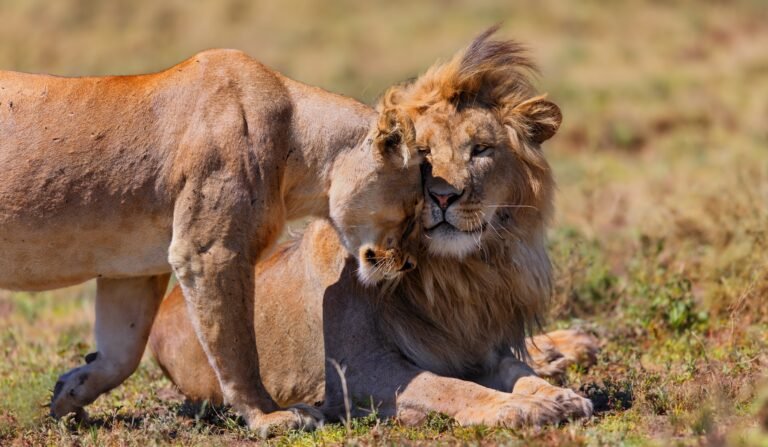
8-Day Lemosho Route And 4-Day Tanzania Safari
8-Day Lemosho Route and 4-Day Tanzania Safari.
View package details8-Day Lemosho Route And 3-Day Tanzania Safari
8-Day Lemosho Route and 3-Day Tanzania Safari.
View package details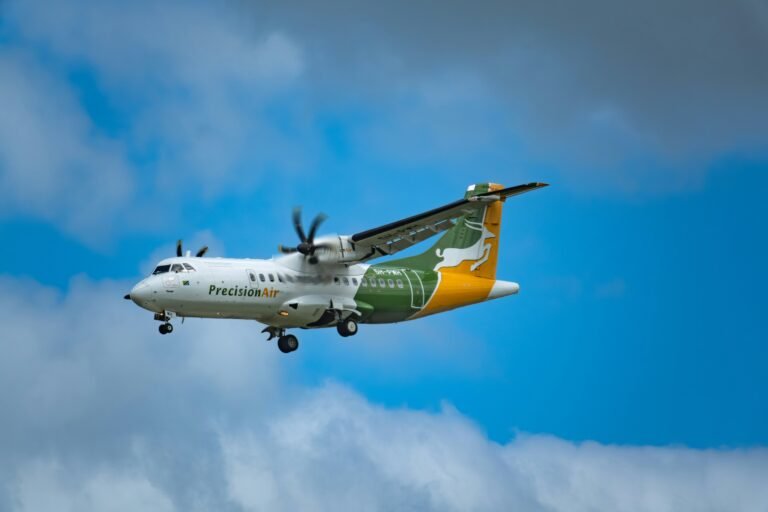
6 Days Machame Kilimanjaro Climb And 2 Tarangire Ngorongoro Safari
6 Days Machame Kilimanjaro Climb and 2 Days Tarangire Ngorongoro Safari.
View package details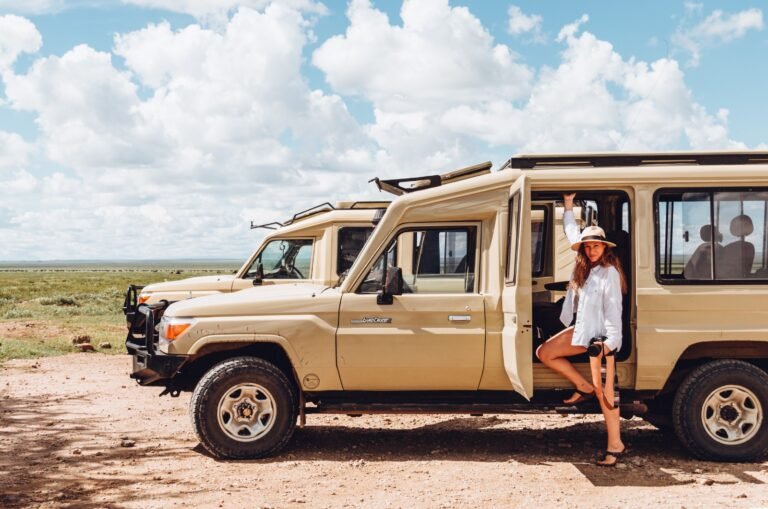
6 Days Kilimanjaro Climb And 3 Big Five Safari 2026
6 Days Kilimanjaro Climb and 3 Days Big Five Safari.
View package details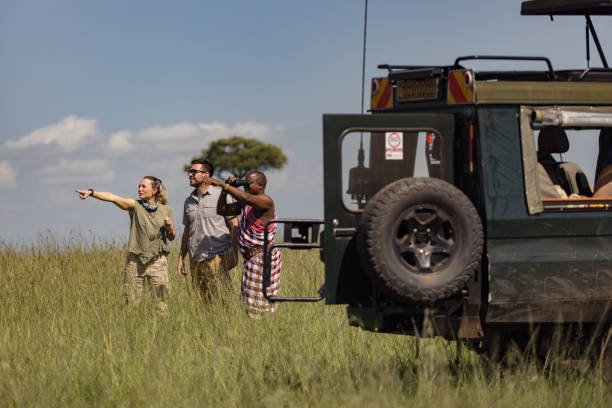
4-Day Northern Tanzania Historical Discovery Tour
Ndiyo njia ya kipekee ya kujifunza historia ya mwanadamu katika maeneo ya Olduvai Gorge, Laetoli na Ngorongoro kwa safari ya kipekee ya siku 4 iliyoandaliwa na Climb 4 Africa.
View package details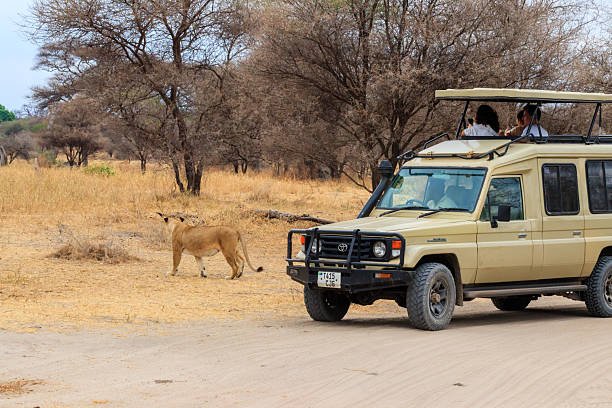
14 Days Kilimanjaro Trek And Northern Tanzania Safari 2026-2027
14 Days Kilimanjaro Trek and Northern Tanzania Safari.
View package details
12 Days Kilimanjaro Trekking and Tanzania Safari: A practical, day-by-day
A practical, bookable 12-day journey combining Kilimanjaro ascent with a Tanzania safari, outlining day-by-day route, acclimatisation strategy, park progression, and realistic safari...
View package detailsNo related package matches those filters. Clear one or more filters to see the other topic-matched options.



