
Combining a Kilimanjaro climb with a Tanzania safari offers a comprehensive and unforgettable African adventure, typically involving 7-10 days for the trek and 3-5 days for the safari, best undertaken during the dry seasons of January-March and June-October. For 2026 and 2027, planning ahead is key to securing preferred dates and guides for these highly sought-after experiences, which can range in cost depending on the route, duration, and level of service chosen.
Kilimanjaro & Safari in Tanzania: The Ultimate Combination
Tanzania is a land of unparalleled natural beauty and adventure, offering two of Africa’s most iconic experiences: climbing the majestic Mount Kilimanjaro and embarking on a thrilling wildlife safari. For many travelers, the dream is to combine these two monumental journeys into a single, epic expedition. This is entirely feasible and, in fact, highly recommended, as it allows you to witness the diverse landscapes and incredible biodiversity that Tanzania has to offer, from the Roof of Africa to the endless savannas teeming with wildlife. Planning this dual adventure requires careful consideration of routes, timing, logistics, and budget, especially as you look towards booking for 2026 and 2027.
A typical Kilimanjaro and safari trip might involve a 7 to 10-day trek up Kilimanjaro, followed by a 3 to 5-day safari, creating an itinerary that can span from 10 days to over two weeks, excluding international travel. The timing is crucial; the dry seasons are generally preferred for both activities, which occur from January to March and June to October. However, the shoulder months can also offer rewarding experiences with fewer crowds. Understanding the nuances of each component—the physical demands of the climb, the vastness of the national parks, and the practicalities of travel within Tanzania—is essential for a smooth and memorable journey. This comprehensive guide aims to provide you with all the information needed to plan your perfect Kilimanjaro y safari en Tanzania adventure for 2026-2027.
Why Combine Kilimanjaro and Safari?
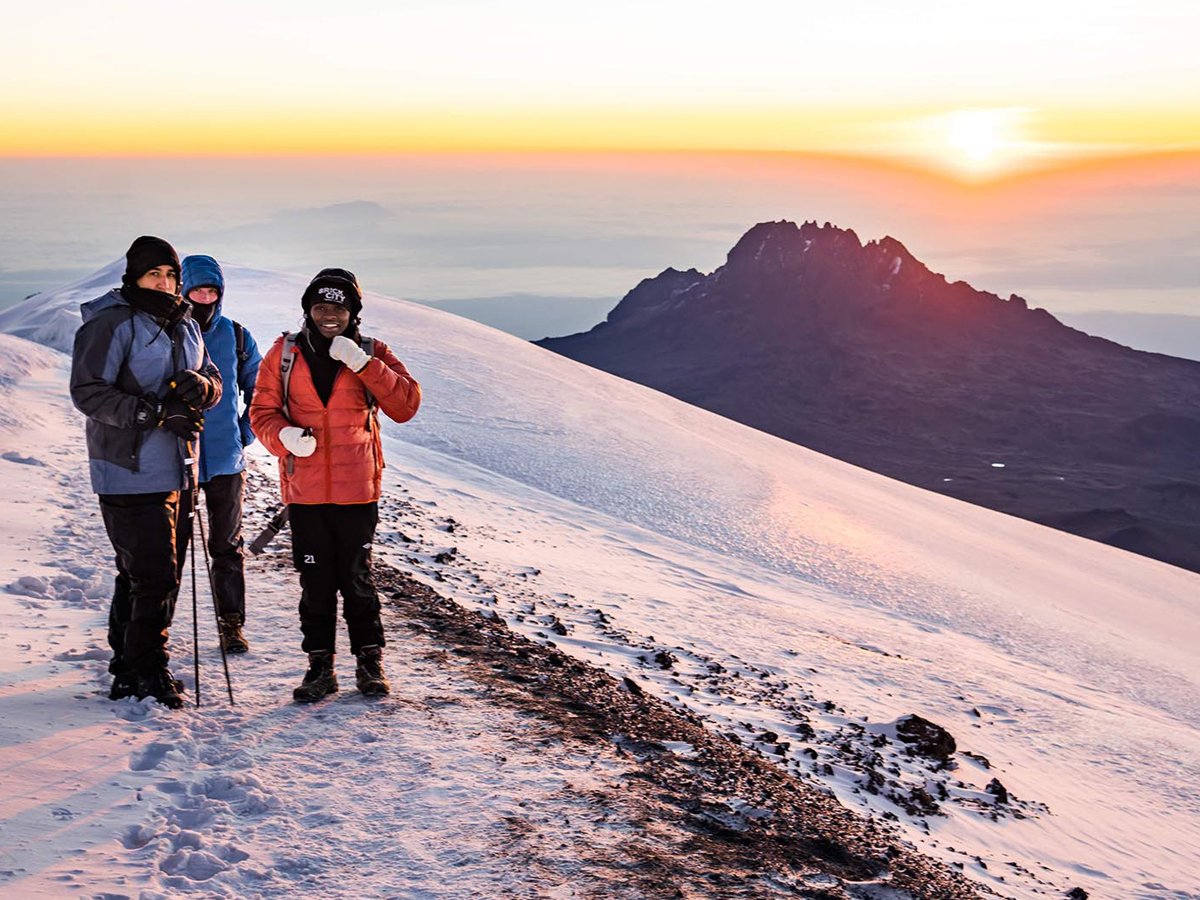
The allure of combining a Kilimanjaro climb with a Tanzania safari lies in the sheer contrast and complementary nature of these experiences. Kilimanjaro offers a profound personal challenge, a journey of endurance and determination culminating in a impressive sunrise from the highest point in Africa. It’s a trek through diverse ecological zones, pushing your physical and mental limits, and rewarding you with spectacular panoramic views. This achievement is deeply personal and often memorable.
Following the physical exertion of the climb, a Tanzania safari provides a starkly different yet equally interesting experience. It’s a chance to witness Africa’s iconic wildlife in their natural habitat, from the Great Migration in the Serengeti to the vast herds in the Ngorongoro Crater. The landscapes are vast and varied, offering opportunities for incredible photography and unparalleled wildlife viewing. The transition from the solitude and challenge of the mountain to the vibrant, dynamic ecosystem of the plains creates a holistic African adventure that touches upon both personal accomplishment and the raw beauty of the natural world.
Furthermore, combining these activities often proves to be logistically efficient. Most tour operators specializing in Kilimanjaro treks are also well-equipped to arrange safaris, allowing you to book your entire Tanzanian adventure through a single, trusted provider. This simplifies planning, ensures smooth transfers between your climb and safari components, and often allows for package deals that can offer better value. For travelers planning for 2026-2027, booking a combined package can lock in your itinerary and costs well in advance.
Planning Your Kilimanjaro Climb
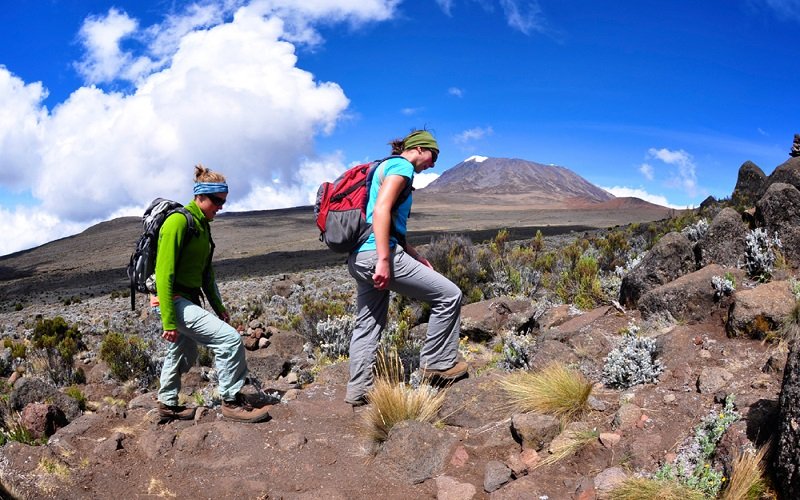
Climbing Kilimanjaro is a significant undertaking, and thorough planning is paramount. It’s not a technical climb, but its altitude presents a serious challenge. Success hinges on choosing the right route, understanding acclimatization principles, packing appropriately, and ensuring you are physically and mentally prepared. For Kilimanjaro y safari en Tanzania, the climb is often the first major component of the trip.
Choosing the Right Kilimanjaro Route
Kilimanjaro offers several distinct routes, each with its own characteristics regarding scenery, difficulty, acclimatization profile, and popularity. The choice of route significantly impacts your chances of success, your overall experience, and the duration of your trek. For 2026 and 2027 climbs, booking your preferred route early is advisable, as popular options can fill up.
The main routes are:
- Marangu Route: Known as the ‘Coca-Cola’ route, it’s the oldest and most established. It’s the only route that offers dormitory-style accommodation in huts rather than camping. It’s also the shortest, typically taking 5 days, which is generally not recommended due to poor acclimatization. The scenery is less varied as you ascend and descend the same path.
- Machame Route: Often called the ‘Whiskey’ route, this is the most popular route due to its excellent acclimatization profile and beautiful scenery. It’s a camping route that takes 6-7 days. It traverses the mountain in a ‘climbing circuit,’ offering varied views and a good ‘climb high, sleep low’ strategy. The 7-day option provides better acclimatization and higher success rates. This is a strong contender for many travelers aiming for Kilimanjaro y safari en Tanzania.
- Lemosho Route: Considered one of the most scenic routes, Lemosho offers a longer, more gradual ascent through pristine rainforest and moorland. It’s a camping route that typically takes 7-8 days. Its longer duration allows for excellent acclimatization and a more remote wilderness experience before joining the Machame route for the final ascent.
- Shira Route: Similar to Lemosho but starts at a higher altitude on the Shira Plateau. It’s also a camping route, usually 7-8 days. While scenic, its higher starting point can pose acclimatization challenges for some.
- Rongai Route: This is the only route that approaches from the north, offering a different perspective and often drier conditions, especially during the rainy seasons. It’s a camping route that typically takes 6-7 days. It’s less crowded and offers good wildlife viewing opportunities in the lower sections.
- Northern Circuit: The longest and arguably the most scenic route, taking 9-10 days. It circles the mountain, offering the best acclimatization profile and the highest success rates. It’s a camping route and provides a more relaxed pace and a true wilderness experience.
- Umbwe Route: The shortest and steepest route, considered the most challenging. It’s for experienced hikers with good acclimatization abilities and is not recommended for most first-time Kilimanjaro climbers. It’s a camping route and typically takes 5-6 days.
Kilimanjaro Route Comparison: Key Differences
When planning your Kilimanjaro y safari en Tanzania, the route choice is critical. Here’s a quick comparison focusing on factors important for success and enjoyment:
| Route | Duration (Days) | Scenery | Acclimatization | Crowds | Accommodation | Difficulty |
|---|---|---|---|---|---|---|
| Marangu | 5-6 | Moderate (same up/down) | Poor (shortest duration) | High | Huts | Moderate |
| Machame | 6-7 | Excellent (varied circuit) | Good (7-day recommended) | High | Camping | Moderate to Difficult |
| Lemosho | 7-8 | Exceptional (remote wilderness) | Very Good (longer duration) | Moderate | Camping | Moderate |
| Shira | 7-8 | Very Good (high plateau) | Moderate (high start) | Moderate | Camping | Moderate to Difficult |
| Rongai | 6-7 | Good (different perspective) | Good | Low to Moderate | Camping | Moderate |
| Northern Circuit | 9-10 | Outstanding (full circle) | Excellent (longest duration) | Low | Camping | Moderate |
| Umbwe | 5-6 | Steep, direct | Poor (very fast ascent) | Low | Camping | Very Difficult |
For most travelers seeking a balance of success, scenery, and experience for their Kilimanjaro y safari en Tanzania trip, the Machame (7-day) or Lemosho (7 or 8-day) routes are highly recommended. The Northern Circuit offers the highest chance of success and the most in-depth experience but requires more time and a higher budget.
Kilimanjaro Climb Duration and Acclimatization
The most critical factor for a successful Kilimanjaro climb is proper acclimatization. Altitude sickness (Acute Mountain Sickness – AMS) is a serious risk and can affect anyone, regardless of fitness level. The longer a route, the better the acclimatization. While 5-day treks exist, they have significantly lower success rates and a higher risk of AMS. For 2026-2027 climbs, prioritize routes of at least 7 days.
Here’s why longer is better:
- Gradual Ascent: Longer routes allow your body to adjust more slowly to the decreasing oxygen levels as you gain altitude.
- ‘Climb High, Sleep Low’: Many of the better routes incorporate this principle, where you ascend to higher altitudes during the day for acclimatization and then descend to a lower camp to sleep.
- Reduced Risk of AMS: Proper acclimatization drastically reduces the risk of developing severe altitude sickness, which can force you to descend.
A typical 7-day climb involves ascending for 5-6 days, a summit attempt on day 6, and descending on day 6 or 7. A 7-day Machame trek, for instance, might look like this:
- Day 1: Machame Gate to Machame Camp
- Day 2: Machame Camp to Shira 2 Camp
- Day 3: Shira 2 Camp to Barranco Camp
- Day 4: Barranco Camp to Karanga Camp
- Day 5: Karanga Camp to Barafu Camp
- Day 6: Barafu Camp to Summit (Uhuru Peak) to Mweka Camp
- Day 7: Mweka Camp to Mweka Gate
If you are planning a combined Kilimanjaro y safari en Tanzania, ensure you factor in sufficient rest days between the climb and the safari, especially after descending from the summit.
Best Time to Climb Kilimanjaro (2026-2027)
The best times to climb Kilimanjaro are during the dry seasons, which offer clearer skies, better visibility, and more stable weather conditions. These periods are also generally warmer.
- January to March: This is a popular dry season, often with clear skies and good visibility. It’s also a good time for spotting wildlife on safari before the main green season.
- June to October: This is the main dry season and the most popular time to climb. The weather is typically excellent, with cool temperatures and sunny days. This is also peak season for safari, especially for the Great Migration.
The shoulder months can also be considered:
- April and May: These months mark the long rainy season. While possible to climb, expect significant rainfall, cloud cover, and potentially snow at higher altitudes. Trails can be muddy and slippery.
- November and December: These months have short rains. While some rain is expected, it’s often in the afternoon, with clearer mornings. It can be a good time for fewer crowds and potentially lower prices, but weather is less predictable.
For 2026 and 2027, booking during the main dry seasons (June-October and January-March) is recommended for the best weather conditions on Kilimanjaro. If you’re combining with a safari, these periods also align with prime wildlife viewing opportunities.
Kilimanjaro Packing Essentials
Packing correctly for Kilimanjaro is crucial for comfort and safety. Layering is key, as temperatures can range from tropical heat at the base to freezing cold at the summit. Your gear should be designed for extreme cold and variable weather.
- Clothing:
- Base layers (thermal underwear – merino wool or synthetic)
- Mid-layers (fleece jackets, insulated vests)
- Outer layers (waterproof and windproof jacket and trousers – Gore-Tex or similar)
- Insulated, waterproof down jacket (essential for summit night)
- Trekking trousers (quick-drying)
- Hiking shorts (for lower altitudes)
- T-shirts and long-sleeved shirts (moisture-wicking)
- Warm hat (wool or fleece), sun hat with a brim
- Gloves (liner gloves, waterproof and insulated mittens)
- Warm socks (wool or synthetic, several pairs)
- Gaiters (to keep debris and snow out of boots)
- Footwear:
- Broken-in, waterproof hiking boots (sturdy, ankle support)
- Camp shoes or comfortable trainers (for evenings)
- Equipment:
- Backpack (40-60L for personal gear)
- Daypack (20-30L for essentials during the day)
- Sleeping bag (rated to -15°C or -20°C / 0°F or -4°F)
- Sleeping pad (if camping and not provided)
- Trekking poles (highly recommended)
- Headlamp or flashlight with extra batteries
- Water bottles or hydration reservoir (at least 3 liters capacity)
- Sunglasses (UV protection)
- Sunscreen (high SPF) and lip balm with SPF
- Insect repellent (for lower altitudes)
- Personal first-aid kit and any personal medications
- Toiletries (biodegradable soap, toothbrush, toothpaste, wet wipes)
- Camera, binoculars, power bank
- Snacks (energy bars, nuts, dried fruit)
- Passport, visa, money, emergency contact information
Climb 4 Africa can provide detailed packing lists tailored to your specific trek and the season you plan to climb in 2026 or 2027.
Kilimanjaro Health and Safety
Health and safety are paramount on Kilimanjaro. Beyond altitude sickness, consider:
- Consult Your Doctor: Discuss your climb with your physician well in advance. They can advise on vaccinations, malaria prophylaxis (if traveling to other areas of Tanzania before or after), and general fitness recommendations.
- Diamox (Acetazolamide): This prescription medication can help prevent or alleviate altitude sickness symptoms. Discuss its use with your doctor.
- Hydration: Drink plenty of water (3-4 liters per day). Dehydration exacerbates altitude sickness.
- Pacing: “Pole pole” (slowly, slowly) is the mantra on Kilimanjaro. Move at a slow, steady pace to conserve energy and aid acclimatization.
- Listen to Your Body: Report any symptoms of altitude sickness immediately to your guide. Early recognition and intervention are key. Symptoms include headache, nausea, dizziness, fatigue, and loss of appetite.
- Guides and Porters: Choose an operator that prioritizes the safety and well-being of their crew. Reputable companies ensure guides are trained in first aid and mountain rescue.
- Emergency Evacuation: Ensure your tour operator has a robust emergency evacuation plan and that your travel insurance covers high-altitude trekking and medical evacuation.
Your Tanzania Safari Experience
After the physical challenge of Kilimanjaro, a Tanzania safari offers a perfect counterpoint, immersing you in the wild heart of Africa. Tanzania is renowned for its exceptional wildlife viewing, diverse ecosystems, and the iconic Great Migration. Planning your safari involves choosing the right parks, itinerary, and timing to match your interests and the season.
Popular Tanzania Safari Destinations
Tanzania boasts some of the world’s most famous safari destinations, often forming the classic Northern Circuit.
- Serengeti National Park: Perhaps the most famous national park globally, the Serengeti is synonymous with the Great Migration. Its vast plains are home to millions of wildebeest, zebras, and gazelles, attracting predators like lions, cheetahs, leopards, and hyenas. The sheer scale of wildlife here is astounding.
- Ngorongoro Conservation Area: Home to the Ngorongoro Crater, a UNESCO World Heritage Site. This intact volcanic caldera boasts an incredible density of wildlife, including the ‘Big Five’ (lion, leopard, elephant, rhino, buffalo), all within a compact area. It’s a must-visit for any Tanzania safari.
- Tarangire National Park: Known for its large elephant herds, especially during the dry season when they congregate around the Tarangire River. It also features iconic baobab trees and diverse birdlife.
- Lake Manyara National Park: Famous for its tree-climbing lions, large troops of baboons, and a stunning bird population, particularly around Lake Manyara itself. It’s a smaller park, often visited as part of a multi-day safari.
- Arusha National Park: Located near Kilimanjaro, this park is home to Mount Meru and offers diverse landscapes including forests, lakes, and grasslands. It’s a great place for walking safaris and seeing colobus monkeys and buffaloes.
- Selous Game Reserve (Nyerere National Park): Located in southern Tanzania, this is one of Africa’s largest game reserves. It offers a different experience, with boat safaris on the Rufiji River and walking safaris, in addition to game drives.
For a classic Kilimanjaro y safari en Tanzania combination, the Northern Circuit (Serengeti, Ngorongoro, Tarangire, Manyara) is the most common and highly recommended choice, offering a superb overview of Tanzania’s wildlife and landscapes.
Choosing Your Tanzania Safari Itinerary
Safari itineraries vary in length and the number of parks visited. A typical safari following a Kilimanjaro climb might be 3 to 5 days, focusing on the Northern Circuit.
A popular 4-day Northern Circuit itinerary could look like this:
- Day 1: Arusha to Tarangire National Park. Game drive in Tarangire, known for its elephants and baobabs. Overnight near the park or in Karatu.
- Day 2: Tarangire/Karatu to Serengeti National Park. Morning game drive, then drive to the Serengeti, entering via the Ngorongoro Conservation Area. Afternoon game drive in the Serengeti. Overnight in the Serengeti.
- Day 3: Serengeti National Park. Full day exploring the Serengeti, focusing on areas known for predators or specific wildlife sightings depending on the season. Overnight in the Serengeti.
- Day 4: Serengeti to Ngorongoro Crater & Arusha. Morning game drive in the Serengeti, then drive to the Ngorongoro Conservation Area. Descend into the Ngorongoro Crater for a game drive. Afterwards, drive back to Arusha.
For longer safaris (5-7 days), you could add more time in the Serengeti, explore different regions like the Western Corridor or Northern Serengeti (depending on migration timing), or include Lake Manyara.
When planning for 2026-2027, consider the Great Migration. The wildebeest and zebra migration moves in a predictable cycle throughout the year. Knowing where the herds will be during your travel dates can significantly enhance your safari experience, especially in the Serengeti. Your tour operator can advise on the best locations for specific months.
Best Time for Tanzania Safari (2026-2027)
Tanzania offers excellent safari opportunities year-round, but certain periods are better for specific sightings:
- June to October: This is the dry season and peak safari season. It’s ideal for wildlife viewing as animals congregate around water sources. This period also coincides with the best time to climb Kilimanjaro and is prime time for witnessing the Great Migration crossing the Grumeti or Mara Rivers in the Serengeti. Expect higher prices and more crowds.
- January to March: Another dry season, excellent for bird watching and witnessing the calving season of the Great Migration in the southern Serengeti. The landscape is greener after the short rains, and predator action is high as young animals are born. This is also a good time for Kilimanjaro.
- April to May: The long rainy season. Parks are lush and green, with fewer tourists and lower prices. However, some roads can become impassable, and wildlife may be more dispersed.
- November to December: Short rains. Generally pleasant weather with scattered showers, often in the afternoons. Wildlife is still abundant, and crowds are moderate.
For a combined Kilimanjaro y safari en Tanzania in 2026 or 2027, the dry seasons (June-October and January-March) are generally the most recommended for both activities. The June-October window is particularly popular for its excellent weather on Kilimanjaro and the dramatic river crossings of the Great Migration.
Safari Accommodation Options
Safari accommodation ranges from basic to luxurious, catering to different budgets and preferences.
- Tented Camps: These offer a closer-to-nature experience. They can range from permanent luxury tented camps with en-suite bathrooms and comfortable furnishings to more rustic fly camps used for overnight stays.
- Lodges: Permanent structures offering comfortable rooms, often with amenities like swimming pools, restaurants, and bars. They provide more traditional hotel-like comfort.
- Budget/Public Campsites: For the most budget-conscious travelers, camping under the stars with basic facilities is an option, often used in conjunction with overland tours or self-drive safaris.
Climb 4 Africa offers a range of accommodation options to suit your budget and desired comfort level for your Kilimanjaro y safari en Tanzania adventure.
What to Pack for a Tanzania Safari
Safari packing is generally lighter than for Kilimanjaro, focusing on comfort, protection from the sun, and blending in with the environment.
- Clothing:
- Lightweight, neutral-colored clothing (khaki, beige, olive green) – avoid bright colors and dark blue/black (can attract tsetse flies).
- Long-sleeved shirts and trousers (for sun and insect protection, especially in evenings).
- T-shirts and shorts.
- A warm fleece or jacket for cool mornings and evenings.
- A wide-brimmed hat or cap for sun protection.
- Comfortable walking shoes or trainers.
- Sandals or flip-flops for relaxing at the lodge/camp.
- Essentials:
- High SPF sunscreen and lip balm.
- Insect repellent with DEET.
- Sunglasses.
- Binoculars (essential for wildlife viewing).
- Camera with extra batteries and memory cards.
- A small backpack or day bag for essentials during game drives.
- Personal first-aid kit and any personal medications.
- Reusable water bottle.
- Adapter for charging electronics (most lodges/camps have power).
- Passport, visa, copies of important documents.
Remember that most safari vehicles have charging points, but it’s wise to bring a power bank for your devices.
Logistics and Booking Your Kilimanjaro & Safari Adventure
Organizing a combined Kilimanjaro y safari en Tanzania trip requires careful logistical planning, especially when looking at dates for 2026 and 2027. Booking with an experienced local operator like Climb 4 Africa can streamline this process significantly.
Booking Your Kilimanjaro and Safari Package
When you decide to book, it’s best to:
- Choose a Reputable Operator: Look for companies with a strong track record in both Kilimanjaro trekking and Tanzania safaris. Check reviews, certifications, and their commitment to ethical tourism and porter welfare. Climb 4 Africa specializes in these combined adventures and has extensive local knowledge.
- Discuss Your Ideal Itinerary: Whether you have a specific duration in mind or want recommendations, communicate your preferences. Do you want more days on Kilimanjaro for better acclimatization? Which safari parks are your priority?
- Confirm Inclusions and Exclusions: Understand exactly what your package covers. This typically includes park fees, guide and porter salaries, food, accommodation (on the mountain and during safari), camping equipment (on the mountain), and vehicle/guide costs for the safari. Exclusions often include tips, personal gear, travel insurance, visas, and international flights.
- Secure Your Dates: Especially for 2026-2027, popular dates (dry seasons, holidays) book up quickly. Early booking is essential.
- Payment and Deposits: Understand the deposit structure and payment schedule. A deposit is usually required to confirm your booking, with the balance due closer to your travel date.
Contacting Climb 4 Africa via WhatsApp +255 747 477 898 or email climb4africa@gmail.com is the best way to start discussing your personalized Kilimanjaro y safari en Tanzania plan for 2026 or 2027. They can provide detailed quotes and tailor-made itineraries.
Cost Considerations for 2026-2027
The cost of a combined Kilimanjaro climb and Tanzania safari can vary significantly based on several factors:
- Route Choice: Longer routes with higher success rates (like Lemosho or Northern Circuit) and shorter, popular routes (like Machame) will have different pricing. The 5-day Marangu route is often cheaper but not recommended.
- Duration: The number of days spent on Kilimanjaro and on safari directly impacts the total cost.
- Group Size: Private climbs and safaris are more expensive than joining a group. Group departures for 2026-2027 can offer cost savings.
- Accommodation Standard: The quality of lodges and tented camps chosen for the safari will affect the price.
- Time of Year: Peak season (June-October, January-March) typically incurs higher prices due to demand.
- Operator: Local operators often offer more competitive pricing than international companies, while ensuring quality and supporting the local economy.
As a general estimate for 2026-2027, a combined 7-day Kilimanjaro climb and 4-day safari package with a reputable local operator might range from $2,500 to $5,000+ per person, depending on the specifics. This usually includes park fees, crew costs, meals, and accommodation. International flights, visas, tips, and personal expenses are typically extra.
It’s crucial to get a detailed quote. Climb 4 Africa can provide transparent pricing for your Kilimanjaro y safari en Tanzania adventure, outlining exactly what is included.
Visa and Travel Requirements
Ensuring you meet all entry requirements is vital for a smooth trip.
- Visas: Most nationalities require a visa to enter Tanzania. This can often be obtained online in advance (e-Visa) or upon arrival at Kilimanjaro International Airport (JRO) or other main entry points. Check the latest requirements for your nationality with the Tanzanian embassy or consulate in your country.
- Passport: Your passport must be valid for at least six months beyond your intended stay and have at least two blank pages.
- Yellow Fever Vaccination: A Yellow Fever certificate may be required if you are arriving from or have transited through a country with a risk of Yellow Fever. Check current regulations.
- COVID-19 Protocols: While most restrictions have eased, it’s always wise to check the latest travel advisories and health requirements from official sources before your departure for 2026 or 2027.
Travel Insurance for Africa
Comprehensive travel insurance is non-negotiable for a Kilimanjaro y safari en Tanzania trip.
- High-Altitude Trekking: Ensure your policy specifically covers trekking up to the altitude of Kilimanjaro (5,895 meters).
- Medical Evacuation: This is perhaps the most critical component. Your insurance must cover emergency medical evacuation from remote areas, including Kilimanjaro and safari locations, back to your home country if necessary.
- Trip Cancellation/Interruption: Covers unforeseen events that may force you to cancel or cut short your trip.
- Medical Expenses: Covers hospitalization, doctor’s fees, and medication.
- Lost or Damaged Luggage: Provides cover for your belongings.
Always read the policy details carefully to understand coverage limits and exclusions. It is highly recommended to have insurance that covers emergency helicopter evacuation from Kilimanjaro.
Making the Most of Your Trip
To ensure your Kilimanjaro y safari en Tanzania adventure in 2026-2027 is truly memorable, consider these tips:
- Physical Preparation: Start training several months in advance. Focus on cardiovascular fitness, strength training (especially legs), and hiking with a weighted backpack.
- Mental Preparation: Understand the challenges of altitude and be prepared for discomfort. A positive attitude and determination are key.
- Learn Basic Swahili Phrases: A few words like “Jambo” (Hello), “Asante” (Thank you), and “Pole pole” (Slowly, slowly) will be greatly appreciated by locals.
- Respect Local Culture: Tanzania is a diverse country with rich cultural traditions. Be respectful of local customs and people.
- Be Flexible: Travel in Africa can sometimes involve unexpected delays or changes. Maintaining flexibility and a sense of adventure will enhance your experience.
- Engage with Your Guides: Your guides are a wealth of knowledge about the mountain, wildlife, and local culture. Ask questions and learn from them.
- Sustainability: Choose operators committed to responsible tourism practices, minimizing environmental impact and supporting local communities.
By focusing on preparation, embracing the experience, and choosing the right partners, your Kilimanjaro y safari en Tanzania journey will be an unparalleled adventure.
Contact Climb 4 Africa
Planning an expedition like climbing Kilimanjaro and experiencing a Tanzania safari is a significant endeavor, and having expert, local support makes all the difference. Climb 4 Africa are specialists in creating smooth, unforgettable adventures in Tanzania, with deep expertise in both mountaineering and wildlife safaris.
Whether you are looking to book a group departure for 2026 or 2027, or you wish to customize a private itinerary that perfectly matches your interests and timeframe, their team is ready to assist. They understand the nuances of route selection, acclimatization, safari logistics, and ensuring the highest standards of safety and client care.
To begin planning your dream Kilimanjaro y safari en Tanzania trip, or if you have any questions about dates, routes, costs, or inclusions for 2026-2027, please do not hesitate to reach out. They are dedicated to providing practical advice and crafting the perfect African adventure for you.
Get in touch today:
- WhatsApp: +255 747 477 898
- Email: climb4africa@gmail.com
They look forward to helping you achieve your ultimate African adventure!
Check Availability for Kilimanjaro & Safari In Tanzania: Your Ultimate Adventure Plan 2026-2027
Ready to compare dates, prices, and the best option for your group? Send the package name and travel month so the team can reply with a clear quote, availability, and what is included.
What Nobody Tells You About Traveling To Tanzania Guide
Planning a trip to Tanzania for 2026 or 2027? This comprehensive guide reveals the unspoken truths about traveling to Tanzania, covering everything from safari nuances and Kilimanjaro...
View package details10 Things To Know Before Visiting Tanzania For An Unforgettable Adventure
Before you pack your bags for Tanzania, arm yourself with these 10 crucial pieces of knowledge. From understanding visa requirements and health precautions to mastering safari etiquette and...
View package details20 Natural Wonders In Africa You Need To See 2026-2027
Explore Africa's most spectacular natural wonders, from the majestic peaks of Kilimanjaro and the vast plains of the Serengeti to the unique landscapes of Namibia and the vibrant coral...
View package details10 Special Adventures In Africa: Your Ultimate Guide 2026-2027
start a journey to discover Africa's most extraordinary experiences. From scaling Kilimanjaro to witnessing the Great Migration and exploring ancient ruins, this guide details 10 special...
View package detailsAfrica’s Best-Kept Travel Secrets Guide
Beyond the well-trodden paths of Kilimanjaro and the Serengeti, Tanzania holds a treasure trove of lesser-known yet equally spectacular travel experiences. This guide reveals Africa's...
View package details
Monte Meru Y Safari En Tanzania: Guía Completa Para Tu Aventura Africana
Explora la combinación perfecta de trekking en Monte Meru y safaris inolvidables en Tanzania. Esta guía detallada te ayudará a planificar tu viaje de ensueño para 2026-2027, cubriendo...
View package details
Monte Meru Y Kilimanjaro: Trekking En Tanzania 2026-2027
Discover the ultimate trekking experience in Tanzania by combining Mount Meru and Mount Kilimanjaro. This comprehensive guide covers everything from route selection and preparation to...
View package details
3 Day Joining Safari Group Departures From Moshi: 2026
Discover convenient 3-day group safari departures from Moshi, perfect for maximizing your Tanzania adventure. Explore wildlife-rich parks like Tarangire, Manyara, or the Serengeti on shared...
View package detailsWhat To Expect On Your First Kilimanjaro Trek: A Comprehensive Guide 2026-2027
Planning your first climb up Kilimanjaro? This comprehensive guide covers everything you need to know, from choosing a route and preparing your body to what daily life on the mountain is...
View package detailsWhy Is Climbing Kilimanjaro So Expensive? 2026-2027
Why Is Climbing Kilimanjaro So Expensive? is explained with current 2026-2027 planning, price, itinerary and booking information.
View package detailsKilimanjaro Climb Machame Route : Expert Guide For Your Trek 2026-2027
Discover the ultimate guide to climbing Mount Kilimanjaro via the Machame Route for your 2026 or 2027 adventure. This comprehensive resource covers everything from choosing an itinerary and...
View package detailsWhy Do People Travel From Around The World To Climb Kilimanjaro? 2026-2027
Why Do People Travel From Around the World to Climb Kilimanjaro? is explained with current 2026-2027 planning, price, itinerary and booking information.
View package detailsNo related package matches those filters. Clear one or more filters to see the other topic-matched options.



