
Trekking Mount Meru and Mount Kilimanjaro in Tanzania offers a dual-peak adventure, with Mount Meru often serving as a superb acclimatization climb before tackling Africa’s highest peak. For 2026-2027, planning involves choosing the right routes for both mountains, typically involving 4-5 days for Meru and 6-9 days for Kilimanjaro, considering the best trekking seasons (dry months from June to October and December to February), and understanding that costs vary significantly based on route, duration, and inclusions, with a combined trek requiring careful logistical coordination.
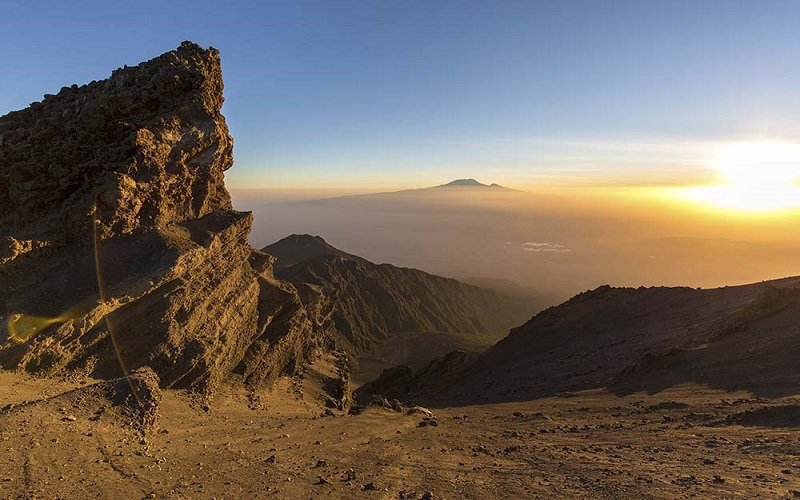
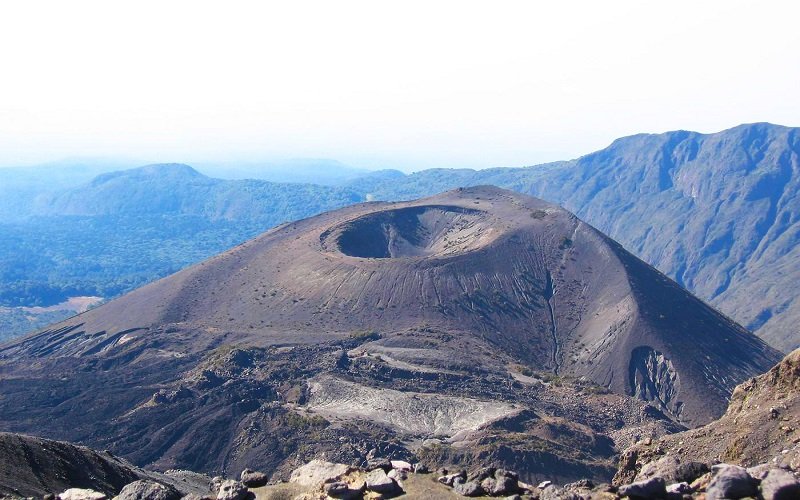
The prospect of summiting not one, but two iconic East African giants – Mount Meru and Mount Kilimanjaro – presents an unparalleled trekking challenge and a profound connection with Tanzania’s wild heart. While Kilimanjaro, the ‘Roof of Africa,’ draws climbers from every continent, Mount Meru, its smaller but formidable neighbor, offers a vital stepping stone, both physically and logistically, for those aiming for the ultimate Tanzanian mountain conquest. This guide is crafted to equip you with the essential knowledge for planning your Monte Meru y Kilimanjaro trekking expedition, whether you’re looking at 2026, 2027, or beyond, focusing on practicalities, comparisons, and what truly matters when undertaking such an ambitious journey.
Understanding the Peaks: Meru vs. Kilimanjaro
Before diving into itineraries and logistics, it’s crucial to appreciate the distinct character of each mountain. Understanding their differences will inform your choice of routes, training, and expectations for your Monte Meru y Kilimanjaro adventure.
Mount Meru: The Acclimatization Gem
Standing at 4,566 meters (14,980 feet), Mount Meru is Tanzania’s fifth-highest peak and a vital part of Arusha National Park. It’s a dormant volcano, offering a more rugged and wild trekking experience compared to Kilimanjaro. Its slopes are characterized by dense forests, dramatic cliffs, and a challenging final ascent over volcanic scree and rock. Meru is often overlooked by those solely focused on Kilimanjaro, but its value cannot be overstated.
- Height: 4,566 meters (14,980 feet)
- Typical Trek Duration: 4-5 days
- Scenery: Lush montane forests, diverse wildlife (including buffalo, monkeys, and various bird species), volcanic crater, spectacular views of Kilimanjaro on clear days.
- Difficulty: Moderate to challenging, requiring good fitness and mental resilience. The final ascent can be steep and exposed.
- Acclimatization Value: Crucial. Ascending Meru gradually prepares your body for the higher altitudes of Kilimanjaro, significantly increasing your chances of success and reducing the risk of severe altitude sickness.
- Permits & Rangers: Mandatory armed rangers accompany all groups due to wildlife presence. Permits are generally less complex and costly than Kilimanjaro.
Mount Kilimanjaro: Africa’s Majestic Summit
Kilimanjaro, at 5,895 meters (19,341 feet), is the world’s highest free-standing mountain and the highest peak in Africa. It’s a dormant volcano composed of three cones: Kibo (where Uhuru Peak, the summit, is located), Mawenzi, and Shira. Kilimanjaro is renowned for its accessibility – it doesn’t require technical climbing skills – but its extreme altitude and the demanding final ascent demand peak physical and mental conditioning. It’s a true bucket-list achievement.
- Height: 5,895 meters (19,341 feet)
- Typical Trek Duration: 6-9 days (depending on the route)
- Scenery: Diverse ecological zones ranging from cultivated land and rainforest to moorland, alpine desert, and arctic summit.
- Difficulty: Challenging, primarily due to altitude. The ‘pole pole’ (slowly, slowly) philosophy is essential. The summit night is particularly demanding.
- Acclimatization: Essential. Choosing longer routes (7+ days) significantly improves acclimatization and success rates.
- Permits: Complex and regulated by Kilimanjaro National Park (KINAPA). Permits are a significant part of the overall cost.
Why Combine Monte Meru y Kilimanjaro? The Strategic Advantage
The decision to climb both mountains is more than just ticking off two peaks; it’s a strategic approach to mountain climbing. Combining Monte Meru y Kilimanjaro offers distinct advantages, particularly for those seeking a comprehensive Tanzanian high-altitude experience.
- Enhanced Acclimatization: This is the primary benefit. Successfully reaching Meru’s summit at over 4,500 meters provides your body with valuable experience at significant altitude. This physiological adaptation makes the subsequent ascent of Kilimanjaro, especially the higher summit of Kibo, considerably more manageable. It builds confidence and resilience.
- Deeper Immersion in Tanzania’s Nature: Arusha National Park, where Meru is located, teems with wildlife. A trek here offers opportunities to see buffalo, colobus monkeys, elephants, and a vast array of birdlife, often up close. This contrasts with Kilimanjaro, where wildlife is less common at higher altitudes.
- Varied Trekking Experiences: Meru offers a wilder, more rugged, and technically interesting final approach, often involving ropes and scrambling in certain sections. Kilimanjaro, while less technically demanding overall, presents the extreme challenge of altitude and the vastness of its glacial landscape. Experiencing both provides a richer, more diverse trekking portfolio.
- Logistical Efficiency: Both mountains are located in the Kilimanjaro region, near Moshi and Arusha. This proximity allows for efficient transfer and planning, minimizing travel time and costs between the two climbs. Many operators can seamlessly arrange a combined itinerary.
- Increased Success Rate for Kilimanjaro: Studies and operator experience consistently show that climbers who have acclimatized properly, such as by trekking Meru, have significantly higher success rates on Kilimanjaro. They are better prepared for the altitude’s physiological demands.
For trekkers targeting 2026 or 2027, combining these two peaks is an intelligent way to maximize your Tanzanian adventure, build confidence, and truly appreciate the grandeur of East African mountains.
Choosing Your Routes: The Path to Summit Success
Selecting the right route for each mountain is perhaps the most critical decision you’ll make. Each route offers a different experience, varying in scenery, difficulty, acclimatization profile, and success rate. For a combined Monte Meru y Kilimanjaro trek, careful sequencing is key.
Mount Meru Routes
There is essentially one primary route for Mount Meru, though variations exist in the starting point and day-by-day breakdown. The most common approach is:
Mount Meru: The Standard Route (4-5 Days)
- Day 1: Momella Gate to Miriakamba Hut (approx. 4-5 hours, 10 km / 6.2 miles, 1,000m / 3,280ft ascent). The trek begins through dense montane forest, rich with wildlife. The path is often muddy and can be steep.
- Day 2: Miriakamba Hut to Saddle Hut (approx. 3-4 hours, 8 km / 5 miles, 800m / 2,625ft ascent). The forest thins, opening up to heath and moorland. The terrain becomes more rugged, with steeper sections leading to Saddle Hut, located between Meru’s peaks.
- Day 3: Saddle Hut to Summit (Socialism Peak) and back to Miriakamba Hut (approx. 10-12 hours, 14 km / 8.7 miles round trip, 1,100m / 3,609ft ascent to summit, 1,700m / 5,577ft descent). This is the most challenging day. The ascent begins in the early hours (around 2 am) via a steep, scree-covered path. The final section involves rock scrambling to reach the summit. The views of Kilimanjaro and the surrounding plains from the top are unforgettable. The descent back to Miriakamba Hut is long and tiring.
- Day 4 (Optional/Standard): Miriakamba Hut to Momella Gate (approx. 2-3 hours, 10 km / 6.2 miles, 700m / 2,297ft descent). A relatively easy walk down through the forest. Some operators offer a 4-day itinerary where Day 3 involves summiting and descending directly to Miriakamba, and Day 4 is the descent to the gate. A 5-day itinerary typically includes an extra day for acclimatization or a more relaxed pace.
The 4-day option is more common for those using Meru primarily for acclimatization before Kilimanjaro, while the 5-day allows for a more thorough experience and better acclimatization. For 2026-2027 expeditions, ensure your chosen operator offers the 4-day option if time is a constraint, or the 5-day for maximum benefit.
Mount Kilimanjaro Routes
Kilimanjaro boasts several established routes, each with its pros and cons. When combining with Meru, the primary consideration for Kilimanjaro is maximizing acclimatization and success. Therefore, longer routes are highly recommended.
Recommended Kilimanjaro Routes for Combined Treks (2026-2027)
- Machame Route (7-8 Days): Often called the ‘Whiskey Route’ due to its popularity and higher comfort levels (better camping). It’s known for its excellent acclimatization profile (‘climb high, sleep low’) and stunning scenery. Its popularity means it can be busy. A 7-day Machame trek is a superb choice following Meru.
- Lemosho Route (7-8 Days): Considered one of the most scenic routes, Lemosho offers a remote start through pristine rainforest and excellent acclimatization. It merges with the Machame route higher up. It is longer and typically more expensive but provides a fantastic experience.
- Northern Circuit (9+ Days): The longest route, offering the highest success rates due to its extended duration and superior acclimatization. It circles the mountain, providing unique perspectives and fewer crowds. This is the ultimate choice for acclimatization but requires more time and budget.
- Marangu Route (5-6 Days): Known as the ‘Coca-Cola’ route, it’s the only one with hut accommodation. However, its direct ascent profile offers poor acclimatization, leading to lower success rates, especially on shorter durations. It’s generally not recommended for a combined trek aiming for success after Meru.
- Rongai Route (6-7 Days): Approaches from the north, offering a drier route that can be a good option during the wetter seasons. It’s less scenic than Machame or Lemosho and merges with the Marangu route for the final ascent.
For a Monte Meru y Kilimanjaro combination, the ideal sequence is to climb Meru first. This allows you to gauge your body’s response to altitude and build confidence. After descending Meru, you would typically have a rest day or two before commencing your chosen Kilimanjaro route. A 7-day Machame or Lemosho route on Kilimanjaro after a 4-5 day Meru trek provides an excellent balance of challenge, acclimatization, and overall trip duration (around 11-13 trekking days plus travel and rest days).
Training and Physical Preparation
Both Mount Meru and Mount Kilimanjaro demand a high level of physical fitness. Proper training is not just about building stamina; it’s about preparing your body for the sustained effort and the physiological stress of high altitude. For a combined Monte Meru y Kilimanjaro trek in 2026-2027, starting your preparation well in advance is crucial.
Cardiovascular Fitness
The core of your training should focus on aerobic capacity. Aim for at least 3-4 sessions per week, building up duration and intensity over several months.
- Hiking: This is the most specific training. Seek out hills or mountains in your area. Practice hiking with a weighted backpack (similar to what you’ll carry on the trek, around 5-10 kg / 10-20 lbs). Focus on longer hikes (4-6 hours) on weekends.
- Running/Jogging: Excellent for building general cardiovascular endurance.
- Cycling: A good low-impact option that builds leg strength and stamina.
- Swimming: Provides a full-body workout and improves lung capacity.
Strength Training
While not as critical as cardio, building leg and core strength will help you navigate steep ascents and descents more comfortably.
- Squats and Lunges: Target major leg muscles.
- Step-ups: Mimic uphill walking. Use a sturdy bench or step.
- Core Exercises: Planks, crunches, and back extensions help with stability and endurance.
Altitude Simulation (Optional but Beneficial)
If possible, spend time at higher altitudes before your trip. This could involve hiking in mountainous regions or even using altitude training masks or rooms if accessible. However, the best preparation for high altitude is gradual ascent, which is precisely why climbing Meru first is so beneficial.
Mental Preparation
Trekking at high altitudes is as much a mental challenge as a physical one. You will experience fatigue, cold, and potentially discomfort. Developing mental resilience is key.
- Practice Pushing Limits: During your training hikes, intentionally push yourself slightly beyond your comfort zone.
- Visualization: Imagine yourself successfully navigating challenging sections and reaching the summit.
- Mindfulness: Techniques to stay present and focused can help manage difficult moments on the mountain.
For trekkers planning their Monte Meru y Kilimanjaro expedition for 2026 or 2027, begin your training at least 3-6 months prior. For those with less time or significant fitness gaps, consulting with a fitness professional can help create a tailored plan.
Understanding Costs and What’s Included
The cost of trekking Monte Meru y Kilimanjaro can vary significantly. It’s essential to understand what factors influence pricing and what is typically included in a reputable operator’s package. For 2026-2027, expect costs to remain competitive but subject to minor annual adjustments by park authorities.
Factors Influencing Cost
- Route Choice: Longer Kilimanjaro routes (like Lemosho or Northern Circuit) and the number of days on Meru will increase costs due to more park fees, guide/porter days, and food.
- Group Size: Private climbs are more expensive per person than group climbs. Joining a scheduled group departure is often the most cost-effective option.
- Operator Tier: Companies range from budget operators to luxury providers. Higher-end operators often offer better equipment, more experienced guides, better food, and higher porter-to-climber ratios, contributing to a higher price but often a better experience and higher success rates.
- Inclusions: What’s included in the package (e.g., pre- and post-trek accommodation, transfers, equipment rental, tips for crew) significantly impacts the final price.
- Time of Year: While less pronounced than for safaris, peak trekking seasons (June-Oct, Dec-Feb) might see slightly higher demand and thus, potentially, prices.
Typical Inclusions for a Combined Trek
A comprehensive package for Monte Meru y Kilimanjaro should ideally include:
Essential Inclusions to Look For:
- Park Fees: All entry fees for Kilimanjaro National Park and Arusha National Park. These are substantial.
- Camping Fees: Fees for campsites on Kilimanjaro and huts on Meru.
- Guides and Porters: Experienced, certified guides (including assistant guides), cooks, and sufficient porters for your gear and food. Ensure fair wages and ethical treatment of crew.
- Food: All meals during the trek, prepared by your cook.
- Accommodation: Tents, sleeping mats, and mess tents on Kilimanjaro; huts on Meru.
- Water: Boiled or treated drinking water throughout the trek.
- Transfers: Airport transfers and transfers to/from the mountain gates.
- Rescue Fees: Emergency evacuation insurance or fees.
- Climbing Certificate: For successful summiters.
Common Exclusions
Be aware of what is typically NOT included:
- Flights: International flights to Kilimanjaro International Airport (JRO).
- Visas: Tanzania visa fees.
- Travel Insurance: Comprehensive travel and medical insurance, including high-altitude trekking and emergency evacuation.
- Personal Gear: Sleeping bag, warm clothing, hiking boots, trekking poles, etc. (though some operators offer rentals).
- Tips for Crew: This is a significant part of the crew’s income and is usually expected at the end of the trek. A guideline is typically provided by the operator.
- Personal Expenses: Souvenirs, drinks, snacks, laundry.
- Pre/Post Trek Accommodation: Unless specified.
When budgeting for your Monte Meru y Kilimanjaro trek in 2026-2027, factor in the crew tips, which can add several hundred dollars per person. Reputable operators like Climb 4 Africa prioritize ethical treatment and fair pay for their teams, and transparently guide clients on tipping expectations.
For accurate, personalized quotes for 2026-2027, contact Climb 4 Africa directly via WhatsApp +255 747 477 898 or Email climb4africa@gmail.com. They can provide detailed itineraries and cost breakdowns tailored to your specific needs.
Packing Essentials for Monte Meru y Kilimanjaro
Proper gear is non-negotiable for a successful and comfortable Monte Meru y Kilimanjaro trek. The climate changes dramatically with altitude, so layering is key. For 2026-2027 expeditions, ensure your gear is in good condition and suitable for extreme conditions.
Clothing (Layering System)
- Base Layers: Moisture-wicking thermal tops and bottoms (merino wool or synthetic).
- Mid Layers: Fleece jackets or down vests for insulation.
- Outer Layer: Waterproof and windproof jacket and trousers (Gore-Tex or similar).
- Insulated Jacket: A warm down or synthetic puffy jacket for evenings and summit night.
- Trekking Trousers: Lightweight, quick-drying hiking pants (2 pairs). Avoid jeans.
- Trekking Shirts: Moisture-wicking short and long-sleeved shirts.
Headwear and Handwear
- Warm Hat: Wool or fleece, covering ears.
- Sun Hat: Wide-brimmed for sun protection.
- Balaclava or Buff: For face protection against wind and cold.
- Gloves: Liner gloves, waterproof/windproof outer gloves, and warm mittens.
Footwear
- Hiking Boots: Broken-in, waterproof, mid-to-high ankle support.
- Camp Shoes/Sandals: For relaxing at camp/hut.
- Socks: Several pairs of wool or synthetic hiking socks.
- Liner Socks: Can help prevent blisters.
Sleeping Gear
- Sleeping Bag: Rated to at least -15°C (0°F), preferably -20°C (-4°F). A 4-season bag is recommended.
- Sleeping Bag Liner: Adds warmth and keeps your bag clean.
Equipment
- Backpack: A comfortable daypack (30-40 liters) for daily essentials.
- Duffel Bag: A large, waterproof duffel bag (80-100 liters) for porters to carry.
- Trekking Poles: Highly recommended for stability and reducing knee strain.
- Headlamp: With extra batteries. Essential for summit night.
- Water Bottles/Hydration Reservoir: At least 3 liters capacity.
- Water Purification: Tablets or filter (though operators usually provide boiled water).
- Sunscreen: High SPF.
- Lip Balm: With SPF.
- Sunglasses: UV protection.
- Personal First-Aid Kit: Including blister treatment, pain relievers, and any personal medications.
- Toiletries: Biodegradable soap, toothbrush, toothpaste, wet wipes.
- Hand Sanitizer.
- Camera and Power Bank.
- Snacks: Energy bars, nuts, dried fruit.
Note on Porter Loads: Porters will carry your main duffel bag. You will carry your daypack with essentials like water, snacks, camera, rain gear, and warm layers. Familiarize yourself with the weight limits (typically 15 kg / 33 lbs for porters) to avoid issues.
Health, Safety, and Altitude Sickness
Safety is paramount when trekking high mountains. Understanding altitude sickness and implementing preventative measures is critical for a successful Monte Meru y Kilimanjaro experience.
Altitude Sickness (Acute Mountain Sickness – AMS)
AMS is caused by ascending too quickly, preventing your body from adapting to lower oxygen levels. Symptoms can range from mild to life-threatening.
- Symptoms: Headache, nausea, dizziness, fatigue, loss of appetite, difficulty sleeping.
- Prevention:
- Ascend Slowly: This is why longer Kilimanjaro routes and climbing Meru first are so important. The principle of ‘climb high, sleep low’ is key.
- Hydration: Drink plenty of fluids (3-4 liters per day).
- Avoid Alcohol and Smoking: These can exacerbate AMS.
- Eat Well: High-carbohydrate meals are recommended.
- Medication: Acetazolamide (Diamox) can be prescribed by your doctor to aid acclimatization. Discuss this option with your physician well before your 2026-2027 trip.
- Treatment: The only definitive treatment for moderate to severe AMS is immediate descent. Never ascend further if symptoms worsen. Your guides are trained to recognize and manage AMS.
Other Health Considerations
- Vaccinations: Consult your doctor or a travel clinic about recommended vaccinations for Tanzania (e.g., Yellow Fever, Hepatitis A, Typhoid).
- Malaria: Tanzania is a malaria risk area. Discuss prophylaxis with your doctor. Mosquito repellent is essential, especially at lower altitudes.
- Travel Insurance: Ensure your policy covers high-altitude trekking and emergency medical evacuation. This is non-negotiable.
- Pre-existing Conditions: If you have any heart, lung, or other serious medical conditions, consult your doctor before booking.
Safety on the Mountain
- Listen to Your Guides: Your guides are experienced professionals. Follow their instructions regarding pace, hydration, and any health concerns.
- Stay on the Path: Especially on Meru, straying from marked paths can be dangerous due to wildlife and terrain.
- Weather: Conditions can change rapidly. Be prepared for sun, rain, wind, and cold, often in the same day.
- Crew Welfare: Choose operators who adhere to ethical trekking practices, ensuring guides and porters are well-paid, equipped, and treated with respect. Climb 4 Africa is committed to this principle.
For your 2026-2027 Monte Meru y Kilimanjaro trek, prioritizing health and safety through proper preparation and choosing a responsible operator will significantly contribute to a positive and successful experience.
Best Time to Trek Monte Meru y Kilimanjaro
Tanzania has distinct wet and dry seasons, which significantly impact trekking conditions. While it’s possible to trek year-round, certain periods offer more favorable weather.
Dry Seasons (Recommended)
- June to October: This is the longest dry season, offering clear skies, moderate temperatures, and generally good trekking conditions. It’s a popular time, so booking for 2026-2027 in advance is advisable, especially for group departures.
- December to February: The short rains typically end by December, leading into another dry spell. This period is also excellent for trekking, though it can be hotter at lower altitudes. It’s a good time for those who prefer slightly warmer conditions.
Wet Seasons
- March to May: The long rains. Expect frequent heavy downpours, muddy trails, and cloudy conditions, which can obscure views. This is generally the least popular time to trek.
- November: The short rains. Can be unpredictable, with occasional showers.
For a combined Monte Meru y Kilimanjaro trek, the dry seasons are highly recommended. The clearer skies offer spectacular views of both peaks and the surrounding landscape. Climbing Meru first in the dry season provides excellent acclimatization and a chance to spot wildlife. Then, proceeding to Kilimanjaro ensures the best possible conditions for the challenging summit bid. Planning your 2026 or 2027 trip during these windows will maximize your enjoyment and chances of success.
Logistics and Itinerary Planning
Successfully combining Monte Meru y Kilimanjaro requires careful logistical planning. An experienced tour operator is invaluable here.
Typical Combined Itinerary Flow
A common and effective sequence for 2026-2027 would look something like this:
- Arrival: Fly into Kilimanjaro International Airport (JRO). Transfer to your hotel in Moshi or Arusha.
- Pre-Trek Briefing: Meet your guide(s) for a detailed briefing on your upcoming climbs, gear check, and Q&A.
- Mount Meru Trek: 4-5 days of trekking.
- Rest Day(s): Crucial for recovery after Meru and final preparation for Kilimanjaro.
- Mount Kilimanjaro Trek: 7-9 days (depending on route).
- Post-Trek Celebration: Usually a celebratory dinner.
- Departure: Transfer to JRO for your onward flight.
The total trip duration, including arrival, departure, and rest days, will typically be around 14-18 days. This allows for adequate acclimatization, recovery, and a more enjoyable, less rushed experience.
Choosing a Tour Operator
Selecting the right operator is paramount for a safe, ethical, and successful Monte Meru y Kilimanjaro trek. Look for:
- Experience: Proven track record specifically with both Meru and Kilimanjaro.
- Safety Standards: Comprehensive safety protocols, including oxygen supplies, first-aid kits, and emergency procedures.
- Ethical Practices: Fair treatment and pay for guides and porters (e.g., KPAP or Kilimanjaro Porters Assistance Project affiliation).
- High Acclimatization Focus: Operators who recommend longer routes and understand the importance of acclimatization.
- Customer Reviews: Check independent reviews on platforms like TripAdvisor.
Climb 4 Africa is a local, experienced operator deeply familiar with the nuances of trekking both Monte Meru and Kilimanjaro. They can help tailor itineraries for 2026-2027, ensuring all logistical aspects are covered, from permits and park fees to experienced guides and crew. Their commitment to safety and ethical trekking makes them an excellent choice for this challenging adventure.
Comparing Monte Meru y Kilimanjaro vs. Kilimanjaro Only
For many, the question isn’t just about climbing Kilimanjaro, but whether to add Meru. Here’s a comparison to help you decide for your 2026-2027 travel plans:
| Feature | Kilimanjaro Only | Monte Meru y Kilimanjaro (Combined) |
|---|---|---|
| Duration | 6-9 days (for Kilimanjaro itself) | 11-18 days (total trip, including rest days) |
| Acclimatization | Relies solely on Kilimanjaro route choice and pacing. Can be challenging. | Significantly enhanced by the Meru climb, increasing success rates. |
| Physical Demand | High, primarily due to altitude. | Very high, combining Meru’s ruggedness with Kilimanjaro’s altitude. |
| Cost | Lower (fewer park fees, less crew time). | Higher (additional park fees, crew, days). |
| Wildlife Encounters | Limited at higher altitudes. | Excellent on Meru’s lower slopes; limited on Kilimanjaro. |
| Experience Diversity | Focuses on Kilimanjaro’s unique ecological zones. | Offers two distinct mountain experiences, varied landscapes and challenges. |
| Success Rate for Kili | Dependent on route and individual acclimatization. | Generally higher due to pre-acclimatization on Meru. |
If your primary goal is summiting Kilimanjaro with the best possible preparation and you have the time and budget, the combined Monte Meru y Kilimanjaro trek is an exceptional choice for 2026-2027. If time or budget is a constraint, focusing on a longer, well-chosen Kilimanjaro route (7+ days) is still a very rewarding experience.
Booking Your 2026-2027 Expedition
Ready to start your Monte Meru y Kilimanjaro adventure? Here’s how to proceed for your 2026 or 2027 trip:
- Research Operators: Look for experienced, reputable operators who prioritize safety and ethical trekking.
- Choose Your Itinerary: Decide on the duration for Meru (4 or 5 days) and Kilimanjaro (7-9 days is recommended).
- Select Dates: Aim for the dry seasons (June-Oct or Dec-Feb) for the best conditions.
- Contact for Quote: Reach out to operators for detailed itineraries and pricing. Be specific about your desired dates and the combined nature of the trek.
- Book Early: Especially for group departures or specific dates in 2026-2027, booking 6-12 months in advance is wise to secure your spot and preferred dates.
- Prepare for the Journey: Begin your physical training and gather your gear well in advance.
For a smooth and expertly guided Monte Meru y Kilimanjaro trekking experience in 2026-2027, consider reaching out to Climb 4 Africa. They offer tailor-made itineraries, expert local guides, and a commitment to responsible tourism. You can connect with them via WhatsApp +255 747 477 898 or Email climb4africa@gmail.com to discuss your dream Tanzanian adventure and receive a personalized quote.
Embarking on this dual-mountain challenge is a significant undertaking, but with thorough preparation, the right guidance, and a spirit of adventure, the rewards – impressive views, personal achievement, and an unforgettable connection with Tanzania – are immense.
Check Availability for Monte Meru Y Kilimanjaro: Trekking En Tanzania 2026-2027
Ready to compare dates, prices, and the best option for your group? Send the package name and travel month so the team can reply with a clear quote, availability, and what is included.
What To Expect On Your First Kilimanjaro Trek: A Comprehensive Guide 2026-2027
Planning your first climb up Kilimanjaro? This comprehensive guide covers everything you need to know, from choosing a route and preparing your body to what daily life on the mountain is...
View package detailsKilimanjaro Climb Machame Route : Expert Guide For Your Trek 2026-2027
Discover the ultimate guide to climbing Mount Kilimanjaro via the Machame Route for your 2026 or 2027 adventure. This comprehensive resource covers everything from choosing an itinerary and...
View package detailsWhy Do People Travel From Around The World To Climb Kilimanjaro? 2026-2027
Why Do People Travel From Around the World to Climb Kilimanjaro? is explained with current 2026-2027 planning, price, itinerary and booking information.
View package detailsWhy Do Thousands Of Travelers Visit Kilimanjaro Every Year? Your Expert Guide
Thousands of adventurers flock to Kilimanjaro each year, drawn by its status as Africa's highest peak and a bucket-list trekking challenge. This guide explores the compelling reasons behind...
View package detailsKilimanjaro Routes: Which Is Best For Your Climb? 2026-2027
Choosing the right Kilimanjaro route is crucial for a successful and enjoyable climb. This comprehensive guide compares the main routes, helping you select the best option for your...
View package details10 Mistakes To Avoid Before Climbing Kilimanjaro In 2026-2027
Planning a Kilimanjaro climb is exciting, but avoiding common mistakes is key to a successful and enjoyable experience. This guide details ten critical errors to sidestep, from choosing the...
View package details
Trek Mont Meru 4 Jours: Your Complete Guide 2026-2027
start a 4-day trek up Mount Meru, a challenging yet rewarding climb near Kilimanjaro. This guide covers routes, preparation, gear, and essential tips for your 2026-2027 expedition.
View package details10 Most Challenging Mountains To Climb In Africa 2026-2027
While Mount Kilimanjaro is Africa's most famous peak, the continent harbors a spectrum of formidable mountains that test even seasoned climbers. This guide details the 10 most challenging...
View package detailsWhy Is Climbing Kilimanjaro So Expensive? 2026-2027
Why Is Climbing Kilimanjaro So Expensive? is explained with current 2026-2027 planning, price, itinerary and booking information.
View package detailsWhy Is Kilimanjaro One Of The World’s Most Famous Mountains? Your Planning
Kilimanjaro's fame stems from its status as the highest free-standing mountain, its accessibility to non-technical climbers, its iconic snow-capped summit, and its location in a biodiverse...
View package detailsWhat Nobody Tells You About Traveling To Tanzania Guide
Planning a trip to Tanzania for 2026 or 2027? This comprehensive guide reveals the unspoken truths about traveling to Tanzania, covering everything from safari nuances and Kilimanjaro...
View package details10 Things To Know Before Climbing Kilimanjaro 2026-2027
10 Things to Know Before Climbing Kilimanjaro is explained with current 2026-2027 planning, price, itinerary and booking information.
View package detailsNo related package matches those filters. Clear one or more filters to see the other topic-matched options.



