
People travel from around the world to climb Kilimanjaro primarily for the profound sense of accomplishment in summiting Africa’s highest peak, the sheer natural beauty and diverse ecosystems encountered on the ascent, the accessibility of the climb for those without extensive mountaineering experience, and the unique cultural immersion with local guides and communities. It represents a tangible, achievable goal for many, offering a blend of physical challenge, natural wonder, and personal achievement that is difficult to find elsewhere, making it a bucket-list destination for trekkers, adventurers, and charity fundraisers alike planning for trips in 2026 and 2027.
- Machame Route: The Popular ‘Whiskey’ Route
- Lemosho Route: Scenic Beauty and Higher Success Rates
- Marangu Route: The ‘Coca-Cola’ Route
- Rongai Route: The Arid North Side
- Northern Circuit: The Longest and Most Scenic
- Umbwe Route: The Steepest and Most Challenging
- Comparing Kilimanjaro Routes for 2026-2027
The Magnetic Pull of Kilimanjaro
Kilimanjaro. The name itself evokes images of snow-capped peaks piercing the African sky, a solitary giant rising from the plains of Tanzania. It’s a destination that calls to adventurers, dreamers, and those seeking a profound personal challenge. Year after year, individuals from every corner of the globe answer this call, embarking on a journey to stand on the roof of Africa. But what is it about this particular mountain that draws such a diverse and international crowd? Why do people travel from around the world to climb Kilimanjaro, undertaking a demanding trek that requires significant preparation, commitment, and resilience?
The reasons are multifaceted, weaving together a mix of personal ambition, a deep appreciation for nature, the allure of a significant achievement, and the unique cultural context of Tanzania. It’s more than just a mountain; it’s a symbol, a journey of self-discovery, and an experience that resonates long after the descent. For many, it’s the ultimate test of endurance and spirit, a chance to push personal boundaries against a backdrop of unparalleled natural beauty. This guide will explore deep into the compelling reasons behind Kilimanjaro’s global appeal, exploring everything from the psychological drive for accomplishment to the practical considerations that make this African icon a feasible and unforgettable adventure for travelers planning their expeditions for 2026 and 2027.
The Core Motivations: Why Kilimanjaro Captivates Global Climbers
The decision to climb Kilimanjaro isn’t usually made lightly. It involves considerable planning, financial investment, and a commitment to physical preparation. Understanding the driving forces behind this global pilgrimage is key to appreciating its enduring popularity.
The Ultimate Accomplishment: Africa’s Roof
Standing at 5,895 meters (19,341 feet) above sea level, Uhuru Peak on Kilimanjaro is the highest point in Africa. For many, the sheer prestige of reaching such a significant geographical landmark is a primary driver. It’s not a technical climb in the mountaineering sense, meaning it doesn’t require ropes, ice axes, or advanced climbing skills. This accessibility, combined with its status as one of the Seven Summits (the highest mountains on each continent), makes it a highly sought-after achievement for a broad range of adventurers. The sense of accomplishment is immense, representing the culmination of rigorous training, mental determination, and overcoming the physical challenges of altitude and exertion. It’s a tangible goal that, once achieved, provides a lasting source of pride and a powerful story to tell.
A Journey Through Worlds: Kilimanjaro’s Diverse Ecosystems
Kilimanjaro is often described as a mountain that contains five distinct climate zones, a living testament to the planet’s environmental diversity. Climbers begin their journey through lush rainforests teeming with wildlife, ascend through heath and moorland characterized by giant heathers and groundsels, enter the alpine desert with its stark, lunar-like landscapes, and finally reach the arctic zone near the summit, with its permanent ice fields and glaciers. This transition through such dramatically different biomes within a single trek is a profound experience. The visual spectacle of changing flora, fauna, and terrain is a major draw, offering an unparalleled opportunity to witness the power and variety of nature in a relatively short period. The views from the upper slopes, looking out over the vast plains of Tanzania, are simply extraordinary and a significant part of the appeal for international travelers.
Accessible Majesty: Kilimanjaro for the Ambitious Trekker
Unlike many other high-altitude peaks that require technical climbing expertise, Kilimanjaro is a trek. This crucial distinction opens the door for a much wider audience. Individuals who are fit, determined, and properly prepared can achieve the summit without needing to be experienced mountaineers. This makes it a realistic goal for many people who might not have the specialized skills or training for more technical ascents. The well-established routes, the availability of experienced guides and porters, and the infrastructure supporting tourism in the region all contribute to its accessibility. This balance of a significant challenge with a manageable entry barrier is a powerful magnet for global travelers looking for an extraordinary adventure.
The Personal Challenge and Self-Discovery
Climbing Kilimanjaro is as much a mental challenge as it is a physical one. The sustained effort, the cold, the altitude, and the often-grueling summit night push individuals to their limits. This journey often becomes a profound exploration of self. Climbers discover reserves of strength, resilience, and determination they may not have known they possessed. Overcoming these personal hurdles, pushing through discomfort, and maintaining a positive attitude in the face of adversity can be incredibly empowering. For many, the climb is a metaphor for life’s challenges, offering a unique perspective and a renewed sense of self-efficacy. This memorable aspect attracts people looking for more than just a physical journey; they seek personal growth and a deeper understanding of their own capabilities.
Climbing for a Cause: The Charity Trekker’s Motivation
A significant number of Kilimanjaro climbers undertake the trek as a fundraising endeavor for charities. The mountain’s iconic status and the inherent challenge make it an ideal platform for raising money and awareness for various causes, both local and international. Participating in a charity climb adds another layer of purpose to the journey, connecting the personal achievement with a broader social impact. This motivation resonates deeply with individuals who want their efforts to contribute to something larger than themselves. The desire to make a difference, combined with the adventure of climbing Kilimanjaro, creates a powerful incentive for many people around the world.
The Bucket-List Experience
Kilimanjaro consistently ranks high on global travel bucket lists. It represents a quintessential adventure, an iconic landmark, and a life-changing experience. For many, it’s the pinnacle of their travel aspirations, a special opportunity to witness impressive scenery, challenge themselves physically, and achieve something truly remarkable. The dream of standing on the highest point in Africa, surrounded by clouds and the vastness of the continent, is a powerful allure that transcends borders and cultures, drawing people from diverse backgrounds to start this incredible journey, with 2026 and 2027 presenting ideal years to plan such an ambitious undertaking.
Choosing Your Path: Understanding Kilimanjaro’s Routes
Kilimanjaro can be climbed via several distinct routes, each offering a different experience in terms of scenery, difficulty, acclimatization profile, and crowds. The choice of route significantly impacts the overall journey and, importantly, the chances of reaching the summit. Understanding these differences is crucial for planning a successful climb, especially when looking ahead to 2026-2027 expeditions.
Machame Route: The Popular ‘Whiskey’ Route
Often called the ‘Whiskey Route’ (as opposed to Marangu’s ‘Coca-Cola Route’), Machame is one of the most popular routes due to its scenic beauty and relatively good acclimatization profile. It’s a trekking-only route (no camping huts), meaning all nights are spent in tents. The route winds its way up the southern western slopes, offering excellent opportunities for acclimatization through its ‘climb high, sleep low’ approach. It typically takes 6 or 7 days to complete, with the 7-day option providing a better chance of success due to the extra acclimatization day.
Lemosho Route: Scenic Beauty and Higher Success Rates
The Lemosho Route is renowned for its stunning scenery, starting in the lush rainforest on the western side of the mountain and traversing the northern circuit before joining the Machame route. It’s a longer route, typically 7 or 8 days, which allows for excellent acclimatization, leading to higher success rates. It’s less crowded than Machame, especially in the initial days. While slightly more expensive due to its remote starting point and longer duration, many consider it the most beautiful route on Kilimanjaro.
Marangu Route: The ‘Coca-Cola’ Route
The Marangu Route is the oldest and most established route. It’s often referred to as the ‘Coca-Cola Route’ because it’s the only one that offers accommodation in dorm-style mountain huts, making it feel more like a ‘walk’ than a camping trek. It approaches from the southeast and uses an “up and down” trail, which means the descent is on the same path as the ascent, offering less scenic variety and a poorer acclimatization profile compared to routes like Machame or Lemosho. It’s typically a 5-day climb, though a 6-day option is available, but the shorter duration and less effective acclimatization lead to lower success rates.
Rongai Route: The Arid North Side
The Rongai Route approaches Kilimanjaro from the north, near the Kenyan border. This makes it a good option during the rainy seasons (March-May and November) as the north side tends to be drier. It’s a less scenic route initially, passing through drier terrain, but it offers a different perspective. It’s typically a 6 or 7-day trek and is considered a moderately difficult route with good acclimatization. It’s less crowded than the southern routes.
Northern Circuit: The Longest and Most Scenic
The Northern Circuit is the longest route on Kilimanjaro, typically taking 9 days. It circles the mountain’s northern slopes, offering the best acclimatization profile and therefore the highest success rates. It provides unparalleled panoramic views and a truly in-depth experience, moving at a slower pace to allow the body to adapt to altitude. It is also one of the least crowded routes, offering a more serene trekking experience. Due to its length and cost, it appeals to those seeking the most comfortable and scenic ascent.
Umbwe Route: The Steepest and Most Challenging
The Umbwe Route is the shortest, steepest, and most direct route to the summit. It’s a challenging route that ascends rapidly, offering very poor acclimatization. It is generally recommended only for experienced hikers who are very fit and have a high tolerance for altitude. Due to its difficulty and high risk of altitude sickness, it is not a popular choice for most travelers and is rarely recommended by reputable operators.
Comparing Kilimanjaro Routes for 2026-2027
When planning for 2026 or 2027, consider these trade-offs:
- For Scenery & Acclimatization: Lemosho, Northern Circuit, Machame (7-day).
- For Higher Success Rates: Northern Circuit (9-day), Lemosho (8-day), Machame (7-day).
- For Budget/Simplicity: Marangu (though success rates are lower).
- For Drier Conditions (Rainy Season): Rongai.
- For Experienced Climbers Seeking a Challenge: Umbwe (with caution).
Most reputable operators, including Climb 4 Africa, will guide you through these options to find the best fit for your fitness, experience, and desired journey. For 2026-2027, booking well in advance is recommended to secure your preferred route and dates, especially for popular options like Lemosho and Machame.
Essential Preparation: Laying the Groundwork for Your Climb
Climbing Kilimanjaro is a serious undertaking that requires thorough preparation across several key areas. Success, safety, and enjoyment hinge on how well you prepare physically, mentally, and logistically.
Physical Fitness: Building the Foundation
While Kilimanjaro is not a technical climb, it demands significant cardiovascular fitness and endurance. The altitude and the long trekking days are the primary challenges. Your training should focus on:
- Cardiovascular Endurance: Engage in regular aerobic activities like hiking (with a backpack), running, cycling, or swimming for at least 3-4 times a week. Aim for sessions of 60-90 minutes.
- Hiking with Inclines: Prioritize hiking on hills or stairs with a weighted backpack (5-10 kg or 10-20 lbs) to simulate mountain conditions. This is crucial for strengthening the leg muscles and getting your body used to carrying weight uphill.
- Strength Training: Focus on leg strength (squats, lunges) and core strength.
- Consistency: Start your training at least 2-3 months before your climb, ideally longer. Consistency is more important than intensity.
A common mistake is underestimating the physical demands. Even if you are generally fit, specific training for the rigors of Kilimanjaro is essential for a comfortable and successful ascent, particularly when planning for 2026-2027.
Mental Fortitude: The Unseen Climb
The mental aspect of climbing Kilimanjaro is as important as the physical. Altitude sickness, fatigue, cold, and the sheer duration of the trek can take a toll. Cultivating mental resilience involves:
- Positive Self-Talk: Develop strategies to stay positive and motivated during challenging moments.
- Visualization: Imagine yourself successfully navigating difficult sections and reaching the summit.
- Acceptance: Understand that there will be discomfort and that summit night will be tough. Accepting this beforehand can help manage expectations.
- Focus on the Present: Break down the climb into manageable daily or even hourly goals rather than focusing on the entire distance to the summit.
Gear and Equipment: Your Lifeline on the Mountain
Proper gear is critical for comfort, safety, and performance on Kilimanjaro. Investing in good quality, waterproof, and insulated equipment is paramount. Key items include:
- Layering System: Base layers (merino wool or synthetic), mid-layers (fleece or down jacket), and an outer shell (waterproof and windproof jacket and pants).
- Footwear: Broken-in, waterproof hiking boots with good ankle support.
- Headwear: Warm beanie, sun hat, and a balaclava or neck gaiter for summit night.
- Gloves: Warm, waterproof gloves and liner gloves.
- Sleeping Bag: A warm sleeping bag rated to at least -10°C (0°F) or -20°C (-4°F).
- Trekking Poles: Essential for reducing strain on knees during descents and aiding balance.
- Headlamp: With extra batteries.
- Sun Protection: High SPF sunscreen, sunglasses, and lip balm.
Many operators provide tents, sleeping mats, and cooking equipment. It’s essential to confirm what is included and what you need to bring. Your operator will provide a detailed packing list.
Acclimatization Strategy: The Key to Summit Success
Altitude sickness (Acute Mountain Sickness – AMS) is the primary reason climbers fail to reach the summit. Proper acclimatization is not optional; it’s fundamental. This involves:
- Ascend Slowly: Choose a longer route (7-9 days) that allows for a gradual ascent.
- ‘Climb High, Sleep Low’: This principle, where you trek to a higher altitude during the day and then descend to sleep at a lower elevation, is vital.
- Hydration: Drink plenty of fluids (3-4 liters per day) to help your body adapt.
- Avoid Alcohol and Smoking: These can exacerbate altitude sickness.
- Listen to Your Body: Report any symptoms of AMS (headache, nausea, dizziness) to your guide immediately.
The 7-day Machame or Lemosho routes are generally considered the minimum for a reasonable chance of acclimatization. 8 or 9-day itineraries offer significantly better odds.
Health and Medical Considerations
Consult your doctor or a travel clinic 4-6 weeks before your trip. They can advise on:
- Vaccinations: Routine vaccinations and others recommended for Tanzania.
- Altitude Sickness Medication: Diamox (acetazolamide) can be prescribed to aid acclimatization, though it is not a substitute for slow ascent.
- Personal Medications: Bring an adequate supply of any prescription medications you take.
- First-Aid Kit: A personal kit with blister treatment, pain relievers, antiseptic wipes, and any personal necessities.
Travel Insurance: A Non-Negotiable Essential
Comprehensive travel insurance is absolutely essential for climbing Kilimanjaro. Ensure your policy covers:
- High Altitude Trekking: Up to 5,895 meters.
- Emergency Medical Evacuation: This is critical, as helicopter evacuation from the mountain can be very expensive.
- Trip Cancellation/Interruption: In case unforeseen circumstances prevent you from traveling or completing the climb.
Do not compromise on travel insurance; it is your safety net.
Logistics and Support: Navigating the Climb Operation
The success and safety of your Kilimanjaro climb depend heavily on the quality of the logistical support and the professionalism of the team guiding you. This is where choosing the right tour operator becomes paramount, especially for international travelers planning their 2026-2027 adventure.
Choosing Your Kilimanjaro Operator: Crucial Decisions for 2026-2027
Selecting a reputable Kilimanjaro tour operator is arguably the most important decision you will make. The best operators prioritize safety, ethical treatment of porters, and providing a positive client experience. Key factors to consider include:
- Safety Record and Protocols: Do they have trained guides with wilderness first responder certifications? Do they carry oxygen and medical kits? What is their evacuation policy?
- Guide-to-Climber Ratio: A ratio of 1:1 or 1:2 for guides to climbers is ideal.
- Porter Welfare: Reputable companies pay fair wages, provide adequate food and shelter, and ensure porters are not overburdened. Look for KPAP (Kilimanjaro Porters Assistance Project) membership or similar ethical commitments.
- Inclusions and Exclusions: Understand exactly what is covered in the price (e.g., park fees, meals, accommodation, transfers, emergency oxygen) and what is not (e.g., tips, personal gear, travel insurance).
- Experience and Reviews: Look for companies with a long history of successful climbs and positive client feedback from reliable sources.
- Itinerary Length: Longer itineraries (7+ days) generally offer better acclimatization and higher success rates.
Climb 4 Africa, for instance, focuses on providing a safe, ethical, and memorable Kilimanjaro experience. They emphasize experienced guides, fair porter treatment, and well-structured itineraries designed for acclimatization. When planning for 2026-2027, early booking with a trusted operator is wise to secure preferred dates and routes.
The Role of Guides and Porters: Your Mountain Family
The trekking crew is the backbone of your Kilimanjaro expedition. Your team typically consists of:
- Lead Guide: Responsible for the overall safety and success of the climb, monitoring clients’ health, and making critical decisions.
- Assistant Guides: Support the lead guide, manage smaller groups, and assist climbers. They are trained in first aid and altitude sickness management.
- Porters: Carry the bulk of the gear, including tents, food, cooking equipment, and personal luggage (within weight limits). They are essential for the operation of the trek.
- Cook: Prepares nutritious meals at the campsites.
Tipping your crew is customary and a significant part of their income. Reputable operators will provide recommended tipping guidelines, which vary based on the number of crew members and the duration of the climb. Treating your guides and porters with respect is paramount; they are your lifeline on the mountain.
Accommodation: From Moshi to the Summit Camp
Before and after your climb, you’ll typically stay in hotels or lodges in Moshi or Arusha, the gateway towns to Kilimanjaro. These offer comfortable amenities and a chance to relax and prepare. On the mountain itself, accommodation varies by route:
- Tents: Most routes (Machame, Lemosho, Rongai, Umbwe, Northern Circuit) involve camping. High-quality, spacious tents are provided by operators, offering protection from the elements.
- Huts: The Marangu Route is unique in offering accommodation in basic, dorm-style huts.
Campsites are usually situated in designated areas with basic facilities like pit toilets. Your cook and porters will set up your tent, mess tent for dining, and toilet tent.
Safety Protocols and Emergency Procedures
Safety is the number one priority. Reputable operators implement strict safety protocols:
- Daily Health Checks: Guides monitor climbers’ vital signs (pulse, oxygen saturation) and ask about symptoms of altitude sickness twice daily.
- Emergency Oxygen: Portable oxygen cylinders are carried by guides for emergency use.
- Medical Kits: Comprehensive first-aid kits, including treatments for altitude sickness, are standard.
- Communication: Guides often carry satellite phones or radios for emergencies, though mobile reception can be patchy.
- Evacuation Plans: Operators have established procedures for emergency evacuations, often involving coordinating with local rescue services.
Understanding your operator’s emergency procedures before you depart is crucial.
Environmental Responsibility and Leave No Trace
Kilimanjaro is a national park and a UNESCO World Heritage Site. Responsible trekking is essential to preserve its beauty for future generations. Adhering to ‘Leave No Trace’ principles means:
- Pack It In, Pack It Out: All litter, including organic waste, must be carried down the mountain.
- Stay on the Trail: To prevent erosion and protect vegetation.
- Respect Wildlife: Do not feed or disturb animals.
- Use Designated Toilets: Or follow proper procedures for waste disposal.
- Minimize Campfire Impact: Campfires are generally not allowed; cooking is done on portable stoves.
Many operators, including Climb 4 Africa, are committed to environmental sustainability and educate their clients on these practices. This commitment is increasingly important for travelers planning their trips for 2026-2027.
The Climbing Experience: What to Expect on the Trail
The journey up Kilimanjaro is a multi-day immersion into a unique environment, characterized by a specific rhythm, changing conditions, and the ultimate test of summit night.
Daily Life on the Mountain: The Rhythm of the Trek
A typical day on Kilimanjaro follows a predictable pattern designed for efficiency and climber well-being:
- Morning Wake-up: You’ll be woken early, usually around 6:30-7:00 AM, with a cup of hot tea or coffee brought to your tent.
- Breakfast: A hearty breakfast follows, typically porridge, eggs, toast, and fruit.
- Packing Up: While you pack your daypack, porters will dismantle the tents and pack the main camp.
- The Trek: You start trekking, usually around 8:00-9:00 AM, with your guide setting a slow, steady pace (‘pole pole’ – Swahili for ‘slowly slowly’).
- Lunch: A packed lunch is usually enjoyed en route, or a hot meal is prepared by the cook at a suitable stopping point.
- Afternoon Trek: You continue trekking, often with short breaks for water and snacks.
- Arrival at Camp: You arrive at the next campsite by mid-afternoon.
- Rest and Hydration: You’ll have time to rest, change clothes, and rehydrate before dinner.
- Dinner: A nutritious, hot meal is served in the mess tent.
- Briefing: Your guide will brief you on the next day’s trek, including the distance, estimated time, and any specific challenges.
- Sleep: Lights out is generally around 9:00 PM, as a good night’s sleep is vital for recovery and acclimatization.
This routine, repeated daily for 6-9 days, builds a strong sense of camaraderie among climbers and the support crew.
Weather and Conditions: Embracing the Elements
Kilimanjaro’s weather is highly variable and can change rapidly. Even in the dry seasons, conditions can be extreme:
- Rainforest (Base to ~3000m): Warm and humid, with frequent rain showers.
- Moorland/Heath (3000m-4000m): Cooler, often misty, with more wind.
- Alpine Desert (4000m-5000m): Cold, dry, and windy, with significant diurnal temperature variations (hot sun during the day, freezing temperatures at night).
- Arctic Zone (Above 5000m): Extremely cold, with temperatures often dropping well below freezing, especially at night and on summit day. Snow and ice are common.
Expect temperatures to range from potentially warm and humid at the start to -10°C to -20°C (14°F to -4°F) or colder on summit night. Wind chill can make it feel even colder. Proper layering is your best defense.
Summit Night: The Ultimate Test
Summit night is the most challenging part of the climb. It typically begins around midnight from the last camp (Kibo Hut on most routes). You’ll trek for 5-7 hours in the dark, often in single file, up a steep scree slope towards Stella Point and then continue for another hour to Uhuru Peak (5,895m).
- The Pace: The pace is extremely slow, often just a few steps at a time, to conserve energy and aid acclimatization.
- The Cold: It is intensely cold, with temperatures frequently below -15°C (5°F), often accompanied by strong winds.
- Altitude: The air at this altitude is about half as thick as at sea level, making every step a significant effort.
- The Reward: Reaching Uhuru Peak for sunrise is an unforgettable experience, a moment of profound achievement and awe-inspiring views.
The descent from the summit is surprisingly difficult and can be as demanding as the ascent due to fatigue and the steep scree slopes.
The Descent: A Different Kind of Challenge
Many climbers underestimate the descent. After the emotional high of summiting, the physical toll of the long climb and summit night becomes apparent. The steep scree slopes on routes like Kibo and Stella Point can be hard on the knees and require careful footing to avoid falls. The descent is usually much faster than the ascent, often covering the distance of two days’ trekking in a single day to reach the lower, more oxygen-rich altitudes more quickly.
Post-Climb Celebration and Recovery
Upon completing your trek, you’ll return to Moshi or Arusha for a well-deserved rest and celebration. Most operators organize a celebratory dinner. It’s a time to reflect on your achievement, share stories with fellow climbers, and enjoy the comforts of civilization. You’ll likely feel exhausted but exhilarated. It’s also an opportunity to thank your crew and settle any outstanding payments or tips. This period of recovery is important before embarking on other activities or returning home.
Planning Your 2026-2027 Kilimanjaro Adventure
Successful planning is the bedrock of a great Kilimanjaro experience. Considering the timing, booking details, costs, and logistical requirements well in advance will set you up for success, especially when targeting dates in 2026 or 2027.
Best Time to Climb Kilimanjaro: Seasons and Considerations
Kilimanjaro has two main dry seasons, which are considered the best times to climb:
- January to March: Generally warm and dry, with good visibility. This is a popular period.
- June to October: Cooler but also dry, with clear skies. This is another peak season, especially July-September.
The rainy seasons are:
- April to May: The ‘long rains’ season, with frequent heavy rainfall, especially at higher altitudes. Snowfall is also common.
- November to December: The ‘short rains’ season, with scattered showers, usually in the afternoons.
While you can climb year-round, the dry seasons offer more predictable weather and a higher chance of clear summit views. Shoulder months (like early June or late October) can offer a good balance of decent weather and fewer crowds. For 2026-2027, planning around these dry seasons is advisable for the best experience.
Booking Considerations: What to Look for in 2026-2027
When booking your climb for 2026 or 2027, consider the following:
- Operator Reputation: Prioritize safety, ethical treatment of staff, and positive reviews.
- Itinerary Length: Aim for 7 days or more for better acclimatization and success rates. The 9-day Northern Circuit offers the best acclimatization.
- Inclusions: Ensure park fees, meals, accommodation (before/after), guides, porters, and emergency support are clearly stated.
- Group vs. Private: Group climbs are more budget-friendly, while private climbs offer flexibility.
- Booking Window: Popular dates in 2026-2027 will fill up, so book at least 6-12 months in advance if possible.
- Confirmation of Dates: If booking a group climb, confirm the departure dates and minimum participant numbers.
Contacting operators like Climb 4 Africa early is key to securing your desired climb dates and routes for 2026-2027.
Understanding Kilimanjaro Climb Costs
The cost of a Kilimanjaro climb can vary significantly based on the operator, route length, group size, and quality of service. Expect a wide range, but generally:
- Budget Operators: May charge from $1,500 – $2,000 USD per person. These often cut corners on safety, guide training, or porter welfare.
- Mid-Range Operators: Typically range from $2,000 – $3,000 USD per person. These offer a good balance of quality, safety, and ethical practices.
- Premium Operators: Can range from $3,000 – $5,000+ USD per person. These offer higher levels of service, smaller groups, better equipment, and often longer itineraries.
Key cost components include:
- Park Fees: A significant portion of the cost, mandated by the Tanzanian government.
- Guide and Porter Wages: Ethical operators pay fair wages.
- Food and Supplies: Nutritious meals are essential.
- Equipment: Tents, cooking gear, etc.
- Transportation: Transfers to and from the mountain.
- Overhead: Office staff, marketing, etc.
Be wary of prices that seem too good to be true; they often indicate compromises on safety or staff welfare.
Visas and Entry Requirements
Most nationalities require a visa to enter Tanzania. This can typically be obtained online in advance (e-Visa) or upon arrival at Kilimanjaro International Airport (JRO) or other ports of entry. It’s essential to check the latest visa requirements for your specific nationality well before your travel dates in 2026 or 2027, as regulations can change.
Essential Packing List Summary
While a detailed list will be provided by your operator, key items to remember include:
- Clothing: Layering system (base, mid, outer), waterproofs, warm hat, gloves, sun hat.
- Footwear: Broken-in hiking boots, camp shoes.
- Gear: Backpack (40-60L), daypack (20-30L), sleeping bag (-10°C to -20°C rated), trekking poles, headlamp.
- Health & Hygiene: Personal first-aid kit, high SPF sunscreen, sunglasses, toiletries, hand sanitizer.
- Documents: Passport, visa, travel insurance details, flight information.
- Miscellaneous: Water bottles/hydration reservoir, camera, power bank, snacks.
Ensure all gear is waterproofed, as rain and snow are common, especially at higher altitudes.
Beyond the Summit: Integrating Your Climb with Other Tanzanian Experiences
For many international travelers, a Kilimanjaro climb is part of a larger Tanzanian adventure. The country offers incredible diversity, making it a compelling destination for combining a trek with wildlife safaris and beach relaxation. Planning for 2026-2027 allows ample time to weave these experiences together.
The Classic Safari: Serengeti, Ngorongoro, and More
Tanzania is home to some of the world’s most famous national parks and wildlife reserves. After descending Kilimanjaro, many travelers opt for a safari to witness the incredible biodiversity:
- Serengeti National Park: Renowned for the Great Migration and vast herds of plains animals.
- Ngorongoro Conservation Area: Features the Ngorongoro Crater, a caldera teeming with wildlife, including the ‘Big Five’.
- Tarangire National Park: Known for its large elephant herds and baobab trees.
- Lake Manyara National Park: Famous for its tree-climbing lions and abundant birdlife.
Combining a Kilimanjaro climb with a safari offers a comprehensive Tanzanian experience, from the ‘roof of Africa’ to the plains teeming with wildlife. Climb 4 Africa offers various safari packages that can be seamlessly integrated with your climb itinerary.
Zanzibar: Island Paradise and Cultural Hub
For those seeking relaxation and a different cultural experience, the exotic island of Zanzibar is a perfect complement to a Kilimanjaro trek. Known for its white-sand beaches, turquoise waters, spice plantations, and the historic Stone Town (a UNESCO World Heritage Site), Zanzibar offers a tropical escape.
- Beaches: Nungwi, Kendwa, Paje, and Jambiani offer stunning coastlines for swimming, sunbathing, and water sports.
- Stone Town: Explore narrow alleyways, historic buildings, and vibrant markets.
Check Availability for Why Do People Travel From Around The World To Climb Kilimanjaro? 2026-2027
Ready to compare dates, prices, and the best option for your group? Send the package name and travel month so the team can reply with a clear quote, availability, and what is included.
Kilimanjaro Climb Machame Route : Expert Guide For Your Trek 2026-2027
Discover the ultimate guide to climbing Mount Kilimanjaro via the Machame Route for your 2026 or 2027 adventure. This comprehensive resource covers everything from choosing an itinerary and...
View package detailsKilimanjaro Routes: Which Is Best For Your Climb? 2026-2027
Choosing the right Kilimanjaro route is crucial for a successful and enjoyable climb. This comprehensive guide compares the main routes, helping you select the best option for your...
View package details10 Mistakes To Avoid Before Climbing Kilimanjaro In 2026-2027
Planning a Kilimanjaro climb is exciting, but avoiding common mistakes is key to a successful and enjoyable experience. This guide details ten critical errors to sidestep, from choosing the...
View package detailsWhat To Expect On Your First Kilimanjaro Trek: A Comprehensive Guide 2026-2027
Planning your first climb up Kilimanjaro? This comprehensive guide covers everything you need to know, from choosing a route and preparing your body to what daily life on the mountain is...
View package detailsWhy Do Thousands Of Travelers Visit Kilimanjaro Every Year? Your Expert Guide
Thousands of adventurers flock to Kilimanjaro each year, drawn by its status as Africa's highest peak and a bucket-list trekking challenge. This guide explores the compelling reasons behind...
View package details10 Most Challenging Mountains To Climb In Africa 2026-2027
While Mount Kilimanjaro is Africa's most famous peak, the continent harbors a spectrum of formidable mountains that test even seasoned climbers. This guide details the 10 most challenging...
View package details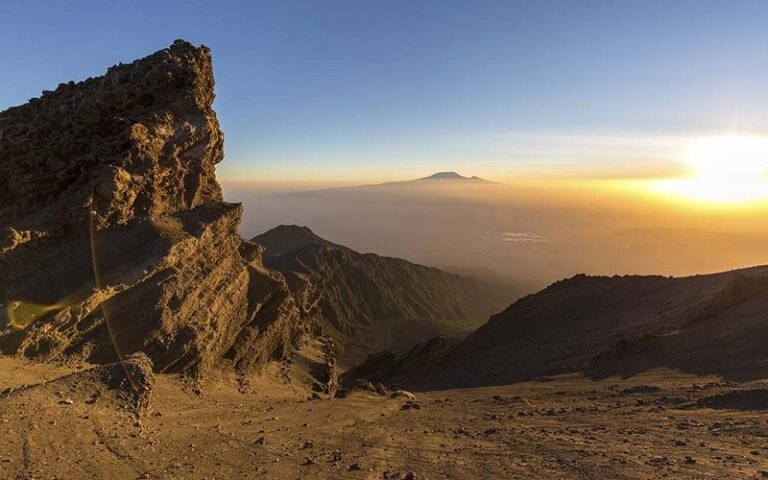
Monte Meru Y Kilimanjaro: Trekking En Tanzania 2026-2027
Discover the ultimate trekking experience in Tanzania by combining Mount Meru and Mount Kilimanjaro. This comprehensive guide covers everything from route selection and preparation to...
View package details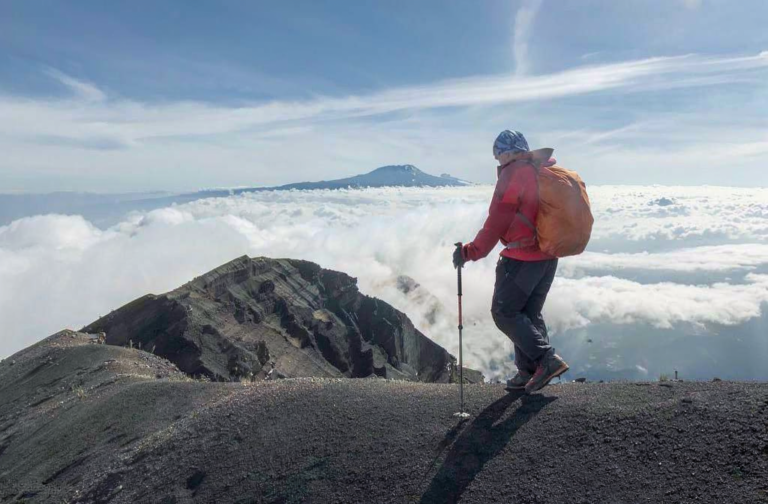
Trek Mont Meru 4 Jours: Your Complete Guide 2026-2027
start a 4-day trek up Mount Meru, a challenging yet rewarding climb near Kilimanjaro. This guide covers routes, preparation, gear, and essential tips for your 2026-2027 expedition.
View package detailsWhy Is Climbing Kilimanjaro So Expensive? 2026-2027
Why Is Climbing Kilimanjaro So Expensive? is explained with current 2026-2027 planning, price, itinerary and booking information.
View package detailsWhy Is Kilimanjaro One Of The World’s Most Famous Mountains? Your Planning
Kilimanjaro's fame stems from its status as the highest free-standing mountain, its accessibility to non-technical climbers, its iconic snow-capped summit, and its location in a biodiverse...
View package details10 Things To Know Before Climbing Kilimanjaro 2026-2027
10 Things to Know Before Climbing Kilimanjaro is explained with current 2026-2027 planning, price, itinerary and booking information.
View package detailsWhat Nobody Tells You Before Climbing Kilimanjaro 2026-2027
What Nobody Tells You Before Climbing Kilimanjaro is explained with current 2026-2027 planning, price, itinerary and booking information.
View package detailsNo related package matches those filters. Clear one or more filters to see the other topic-matched options.



