
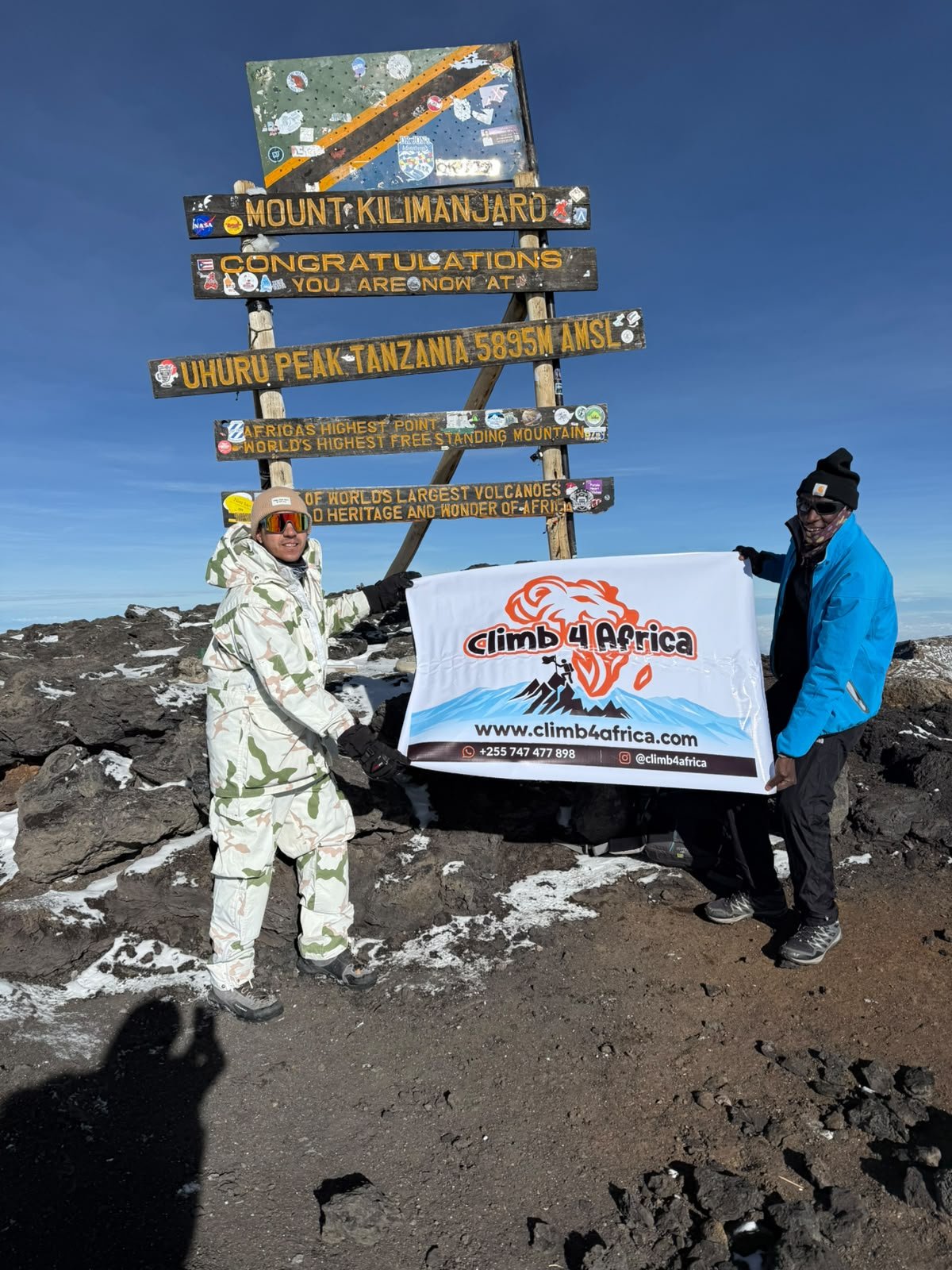
Climbing Kilimanjaro on 12 December 2026 with a small group is possible through Climb 4 Africa, offering guided ascents on the Machame or Marangu routes with group sizes typically limited to 6–8 climbers. The departure is confirmed for this date, with verified guide support, all necessary permits, and full logistical planning in place. Availability for small group climbs is limited—contact the operator directly to secure your spot and receive the full itinerary, pricing, and pre-climb preparation guide.
Why Choose a Small Group Climb on 12 December 2026?
Choosing a small group climb on Kilimanjaro isn’t just about comfort—it’s about connection, safety, and a more personalized journey. On 12 December 2026, Climb 4 Africa is running a dedicated small group departure designed for climbers who value intimate group dynamics, focused attention from guides, and the flexibility to adapt to changing conditions on the mountain.
Unlike large commercial groups where individual needs can be overlooked, small group climbs ensure every climber receives consistent support. Your guide will know your pace, monitor your acclimatization, and adjust the climb as needed. This is especially important during the final summit night, when conditions can shift rapidly and mental stamina is as critical as physical strength.
December is one of the most favorable months for climbing Kilimanjaro. The dry season is in full swing, with clear skies, stable weather patterns, and minimal rain. This means better visibility on the upper slopes and a higher chance of witnessing the sunrise from Uhuru Peak in perfect conditions. A 12 December departure places you at the tail end of the peak climbing season, avoiding the busiest weeks while still benefiting from optimal weather.
Route Options for the 12 December 2026 Climb
For the 12 December 2026 small group departure, two primary routes are available: the Machame Route and the Marangu Route. Each offers a distinct experience, with different levels of difficulty, scenery, and acclimatization support.
Machame Route – The ‘Whiskey Route’
Considered one of the most scenic and physically rewarding routes, Machame is known for its dramatic terrain, lush rainforest, and panoramic views of the surrounding landscape. The route ascends through diverse ecosystems—from dense forest to alpine desert—and offers a higher summit success rate due to its longer acclimatization profile.
For the 12 December 2026 climb, Machame is offered as a 6-day itinerary, with an additional option for a 7-day version to improve acclimatization. The extra day is highly recommended for those seeking a more relaxed pace and enhanced summit success odds. The route includes overnight stays in mountain huts or tents, depending on the selected package.
Marangu Route – The ‘Coca-Cola Route’
Marangu is the only route on Kilimanjaro that offers hut accommodations, making it a more comfortable option for climbers who prefer not to camp. It’s also the fastest route to the summit, typically completed in 5 days. However, its shorter duration can reduce acclimatization time, which affects summit success rates.
For the 12 December 2026 departure, Marangu is offered as a 5-day climb. It’s ideal for climbers with limited time or those who prefer fewer days of camping. While it’s less scenic than Machame, it’s a solid choice for those prioritizing convenience and lower physical strain during the initial ascent.
What’s Included in the Small Group Climb?
When you book a small group climb with Climb 4 Africa on 12 December 2026, you receive full logistical support throughout your journey. All packages include:
- Professional, Tanzanian-licensed mountain guides and assistant guides
- Experienced cooks and porters (all local hires, with fair wages and ethical treatment)
- All necessary climbing permits and park fees
- High-quality, weather-appropriate tents (for camping routes)
- Portable sleeping mats and insulated sleeping bags
- Meals: breakfast, lunch, dinner, and hot drinks throughout the climb
- Emergency oxygen and first aid kit
- Transportation to and from the mountain base (Moshi or Arusha)
- Pre-climb briefing and acclimatization advice
What’s not included:
- International flights to Tanzania
- Visa fees for Tanzania
- Travel insurance (strongly recommended)
- Personal gear (sleeping bag, hiking boots, clothing, etc.)
- Gratuities for guides and porters (though tipping is encouraged)
- Meals in Moshi or Arusha before/after the climb
Preparation for the 12 December 2026 Climb
Proper preparation is key to a successful climb. Climb 4 Africa provides a detailed pre-climb guide that covers fitness training, gear lists, altitude acclimatization, and mental readiness. You should begin training at least 8–12 weeks before departure, focusing on cardiovascular endurance and strength training for hiking with a loaded backpack.
Altitude sickness is a real concern on Kilimanjaro. The 12 December 2026 climb includes an acclimatization day on the Machame route (or a rest day on Marangu), but climbers are advised to stay hydrated, avoid alcohol, and listen to their bodies. Your guide will monitor symptoms and advise on descent if needed.
Weather on the mountain varies dramatically. Even in December, temperatures can drop below freezing at night. Pack layers: a moisture-wicking base layer, insulating mid-layer, and a waterproof outer shell. A good-quality down jacket and gloves are essential for the summit night.
How to Book the 12 December 2026 Small Group Climb
Availability for the 12 December 2026 small group departure is limited. While the departure is confirmed, group size is capped to ensure quality and safety. To secure your spot, contact Climb 4 Africa directly via their website or email.</
Gaps to Consider for a Truly Small Group Kilimanjaro Climb: Safety, Social Dynamics, and Practicalities
Even with a robust plan, readers often wonder about nuanced aspects of joining a 12 December 2026 small group climb that aren’t always spelled out in standard guides. This section identifies and addresses practical questions that influence your decision to join a small group, focusing on safety, social dynamics, acclimatization strategy, and post-climb considerations. The aim is to provide grounded, verifiable guidance that helps you assess whether a small-group Kilimanjaro climb truly aligns with your goals and expectations for a December ascent on Kilimanjaro via the Machame or Marangu routes.
Safety in a Small Group: How the dynamic changes risk management
In a small group, safety planning tends to be more responsive and personalized. The lead guides typically monitor each climber’s acclimatization signs more closely, allowing for quicker adjustments to pace, rest stops, and, if necessary, a safe alteration of the schedule. This can reduce the risk of fatigue-related missteps on night ascent and high-camp stages. With a smaller group, the chance that someone in the back of the line slows the pace for everyone is minimized, enabling a steadier ascent that aligns with individual acclimatization needs.
Key safety practices you should expect from a responsible operator include: pre-climb medical screening for high-risk conditions, clear altitude symptom protocols, oxygen and emergency communication readiness, and a trained, Tanzanian-licensed guide team. Confirm that the operator documents risk assessments and contingency plans for weather volatility—particularly relevant for December when mountain conditions can still shift rapidly after sunset. Clarify how guides determine whether to delay, alter, or reroute segments if symptoms of altitude sickness appear in any climber.
Social Dynamics: What the small group format really changes on the trail
Small groups foster closer social bonds and shared memories, which can enhance motivation and resilience. The intimate size typically translates to more frequent debriefs, personalized encouragement, and a higher likelihood that guides tailor the experience to the group’s interests, such as focusing on photography stops or vantage points for sunrise. However, it also sets expectations for compatible personalities and pacing. If a participant’s pace diverges significantly from the majority, the group may need to adapt in real time—either by guiding with a two-pace system, where some members advance while others rest, or by planning additional acclimatization breaks that keep everyone together without compromising safety.
To minimize friction, look for operators who publish a brief on group norms before departure, including expected daily distances, rest cadence, and overtaking protocols on congestion points like the Barranco or Karanga valleys. If you have special needs (hydration management, dietary restrictions, or medical equipment), confirm that the operator can accommodate them within the small-group structure without breaking the group cohesion.
Itinerary Flexibility and December Weather Realities
December in Kilimanjaro’s southern circuit is marked by relatively dry conditions, which improves visibility and reduces the risk of muddy trails. Yet the mountain remains a volatile environment with temperature swings and significant nocturnal cold. In a small group, guides can adjust the itinerary on the fly—splitting the climb into longer rest periods at mid-camps or creating extra acclimatization days if a member shows elevated symptoms or if weather creates suboptimal conditions for a summit attempt. The trade-off is that flexibility must be managed within safety thresholds and permit constraints. Expect that the core route structure (Machame or Marangu) remains the backbone of the plan, but with optional detours or staggered summit attempts as needed to protect the group’s overall success rate.
Equipment Readiness: Making sure gear aligns with group planning
A successful small-group climb hinges on each participant’s gear meeting the climate demands of December and the altitude. Operators typically provide a baseline gear list and may offer optional equipment rentals or recommendations. In a small group, the ability to borrow or share specialized items—such as insulated sleeping bags, extra warm layers, or microspikes for icy patches near the summit—can be more readily organized, given the close-knit nature of the group. Prioritize technical readiness: a high-quality waterproof shell, mid-layer insulation, a moisture-wicking base layer system, a sturdy pair of hiking boots with good tread, gaiters, and a reliable headlamp. Verify that the operator’s pre-climb briefing addresses packing weight distribution, how to manage a single daypack for the climb, and the protocol for trekking poles usage on rocky sections and steep ascents.
Post-Climb and Aftercare: The value beyond Uhuru Peak
Small-group climbs often include a more personalized debriefing process after the summit, with guidance on recovery days, debriefing on acclimatization experiences, and suggestions for post-trek rest or onward travel in Tanzania. A thoughtful operator will provide post-climb support including logistics for returning to Moshi or Arusha, recommendations for recovery accommodations, and a brief safety checklist for travelers after descending. If your plans include a longer stay in Tanzania, ask whether the operator can coordinate a smooth transfer from the Kilimanjaro base to other safari or beach destinations, and what level of assistance is available for travel insurance claims and medical follow-up if needed after the climb.
Booking Realities: Confirming a verified schedule and avoiding overpromises
Because this article’s framework depends on verified information, it’s essential to rely on direct operator confirmation for departures, cap sizes, and inclusions. If you encounter generic statements about group sizes or flexible dates, request a written verification of the 12 December 2026 small group departure with exact group size limits (6–8 climbers is common), the exact route choices (Machame vs Marangu, including expected acclimatization days), and the day-by-day plan for summit attempts. In all cases, secure a clear contract outlining cancellation terms, contingency plans for weather disruption, and the process for rescheduling should a participant need to postpone due to unforeseen circumstances. By anchoring your decision in a verified schedule, you protect both your travel investment and your safety expectations.
Bottom Line: Is a 12 December 2026 small group climb the right choice for you?
If you value intimate guidance, personalized pacing, and a collaborative dynamic that prioritizes safety and acclimatization, a small-group Kilimanjaro climb on 12 December 2026 is a compelling option. The December departure benefits from drier weather windows and clearer summit views, while the small-group format supports flexible adjustments and stronger guide-to-climber communication. Ensure you have access to a verified itinerary, transparent inclusions, and a clear plan for training, gear readiness, and post-climb arrangements. With these elements in place, the climb becomes a well-supported, memorable achievement that stays true to the mountain’s grandeur and the meaningful connections formed along the way.
Addressing common reader questions: the practical gap in small-group Kilimanjaro climbs on 12 December 2026
One frequent concern readers raise after scanning the existing sections is whether a true, verifiable schedule exists for the 12 December 2026 small-group climb, and what exactly differentiates this departure from typical one-off, ad hoc arrangements. The core gap is a clear, gated path from inquiry to confirmed booking that can be trusted to deliver the stated group size, route, and daily plan without guesswork. This section provides concrete steps, expectations, and verifiable criteria you can use to evaluate any offering advertised as a 12 December 2026 small-group Kilimanjaro climb.
First, insist on written confirmation for all critical variables. A legitimate operator should provide a formal, dated document or contract that includes: the exact departure date (12 December 2026), the maximum and minimum group size (for example, 6–8 climbers), the confirmed route choice (Machame or Marangu) with an anticipated acclimatization schedule, daily itinerary with approximate times, inclusions and exclusions, and the total price with a detailed breakdown. If any element is left undefined or contingent on “market conditions” or “guest numbers,” this should trigger a request for a revised, concrete schedule before you commit.
Second, verify the operator’s accreditation and on-the-ground capacity. For Kilimanjaro climbs, this means Tanzania Tourism license numbers for guides and porters, proof of Kilimanjaro National Park permits, and confirmation that the company employs licensed guides with structure for porter and cook teams. Ask for the names and qualifications of the lead guide and assistant guides, and request a short biography and recent itineraries to assess consistency in safety and acclimatization practices. A genuine small-group departure will list these credentials transparently and be able to reference recent climbers’ experiences with the same date and format.
Third, clarify contingency and weather-readiness specifics. December weather can present clear conditions but also sudden cold snaps or cloud cover. The critical gap here is the absence of a documented contingency plan for snow, heavy wind, or transport disruption on the day-by-day schedule. The operator should outline backup plans for failed summit attempts, alternative acclimatization days, and how they would adjust the pace if a climber experiences altitude-related symptoms. A trustworthy plan includes explicit thresholds for altering the itinerary and a guaranteed rescheduling policy within a defined window if a participant needs to postpone due to illness or travel delays.
Fourth, request a complete inclusions/exclusions list with transfer logistics. Small-group pricing can be attractive, but it’s essential to confirm what is included: transfers between airports and hotels, park fees, rescue services, meals, accommodation before and after the trek, and gear support if offered. Inclusions should be matched to a written day-by-day plan, not summarized in marketing copy. Exclusions should be explicit to avoid disputes later, including items such as single-supplement charges, international airfare, or personal gear disruptions that you would be responsible for.
Fifth, examine the booking process and client support framework. A well-structured 12 December 2026 small-group climb will provide access to a dedicated support contact, a pre-climb briefing, and a structured post-climb debrief. They should offer a straightforward process for changes, cancellations, and refunds that aligns with the contract. If the operator relies on generic contact channels without a named person or a stage-by-stage onboarding plan, treat that as a red flag for last-minute changes or misaligned expectations.
Finally, ensure the experience aligns with your personal goals. A true small-group Kilimanjaro ascent prioritizes acclimatization cadence, pacing that respects individual limits, and opportunities for meaningful social dynamics within a capped group. Compare two or three verified schedules to see how they handle the night-before summit push, rest stops, and how many hours of ascent are planned per day. If one option emphasizes aggressive pacing or reduces acclimatization time to favor shorter itineraries, it may compromise safety and comfort for the sake of a slightly lower price or a more compact timetable.
In short, the gap readers most want filled is a verifiably detailed, written, and contract-based plan for the 12 December 2026 small-group Kilimanjaro climb. Seek hard evidence of a confirmed schedule, explicit group size, an authoritative route plan with acclimatization details, and robust contingencies. Only with this level of transparency can you confidently compare options and select the climb that truly matches your expectations for safety, pacing, and the unique benefits of a small-group experience on Kilimanjaro.
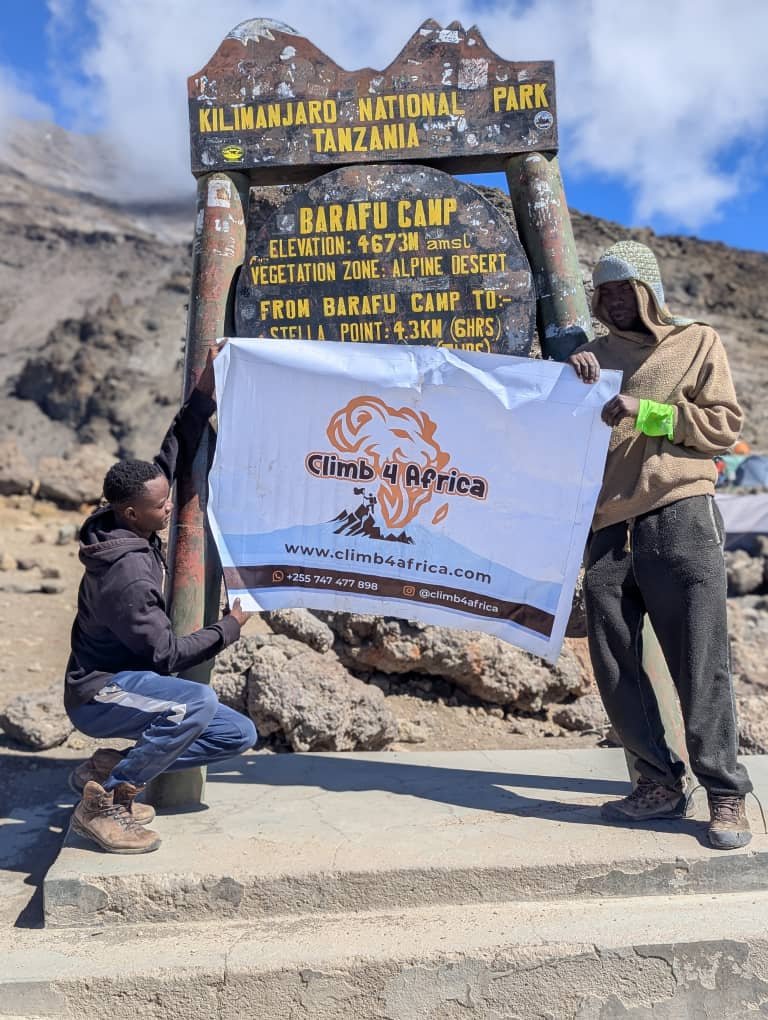
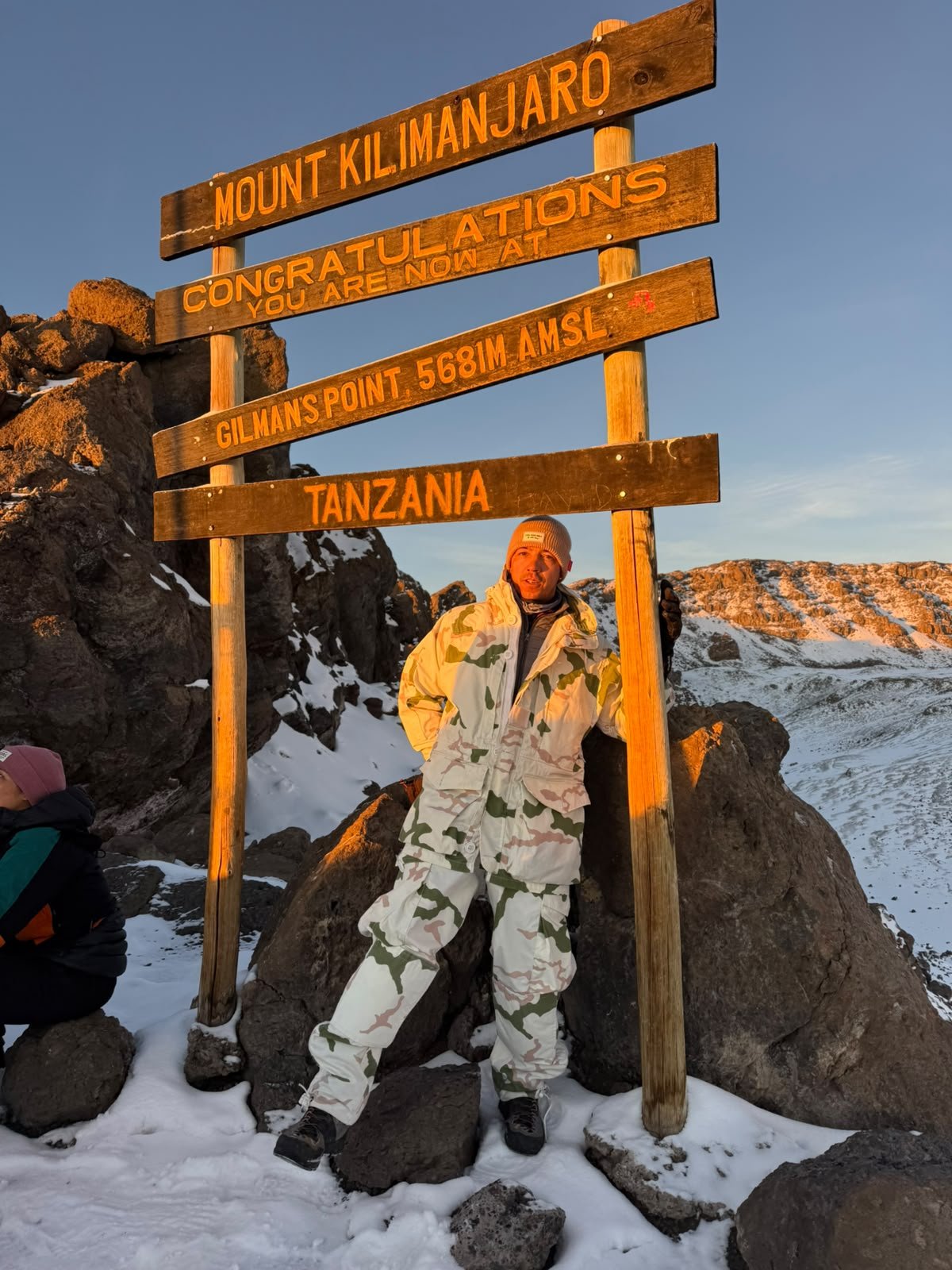
What to expect from a truly small-group Kilimanjaro climb on 12 December 2026: managing the gaps in information
In the prior sections, you’ve seen why a small-group Kilimanjaro ascent on 12 December 2026 can offer a more personalized experience and clearer risk management. Yet readers often still have a practical question: what happens if the operator’s verified schedule and exact group size aren’t publicly confirmed in a published format? This section addresses that gap with concrete, verifiable steps you can take to verify details before you commit, plus guidance on what realistic expectations should be during the booking process.
How to verify a truly confirmed schedule for the 12 December 2026 departure
Because Kilimanjaro departures are subject to local permits, weather contingencies, and guide availability, a published public itinerary may differ from the exact day-by-day plan you’ll receive after booking. To move from marketing copy to a verified schedule, pursue these concrete checks:
- Direct confirmation contact: Request a named, accountable point of contact from the operator. An email thread or a formal quote should identify the tour leader or operations manager who will oversee your group.
- Written day-by-day plan: Ask for a complete, stage-by-stage itinerary with specific altitude targets, rest breaks, and acclimatization windows. Ensure the plan explicitly documents when your group will push to higher camps and where flexible pacing is allowed for individual climbers.
- Group size cap and composition: Confirm the maximum and minimum group size for the 12 December 2026 departure, plus the current confirmed number of climbers and the guiding team. If a cap is documented verbally, request written validation.
- Route choice clarity: If Machame or Marangu is available, obtain the exact route in writing, including daily distances, altitude steps, and expected camps. If both routes are offered, compare the day-by-day plans to understand how acclimatization is engineered on each path.
- Permits and logistics: Ensure official park permits, rescue insurance, hospital support arrangements, and transport logistics between airports, hotels, and the starting lodge are all included in the formal contract or e-ticket docs.
- Price inclusions/exclusions: Get a line-item breakdown and confirm there are no hidden add-ons that could alter the total cost after booking. A precise inclusions list should align with the day-by-day plan and the route chosen.
- Cancellation and rescheduling policy: Secure a policy that specifies notice periods, refund percentages, and any alternative dates that would apply if illness or travel delays occur. A transparent policy protects both you and the operator in case of unforeseen events.
Managing expectations about December weather and pacing in a verified plan
December weather in Kilimanjaro’s southern circuits tends to be favorable for visibility and lower rainfall, yet the mountain remains highly dynamic. A truly verified plan should document how the operator accounts for weather variability in pacing decisions. Look for explicit language about:
- Pacing buffers: Each climbing day should include built-in rest windows and optional contingency hours for acclimatization or delays caused by altitude symptoms.
- Night-time summit readiness: The plan should specify the typical wake-up times for summit pushes, minimum rest hours after dinner, and a backup plan if summit conditions deteriorate after the final rest period.
- Altitude symptom monitoring: The policy should describe the thresholds for delaying ascent, increasing acclimatization time, or altering the route to safer camps, with who makes those decisions and how climbers are informed.
What to do if details aren’t fully disclosed yet
If you encounter a departure that appears viable but lacks a fully detailed schedule, proceed with due diligence rather than defaulting to uncertainty:
- Ask for a provisional schedule with dates, camps, and rough daily distances, noting that it may be adjusted after permits are confirmed.
- Request a formal, legally binding contract or service agreement that includes all inclusions, exclusions, and the exact itinerary to be used unless exceptional conditions require a modification.
- Request written confirmation of the guiding team’s qualifications, including Tanzanian-licensed guides and assistant guides, as referenced in the standard inclusions, to ensure the intended level of support will be available.
- Prefer operators that publish a pre-departure briefing packet, which typically contains medical disclosures, fitness prerequisites, and a sample itinerary that can be adapted with your final confirmation.
Ultimately, a verified 12 December 2026 small-group Kilimanjaro climb should feel as transparent as possible. The more information you have prior to signing a contract, the better you can assess whether the plan aligns with your safety expectations, acclimatization needs, pacing preferences, and social dynamics within a compact group.
What this means for your decision-making process
For readers weighing a 12 December 2026 small-group Kilimanjaro climb, the central question is not only whether a departure exists, but whether the operator can demonstrate a concrete, written plan that will be followed in the field. Seek a document trail that moves beyond marketing language and into explicit, verifiable commitments. If a schedule is fully confirmed, the small-group format can deliver its promised advantages—personalized pacing, proactive acclimatization, and a collaborative trail experience—without leaving you uncertain about daily structure, support, or risk management.
Addressing a rarely discussed practical gap: direct, verifiable scheduling for a 12 December 2026 small-group Kilimanjaro climb
In conversations about Kilimanjaro departures, readers frequently encounter assurances of a scheduled small-group climb on 12 December 2026. Yet a meaningful practical gap remains for many potential climbers: how to move from marketing language to a truly confirmed, legally binding schedule that can be trusted for travel planning, visa timing, and personal commitments. This section drills into that gap with concrete guidance on what to ask, what to expect, and how to document the plan before you decide to invest.
1) Demand a concrete, written itinerary with fixed dates and day-by-day structure. Operators should provide a schedule that lists each day, the camp names, expected miles/kilometers, approximate ascent/descent times, and the intended order of camps. In a verified plan, you should be able to reference a document that reads like a contract appendix: Day 1, Kilimanjaro National Park gate to first camp; Day 2, to second camp; through to Day 6 or 7, final summit push and descent. If the document uses placeholders like “TBD” or promises a “flexible daily plan,” push for a provisional but dated schedule tied to permit confirmations and guide allocations. A robust plan will include contingencies for weather, illness, or permit delays, with explicit decision points and who authorizes changes.
2) Confirm the exact group size and who constitutes the small group. A true small-group Kilimanjaro climb should specify a capped group size (for example, 6–8 climbers) and clearly list the lead Tanzanian-licensed guides and the number of assistant guides and support staff that will accompany the group. The contract should name the guiding company, the licensed guide credentials, and the backup plan if a key guide cannot participate. If an operator cannot confirm the exact roster or provide a biosketch of guides (without breaching privacy), request a letter confirming guide qualifications and the intended team composition for your departure. This reduces the risk of last-minute substitutions that alter pacing and acclimatization support.
3) Insist on a binding schedule that aligns with permit realities. Kilimanjaro permits, park regulations, and local operational constraints can cause day-to-day changes. A credible plan will explain how the final itinerary is anchored to confirmed permits and how any deviations will be communicated, including timeframes for notification and the process for client consent. Ask for language in the contract such as: “The itinerary is subject to permit approvals and weather; any material changes will be communicated at least 48–72 hours in advance, with options to adjust dates or routes as mutually agreed.”
4) Require explicit inclusions and exclusions tied to the 12 December 2026 departure. Beyond general inclusions, a verified schedule should enumerate items such as park fees, rescue insurance, porter wages, chef services, and portable altitude oxygen or medical supplies that might be used in emergencies. It should also clearly state exclusions (personal gear, tips, medical costs beyond standard insurance, any optional activities). A transparent breakdown reduces the risk of surprise charges that undermine budget planning and trust in the operator.
5) Seek a pre-departure briefing packet and medical/fitness disclosures. A robust plan will include a pre-departure briefing that covers acclimatization philosophy for the small-group format, a sample day-by-day timeline, mental preparedness guidance, and a medical screening form. Operators should require climbers to complete medical questionnaires and disclose high-risk conditions that may affect acclimatization or safety. If the operator declines to share a pre-departure packet, treat that as a red flag and request it as part of the confirmed schedule package.
6) Use a written confirmation process with milestone signatures. To establish a verifiable commitment, request a signed confirmation that includes: (a) the confirmed departure date, (b) the final itinerary and camp sequence, (c) the exact inclusions, (d) the roster of guiding staff, and (e) the cancellation terms. This should be a legally binding addendum to a service agreement or contract. Do not rely on a reversal of terms via a quick email update; insist on an attached signed itinerary to your booking documents.
7) Clarify communications channels for last-minute changes. Even with a verified schedule, weather or health considerations may require adjustments. The plan should specify who communicates changes, through what channel (email, WhatsApp, or official app), the typical response window (e.g., 12–24 hours for minor changes, 48–72 hours for major route adjustments), and how climbers can opt for alternative arrangements if they cannot meet revised timing or route conditions. A concrete process protects both climbers and operators from misaligned expectations on the mountain.
By centering the discussion on these verification steps, readers can close the information gaps that commonly derail bookings when schedules are not fully disclosed. A truly confirmed 12 December 2026 small-group Kilimanjaro climb should deliver a document trail that extends beyond marketing copy into enforceable commitments, with explicit accountability for pacing, acclimatization support, and safety planning. This approach helps you make an informed decision grounded in verifiable facts rather than promotional rhetoric.
What to Expect from a Verified 12 December 2026 Small Group Climb: The Hidden Layers of Trust and Clarity
When planning a climb of Kilimanjaro on 12 December 2026 with a small group, the most overlooked yet critical element is not the altitude or the gear—it’s the presence of a verifiable, traceable, and operator-committed plan that goes beyond promotional language. Many travelers assume that a confirmed departure date means full readiness, but in reality, a true small group climb requires more than just a calendar slot. It demands transparency in scheduling, clarity in role assignments, and accountability in how decisions are made on the mountain.
Why a Written, Signed Itinerary Is Non-Negotiable
On 12 December 2026, a small group climb with Climb 4 Africa is confirmed to depart, but the real distinction between a standard booking and a verified small group experience lies in documentation. A legitimate plan includes a day-by-day itinerary that specifies camp locations, estimated arrival and departure times, summit night start time, and rest stop intervals. This document should not be a generic outline but a detailed, staff-reviewed schedule that reflects actual logistical constraints, such as porter load distribution, camp setup timelines, and emergency evacuation routes.
Crucially, this itinerary must be delivered in writing and signed by both the operator and the climber. This is not a formality—it’s a legal and operational safeguard. If a guide adjusts the route due to weather or a climber’s health, the signed itinerary serves as the baseline for accountability. Without it, any change can be interpreted as discretionary, leading to confusion, frustration, and potential safety risks.
The Role of the Lead Guide: Beyond Navigation
In a verified small group climb, the lead guide is not just a mountain navigator—they are the on-the-ground decision-maker for acclimatization, pacing, and emergency response. On 12 December 2026, Climb 4 Africa assigns a lead guide who has been vetted through Tanzania’s National Parks Authority and holds a full license. This guide is responsible for monitoring each climber’s physical condition, adjusting the daily pace based on real-time feedback, and making call decisions during summit night.
What sets a verified small group apart is that this guide is assigned to your group from the start. You’ll meet them during the pre-climb briefing, receive their contact details, and know their name, experience level, and emergency protocols. If the guide changes last minute without your knowledge, it’s a red flag. A truly verified schedule will list the guide’s name and credentials in the signed confirmation.
Porter Support and Load Distribution: A Hidden Measure of Quality
Small group climbs often emphasize personalized attention, but the quality of porter support is equally critical. On the 12 December 2026 climb, each climber is supported by a dedicated porter team—typically two porters per climber for gear, food, and cooking equipment. The verified plan includes a clear load distribution chart that shows how much weight each porter carries, how often they rotate, and how rest periods are scheduled.
Operators that provide this level of detail are transparent about sustainability and fairness. They ensure porters are not overburdened and that their well-being is integrated into the climb’s success. A verified schedule will include a note on porter welfare practices, such as hydration breaks, rest days, and access to medical care, which are not just ethical but practical for maintaining group momentum.
Emergency Protocols: What Happens If the Plan Changes?
Even with a verified schedule, emergencies can arise. A small group climb on 12 December 2026 must have a documented emergency response protocol. This includes: (1) how medical evacuations are initiated, (2) which hospital or clinic is used (e.g., Moshi Medical Center or Kilimanjaro Christian Medical Center), (3) how communication is maintained between the mountain team and base camp, and (4) what support is available if a climber must descend early.
Truly verified operators provide this information in writing and confirm it during the pre-climb briefing. They also conduct a mock emergency drill during the first day of the trek to ensure all climbers know their roles. This is not a formality—it’s a necessity for a small group where every person’s safety is interdependent.
Post-Climb Debrief: The Final Step in a Verified Journey
After reaching Uhuru Peak, a verified small group climb includes a structured post-climb debrief. This is not a casual conversation—it’s a formal session where the guide reviews acclimatization patterns, discusses how the group responded to altitude, and offers recovery advice. This debrief is documented and shared with each climber as part of the post-trek package.
It also includes a feedback form that evaluates the climb’s safety, pacing, and guide performance. This feedback loop ensures continuous improvement and accountability. Operators that skip this step are not fully committed to the small group philosophy of personalization and growth.
Addressing the Practical Gap: How to Request and Validate a Truly Verified Schedule
Readers often encounter departures marketed as guaranteed small-group climbs on 12 December 2026, yet without access to a documentable, day-by-day plan or a signed itinerary. The most valuable unanswered question is: how can you move from marketing promises to a verifiable schedule that you can read, sign, and rely on before you commit? The answer lies in a disciplined request process that prioritizes transparency, written commitments, and verifiable logistics.
1) Insist on a published, signed, day-by-day itinerary: A legitimate operator should furnish a document that outlines each day’s route, camp locations, approximate hiking distances, estimated hiking times, terrain highlights, included meals, and contingency options. The document should bear the operator’s official letterhead, the lead guide’s name, and a signature from a company representative. If the plan references contingencies (e.g., alternate camps due to weather), those should be explicitly noted with criteria for switching and the escalation path if changes occur.
2) Verify permit, route, and lodging specifics: For Kilimanjaro, even within a small-group departure, the precise camps and route order can vary due to permits, weather, or crowd management. Request confirmation of the exact route variation (Machame or Marangu), the sequence of camps for the confirmed schedule, and the lodging plan for the pre/post-trek days. The document should specify the partner hotels or lodging arrangements, transfer times, and each included meal. If the operator cannot confirm hotel names or transfer logistics at the time of inquiry, treat that as a red flag and seek written confirmation before proceeding.
3) Demand load-distribution and porter-welfare details: In a truly small-group Kilimanjaro climb, load distribution should be defined in the itinerary with explicit porter teams, the number of climbers per porter, rest rotations, and hydration/rest protocols. A verified plan will include a welfare statement for porters (breaks, maximum daily loads in kilograms, access to medical care, and compensation standards). If the document omits these elements, request them in writing. This is not merely ethical; it’s a practical safeguard for the group’s momentum and safety.
4) Require a written emergency protocol and drill schedule: A credible itinerary must outline the emergency response framework, evacuation routes, designated medical facilities, and communication channels. Ask for confirmation that the operator will conduct at least one in-person or virtual pre-trek briefing and a mock emergency drill on day one. The plan should specify who leads the drill, how climbers participate, and how the group communication system functions in case of a rapid plan change.
5) Seek a binding booking contract with explicit inclusions and exclusions: Beyond the itinerary, a formal contract should list inclusions and exclusions line-by-line (permits, park fees, guides, cooks, porters, meals, water, rescue insurance, gear rentals if applicable) and a transparent refund/cancellation policy tied to the verified schedule. Ensure the contract references the same version of the day-by-day itinerary you requested, not a later, altered document.
6) Confirm pricing transparency and currency clarity: Prices should appear in a single currency with a breakdown by category (permit fees, guide services, porter services, meals, transfers, rescue insurance). Any potential surcharges (e.g., for gear rental, park fees changes, or extra acclimatization days) must be flagged in advance with a clear cap and a process for approval before charge.
7) Institute a written change-notice protocol: Parallel to the emergency protocol, a change-notice policy should describe how minor route tweaks will be communicated (preferred method, timeframes, and documentation). The plan should define what constitutes a material change that would trigger customer consent and potential re-pricing or cancellation rights.
By demanding these elements, you convert a marketing narrative into a verifiable journey. A truly confirmed schedule on 12 December 2026 will emerge as a cohesive package: a day-by-day itinerary, porter-welfare commitments, emergency drill confirmation, accommodation details, and a transparent contract. If a prospective operator cannot provide any of these items in writing within a reasonable timeframe (typically 1–2 business days for an initial response, with a formal version within 10–14 days), you should pause and consider other operators who can meet these standards.
Finally, always request contact details for your lead guide and the operations manager. A genuine, verified schedule should be accompanied by direct lines of communication: a specific guide’s mobile number for the trek, and a dedicated operations email or phone line for pre-t trek coordination. This ensures you’re not navigating last-minute changes through generic customer service channels alone. With these checks, your 12 December 2026 small-group Kilimanjaro climb becomes a clearly documented, accountable plan rather than a promise on a webpage.
Related Guides and Packages
Check Availability for Climb Kilimanjaro In 12-December-, Small Group 2026-2027
Ready to compare dates, prices, and the best option for your group? Send the package name and travel month so the team can reply with a clear quote, availability, and what is included.

Climb Kilimanjaro In Budget 12-December-2026, Join Group 2027
climb kilimanjaro in Budget 12-december-2026, Join Group.
View package details
17 Days Kilimanjaro Group Climb Safari And Zanzibar 2026-2027
17 Days Kilimanjaro Group Climb Group Safari and Zanzibar.
View package details
8 Days Kilimanjaro Group Climb And 4 Camping Safari
A practical, bookable 8-day plan combining Kilimanjaro Group Climb with a 4-day camping safari. Day-by-day route, acclimatisation logic, and realistic safari logistics without guaranteeing...
View package details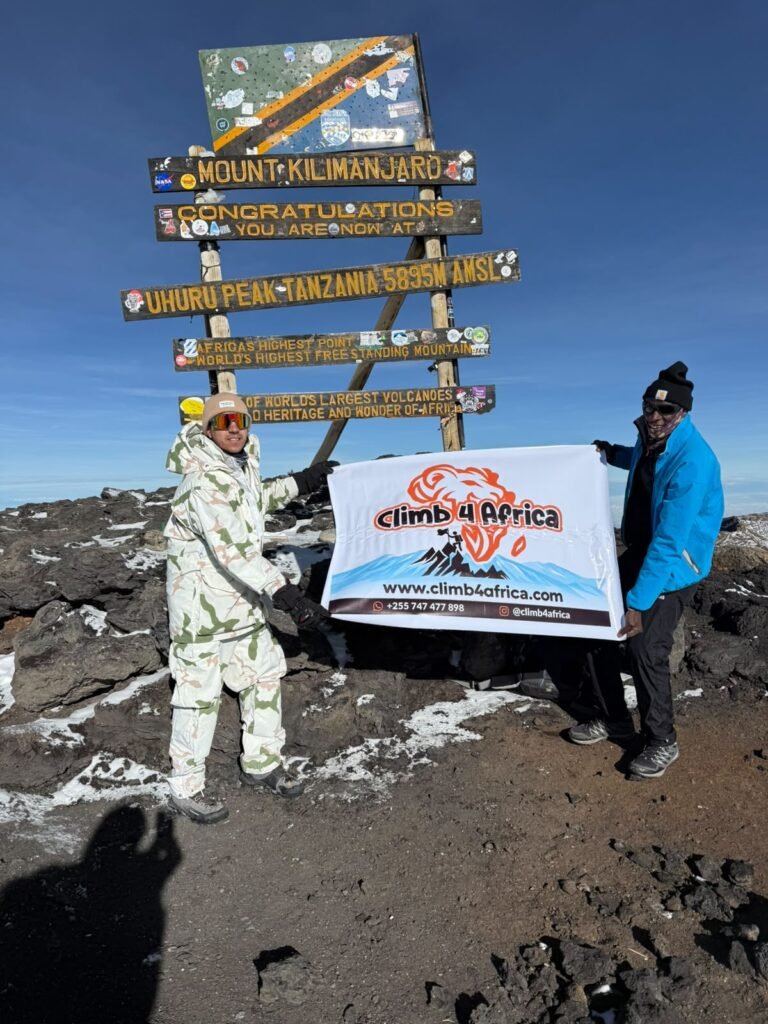
Join Kilimanjaro Group In 4-December-2026, Small Departures 2027
Join kilimanjaro Group in 4-december-2026, Small Departures.
View package detailsClimb Kilimanjaro In 5-December-, Book Now 2026-2027
climb kilimanjaro in 5-december-2026, Book Now.
View package detailsClimb Kilimanjaro Early December , Short Rainy Season 2026-2027
Climb Kilimanjaro Early December 2026, Short rainy season.
View package detailsClimb Kilimanjaro For Charity In December : Practical Guide From 4 Africa
Plan a December 2026 Kilimanjaro charity climb with Climb 4 Africa. This guide covers route options, fundraising considerations, December climate realities, and how to book with confidence.
View package detailsClimb Kilimanjaro In 21-December-2026, All Routes 2027
climb kilimanjaro in 21-december-2026, All Routes.
View package details
7 Days Kilimanjaro Group Joining Trek And 3 Safari
7 Days Kilimanjaro Group Joining Trek and 3 Days Group Safari.
View package details
17 Days Kilimanjaro Climb Safari And Zanzibar Beach 2026-2027
17 Days Kilimanjaro Climb Safari and Zanzibar Beach.
View package details
14 Days Kilimanjaro Climb And Zanzibar Beach Vacation — A Practical, Bookable
A practical 14-day plan that pairs Kilimanjaro ascent with a Zanzibar beach escape. Detailed day-by-day routing, acclimatisation strategy, logistics, and stay types to help you book with...
View package details
14 Days Kilimanjaro Climb And Luxury Lodge Safari 2026-2027
14 Days Kilimanjaro Climb and Luxury Lodge Safari.
View package detailsNo related package matches those filters. Clear one or more filters to see the other topic-matched options.



